Tag: purchase

  • Air China Cargo Boosts A350F Freighter Fleet to 10 with New Purchase Agreement

    Air China Cargo Boosts A350F Freighter Fleet to 10 with New Purchase Agreement

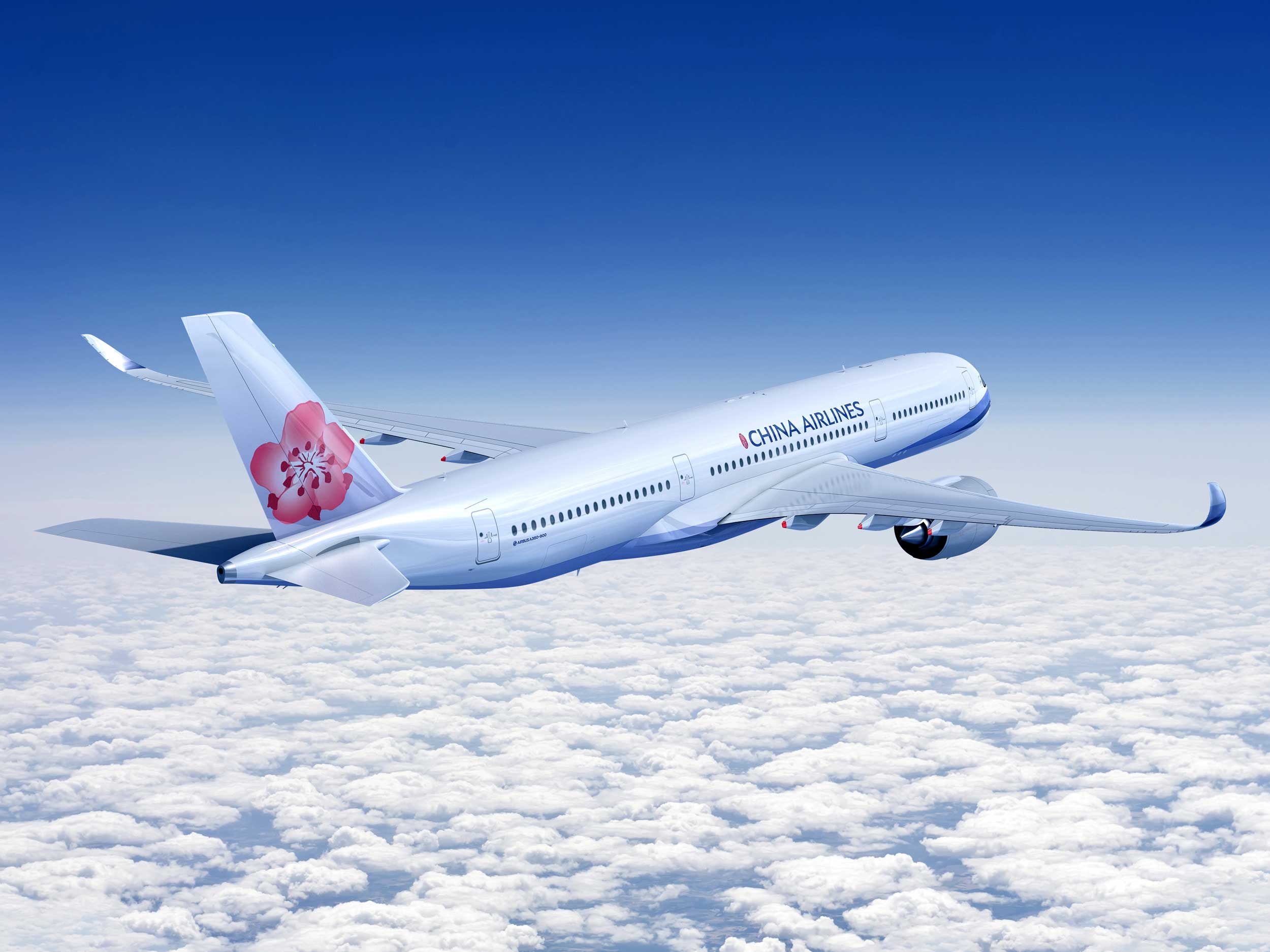
    Air China Cargo Co., Ltd. has cemented a deal with Airbus to procure an additional four A350F freighters. This agreement expands the company’s total order for this aircraft model to 10 units, supplementing the six A350F freighters previously ordered in November 2025.

    A Strategic Move

    The recent acquisition emphasizes the company’s strategy to optimize its fleet composition and enhance transportation capacity. Wang Hongyan, Air China Cargo’s Vice President, shared that the decision will enable them to align more effectively with international air cargo market demands, providing a robust groundwork for the company’s long-term consistent growth.

    Airbus’ EVP Sales of the Commercial Aircraft business, Benoît de Saint-Exupéry, lauded Air China Cargo’s move to augment its A350F freighter order. According to him, this decision signifies the company’s unwavering confidence in Airbus products and solidifies the A350F’s leading stature as the next-generation freighter.

    Air China Cargo initiated the integration of Airbus freighters into its fleet at the close of 2023. It currently manages a fleet of eight Airbus A330-200P2F aircraft. The forthcoming inclusion of the A350F freighter will supplement the A330-200P2F freighters, maximizing their benefits on long-haul and medium-to-long-haul routes.

    The Sophistication of the A350F

    The A350F, designed to be the most advanced cargo aircraft globally, caters to the evolving needs of the international air freight market. Its range capability extends up to 8,700 kilometers with a payload capacity of up to 111 tonnes, allowing operators to utilize it on international long-haul routes. Over 70% of the A350F comprises advanced materials, making it 46 tons lighter than competitive aircraft.

    The A350F features the latest Rolls-Royce Trent XWB-97 engines, promising up to a 20% reduction in fuel consumption and carbon emissions compared to previous generation aircraft with similar payload-range capabilities. As the only freighter that fully adheres to ICAO’s 2027 CO₂ emission standards, the A350F is capable of operating with up to 50% Sustainable Aviation Fuel (SAF) upon entry-to-service, aiming for 100% capability by 2030.

    As of the end of April 2026, the A350F garnered 101 orders from 14 customers.

    Questions & Answers

    How many total A350F freighters has Air China Cargo ordered?
    Air China Cargo has ordered a total of 10 A350F freighters from Airbus.

    What is the range and payload capacity of the A350F?
    The A350F has a range capacity of up to 8,700 kilometers and can carry a payload of up to 111 tonnes.

    What is the unique feature of the A350F in regard to emission standards?
    The A350F is the only freighter that fully meets the ICAO’s 2027 CO₂ emission standards. It can operate with up to 50% sustainable aviation fuel upon entry-to-service, with an aim to achieve 100% capability by 2030.
  • Vietnam Airlines Gains Approval for 50 New Narrow-Body Aircraft Purchases

    Vietnam Airlines Gains Approval for 50 New Narrow-Body Aircraft Purchases

    Vietnam Airlines Secures Approval for Acquisition of 50 Narrow-Body Aircraft

    Government Greenlights Fleet Expansion Plan

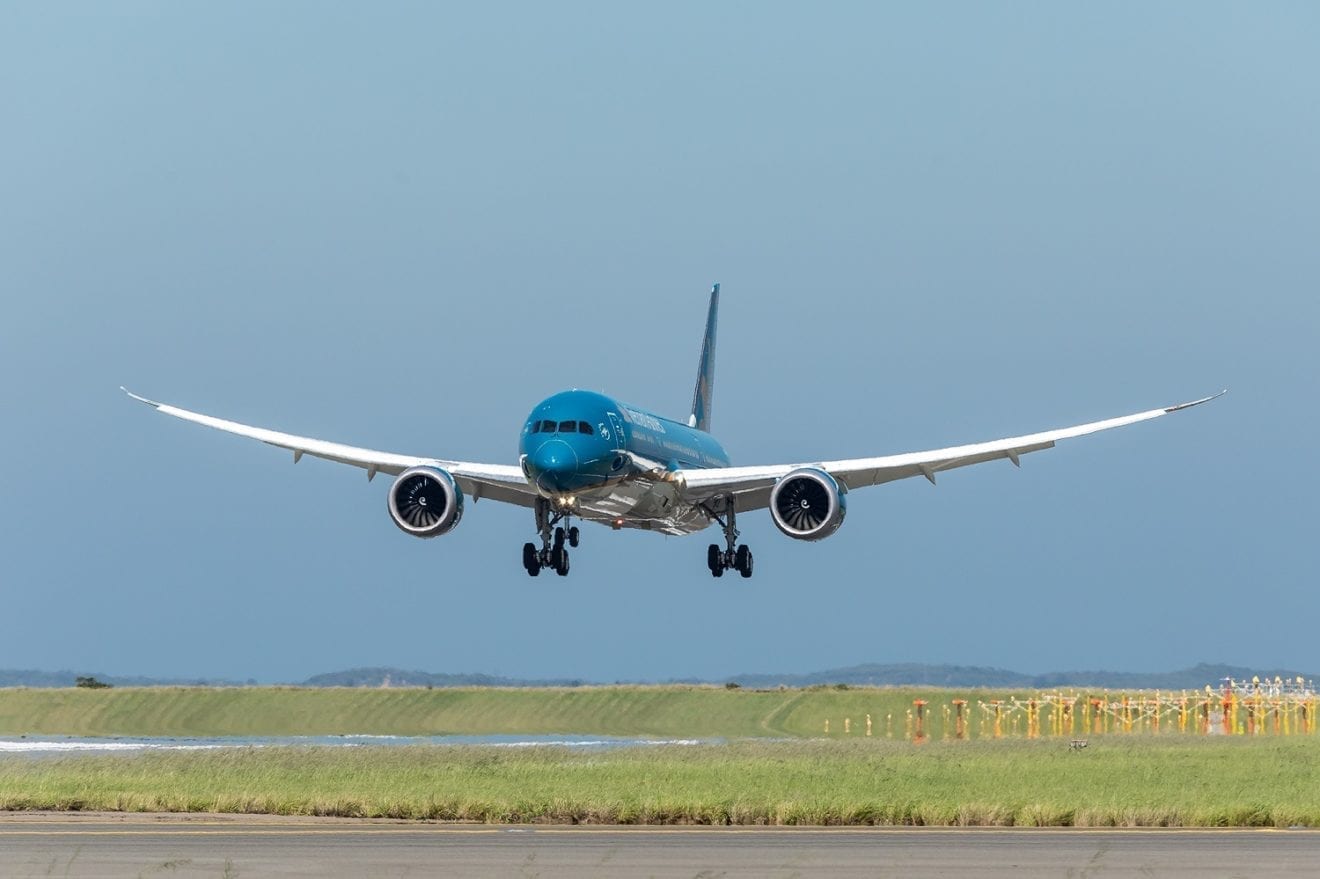
    Vietnam Airlines has received in-principle approval from the government to purchase 50 narrow-body aircraft, marking a significant step in its fleet modernization strategy. Notably, this deal will not require a state guarantee, allowing the airline to streamline its acquisition process.

    Addressing Growing Travel Demand

    The government’s approval, conveyed through an official dispatch from Deputy Prime Minister Ho Duc Phoc, aims to meet surging consumer demand for air travel and to replace aging aircraft in the current fleet. Vietnam Airlines plans to acquire 50 new Airbus A320 NEO and Boeing 737 MAX jets, along with 10 spare engines, for an estimated total of approximately $3.7 billion—an investment that is 1.6 times the airline’s current asset value based on its 2024 financial data.

    Modernizing the Fleet

    This acquisition is part of Vietnam Airlines’ broader strategy to phase out older A321 CEO planes. The new aircraft will enhance the efficiency and reliability of the fleet, aligning with increasing passenger expectations and operational standards. Earlier in September 2023, the airline also announced a deal for an additional 50 Boeing 737 MAX aircraft, with deliveries expected between 2027 and 2030.

    Strategic Financial Partnerships

    To support this growth initiative, Vietnam Airlines signed a memorandum of understanding with Citibank earlier this month for $560 million in funding focused on strategic projects, including the aircraft purchase. Furthermore, the airline has partnered with Vietcombank to secure additional financial resources for the acquisition.

    Future-Proofing Operations

    Looking ahead, Vietnam Airlines forecasts the need for a fleet of 52 wide-body and 112 narrow-body aircraft by 2035. Currently, the airline operates approximately 100 aircraft, including over 30 wide-body jets, showcasing its commitment to expanding its capacity to meet the demands of the growing travel market.

    In its 2024 financial report, Vietnam Airlines reported impressive figures, including over VND 113.7 trillion (approximately $4.37 billion) in revenue, transporting 22.7 million passengers and 314,700 tons of cargo, with an average aircraft utilization of 11 hours per day—reflecting a 25% increase from the previous year.

    Conclusion

    Vietnam Airlines’ strategic acquisition of narrow-body aircraft is poised to enhance its operational capabilities and address the evolving travel landscape in Vietnam. As the airline expands its presence and modernizes its fleet, the implications for the retail sector may be significant, driving increased consumer activity and enhancing travel options for millions. This move signifies not only a response to market demands but also a commitment to sustained growth in the competitive aviation industry.

  • Buy now, pay later becoming popular in Vietnam

    Buy now, pay later becoming popular in Vietnam

    Many buy now, pay later services have launched or expanded operations to meet the burgeoning demand.

    “Cash is necessary for daily expenses, so I choose to pay later whenever possible,” Minh Tien, 33, of HCMC said.

    He bought braces and a motorbike using pay later services.

    The braces cost him VND35 million ($1,495.92) but he needed to pay only VND5 million upfront, and can pay the rest over three years. The bike cost him VND25 million, and he paid VND10 and the rest will be paid over six months.

    Thu of HCMC bought a VND10-million TV two months ago for her daughter. “My salary goes really quickly since prices are rising, so I decided on a six-month installment scheme.”

    Buy now, pay later provides customers and sellers “a convenient and budget-friendly payment option,” Nguyen Hoang Long, director of online commerce platform Sendo, said.

    Demand for it is skyrocketing as it serves those who cannot access traditional loans, Moin Uddin, CEO of fintech platform SmartPay, said.

    Vietnam presents a positive outlook for buy now, pay later services thanks to the popularity of cashless payment and low credit card ownership here, Krishnadas, senior vice president of business development at digital credit platform Kredivo, said.

    Kredivo expects the market to reach $4.6 billion in value.

    “Buy now, pay later will be a popular payment method in Vietnam over the next three years.”

  • ApplePay will now allow users to make purchases using Bitcoin

    ApplePay will now allow users to make purchases using Bitcoin

    Bitcoin is still the most famous cryptocurrency. And at Friday’s close, each Bitcoin was valued at close to $48,000, more than double the valuation of the digital currency about a year ago. Not only can you buy more with your Bitcoins, but you can also find it easier to spend thanks to the Apple Pay mobile payment service. The BitPay wallet app’s Prepaid Mastercard can be added to the Apple Wallet and Apple Pay can help Bitcoin owners spend the cryptocurrency online, through apps or in a store.

    The BitPay wallet app not only works with Bitcoin, but will also work with Ether, Bitcoin Cash and as well as the dollar-pegged stable coins USD Coin, Gemini Dollar, Paxos Standard and Binance USD. The stable coins are based on a 1:1 ratio with the U.S. Dollar. For every Gemini Dollar in circulation, there is a corresponding U.S. Dollar held by the State Street Bank and Trust Company.

    There are plans in the work to add support for the BitPay Wallet by the end of next month with other mobile payment services Google Pay and Samsung Pay. This will allow Android users to more easily spend Bitcoins and other cryptocurrencies including the aforementioned names that are pegged to the U.S. Dollar.

    To add your BitPaycard to Apple Wallet, you need to have the latest version of the BitPay app. The latter, which can help you securely store, spend, and manage Bitcoin, can be installed from the App Store and the Google Play Store. BitPay CEO Stephen Pair (both of him) said, “We have thousands of BitPay Wallet app customers using the BitPay Card. Adding Apple Pay and soon Google and Samsung Pay makes it easy and convenient to use the BitPay Card in more places.”

    Apple should do even more when it comes to digital currencies; should Apple add a cryptocurrency exchange it could generate over $40 billion. RBC analyst Mitch Steves believes that this would allow Apple’s shares to rise 25%. RBC noted that “Square takes in $1.6 billion a quarter through bitcoin-trading revenue from its roughly 30 million active users. Apple has an install base of about 1.5 billion people, signaling that it could make up to $40 billion a year from a Wallet-based crypto exchange.” The report adds that “if Apple went down this path, the USA would likely acquire the most crypto assets from a global perspective. If the USA owns the most crypto assets (be it Bitcoin or other assets), it would not make logical sense in our view to ban it. In addition, with Apple’s secure and world-class software, the USA would be able to have confidence in user information and balances if needed in the future.”

    Apple’s big move comes right after Tesla CEO Elon Musk showed interest in cryptocurrency Dogecoin. Tesla says that it soon will accept Bitcoins as payment toward the purchase of a Tesla vehicle. RBC’s Steves notes that the combination of Apple’s interest in Bitcoin and Apple’s popularity in the tech world can help the U.S. become the technological leader in cryptocurrencies for as long as the next 20 years.

    Thanks to the Blockchain technology, the method used to keep track of Bitcoin transactions, using the cryptocurrency is secure. Data on transactions is kept inside blocks and when a block is full, it is chained to the previous one. If someone wants to steal Bitcoin and hacks into the Blockchain to alter the information in one the blocks, it can’t be done without all members of the Blockchain spotting the changes. There are smartphones that can store and verify cryptocurrency transactions such as the HTC Exodus 1s.

  • Bonjour to embrace digital technologies, live streaming used to battle profits

    Bonjour to embrace digital technologies, live streaming used to battle profits

    Bonjour, the Hong Kong-headquartered beauty retailer, says it plans to reduce its reliance on brick-and-mortar stores and focus on developing e-commerce and in-store digitalization.

    It will modify some of its existing stores adding technology that it anticipates will attract and engage customers and create a better shopping experience while also improving operational efficiency.

    The plans were revealed by the chairman and executive director Chen Jianwen along with the company’s results for the half-year to June 30, which included a loss attributable to shareholders of US$17.93 million on sales down 59.7 percent to $42.93 million. The decline was due to the borders being all but closed to foreigners due to the Covid-19 pandemic, including the ranks of mainlanders who traditionally head to the territory for shopping.

    Chen said the company has responded to the absence of tourist spending by diversifying its product portfolio to appeal more to local consumers.

    But the main focus moving forward is on transforming from a traditional retail model to New Retail, he said.

    “Digitalisation of the operating system and business model will help the group to better understand customers’ needs and wants and build a long-term relationship with the customers. Starting with training our frontline staff to broadcast product information online, the group will grasp the market opportunity and further develop the e-commerce platforms.”

    Already, frontline Bonjour staff are being trained in live-streaming skills to become influencers and interact with customers online.

    “At the same time, the group has also established its foothold at major online platforms spanning across 16 countries, including ShopShops, Tmall Global, Kaola.com, JD, Facebook, Youtube, Instagram, and Haitao.com, as well as establishing a WeChat store to connect with VIP users,” said Chen.

    In stores, the company is embracing digital transformation, backed by a new retail innovation center with a broadcast studio and testing self-service equipment, planned for launch into physical stores soon.

    In the future, customers will be able to scan the QR code of a product to learn information before they make a purchase and self-service kiosks will be installed at physical stores so that customers can check out by themselves.

    “With the rise of augmented reality and virtual reality, the group will keep an open mind to embrace new technology that helps customers to virtually try the products on which to help them to explore the most suitable products,” said Chen.

    Meanwhile, Bonjour will continue to review its store network, closing underperforming outlets and negotiating rent discounts with landlords.

  • Thai consumers ready to engage with technology instore or via Ecommerce

    Thai consumers ready to engage with technology instore or via Ecommerce

    Seventy percent of Thai consumers prefer to use apps to shop online, according to a study by Wirecard – but they expect a consistent offer across all of a brand’s sales channels.

    According to the report, “consistent cross-channel experiences are vital to consumers” because 90 percent of them go online to research products they are considering buying. And when inside stores, they would rather use an app or the store’s website to research products via their phone rather than use in-store screens or VR booths.

    The Wirecard Global Shopping Report, which covered markets across Asia, Europe and the Americas, concludes that physical stores remain relevant to the modern shopper, but the way in which merchants interact with customers has changed and is a key part of their success.

    Other findings relating to Thai consumers include:

    • 84 percent of consumers surveyed are willing to share personal data in return for incentives.
    • Shoppers are “always-on” so maintaining an up-to-date online store is key for retailers.
    • Consumers will shop online most often while they are relaxing (76 percent), watching TV (39 percent) or in bed (23 percent).
    • 87 percent of Thai shoppers are interested in using biometrics, such as facial recognition or fingerprint, to purchase products both in-store and online.
    • 89 percent are interested in using technologies such as mobile apps, smart mirrors and VR while shopping.

    Markus Eichinger, EVP group strategy at Wirecard, said the research shows Thai consumers clearly desire choice when completing purchases.

    “Consumers shop in many different ways nowadays and this is challenging merchants to meet a wide range of retail demands. A lot of focus is put on pricing, but not necessarily on the flexibility customers seek. A unified commerce strategy, with a focus on a consistent and frictionless buying journey, is integral to offering consumers the experience they would expect from any modern retailer,” he said.

    “In the future, brick and mortar stores will only exist if they are technologically advanced with the latest in-store innovations and a fully integrated e-commerce backend.

    “Retailers that want to engage with their customers via targeted offers, and improve their service across all channels need to leverage customer data. Our report shows that if customers can see a concrete benefit when it comes to providing personal information, they are willing to share it with retailers, thus providing merchants critical data which they can analyze to optimize their offerings and improve customer loyalty,” Eichinger concluded.

  • LG TV lets you shop fashion you see in TV shows

    LG TV lets you shop fashion you see in TV shows

    Video commerce firm TheTake has partnered with smart TV manufacturer LG Electronics and a range of media companies to allow viewers to “shop shows” for fashion, accessories, homeware, tech devices and even menu and recipe items.

    Beginning this spring, owners of LG’s webOS Smart TVs will be able to purchase hundreds of different products identified and tagged by TheTake’s proprietary technology, which has scanned and identified hundreds of items per television episode and film.

    “Shoppable video has been talked about since the days of Rachel’s sweater on ‘Friends’,” said TheTake co-founder and CEO Tyler Cooper. “Previous solutions haven’t addressed the long-tail opportunity where each individual viewer wants to shop for something different. Shoppable video isn’t just about Rachel’s sweater, but also Chandler’s jacket, Joey’s sunglasses, Monica’s couch and so on. To address the full breadth of consumer interest, we leverage machine learning to make more than 500 products shoppable in a given episode of television. We’re excited to bring our AI-powered solution to viewers with LG and our various content partners.”

    With a record amount of TV content produced last year, TheTake’s machine-learning algorithms enable product identification and tagging at scale. TheTake’s technology can currently identify several hundred million products from thousands of retail partners when and where they appear in various TV episodes and movies.

    “The ability to seamlessly shop for the items we see in our favorite shows and movies is something we’ve long wanted to bring to LG smart TV users,” said LG Electronics US head of home entertainment brand marketing Michelle Fernandez. “Now, in partnership with TheTake, we’re introducing the feature on LG’s 2020 smart TVs for the easiest and most consumer-friendly experience for shopping the looks from TV and movies.”

    TheTake’s AI feature will be available on all 2020 LG OLED, LG NanoCell and UHD smart TV models installed with the webOS smart TV platform. TheTake has negotiated an agreement with a large US MVPD to roll out the technology across millions of set-top boxes later this year. And TheTake has also partnered with WarnerMedia, A+E Networks, Crown Media Family Networks, NBC Universal and others to roll out the technology over their various channels throughout the year.

  • Mobile Research Starts The Purchase Cycle; 78% Buy Within The Day

    Mobile Research Starts The Purchase Cycle; 78% Buy Within The Day

    Once a consumer starts researching products on their smartphone, the actual purchase of a product is pretty close behind.

    In the U.S., the final purchase is most likely to occur in a physical store, which is not the case in some other countries.

    While different countries have varying degrees of penetration, the smartphone is considered the most important device for retail research by almost a third (30%) of all retail shoppers, according to a new report.

    The Global Mobile Path to Purchase study was conducted by xAD and Millward Brown and examined shopping behaviors in five countries (U.S., U.K., Germany, China and Japan).

    The importance of the smartphone as a research tool for retail purchase varies by country, with the device taking on more importance than desktops in China. Here’s the breakdown of where mobile is the most important device for shopping:

    • 50% — China
    • 44% — Japan
    • 32% — United Kingdom
    • 31% — United States
    • 29% — Germany

    There are a wide range of items that people are shopping for on phones. Consumers in Japan and China use phones for grocery shopping way ahead of other countries. In China, 88% of consumers use phones for grocery shopping, and 63% of consumers in Japan.

    By contrast, just over half (57%) of U.S. consumers use their phones for grocery shopping, with clothing and apparel talking the top spot. Here’s what consumers in the U.S. use their phones for when shopping:

    • 58% — Clothing and apparel
    • 57% — Grocery
    • 41% — Electronics
    • 39% — Home goods and improvement
    • 37% — Beauty and wellness
    • 31% — Games and entertainment
    • 23% — Sports and leisure

    While more consumers in Japan make purchases on their phones, U.S. shoppers head to the store for that final purchase. For example, 67% of consumers in the U.S. make a trip to the store to complement their mobile research compared to fewer than half (45%) in Japan.

    The real key in all of this is that once consumers start researching on their phones they are in the market to make a purchase relatively soon. Mobile research is the beginning of the intent to purchase cycle.

    Chinese and U.S. consumers are the quickest to convert, while Japanese consumers tend to take a bit more time. When shoppers start their mobile researching, here’s the breakdown of how many make a purchase within the day or sooner:

    • 86% — China
    • 78% — United States
    • 78% — United Kingdom
    • 73% — Germany
    • 49% — Japan

    After they begin their mobile research, more than half (54%) of U.S. consumers end up making the purchase in a physical store. In China and the U.K., more consumers make their final purchase via mobile rather than in person or via desktop.

    This may be a factor in the adoption of mobile payments, at least in stores.

    In the U.S., in-store mobile payments account for only 2% of all retail transactions, according to new research form GfK.  In China, it accounts for 24% of transactions.

    Shoppers in the U.S. may pass on mobile payments and prefer to make most of their purchases in a physical store, but that does not leave mobile out of the process.

    Smartphones are used all the way to the final purchase, for comparing products and checking prices of competitors. The consumer may end up buying at the store, but they likely used their smartphone to determine the product, the store and the timing of the buy.