Tag: push

  • Indian Telecom Giants Challenge New Spectrum Plan, Push for Greater 5G and 6G Allocation

    Indian Telecom Giants Challenge New Spectrum Plan, Push for Greater 5G and 6G Allocation

    The Department of Telecommunications (DoT) in India has formally introduced its National Frequency Allocation Plan 2025 (NFAP-2025), though it has encountered opposition from mobile operators who opine it does not sufficiently address the nation’s future connectivity requirements.

    The NFAP-2025 Policy

    The NFAP-2025, operational since December 30, 2025, outlines the management and allocation of the radio frequency spectrum throughout India. The DoT states that the policy’s objective is to synchronize the national spectrum policy with international standards, while also fostering emerging technologies and next-generation connectivity.

    In line with this plan, the spectrum ranging from 8.3 kHz to 3000 GHz is designated for assorted radio communication services. The government asserts this will facilitate the deployment of 5G, 5G-Advanced, prospective 6G networks, satellite broadband services, and vehicle-to-everything (V2X) communications.

    Contention Around the Upper 6 GHz Band

    Dissent, however, has surfaced over the earmarking of the upper 6 GHz band, particularly the 6425–7125 MHz range for International Mobile Telecommunications (IMT). While increasing the mid-band spectrum availability for mobile services, the Cellular Operators Association of India (COAI) contends it’s insufficient. The COAI has reasserted its established demand that the entire 6 GHz band, spanning 5925-7125 MHz, should be allocated for IMT usage.

    This disagreement partly arises from the government’s previous decision, declared in May 2025, to deregulate 500 MHz of spectrum in the lower 6 GHz band for indoor Wi-Fi use with low power. While expected to hasten the launch of Wi-Fi 6E and Wi-Fi 7, operators maintain it diminishes the spectrum available for wide-area mobile networks.

    Future Data Demand & Spectrum Allocation

    COAI’s Director-General, Dr. SP Kochhar, has cautioned that catering to future data demand will necessitate considerably larger, continuous blocks of mid-band spectrum. He projected that every operator will require a minimum of 400 MHz of such spectrum to provide affordable, high-quality 5G and future 6G services.

    In Dr. Kochhar’s view, next-generation networks will increasingly depend on large, uninterrupted spectrum blocks to support ultra-high data throughput, low latency, immersive digital services, applications driven by artificial intelligence, smart manufacturing, and intelligent mobility.

    As India propels its digital transformation, the debate on the optimal way to balance spectrum allocation between mobile networks, Wi-Fi services, and emerging technologies in the 6 GHz band is projected to escalate.

    Questions & Answers

    What is the main aim of India’s National Frequency Allocation Plan 2025 (NFAP-2025)?
    The primary objective of NFAP-2025 is to align national spectrum policy with global standards while supporting emerging technologies and next-generation connectivity across India.

    What is the contention within the Cellular Operators Association of India (COAI) regarding the NFAP-2025?
    The COAI argues that the allocation of the upper 6 GHz band for International Mobile Telecommunications (IMT) is insufficient. They demand that the entire 6 GHz band should be allocated for IMT usage.

    What future requirements of mobile operators does Dr. SP Kochhar highlight?
    Dr. Kochhar emphasizes the need for considerably large, uninterrupted blocks of mid-band spectrum to cater to future data demand, projecting a minimum requirement of 400 MHz per operator to deliver high-quality 5G and future 6G services.

  • South Korea’s Retail Industry Expands Private Label Business Beyond Food And Household Items

    South Korea’s Retail Industry Expands Private Label Business Beyond Food And Household Items

    South Korea’s retail industry is swiftly growing its private label (PB) business by extending beyond food and household items to include clothing, innovative digital platforms, and even international markets. This expansion comes as firms ranging from convenience stores and hypermarkets to e-commerce businesses vie to fortify their brand identities and profitability.

    Private Label Sales on the Rise

    BGF Retail, the parent company of the CU convenience store chain, reported noteworthy growth in PB sales. The years 2023 and 2024 saw increases of 17.6 percent and 21.8 percent, respectively, followed by an additional 19.1 percent surge during the first nine months of 2025.

    GS25, another retail chain, offers around 800 PB items via the YouUs line, which now make up nearly 30 percent of total sales. Their affordable Real Price range saw a significant year-on-year increase of 125 percent.

    Leading supermarkets are also jumping on the bandwagon. Approximately 8 percent of Emart’s sales and 10 percent of Lotte Mart’s sales come from private-label goods. Emart boasts well-known PB labels such as No Brand, Peacock, 5K Price, and Days, while Lotte Mart promotes Today’s Good and Cookit.

    Online retailers aren’t left behind either. Kurly, for example, reported a year-on-year increase of over 10 percent in sales of its flagship PB lines, echoing the growing consumer demand for retailer-exclusive products.

    Expanding Across Platforms and Borders

    The once rigid boundaries between retailers are now blurring as PB products start to appear across rival platforms. Even Coupang, an e-commerce platform, sells Lotte Mart’s Today’s Good and Homeplus’s Simplus brands, while Emart’s Peacock products can be found on Kurly’s online marketplace.

    Convenience chains are also making their mark on the global stage. GS25 exports PB products to 33 countries, including the United States, Australia, Japan, and China. CU also sells its own-label items in more than 20 countries, through outlets such as Japan’s Don Quijote stores.

    Earlier this year, BGF Retail forged a partnership with China’s Ningxing Youbei, a prominent importer and distributor. The partnership’s goal is to introduce CU-branded sections on Chinese e-commerce platforms and operate pop-up stores that showcase its products.

    In addition, 7-Eleven Korea ventured into the clothing sector in April, launching its own line of socks, underwear, and T-shirts, and recently, knitwear.

    A spokesperson from the retail industry emphasizes that selling robust PB products via external channels provides both marketing and revenue advantages. The more positive experiences that customers have with a retailer’s PB products, the more likely they are to become loyal to that retailer’s own platform.

    The Challenges and Risks of Brand Identity

    Despite the success of the PB trend, it has stirred concerns about potential conflict with national brands. For instance, Coupang was previously accused of allegedly manipulating search rankings to favor its own PB products.

    Experts also caution that expanding PB lines too broadly across platforms could blur brand identity and complicate logistics and inventory management, thereby undermining the very benefits that PB lines are intended to provide.

    Kurly, which previously sold select CU PB products, reverted to an in-house-only model. A spokesperson stated that the company is more interested in preserving brand integrity than achieving broader exposure, and has no plans to offer its PB products on external platforms.

    Questions & Answers

    What is the trend of private label sales growth in South Korea’s retail industry?
    The trend shows consistent growth, with companies like BGF Retail reporting significant year-on-year increases in private label sales.

    How is the expansion of private labels affecting the retail industry?
    The expansion is blurring boundaries between retailers, causing them to compete on multiple platforms. It’s also leading retailers to venture into new markets like clothing and international sales.

    What are the potential risks associated with the expansion of private label lines?
    Potential risks include conflicts with national brands, the blurring of brand identity, and complications with logistics and inventory management.

  • My Food Bag Group Sees Profit Surge, Launches Innovative Non-subscription Platform Amid Continued Growth

    My Food Bag Group Sees Profit Surge, Launches Innovative Non-subscription Platform Amid Continued Growth

    My Food Bag Group, a prominent meal kit company, has experienced a favorable upward trend in growth during the second half of the fiscal year 2025 (FY25). This positive trajectory is reflected in the company’s increased profitability and the successful launch of its innovative non-subscription sales platform.

    For the financial year ending on March 31, the company reported a steady revenue of $162.1 million, mirroring the previous year’s figures. The second half of the financial year, however, saw a 5% growth in revenue compared to FY24, and an uptick of 1.9% from the first half of FY25.

    The company’s annual net profit surged by 5%, totaling $6.3 million. The Earnings Before Interest, Taxes, Depreciation, and Amortization (EBITDA) also experienced a slight increase, reaching $16.1 million. Concurrently, the margins improved and the net debt plunged from $11.8 million to $6.9 million.

    Strategic Developments and Partnerships

    The company’s CEO, Mark Winter, expressed his optimism about the company’s efforts translating into sustained business performance and renewed growth.

    A primary strategic progression was the launch of My Food Bag Shop in November, an online platform offering one-time meals and gift boxes catering to non-subscribers.

    The company also enhanced its primary brands, namely My Food Bag, Fresh Start, and Bargain Box, by relaunching its Gluten-Free range and incorporating new specialized options. These new offerings include Low Carb, High Protein, and a Diabetes Plan, which was designed through a collaboration with Diabetes New Zealand.

    FY25 marked digital advancements, such as a revamped website and application to augment user experience. The company joined forces with the NZ Olympic Team and Auckland FC to enhance brand engagement.

    According to Winter, the enhanced user experience on the web and app facilitates an easier navigation for customers to find suitable meals. The partnerships with the NZ Olympic Team and Auckland FC have strengthened the company’s local foothold and boosted its relevance among New Zealanders.

    Future Focus

    The company reported a positive start to the early FY26 trading. Its focus remains on personalization, expanding its Bargain Box offering, and broadening the Shop platform to cater to cost-conscious and flexible consumers.

    Questions & Answers

    What was a significant strategic move by My Food Bag Group in FY25?
    In FY25, My Food Bag Group launched My Food Bag Shop, an online platform that provides one-time meals and gift boxes to non-subscribers.

    How did My Food Bag Group enhance its brand offerings?
    The company reintroduced its Gluten-Free range and added new specialized options including Low Carb, High Protein, and a Diabetes Plan, which was developed in collaboration with Diabetes New Zealand.

    What are the company’s plans for FY26?
    The company plans to focus on personalization, expand its Bargain Box offering, and broaden the Shop platform to meet the demands of cost-conscious and flexible consumers.

  • ABC-mart Debuts In Philippines With ‘grand Stage’ Store, Marking New Chapter In Asian Expansion

    ABC-mart Debuts In Philippines With ‘grand Stage’ Store, Marking New Chapter In Asian Expansion

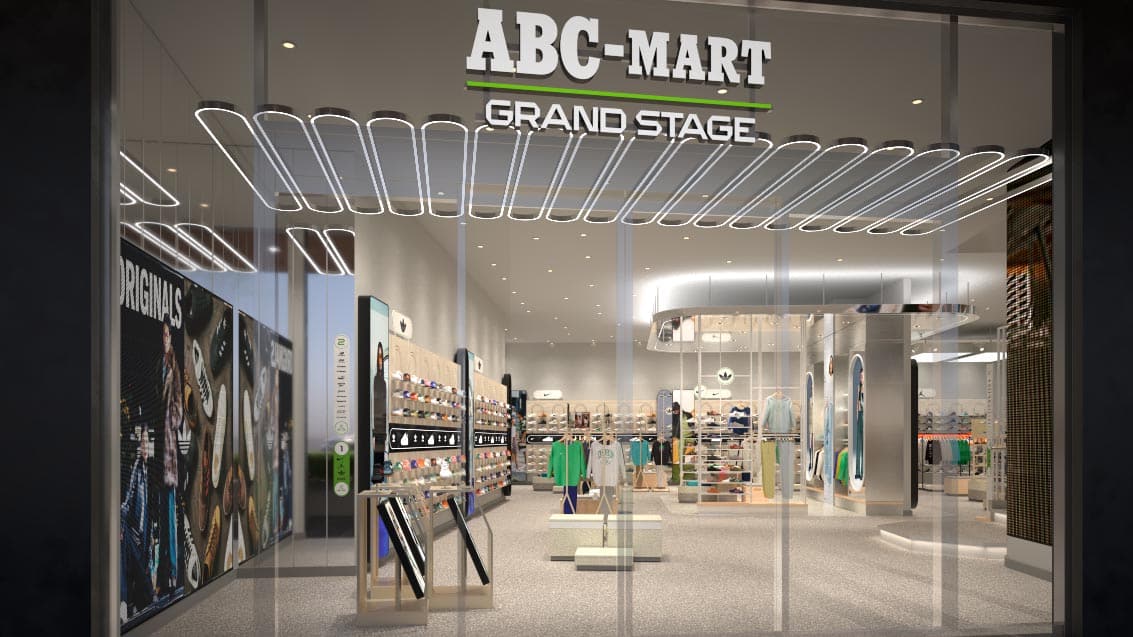
    Japanese retail giant ABC-Mart is set to make its first appearance in the Philippines with the opening of a store in Bonifacio Global City (BGC), Manila, scheduled for September. This marks the corporate expansion of the company into a second market in the region following a successful launch in Vietnam which took place in 2022.

    Overseas Expansion

    ABC-Mart currently operates nearly 400 stores overseas, predominantly in South Korea and Taiwan. The company is also actively investigating opportunities for growth in other Asian countries such as Thailand and Indonesia.

    According to Kabir Buxani, the incoming CEO of Sonak Retail Group – the local partner of ABC-Mart – BGC is an ideal location for the brand’s first store in the Philippines. “BGC has a lively atmosphere and sets the tone for fashion in the region,” Buxani indicated.

    The Grand Stage Store

    The store, dubbed as the “Grand Stage,” will span two levels, covering an area of 750 square meters. It is expected to stock over 1,000 products including limited-edition sneakers, sandals, and clothing from major brands such as Nike, Adidas, Puma, Asics, and New Balance.

    In addition, the store will showcase the company’s first-ever wellness corner worldwide, integrating footwear with lifestyle products.

    Koji Higashimae, CEO of ABC-Mart Sonak Philippines, stated that the company’s aspiration is to achieve a balance between variety and accessibility. “Our belief is that style should not compromise comfort and high-quality fashion should be within everyone’s reach,” Higashimae explained.

    Furthermore, the company has plans to open a second outlet later in the year at Mitsukoshi in BGC.

    Questions & Answers

    What is ABC-Mart’s expansion strategy in Asia?
    ABC-Mart is strategically expanding its retail footprint in Asia, having already established stores in South Korea and Taiwan. The company has now stepped into the Philippines and Vietnam, with future prospects in Thailand and Indonesia.

    What can customers expect at the new ABC-Mart store in BGC, Manila?
    Customers can look forward to a wide variety of over 1,000 products, including clothing, limited-edition sneakers, and sandals from well-known brands like Nike, Adidas, and others. The store will also introduce the company’s first-ever wellness corner, which will blend footwear with lifestyle products.

    What is the philosophy of ABC-Mart when it comes to fashion?
    ABC-Mart believes that style should not compromise comfort. The company aims to provide high-quality, fashionable products that are both diverse in variety and accessible to everyone.

  • Tiktok Poised To Revolutionize Japanese Market With Integrated E-commerce Feature

    Tiktok Poised To Revolutionize Japanese Market With Integrated E-commerce Feature

    TikTok, the globally popular social media platform, is poised to debut its integrated e-commerce feature, TikTok Shop, in Japan. This is a significant move into a market where live commerce is relatively unexplored but ripe with potential. The initiative is aimed at capitalizing on the platform’s high levels of user engagement to facilitate direct purchases within the application.

    A recent update to TikTok’s privacy policy in Japan that included references to “shopping features” has stirred conjectures that the official launch might occur this month.

    TikTok Shop offers an in-app shopping experience where users can purchase items during live streams or via short videos. It comes with built-in payment and checkout features, thus eliminating the need for customers to be redirected to external websites. TikTok benefits monetarily from this feature by earning referral fees from sellers who participate.

    ByteDance, TikTok’s parent company based in China, has successfully implemented this feature across the United States and Southeast Asia.

    In preparation for the rollout, companies are gearing up to offer support. AnyMind Group, for instance, is planning to offer data analytics tools and launch training programs for live-commerce streamers through its production unit, Grove. Shodai Fujita, Country Director for Japan at AnyMind, said, “We want to create stars and take the No 1 position in Japan.”

    Simultaneously, Hakuhodo, a Japanese advertising titan, is collaborating with a group subsidiary to provide comprehensive services for TikTok Shop sellers, including planning, operations, and performance analysis. Septeni Holdings, part of the Dentsu Group, is also readying to assist brands making their debut on the platform.

    “The fusion of social media and e-commerce will become a new experience for customers,” Fujita added, indicating the groundbreaking potential of this venture.

    Questions & Answers

    What is TikTok’s new initiative in Japan?
    TikTok is planning to launch its integrated e-commerce feature, TikTok Shop, in Japan. This feature will facilitate direct in-app purchases during live streams or through short videos.

    What is the advantage of TikTok Shop for users?
    TikTok Shop offers a seamless shopping experience for users, eliminating the need to be redirected to external websites for purchases. It provides integrated payment and checkout features for a smoother transaction process.

    Who will be supporting the launch of TikTok Shop in Japan?
    Several companies, including AnyMind Group, Hakuhodo, and Septeni Holdings, part of the Dentsu Group, are preparing to support the launch by providing data analytics tools, training programs, and a range of services for TikTok Shop sellers.

  • Swiss Advance in Central Bank Digital Money Push

    Swiss Advance in Central Bank Digital Money Push

    A group of commercial and public institutions got together to see how tokenized financial assets based on distributed ledger technology work with today’s banking systems.

    A project involving the Swiss National Bank, the Bank for International Settlements (BIS), the Swiss Securities Exchange SIX and five commercial banks to test the integration of a national digital currency into existing back-office systems and processes, was successful, the central bank said in a statement Thursday.

    The banks included in phase II of the project called «Helvetia» were: Citi, Credit Suisse, Goldman Sachs, Hypothekarbank Lenzburg and UBS.

    The central bank expects more financial assets to be tokenized in the future with financial infrastructures to run on distributed ledger technology (DLT), it said, while adding that international regulatory standards suggest that operators of systemically important infrastructures should settle obligations in central bank money whenever practical and available.

    Tests covered a wide range of transactions in Swiss francs – interbank, monetary policy and cross-border, the statement said.

    None of the existing DLT-based platforms are systemic yet, but they may become so in the future, the central bank said, while highlighting the «exploratory nature» of the project.

    To continue fulfilling their mandates of ensuring monetary and financial stability, central banks need to stay on top of technological change, head of the BIS Innovation Hub, Benoît Cœuré, said.

    Project Helvetia allowed the SNB to deepen its understanding of how the safety of central bank money could be extended to tokenized asset markets, Andréa Maechler, member of the Swiss National Bank’s governing Board said.

    While SIX CEO, Jos Dijsselhof, said that the project demonstrated that the SDX platform could support wholesale central bank digital currency (CBDC) for settling tokenized assets end to end.

    Separately the UK government published a report on Thursday, which concluded that there was no convincing case for establishing a central bank digital currency (CBDC) at present.

    While CBDC may provide some advantages, it could present significant challenges for financial stability and the protection of privacy, the report said. It added that the British government had not yet has not yet decided whether to introduce a CBDC.

  • Push notifications for new episodes feature is finally coming to Spotify

    Push notifications for new episodes feature is finally coming to Spotify

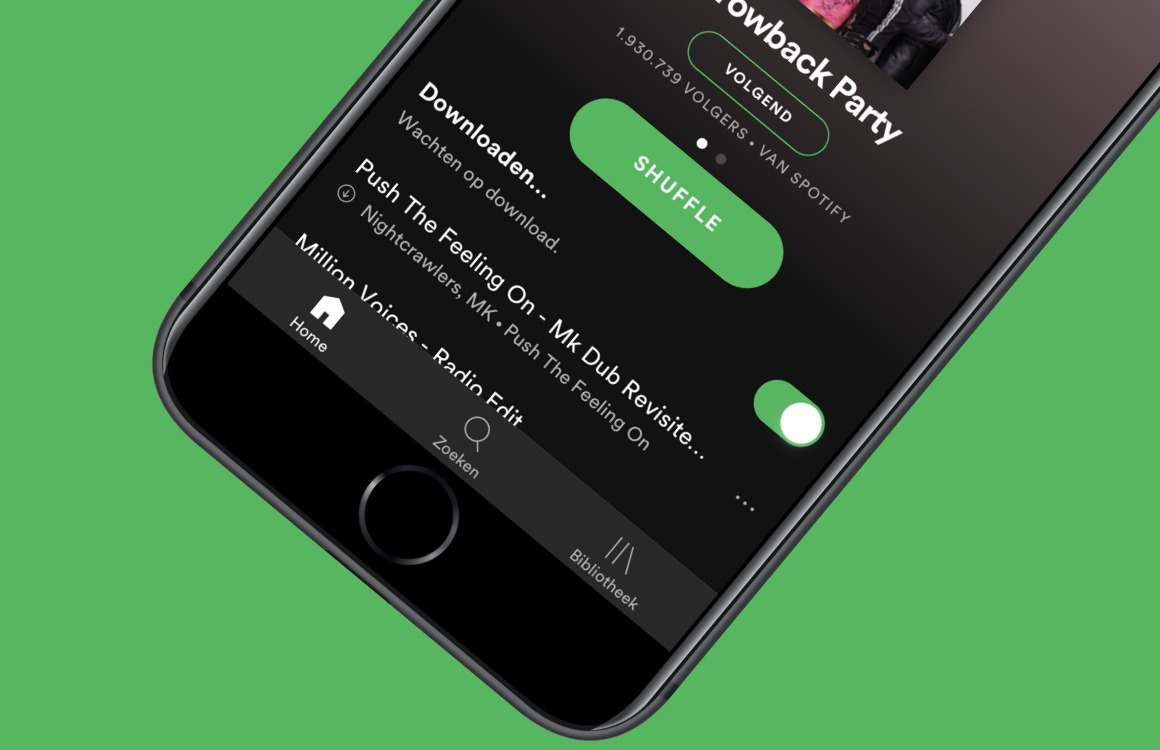
    Spotify is now finally adding a crucial feature to its podcasts section, making users finally able to get notifications for upcoming new podcasts they have followed. Now, thanks to a new update, users will be able to benefit from this feature.

    It may seem evident for an app, supporting podcasts, to have notifications available if you would want to never miss a new episode of a show. However, at the launch of Spotify’s podcast section, and even months after that, Spotify did not offer this possibility to its users. In order to compete with the biggest in the podcast business, this is quite the necessary feature.

    Although not everyone would want to get push notifications, there’s a good amount of people that actually want to be among the first to listen to a new podcast episode of someone they like. Now, in order to benefit from this feature, you need to, quite understandably, follow the podcast series you want to get notifications for and then enable the feature.

    This new feature is available for both premium and free users of Spotify. The update is enrolling starting today for mobile devices, so you should be able to get it pretty soon.

  • IDC sees more strategic Philippine government ICT push by 2021

    IDC sees more strategic Philippine government ICT push by 2021

    The government will have a more strategic ICT push to enable technology adoption among organizations by 2021, research firm International Data Corporation (IDC) predicts.

    In its latest forecast for the country, IDC Philippines noted that with a new dedicated, centralized agency at the helm of the country’s ICT development, the government will be able to lay the much-needed groundwork to enable technology adoption for organizations.

    The country’s Department of Information and Communications Technology (DICT) was set up last June following the signing of the law creating the new Department by outgoing President Benigno Aquino before the presidential elections in May. The inaugural secretary of the department was appointed by Aquino’s successor, Rodrigo Duterte in June.

    The department is designated as the chief policymaking body involving the use of ICT in the country, and carrying the mandate of the previous Department of Science and Technology’s ICT Office, its first project was the rollout of more free WiFi connections in public places throughout the country and the crafting of a new national broadband plan. It has also been working to slash the processing time of permits for local telecommunications companies to speed up the rollout of infrastructure, especially in the countryside.

    Citing the latest findings of the United Nations E-Government Survey, IDC Philippines said the country already went up 24 notches to rank 71st out of 193 countries in e-government development.

    The research firm, however, sees major disruptions in the country’s ICT-BPO industry, which launched a new roadmap last October eyeing approximately $38.9 billion in revenues in five years from almost $25 billion in 2016.

    By 2020, IDC Philippines believes that the  ICT and BPO markets will be disrupted by the pivot and policy changes from the Duterte administration, as well as the election of Donald Trump in the US if the industry does not take critical steps safeguarding the country’s inherent growth drivers.

    The BPO industry is one of the great contributors to the total ICT spending in the country, which IDC sees as evolving to higher-value services around contact centers, medical transcription, software development, animation and game development, and global captive operations centers.

    “In the longer-term view, however, this may change due to the shift in pivot and policy changes from the Duterte and Trump administrations. This may lead to an impression of the country’s volatility and together with issues on manpower and availability of skill sets, it may result in the industry stagnating in the near future due to lack of new investments and expansionary plans from incumbents. Far-reaching measures to address key issues are of paramount importance this year,” said Jubert Alberto, Business Operations Head, IDC Philippines.

    In the private sector, the research firm predicts that 25 percent of the country’s top 1,000 companies will see the majority of their business depend on their ability to create digitally enhanced products, services, and experiences by 2020. It expects digital transformation (DX) to attain macroeconomic scale over the next three to four years.

    “The year 2020 will see Filipino companies level up their DX journey to a macroeconomic scale, as their ability to offer digitally transformed offerings and experiences becomes an important measure of competitiveness and success in the market,” said Karen Rondon, Research Manager for Enterprise Computing – Networking, IDC Asia-Pacific.

    Other predictions of IDC Philippines for 2017 are as follows:

    Filipino DX Teams. By 2018, 25 percent of Philippine organizations will have dedicated digital transformation/innovation teams.
    “These specialized ‘PH DX teams’ will be in charge of formulating plans both for internal and external applications of digital technology. These include identifying and using new technologies to improve operations, creating digital marketing strategies, developing their IT capabilities, and other related initiatives,” said Jan Edward Tañeca, Market Analyst – Imaging, Printing, Document Solutions (IPDS), IDC Philippines.

    Cybersecurity. By 2018, cyber security will become a tier-1 business priority receiving fixed capital spending for 30 of the top 1,000 companies in the Philippines.

    “In the coming years, enterprises will realize that rather than reacting to global security trends, the best-run businesses try to anticipate them. Thus, they will make cybersecurity a core part of their overall business strategy, taking into account the existing security industry trends and evolving criminal tactics and couple those factors with the organization’s risk tolerance, security program maturity, a holistic security strategy and, most importantly, business targets,” said Jan Edward Tañeca, Market Analyst – Imaging, Printing, Document Solutions (IPDS), IDC Philippines.

    Information-Based Products. By 2020, revenue growth from information-based products will be double that of the rest of the product/service portfolio for a quarter of the top 1,000 Philippine companies.

    “In the Philippines, companies in the telecommunications, retail, and banking industries, among others, have unlocked new opportunities in creating revenue through analyzing and making sense of the aggregated customer information. Some organizations that have explored these options benefited in the form of penetrating new markets and generating new revenue streams as the information may vary from customer data to consumer buying patterns,” said Nicolo Santos, Market Analyst – Imaging, Printing, and Document Solutions (IPDS), IDC Philippines. “This opportunity requires a constant effort for organizations to address data privacy and security issues, and government regulations that surround the collection, storage, use, and sale of consumer data.”

    Hyper-disruptive marketplaces. By 2019, 40 percent of customer-facing top 1,000 companies will experiment with augmented reality/virtual reality (AR/VR) as part of their marketing efforts.

    The potential impact of AR/VR across industries will become so big that by 2019, IDC sees 40 percent of the Philippines’ top 1,000 companies experimenting with these technologies to create their own unique experiential marketing strategies. “Consumer brands will be compelled to think out of the box and reinvent their marketing approaches – incorporating more AR/VR elements and placing emphasis on gamification – in a bid to gain the patronage and loyalty of consumers, especially young and tech-savvy millennials,” said Sean Agapito, Market Analyst – Client Devices, IDC Philippines.

    Customer-/Ecosystem-Facing Digital Services. By 2019, 65 percent of Philippine IT organizations will create new customer-facing and ecosystem-facing services to meet the business DX needs.

    “Failure to scale up the number of direct and indirect customers with whom an organization does business will lead to revenue shortfalls and uncompetitive cost structures. Improve profitability, we expect organizations to increase their use of virtual agents or digital assistants. Intelligent assistants will use artificial intelligence (AI)/cognitive technology to automatically adjust experiences to the users’ preferences and context,” says Alon Anthony Rejano, Market Analyst – IT Services, IDC Philippines.

    Digitalized Customer Support Interaction. By 2018, 60 percent of customer support interactions will be digitalized and occur in online communities. With an increasing proportion of the Filipino population – reaching nearly half of the country’s total population in 2016 – actively using social media, IDC expects more organizations to interact with customers through social and online communities. Online customer support not only helps solve customer problems but it also improves brand image.

    Additionally, a successful community will create brand champions or advocates and will not only recommend the product or the service to customers but will help solve customer problems on behalf of the brand. “This will make the theme of customer reciprocity strong moving forward. Also in the near future, more organizations will use IT to integrate existing customer services and support systems like integrating pre-built connectors, mining the community for insight into customers’ behavior, and proactively solve any emerging issues,” says Jerome Dominguez, Market Analyst – Client Devices, IDC Philippines.

    Next-Wave Sari-Sari Store. By 2020, 30 percent of Philippine sari-sari stores will evolve to become another channel for one-stop payments and remittance centers.

    Something unique in the Philippine retail scene will be the presence of sari-sari stores in different localities. IDC foresees a future where sari-sari stores, a Pinoy cultural phenomenon, can offer services such as payment of utility bills, e-loading, and buying of travel tickets can also be done through these neighborhood stores. Serving as complimentary touchpoints especially in the rural areas, sari-sari stores play a pivotal role in filling the “unbanked” gap in the countryside.

    Organizations looking to engage more in the rural areas will have a viable channel, as in alternative to building brick-and-mortar branches, which may be cost-prohibitive to most companies.


  • Cashless push stimulating APAC m-payment market

    Cashless push stimulating APAC m-payment market

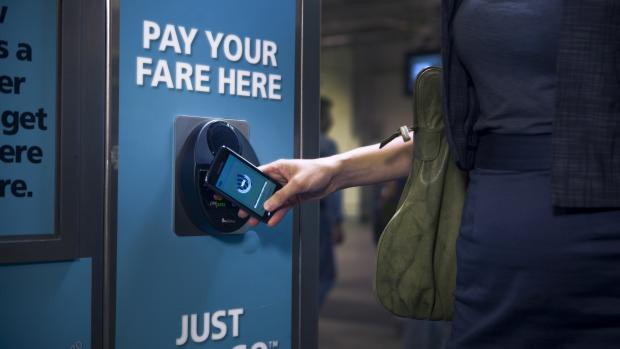
    A top down regulatory push toward cashless societies will stimulate exponential growth in the mobile payment market in Asia-Pacific (excluding China and India), which will surge from $71.92 billion to $271.47 billion by 2021, research from Frost & Sullivan indicates.

    According to the research firm, the number of active customers will also double to 130.8 million users by this time.

    With standardization and increasing openness toward FinTech, competition is intensifying for the entire supply-side ecosystem. Mobile payments solution providers will need to fully understand the mobile payments market in the region to gain an edge.

    Asia-Pacific is expected to continue to lead the world in mobile payment developments as smartphone penetration here is the highest. Apple, Samsung and Google with Apple Pay, Samsung Pay and Android Pay have also addressed existing security concerns through tokenization in the payment infrastructure, supplemented by biometrics on the smartphone.

    “The mobile payments market in Asia-Pacific, however, is guided by local preferences and considerations,” noted Frost & Sullivan Digital Transformation Industry Principal Analyst Quah Mei Lee.

    “For instance, in Indonesia and the Philippines, telcos lead with their e-money products whereas in Japan, South Korea and Australia, credit card is the key payment method. Understanding these dynamics is critical for mobile payments solution providers to succeed.”

    Mobile payment in Asia-Pacific is being led by developed countries such as Japan, South Korea, Australia and Singapore. Japan and South Korea has dominated since the early days of near-field communications (NFC) in 2011 and continues to account for 89.2% of market revenue share in Asia-Pacific.

    Among mobile payment market segments, m-commerce dominates despite the rapid increase in point-of-sale (POS) payment transaction volumes. The strong deployment of NFC in some countries is expected to help expand POS payment shares.

    For now, the mobile payment market has the most promise in countries that have a mandate to go cashless, like South Korea, Australia, Singapore and Malaysia. These will be followed closely by countries such as Thailand and Vietnam which are slowly transitioning to cashless.

    “The opportunities are limitless and mainstream integration of mobile payments into everyday life is already underway,” said Quah. “Even beyond this, there is tremendous potential for growth alongside connected devices in the Internet of Things era.”