Tag: pwc

  • PWC Makes its Way to the Top in Switzerland – and Hopes for UBS

    PWC Makes its Way to the Top in Switzerland – and Hopes for UBS

    Last year was so good for the consulting firm that it now leads the Swiss market. The financial sector plays an important role in that, says managing partner Gustav Baldinger.

    Digital transformation, consolidation, regulation. What ends up giving executives headaches turns out to be a field day for consultants. That, at least, is clearly visible at Pricewaterhouse Coopers, one of the big four. Figures show that gross revenues rose by 30 percent in the financial year to June.

    Its accountancy leg saw numbers rise by 10 percent, while the tax and legal advisory business were up 6 percent. That helped gross services income reach 1.1 billion francs.

    There were various drivers, indicates Gustav Baldinger (image below) about developments in recent months. The managing partner and head of the business consultancy practice at PWC Switzerland is seen as the architect of its recent growth spurt. During his watch, domestic economic growth was generally buoyant and many companies invested in digital transformation efforts and technology, particularly in Cloud-based applications.

    The transaction business developed particularly well and it received many contracts as a result of regulatory impetus.

    PWC ranked second in the Swiss market for a long time but it is now the market leader in all three areas although it is a claim that another big four consultancy, Deloitte, still believes it has a right to.

    We are clearly by far the largest when compared directly as a group in the areas of accounting and tax advice, Baldinger insists, having spent more than two decades working for PWC domestically. The advisory area has also been growing strongly, particularly in services for the financial sector, the managing partner added.

    That adds up. Financial sector clients are the largest and most important segment for the consultancy in Switzerland as around a third of the business is generated from them. And one of the clients has generated a good deal of talk in recent times. Credit Suisse. PWC was the bank’s external auditor and it provided comfort in the 2022 annual report that it remained a going concern. Shortly afterward, what was once UBS rescued Switzerland’s second-largest bank in a government-prompted takeover.

    Credit Suisse’s collapse also puts PWC in a different position. We will continue to audit it with the same level of detail and quality in 2023, Baldinger indicates. Because of this mandate, it is not in a position to offer consulting services. We will only be able to offer UBS consultancy ideas during the course of 2024 when our mandate ends, Baldinger says.

    Currently, Oliver Wyman has the lead when it comes to the Credit Suisse integration, according to various media reports.

    But Baldinger and his work colleagues have other things up their sleeves. Growth in all areas of services is not the same. The market for business and tax consultancy is growing thanks to the Cloud, and the cyber and data sectors. There is also a demand for restructuring and regulatory compliance.

    We are seeing some delays in decision-making with strategic projects both internationally and in the middle market as well as a consolidation and splitting out of individual phases, he says. But there are also other contrasting developments. Some companies are accelerating their transformation efforts in order to be better prepared for the next growth cycle.

    Balidinger has high hopes for new technologies. «It is clear that new technologies like generative AI and cyber will penetrate all functions of enterprise and the big four massively. He also sees clear opportunities for consulting work as companies will have to adjust and confront ethical issues in connection with generative AI.

    PWC is not just trying to convince companies to make those kinds of investments. It is doing them as well. It wants to invest about 50 million francs in artificial intelligence over the next three years.


  • Big Four audit 40% of public companies in Vietnam

    Big Four audit 40% of public companies in Vietnam

    The so-called Big Four, Deloitte, Ernst & Young, KPMG, and PricewaterhouseCoopers, audit 40% of publicly traded companies in Vietnam. As of last year, Vietnam’s three stock markets, HoSE, HNX and UPCoM, had over 1,600 firms listed, and the four companies audited 664 of them.

    Their total revenues in 2021 were nearly VND3.76 trillion (US$160.2 million), and profits were VND235 billion. The profit margins in the industry are generally low compared to others, with PwC having the highest rate of 15.4% and KPMG the lowest of 0.4%. PwC also had the highest revenues of VND1.12 trillion followed by Deloitte with VND1.06 trillion. The latter’s revenues have increased for four straight years.

    Ernst & Young (EY) saw revenues decline for a third consecutive year. In the last five years KPMG’s annual revenues have always been less than VND600 billion, the lowest of the four. Industry insiders said business results in the last two years were somewhat affected by the Covid-19 pandemic as customers cut costs and businesses only wanted to keep mandatory audit services and cut others such as consulting and tax advice.

    A deputy general director of a Big Four firm said that auditing is a highly professional field that is completely different from normal production, business and service enterprises.

    “Unlike a public company, an audit firm does not have any external shareholders except partners who both run it and are its shareholders.”

    EY performed the most audits last year, nearly 330, or the same as the other three combined.

    However, revenues do not come just from auditing.

    A senior official at a Big Four company said that auditing might be the core activity but has the lowest profit margin.

    Consulting has a higher profit margin, and the highest is the tax segment.

    “That is also the reason why many auditors actively seek to boost revenues from other segments.”

    But for EY, auditing remains the backbone, accounting for nearly three-quarters of its total revenues last year. Some of its major clients include Vingroup, Bao Viet, The Gioi Di Dong, Agribank, Vietinbank, Sacombank, VnDirect, and SSI.

    Auditing accounts for nearly half the revenues for Deloitte with its major clients being Vietnam Airlines, FPT, Sun Life, and Wooribank.

    PwC and KPMG are more into non-audit services, with auditing only accounting for 4.3% and 14% of their revenues last year.

    PwC provides some 10 non-audit services including operation consulting, business consulting, legal advice, tax advice, and private business support.

    It is a major player in business consulting and operation consulting.

    KPMG is known for business consulting, tax consulting and law and legal services.

    In Vietnam, it regularly issues reports on corporate activities, human resource management, startups, and consumer behavior.

  • More Central Banks Mulling Digital Currencies

    More Central Banks Mulling Digital Currencies

    Many central banks have or plan to launch digital central bank money. A PwC study looks at the winners and losers.

    A study from PwC released Monday analyzing central banks’ level of maturity and development of their digital currencies (CBDCs), shows that Nigeria’s eNaira scores high in retail models, with Thailand the frontrunner among wholesale customers.

    According to PwC’s Global CBDC Index report, over 80 percent of central banks have issued CBDCs or are in the process of doing so.

    This year’s PwC report looks at two separate models, retail and wholesale, ranking CBDCs on a scale of 100.

    Thailand came out atop the wholesale rankings, followed by Hong Kong and Singapore. Switzerland jumped up two spots from 12th to move into the top 10 globally and to second place in Europe.

    The Swiss National Bank (SNB) completed Phase II of the CBDC’s Helvetia project in January 2022. Together with five commercial banks, the SNB examined the settlement of interbank, monetary policy, and cross-border transactions on SIX Digital Exchange’s (SDX) test systems, the Swiss real-time gross settlement system SIX Interbank Clearing (SIC), and the core banking systems.

    Retail CBDCs reached a higher level of maturity than their wholesale counterparts, according to PwC, with the Nigerian eNaira receiving a score of 95, making it the most developed in the retail category.

    Also notable in the retail category was the Bahamas, which became the first country ever to introduce a digital central bank currency – the Sand Dollar. Jamaica’s Jam-Dex is scheduled to launch later this year. Thailand and Hong Kong top the large customer category for their joint mBridge project for cross-border payments.

    PwC found that stablecoins, which are private virtual digital currencies that peg their market value to an external reference, have become an integral part of the crypto ecosystem. It is impossible for any crypto fund or institution to be active in the crypto world without using stablecoins, the report said.

  • Zara in defense mode after IFC mall store closure

    Zara in defense mode after IFC mall store closure

    Fashion retailer Zara has reassured customers that its decision to close its IFC mall store in Hong Kong on Monday was not related to protests currently taking place in the city.

    The statement emerged after social media users in Mainland China speculated that the store closures were a show of support for the demonstrators and to allow staff to participate.

    “Zara has never made any comments or undertaken any actions related to a strike in Hong Kong,” read the firm’s statement on its Weibo account. “Zara does not back a strike and supports ‘one country, two systems’.”

    The controversy was sparked after an image of a sign posted on the IFC mall store’s shutters was circulated online, apparently going viral.

    Major businesses have come under close scrutiny for their actual or suspected support of the protestors, including Cathay Pacific, HSBC and PWC.

    The protests have been held in the city over the past three months, and have become seen as a challenge to Beijing’s sovereignty over the territory.

    Zara has declined to offer any explanation as to why the majority of its Hong Kong island stores were closed during the time in question.

    However, the store reopened yesterday with new interior design to coincide with the opening of the Sephora store in a space carved out of Zara’s previous footprint in the mall.

  • Vietnam is fastest growing market for m-payments

    Vietnam is fastest growing market for m-payments

    Vietnam has seen the highest growth in mobile payments in the past year, according to the Global Consumer Insights Survey 2019 conducted by PwC.

    The survey, which covered more than 21,000 respondents from 27 territories, showed that the percentage of consumers using these services in Vietnam increased to 61%, up from 37% in 2018. The 24 percentage point increase was also the largest in the six Southeast Asian countries that took part in the survey.

    In Singapore, mobile payments climbed 12 percentage points from 34% in 2018 to 46% in 2019. Since the government began encouraging digital payments in late 2017, the latest results indicate a payoff in the efforts by the government and other mobile payments players.

    The rest of Southeast Asia also saw increases in mobile payments with Thailand up 19 percentage points to 67%, Malaysia up 17 percentage points to 40%, and Philippines up 14 percentage points to 45%, respectively. Indonesia reflected the slowest increase in the usage of mobile payments at just 9 percentage points to 47%.

    In the Middle East, which was the second fastest growing in mobile payments adoption globally after Vietnam, the percentage increased by 20 percentage points to 45%. China remains unchanged at 86%. Across all territories, 34% of consumers paid for purchases using mobile payments, up from 24% a year earlier.

    Buying through social media

    According to the survey, consumers in Asia are more socially engaged online than those in Europe and the Americas. Respondents in Thailand, Indonesia and Vietnam led the pack globally in making purchases directly through social media posts on platforms like Instagram and Facebook, with 50%, 49% and 48% of survey respondents indicating they do so, respectively.

    Globally, only 21% of respondents made purchases directly through social media. Among product and service categories, the survey found that social media is most likely to affect purchasing decisions related to fashion.

    Charles Loh, Southeast Asia Consumer and Industrial Products Consulting Leader, PwC, said: “Social media platforms are already mature in Southeast Asia. The trend in online shopping, moving forward, is the consolidation of e-commerce players with fewer big players providing that gateway. There seems to be a consolidator present in every market.”

    Voice technology

    In the survey, 9% of global consumers said they use voice technology to shop online weekly or more frequently. As shopping by voice continues to catch on, companies should be thinking beyond mobile to consider how voice technology in homes, cars, and elsewhere will affect customer experience. The bar for brand leadership will continue to shift as organizations launch increasingly consumer-friendly technologies.

    Charles Loh, Southeast Asia Consumer and Industrial Products Consulting Leader, PwC, said:

    “Voice technology is widely used in instant messaging communication platforms. It’s only a matter of time that we see adoption here in Southeast Asia”

    Shirish Jain, payments director, Strategy, said: “Asia remains the powerhouse in leading the customer shift to mobile payments with the report reflecting eight Asian nations in the top 10, and six are in Southeast Asia, as the results show. Vietnam, with its relatively low penetration in 2018, has registered the highest growth as mobile platforms demonstrate a significant increase in convenience over traditional means of commerce.

    “This contrasts with Singapore that also shows strong gains. However, the sophisticated and established traditional ecosystem, as well as abundant and potentially confusing number of choices in mobile payments can also slow down adoption.

    “This finding highlights a timely confluence of four principal factors: stages of economic growth cycles driving affluence and disposable income; the availability of platforms that address local demographic needs including support for cash-on-delivery; the lower cost for retailers and providers; and a marked increase in convenience.”

  • Vietnam tops world in growth of mobile payments

    Vietnam tops world in growth of mobile payments

    The number of Vietnamese people making mobile payments in stores this year has grown fastest globally by 24 percent. A survey by the audit, tax and consulting services provider PwC found 37 percent of the respondents making mobile payments in 2018, but it went to 61 percent this year, placing Vietnam fourth below China at 86 percent, Thailand at 67 percent and Hong Kong at 64 percent.

    In terms of growth, the Middle East ranked second at 20 percent, said the Global Consumer Insights Survey 2019, which polled 21,000 online consumers in 27 territories.

    “Mobile payment is becoming a new trend with the rise of technologies such as QR codes, contactless payments, and the tokenization of card information,” Nghiem Thanh Son, deputy director of the Department of Payments at the State Bank of Vietnam (SBV), had said earlier.

    The Vietnamese government is working to accelerate the use of cashless transactions. In a resolution released January, it tasked the central bank to come up with solutions that would promote the use of e-wallets, which allow users to deposit cash into their e-wallets without the need for a bank account.

    However, Vietnam is still far away from becoming a cashless society, given low financial literacy and the lack of an ecosystem, experts say.

    The use of cash in Vietnam remains high. World Bank’s statistics released last year showed that Vietnam had the lowest percentage of cashless transactions in the region with only 4.9 percent, while this value for China and Thailand were 26.1 percent and 59.7 percent respectively.

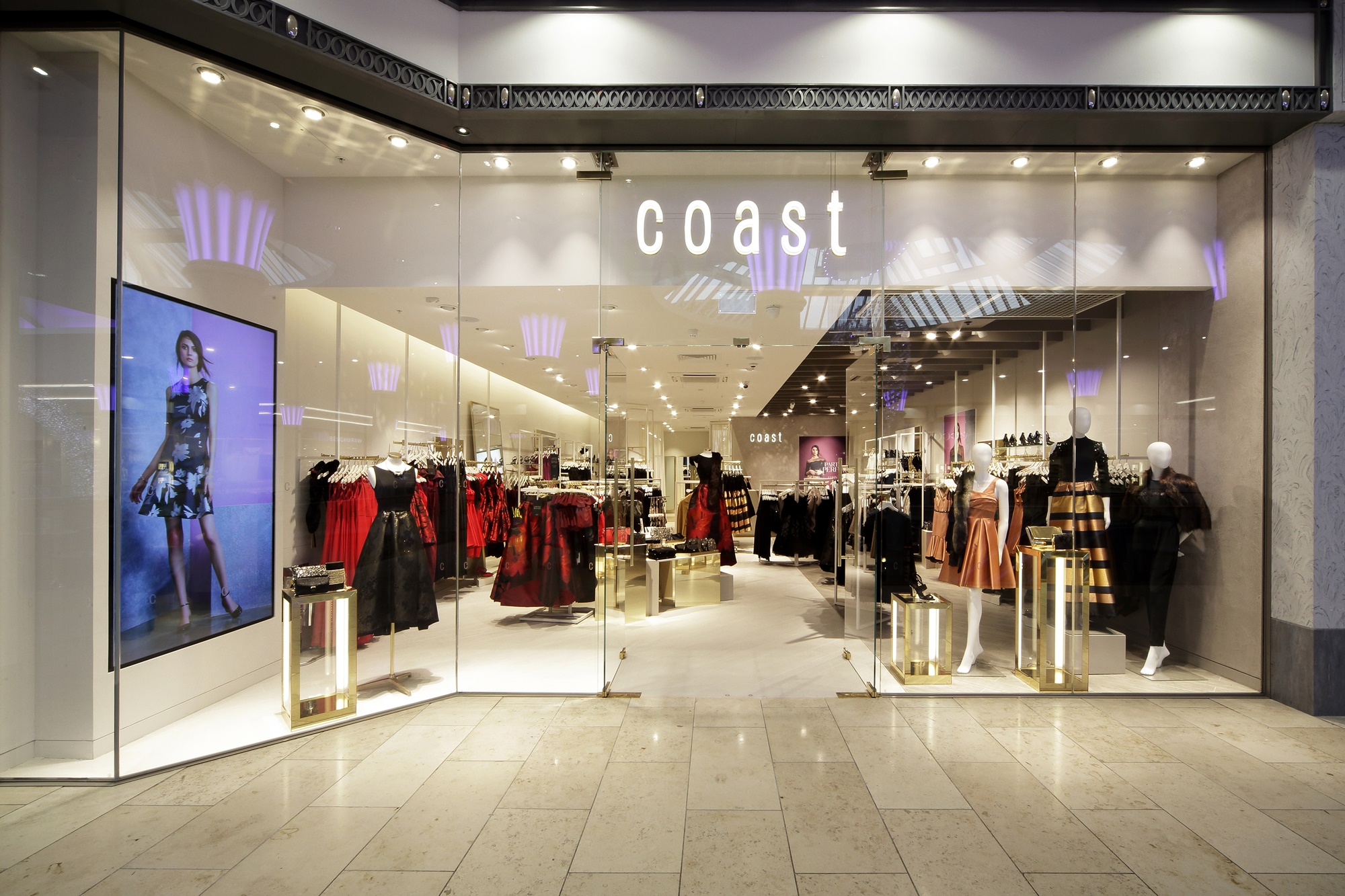
  • Karen Millen helps Coast recover

    Karen Millen helps Coast recover

    British clothing retailer Karen Millen has bought a stake in fashion label Coast following the brand’s administration by PwC. The purchasing company has agreed to take on Coast’s UK concessions portfolio and online businesses, saving 600 jobs in the ailing firm. It will be trading through cooperating wholesale and franchise businesses. Coast’s standalone stores were excluded from the deal.

    Karen Millen CEO Beth Butterwick said: “We are excited to be welcoming over 600 Coast employees to the family. With its beautiful fabrics, stunning colours and signature designs, Coast is a much-loved fashion brand that has dressed women for all occasions since 1996. Our expertise and infrastructure puts us in a unique position to create a lean and profitable business, ensuring it remains a thriving destination in department stores and online.”

    Coast was originally part of a group owned by Karen Millen’s parent company, Icelandic bank Kaupthing.

    Coast gift cards and returns will be honoured by its new owners.

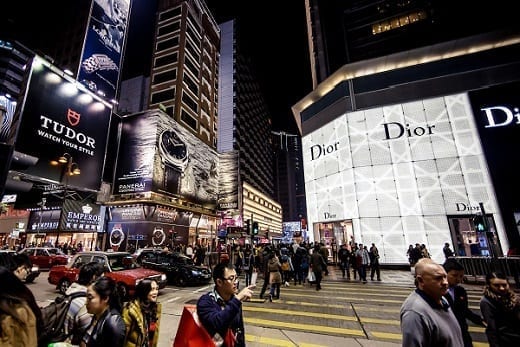
  • Hong Kong Retail to Sell Well In Next Five Years, PwC Says

    Hong Kong Retail to Sell Well In Next Five Years, PwC Says

    After steady recovery last year, Hong Kong’s retail sector is expected to improve further this year on the back of a bullish economic outlook, both globally and in China, says PWC Hong Kong.

    Retail sales in Hong Kong for the first 11 months of last year eased up 1.8 per cent over the same period in 2016, and with the traditional shopping spree toward year-end, the full-year increase could reach 3 per cent (government retail sales figures will be released on Thursday).

    Despite store consolidation and a retreat from main-street locations, luxury goods, especially jewellery and watches, was one of the best-performing sectors last year and is expected to further recover,

    Hong Kong’s retail sector could have growth between 4 to 6 per cent this year, which is equivalent to about HK$465 to 480 billion, with a positive outlook for the next five years.

    “All-time-high stock and real-estate markets, both local and global, have created a significant wealth effect, and much improved sentiment in consumption,” says PWC’s Michael Cheng.

    “In addition, tourist arrival numbers in Hong Kong, particularly from China, have been encouraging and recovering steadily under the much better and more stable political and social environment.

    Combined with a low jobless rate and a weakening US dollar against major currencies, Hong Kong’s retail sector should be recovering well in the medium term and exceed the all-time high of 2013 within the next five years.”

    Tourism key

    However, the sector still depends on tourism, particularly from China. From January to November, Mainland Chinese tourist numbers grew 3.6 per cent year on year, compared to 3.1 per cent for all tourists.

    Meanwhile, the Chinese government has slashed tariffs on 187 imported consumer goods, including wines and spirits, pharmaceuticals, and food. While this will strengthen domestic consumption in China, PWC says it will have only a modest effect on Hong Kong retail.

    “Hong Kong still enjoys the world’s freest economy, providing high-quality goods under a well-established legal system that provides excellent consumer protection,” says PWC China tax partner Rebecca Wong. “This encourages legal imports and reduces the attractiveness of purchases made through irregular channels.”

    However, Cheng says retailers need to transform, from being disrupted to becoming disruptors.

    “Embracing technology and data to provide unique customer experiences through diversified platforms and logistics networks are the keys to success.”

  • Why retailers should embrace showrooming

    Why retailers should embrace showrooming

    Trends eventually stop being trendy and either disappear into obscurity or become part of everyday life.

    The trends which end up only being fads often come in with a bang and leave with a thud, leaving embarrassing photos and fashions in their wake. Remember those 80s hairstyles?

    The other trends — the ones that create a whirl of buzz and actually manage to stick around — can often change social, cultural and political landscapes. When it comes to the world of retail, trends are often born and die in a single day. This isn’t without good reason.

    Consumers now control the retail landscape. Your competitors are now only a click or tap away. Lower prices, more sizes and dynamic shopping experiences are waiting in the shopper’s purse or pocket as they navigate your retail spaces.

    This specific shift in consumer behavior has led to one trend that has now become part of nearly every shopping experience.

    Love it or loathe it, showrooming is a behaviour that retailers need to embrace.

    Many retailers have taken a defensive stance against consumers visiting their physical stores to research items they find and often plan to purchase only online.

    Headlines encouraging retailers to “battle” or “combat” showrooming conjures images of war.

    Going against the tide of consumer behavior will rarely lead to success. Especially when you consider MasterCard’s recent Mobile Shopper study, which found that nearly one-third of shoppers in Singapore (31.9 per cent) will use their phones to research product costs and details while in a brick and mortar store.

    Understanding the reasons consumers want to showroom can help you to find ways to embrace this consumer behaviour and connect with your shoppers in a way that encourages them to buy when they are ready.

    Retailers must consider the catalysts for showrooming, the information consumers seek and how to position their brand as a source for everything they need to be an informed consumer.

    Let’s look at a few of these behaviours more closely.

    Research purchases

    A primary reason shoppers showroom is to research items they have discovered online. The knowledge that better deals and desirable products are so easily accessible has motivated consumers to become informed shoppers.

    Retailers can meet this showroomer need by ensuring product pages are optimised for mobile devices and that the information on these pages is comprehensive. Communicate product specifications as well as other value propositions that help your brand stand out. Are your materials locally sourced or all natural? Let your shoppers know! Have your handbags been carried on the red carpet? Share the photos!

    Help the in-store consumer to reconnect with the items they shopped online by making the shopping cart accessible on a mobile device and include details such as SKU, product number, brand, style, size and color as potential search criteria.

    Finding a lower price

    After viewing an item in your store, the shopper may try to find a lower price at one of your competitors. If price is not a differentiator, other shopper services could cause the showroomer to stray.

    Promote information about low price guarantees as well as return and exchange policies. Show perks such as repeat buyer discounts or loyalty program rewards.

    Tout services such as ship from store or in-store pick up at nearby locations. These also include low-price guarantees, in-store pick up, loyalty rewards and international shipping.

    phone, shopping mall, hand

    Look-alike items

    Many showroomers may use your app to locate an item in your stores. Give the shopper more reasons to buy from your brand by including product recommendations based on their shopping, buying and profile information.

    This level of customer intelligence is now more accessible to marketers and packs a lot of power to keep the showroomer engaged with your brand while helping to raise your average order value.

    Virtual store representatives

    Lastly, think of all the ways your store shoppers interact with your store staff.

    What questions do the shoppers ask? What concerns or problems do they encounter in your stores? Your site needs to serve as a virtual store representative by being making all of this information easily accessible.

    Consider how many times you’ve asked a store representative if they have an item in a different size only to find out they don’t have your size in stock. Now consider that 32 per cent of global respondents to PWC’s Total Retail 2016 study said they would be happier shoppers if they could check stock levels at other stores while in a store. That’s nearly one in three shoppers in your stores that want this kind of information.

    Make sure they can find answers! Additional areas to cover are product reviews, manuals, detailed specifications, installation information, warranties, demos, product videos… anything that answers the most commonly asked questions in your stores.

    Rather than seeing showrooming as a threat to your sales, accept the fact that this is how today’s consumer will shop — so find ways to use this behaviour to your advantage, keeping shoppers engaged.

    Shifting your perspective to empower today’s multi-device, multi-channel shopper will only help to boost sales and show your shoppers that you care.

    *Benjamin Glynn is managing director for Southeast Asia with Emarsys.

  • Toms and another global brands for Myntra

    Toms and another global brands for Myntra

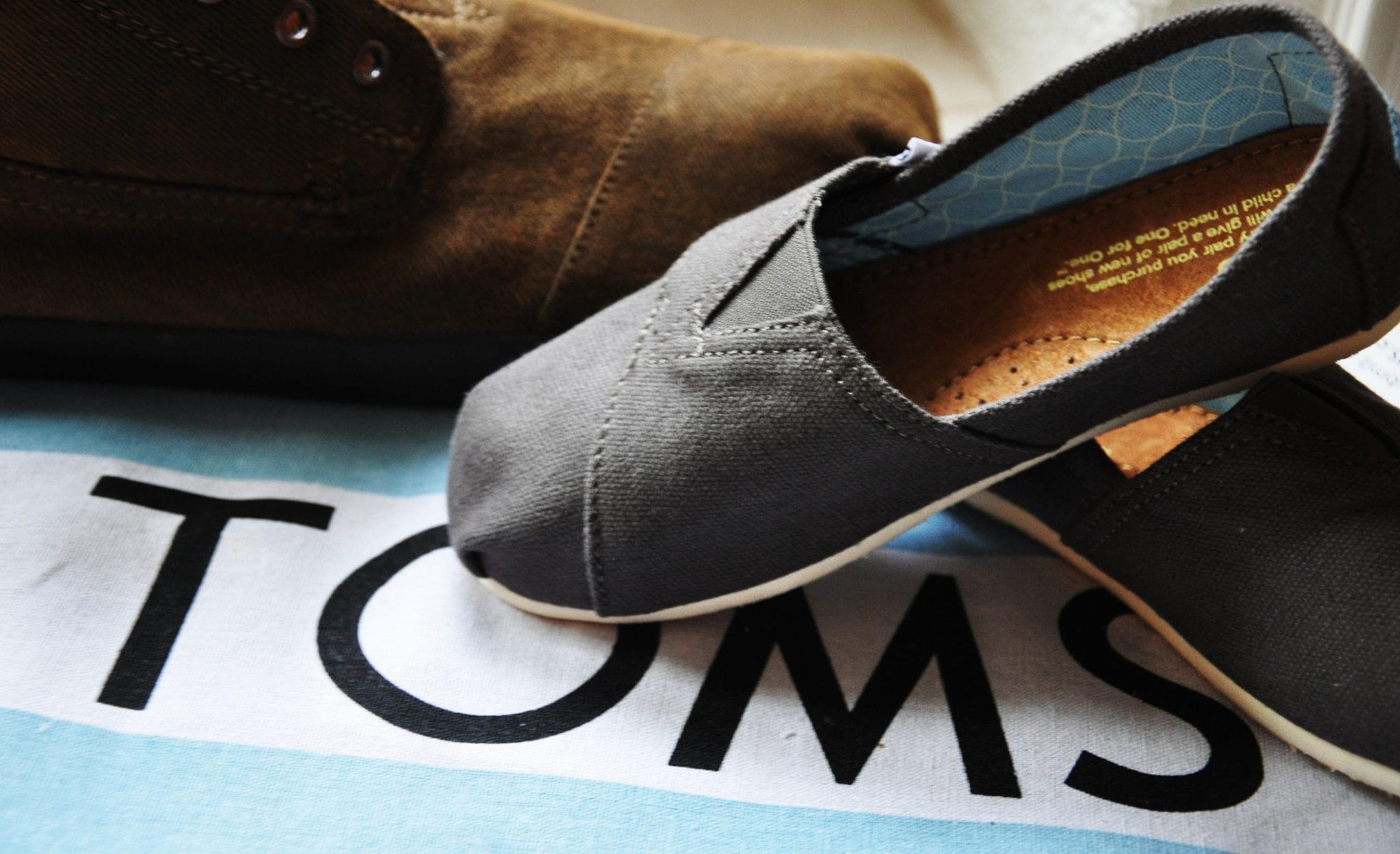
    Flipkart-owned Indian online fashion company Myntra has added two international brands to its platform, Toms and Meters/Bonwe.

    This makes Myntra home to more than 30 global brands, says its head of international brands business, Gunjan Soni.

    US-based Toms is known for its footwear range while Chinese brand Meters/Bonwe focuses on fashion-forward styles for young men and women.

    “Our partnership with Myntra will allow us to cater to the dynamic fashion choices of millennials in India who want to dress well with an individual style without the hassles of store shopping,” says Meters/Bonwe spokesperson Jay Zhou.

    Toms MD Helen Thompson says Myntra will help the brand start its commercial relationship in India. “We have already been working to produce locally as well as give shoes and restore sight through Toms’ partnerships.”

    Online retail, which is being increasingly adopted by Indian shoppers, is expected to account for 3 per cent of total retail sales by 2020, according to a PWC report.

  • Bangkok retail show schedule announced

    Bangkok retail show schedule announced

    With Asian retail sales projected to reach more than $10 trillion by 2018 – twice the figures for North America – trends and developments will be discussed at a three-day Bangkok retail show in August.

    Regional sales are projected to be the fastest worldwide over the next five years, and China is expected to overtake the US as the world’s biggest retail market, according to a PWC report.

    At RetailEx ASEAN 2016, at Impact Exhibition & Convention Centre in Bangkok, Thailand, from August 25 to 27, the ASEAN Retail & Shopping Mall Summit will enable businesses, regional associations and stakeholders of the retail ecosystem to network and discuss trends.

    Over two days of the expo, the conference includes expert speakers covering such topics as industry trends, business modelling, branding avenues, and retail architecture and design.

    Features of the annual expo include the POS & Auto ID Congress, a VIP hosted buyer program and site tours. It is the largest in-store equipment and solutions expo in Southeast Asia, featuring more than 200 local and international exhibitors over 5000 sqm of exhibition space.

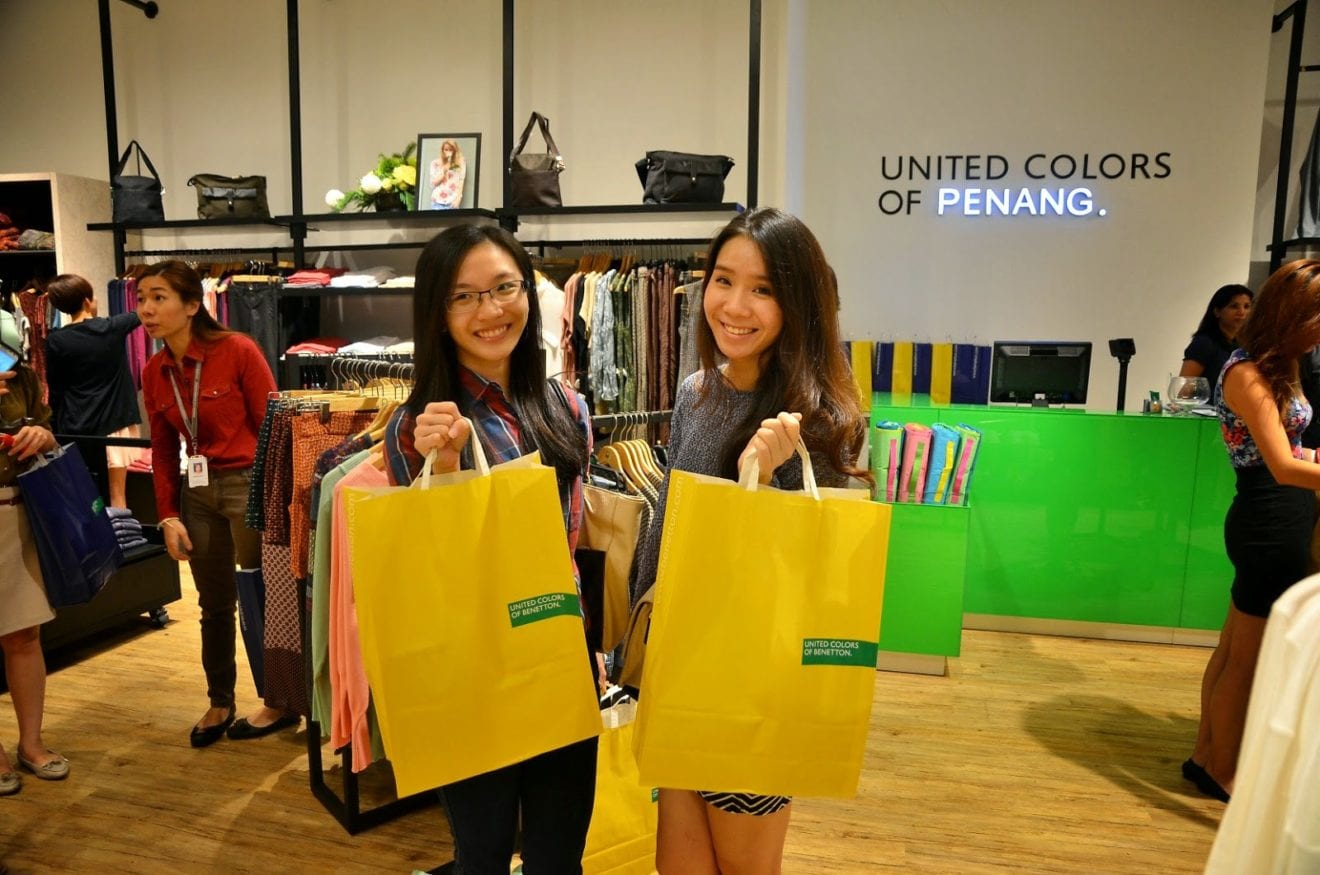
  • Benetton stumps up for Rana Plaza fund

    Benetton stumps up for Rana Plaza fund

    Italy’s Benetton Group has announced a US$1.1 million commitment to the Rana Plaza Trust Fund.

    But it wasn’t enough to end the criticism from the Clean Clothes Campaign which has for months singled Benetton out for failing to contribute to the fund.

    To end off the predictable salvo from CCC, Benetton engaged PwC to independently assess what contribution it should make to the fund relative to its share of the clothing sourced from the Plaza. That assessment was then checked by WRAP, an NGO focused on special compliance through global supply chains, which endorsed PwC’s recommendation. Benetton doubled the recommended payment.

    Rana Plaza, in the Bangladesh town of Savar, was the scene of the 2013 disaster where 1129 workers were crushed to death in the collapse of sweatshops producing clothing for western fashion brands.

    Benetton’s contribution follows an earlier $500,000 payment made through the BRAC organisation prior to the trust fund being established.

    “We welcome the PwC report and WRAP’s contribution. We have decided to go further to demonstrate very clearly how deeply we care,” said Marco Airoldi, CEO of Benetton Group. “Whilst there is no real redress for the tragic loss of life we hope that this robust and clear mechanism for calculating compensation could be used more widely. For this reason, we decided to make the PwC report publicly available to all stakeholders”.

    “Benetton has a proud history of social commitment. We believe that by working closely with the right suppliers we can help to improve factory conditions for workers in Bangladesh and in many other parts of the world,” he added.

    But Clean Clothes Campaign was unimpressed.

    “Benetton had a real opportunity to emerge as a leader and prove that their pledges of empathy, understanding, and care for the welfare of the victims were not just some PR spin.  Unfortunately, the true colours of Benetton are now revealed” said CCC spokeswoman Ineke Zeldenrust.

    “In February Benetton announced they would pay ‘within a few weeks’ and that they engaged an independent credible third party to determine how much they should pay.  Today, Benetton finally revealed this to be global accounting firm PricewaterhouseCoopers (PwC). The US based World Wide Responsible Apparel Program (WRAP), which Benetton described as an ‘NGO working on social compliance endorsed the PwC assessment. WRAP is in fact an industry sponsored social auditing and certification organisation with one of the worst track records in the industry. The Garib and Garib factory for example, that went up in flames, killing people, in Dhaka in 2010, was WRAP certified at the time,” the CCC statement continued..

    “Benetton again wasted time, spending money on a process in order to try to legitimise their insufficient payment. It’s deeply troubling that Benetton engaged a firm with no track record on human rights issues to lead their process.

    “Red flags need to go off when the PwC assessment is only endorsed by one of the least reputable auditing firms in a very flawed sector.  Let’s be clear, Benetton’s process was not transparent.  The process excluded all trade unions and labour rights organisation directly involved in compensation efforts in Bangladesh,” says Zeldenrust.

    Benetton was one of 29 brands connected to companies operating in the Rana Plaza building.

    The Italian company said PwC based its report on an assessment from the International Labour Organisation that in total $$30 million compensation should be paid into the Rana Plaza Trust Fund. “PwC calculates Benetton Group’s contribution to be $550,000 based on the level of its commercial association with the Rana Plaza.

    “However PwC has not factored in contributions from other third parties, such as the Bangladesh government and the Bangladesh Garment Manufacturers Exporters Association, unions and others. This means that, if its mechanism were followed by all brands operating at the Rana Plaza, after payments from other third parties the total fund could significantly exceed $30 million.

    “Based on Benetton’s commercial association with Rana Plaza, we believe this is a fair basis to calculate payments to the Rana Plaza Trust Fund as quantified by ILO,” said Sudhir Singh Dungarpur, Partner PwC India.

    “With a tragedy of this scale, no financial compensation can ever really be enough, but we welcome Benetton’s decision to pay more than its calculated share of the fund based on the report published by PwC,” said Avedis Seferian, president and CEO of WRAP. “If everyone took the same approach as Benetton, the overall fund could more than exceed its stated goals”.