Retail News CRM

Tag: Quarter

  • Shopee Propels Sea Limited to Sky-High Profits: Record Quarter Marks Staggering Growth

    Shopee Propels Sea Limited to Sky-High Profits: Record Quarter Marks Staggering Growth

    Sea Limited, a Singapore-based tech conglomerate, has reported substantial growth in both sales and profit for the fiscal quarter ending March 31. This surge in growth has been attributed to the ongoing success of its e-commerce arm, Shopee.

    Impressive Financial Performance

    Sea Limited’s financial performance soared as revenue for the first fiscal quarter increased by 46.6% to reach US$7.1 billion. Gross profit followed suit with a 40% increase amounting to $3.1 billion. The company’s net income and adjusted EBITDA also saw growth, with the former rising by 6.7% to $438.2 million and the latter increasing by 9.3% to $1 billion.

    Forrest Li, Sea Limited’s Chairman and CEO stated that the company has started the year strong and is keen on deepening its competitive advantage while maintaining financial discipline. He added that the impressive growth in revenue is a testament to the effectiveness of the company’s investments, and they are already seeing improvements in unit economics for some of their initiatives. Li believes that this strategy is instrumental in maximizing long-term value, considering the significant potential for growth in their markets.

    Shopee’s Record-Setting Quarter

    Shopee, the company’s e-commerce platform, had a stellar performance for the quarter, with its Gross Merchandise Volume (GMV) seeing a 30% increase to $37.3 billion and gross orders rising by 29% to 4 billion. Core marketplace revenue, primarily driven by transaction-based fees and advertising, also surged by 61%. However, revenue from value-added services, including logistics services, witnessed a dip of 8.1%. Despite this minor setback, Li expressed confidence in Shopee’s ecosystem and their ability to execute strategies. He confirmed that the company is on target to meet its 2026 guidance of growing Shopee’s annual GMV by approximately 25% year-on-year, with full-year adjusted EBITDA not falling below 2025 in absolute dollar terms.

    Sea Limited’s other business divisions also experienced significant growth. The financial services sector Monee saw revenue improve by 57.8%, while the online gaming segment Garena witnessed a 40.6% growth. The previous year also saw a considerable increase in Sea’s revenue, which rose by 36.4% to $22.9 billion, while net income escalated to $1.6 billion from $447.8 million the prior year.

    Questions & Answers

    What were the main drivers behind Sea Limited’s impressive financial performance?
    The company’s robust financial performance was primarily driven by the continued success of its e-commerce platform, Shopee.

    How has Shopee contributed to Sea Limited’s growth?
    Shopee recorded a record-setting quarter with a 30% increase in Gross Merchandise Volume and a 29% surge in gross orders, significantly contributing to Sea Limited’s growth.

    How have Sea Limited’s other businesses performed?
    Sea Limited’s other businesses, including Monee and Garena, also achieved strong growth, with revenues improving by 57.8% and 40.6% respectively.
  • Supercharged Supermarket Sales Propel Coles’ First Quarter Success

    Supercharged Supermarket Sales Propel Coles’ First Quarter Success

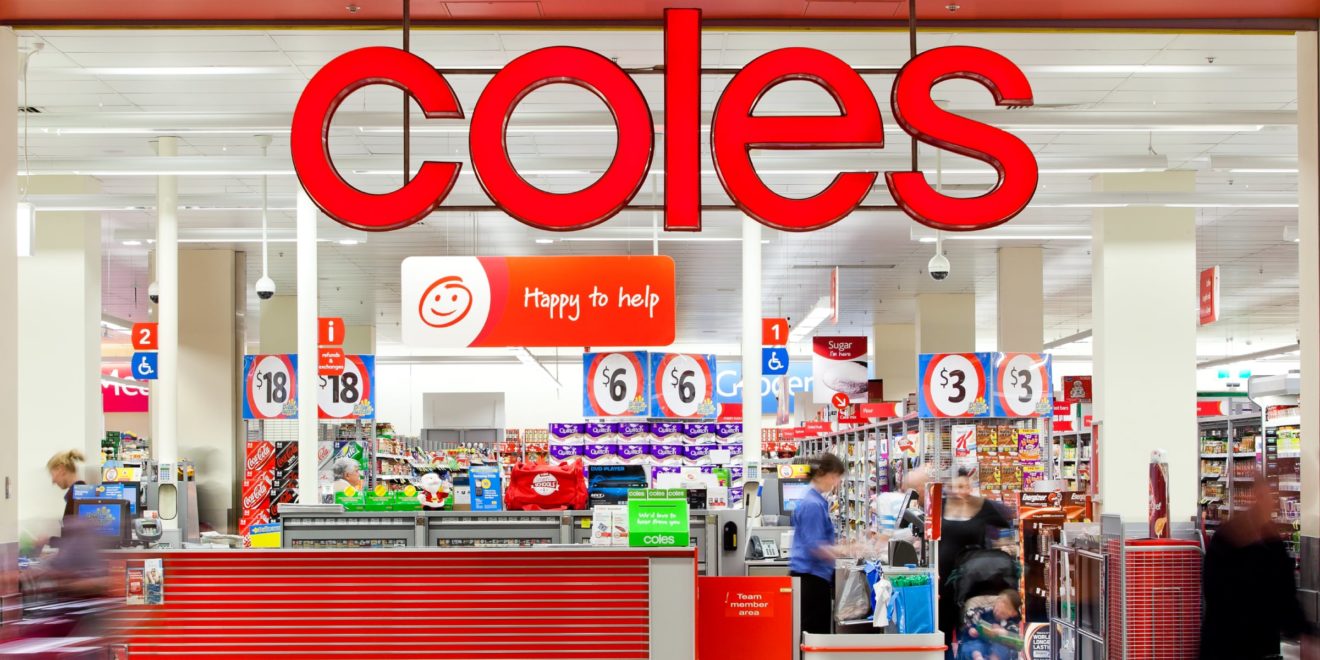
    Coles, the prominent Australian supermarket chain, reported an increase in sales for the first quarter, primarily fueled by the robust performance of its supermarket division.

    Sales Increase in the First Quarter

    Coles experienced a 3.9% rise in sales for the 13 weeks ending September 28, totaling $10.9 billion. The supermarket division was the primary driver for this growth, where the sales surged by 4.8% reaching $9.9 billion.

    Dynamic Competitive Market

    Excluding tobacco, the supermarket sales increased by 7%, which was supported by a concentrated effort on product selection and value, enhanced availability, and a 28% increase in e-commerce sales. Amid an ever-changing competitive market, Coles has adjusted its pricing structure across various categories to adapt to the evolving landscape. The retailer has expanded the number of products in its everyday low price (EDLP) range to cater to customer needs.

    Decrease in Tobacco Sales

    The sales of tobacco drastically fell by 57% due to new legislation and growth in the illicit market. Excluding tobacco, the inflation of supermarket prices moderated to 1.2% from 1.5% in the previous quarter.

    Liquor Segment Sales

    Despite the overall sales growth, the liquor segment experienced a minor slip, with sales dropping 1.1% to $842 million. Additionally, the ‘other’ segment, related to the product supply agreement with Viva Energy, witnessed a 17.9% decrease in sales to $156 million.

    CEO’s Comments on Performance

    Coles Group CEO Leah Weckert expressed satisfaction with their performance, attributing the supermarket sales growth to the focus on value, quality, and customer experience. Noting the positive impact of major transformation projects, Weckert mentioned that availability had reached its highest levels since pre-Covid, with e-commerce sales penetration reaching 13.3%.

    Looking Forward

    As Coles enters the second quarter, supermarket sales growth remains at similar levels to the first quarter, whereas the liquor market continues to be challenging with customers staying budget-conscious. As the holiday season approaches, Coles aims to cater to every taste and budget with their Christmas range and continue to focus on improving the omnichannel customer experience.

    Questions & Answers

    What was the key driver for Coles’ sales growth in the first quarter?
    The supermarket segment was the primary driver for first quarter sales growth, accounting for a 4.8% rise.

    What changes did Coles make to adapt to the changing competitive market?
    Coles has adjusted its pricing structure across various categories and expanded the number of products in its everyday low price (EDLP) range.

    How has Coles been performing in the second quarter?
    In the early part of the second quarter, supermarket sales growth has remained at similar levels to the first quarter. However, the liquor market continues to be challenging with budget-conscious consumers.

  • Viva Energy reports convenience sales decline in third quarter

    Viva Energy reports convenience sales decline in third quarter

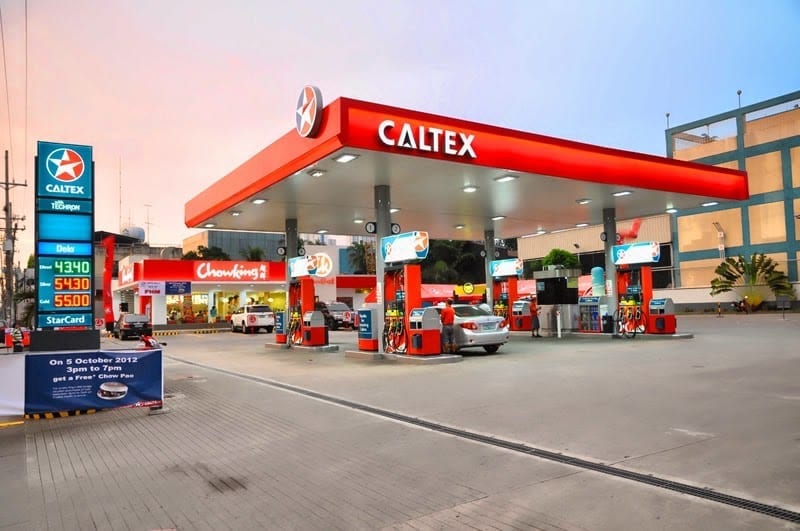
    Viva Energy’s Convenience and Mobility (C&M) division has experienced a decrease in both convenience sales and fuel volumes in the third quarter. This shrinkage is attributed to the ongoing challenges within the retail fuel industry, as well as a reduction in the number of operational stores.

    Fall in Convenience Sales

    The company has reported a 12.5% drop in convenience sales, slipping down to $392 million from $448 million compared to the same period last year. However, excluding tobacco sales, the figures remained stable. Tobacco sales, on another note, witnessed a 15% dip year on year, consistent with the overall declining trend for the product category. However, the tobacco sales remained consistent on a month-to-month basis for this quarter.

    Margin Increase and Cost Reductions

    Despite the drop in sales, the convenience gross margin saw an increase to 41%, a rise of 3.5 percentage points. This increase was primarily driven by alterations in the product mix, range, and pricing. Consequently, the company assured that it remains on target to achieve $35 million in cost reductions and synergies during the second half of the fiscal year, achieved through system and organization consolidation.

    Store Openings and Future Plans

    The company has opened 21 new On The Run (OTR) stores this year, with an additional 15 currently under construction, expected to be completed by the end of the year. Six conversions of Liberty Convenience are also planned for the fourth quarter, with a few openings rescheduled to January to better match seasonal demand.

    C&M also plans to expand its Scan Pump Save app across its express network during the fourth quarter, aiming to provide customers with a unified digital experience and the ability to pay at the pump at company-controlled sites.

    Leadership Changes

    In related news, Jennifer Gray has been appointed as the interim CEO of the C&M division. As the company begins the search for a permanent CEO, Gray will be supported by independent non-executive director John Joyce. Her primary focus will be to drive top-line growth, capture synergies and cost reductions, and leverage common systems to improve operational performance.

    Questions & Answers

    What caused the decline in Viva Energy’s convenience sales and fuel volumes?
    The decrease in both convenience sales and fuel volumes is attributed to the ongoing challenges within the retail fuel industry and a reduction in the number of operational stores.

    What is the key cause of the increase in the convenience gross margin?
    The increase in convenience gross margin was primarily driven by alterations in the product mix, range, and pricing.

    What is the future plan of the C&M division regarding the Scan Pump Save app?
    C&M plans to expand its Scan Pump Save app across its express network during the fourth quarter to provide customers with a unified digital experience and the ability to pay at the pump at company-controlled sites.

  • Liege Airport records a strong growth of +23% in the third quarter of 2025

    Liege Airport records a strong growth of +23% in the third quarter of 2025

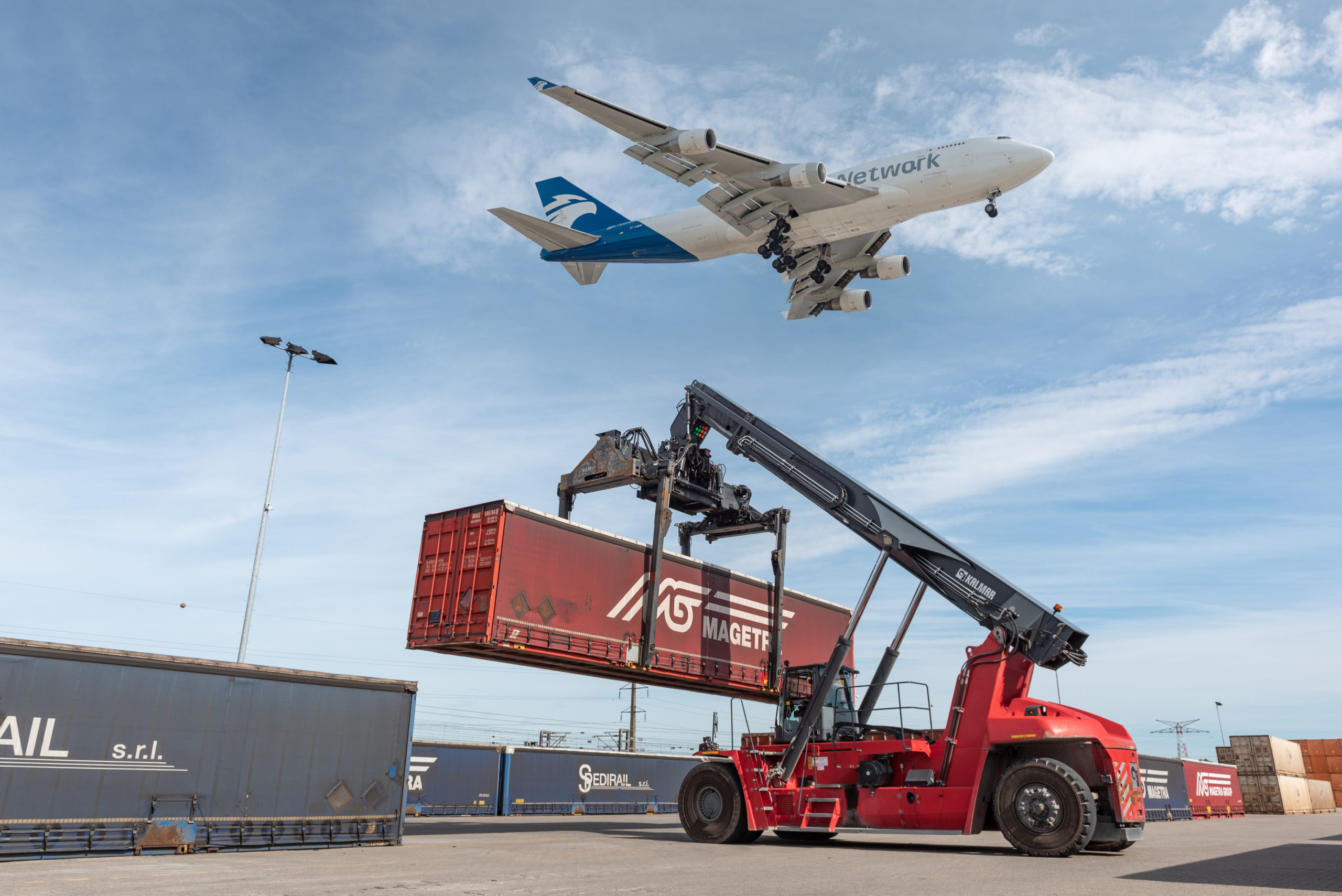
    Liege Airport (LGG) has been experiencing an upward trajectory in terms of both aircraft movements and cargo volumes during the third quarter. A robust 23% growth in tonnage was recorded for the months of July, August, and September in 2025 as compared to the same quarter in 2024, while aircraft movements increased by 9%.

    Unwavering Performance

    Liege Airport’s performance remains commendable not only in the short term but also over the past two years. The airport’s CEO, Laurent Jossart, shed light on the recent success, stating that the air cargo community processed a significant 334,956 tons of freight in Q3 2025. This figure represents an impressive 23% growth from the previous year’s Q3 tonnage of 272,210. In addition, a year-to-date growth of 14.4% was reported.

    The notable growth of the last quarter was primarily driven by a healthy uptick in e-commerce imports, as well as the robust European exports flown via Liege Airport, which saw a quarterly growth of 26% compared to the previous year. This substantial growth underscores the increasing significance of Liege Airport to the European export industry.

    Concerning aircraft movements, a total of 7,262 cargo flights were operated – a 9% rise from Q3 2024, which recorded 6,691 cargo flights.

    Europe’s Prominent Full Freighter Airport

    Further highlighting LGG’s success is its consolidation as the leading full freighter airport in Europe, a milestone reached in 2025. In the first nine months of the year, Liege Airport became the leading hub for three verticals – flowers, e-commerce, and horses. Jossart added that a total of 961,640 tons of air cargo passed through their facilities.

    Looking at a longer timeframe, from 2019 to 2024, a recent global air traffic survey positioned Liege Airport among the top 5 cargo airports worldwide in terms of freight growth, having experienced a 29% increase.

    Laurent Jossart concluded by stating that this performance solidifies Liege Airport’s strategy of being a sustainable, efficient, and multimodal European logistics hub.

    Questions & Answers

    What has been the growth rate of Liege Airport in Q3 2025 as compared to Q3 2024?
    The airport recorded a 23% increase in tonnage and a 9% rise in aircraft movements in Q3 2025 compared to the same period in 2024.

    What factors contributed to the significant growth of Liege Airport in the last quarter?
    The growth was primarily driven by the healthy flow of e-commerce imports and the robustness of the European exports flown via the airport.

    What leadership position did LGG consolidate in 2025?
    LGG consolidated its position as Europe’s leading “full freighter” airport in 2025, handling a total of 961,640 tons of air cargo in the first nine months of that year.

  • Abercrombie & Fitch Q2 Earnings Soar, But Tariffs Threaten Future Profits

    Abercrombie & Fitch Q2 Earnings Soar, But Tariffs Threaten Future Profits

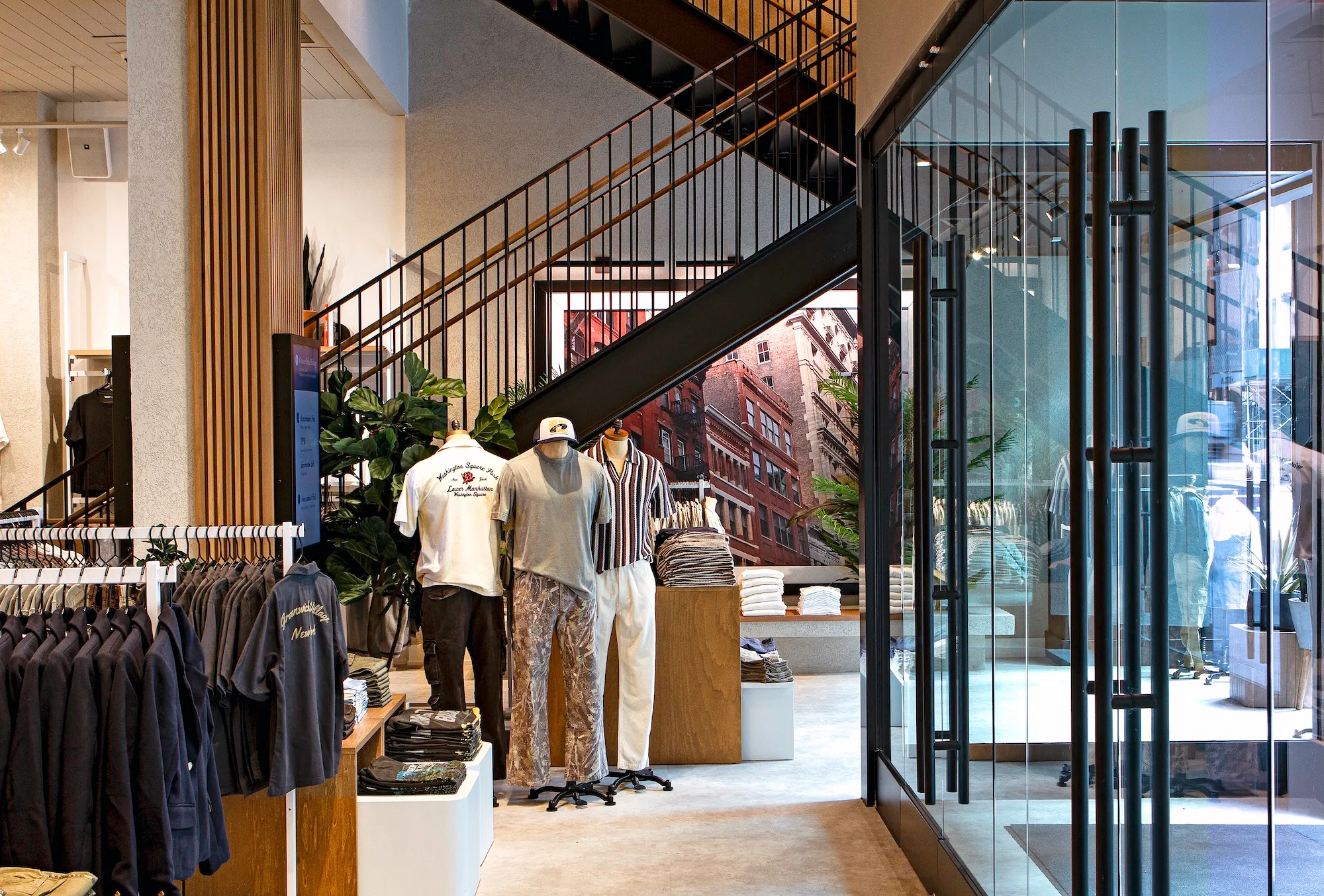
    Abercrombie & Fitch reported a record-breaking performance for Q2, driven in large part by a 19% sales increase from its subsidiary, Hollister. This performance prompted the company to revise its full-year sales forecast upward. However, not all was rosy, as the Abercrombie brand itself recorded a 5% fall in sales, following a 26% increase in the previous year.

    Detailed Business Performance

    Net sales for the quarter that ended on August 2nd soared by 7% year on year to reach US$1.2 billion, with comparable sales increasing by 3%. Operating income rose to $207 million, a significant jump from the $176 million recorded during the same period the previous year.

    The performance varied by region, with the Americas posting an 8% growth, and the Asia-Pacific region registering a 12% increase. However, the Europe, Middle East, and Africa (EMEA) region saw a slight decrease of 1%.

    During the announcement of the results, CEO Fran Horowitz lauded the resilience demonstrated by the company. She stated that the company outpaced its expectations by achieving a growth of 7% from the previous year and exceeding profitability expectations. The company also returned a considerable portion of its profits, $50 million, to its shareholders.

    Horowitz expressed optimism about the future, stating the company is entering the second half of the year with a proactive approach, backed by an upbeat sales outlook that builds on the previous year’s record results.

    Challenges and Opportunities

    Despite the positive outlook, the company issued a warning about potential challenges. It stated that tariffs on imports from Vietnam, Indonesia, Cambodia, and India are projected to add $90 million in costs this year. This is a significant increase from the company’s May forecast of $50 million in tariff expenses, despite mitigation efforts.

    However, industry experts have recognized Abercrombie & Fitch’s momentum. Neil Saunders, MD at GlobalData, pointed out that the company’s consistent execution has been pivotal to its growth. He praised the company’s strategies, citing the successful store and merchandising efforts, the rate of product refresh, strong seasonal marketing, and responsiveness to trends.

    Saunders also commended Abercrombie Kids’ strategic move into the wholesale market as a smart growth strategy. He highlighted that the US kids’ wear market was valued at $82.1 billion in the previous year, and Abercrombie & Fitch only has a small share of this market. Therefore, expanding through wholesale could provide fast access to new customers and require less capital than opening additional stores.

    Questions & Answers

    What drove Abercrombie & Fitch’s record Q2 performance?
    The main driver was a 19% sales increase from Hollister, a subsidiary of Abercrombie & Fitch.

    How did Abercrombie & Fitch’s performance vary by region?
    Sales in the Americas and Asia-Pacific regions grew by 8% and 12% respectively, while the Europe, Middle East, and Africa region recorded a 1% decrease.

    What challenges does Abercrombie & Fitch anticipate for the future?
    The company expects tariffs on imports from Vietnam, Indonesia, Cambodia, and India to add $90 million to its costs this year.

  • Miniso’s sales soar 23 per cent in second quarter, but profit shrinks

    Miniso’s sales soar 23 per cent in second quarter, but profit shrinks

    The retail conglomerate, Miniso, posted a decrease in profits despite its sales increasing by a double-digit percentage in the second quarter.

    Revenue Growth

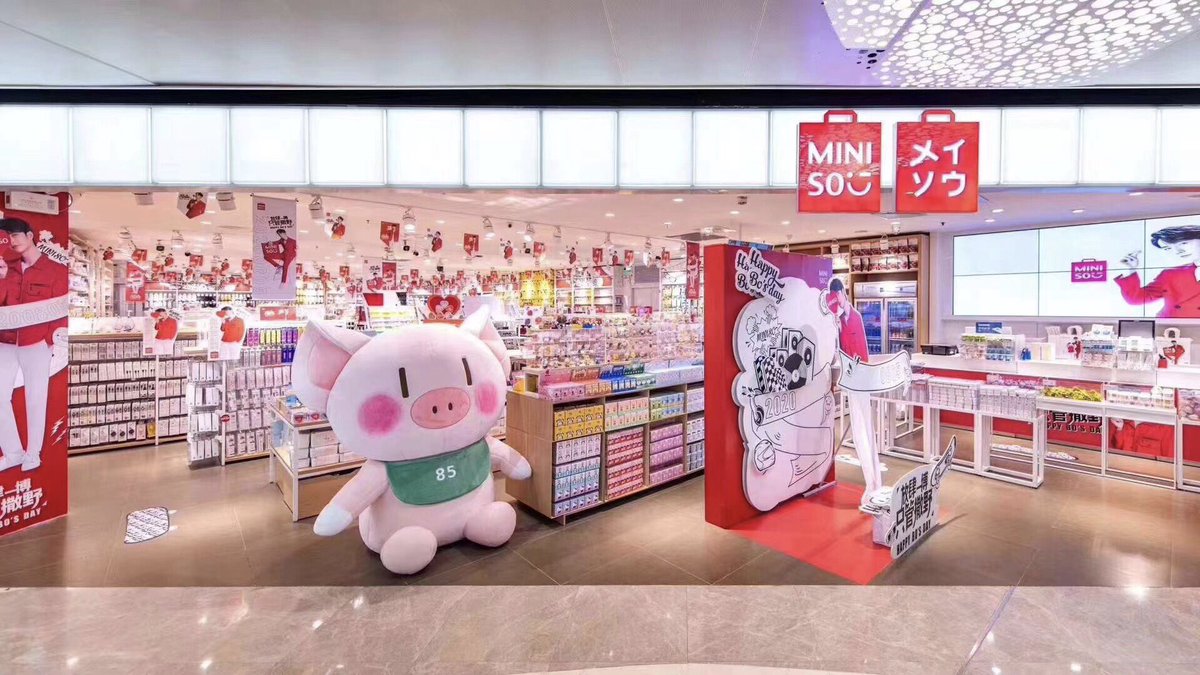
    Miniso’s revenue for the quarter ending June 30th saw a massive increase of 23.1%, amounting to approximately USD 693.2 million. The retailer has various brands under its umbrella, including Miniso and Top Toy. Miniso’s revenue witnessed a rise of 19.5%, amounting to USD 637 million. This growth included a 13.6% increase in Mainland China and a 28.6% growth in international markets. Top Toy’s revenue surged by 87% to USD 56.1 million.

    Same-Store Gross Merchandise Value

    The same-store gross merchandise value (GMV) of Miniso remained steady, backed by a small growth in mainland China and a slight decline in international markets. However, Top Toy’s same-store GMV registered minor growth.

    Strategic Financing

    Miniso highlighted that Top Toy had finalized strategic financing by Temasek recently, resulting in a post-valuation of approximately USD 1.28 billion.

    Operating Income and Profit

    Although the operating income rose by 11.3% to USD 116.7 million, the profits fell from USD 82.4 million in the same period last year to USD 68.3 million.

    For the first half of the year, revenue grew by 21% to USD 1.3 billion. This rise included an 18% increase in Miniso sales and a 73% rise in Top Toy sales. However, the profit for the same period dropped from USD 163 million to USD 126.5 million.

    Store Expansion

    As of June 30th, the total number of stores at the group level was 7,905, representing a year-on-year increase of 842 new stores. Miniso had 7,612 stores, which included 4,305 in Mainland China and 3,307 in international locations, while Top Toy had 293 outlets.

    The company anticipates that its revenue growth will speed up for the rest of the year.

    Questions & Answers

    How much did Miniso’s revenue increase in the second quarter?

    Miniso’s revenue for the second quarter increased by 23.1%, amounting to approximately USD 693.2 million.

    How did Miniso’s operating income and profit perform in the second quarter?

    The operating income rose by 11.3% to USD 116.7 million, but the profit fell from USD 82.4 million in the same period last year to USD 68.3 million.

    What is the total number of Miniso stores as of June 30th?

    As of June 30th, Miniso had a total of 7,612 stores, which included 4,305 in Mainland China and 3,307 in international locations.