Tag: Quezon City

  • Metro Manila Office Completions to Hit 231,600 Square Metres in Q4 2026

    Metro Manila Office Completions to Hit 231,600 Square Metres in Q4 2026

    Metro Manila faces 231,600 square metres of Grade A office space scheduled for delivery in the final quarter of 2026 after construction slippages left third-quarter handovers at just 16,900 square metres. The delivery pileup threatens to tip metropolitan vacancy past 20 percent before January.

    Property data from Savills Philippines shows the fourth-quarter concentration accounts for roughly 70 percent of the 329,800 square metres projected for completion across all of 2026. Developers completed only 9 percent of the 183,400 square metres originally slated for handover between July and September.

    Delays Funnel Handouts into Year-End

    Three developments slipped out of the third quarter: Yuchengco Centre, Offices at the Galleon, and SM North EDSA Tower 5. These join Southfield Center and Spectrum in a crowded fourth-quarter schedule that adds about 2.3 percent to the capital region’s total office stock in three months.

    The supply arrives as tenant demand weakens. Metro Manila recorded negative net absorption of 23,900 square metres in the third quarter, down from positive take-up of 144,700 square metres in the second quarter. While gross leasing took up 118,200 square metres, tenants surrendered 142,100 square metres as business operators consolidated, relocated, or trimmed their operating floors.

    Rents Resist Mounting Vacancy Across Key Hubs

    Average Grade A monthly rents across Metro Manila still rose 0.5 percent quarter on quarter to 861.10 pesos per square metre, logging a third straight quarterly advance. Bonifacio Global City stood out as the sole major commercial district to discount space, with rents sliding 0.4 percent to 1,089.60 pesos per square metre.

    Other districts pushed rates higher despite mounting vacancies. Alabang posted the steepest climb at 2.8 percent, while Ortigas Center and Quezon City recorded 1.5 percent increases. Total vacant space across the metropolis reached 1.96 million square metres at the close of September, lifting the overall vacancy rate to 19.2 percent from 18.9 percent in June.

    Makati and Quezon City Face Supply Pressure

    Makati central business district faces sharp vacancy increases once Yuchengco Centre opens its doors. Savills projects the district rate will jump to around 23 percent by December, up from 20.9 percent in the third quarter, after Makati shed 2,100 square metres of occupied space. Gross leasing in the district fell to 13,700 square metres from 24,800 square metres in the prior quarter, though monthly rents rose 0.8 percent to 999.50 pesos per square metre.

    Quezon City registered the sharpest deterioration among all submarkets, with vacancy jumping to 23.1 percent from 19.8 percent in the previous three-month period. A major corporate departure triggered negative net take-up of 30,900 square metres, and completions before December could elevate district vacancy to 26 percent.

    Bay Area Leads Vacancy as Ortigas Center Tightens

    Ortigas Center proved an outlier by logging four straight quarters of declining vacancy, ending September at 18.6 percent with positive net absorption of 7,800 square metres. That reprieve will prove short-lived, with 81,700 square metres of new offices due by the end of the first quarter of 2027, an addition equal to 6 percent of the district’s footprint that could drive vacancy back to 22 percent.

    The Bay Area remains the most oversupplied market in Metro Manila, sitting on an empty-space rate of 35.3 percent despite absorbing 11,600 square metres during the third quarter. Projections indicate Bay Area vacancies will reach 36 percent by year-end and hover near that band through 2027 as more buildings finish construction.

    The contraction in third-quarter absorption broke a streak of six straight quarters of positive net absorption that had held firm since late 2024. Corporate real estate directors now face an aggressive tenant-favoured market as 231,600 square metres of new office space is scheduled for delivery in the fourth quarter.

  • Japan Home Centre Accepts Onions as Payment for up to 3 Items

    Japan Home Centre Accepts Onions as Payment for up to 3 Items

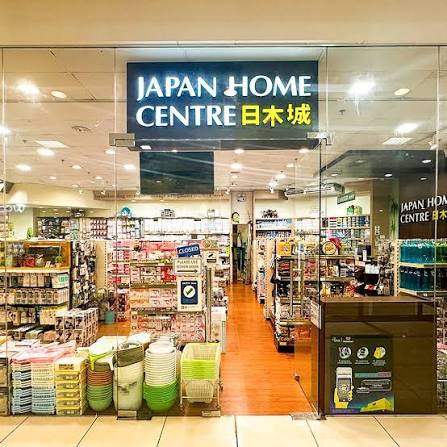
    Japan Home Centre held its “Pay with Sibuyas” campaign on Saturday, February 4, allowing customers to use onions as payment at its Panay Avenue branch in Quezon City.

    Under the one-day promotion, shoppers could swap one onion in exchange for a selected in-store product, with a maximum of three items allowed per purchase.

    How the barter checkout functioned

    The retail store accepted all kinds of onions for select merchandise, and Japan Home Centre stated that all collected onions would be given to a community pantry that provides free food for those in need.

    Management routed every bulb into a local community pantry network that distributes free food to low-income residents across Quezon City. The retailer absorbed the inventory cost directly as promotional expense and community assistance.

    The economics of grocery marketing gimmicks

    Barter promotions let general merchandise chains convert regional supply bottlenecks into customer foot traffic without cutting sticker prices across their wider assortment. Non-grocery discount stores step into the gap when everyday food staples turn into luxury commodities.

    Financial exposure stays low because the retailer caps redemptions at three units per shopper. The chain also limits eligible SKUs to high-margin, low-cost plastic ware and kitchen sundries. These stunts generate sudden foot-traffic spikes for mall landlords and retail neighbors, but conversion into cash-paying shoppers across regular aisles stays modest once promotional stock runs out.

    Wholesale price surges and infrastructure gaps

    Domestic retail prices for onions across Metro Manila wet markets and supermarkets reached 700 pesos per kilo in December 2022. That was roughly eight times higher than the global average of 1.54 dollars, or about 84.87 pesos, per kilo recorded across 89 tracked countries.

    Delayed import clearances and chronic storage deficits across agricultural provinces in Luzon triggered the domestic spike. Local farmers dumped bumper crops during harvest months without refrigerated warehouse capacity. That left urban retail distribution chains exposed to severe shortages and price spikes later in the crop cycle.

    Supply controls and import volumes to monitor

    Agricultural agencies have since scheduled off-season import shipments and started inspections of provincial cold storage facilities to stabilize retail distribution costs. Retail buyers across Metro Manila now watch whether wholesale farmgate prices drop back toward the baseline of 100 pesos per kilo before the next domestic harvest enters wholesale depots.

  • Cellboy Deploys Anchanto Software Across More Than 200 Stores

    Cellboy Deploys Anchanto Software Across More Than 200 Stores

    In September 2026, Philippine mobile phone and gadget retailer Cellboy announced the deployment of Anchanto’s cloud-based Order Management System across its network of more than 200 stores nationwide. The 17-year-old retail brand previously faced operational challenges with manual store-level tracking that delayed inventory and financial reporting.

    The roll-out links Cellboy’s warehouse operations directly to its physical storefronts and online platforms. While the Quezon City-based retailer already utilized a warehouse management system for internal hub operations, the new integration automates transactions from purchase to delivery with real-time updates.

    Connecting Warehouses to Store Shelves

    Under the partnership, Singapore-based commerce technology provider Anchanto supplies a unified system architecture that synchronises online and offline data. The platform provides store teams with real-time inventory visibility across every sales touchpoint, eliminating after-the-fact processing and reducing manual reconciliation work.

    “One of our biggest challenges was the lack of real-time visibility,” said Alvin Teng, chief executive officer of Cellboy. “Transaction data was only updated after processing, making it hard to get an accurate view of inventory and act quickly.”

    The Omnichannel Hurdle for Philippine Retail

    Consumer electronics chains across the Philippines face margin pressure from both organised mall-based competitors and digital marketplaces like Shopee and Lazada. For multi-store operators, carrying excess stock in backrooms to prevent stockouts ties up working capital, while running lean without live data leads to missed sales when shoppers cross between physical counters and online listings.

    By removing batch processing at the branch counter, Cellboy reduces the labour hours spent on nightly reconciliations. The risk now shifts to store-level compliance, where cashiers and stock clerks must maintain disciplined system entry to keep the live data stream accurate across 200 locations.

    Software Consolidation Across Southeast Asia

    Anchanto has built its footprint by targeting regional merchants that outgrow disparate legacy software. The Singaporean software vendor currently operates across 12 countries in Southeast Asia, the Middle East and Europe, maintaining direct integration links with more than 200 third-party logistics firms and marketplace platforms.

    Cellboy started operations 17 years ago as a mobile phone and accessories seller before expanding into wider gadget retail across Philippine shopping malls. The operational test now turns to how fast the retailer cuts order fulfilment lag as holiday device buying ramps up across its nationwide store footprint.

  • Johnny Rockets Philippines expands

    Johnny Rockets Philippines expands

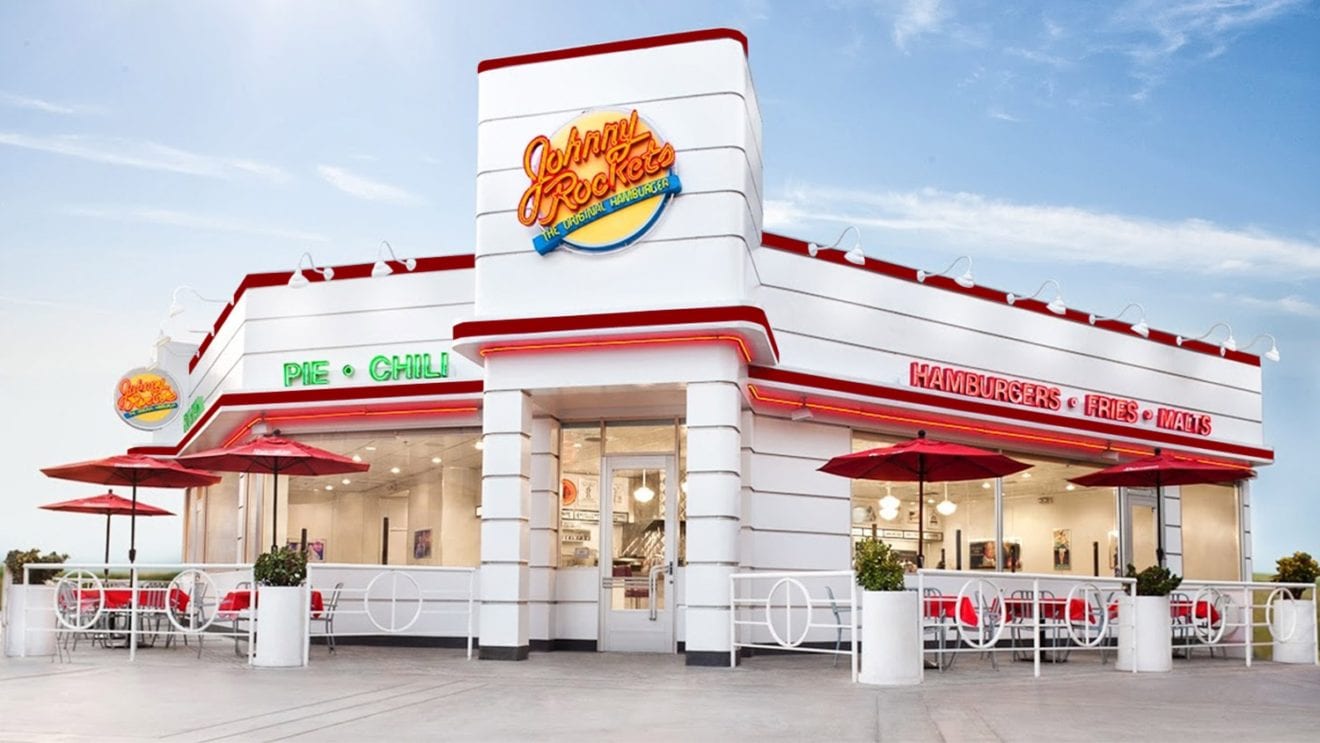
    Johnny Rockets Philippines has opened a new restaurant in the Ayala Fairview Terraces Mall, Quezon City.

    “With its all-American fare and friendly service, Johnny Rockets is unlike any other restaurant concept in the area,” said Dr Amable Aguiluz IX, franchise owner of the Quezon City Johnny Rockets.

    “We have seen great success with our current Johnny Rockets locations in Quezon City, which has provided us the opportunity to expand our presence further in the area.”

    Aguiluz now operates five Johnny Rockets in the Philippines, halfway to his goal of opening 10 of the franchises during 15 years. The Ayala Fairview Terraces Mall restaurant marks Dr. Aguiluz’s third Johnny Rockets in Quezon City, which is the Philippines’ most populated city. His others are in Mandaluyong, in the upscale lifestyle and shopping destination Shangri-La Plaza, and in Malay, on the popular resort island Boracay.

    The Ayala Fairview Terraces Mall Johnny Rockets is about 113 sqm and can seat 36 guests.

    Johnny Rockets Brought to the Philippines by Dr. Amable Aguiluz IX, Johnny Rockets Philippines is happily serving its customers at five different locations in Quezon City, Malay Aklan and Mandaluyong City.