Tag: quick service restaurants

  • Carl’s Jr Appoints Ex-Subway Executive Rodica Titeica as ANZ Country Director

    Carl’s Jr Appoints Ex-Subway Executive Rodica Titeica as ANZ Country Director

    Carl’s Jr has appointed former Subway executive Rodica Titeica as country director for Australia and New Zealand, placing regional franchise expansion under a leader with six years of brand and marketing experience across the territory.

    Parent company CKE Restaurants Inc announced the move on LinkedIn, praising her performance across large-scale franchise networks as the chain looks to accelerate store momentum.

    “Her proven track record of driving performance across large-scale franchise networks makes her an exciting addition to our international leadership team,” the company stated.

    Executive Shift Across Franchise Systems

    Titeica comes to the quick-service operator following consecutive roles at Subway, where she served as head of marketing, director, and senior director of marketing and digital across six years. Her background centers on franchise operations, commercial growth, and brand transformation across store networks.

    Under her leadership, the business plans to prioritize strengthening franchise partnerships, sharpening operational execution, and positioning the burger brand to achieve greater regional scale.

    “Carl’s Jr is at a genuinely exciting point in this market, with a loyal following, and a lot of runway ahead of it in ANZ,” Titeica wrote on LinkedIn. “Getting to lead this next chapter, the people, the restaurants, the growth, is the kind of challenge I’ve spent my career building towards. I know how much work sits behind it, and I’m grateful to the people that helped get me here.”

    Operational Friction in Southern Markets

    Quick-service operators across Australia and New Zealand face stiff resistance from entrenched players, which command prime drive-thru real estate and entrenched supply chain pricing advantages. For Carl’s Jr, operating at a smaller scale leaves local franchise partners exposed to elevated site occupancy overheads and rising input prices.

    Appointing an executive steeped in franchise operations suggests CKE Restaurants wants to address franchisee profitability directly before committing capital to aggressive physical rollouts. When franchisors push network growth without fixing per-store operational economics, franchisee disputes over margin sharing and local marketing funds usually follow.

    The Broader Regional Strategy

    The appointment reflects a deliberate recruitment pattern seen across quick-service food chains in the Asia-Pacific region, where foreign brands frequently hire senior talent out of rival systems to streamline local franchisee compliance. Franchisees in mature retail economies demand demonstrable sales conversion rather than central brand promises.

    Whether Titeica can translate digital marketing gains from Subway into consistent unit sales at Carl’s Jr depends largely on site selection and store-level labor discipline. The immediate number to watch will be CKE Restaurants’ forward store opening commitments and franchisee recruitment numbers across Australia over the coming financial quarters.
  • McDonald’s Australia Removes TV Ad for Breaching Child Targeting Standards

    McDonald’s Australia Removes TV Ad for Breaching Child Targeting Standards

    McDonald’s Australia has removed a television advertisement promoting its Birdie’s Brekkie Meal after regulators found it breached advertising standards for targeting children.

    In October 2026, the Ad Standards Community Panel upheld complaints against the campaign, ruling that its cartoon animations, bright colours, and catchy song held significant appeal for younger viewers.

    Nostalgia Defence Fails Watchdog Review

    McDonald’s defended the creative by arguing the ad featured adult settings without children and was only placed in broadcast slots where predicted child viewership did not exceed 25 per cent.

    In formal submissions to the watchdog, the chain said the ad featured adult work settings such as construction sites, offices, and morning commutes. Media buys excluded time slots where children under 15 made up 25 per cent or more of the forecast audience. The company also argued packaging used a retro diner format rather than a Happy Meal toy or children’s incentive.

    Regulators rejected those arguments after reviewing viewer complaints. The panel found the product failed to meet the Food Standards Australia Nutrient Profile Scoring Criteria for healthy classification. That categorised it as an occasional food.

    Animation and Colour Palette Scrutinised

    Panel members found the creative execution overpowered the adult broadcast placement. The commercial showed Birdie flying across real-world backdrops. Urban streets turned into animated cartoon sequences, and Birdie steered a flying commuter bus into a drive-thru.

    A vibrant palette, cartoon sound effects, a theme song, and visuals like a pink blended beverage created strong appeal for minors. Viewers also reported seeing the broadcast during standard dinner hours. That increased child viewership beyond baseline projections.

    Children would naturally respond to the cartoon format and meal presentation even without recognising the legacy character, the watchdog concluded.

    Fast-Food Marketing Under Regional Pressure

    Fast-food chains across Asia-Pacific face tightening boundaries on how animated mascots and legacy intellectual property appear on television and social media. Retro characters carry operational risk when watchdogs assess visual appeal separately from target demographics.

    The ruling sets a strict precedent for quick-service operators and creative agencies. Nostalgia campaigns using cartoon animation will struggle before advertising review boards if the food fails standard nutrient profiling models, even without toys included.

    Repeated Regulatory Setbacks in Australia

    This breakfast ad withdrawal follows a separate ruling against McDonald’s in August. Ad Standards forced the chain then to amend television and digital commercials promoting its McDelivery service after finding the campaign misleading.

    McDonald’s accepted the breakfast ruling and withdrew the commercial from broadcast networks across Australia. The company confirmed it will maintain compliance with Australian Association of National Advertisers codes across active campaigns.

  • Tealive Unveils Layan Coffee Series with Da Hong Pao Tea in Malaysia

    Tealive Unveils Layan Coffee Series with Da Hong Pao Tea in Malaysia

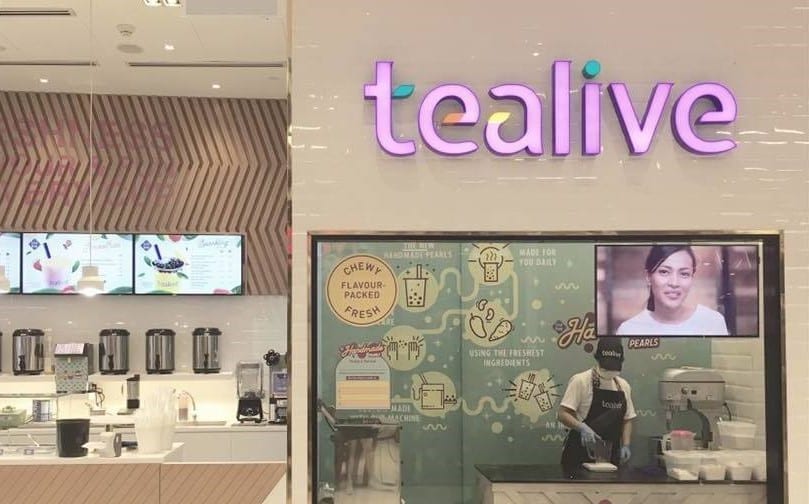
    Tealive unveiled its Layan Coffee lineup in Malaysia this week. The drinks combine brewed espresso with Da Hong Pao oolong tea across its domestic store footprint.

    That updates the traditional Malaysian coffee-and-tea blend known locally as cham and in Hong Kong as yinyeung, pairing 2 staple beverages.

    Upgrading Traditional Cham Recipes

    The new menu pairs concentrated coffee extractions with steeped Da Hong Pao, a roasted oolong tea cultivar. By substituting standard black tea with specialty oolong, Tealive targets consumers looking for higher-grade drinks at quick-service prices.

    Outlets sell the beverages in hot and iced formats. The rollout expands Tealive’s portfolio beyond core bubble milk tea selections and fruit teas.

    Chasing Value in Malaysia’s Coffee Rush

    Regional low-cost coffee chains continue to crowd Malaysian mall basements and shoplots. Local operators must now compete directly against aggressive discounting from these value brands.

    Leaning into cham allows Tealive to tap familiar domestic taste profiles that foreign rivals rarely prioritize. For store operators, tea-coffee fusions lift ticket averages during morning and afternoon dayparts without adding complex kitchen hardware or extra supply chains.

    Menu Innovation Across Regional Networks

    Expansion through drive-through locations and suburban shoplots established Tealive’s footprint across Malaysia and neighboring markets. Adding specialty tea to coffee follows earlier regional efforts to cross-sell traditional tea drinkers into daily coffee routines.

    Store-level sales figures and repeat purchase rates across Malaysian outlets will determine whether premium tea fusions claim a permanent share on company menus.

  • Mixue Shifts Malaysia Strategy Toward Food Safety and Quality Control

    Mixue Shifts Malaysia Strategy Toward Food Safety and Quality Control

    Mixue has shifted its operational focus in Malaysia to food safety and standardized store management this quarter. It has slowed its rapid store openings to protect franchise consistency.

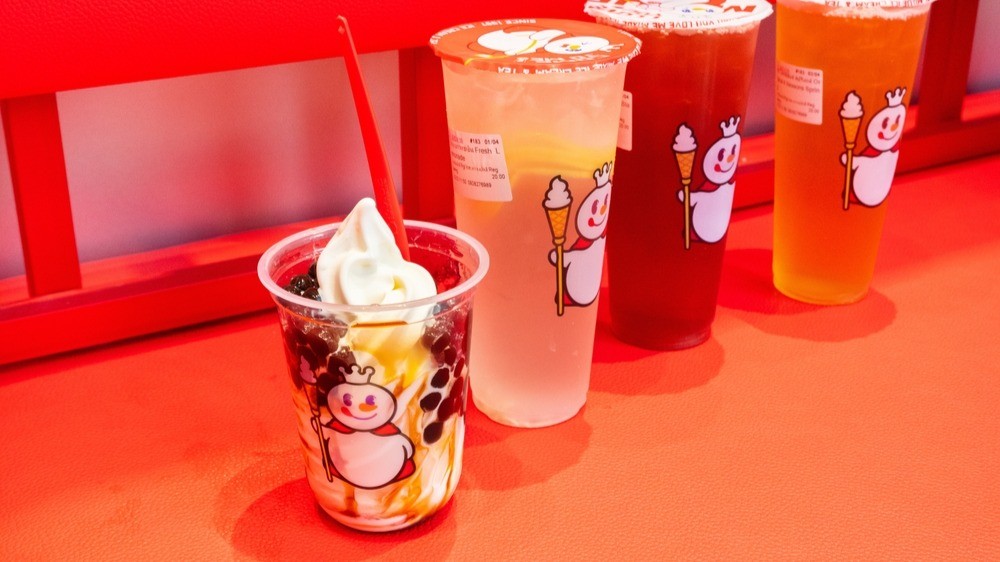
    The value-priced ice cream and tea operator is standardizing ingredient handling, audits, and franchise training across hundreds of independently run franchised outlets in the country.

    Standardising Store Operations

    Headquarters teams are rolling out stricter supplier checks, central storage compliance, and mandatory staff retraining. The goal is curbing hygiene inconsistencies across high-volume suburban counters.

    For franchisees, the tightened rules raise daily discipline and audit frequencies. Store managers face unannounced inspections covering temperature logs, equipment sanitization, and ingredient shelf-life tracking.

    Pressure on Value Tea Rivals

    Rival low-cost bubble tea chains in Malaysia now face immediate pressure. Many compete on single-digit ringgit price points. Churning out high volumes at discount prices leaves little room for error in cold chain logistics or store sanitation.

    Protecting customer trust before hygiene lapses damage the brand drives the compliance push. The main risk sits behind the counter. Enforcing uniform standards across hundreds of independently run franchised outlets demands continuous oversight costs.

    Next Phase of Southeast Asian Expansion

    Mixue entered Southeast Asia aggressively, relying on low franchise fees and an integrated Chinese supply chain to blanket Indonesia, Vietnam, and Malaysia. Rapid expansion quickly secured brand recognition across shopping malls and commercial shop lots.

    Maintaining product consistency across thousands of regional outlets poses a major challenge as local health authorities step up inspections of quick-service beverage chains.

    Malaysian franchisees will complete updated audit cycles over the coming quarter as headquarters evaluates network compliance across Peninsular Malaysia.

  • Pizza Hut Owner Flynn Group Pledges $10 Million to Expand in Australia

    Pizza Hut Owner Flynn Group Pledges $10 Million to Expand in Australia

    Flynn Group will invest $10 million to overhaul Pizza Hut Australia and open 100 outlets across the country. The expansion aims to add 300 jobs and lift the chain from its current footprint of roughly 300 stores.

    US-based Flynn Group, which acquired the master franchise from private equity firm Allegro Funds in 2023, plans to roll out redesigned store layouts, updated menus and upgraded ordering hardware. The chain has traded in Australia since 1970, but recent financial filings from Flynn Group’s local operating division showed a $1 million loss for the previous financial year.

    Digital Sales And Store Redesigns

    Online channels now generate roughly 80 per cent of all sales for the brand in Australia. Flynn Group said the business has recorded seven straight years of same-store revenue growth, with average sales per location doubling over the past five years despite the recent bottom-line loss.

    “This isn’t a lick of paint; it’s a complete reinvestment in the product, the stores, and the people behind them, moving at a pace this category has never seen,” said Richard Wallis, president of Flynn Group Apac.

    Turning Around Australian Losses

    Across Asia-Pacific, legacy quick-service restaurant chains face tight margins from wage inflation and delivery aggregator fees, forcing operators to downsize dining rooms and automate order processing. Flynn Group is testing whether streamlined formats and higher store density can convert steady same-store sales momentum into sustainable net profits in a crowded fast-food sector.

    The group has not named the locations for the first batch of new outlets, leaving the timeline for reaching the 400-store mark as the primary metric for the turnaround plan.

  • Chick-fil-A Opens Second Singapore Store Under US$75 Million Asia Push

    Chick-fil-A Opens Second Singapore Store Under US$75 Million Asia Push

    Chick-fil-A opened its second restaurant in Singapore at Millenia Walk on July 30, backing a US$75 million capital commitment to expand across Asia over the next decade.

    The US fast-food chain appointed 23-year food and beverage veteran Deborah Ku as owner-operator after an 11-round interview process that screened more than 900 applicants over nearly two years.

    Single-unit operator model

    Unlike competitors that rely on master franchisees or multi-unit master developers across Southeast Asia, Chick-fil-A runs a single-operator structure. The Atlanta-based company assigns one dedicated local owner-operator to lead daily operations at each site.

    The Millenia Walk restaurant maintains standard corporate operating policies, including closing on Sundays. Prior to opening its doors, the branch donated S$25,000 to The Food Bank Singapore under the chain’s mandatory community contribution rule for new outlets. Ku adapted the menu for local palates with a Singapore Chili Sauce alongside distinct domestic architectural elements.

    Western fast-food expansion in Southeast Asia

    American quick-service brands face a fiercely competitive environment in Singapore, where high mall rents and persistent kitchen labour shortages have forced several established dining concepts to downsize or exit entirely since 2022. While rivals such as McDonald’s and KFC rely on mass-scale corporate franchising to protect margins, Chick-fil-A is testing whether high-touch individual owner-operators can carve out defensible market share in island retail hubs.

    Real estate watchers and franchisors now track site selection for the company’s next pipeline locations as it deploys the remainder of its 10-year, US$75 million regional capital pool.