Retail News CRM

Tag: Quiksilver

  • Australia’s Surf Giants Face Competitive Surf as Retail Powerhouses and Newcomers Ride the Wave

    Australia’s Surf Giants Face Competitive Surf as Retail Powerhouses and Newcomers Ride the Wave

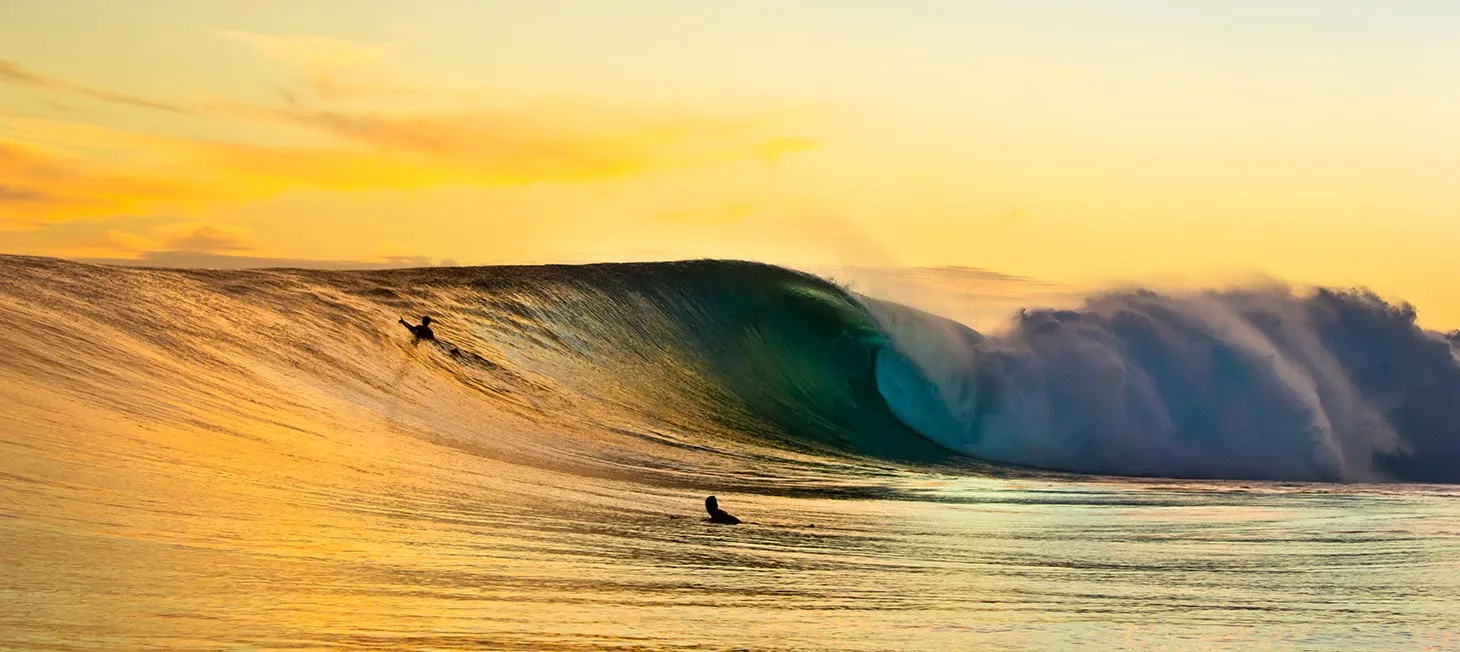
    As surfers hit the waves off Torquay on August 17, the challenges that lie ahead for the Australian surfing industry seem as vast as the ocean itself. Among the leading names in surfing gear—Rip Curl, Quiksilver, and Billabong—there is an unmissable concern: how to appeal to both die-hard surf enthusiasts and the casual fans of the surf lifestyle.

    Chasing the Cool Factor

    These iconic brands find themselves at a crossroads, pivoting their strategies to remain relevant in a rapidly evolving market. Some analysts suggest that Rip Curl, Quiksilver, and Billabong are becoming more synonymous with shopping malls than with the beaches they once epitomized. As their products fill shelves in retail outlets across Asia, the surf culture they represent risks losing its edge and allure.

    Market Dynamics in Asia

    In Asia’s burgeoning retail landscape, these brands are not just competing against one another but also with local surfwear companies that have learned to tap into regional trends. The challenge is exacerbated by a consumer base that is increasingly discerning, preferring authentic experiences over mere labels. Traditional marketing strategies, once effective, now seem inadequate in an environment where social media influence reigns supreme.

    Rediscovering Authenticity

    To combat this dilution of identity, brands are attempting to strike a dynamic balance between maintaining a hardcore surfing ethos and catering to the mainstream consumer. Limited-edition product lines, collaborations with local artists, and a focus on sustainability are some of the strategies being employed to reconnect with their roots and recapture that coveted “cool” factor. After all, who could resist a surfboard made from recycled materials, adorned with a stunning local design? That’s the kind of storytelling that can reel in consumers.

    The Path Forward

    Retail experts suggest that understanding the different segments of the audience—serious surfers versus aspirational shoppers—will be critical as these brands navigate their next moves. As competition heats up in both retail spaces and social media, only time will tell if the big three can adapt without losing their soul. Surfers, after all, crave authenticity. And let’s be honest, surfing gear that screams “beach vibes” yet looks great in a café doesn’t hurt either!

    Questions & Answers

    How are traditional surf brands adapting to changing consumer preferences?
    These brands are introducing limited-edition collections and collaborating with local artists to maintain relevance while staying true to their roots.

    What challenges do these brands face in the Asian market?
    They are vying for attention not only from one another but also against emerging local companies tapping into regional trends, which puts their traditional marketing strategies to the test.

    Is there still a market for hardcore surfing culture among casual consumers?
    Indeed, balancing appeals to both hardcore surfers and casual fans is essential for growth; authenticity remains a vital piece in keeping the surf culture alive.
  • Global Brands to Sell US Licensing Businesses to Differential Brands

    Global Brands to Sell US Licensing Businesses to Differential Brands

    The move, announced at the release of its annual results yesterday, will allow it to cut debt, pay a modest special dividend to shareholders and free capital to grow “a more focused business”, the company said. It will also result in about half of its 7000 staff leaving the company.

    Global Brands Group is currently carrying about $1.1 billion of debt, much of it related to its 2014 spin-off from Li & Fung and subsequent listing.

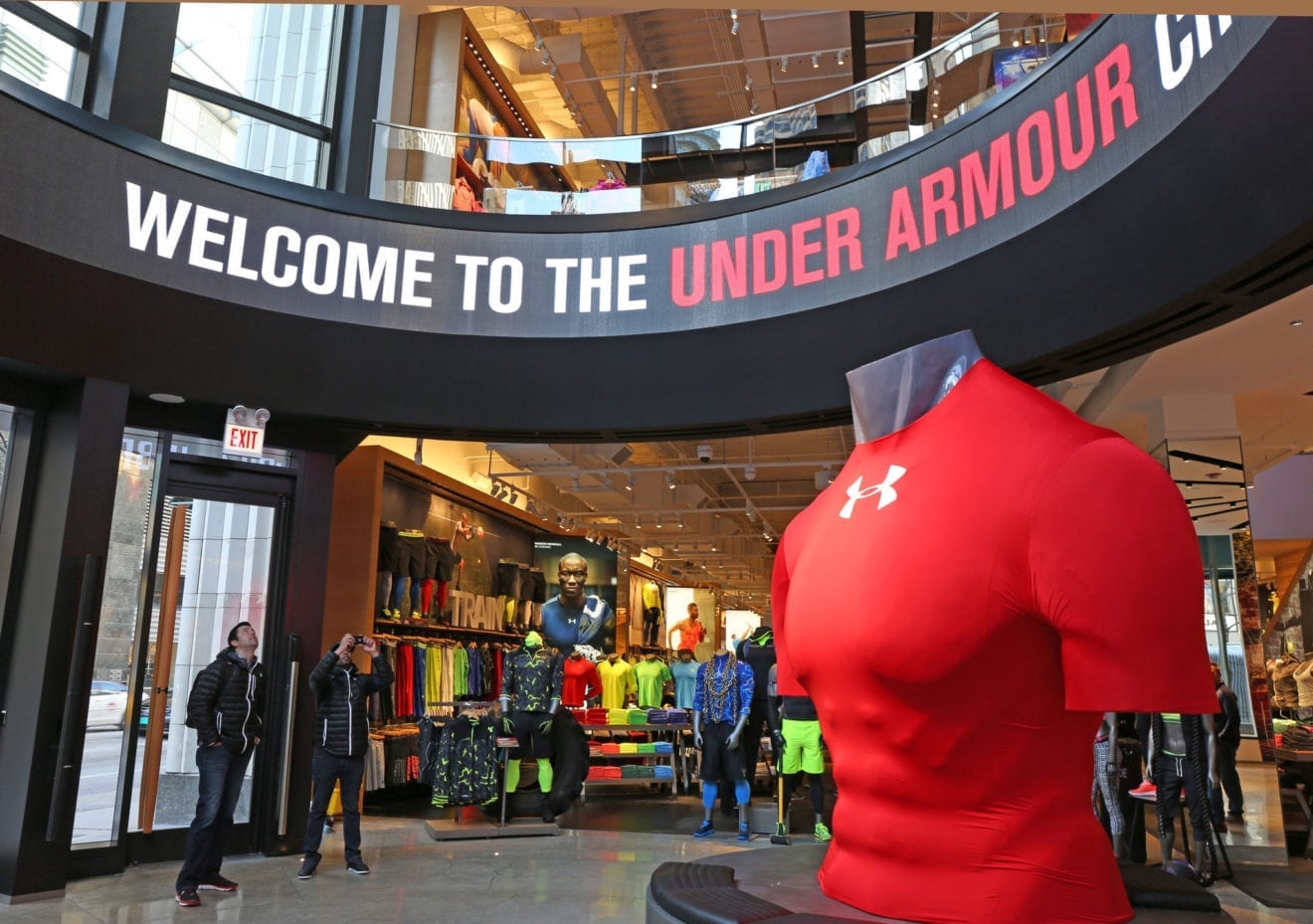
    The assets to be transferred include licences for Disney, Star Wars, Calvin Klein, Under Armour, Tommy Hilfiger, Bebe, Joe’s, Buffalo David Bitton, Frye, Michael Kors, Cole Haan, Kenneth Cole and the BCBG Max Azria label which it bought last year for $27.4 million after the company filed for bankruptcy.

    CEO Bruce Rockowitz said the sale was the outcome of a strategic review of the business.

    “We concluded that divesting the portion of our business that has a high present-day value, was the way to move forward. With this transaction, the group will be able to improve our balance sheet significantly and simplify our organisation, while focusing on the less established lines of business where we see high growth potential going forward.”

    Subject to shareholder approval, the deal will see Global Brands Group become “simpler, flatter and more nimble”.

    The company said that on the branded product side, the group’s European and Asian businesses will remain as before, while its US business will now focus on footwear and its remaining fashion business. Brand Management will continue to be managed on a global basis.

    “Looking ahead, we will continue to attract new licenses to our portfolio with a tighter and deeper focus on our businesses,” said Rockowitz. “At the same time, we will continue to improve the efficiency of our existing businesses, delivering synergies across our platforms. In addition, we have embarked on a significant cost reduction program across the organisation and we are committed to improving our cash flow via a combination of tighter working capital management, and even stronger cost discipline.”

    Revenue up but write-downs cost

    For the year to March 31, Global Brands Group increased its revenue by 3.4 per cent to $4.023 billion.

    However sales were impacted by Coach taking its footwear business in-house after their licence expired in June last year, and the cessation of the Quiksilver kids fashion licence when the company declared bankruptcy.

    Total margin increased from 28.5 per cent to 31.2 per cent, however operating costs increased by 37.3 per cent to $1.254 billion, driven largely by transition costs for new licenses in men’s and women’s fashion and additional operation expenses for running the new brands.

    The group also made one-off, non-cash adjustments in relation to impairments from the write-off of a receivable arising from a loan made by the company, and various intangible assets, which totalled $94 million.

    “In addition, taking into account this strategic divestment, the external market condition and business performance, the group performed an impairment test and recognised a non-cash goodwill impairment of $1.05 billion during the financial year,” the company said. That resulted in a net loss of $887 million for the year, however earnings before interest, taxes, depreciation and amortisation was steady at $379 million.