Tag: quotas

  • Pacific Bluefin Tuna Quota Sees 25% Increase

    Pacific Bluefin Tuna Quota Sees 25% Increase

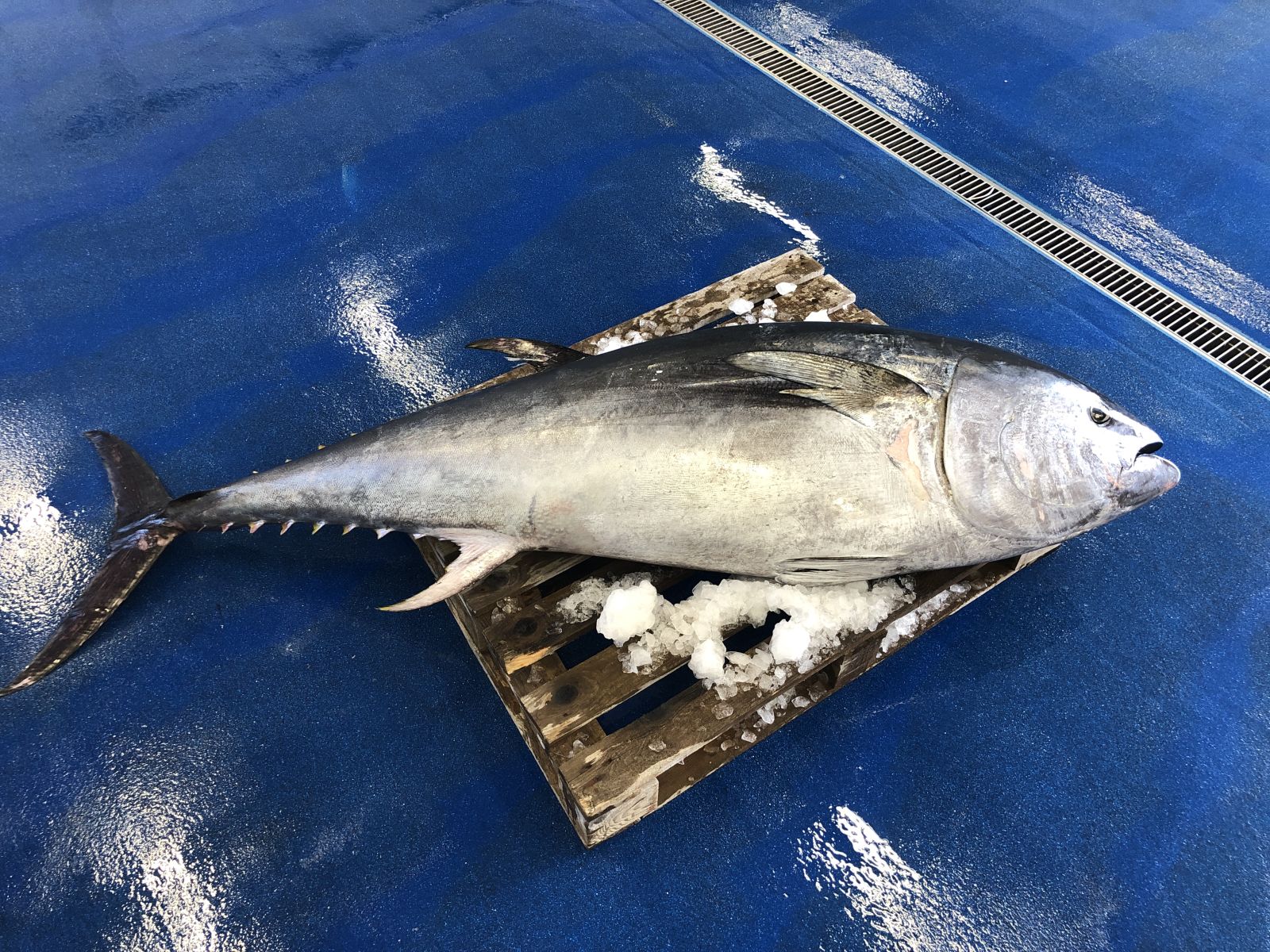
    International delegates have approved a 25% increase in the catch quota for Pacific bluefin tuna weighing at least 30 kilograms. This agreement, reached during an online conference on Tuesday, August 18, 2026, will primarily affect fishing in the Central and Western Pacific regions.

    The decision follows Japan’s persistent efforts to expand the quota, a proposal that faced initial resistance from Mexico. After bilateral discussions, Mexico eventually endorsed the plan, paving the way for the new limits.

    Quota Adjustments Detailed

    Under the new agreement, the annual quota for large bluefin tuna in the Central and Western Pacific will rise to 14,836 tons for fiscal years 2027 and 2028. This marks a significant increase from the current 11,869 tons. Conversely, the quota for smaller tuna, weighing less than 30 kilograms, will see a 6% reduction, settling at 4,823 tons.

    The Eastern Pacific, an area closer to Mexico, will also experience a minor increase in its catch quota, moving from 7,581 tons to 7,740 tons. These changes reflect a delicate balance between sustainable fishing practices and the economic demands of the fishing industry.

    Impact on Asian Markets and Retail

    Japanese fishers have reported robust catches in their operating areas, often facing challenges in adhering to previous quota caps. The expanded limit addresses their calls for greater flexibility, which previously led to scaling back operations or releasing perfectly good catches to comply with regulations. This adjustment could lead to more stable supply chains and potentially impact prices for tuna in Japanese and other Asian retail and food service markets, where bluefin tuna is a highly sought-after delicacy.

    The agreement underscores the ongoing efforts to manage global fish stocks, balancing conservation with economic realities for countries reliant on the seafood industry.
  • Harley-Davidson Faces $1.4M Fine in Japan for Unfair Dealer Quotas – What This Means for Retailers

    Harley-Davidson Faces $1.4M Fine in Japan for Unfair Dealer Quotas – What This Means for Retailers


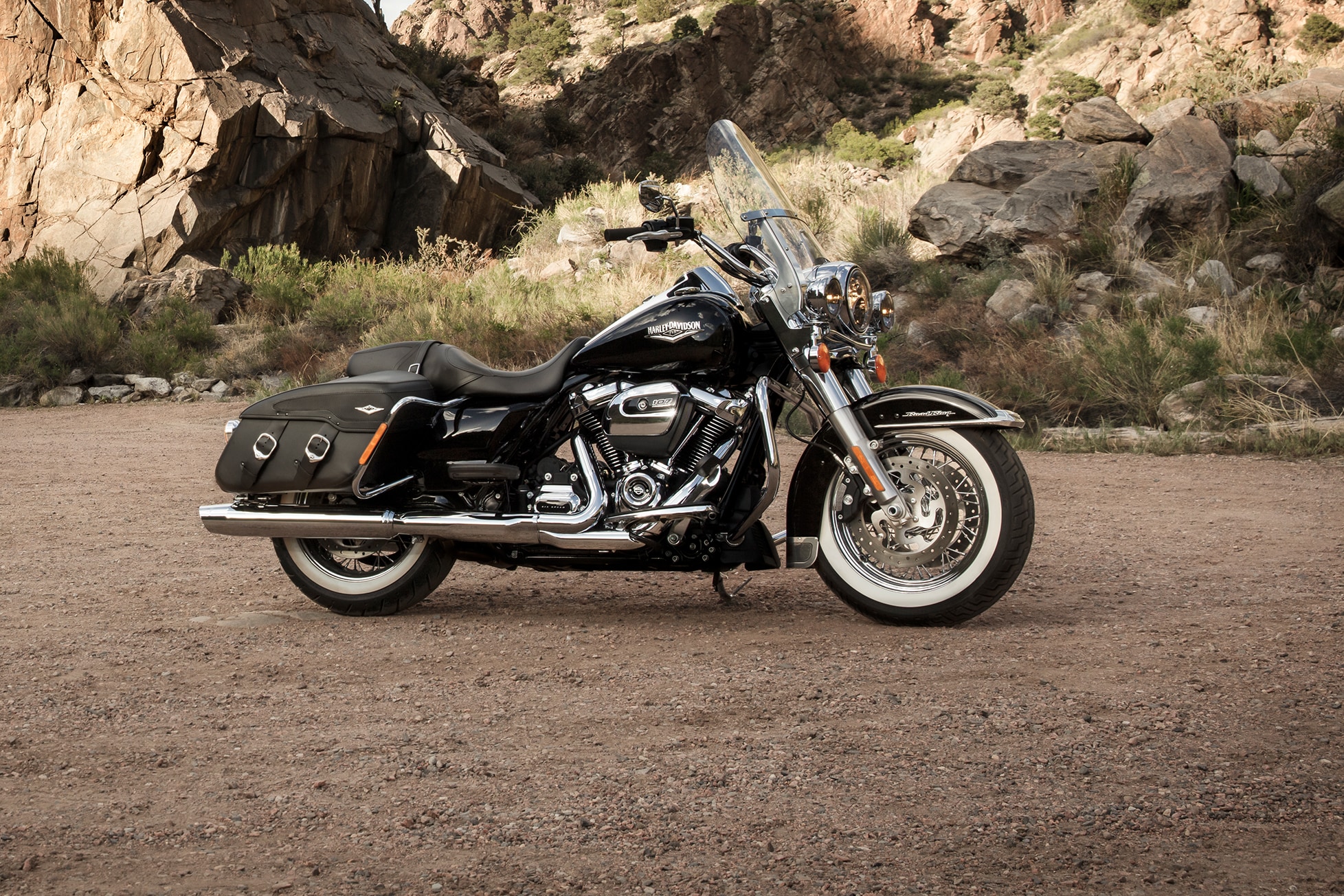
    Japan’s antitrust authority is set to impose a significant penalty on Harley-Davidson’s local subsidiary, amounting to JPY200 million (approximately US$1.38 million), for placing unreasonable sales quotas on its dealers.

    The Japan Fair Trade Commission (JFTC) is expected to accompany the fine with a cease-and-desist order aimed at curtailing any future violations. Sources close to the matter indicated that Harley-Davidson has already been informed of the commission’s plans and that their official decision will follow the company’s forthcoming response, as reported by Nikkei.

    According to these sources, Harley-Davidson has been accused of imposing unrealistic sales targets on numerous dealers, terms that could not be met through typical sales efforts. In a move resembling a scene from a high-stakes game of poker, the company reportedly warned dealers that failure to hit these lofty goals could result in the termination of their dealership agreements.

    This contentious practice has allegedly been in place since at least January 2023, if not earlier. Many dealers felt trapped in a bind, forced to purchase motorcycles themselves and subsequently sell them as “registered but unused vehicles,” which are typically resold at lower prices than brand new models.

    Having invested in store renovations and other startup costs to sell these motorcycles, dealers found themselves with little choice but to comply with Harley-Davidson’s demands.

    Under Japan’s antimonopoly law, the abuse of a superior bargaining position to enforce unfair business terms is strictly prohibited. If the JFTC confirms a violation, it can both issue a cease-and-desist order and impose a surcharge of 1% on sales linked to such illicit practices.

    Harley-Davidson, established in 1903 and renowned for its heavyweight motorcycles, sold 151,200 units globally last year, marking a 7% decline compared to 2023 — the second consecutive year of falling sales figures.

    Questions & Answers

    What led to Harley-Davidson being fined in Japan?
    The JFTC found that the motorcycle giant imposed unreasonable sales quotas on its dealers, coupled with threats of contract termination if these targets were not met.

    How has this fine affected Harley-Davidson’s reputation in Japan?
    This incident may tarnish Harley-Davidson’s reputation as a reputable manufacturer, raising serious concerns about its business practices and dealer relationships in the region.

    What measures can dealers take in light of this situation?
    Dealers facing similar pressures may seek legal assistance or report unfair practices to the JFTC, utilizing antimonopoly laws to protect their interests.