Retail News CRM

Tag: race

  • Billionaires’ Battle: India’s Race to Revolutionize Weight-Loss Drugs with Affordable Alternatives

    Billionaires’ Battle: India’s Race to Revolutionize Weight-Loss Drugs with Affordable Alternatives

    Indian billionaires are vying to introduce cost-effective medications for diabetes and obesity in response to the escalating demand for reasonably priced alternatives to the well-known weight-loss drug, Ozempic. Sun Pharmaceutical Industries, established by billionaire Dilip Shanghvi, has recently released weight-loss pen injections under the Noveltreat and Sematrinity brands.

    Competitive Pricing

    Priced at approximately INR3,600 (US$38.3) per month for the lowest dose, Noveltreat competes directly with higher-priced options. Sematrinity offers a similarly affordable alternative at INR3,000 monthly, less than half the cost of Ozempic and Wegovy, notable weight-control medications manufactured by the Denmark-based company, Novo Nordisk.

    Kirti Ganorkar, Sun Pharmaceutical’s Managing Director stated, “With the launch of Noveltreat and Sematrinity, we are striving to offer a high-quality, cost-effective therapy to a broader patient demographic in India.”

    Expanding Treatment Options

    Dr. Reddy’s Laboratories, the brainchild of billionaires Satish Reddy and G. V. Prasad, has also launched Obeda, an injectable drug for managing type 2 diabetes, priced at INR4,200 per month. In addition to Obeda, the firm plans to create an integrated care ecosystem including metabolic centres aimed at enhancing diabetes treatment and associated metabolic conditions.

    Erez Israeli, CEO of Dr. Reddy’s, expressed that Obeda reinforces the company’s vision of “ensuring advanced diabetes treatments are not only accessible but affordable.”

    Similarly, Torrent Pharmaceuticals, led by billionaire brothers Sudhir Mehta and Samir Mehta, has introduced both injectable and oral weight-loss drugs under the Sembolic and Semalix brands, priced at INR3,999 per month.

    CEO Amal Kelshikar said, “Our entry into the GLP-1 therapy segment reflects Torrent’s commitment to expanding treatment options available to healthcare professionals managing complex metabolic conditions at affordable prices.”

    The Market Landscape

    A study conducted in 2023 by the Indian Council of Medical Research revealed that over 100 million people in India have diabetes, and the World Health Organization estimates that approximately 8% of the population is obese.

    These companies are part of a larger group of at least eight significant pharmaceutical manufacturers that have introduced semaglutide copies. The market has quickly become competitive, with research firms estimating that up to 40 companies could eventually enter the segment.

    As a result, a price war is predicted, with analysts projecting that intense price competition could reduce the cost of some weight-loss drugs in India by up to 90%. Investment bank Jefferies referred to the development as a “magic pill moment” for India, predicting the market could grow to $1 billion.

    India, often referred to as the “pharmacy of the world,” is now emerging as a crucial low-cost supplier in the global fight against obesity, much like its past role in reducing the cost of HIV treatments and expanding access worldwide.

    Regulatory Oversight

    The increase in new product launches has led to heightened scrutiny from regulatory bodies. Concerns have been raised about the availability of generic versions of weight-loss drugs through various channels, such as retail pharmacies, online platforms, wholesalers, and wellness clinics.

    The Ministry of Health in India has cautioned that these drugs, when used without proper medical supervision, could potentially lead to serious adverse effects and related health risks. The ministry has also imposed restrictions on marketing such drugs, banning indirect promotional activities that could mislead consumers or promote off-label usage.

    There are concerns that patients may view these weight-loss drugs as a “magic pill” solution and may rely on them indefinitely. Mumbai-based diabetologist Rahul Baxi cautioned that these medications are not a substitute for a proper diet or lifestyle change.

    Questions & Answers

    What is the price of the new weight-loss medications?
    Noveltreat is priced at approximately INR3,600 (US$38.3) a month, while Sematrinity costs INR3,000 a month. Obeda, a diabetes medication, is priced at INR4,200 a month.

    Is there a predicted price war in the pharmaceutical industry?
    Yes, analysts project intense price competition could decrease the cost of some weight-loss drugs in India by up to 90%.

    What are the concerns raised by the Ministry of Health in India?
    The Ministry of Health has raised concerns about the availability of generic weight-loss drugs without proper medical supervision, which could potentially lead to serious adverse effects and health risks. It has also expressed worry about potentially misleading or indirect promotional activities for these drugs.


  • Malaysia’s Digital Banking Revolution: The Race to Modernize Amid a Surge in Fintech Innovations

    Malaysia’s Digital Banking Revolution: The Race to Modernize Amid a Surge in Fintech Innovations

    As the Malaysian payments market surpasses the $90 billion mark, a significant challenge confronts traditional banking institutions – the urgent need to modernize to keep up with the rapid digital transformation and evolving consumer demands. The question then arises as to what strategies will help them stay ahead of the curve.

    The Digital Challenge

    While consumers in Malaysia are rapidly embracing digital payments, many banks are struggling to keep pace. Cards and digital wallets have become ubiquitous, fintech start-ups can offer a virtual card in minutes, and regulatory bodies are increasingly opening up the market to new players. However, banks operating on outdated systems risk being left behind in this rapidly-evolving market.

    By 2025, it is projected that card payments in Malaysia will reach MYR 422.4 billion ($92.6 billion), an increase from MYR 387 billion in 2024. This growth is largely driven by credit and charge cards, which make up nearly 60% of expenditures, with Malaysians using them more than twice as often as debit cards. Moreover, the use of contactless payment methods is now commonplace, with over 63% of consumers owning and using a contactless card.

    Regional Shift

    Despite the rise of digital payments, cash still accounts for nearly half of daily transactions in Malaysia. This is partly due to habit and partly because not all merchants and consumers are ready to completely let go of cash. As a result, banks are tasked with balancing different customer expectations – catering to the digital-savvy younger generation while also servicing traditional segments of the market.

    According to a recent study by Visa, about six out of ten consumers in Southeast Asia now prefer to go cashless, while more than seven out of ten reported having gone cashless for over a week as they experimented with new payment methods. In this context, cards continue to be the preferred payment medium, mainly due to their widespread acceptance by merchants and their use in funding digital wallets.

    Fintechs Lead the Charge

    The impact of this dual-speed market is most discernible in consumer behavior. Younger Malaysians, having grown up in the digital age, are more likely to use e-wallets and super-apps before applying for a traditional bank card. They expect financial services to be instantaneous, integrated, and accessible through familiar apps. Fintech companies have been quick to meet these demands.

    Companies like BigPay, Wise, GoPayz, and MAE offer instant virtual cards and integrate payments into everyday apps. Utilizing cloud-based systems allows them to roll out services such as multi-currency wallets and spending insights faster and more affordably than traditional banks. Moreover, lower fees on international spending and transfers make them more appealing to consumers.

    Regulatory Responses

    Regulatory bodies are also driving change. In 2022, Bank Negara Malaysia issued five licenses for digital banks under its new framework, which was updated in 2024 to enhance capital requirements and consumer safeguards. The central bank also introduced DuitNow QR as the national QR code standard, compelling banks and non-bank providers to adopt the same system. This initiative has facilitated the wider adoption of QR code-based transactions and reduced barriers to cashless transactions for consumers.

    Setting the Bar Higher for Banks

    These regulatory reforms have spurred innovation and raised the standards for banking institutions. They are part of the Financial Sector Blueprint 2022-2026, which envisions a more digital, inclusive, and fraud-protected financial system. Far from inhibiting progress, these regulations are actually accelerating it, with objectives that extend beyond convenience to include financial inclusion, resilience, and cross-border connectivity.

    Meeting Consumer Expectations

    For banks, the challenge lies in leveraging their scale and trustworthiness to gain a competitive edge in the digital realm. This necessitates direct attention to modernizing their legacy systems. Modern card management platforms can accommodate credit, debit, and digital credentials from a unified system.

    Such platforms also support instant issuance, thereby reducing the cost of maintaining multiple outdated platforms and enabling seamless integration with digital wallets and super-apps. They further offer enhanced features such as real-time fraud detection, flexible repayment options, and personalized card controls.

    Winning Customer Loyalty

    Modern platforms also open up a broader range of possibilities. They offer analytical capabilities that enable banks to detect and prevent fraud, and facilitate the design of products like ‘buy now, pay later’ schemes, which are gaining popularity among younger consumers.

    Moreover, these platforms enable banks to tailor offers and limits to individual consumer behavior, converting transaction data into personalized services. In a competitive market, these capabilities can be the key to winning customer loyalty and keeping up with fintech competitors.

    From Plans to Action

    Some banks have already commenced their digital transformation journey. For instance, Co-opbank Pertama implemented a new fraud management system to comply with stricter Bank Negara regulations and enhance online customer protection. This initiative highlighted how modern platforms can deliver regulatory compliance and a superior customer experience simultaneously.

    Further, banks that have replaced their outdated systems have been able to introduce flexible credentials – allowing a single card to switch between debit, credit, installment, or rewards – while extending fraud protection across all channels. These examples demonstrate that the shift towards digitalization is not just possible, but practical.

    Questions & Answers

    What is the projected growth of card payments in Malaysia by 2025?
    By 2025, card payments in Malaysia are expected to reach MYR422.4 billion ($92.6 billion), up from MYR387 billion in 2024.

    What steps are traditional banks taking to modernize their services?
    Many banks are adopting modern card management platforms that can issue credit, debit, and digital credentials from a single system. These platforms also offer features like real-time fraud detection, flexible repayment options, and personalized card controls.

    How are regulatory bodies in Malaysia driving the digital transformation in the banking sector?
    Regulatory bodies in Malaysia are issuing licenses for digital banks and introducing initiatives like DuitNow QR – the national QR code standard. This is part of a larger push towards a more digital, inclusive, and fraud-protected financial system.

  • Overnight Race for Affordable Housing: Hanoi Residents Brave the Cold for a Shot at Social Accommodation”

    Overnight Race for Affordable Housing: Hanoi Residents Brave the Cold for a Shot at Social Accommodation”

    In a show of high demand for affordable housing in Hanoi, individuals queued overnight during the past weekend to submit their applications for the social housing project, Calyx Residence. With the limited quantity of 466 apartments available in the development, applicants arrived well before the submission start time at 8:30 am on Sunday, in hopes of securing their chance at purchasing a home.

    Braving the Cold for a Chance at a New Home

    Applicants prepared for a long wait, bringing along food and water to endure the overnight queue in Hanoi’s chilly weather that dipped to 18-19 degrees Celsius. Among those was Tuan, a freelance worker, who arrived as early as 11 pm on Saturday to secure his place in line. Reflecting on the experience, he noted that just a few minutes could have been the difference between his application being accepted or rejected, making the overnight wait a necessary hardship.

    By 6 am on Sunday, the queue had significantly grown. Bich, a resident of Phuc Thinh Commune, arrived at 7 am with her husband, only to find a considerably long line already formed. Despite the high demand that exceeded morning application numbers, those unable to submit their applications were allowed to register and apply the next day.

    Providing Comfort in the Wait

    The Ministry of National Defense’s 319 Corporation, the project developer, acknowledged the situation and provided amenities such as tarps for shelter, drinking water, and dry rations for the people waiting in line.

    The Calyx Residence project, which started construction late last year, is set on a 1.5-hectare plot. It will consist of four nine-story buildings and is projected to be completed by the end of 2026. The majority of the apartments, 419 units, will be sold directly, while 47 others will be subject to rent-to-own agreements. The prices range from VND824 million to VND1.5 billion, translating to approximately VND20.6 million per square meter, significantly less than Hanoi’s average apartment price of VND85.6 million per square meter.

    Rising Demand Meets Limited Supply

    Given the project’s prime location near Co Loa Road, a main artery in Dong Anh, and the rising prices of social housing, it is expected that the competition for securing an apartment in this development will be fierce.

    Despite the launch of several social housing projects in Hanoi, the market remains dominated by commercial developments. This has led to an increase in prices for social housing units, which have risen from VND20 million to VND25-29 million per square meter over the past three years.

    As part of a national plan to build at least one million social housing units, Hanoi is expected to contribute 56,200 units by 2030. The city has set a target to complete 4,670 units this year alone.

    Questions & Answers

    How many apartments are being built in the Calyx Residence project?
    There are 466 apartments being built in the Calyx Residence project.

    What measures were taken to accommodate the people waiting in line to submit their housing applications?
    The project developer, the Ministry of National Defense’s 319 Corporation, provided amenities such as tarps for shelter, drinking water, and dry rations for the people waiting in line.

    Who gets priority for purchasing the housing units?
    Priority is given to those who do not own a house, people in low-income groups, and employees of defense and security agencies.

  • Ducati Panigale V2 India Launch Date Revealed

    Ducati Panigale V2 India Launch Date Revealed

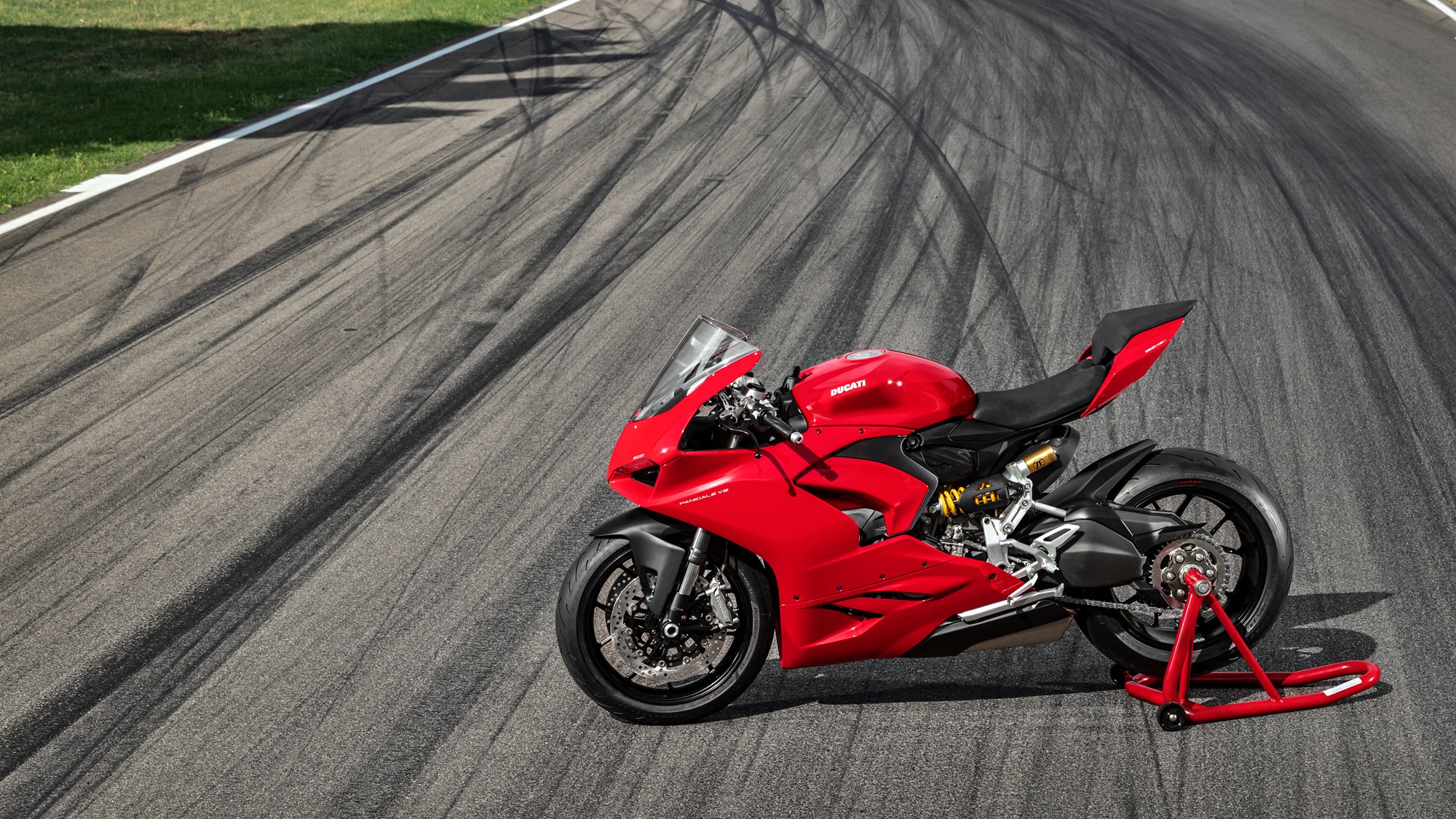
    Ducati India has revealed that the Ducati Panigale V2 will be launched in India on August 26, 2020. The Panigale V2 will be the first Bharat Stage 6 (BS6) compliant Ducati bike to be launched in India. It will replace the Panigale 959 and is designed in a way that it resembles its elder sibling, the Panigale V4. The fairing has been redesigned and the headlamp cluster has been slightly tweaked as well. The other substantial change is that the Panigale V2 now gets a single-sided swingarm like the Panigale V4 while the 959 Panigale had a conventional swingarm.

    The Ducati Panigale V2 gets a 955 cc super-Quadro L-twin motor that makes 155 bhp at 10,750 rpm and has a peak torque output of 104 Nm at 9,000 rpm. The peak power and torque go up by 5 bhp and 2 Nm. The USP is that the motorcycle has a dry weight of just 176 kg, which means the power to weight ratio will be incredible. The engine is Euro V or BS6 compliant and gets a few new components as well.

    The electronics package includes 6-axis inertial measurement-assisted traction control, called the Ducati Traction Control EVO 2, wheelie control, and cornering ABS and ABS. There is a bi-directional up/down quick-shifter as well along with engine braking control. There are three riding modes on offer, which are Race, Sport and Street. The settings for each riding mode can be adjusted via the new 4.3-inch TFT instrument console.

    The new Panigale V2 gets Showa Big Piston Forks upfront, a fully adjustable Sachs monoshock at the rear, with a steering damper. The electronic suspension is not offered on the Panigale V2. The travel for the front and rear suspension is 120 mm and 130 mm respectively. Braking is handled by Brembo M4.32 monobloc calipers and Brembo master cylinders with twin 320 mm discs on the front wheel. The front and the rear get a 5-spoke alloy 17-inch alloy wheel. The front wheel is wrapped in Pirelli Diablo Rosso Corsa II 120/70 ZR17 rubber while the rear wheel gets a fatter Pirelli Diablo Rosso Corsa II 180/60 ZR17 unit.

  • Ferrari To Close Plants In Italy For Two Weeks In Coronavirus Response

    Ferrari To Close Plants In Italy For Two Weeks In Coronavirus Response

    Luxury carmaker Ferrari said on Saturday it closed its two plants until March 27 in a response to the coronavirus outbreak in Italy and an emerging shortage of parts.

    Ferrari adds to a string of Italian manufacturers that have closed plants or slowed production rates in response to the virus emergency, threatening to disrupt Europe’s struggling automotive industry.

    Ferrari said in a statement it had so far ensured production continuity, as it already implemented all the health measures decided by the Italian government at the two sites, located in hometown Maranello and in Modena, in the northern Emilia Romagna region.

    France, Spain on lockdown over coronavirus

    France and Spain will close most shops, restaurants, and entertainment facilities and are encouraging people to stay home as the countries combat the coronavirus epidemic in Europe. The sweeping changes come as U.S. President Trump on Saturday extended

    However, it added the company was “now experiencing the first serious supply chain issues, which no longer allow for continued production”.

    Premium brakes maker Brembo, whose clients include Ferrari, said on Friday it would temporarily close its four Italian plants next week.

    All non-manufacturing activity will continue regularly, through smart working, Ferrari said.

    A source close to the matter said the company will adopt further measures during the closures period, including sanitization of the sites’ areas and added that no contagion cases were recorded among Ferrari’s workers to date.

    Italy agreed a series of measures on Saturday to improve health controls in factories, offices and other workplaces that have been allowed to stay open during the country’s coronavirus lockdown.

    Ferrari’s workers will continue to receive their full salary and will not be requested to use their day-off allowance during the closure period, the source said.

    Chief Executive Louis Camilleri said Ferrari took the decision to close its plants out of respect for its workers, “for their peace of mind and those of their families”.

    Earlier this week carmaker Fiat Chrysler and industrial vehicle maker CNH Industrial said they were temporarily halting operations and slowing production rates at some of their Italian plants to comply with the government’s anti-coronavirus requirements.

    Tyremaker Pirelli said it was cutting production at its Settimo Torinese plant, near Turin, after a worker tested positive for the coronavirus.

    Ferrari said its Formula One team Scuderia Ferrari had also suspended its operational activities.

  • BMW M5 Competition Launched In India

    BMW M5 Competition Launched In India

    Well if you thought the BMW M5 was bonkers! Here comes the BMW M5 Competition which has arrived to further up the ante. The BMW M5 Competition has been launched in India as a completely built unit (CBU) at ₹ 1.55 crore, ex-showroom, India. The same 4.4-litre, twin-turbo V8 motor which powers the standard M5 is also the workhorse here but has been uprated to churn out 616 bhp at 6000 rpm and 750 Nm of peak torque. The engine is mated to the eight-speed M Steptronic transmission and takes 3.3 seconds to clock triple-digit speeds as opposed to 3.9 seconds of the standard M5. Just like the standard M5, the M5 competition also gets the M xDrive all-wheel-drive system with DSC and xDrive modes which enables the driver to choose between the 4WD, 4WD Sport and 2WD mode.

    In a bid to balance the performance and fuel efficiency, it also gets the BMW Efficient Dynamics featuring brake energy regeneration, auto start-stop function, a new differential transfer case with optimized warm-up behavior and aerodynamics. Additional standard equipment on the M5 Competition includes dynamic stability control (DSC) including anti-lock braking system (ABS), automatic stability control (ASC), M dynamic mode (MDM), cornering brake control (CBC), dynamic brake control (DBC), dry braking function and active M differential. Moreover, it is also equipped with the M exhaust system with electrically controlled flaps to minimize the exhaust pressure creating a throaty roar exhaust note along with optimizing the efficiency.

    While largely the M5 Competition looks similar to the standard car, there are certain highlights on the outside that tell it’s a bit more special. Elements like the radiator grille, wing mirrors, rear apron, rear spoiler and side air vents finished in BMW individual high-gloss black and the air vents also wear the Competition badge. The roof is made of extremely lightweight and high tensile reinforced carbon fibre plastic and the chrome-plated exhaust pipes get a mild yellow shine.

    On the inside, the M5 competition gets illuminated M5 logo on the sport seats and black seatbelts with the BMW M GmBH design. The double-spoke M steering wheel is borrowed from the standard car while it gets red start-stop button which adds a sense of sportiness as you fire the engine. Moreover, it is pretty well-loaded with almost all the equipment you get in a car of this class. So features like BMW gesture control, BMW display key, wireless charging, BMW head-up display and wireless Apple CarPlay, BMW operating system 7.0 which includes 3D navigation with a high-resolution instrument cluster behind the steering wheel with a 12.3-inch screen and a 10.25-inch control display. Other features include a 600 watt Harman Kardon sourced surround sound system with 16 speakers.

    The BMW M5 Competition is around ₹ 10 lakh more expensive than the standard M5 which is priced at ₹ 1.44, lakh, ex-showroom, India. Out in the marketplace, it will rival the likes of the Mercedes-AMG E 63S and the Audi RS7 Performance.

  • Lamborghini Huracan Evo Spyder Launch Date Announced

    Lamborghini Huracan Evo Spyder Launch Date Announced

    After launching the Lamborghini Huracan Evo coupe earlier this year in February, the Italian marque is now ready to bring in its convertible version – the Huracan Evo Spyder. The new drop-top Hurcan Evo is slated to be launched in India on October 10, with the inauguration of Lamborghini’s new showroom in Mumbai, Maharashtra. Compared to the regular coupe version, the convertible Huracan Evo is 120 kg heavier and comes with an electro-hydraulic roof-folding mechanism that can lower the soft-top in 17 seconds at speeds of up to 50 kmph.

    The Lamborghini Huracan Evo Spyder comes with a familiar design with an 8.4-inch capacitive touchscreen infotainment system

    Visually, the Lamborghini Huracan Evo is identical to the coupe version of the car, save for body-coloured bumpers instead of black ones, and blacked-out A-pillars. At the rear, this too comes with the new ducktail spoiler balanckt downforce and drag on the two-door, while the underbody has been revised to make it more slippery and aerodynamic friendly. The cabin, at the same time, comes with a familiar design with an 8.4-inch capacitive touchscreen infotainment system that offers controls for a bunch of in-car function like climate control, cell-phone connectivity and much more. The system also gets Apple CarPlay along with voice command system and a dual-camera telemetry system with a high-capacity hard disk as part of the features package.

    The Lamborghini Huracan Evo Spyder gets the same 5.2-litre V10 motor that powers the coupe version

    Powering the new Lamborghini Huracan Evo is the same 5.2-litre V10 motor that powers the coupe version. In fact, the engine is tuned to churn out the same 631 bhp at 8,000 rpm and develop the same peak torque of 600 Nm at 6,500 rpm. The engine comes mated to a 7-speed Lamborghini Doppia Frizione (LDF) dual-clutch transmission and comes with an all-wheel-drive system. The Huracan Evo goes from 0-100 kmph in 3.1 seconds, that is 0.2 seconds slower than the coupe version, and 0-200 kmph is achieved in 9.3 seconds, and that is 0.3 seconds slower than the coupe version. However, the top speed is the same 325 kmph.

  • Mclaren Announces New Ultimate Series Supercar

    Mclaren Announces New Ultimate Series Supercar

    Mclaren announced an all-new ultimate series supercar during the Pebble Beach Concours d’Elegance. The yet-named model is a two-seat, open cockpit roadster that will be the latest offering in McLaren’s range-topping Ultimate series lineage of supercars that includes the P1TM, Senna and Speedtail. The production of this car is limited to 399 units but the roadster will be different both the McLaren Senna; whose focus is on being the ultimate road-legal track car, and the Speedtail’s high-speed aerodynamic efficiency by offering the purest distillation of road-focused driving pleasure and an unrivaled sense of driver connection with the surrounding environment.

    The new car gets classical roadster proportions, elegant sweeping lines, and low-profile dihedral doors. While designed more for the road than the track, the new model will utilize McLaren’s carbon fiber construction making it the lightest car ever produced by McLaren Automotive and will be powered by a version of the twin-turbocharged V8 engine currently employed in the Senna.

    Mike Flewitt, CEO, McLaren Automotive said, “At McLaren Automotive we are consistently pushing the boundaries to deliver the purest and most engaging driving experience whether for the road or track. Our two current Ultimate Series cars, the Senna and Speedtail, offer unique and distinct driving experiences. Now this new addition to the Ultimate Series, an open-cockpit roadster, will take road-focused driving pleasure to new levels.”

    The ultimate series model will make its debut in late 2020 and will be priced between the Senna and the Speedtail.

  • Ferrari Hybrid Supercar Teased

    Ferrari Hybrid Supercar Teased

    Ferrari always gets our adrenaline pumping with its new models and this time it’s a new hybrid supercar. Just a day ahead of its unveil the Italian supercar maker took to Twitter to tease its upcoming model. Ferrari supercars have undergone significant powertrain upgrades in the last decade. The Ferrari 488 GTB was its first turbocharged model and this one will be the first hybrid supercar after the gorgeous La Ferrari hypercar and is expected to break cover on May 29.

    The silhouette of the car looks very similar to the track-focused Ferrari 488 Pista and F8 Tributo. However, in the teaser video it looks even more angular with a razor-sharp profile which makes it distinctive and different from other Ferraris. The angular headlamps look sleek and at the rear it gets the quad taillight setup. There is a massive diffuser underneath the dual-exhaust pipes, similar to what we have seen in the Tributo. Then there is also the integrated spoiler for drag efficiency.

    The new supercar is expected to launch with a 3.9-litre bi-turbo V8 motor which will be coupled with three electric motors. Two of them will be mounted on the front axle while the third one will be integrated into the gearbox to optimize the shifts. It will be offered with an all-wheel-drive setup and the powertrain in combination is expected to put out a whopping maximum output of 972 bhp which will help it clocking triple-digit speed in less than 2.0 seconds.

  • MV Agusta Superveloce Will Be Launched Globally In 2020

    MV Agusta Superveloce Will Be Launched Globally In 2020

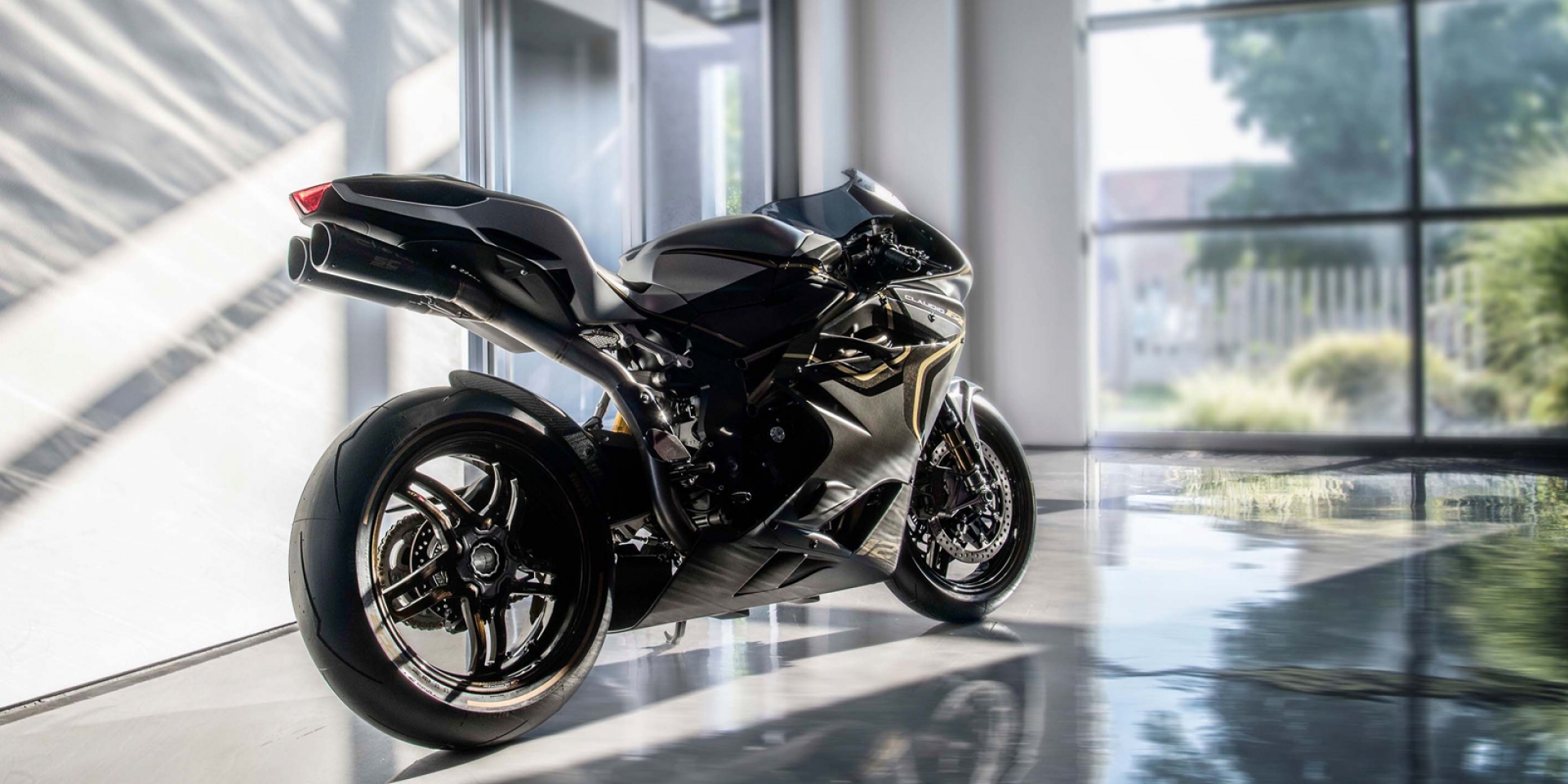
    Italian motorcycle manufacturer, MV Agusta, has announced that the very sexy Superveloce, which we saw at the 2018 EICMA Motorcycle show, will not only go into production but will also be launched internationally next year. The Superveloce is based on the F3 and is a tribute to the company’s glory years in the 1970s when they were big players in the Moto GP. The front end has been completely redesigned with new fairings and a retro circular headlamp. Moreover, the headlamp cover and the windscreen are tinted yellow, harking back to the ’70s. The concept model used a lot of carbon fiber and we believe that the final production model will have at least a few carbon fiber bits as well. There will be a full-color TFT screen on offer too. The lightweight and minimalistic tail fairing rest on a new sub-frame, which transforms the bike from a single seat to a dual seat version if need be.

    It will have the same 798 cc, 3-cylinder engine which will pump out close to 148 bhp and 88 Nm and will be paired to a 6-speed gearbox. However, folks at MV Agusta say that the engine will be completely re-mapped and will have a torquier mid-range with a lot more to play with at the top end. The bike will get a new airbox along with an asymmetrical 3-into-1-into-3 exhaust which means there will be two exhaust tips on the right and one on the left.

    This has been inspired the GP racing bikes of the 1970s. Expect these to pump up the power output as well. The company hasn’t released the exact specifications of the bike yet. We might see the production version of the Superveloce 800 at this year’s EICMA Motorcycle Show.

  • Ferrari Considering Netflix And esports Involvement

    Ferrari Considering Netflix And esports Involvement

    Ferrari is considering engaging with Netflix on a second Formula One documentary as well as joining the rest of the 10 teams in the esports world championship, team boss Mattia Binotto said on Friday. Ferrari and champions Mercedes did not cooperate on the successful ‘Drive to Survive’ 10-part fly-on-the-wall series filmed by Netflix last season, arguing that they needed to focus on the title battle. When their cars or drivers did feature, it was from the official world feed television footage.”It’s certainly an interesting program. We were not participating last season as Ferrari,” Binotto told reporters at the Spanish Grand Prix, the fifth round of the 21 race championship.

    “We are considering it at the moment. We have not taken our final decision, so it’s something we will do in the next few weeks.”

    Formula One’s managing director Sean Bratches said this month that he expected a second series to go ahead, with filming already underway. Ferrari is the only ones without a presence in the official F1 esports championship, which is in its third season and involves the teams only later in the year. Mercedes won both titles last year, as in the real world.

    Binotto said Ferrari’s stance on that could change as well.

    “Esport is increasing in terms of interest and certainly as Ferrari, we are looking seriously into it,” he said.

    “We are not yet fully committed to the program but it’s something where the discussions are ongoing and we will very soon make our own decision.”

  • Aston Martin Shows Off DBS Superleggera Volante

    Aston Martin Shows Off DBS Superleggera Volante

    Aston Martin has opened the roof on the new DBS Superleggera Volante. This is the second Aston Martin to carry the Volante name following the introduction of the company’s Second Century Plan. The DBS Superleggera Volante has been designed in-house under the guidance of Executive Vice President & Chief Creative Officer Marek Reichman. Aston Martin’s primary mission has also been to retain the coupe’s powerful dynamics, aggressive poise and astonishing performance.

    Powered by Aston Martin’s own 5.2-litre twin-turbo V12, producing 715 bhp and 900 Nm of torque, the top speed of the DBS Superleggera Volante stands at 340 kmph. 0-100 kmph is done in just 3.6 seconds and it’s not just the power and torque that makes the difference but also the car’s aerodynamic credentials which help in commanding and exploiting the surface airflow to maximum effect. Up front, the car’s splitter and airdam work in unison, accelerating airflow underneath the front of the car to deliver true downforce and assist cooling by feeding air to the front brakes. The new deeper side strake draws more air from the front wheel arch to reduce lift and aid high-speed stability.

    Executive Vice President & Chief Creative Officer Marek Reichman said: “DBS Superleggera produces a spectacular and relentless level of performance and so for the Volante, we focussed on bringing that extra level of sensory overload that only an open-top Super GT can deliver inside the cabin. With the unique dynamics, beautiful yet brutish design and the unmistakable harmonics of Aston Martin’s 5.2-litre V12 engine, we believe we have delivered a unique and unforgettable driving experience that is synonymous with the traditions of the Volante name.”

    Behind the front wheels, the ‘curlicue’ allows air to escape and flow smoothly along the car’s flanks, while the double diffuser at the rear allows air to exit cleanly and neutralise lift as efficiently as possible. A revised iteration – to accommodate the Volante’s clothed roofline – of the revolutionary Aeroblade ll system continues to deliver additional downforce at the car’s rear. At VMAX, the DBS Superleggera Volante produces 177kg of downforce, just 3kg less than the coupe, an impressive feat when considering the car’s fundamental aerodynamic changes.

    The 900Nm of torque is fed via a carbon-fibre prop shaft to a new ZF 8-speed automatic transmission mounted at the back of the car. Specially developed adaptive software gauges the conditions the car is operating in, along with the driver’s demands, to ensure the car is in exactly the right gear at the right time.

    Aston Martin’s engineers have worked hard to ensure the best possible roof and rear package is achieved, while still delivering conflicting targets of styling and durability. The roof operation takes 14 seconds to open and 16 seconds to close and can be operated from inside or, for added convenience, from the remote key within a two-metre radius of the car.

  • Aston Martin DBS 59 Pays Tribute To Its 1959 Le Mans Victory

    Aston Martin DBS 59 Pays Tribute To Its 1959 Le Mans Victory

    It was in 1959 that Aston Martin put up a spectacular show at Le Mans, which is one of the toughest endurance races in the world and managed a one-two finish that year. 60 years later, Aston Martin has designed a Special Edition DBS Superleggera to celebrate its 1959 Le Mans victory and will be calling it the DBS 59. The DBS 59 will be a limited edition model and Aston Martin will manufacture only 24 units which will represent each hour of the race.

    The Aston Martin DBS 59 has been developed by the Q division of the company that carefully studied the DBR 1 race car which took the victory. Boffins at the Q by Aston Martin division have tried to mimic the race cars’ Racing Green paint scheme. In a bid to make the limited edition model look modern and contemporary, they have added new elements to it like the gloss finish carbon fibre roof panel, bespoke front grille, new brake callipers, 21-inch forged Y spoke satin dual-tone wheels and bronze finish on the Superleggera badging on the hood.

    The cabin of the special edition DBS 59 is finished with the same weave design used in the DBR1 and the company has aesthetically used Bronze even on the inside. The paddle shifters are finished in Bronze along with the 59 edition logo on the seatbacks.  The entire cabin is finished Obsidian Black and Chestnut Tan Leather and the sun visor is embossed with the exact date on which the race took place.

    The new DBS 59 Special Edition model celebrates the 323 laps which the Aston Martin race cars completed in the 24 hours of Le Mans in 1959. Aston Martin chose the Superleggera to design the DBS 59 model since it’s the fastest car in its stable.

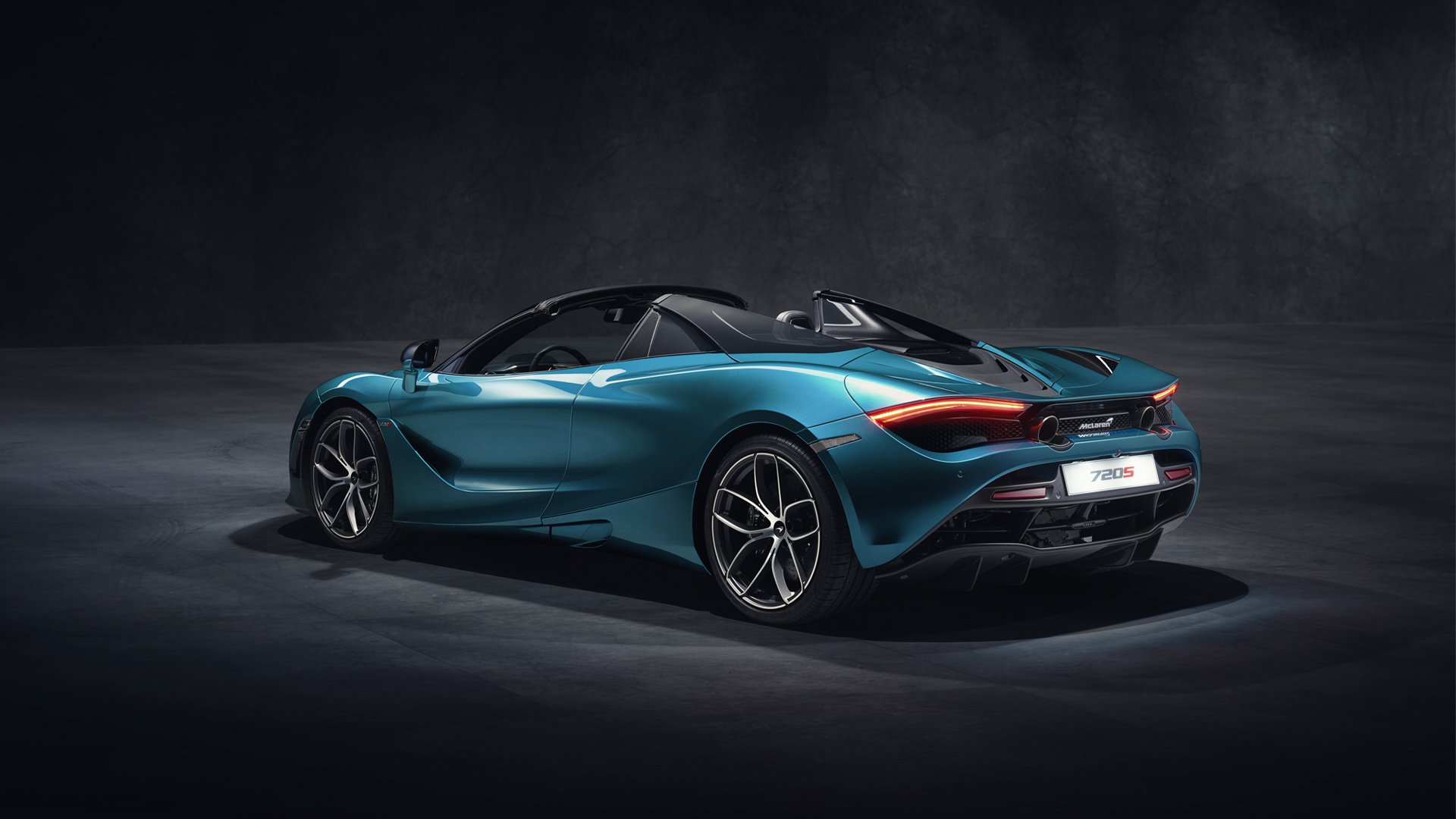
  • McLaren Took 260 Hours To Paint This 720S Spider

    McLaren Took 260 Hours To Paint This 720S Spider

    McLarens are always special, aren’t they? All of them look dramatically beautiful and of course, all of them are fast. But when you know that McLaren has taken 260 hours to paint one, its special quotient reaches another level. The Paint Job on the McLaren 720S Spider was done by McLaren Special Operations which is one of their internal divisions that makes special and customised models for its customers.

    The gorgeous deep blue paint is brand new and was designed by mixing three colours- Cerulean Blue, Burton Blue and Abyss Black. McLaren is calling the new colour- Coriolis. The paint was applied as an addition to the Metroite Grey body. The base colour is yet another special shade designed by McLaren Special Operations for special cars and special customers.

    The process involves expert painters and artists who very diligently and precisely apply the paint in such a way that the fade effects would mimic the way the car moves. The effect is subtle but instantly catches your attention. The McLaren 720S Spider is powered by a 4.0-litre, twin-turbocharged V8 motor which churns out 710 bhp and 770 Nm of peak torque. It can go to 200 kmph from standstill is just 7.9 seconds and can clock a top speed of 341 kmph.

  • 2019 Porsche 911 India Launched

    2019 Porsche 911 India Launched

    The new-generation 2019 Porsche 911 went on sale in India today and we have all the highlights from the from the launch here. The eighth-generation Porsche 911 coming to India was internally codenamed 992 and retains the iconic silhouette that is distinctive to the Porsche 911 family. Furthermore, the car also comes with a heavily revised, more powerful range of six-cylinder turbo petrol engines. In India the new Porsche 911 comes in two variants as of now – Carrera S and Carrera S Cabriolet, priced at Rs. 1.82 crore and 1.99 crore respectively, very close to what we has expected.

    The eighth-generation Porsche 911 gets an extensively re-engineered platform that uses generous amounts of aluminium in its construction in its rear section, for improved weight distribution. Under the hood, the Porsche 911 Carrera S is powered by the extensively 3.0-litre flat-six, turbo petrol engine that makes an additional 30 horses. The total power output now stands at 444 bhp.

    The 0-100 kmph sprint time has been dropped under 4 seconds, with the new Porsche 911 Carrera S reaching 100 kmph from standstill in just 3.7 seconds. The 911 Carrera 4S does the same run in just 3.6 seconds and it also comes with all-wheel drive. The optional Sport Chrono Package further reduces the sprint by 0.2 seconds. The top speed on the Carrera S is rated at 308 kmph, while that on the heavier Carrera 4S is 306 kmph.