Tag: Raffles City

  • Cinnabon to Exit Singapore as Final Ion Orchard Store Closes

    Cinnabon to Exit Singapore as Final Ion Orchard Store Closes

    Cinnabon will pull out of Singapore on September 22, shutting its final Ion Orchard outlet after a three-year comeback attempt failed to gain commercial traction. The closure leaves master franchisee Wabi-Sabi empty-handed against an initial target to build a network of 10 locations across the city-state within five years.

    The American cinnamon roll brand announced the wind-down on September 8, confirming that operations at its sole remaining store in Orchard Road will finish before the end of the month. Outlets at Raffles City Shopping Centre and Jewel Changi Airport have already ceased trading.

    High Rents and Footfall Realities

    Securing high-profile retail space in Singapore demands relentless sales volume to cover overheads. Single-category bakery concepts face a severe margin squeeze when novelty fades and everyday demand fails to match prime shopping mall rental rates. Ion Orchard, Raffles City and Jewel Changi offer heavy pedestrian traffic, but they rank among the most expensive commercial addresses in Southeast Asia.

    For food and beverage operators, relying on a narrow product catalogue creates immediate vulnerability when footfall shifts or local consumer spending tightens. While larger multi-brand operators can cross-subsidise prime leases, standalone single-concept franchisees bear direct exposure to rising mall rents and labour costs. Wabi-Sabi took on substantial lease commitments in premier corridors rather than testing lower-cost suburban clusters first.

    The Second Exit in Two Decades

    This shutdown marks the second time Cinnabon has abandoned the Singapore market. The chain previously operated in the city before closing its retail footprint in 2002. It returned in February 2023 with the Raffles City debut, aiming to build a broader local presence through standard units and smaller kiosk formats.

    Master franchisee Alvin Ng outlined plans at the launch to take the franchise into suburban residential hubs. Those outer-island locations never materialised, leaving the business dependent on tourist-heavy downtown malls where foot traffic fluctuates and local repeat purchases remain harder to lock down.

    Regional Footprint After Singapore

    The retreat from Singapore leaves Cinnabon adjusting its wider Southeast Asian strategy. The brand re-entered neighbouring Malaysia in mid-2024 with a different franchise partner, testing whether suburban mall clusters and lower operating costs in that market can sustain unit economics that proved unviable in Singapore.

    Final trading at the Ion Orchard store concludes on September 22, when Wabi-Sabi hands back the premises and Cinnabon officially vacates the Singapore market.

  • Singapore’s Putien to open in Taiwan

    Singapore’s Putien to open in Taiwan

    Singaporean restaurant chain Putien is to enter Taiwan by the end of this year.

    The expansion – in partnership with Taiwanese restaurant group Wowprime – follows Putien’s forays into Shanghai last June and Hong Kong last year.

    Putien has been serving traditional Fujian meals in Singapore for 15 years.

    Wowprime, a listed Taiwanese restaurateur, has already opened an Italian-influenced vegetarian restaurant at Raffles City in Singapore in partnership with Putien, called Sufood. Putien will be Wowprime’s first Chinese restaurant concept to launch in Taiwan – until now the company has been best known for running steakhouses and Japanese restaurants.

    Both companies say the Taiwanese menu will closely follow Putien’s successful Singapore concept and the restaurant will be pitched to the middle market.

    The two companies plan a chain of about 20 restaurants, opening them at a rate of about three annually.

    At home, Putien has 10 restaurants trading already with an 11th scheduled to open at Causeway Point later this year and a second Sufood at Wheelock Place.

  • Singapore’s Raffles City to boast 50 new stores after revamp

    Singapore’s Raffles City to boast 50 new stores after revamp

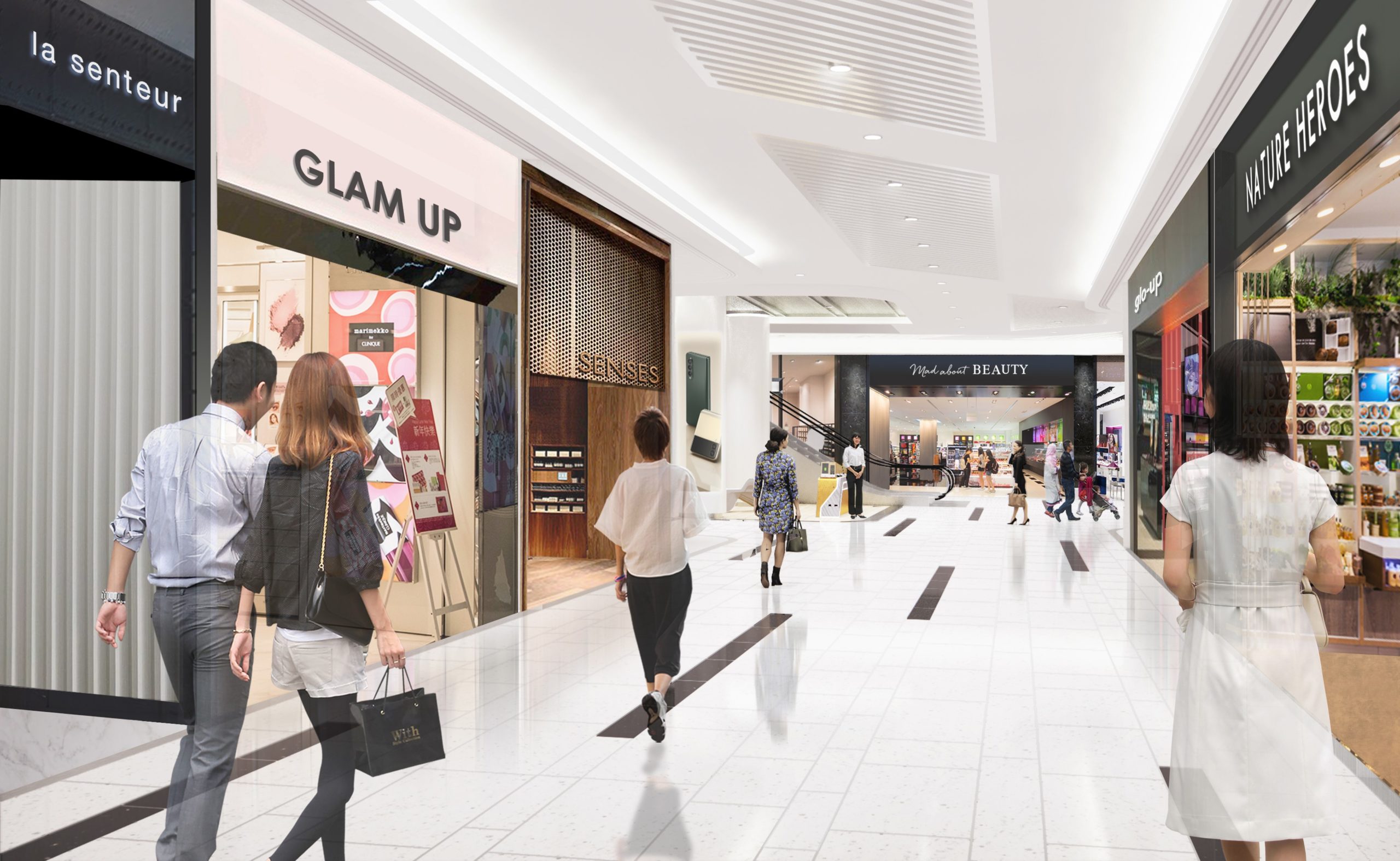
    More than 50 new brands, including specialty stores and experiential concepts, will enter the revamped Raffles City shopping centre later this year.

    The renovation of a 111,000sqft area across Levels 1 to 3 is scheduled to complete in the fourth quarter of this year. An initial series of store openings kicked off with the launch of Acqua di Parma’s first flagship store in Southeast Asia last month. Spanning approximately 1000sqft, the store features the first of its grooming service ‘Barbiera’ in Asia Pacific.

    The downtown Singapore centre’s revamp was in part made necessary by the collapse of the Robinsons department-store business in 2020, which left a large space untenanted but opened the possibility for multiple additional smaller tenancies, as well as an expansion of the Marks & Spencer space.

    “Raffles City’s rejuvenation plans are part of our continuous efforts to keep us on the pulse of the rapidly evolving shopping and lifestyle needs of our shoppers,” said Steve Ng, GM of Raffles City Singapore.

    “Our new tenant mix has been carefully curated to cater to the diverse demographics who frequent our mall, especially those who seek more than just retail gratification and the discerning ones who appreciate the finer things in life”.

    Sephora, Marks & Spencer and L’Occtane, will introduce new concept stores in the coming months. While L’Occitane will land its first Green Store in Singapore at Raffles City, Marks & Spencer will expand its offering with a new 15,00osqft concept store, consisting of a grocer and bakery.

    Other new tenants joining the revamped premise include Lululemon, Paris Baguette x Teatra, Venchi and Läderach. Raffles City said it will disclose more new tenants in coming months.

  • Raffles City Hangzhou conferred World Gold Winner of Retail Category at 2019 FIABCI World Prix d’Excellence Awards

    Raffles City Hangzhou conferred World Gold Winner of Retail Category at 2019 FIABCI World Prix d’Excellence Awards

    Raffles City Hangzhou, CapitaLand’s largest operational Raffles City development, has been named the World Gold Winner in the Retail Category at the prestigious 2019 FIABCI World Prix d’Excellence Awards held in Moscow, Russia on 30 May 2019. This follows the footsteps of ION Orchard in Singapore and Raffles City Chengdu in China, which won in the same Retail Category in 2013 and 2015 respectively. Raffles City Hangzhou is the only commercial development from China feted at this year’s Awards.

    The annual FIABCI Awards, dubbed the Oscars of real estate, recognise projects that exemplify excellence in all the disciplines of real estate, such as best practices in sustainability and positive contributions made to the community. It is considered one of the most reliable indicators of a development’s worth and its impact on the future of commercial real estate. Mr Lucas Loh, President & CEO of China, CapitaLand Group, said: “We are honoured that Raffles City Hangzhou has received the highest accolade in the Retail Category at the 2019 FIABCI World Prix d’Excellence Awards, which celebrates the crème de la crème of real estate projects around the globe. This is the second Raffles City development in China after Raffles City Chengdu to clinch the prestigious award, underscoring the high and consistent quality of our signature Raffles City portfolio.”

    “CapitaLand is continually pushing the boundaries of urban development with smart, sustainable and human-centric designs that add value to the communities it operates in. With Raffles City Hangzhou, we set out to create a landmark development in the new city centre that will serve as the heart of civic and commercial activities. We are heartened that Raffles
    City Hangzhou has not only achieved commercial success since its opening, it has received recognition from global industry experts. As CapitaLand marks 25 years in China this year, we remain firmly committed to meeting the changing needs and aspirations of Chinese consumers as the country enters new stages of urbanisation and urban renewal.”

  • Mickey Mouse pop up marks its 90th birthday

    Mickey Mouse pop up marks its 90th birthday

    Raffles City is hosting a Mickey Mouse pop-up store celebrating the cartoon character’s 90th birthday.

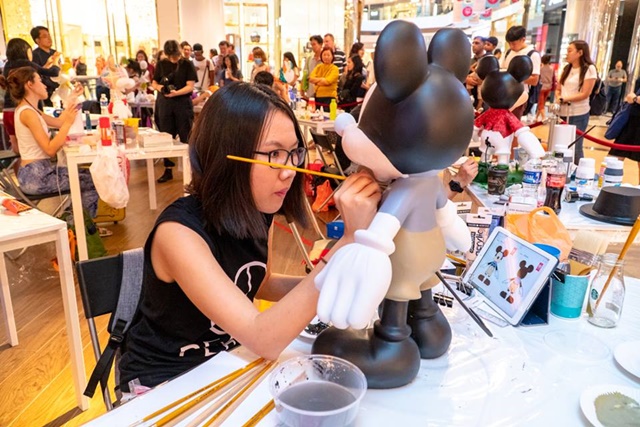
    Dubbed ‘Mickey Go Local’, the store is a partnership with the Walt Disney Company Southeast Asia and features more than 80 souvenir products ranging from apparel to household items. The Mickey Mouse pop-up will also exhibit 90 figurines of the popular rodent, designed by Singaporeans, including President Halimah Yacob.

    Raffles City will host the pop up as part of its Arts in the City program until August 29.

    Amit Malhotra, country manager at The Walt Disney Company Singapore and Malaysia, says the exhibition-cum-store will engage fans of all ages in a locally relevant and fun manner, providing more ways for people to celebrate with their favourite Disney character.

    “Mickey Mouse is an endearing global icon, which has crossed boundaries to touch lives around the world through his optimism and happiness,” adds Margaret Khoo, GM at Raffles City.

    “The same can be said for the universal language of art and its power to bring joy to communities. Raffles City Singapore is delighted to showcase unique expressions of our Singaporean way of life through this familiar icon for this year’s Arts in the City program. Collaborating with individuals from different walks of life on this exhibition makes this uniquely Singapore showcase even more meaningful as we mark the nation’s 53rd birthday in August.”

  • Lacoste Raffles City brings new Le Club style to the store

    Lacoste Raffles City brings new Le Club style to the store

    The new Lacoste Raffles City store is the first of the French retailer’s Southeast Asian outlets to feature its latest concept ‘Le Club’.

    The new style reflects “the synthesis of the brand and its creator Rene Lacoste in one location: the club”, said a Lacoste spokesperson.

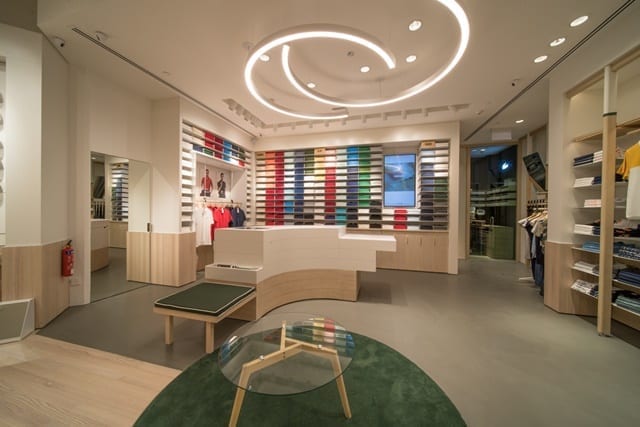
    Just opened on the street level of Raffles City, behind Robinsons department store, the 1873sqft space is reminiscent of a tennis court, with vintage design elements that Lacoste sees as a nod to the brand’s heritage. The fitting rooms are designed to look like locker rooms.

    The store offers Lacoste’s complete range of apparel, leather goods, fragrances and footwear – and, of course, the famous polo ‘colour wall’ shoppers have come to expect from Lacoset stores all over the world.

    The Lacoste Raffles City store will also carry runway collections and special collections including the 85th anniversary range created to celebrate both the heritage and innovation of the brand.

    An embroidery workshop features inside the store to offer customisation options for shoppers wishing to have their initials embroidered on their purchase.

    The Le Club concept is part of the Lacoste’s strategy to create a stronger brand identity and to strengthen the brand’s premium status throughout its global markets.

    View the gallery below (3 images) :

  • CapitaLand to build highest “horizontal skyscraper” in the world

    CapitaLand to build highest “horizontal skyscraper” in the world

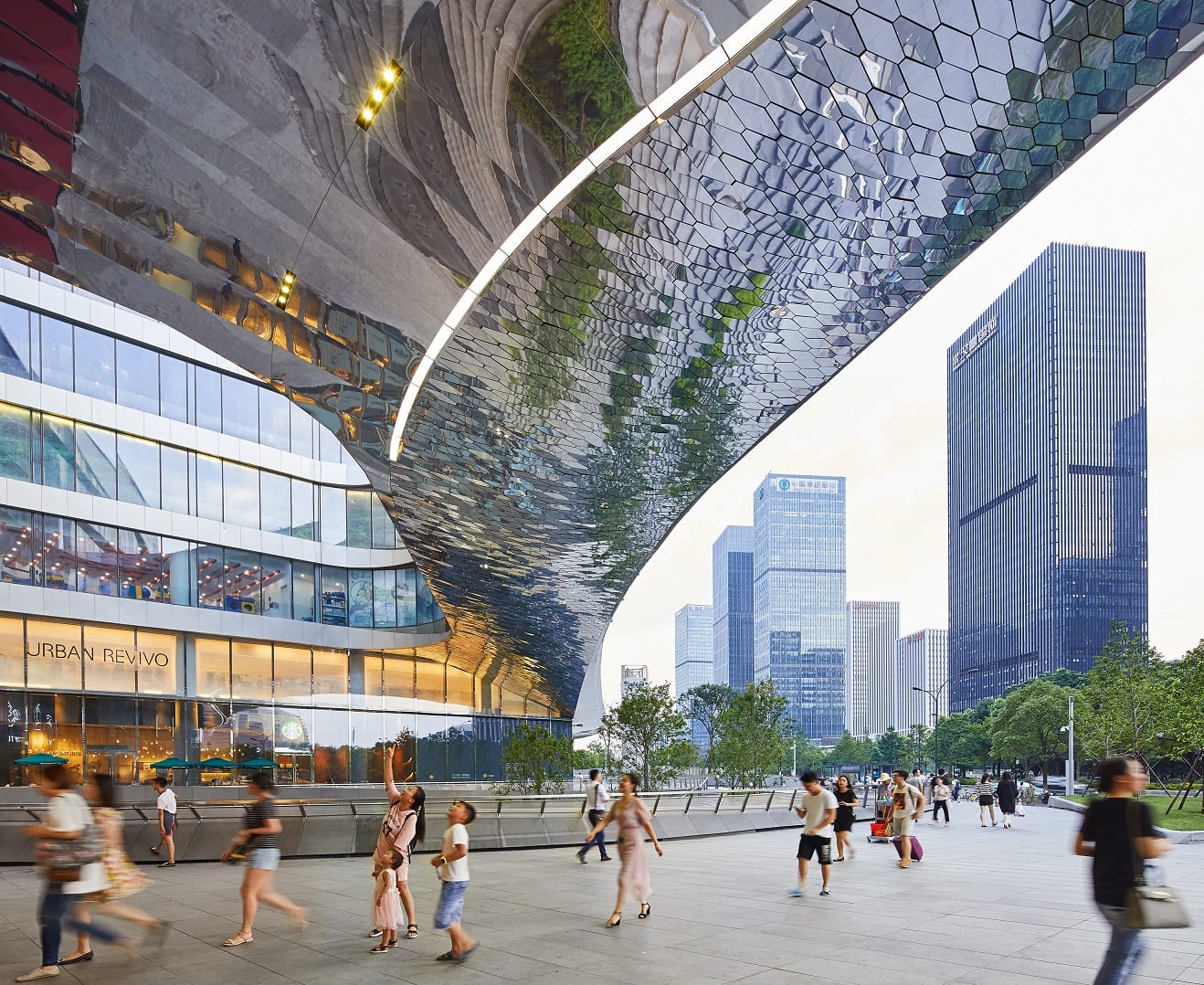
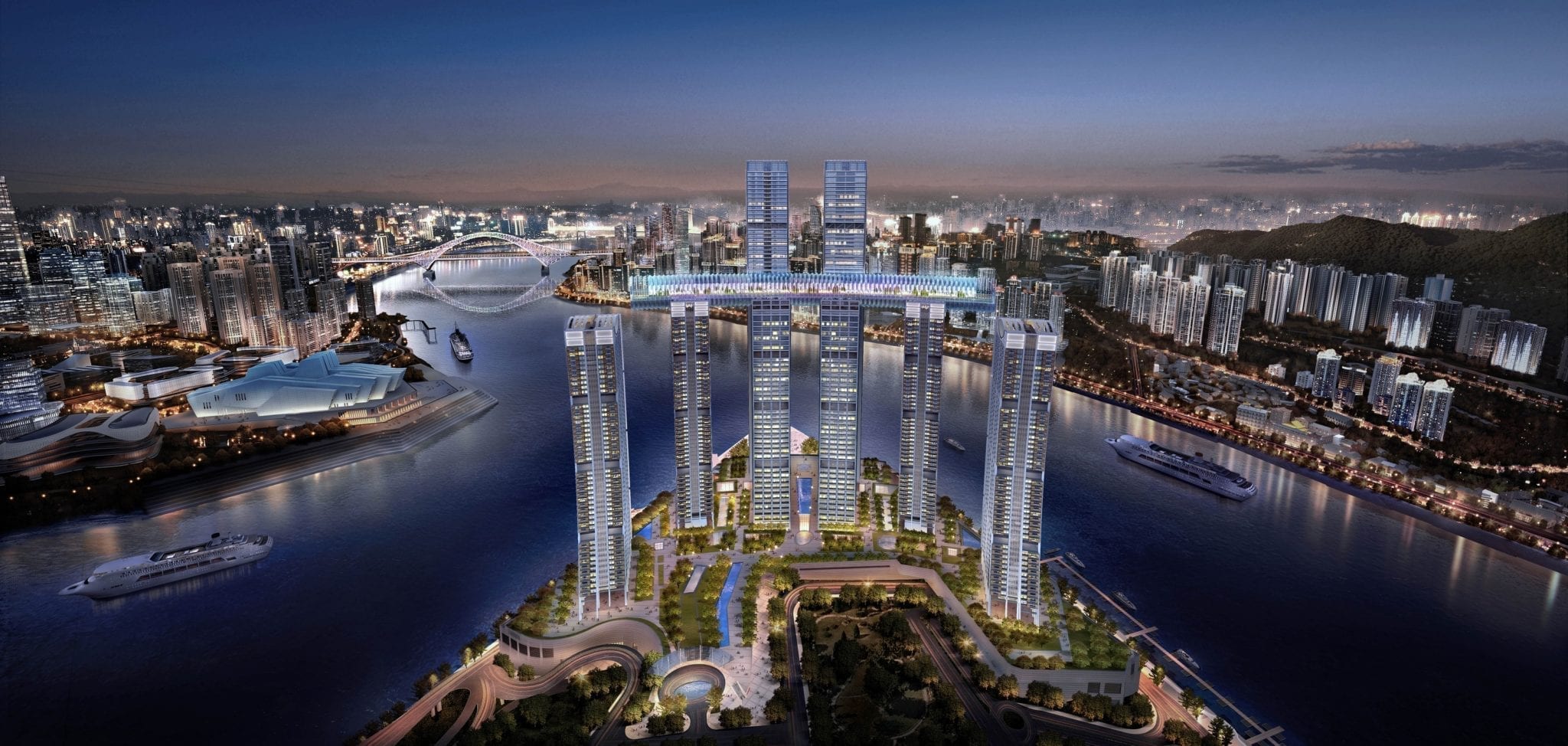
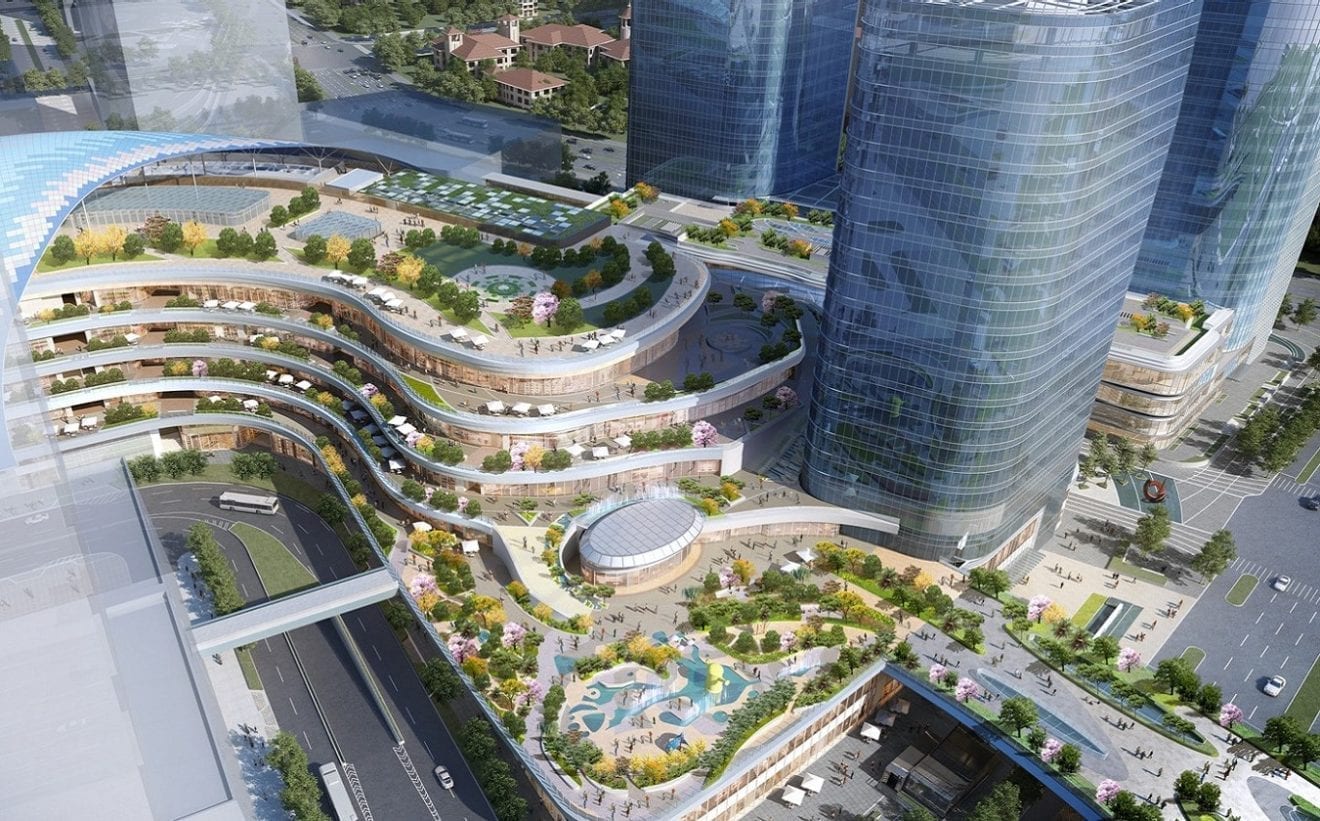
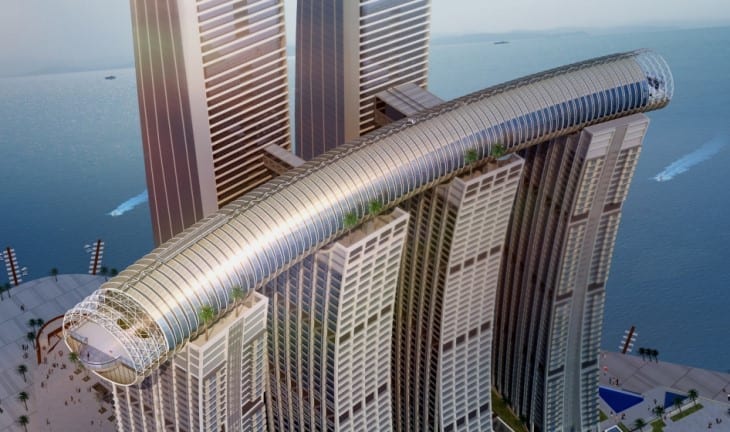
    In its relentless pursuit to redefine urban living with smart design and innovative technologies, CapitaLand has written a new world record as it embarks on the complex crowning process for Raffles City Chongqing, the iconic 1.12 million-square-metre (sq m) urban district located on Chongqing’s famed Chaotianmen riverfront. The crowning process features the extraordinary engineering feat of erecting a curved accordion-shaped “horizontal skyscraper” – measuring 300 m in length, 30 m in width and 22.5 m in height – above four 250 m-tall towers at a total height of more than 400 m above sea level. Raffles City Chongqing now holds the world’s record as the development with the highest sky bridge linking the most number of towers.

    Mr Lim Ming Yan, President and Group CEO of CapitaLand Limited, said: “Raffles City Chongqing is by far the largest and most complex integrated development that CapitaLand has undertaken. Erecting The Conservatory marks the culmination of five years of construction progress and a grand milestone in outlining Raffles City Chongqing’s image of a powerful sail surging forward, as it prepares to welcome the world in 2019. The hoisting of
    The Conservatory is not only a significant moment for Raffles City Chongqing, it marks a global milestone in the field of architecture and engineering. Some of the world’s most advanced construction and engineering techniques have been deployed to install this megastructure on Chaotianmen, known as the crown jewel of Chongqing. CapitaLand is proud to have achieved this phenomenal structural engineering breakthrough of connecting
    skyscrapers, and we will continue to stay ahead of the curve by breaking new grounds in real estate development.”
    Mr Lim added: “More than just a building, Raffles City Chongqing is a landmark urban renewal project that expresses and shapes Chongqing’s global city aspirations. As the master planner of this important site, CapitaLand fully appreciates the historical and cultural significance of Chaotianmen to the people of Chongqing. We have thus gone to great lengths to imbue the project with the highest standards of liveability, connectivity and sustainability by carefully studying the needs of the community and the unique attributes of the site. Our goal is to create a vibrant riverfront urban district that serves as a dynamic city gateway befitting of Chongqing’s growing economic influence.”

    Mr Lucas Loh, CEO of CapitaLand China, said: “As the crowning glory of Raffles City Chongqing, The Conservatory is envisaged as the centre of civic activities where locals and visitors from around the world converge in Chongqing. A highlight is the observation deck, which features an outdoor patio with see-through glass flooring – the tallest of its kind across the whole of west China for the best vantage point to enjoy the stunning views of the Yangtze River and Jialing River merging at Chaotianmen. To ensure the public’s year-round enjoyment of The Conservatory’s facilities, design provisions, such as air-conditioning, have also been catered for. When it opens to the public next year, we are confident that The Conservatory will become a well-loved and well-used community space that lasts for generations.”

    Mr Loh added: “Raffles City Chongqing broke ground in September 2012 and five towers have successfully topped out since. One of these is a 350-m supertall skyscraper, which currently holds two records – China’s tallest residential tower and Chongqing’s tallest building. The development’s luxury residential component Raffles City Residences has begun marketing, with an encouraging take-up for two residential towers that have been launched. Jialing One tower has sold 70% of the 215 units launched, while Yangtze Two tower, which debuted later, has sold more than 40% for its 285 units. Part of Raffles City Chongqing’s office component will begin handover end of this year, while the entire development is targeted to open in phases from 2019.”
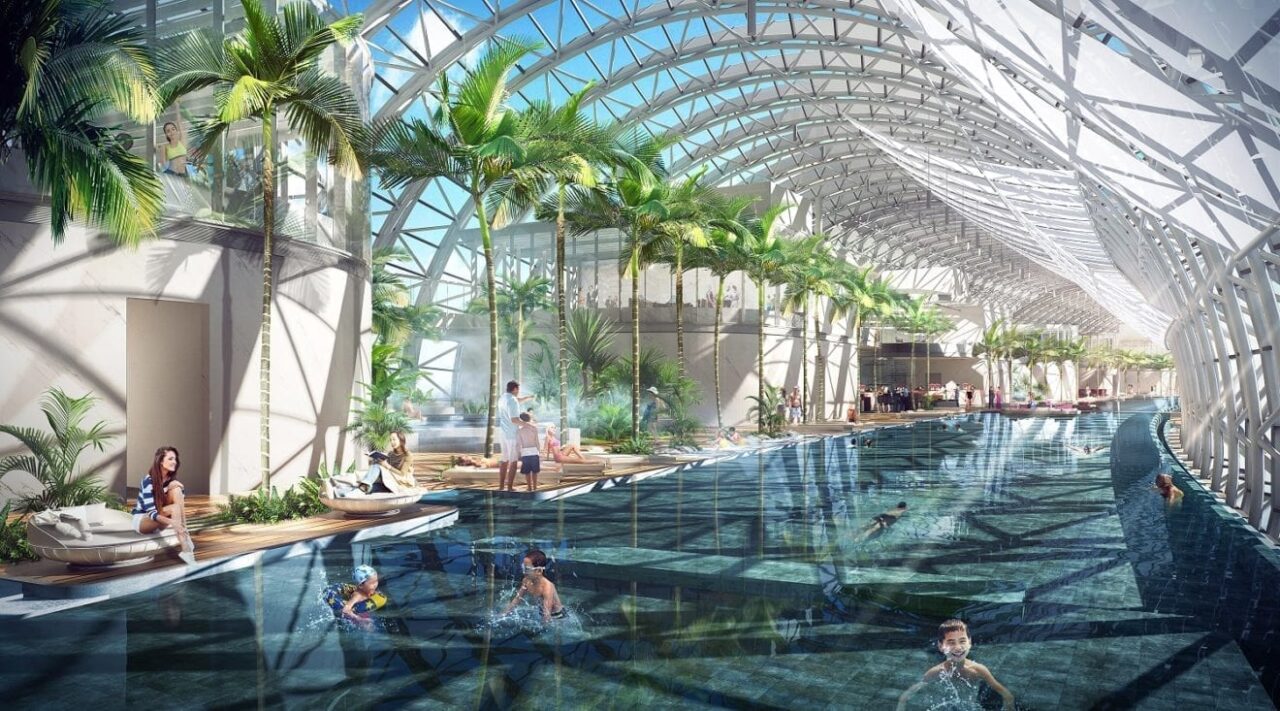
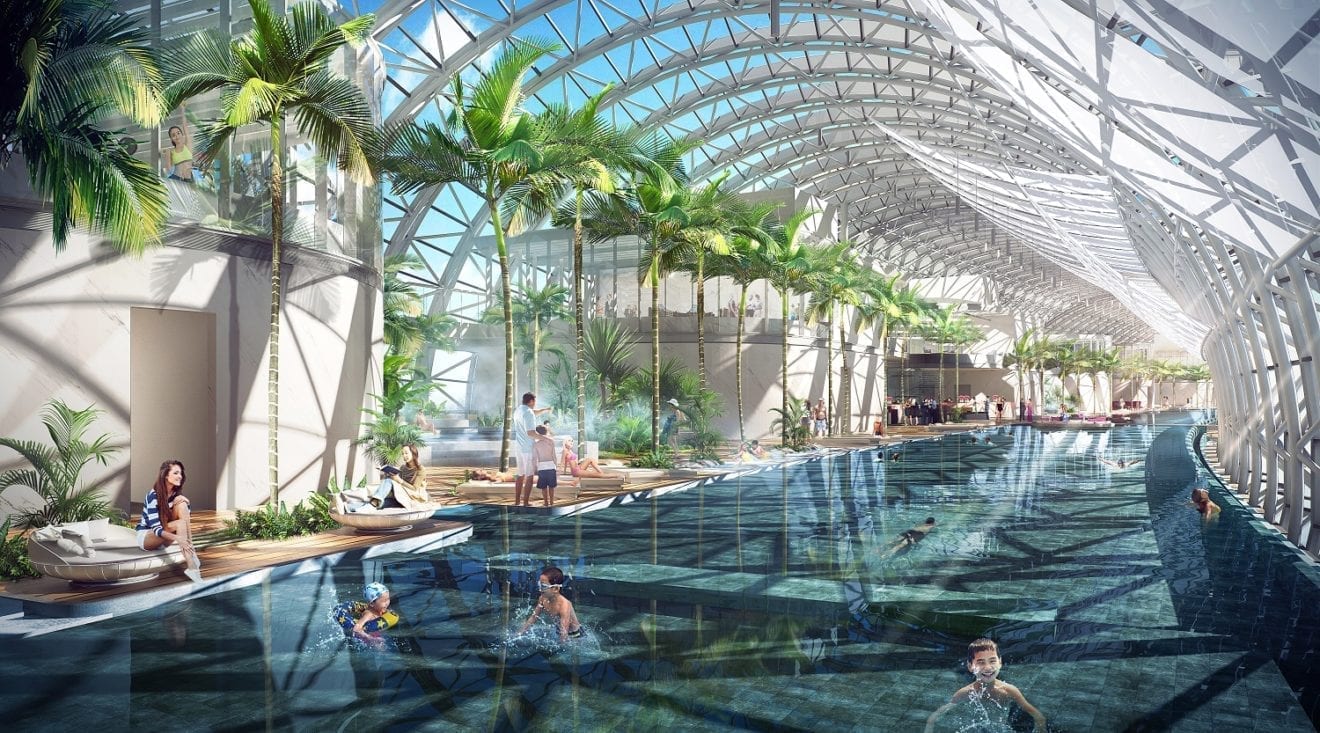
    Singapore’s single largest development in China by CapitaLand and Ascendas-Singbridge, Raffles City Chongqing is an ambitious RMB24 billion (about S$4.9 billion) vertically-built urban district comprising a retail podium and eight skyscrapers for residential, office, serviced residence and hotel use. As the ninth “horizontal skyscraper” with 10,000 sq m of gross floor area (GFA), The Conservatory is the heart of Raffles City Chongqing connecting a total of six vertical towers – four towers at its base and two adjacent towers by cantilever bridges. Designed as the centre of attraction, it houses a rich array of amenities, including a themed observation deck and sky gardens, an infinity pool and a food and beverage zone.

    To overcome the site’s unique conditions, which include exposure to strong winds, a wind modelling test was conducted on The Conservatory, together with the eight towers. Building Information Modelling (BIM) technology was also used to coordinate the complex structural and utilities layout of The Conservatory. The support system for The Conservatory’s structure uses advanced frictional pendulum bearings and seismic dampers mounted on the towers. This form of flexibility-driven seismic design dissipates seismic and wind energy more effectively than the conventional rigidity-driven design, and represents a breakthrough in the structural engineering of linked high-rise building clusters.

    The Conservatory is made up of a continuous steel structure weighing 12,000 tons, and enclosed with a ring comprising 3,200 pieces of glass and 4,800 aluminium panels. With a length of 300 m, it is longer than Singapore’s tallest building laid on its side. To erect efficiently, the steel structure is first divided into nine segments – four segments that are built in-situ above the four towers; three middle segments suspended between the four towers that are prefabricated on ground and hoisted into place by hydraulic strand jacks; and two cantilever segments that are assembled in short sections from the two ends of the rightmost and leftmost towers.

    Hoisting the three middle steel segments of The Conservatory – each weighing up to 1,100 tons – to the designated height of 250 m marks a world first. This extraordinary engineering feat was broadcast throughout China during primetime news on China Central Television last December when the hoisting process began. The Conservatory’s steel structure is targeted to be fully erected by mid-2018, which will be followed by the hoisting of the façade enclosure together with gigantic trees and plants for the sky gardens.

    Occupying 9.2 hectares of site area, Raffles City Chongqing brings together a 230,000-sq m shopping mall, 160,000-sq m of Grade A office space, 1,400 residential apartments, Ascott Raffles City Chongqing serviced residence and a luxury hotel – with a total construction floor area of 1.12 million sq m and GFA (excluding car park) of about 817,000 sq m. The development is strategically located on Chaotianmen at the confluence of   Yangtze and Jialing rivers in Yuzhong District, next to the traditional Jie Fang Bei central business district.

    Boasting excellent connectivity, Raffles City Chongqing is fully integrated with a transport hub comprising a metro station, bus interchange, ferry terminal and cruise centre. It is designed by world-renown architect Moshe Safdie, who drew inspiration from the region’s thousand years of waterway transportation culture to create an image of powerful sails upon the river for Raffles City Chongqing to symbolise the host city’s surging growth.

  • Urban Revivo opens first international store

    Urban Revivo opens first international store

    Chinese fashion brand Urban Revivo has opened its first international store, at Singapore’s Raffles City Shopping Centre.

    Launched in 2006, Urban Revivo specialises in contemporary clothing and accessories for both men and women. It has 150 stores across about 60 cities in China, including Beijing, Chengdu, Guangzhou and Shanghai.

    While the brand refreshes its stores with up to 12,000 new styles every year, all its designs are available in only 12 pieces per store, reports Her World Plus, which features this video tour of the new store:

  • CapitaLand Mall Asia Showtime in Cannes

    CapitaLand Mall Asia Showtime in Cannes

    Targeting global retailers who are looking to Asia to chart growth, CapitaLand Mall Asia has its biggest presence ever at international retail event Mapic in Cannes, France.

    It is the fifth consecutive year CapitaLand has exhibited at Mapic, one of the world’s largest events matching developers with retailers. It runs over three days this week.

    Crowds at CapitaLand's booth at MAPIC

    CapitaLand is preparing to open eight malls in three Asian countries next year with a combined retail gross floor area (GFA) of nearly 1 million sqm, the group’s largest-ever retail offering in a single year.

    Of the eight malls, six are retail components of integrated developments in China and the others are stand-alone malls in India and Malaysia. They are Raffles City Changning, CapitaLand’s second Raffles City project in Shanghai; LuOne, also in Shanghai; Raffles City Shenzhen; Raffles City Hangzhou; Suzhou Center Mall (pictured); CapitaMall Westgate in Wuhan; Melawati Mall in Kuala Lumpur; and Forum Mall in Mysore.

    Raffles City Changning

    Raffles City Changning


    Ready catchments

    CapitaLand Mall Asia CEO Jason Leow says the opening of the malls underscores the group’s strength in connecting retailers to ready catchments of shoppers.

    At September 30, 76 per cent of CapitaLand’s assets contributed to recurring income, of which shopping malls and integrated developments form the bulk, says Leow.

    “Our 103 malls in Singapore, China, India, Japan and Malaysia provide brands with access to about 3 billion consumers in these five markets combined.”

    He says Mapic is an excellent platform for CapitaLand to boost its brand visibility and strengthen its retailer network.

    Mr Jason Leow with retailers at MAPIC

    Its presence at the trade show has been enhanced by one of its joint ventures being nominated for the Mapic Awards. Listed for Best Futura Shopping Centre Award, Jewel Changi Airport was developed by Jewel Changi Airport Trustee – a JV between Changi Airport Group and CapitaLand Mall Asia – as a mixed-use complex featuring lifestyle offerings including a five-storey indoor garden, play attractions, shopping and dining options, a hotel, and airport services.

    It is scheduled to open next year. The Futura award recognises retail developments with outstanding architectural qualities and strong, original concepts.

    Jewel Changi Airport is the only Singapore entry among 50 projects shortlisted across 12 categories at the Mapic Awards, with the results to be announced at a gala dinner.

    CapitaLand Mall Asia CapitaLand Mall Asia, a wholly owned subsidiary of real-estate company CapitaLand, is one of the largest shopping mall developers, owners and managers in Asia by total property value of assets and geographic reach.

  • Making Great Singapore Sale great again

    Making Great Singapore Sale great again

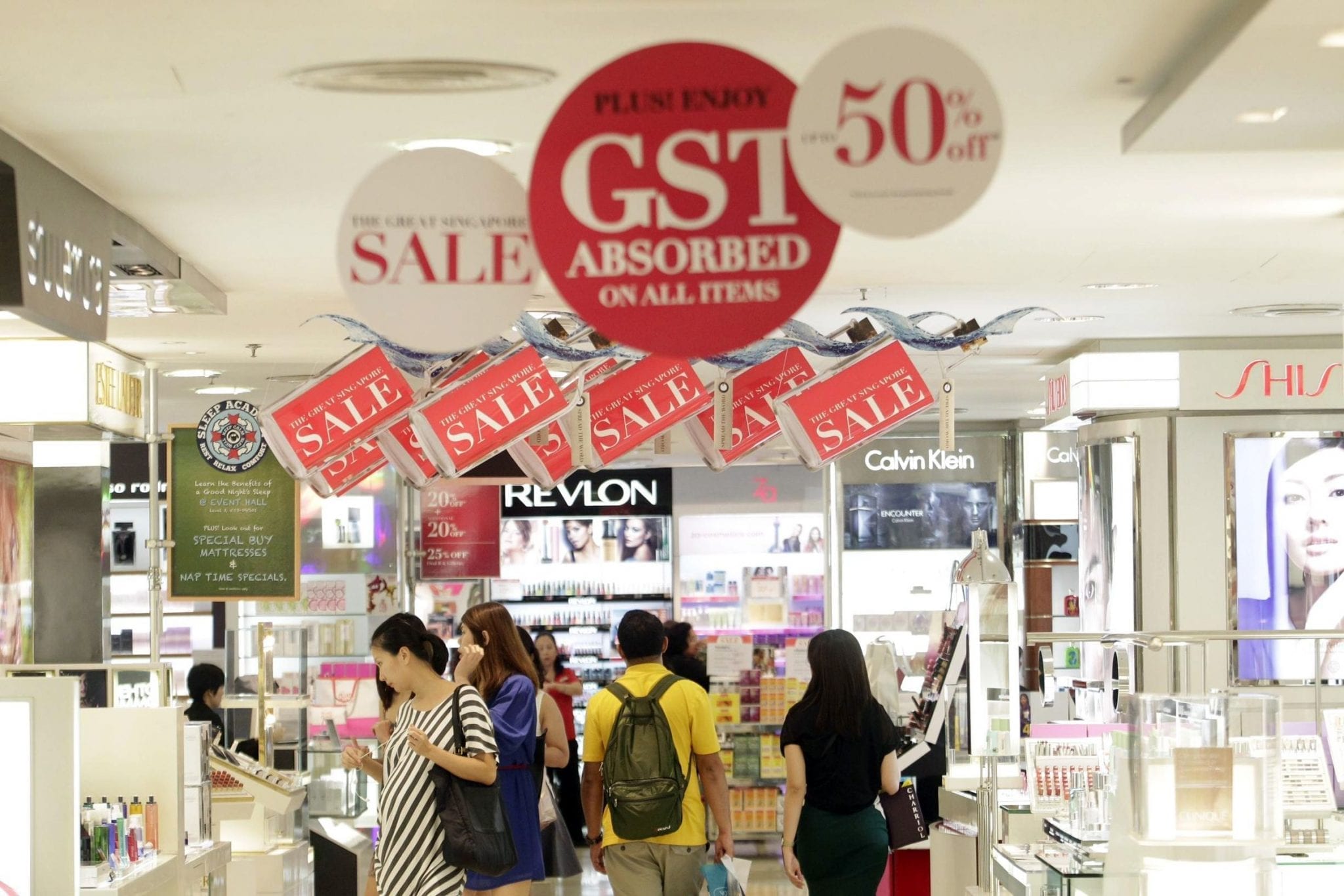
    With the relevance of the Great Singapore Sale (GSS) in doubt, going by falling retail sales, questions have been raised about what went wrong with the sale.

    Many consumers have pointed out that the annual sale of 23 years is not that great, as the discounts offered here are not as steep compared with those in sales overseas.

    They also lamented that the discounts are mostly for older merchandise. A possible reason for this is that Singapore has no seasons.

    Associate Professor Prem Shamdasani, from the National University of Singapore Business School’s marketing department, said the summer sales in Tokyo and Hong Kong tend to be more successful than the GSS due to the seasonality of the products sold.”(This) encourages (their) retailers to offer deep discounts to clear inventory and make room for new arrivals, which are also attractively marked down to entice local shoppers and tourists,” he said.

    Offering steep discounts is also not sustainable for businesses here, said Singapore Polytechnic senior retail lecturer Sarah Lim.

    “(This) will eat into the retailer’s overall profit, and with rental and manpower costs all added in, the retailer may not be able to sustain the business,” she said.

    Singapore Retailers Association (SRA) president R. Dhinakaran previously said holding sales to clear old stock is common worldwide.

    The retail scene has been slow in recent months. Latest official statistics show that retail sales excluding motor vehicles in June and July each fell 3 per cent over the same months last year.

    This is despite the attempts for this year’s GSS – which took place from June 3 to Aug 14 – to draw tourists and residents with an extended sale, more payment options and a more targeted focus on tourists from China. The poor showing, and similar sales declines in June last year and 2014, prompted the SRA, which organises the GSS, to suggest a need to discuss with the Singapore Tourism Board about continuing the event or revamping it.

    Retailers and retail experts have pointed to the slowing economy here and overseas as a key factor for the slump this year, but there are other concerns as well.

    One issue raised about this year’s GSS is its length and timing.

    The event started in June – a week later than last year – and was extended to 10 weeks to cover the bulk of China’s summer holidays.

    In the past 12 years, the annual sale stretched over eight weeks.

    But a 10-week sale might have led to sale fatigue among Singaporeans inundated with “end-of-season sales” or “anniversary sales” year round, said retail experts.

    Research suggests that local consumers with strong spending power are disciplined spenders and tend to spend more during the early weeks of the GSS, said Dr Guan Chong, head of marketing programme at SIM University’s School of Business. “Thereafter, their spending pattern should likely stay low for the rest of the GSS period,” she said.

    GSS’ new sale period also clashes with big sales elsewhere such as Tokyo’s famous end-of-summer sales, which start around the third week of July, she noted.

    Then, there is the perennial problem of retailers holding their own sales earlier to beat their rivals, dampening the effect of the GSS.

    Department stores Robinsons, Metro and OG started their GSS sales in May this year, while baby supplies store Mothercare and hardware chain Home-Fix held pre-GSS sales. Robinsons said this was done in line with shoppers’ expectations for the GSS to start in May, as in previous years. Mothercare did so because its competitors were also holding their sales early.

    SRA cannot stop retailers from holding their sales earlier, or dictate the duration of their sales.

    There also appears to be a lack of awareness of the GSS and whether it was still going on, in part because of its length, said experts.

    Given this, events could be held every weekend during the GSS period to highlight store promotions by themes – such as food or children – to create buzz and remind people the sale is ongoing, said Mr Steven Goh, executive director of the Orchard Road Business Association.

    Another suggestion is not to focus on only discounts. Dr Lynda Wee, an adjunct associate professor at Nanyang Business School, said the GSS should add a lifestyle spin and combine shopping and dining promotions with leisure deals, such as those for spa sessions, movies and cooking lessons.

    Dr Chong said merchants can ride on the digital marketing wave to connect with an international audience, such as using popular social media platforms.

    Still, lower retail sales should not be blamed on the GSS alone, said Ms Lim, adding: “Orchard Road, Raffles City, Marina (Bay) and Suntec (City) lack strong positioning. Can our malls be differentiated so that tourists desire to visit each one of them because they are different?”

  • Chinese restaurant chains bloom in Singapore

    Chinese restaurant chains bloom in Singapore

    Four Mainland China restaurant chains have set up in Singapore since November, the latest opening in Riverside Point on Friday.

    It will be the first overseas outlet for Chengdu-style hotpot chain Spicy House, which has about 30 outlets on the mainland.

    Two restaurants opened in June, Shi Miao Dao Yunnan Rice Noodles in VivoCity and Riverside Grilled Fish in Raffles City, while Faigo HotPot opened in Clarke Quay in November.

    Other China food brands in Singapore go back about four years, including Hai Di Lao Hot Pot, which will open its fourth outlet in VivoCity this month, and 9Goubuli, a Chinese restaurant in Marina Bay Sands.

    Faigo HotPot is a 12-year-old chain with more than 100 outlets across China. This is its first overseas outlet, the 130-seat Singapore restaurant being run by Shanghai Dragon Restaurant Management. The stocks are served in individual pots heated by electric stoves complete with a heat-control panel and USB ports for charging mobile devices. Diners can choose from more than 70 ingredients, and the outlet is the first in the chain to have a sauce bar offering nearly 20 condiments.

    Faigo Hotpot

    Riverside Grilled Fish, which has opened 54 outlets in China in its 11 years, is using its first overseas outlet as a springboard to make inroads into the Southeast Asian market. It specialises in spicy Chongqing-style grilled fish, and the Singapore franchise is owned by Minor Food Group, which runs the Thai Express and Xin Wang Hong Kong Cafe chains.

    Riverside Grilled Fish

    Shi Miao Dao Yunnan Rice Noodles in VivoCity’s Food Republic foodcourt serves “crossing the bridge” rice noodles, an elaborate set with 11 sides including braised chicken, fried peanuts and raw quail egg and vegetables. There is a choice of five types of soup, and the dish dates back to the Song dynasty. The Singapore stall is part of a chain which has more than 800 outlets across China, as well as Canada, Japan and Thailand.

    Spicy House owner Zac Wang from Shanghai believes Chinese hotpot chains like his will do well in Singapore, where he has been based for six years. The 120-seat restaurant at Riverside Point offers three types of communal hotpots, including one with nine compartments for cooking ingredients separately. The menu lists about 100 ingredients.

  • CapitaLand Malls ‘resilient’ to tough times

    CapitaLand Malls ‘resilient’ to tough times

    CapitaLand Mall Trust says its portfolio of “necessity malls” has proven resilient to the challenging economic and retail period of the last year.

    CapitaLand Mall Trust Management (CMTML), the manager of CapitaLand Mall Trust (CMT), has reported a distributable income for 2015 of S$392.0 million, up 4.4 per cent on 2014.

    Danny Teoh, Chairman of CMTML, said CMT has delivered a good set of financial results in 2015.

    “Distribution per unit to unitholders for 2015 increased 3.8 per cent to 11.25 cents, underscoring the underlying strength of our portfolio – made up of predominantly necessity shopping malls connected to or near transportation hubs serving large catchment areas.”

    Teoh says the trust reinforced its leadership position as Singapore’s largest real estate investment trust with the acquisition of Bedok Mall on October 1.

    “In addition, we unlocked value for unitholders with the sale of Rivervale Mall on December 15, where we recognised a gain of about S$72.7 million. Going forward, CMT’s established track record in proactive mall and asset management will ensure that we remain well-positioned to continually create value for our unitholders.”

    Wilson Tan, CEO of CMTML, said tenants’ sales per square foot and shopper traffic increased by 5.3 per cent and 4.9 per cent respectively last year.

    “Portfolio occupancy remained high, registering 97.6 per cent at December 31.”

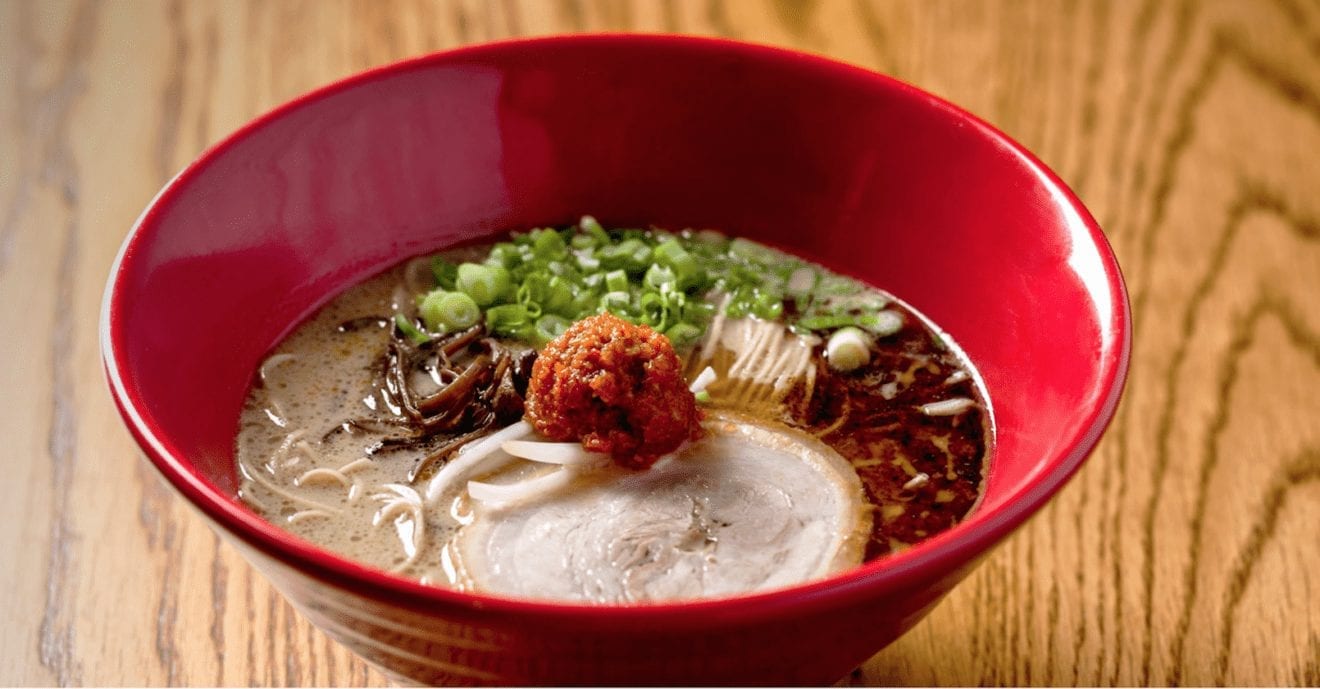
    Clarke Quay achieved more than 90 per cent committed occupancy for the reconfigured space in Block C. Anchored by Zouk, a world-class dance club, Block C also comprises popular food and beverage (F&B) and entertainment outlets such as DV8 Club, a top notch live Mandopop concert club; Warehouse, a restaurant and bar with live music; Privé Clarke Quay, a new bar concept by lifestyle group Privé Group; Maziga Café & Bollywood Club, an Indian restaurant helmed by the team behind the Punjab Grill; and the highly anticipated Ramen Keisuke Lobster King, the latest offshoot of the well-known ramen chain Ramen Keisuke.

    “Singapore’s largest outlet mall IMM Building further enhanced its shopping experience and increased its total number of outlet stores to 85 with new designer brands such as Outlet by Club 21, Juicy Couture and Cole Haan. It also boosted its F&B offerings with additions such as Dôme Café. We will continue to transform our malls through asset enhancement initiatives and reinforce our relevance to the communities that we operate in,” said Tan.

    CapitaLand Mall Trust owns 16 shopping malls, strategically located in the suburban areas and downtown core of Singapore, comprise Tampines Mall, Junction 8, Funan DigitaLife Mall, IMM Building, Plaza Singapura, Bugis Junction, Sembawang Shopping Centre, JCube, Raffles City Singapore (40.0% interest), Lot One Shoppers’ Mall, 90 out of 91 strata lots in Bukit Panjang Plaza, The Atrium@Orchard, Clarke Quay, Bugis+, Westgate (30 per cent interest) and Bedok Mall.

    CMT also owns 122.7 million units in CapitaLand Retail China Trust, the first China shopping mall REIT listed on SGX-ST in December 2006.