Tag: rail transit

  • Vingroup and Alstom Agree on Deal for 200 Hanoi Metro Trainsets

    Vingroup and Alstom Agree on Deal for 200 Hanoi Metro Trainsets

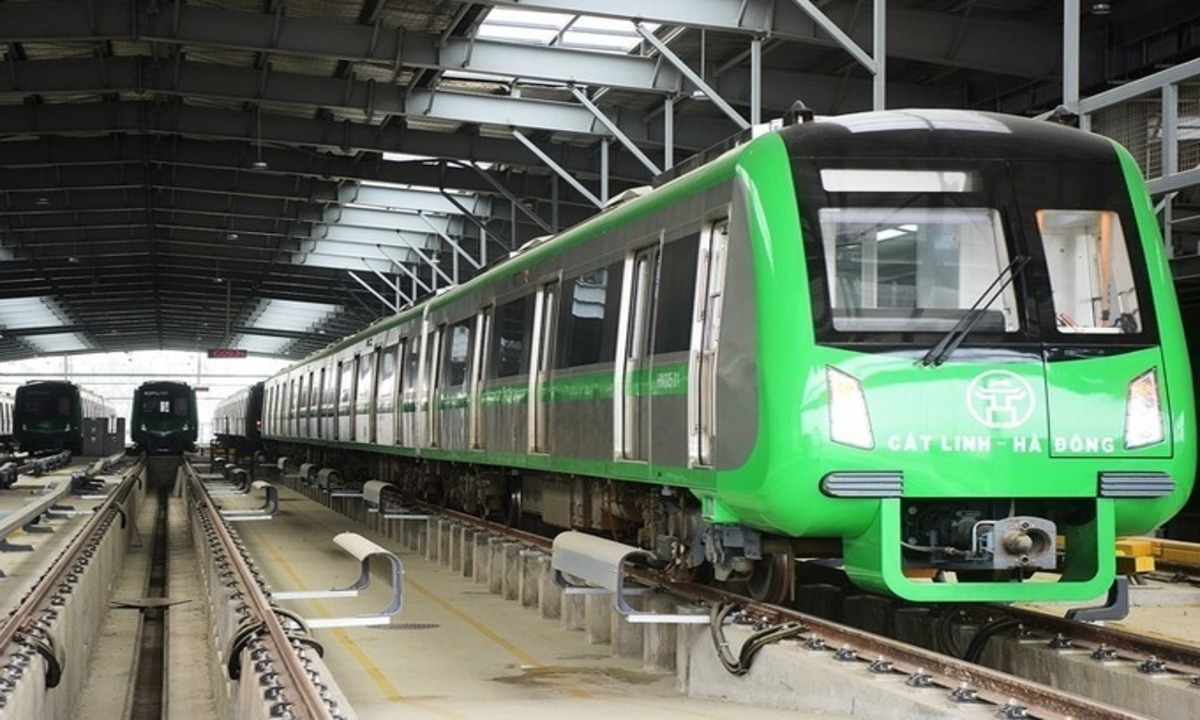
    Vietnam’s Vingroup and France’s Alstom announced a deal on Tuesday for 200 metro trainsets and an associated technology transfer to support Hanoi’s urban rail network. The partnership covers fully automated, driverless rolling stock for the capital city’s planned transit lines.

    Alstom will design and construct the initial batch of 83 five-car trainsets at its manufacturing plant in France. Vingroup will assemble the remaining 117 trainsets at its facilities in Vietnam. Alstom will supply engineering expertise, tooling systems, and critical components for the domestic build.

    Splitting production between France and Vietnam

    Work will shift industrial capacity to Vietnam in two phases. Alstom handles early engineering and fabrication in Europe to set technical baselines for the automated systems. Vingroup then assumes direct assembly operations to build out domestic rail manufacturing capability.

    Neither company disclosed delivery timelines or the total financial value of the contract. Alstom will stay tied to local assembly lines across the build program, providing specialized parts and technical supervision throughout.

    Industrial shift for Vietnam’s transit pipeline

    Securing domestic rolling-stock assembly alters the economics of future transit tenders. It reduces long-term dependence on fully imported fleet orders. However, Vingroup takes on the execution risk of mastering precision rail manufacturing alongside its existing industrial operations.

    Rail development is one of Vietnam’s most active transport sectors. Planners in Hanoi and Ho Chi Minh City have mapped out approximately a dozen lines between them. That pipeline creates continuous demand for standardized rolling stock and signalling hardware across both hubs.

    Scaling the capital city network

    Vietnam has accelerated procurement to relieve road congestion and support high-density commercial corridors. In the capital, Hanoi has outlined a blueprint to expand its urban rail footprint to 979 route kilometres across 18 separate lines by 2045.

    Fleet procurement will scale up as line construction advances toward those milestones. The next operational metric to watch will be the formal announcement of delivery schedules and line allocations for the first French-built trainsets.

  • UK Plans $2.5 Billion Financing for Ho Chi Minh City Metro Extension

    UK Plans $2.5 Billion Financing for Ho Chi Minh City Metro Extension

    UK Export Finance, Britain’s export credit agency, is preparing up to $2.5 billion in financing to help Ho Chi Minh City extend its metro line to Long Thanh International Airport, according to reports in September 2026.

    The planned facility from UK Export Finance represents one of the largest single Western financial packages proposed for Vietnam’s urban rail network, targeting the transit corridor between the country’s main commercial centre and its upcoming aviation hub.

    Financing the Airport Corridor

    UK Export Finance structured the proposed package to back engineering, rolling stock and systems procurement as municipal planners push to connect the city center with Long Thanh. The greenfield airport in neighboring Dong Nai province needs mass transit links before opening commercial terminals to relieve congested Tan Son Nhat International Airport.

    Vietnam relies heavily on bilateral export credit agencies and official development assistance to build out urban rail. Ho Chi Minh City’s initial metro infrastructure experienced extended delays and budget adjustments, prompting authorities to look for structured export credit packages that tie financing directly to equipment delivery and construction milestones.

    Shifting Transit Real Estate Dynamics

    Securing rail access between central Ho Chi Minh City and Long Thanh changes commercial land economics across the southern economic corridor. Retail developers, logistics operators and hospitality groups have acquired land parcels around planned transit nodes, anticipating commuter volume shifts once the airport becomes operational.

    For international contractors and rail operators, the British financing framework opens direct procurement channels in a market historically dominated by Japanese, South Korean and European consortiums. The risk centers on local site clearance and rights-of-way handovers across provincial borders, which previously slowed rail integration projects across the metropolitan area.

    Broader National Transport Timelines

    The financing proposal emerges alongside an accelerated national infrastructure schedule. Vietnam set a target date of December 2027 to start construction on its multi-billion dollar north-south high-speed rail line, while provincial authorities fast-track supplementary feeder roads and freight connectors across southern industrial zones.

    Final credit terms and municipal approvals will determine when procurement tenders open for the Long Thanh airport rail route.