Retail News CRM

Tag: rail

  • Vietnamese Automaker Thaco Joins Forces with Hyundai Rotem for Advanced Rail Tech Transfer

    Vietnamese Automaker Thaco Joins Forces with Hyundai Rotem for Advanced Rail Tech Transfer

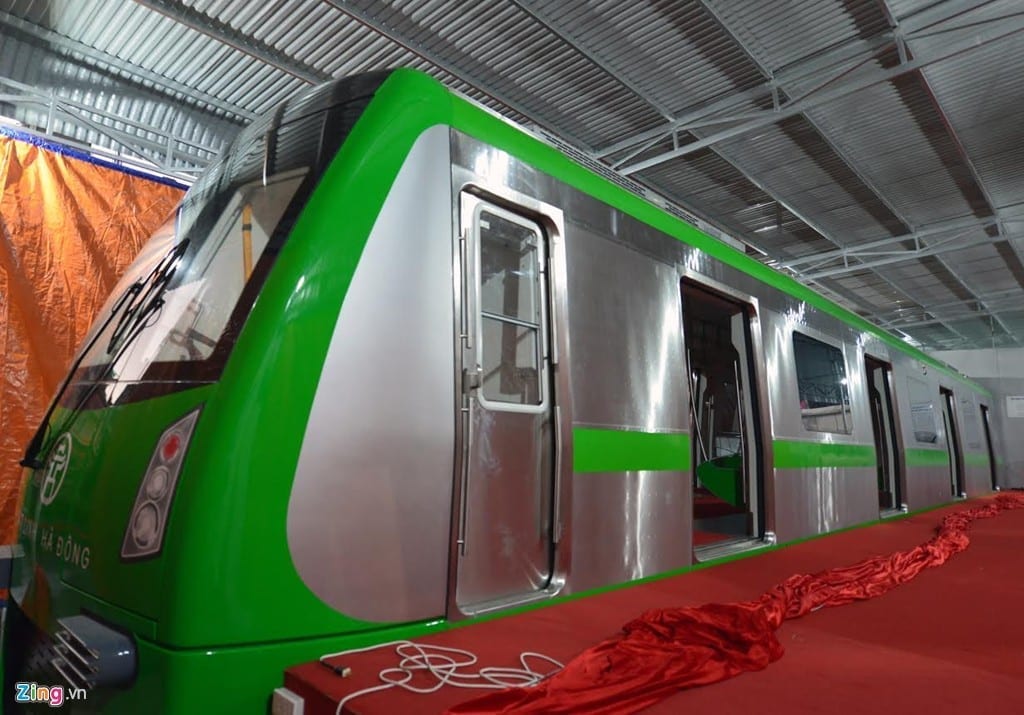
    South Korean company Hyundai Rotem, a subsidiary of the Hyundai Motor Group, has entered into a technology transfer agreement with Thaco, a Vietnamese automaker. The deal will enable Thaco to manufacture rolling stock for metros and high-speed railway systems under its own brand, by using Hyundai Rotem’s advanced technologies.

    Integrated System Development

    In addition to the technology transfer, Hyundai Rotem will aid Thaco in the development of an integrated system encompassing signaling and communications, as well as mechanical and electrical components.

    Thaco’s Railway Industrial Complex

    As part of its expansion plans, Thaco aims to construct a railway industrial complex sprawling across 786 hectares in Ho Chi Minh City. The complex will include a manufacturing zone for rolling stock, a closed-loop test track system, and a repair center.

    Thaco’s agreement with Hyundai Rotem aligns with Vietnam’s current contemplation of strategies to advance its railway industry. Earlier this year, Prime Minister Pham Minh Chinh encouraged Thaco to be actively involved in research, technology transfer, and the production of carriages and locomotives for high-speed rail projects.

    Thaco’s Investment in High-Speed Rail Projects

    In May, Thaco proposed to construct the North-South high-speed rail link, with an estimated projected cost of US$61.35 billion. Thaco proposes to contribute 20% of the total cost, with the remaining funds to be borrowed from banks, with the backing of government interest subsidies.

    Thaco also revealed interest in developing the 47-kilometer Ben Thanh-Long Thanh rail line, which would connect downtown Ho Chi Minh City with the soon-to-be-completed Long Thanh International Airport.

    Established in 1997, Thaco has a diversified portfolio that includes the auto, agriculture, construction, and logistics sectors. The company assembles Kia, Mazda, and Peugeot cars and also manufactures trucks and buses under its own brand.

    Questions & Answers

    What is the significance of the technology transfer agreement between Hyundai Rotem and Thaco?
    The agreement will enable Thaco to use Hyundai Rotem’s cutting-edge technologies to manufacture rolling stock for metro and high-speed rail under its own brand.

    What is Thaco’s plan for the development of the railway industry in Vietnam?
    Thaco plans to construct a railway industrial complex in Ho Chi Minh City, which will include a manufacturing zone for rolling stock. They have also shown interest in developing high-speed rail projects, including the North-South rail link and the Ben Thanh-Long Thanh rail line.

    What sectors does Thaco operate in?
    Thaco has a diversified business portfolio, with interests in the auto, agriculture, construction, and logistics sectors. They assemble Kia, Mazda, and Peugeot cars and manufacture trucks and buses under its own brand.

  • Singapore’s LTA Partners With Nokia, Hitachi To Boost Rail Surveillance And Operational Efficiency

    Singapore’s LTA Partners With Nokia, Hitachi To Boost Rail Surveillance And Operational Efficiency

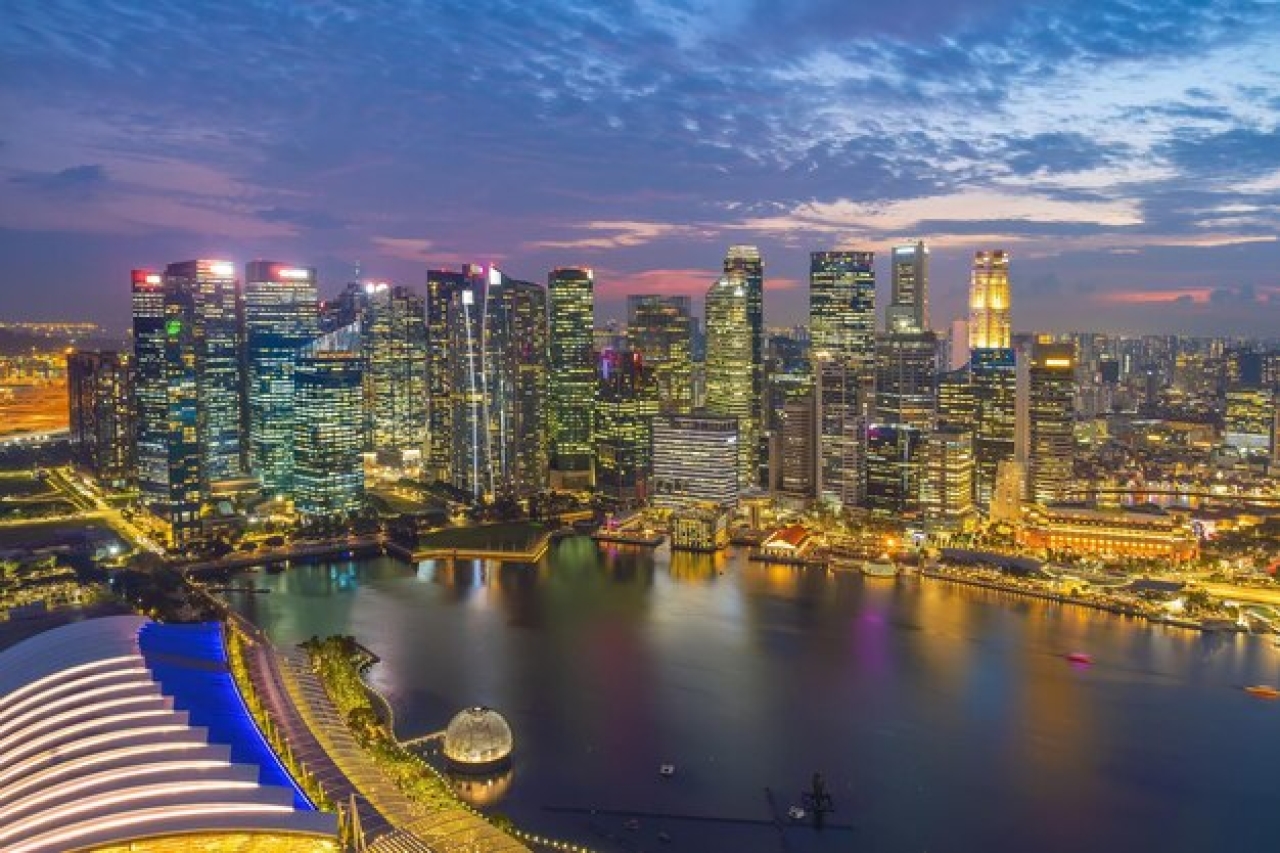
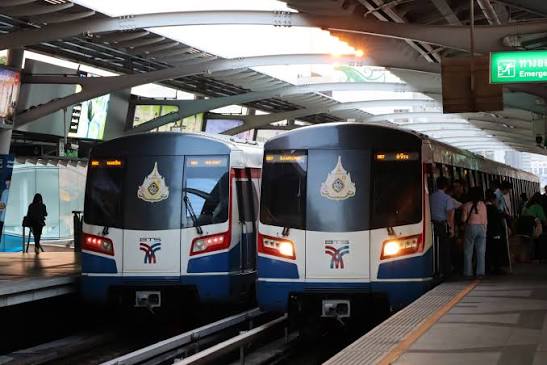
    The Land Transport Authority (LTA) in Singapore is taking the initiative to upgrade its rail infrastructure’s video transport and CCTV network. The project is being launched in partnership with Nokia and Hitachi Rail, and its primary goal is to boost real-time monitoring, enhance safety for commuters and bolster operational efficiency.

    Impacts of the Upgrade

    The initiative will focus on over 50 train stations, employing Nokia’s fiber-based Optical LAN and IP/MPLS solutions to bolster high-resolution video surveillance across the city’s railway system. The system, which caters to in excess of 3.65 million passengers per day, stands to benefit greatly from the enhanced surveillance capabilities.

    Nokia’s Optical LAN technology features robust optical network units (ONUs) and optical line terminals (OLTs) that can offer speeds up to 25 Gbps. When compared with traditional copper-based LAN infrastructure, this system utilizes about 70% less cabling and approximately 40% less power. These factors contribute to increased efficiency and sustainability. The deployment’s IP/MPLS component will provide dependable backhaul connectivity to the LTA’s centralized Operations Control Center, thus enabling efficient transport of live video data. This will lead to improved network reliability and quicker response capabilities.

    Stuart Hendry, Vice President of Enterprise Sales for Network Infrastructure at Nokia Asia Pacific, highlighted the importance of the project. He noted that fiber is being used to connect critical systems, including those responsible for monitoring transportation hubs worldwide. Ensuring a highly available, reliable, and secure real-time surveillance system is critical to the safety of those utilizing Singapore’s transit lines daily. The partnership with Hitachi Rail allowed Nokia to deliver a comprehensive solution for LTA, ensuring they had the necessary video capacity for their extensive CCTV surveillance and broader network operations for years to come.

    Nokia has stated the upgraded system will enhance the capacity and reliability of the LTA’s surveillance network and allow for future expansion as bandwidth and monitoring needs increase.

    Other Railway Project Improvements in Asia

    In addition to the Singapore project, various other improvements are being made to railway projects across Asia. One major project in Malaysia will see YTL Communications leading a significant fiber optic project. Meanwhile, in Indonesia, another project is being implemented to ensure high-speed railway safety and efficiency.

    Joaquim Santos, Vice President of Integrated Communication and Supervision Solutions (ICS) at Hitachi Rail, expressed satisfaction with the collaboration. He stated that the project is part of Hitachi’s ongoing relationship with the LTA and will play a crucial role in upgrading the transport infrastructure.

    Questions & Answers

    What is the primary goal of this upgrade project?
    The primary goal is to boost real-time monitoring, enhance safety for commuters and bolster operational efficiency.

    What are the technical specifications of the upgrade?
    The upgrade will employ Nokia’s fiber-based Optical LAN and IP/MPLS solutions which can offer speeds up to 25 Gbps. This will allow for efficient transport of live video data and improved network reliability.

    What is the significance of this upgrade for Singapore’s railway network?
    This upgrade will enhance the capacity and reliability of the LTA’s surveillance network and allow for future expansion as bandwidth and monitoring needs increase. This will contribute to the safety and efficiency of the rail network.

  • Siemens Plans Ambitious High-Speed Rail Project to Transform Vietnam’s Transportation Landscape

    Siemens Plans Ambitious High-Speed Rail Project to Transform Vietnam’s Transportation Landscape

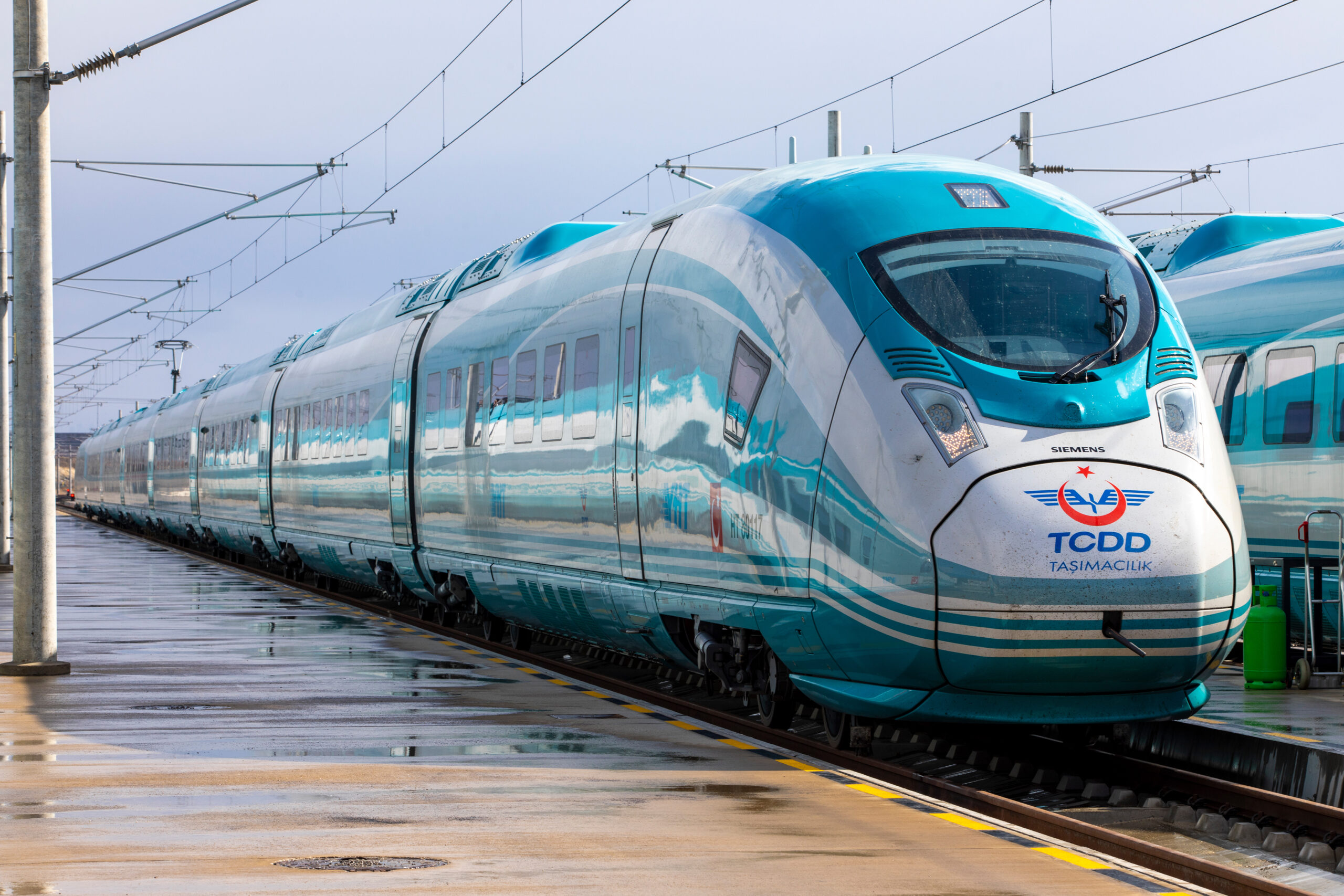
    In a compelling dialogue at the 16th Annual Meeting of the New Champions, held by the World Economic Forum in Tianjin, China, Siemens’ Chief Technology Officer and Chief Strategy Officer, Peter Keotre, presented an ambitious invitation to Vietnam’s Prime Minister Pham Minh Chinh. The offer reflects Siemens’ ongoing commitment to strengthening its presence in the region.

    Siemens, which operates across sectors including industry, infrastructure, transportation, and healthcare, has distinguished itself in the arena of industrial AI. Last year, the company reported impressive revenues of EUR 75.9 billion (US$ 89 billion). Since establishing a foothold in Vietnam in 1993, Siemens has operated offices in Hanoi, Da Nang, and Ho Chi Minh City, alongside a manufacturing facility located in Binh Duong Province.

    Prime Minister Chinh lauded Siemens for its substantial global operations and meaningful contributions to Vietnam, expressing enthusiasm for the company’s intentions to escalate investments, particularly in critical infrastructure projects like the North-South high-speed rail. This project, which received National Assembly approval in November 2024, carries a hefty price tag of VND 1.7 quadrillion (US$ 67 billion) and will stretch 1,541 kilometers, linking Hanoi to Ho Chi Minh City through 20 provinces and cities.

    The North-South rail initiative isn’t drawing interest solely from Siemens; various foreign firms have also shown eagerness to participate. On the domestic front, major players like VinFast, backed by Vietnam’s wealthiest individual Pham Nhat Vuong, and automaker Thaco are also vying to invest.

    In addition to the high-speed rail, Vietnam is eyeing enhanced rail connections with China to streamline routes extending to Central Asia and Europe. Chinh has encouraged Siemens to collaborate with relevant ministries, agencies, and the Vietnam Railways Corporation to explore potential involvement in these transformative projects.

    Infrastructure development is a focal point for the Vietnamese government, viewed as a vital catalyst for economic growth. Chinh shared that public-private partnership models are being considered to attract investments in essential national initiatives encompassing transportation, energy, and digital infrastructure.

    His remarks underscored recent institutional reforms aimed at creating more open mechanisms and policies, expanding investment opportunities for businesses eager to be part of Vietnam’s progressive development narrative. With plans covering roads, railways, air transport, and maritime infrastructure, the government is laying the groundwork for a robust economic future, where even trains can hit the high speeds of innovation.

    Questions & Answers

    How is Siemens planning to deepen its investments in Vietnam?
    Siemens aims to enhance its investments primarily in infrastructure projects, with a keen focus on the North-South high-speed rail initiative that promises to revolutionize the country’s transportation landscape.

    What are the key features of the North-South high-speed rail project?
    The rail project, approved by the National Assembly in November 2024, will span 1,541 kilometers, connecting Hanoi to Ho Chi Minh City and traversing 20 provinces and cities, with a projected cost of VND 1.7 quadrillion (US$ 67 billion).

    How does Vietnam view infrastructure development?
    Vietnam considers infrastructure development as a crucial driver for economic growth and is exploring public-private partnerships as a means to attract investments into vital national projects, particularly in transportation and digital infrastructure.

  • Thaco Proposes Ambitious $61B Transnational High-Speed Rail Project to Revolutionize Travel

    Thaco Proposes Ambitious $61B Transnational High-Speed Rail Project to Revolutionize Travel

    Thaco is gearing up to revolutionize Vietnam’s transportation landscape with an ambitious high-speed railway project that promises to reshape connections between major cities. The company plans to cover 20% of the project’s costs and seek loans from both domestic and international financial institutions for the remainder, hoping to secure government guarantees and interest coverage for a whopping 30 years. Notably, the estimated costs do not include expenses related to land compensation and resettlement, which the government will manage as a separate undertaking.

    New Ventures in Rail Infrastructure

    To spearhead this monumental infrastructure endeavor, Thaco intends to establish a dedicated company while maintaining a controlling interest, inviting local corporations to invest in this groundbreaking initiative. However, the company has made it clear that stakes or operational rights will not be sold to foreign investors.

    Journey Over Challenging Terrain

    The ambitious project is designed to unfold over seven years, divided into two phases. The first five years will concentrate on notoriously crowded routes connecting Hanoi to Ha Tinh Province and Ho Chi Minh City to Khanh Hoa Province. The subsequent two years will focus on linking these two vital sections, a task complicated by challenging terrain that necessitates extensive surveys and custom technical designs.

    Commitment to Local Expertise

    In a bid to ensure cutting-edge standards, Thaco plans to implement electrified technology and collaborate with firms from Germany, France, Japan, and South Korea. But there’s a twist: while these international partners will provide technology, Thaco is also committed to training local personnel in these advanced disciplines.

    Transforming Vietnam’s Transportation Economy

    With a vision to transform transportation throughout the country, Thaco anticipates this project will significantly boost growth in foundational sectors. Additionally, they seek a 70-year contract to operate the railroad, claiming priority access to land designated for developing urban residential areas for resettlement purposes. In February, Prime Minister Pham Minh Chinh urged Thaco to consider technology transfer for the manufacturing of railway carriages and locomotives as part of the high-speed railway initiative.

    A Route to Connectivity

    The National Assembly has approved a route stretching an impressive 1,541 kilometers from Hanoi to Ho Chi Minh City, traversing 20 provinces and cities. Designed to accommodate speeds of up to 350 kilometers per hour, with a 1.435 m double-track gauge, the rail line will feature 23 passenger and five freight stations. A feasibility study is set to kick off in 2025, with the project completion targeted for 2035.

    Stiff Competition and Big Ambitions

    Thaco isn’t alone in this venture. VinSpeed, backed by Vietnam’s wealthiest individual, Pham Nhat Vuong, also aims to construct the railway. They have offered to cover 20% of the costs while seeking a staggering US$49 billion interest-free loan from the government over 35 years. Like Thaco, VinSpeed has requested government assistance with land acquisition and promises to begin operations within five years after construction starts.

    Thaco’s Evolution

    Founded in 1997 by Tran Ba Duong, Thaco has evolved from a modest automobile manufacturing business into a sprawling conglomerate that spans industrial production, logistics, agriculture, and infrastructure. Its production hub in Quang Nam represents Vietnam’s largest automobile manufacturing facility and stands as a testament to its growth and ambitions.

    As it plunges into major national infrastructure projects, Thaco’s latest venture could very well be a game-changer for Vietnam’s economy—after all, who wouldn’t want to zoom across the country at lightning speed?

    Questions & Answers

    What is Thaco’s strategy for financing the railway project? Thaco plans to contribute 20% of the costs and secure the rest through loans from domestic and international financial institutions, seeking government guarantees and interest coverage.

    How long will the high-speed rail project take to complete? The project is expected to be completed in seven years, divided into two phases focusing on different crowded travel sections and linking them thereafter.

    What other companies are interested in the railway construction? VinSpeed, controlled by Vietnam’s richest man, Pham Nhat Vuong, has also expressed interest and proposed a significant investment plan for the project.

  • Vietnam Railways eyes profit in 2023

    Vietnam Railways eyes profit in 2023

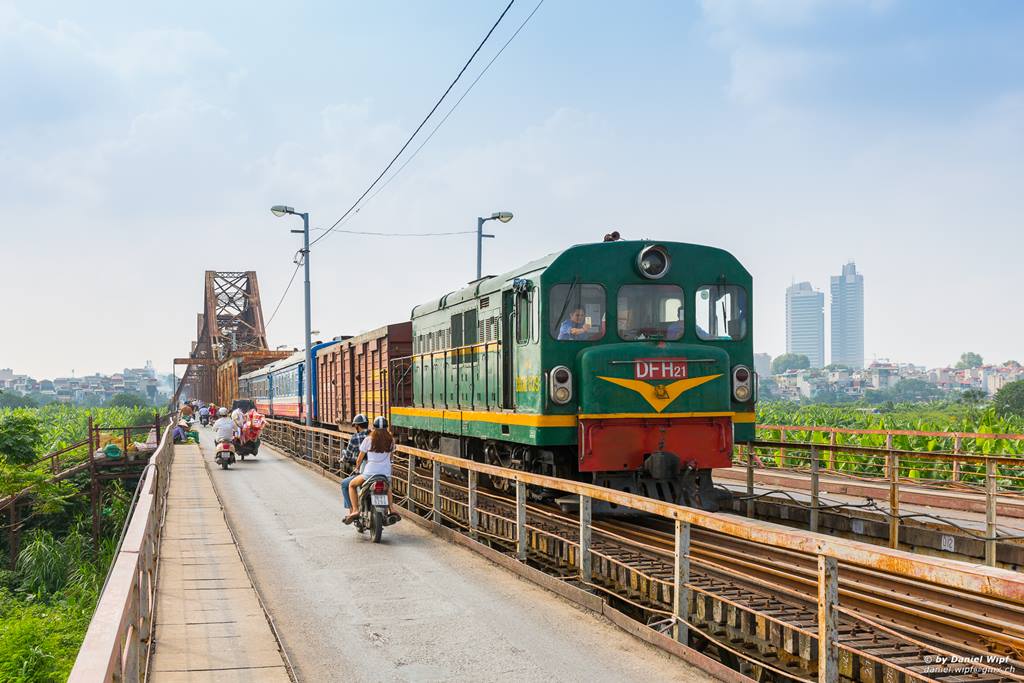
    Train operator Vietnam Railways expects to earn a profit this year after posting losses in three previous years due to the impact of Covid-19.

    The company predicts a post-tax profit of VND3 billion ($127,960) and a revenue of over VND6.5 trillion.

    In the first quarter this year subsidiary Hanoi Railways served over 800,000 passengers and recorded VND300 billion in revenues. Both figures went up 200% year-on-year.

    Its other major subsidiary, Saigon Railways, also saw revenues rise 147% to VND360 billion and passenger numbers grow 136% to 660,000.

    Vietnam Railways attributed the rise to increasing demand and discounts of 50%-65% during days with low bookings. Other types of discounts for groups of four and large tourist groups also contributed to higher ticket sales.

    Vietnam Railways started to see signs of recovery last year after two years of difficulties due to Covid-19. It saw revenue rising 14% to VND7.7 trillion, and saw losses dwindling from VND1.33 trillion in 2020 to VND130 billion last year.

  • Vietnam Railways pleads for government funding as staff remain unpaid

    Vietnam Railways pleads for government funding as staff remain unpaid

    Vietnam Railways owes its 11,300 workers four months’ salaries due to a funding delay by the government, and fears this could cause many to quit.

    It reminded the government that it was supposed to receive VND2.8 trillion ($121.3 million) at the beginning of this year, but has not, forcing it to pay minimum compensation to staff.

    Vu Anh Minh, its chairman, said the delay could cause barrier operators at grade crossings and patrol staff to quit since they have the lowest incomes.

    “The issue has pushed the company to the end of its road. We might not survive until the end of this month.”

    This is not the first time VNR has been forced to beseech the government for funding. Last year too it owed its staff salary for months but managed to survive that crisis.

    The problem can be tracked to a dispute between two government agencies. Last year VNR became one of 19 state-owned companies whose oversight passed to the Commission for the Management of State Capital at Enterprises (CMSC), an entity that manages the government’s $43 billion investment in various companies.

    The CMSC refused to provide funds, saying maintenance workers should be paid by the Ministry of Transport since it controls the maintenance and infrastructure budget.

    But the ministry cannot provide funds to any entity it does not manage.

    A temporary solution was agreed upon last year and the transport ministry provided the needed sum of VND2.5 trillion.

    But there has been no decision yet on whether the same thing will happen this year, leaving VNR and its staff in the lurch.

    VNR wants the government to provide the money through the CMSC.

  • DHL launches China – Belarus rail freight service

    DHL launches China – Belarus rail freight service

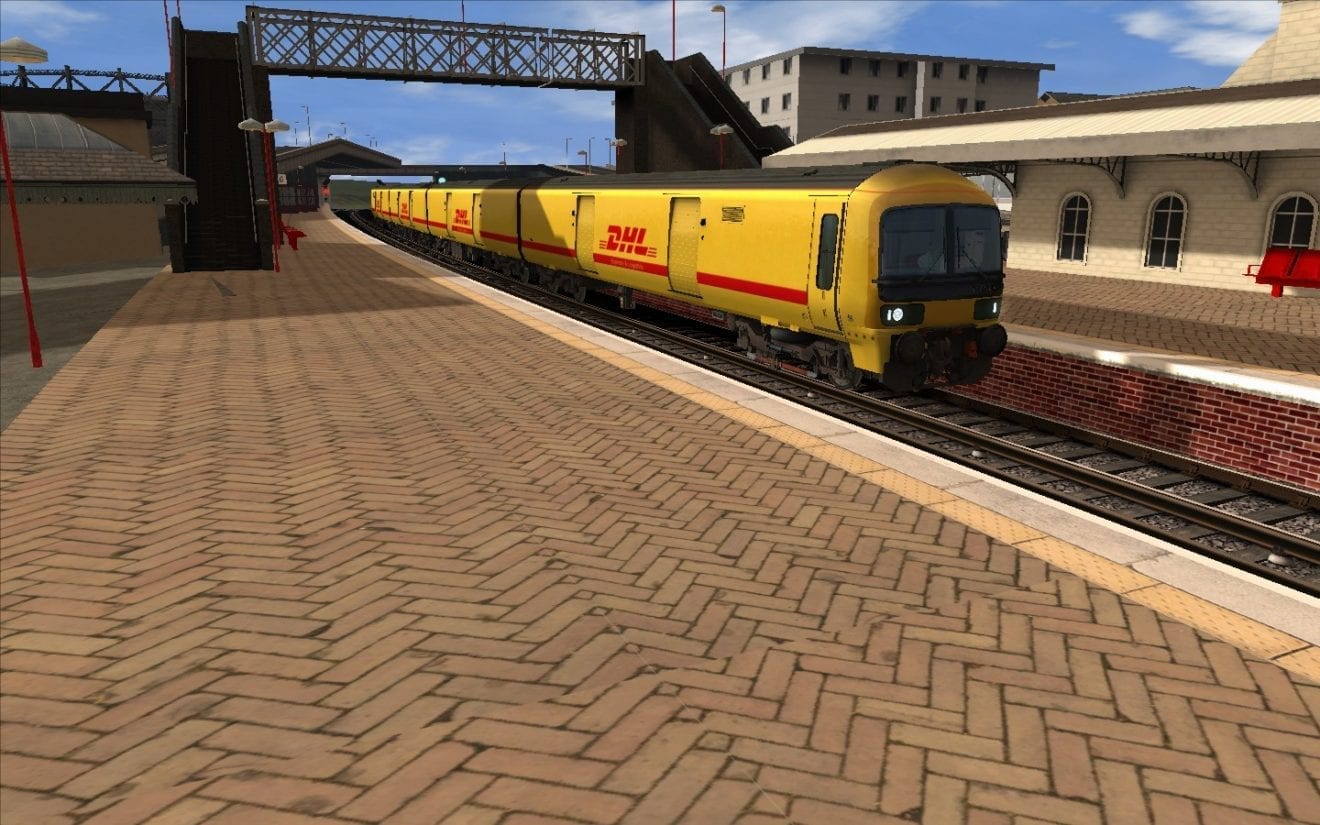
    DHL Global Forwarding launched a new rail freight service between Shenzhen, China, and Minsk, Belarus, on May 22 with a transit time of less than 12 days.

    The new service passes through Alatau Shankou – Dostyk on the Chinese-Kazakhstan border which is already used by several other intermodal services, including rail connections from Chengdu, Zhengzhou, and Lianyungang to continental Europe.DHL will manage the new route together with China Brilliant, an integrated service provider in manufacturing and consumption with which DHL signed a memorandum of understanding in 2016. The service offers both less-than-container load (LCL) and full container load (FCL) for electronics, industrial and automotive parts, and fresh food from both both Eastern Europe and China.

    “Eastern Europe’s economies are growing faster than almost any others worldwide, with significant export opportunities arising from the region’s rising wages and disposable income levels,” says Mr Steve Huang, CEO, DHL Global Forwarding Greater China. “Minsk offers Chinese businesses an efficient gateway into the Baltic States and Nordic countries in addition to other European destinations like Warsaw, Hamburg and Tilburg via Brest. With Shenzhen’s economy exceeding expectations to grow by 9% last year, the route also opens sizable opportunities for European exporters.”

    “The partnerships that DHL has with governments and businesses globally, coupled with our market strength in Shenzhen-based supply chains, have come together to create a solution that directly meets the needs of China’s expansion-hungry manufacturers and producers,” says Mr Zhang Chunhua, founder of China Brilliant Group.

    DHL has been offering intermodal rail services connecting China, Japan, and southeast Asia with Europe since 2010 on the following corridors:

    • North Corridor: Suzhou – Warsaw connecting Chinese engineering and manufacturing hubs to Europe in 14 days
    • South Corridor: Lianyungang and Chengdu to Istanbul via Kazakhstan, Azerbaijan, and Georgia including two water crossings in 14 days, and
    • West Corridor: Zhengzhou – Hamburg (electronics), Chengdu – Lodz (high-tech and automotive products) and now Shenzhen – Minsk (electronics and consumer products).

  • World’s First Japan Rail Cafe Now In Singapore

    World’s First Japan Rail Cafe Now In Singapore

    After encountering a slew of character cafes this year, it was particularly refreshing to discover the travel-themed Japan Rail Cafe. The first of its kind in the world, the cafe is East Japan Railway Company (JR East)’s first overseas venture.

    For the uninitiated, JR East primarily serves the Kanto and Tohoku regions in Japan. Those who’ve been to the Land of the Rising Sun should be pretty familiar with it!

    With its overarching aim to promote Japan travel in Singapore, the cafe is primed to be a one-stop-shop for travelers and hungry cafe hoppers alike.

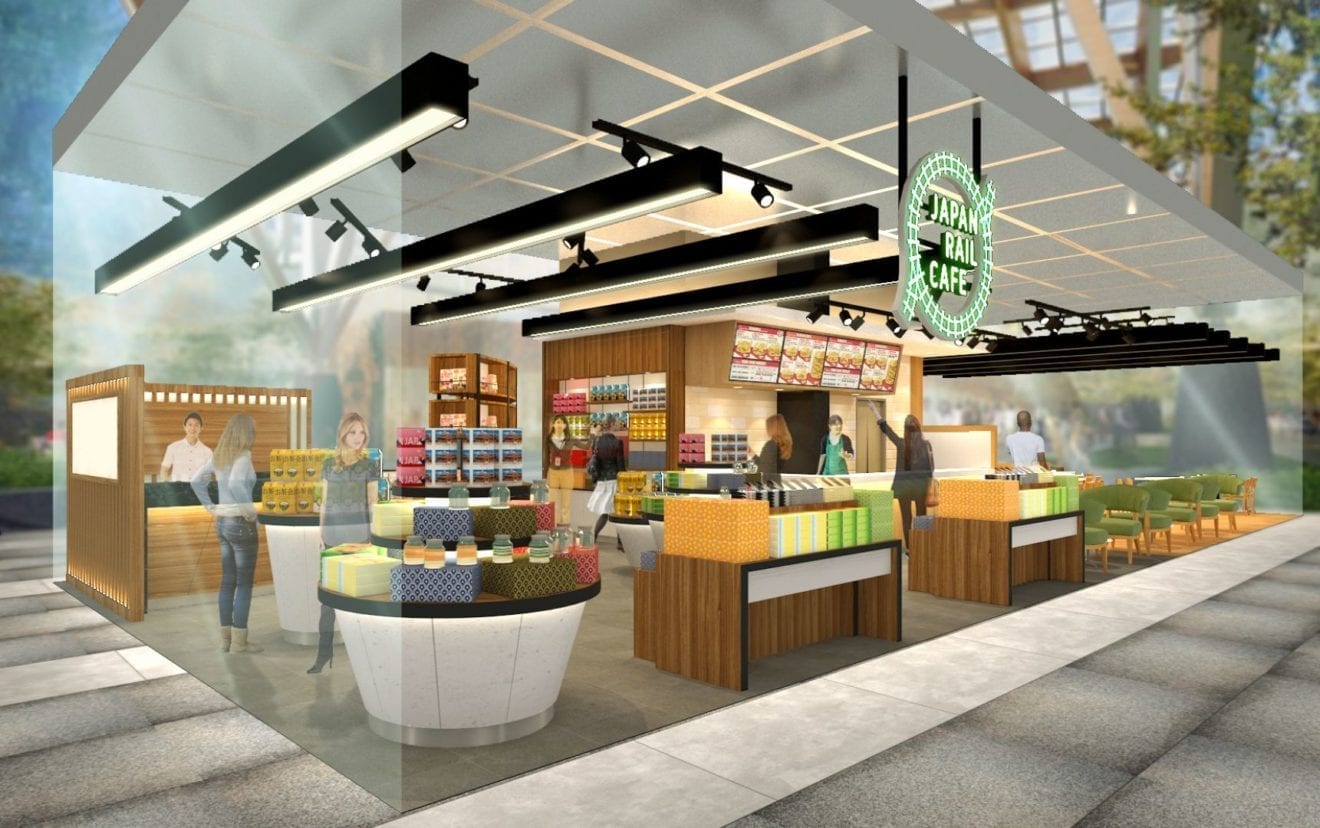
    The spacious cafe is decked out in warm shades of wood and bright pops of teal. Rail tracks also run all around the cafe, from the walls to the ceilings — a quirky nod to its theme.

    Buy your rail passes here

    Upon entering, a Japan Rail Pass Counter greets you with its huge sign. Here, customers can purchase exchange orders for JR passes before their trips at the instore rail pass ticketing counter operated by JTB Pte Ltd.

    Best of all, the range of rail passes covers not only JR East but all other passes issued by the five other Japan Railway companies, namely JR Kyushu, JR West, JR Shikoku, JR Central and JR Hokkaido. This covers almost all regions in Japan!

    The menu comes in the form of a well-designed newsletter, which currently highlights the Tohoku region of Japan.

    Foodies will be delighted to know that a special menu will be launched each month, where representative dishes of a region will be featured, alongside regular items.kaisen-avocado-don

    Regional delights

    The dishes, though simple, are fuss-free, well-thought out and delicious. In fact, the variety is reminiscent of the quick-service eateries so often found near the rail stations in Japan.

    Their signature Ultimate ABC Burger ($19) is a treat for the palette.

    ABC stands for the key ingredients that make up the burger — avocado, bacon and cheddar cheese, which complements the juicy wagyu beef patty within. The slightly sweet and soft buns make the perfect vessel for these hearty fillings.

    In light of the Tohoku region showcase, diners will also be able to savour the Kaisen Avocado Don.

    The donburi (rice bowl) bursts with the freshness of ingredients like sashimi, ikura (fish roe) and aomori scallops. Topped with mentaiko, sesame and seaweed, the dish is equal parts hearty and healthy.

    watashino-curry-riceIf you’re a fan of Japanese curry, be sure to try the Watashino Curry Rice ($18).
    The satisfying combination of the black pepper-based curry and 10 grain rice is elevated by the fact that you can customise the dish with various mains. Pick from the likes of crispy chicken cutlet, fried oyster and crab cream korokke.

    Retail and workshops

    After you’ve eaten your fill, check out the retail corner at the cafe, lovingly curated by Oishii Japan. Each month, the retail corner will feature various food items from the featured region.

    Plus, there’ll be a range of products from JR East’s retail stores and shopping malls inside JR East train stations — a manifestation of Japan’s new lifestyle phenomenon “Eki Naka”, which means “in-station shopping”.

    And if you’re planning a trip to Japan, the monthly seminars and workshops held at the cafe will be exceptionally useful to attend.

    The cafe looks set to collaborate with partners including Japan National Tourism Organization (JNTO), Japanese local governments and Japanese corporations.

    Looks like the Japan Rail Cafe isn’t just for train otakus!

  • Indonesia offers Japan Jakarta-Surabaya rail project

    Indonesia offers Japan Jakarta-Surabaya rail project

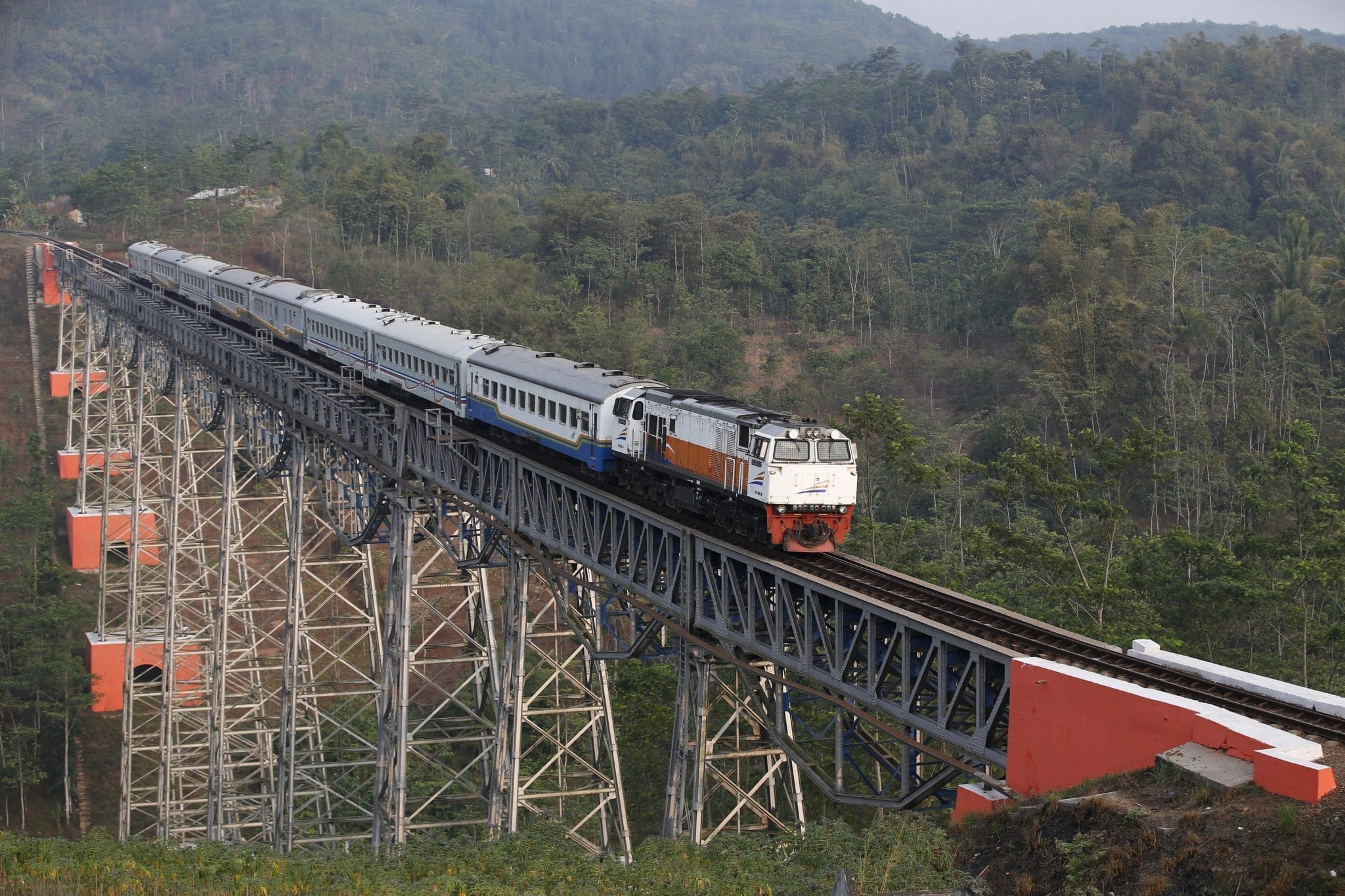
    Indonesia has officially offered Japan the opportunity to take part in the semi high-speed rail construction project connecting Jakarta to Surabaya in East Java, a senior minister said.

    Coordinating Maritime Affairs Minister Luhut Binsar Pandjaitan delivered the official letter offering the project to the Japanese government during his working visit to Tokyo on Friday, according to a statement released by the ministry’s office.

    “Personally, I am sure Japanese technology is suitable for this project,” he said in the statement released on Friday. The semi high-speed railway would have trains running between 180 and 200 kilometers per hour and would shorten the travel time between Jakarta and Surabaya to 3.5 hours, Luhut added.

    The government planned a double track railway so that it could be utilized to support the transfer of containers in dry port between Jakarta, Semarang and Surabaya.

    Should Tokyo accept the offer to work on the project, Luhut further said he hoped that Japan would implement technology transfers with Indonesia and comply with the country’s regulations that prioritized the use of Indonesian-made products.