Tag: rana plaza

  • Aldi targeted by Clean Clothes Campaign

    Aldi targeted by Clean Clothes Campaign

    German discounter Aldi is taking the heat from the latest campaign over fair working conditions at suppliers to major retail brands.

    The Clean Clothes Campaign is lobbying both Aldi and the Bangladesh government to take immediate action to ensure more than 1000 workers employed at the Swan Garment and Swan Jeans factories are provided with months of unpaid wages and bonuses they were allegedly deprived of following “the sudden and illegal closure of the factory” in April.

    Swan workers have been engaged in a sit-in outside the Dhaka Press Club since July 11 to demand action from the Bangladesh government and are due to meet with the Minister of Labour later this week to discuss their demands.

    The CCC says Swan Garments and Swan Jeans are both owned by the Swan Group, who also own a further three factories in the Dhaka area. The Swan Group websites lists a number of European brands as long term buyers from the Group including Lidl, Next, Bestseller, Dunnes and Walmart. Workers claim they were producing for Aldi, Piazza Italia and Motivi in the months prior to closure.

    “After almost three decades of operating in Bangladesh it appears the Swan Group started facing difficulties in 2014, when many of its long term buyers pulled their orders and the factories began to rely on subcontracting to maintain their business. In January 2015 the factory suddenly stopped paying salaries,” CCC said in a statement.

    “The Chinese owner of Swan Group, Ming Yuen Hon (Toby), attempted to flee the country on April 9, but was prevented from doing so by workers who confronted him at the airport and brought him back to the factory. This action forced Hon to pay one month salary to the workers, but on April 10 the two factories were illegally declared closed. According to his family Hon committed suicide some time in the following weeks.

    Workers have been engaged in various demonstrations since April 19 to demand their salaries and the reopening of factories.

    “Concerned that their fate will be the same as the Tuba Group workers who last year were forced to go on hunger strike to demand the wages and bonuses they were owed, several hundred Swan workers have been participating in a permanent sit down protest outside the Dhaka press club since July 12, and a number of workers have been injured by police using force to attempt to disperse protesters. In response the Ministry of Labour and the BGMEA have been promising that steps would be taken to resolve the issue of unpaid wages, but as the Eid holiday passed workers continued to wait for the money they are owed.”

    Joly Talukder, joint general secretary of the Garment Workers Trade Union Centre in Bangladesh said, the government is ignoring the protest, and the state of workers, and has not taken any step to meet the genuine legal demand to pay the arrears.

    CCC says the problem of sudden and illegal closures of garment factories is growing in Bangladesh, in part due to changes in the industry triggered by the Rana Plaza collapse.

    “These closures are leaving thousands of workers unemployed and deprived of their legally owed severance pay. To date little action has been taken by the Bangladesh government or international brands and retailers to ensure workers are not left without the wages and benefits they are owed.

    “Swan Garments is one of many factories that has closed illegally in Bangladesh over the last year. As in the majority of cases it is workers who are left with nothing – not even the wages and severance payments they are owed” says Samantha Maher of the Clean Clothes Campaign. “It is unacceptable that once again workers are being left to pay the price for bad factory management, impossible buyer demands and government inaction and we urge Aldi and the Ministry of Labour to ensure justice for the Swan workers.”

    The CCC did not define a “legal closure” of a factory, or explain where they expected the money to come from if the company was insolvent.
  • Compensation fund for Bangladesh manufacturing unit victims reaches US$30 million goal

    Compensation fund for Bangladesh manufacturing unit victims reaches US$30 million goal

    A fund set as much as compensate the victims of Bangladesh’s Rana Plaza manufacturing unit collapse has lastly reached its US$30-million (RM112 million) goal, the UN’s Worldwide Labour Group stated Monday, greater than two years after the catastrophe left over 1,100 garment staff lifeless.

    With all of the funding now secured, the final households nonetheless awaiting a payout will obtain their cash “within the coming weeks”, stated the ILO, which chairs the Rana Plaza Coordination Committee.

    The committee, which was established in 2013 and represents all business stakeholders, had estimated it might want US$30 million to completely and pretty compensate the households of the over 1,100 garment staff who died and a few 1,500 others who have been injured within the nation’s worst-ever industrial accident.

    By April 24, on the second anniversary of the catastrophe, the committee had raised US$27 million and was capable of pay compensation to 70% of the greater than 2,800 claimants, the ILO stated in a press release.

    “Additional donations, together with one vital sum pledged late final week imply that US$30 million has now been reached and all ultimate funds might be made,” it added.

    The event was welcomed by ILO director-general Man Ryder.

    “This can be a milestone however we nonetheless have essential enterprise to cope with,” he was quoted as saying within the assertion.

    “We should now work collectively to make sure that accidents could be prevented sooner or later, and that a strong nationwide employment damage insurance coverage scheme is established in order that victims of any future accidents can be swiftly and justly compensated and cared for.”

    Bangladeshi police final week charged 41 individuals together with the proprietor of the Rana Plaza manufacturing unit complicated, Sohel Rana, with homicide.

    He was arrested on the western border with India as he tried to flee the nation within the days after the April 24, 2013 catastrophe.

    Rana turned Bangladesh’s public enemy primary after survivors recounted how hundreds of them have been pressured to enter the compound initially of the working day regardless of complaints about cracks showing within the partitions.

    The catastrophe highlighted appalling security issues in Bangladesh’s US$25 billion garment business, the world’s second largest after China’s.

    A number of Western retailers had clothes made at Rana Plaza, together with Italy’s Benetton, Spain’s Mango and the British low-cost chain Primark. All three have been amongst a variety of worldwide manufacturers that contributed to the compensation fund.

  • Rana Plaza fund full

    Rana Plaza fund full

    The Clear Garments Marketing campaign says the Rana Plaza Belief Fund has reached its $30 million goal, which means victims of the catastrophe might be paid in full.

    The marketing campaign says the fund was accomplished with the assistance of “a big nameless donation”.

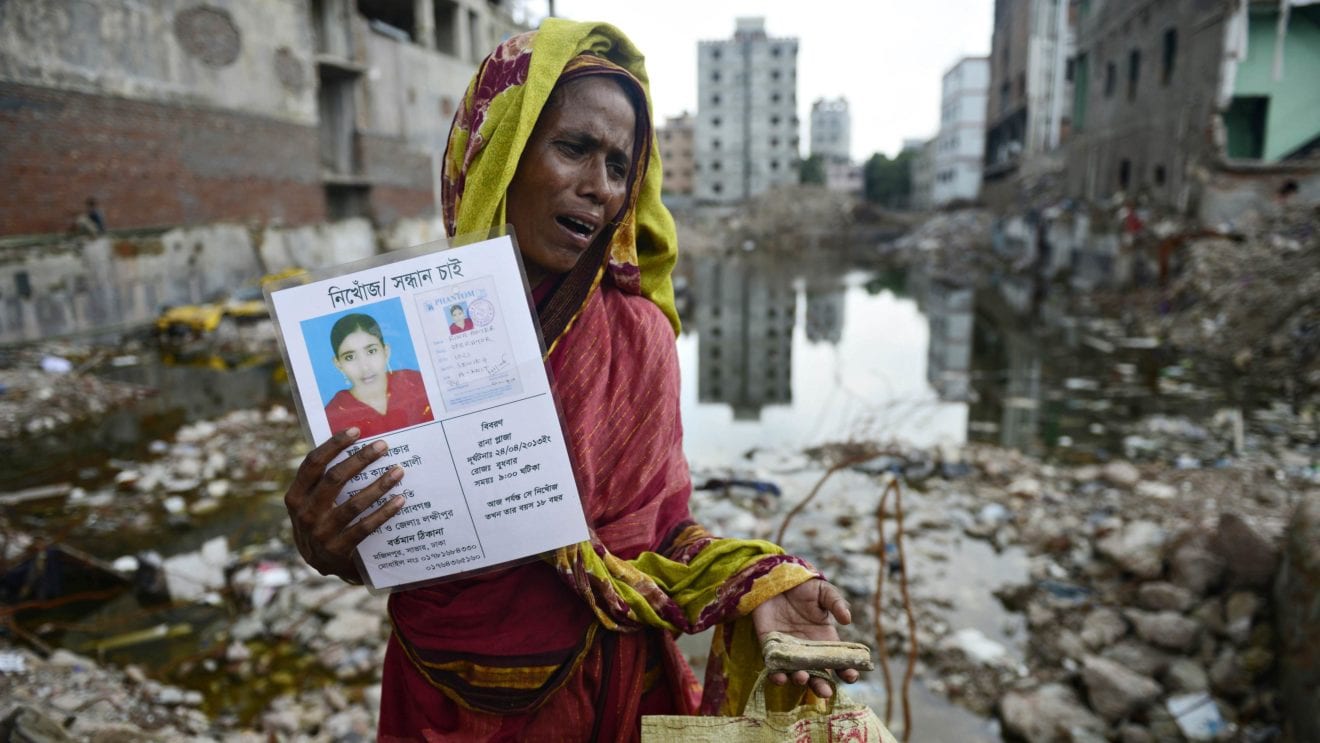
    The fund was set as much as present help to victims of the 2013 catastrophe when 1129 staff have been crushed to demise when a multistorey constructing filled with sweatshops producing clothes largely for multinational manufacturers, collapsed.

    The CCC has been campaigning since instantly after the catastrophe in April 2013 to demand that manufacturers and retailers offered compensation to its victims.

    “Now that each one the households impacted by this catastrophe will lastly obtain all the cash they’re owed, they will lastly concentrate on rebuilding their lives,” stated CCC spokesperson Ineke Zeldenrust.  “This can be a exceptional second for justice.”

    The Rana Plaza Donors Belief Fund was arrange by the ILO in January 2014 to gather funds to pay awards designed to cowl lack of revenue and medical prices suffered by the Rana Plaza victims and their households when the Rana Plaza constructing collapsed within the garment business’s worst ever catastrophe.

    In November 2014, the Rana Plaza Coordination Committee introduced that it might want round $30 million to pay in full over 5000 awards granted via the scheme. Nevertheless, the failure of manufacturers and retailers linked to Rana Plaza to offer enough and well timed donations into the fund has, till now, prevented the cost of the awards from being accomplished.

  • Benetton stumps up for Rana Plaza fund

    Benetton stumps up for Rana Plaza fund

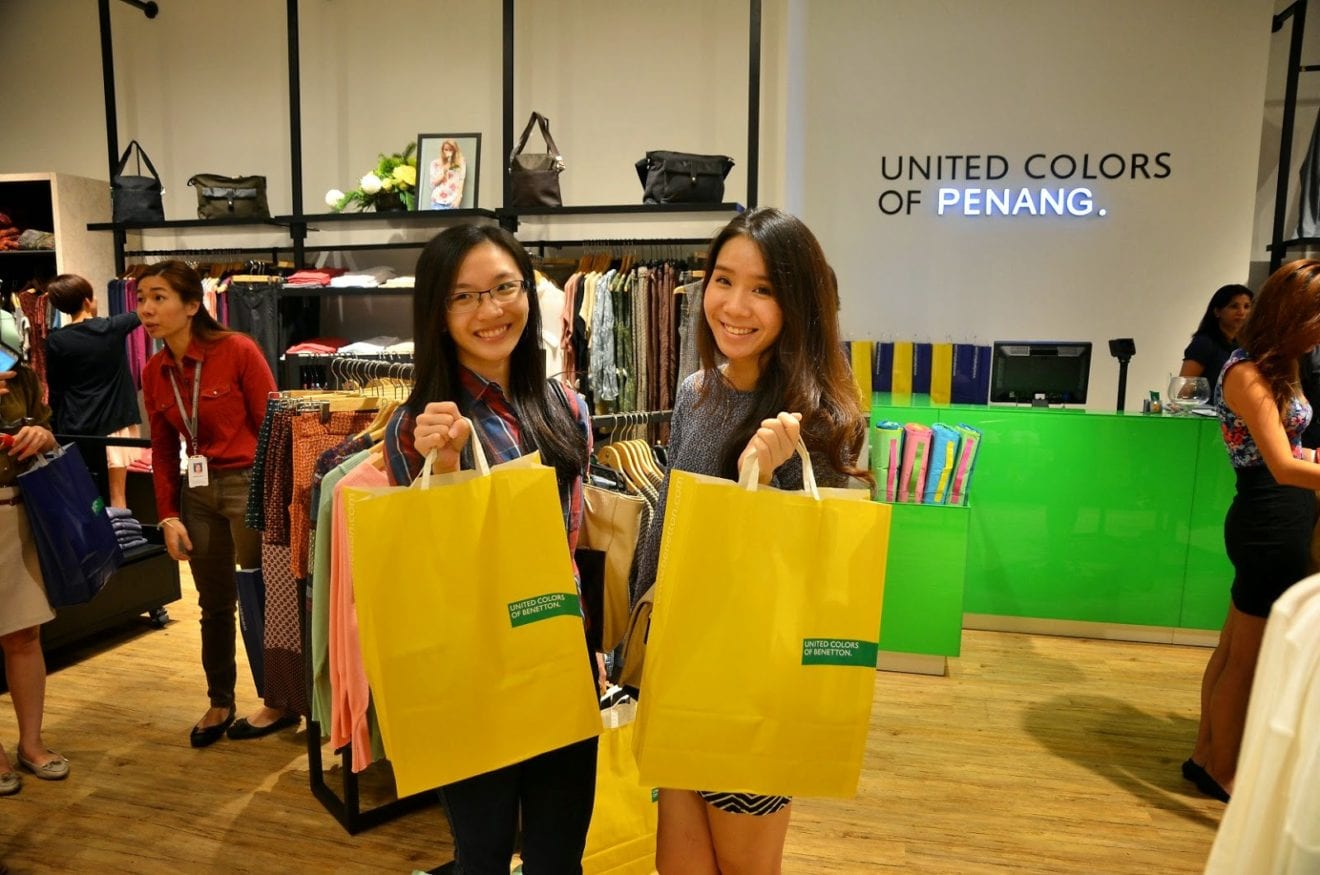
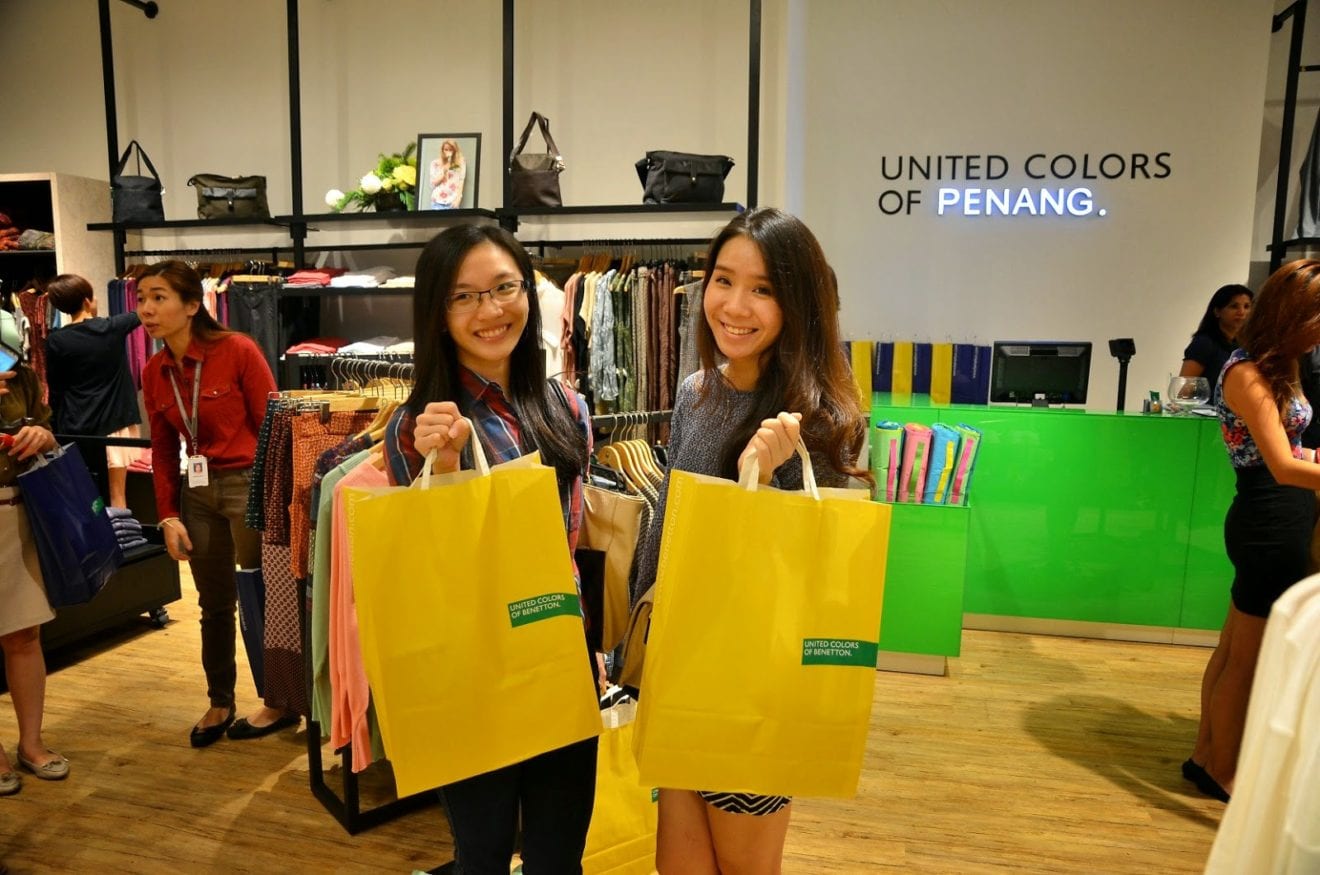
    Italy’s Benetton Group has announced a US$1.1 million commitment to the Rana Plaza Trust Fund.

    But it wasn’t enough to end the criticism from the Clean Clothes Campaign which has for months singled Benetton out for failing to contribute to the fund.

    To end off the predictable salvo from CCC, Benetton engaged PwC to independently assess what contribution it should make to the fund relative to its share of the clothing sourced from the Plaza. That assessment was then checked by WRAP, an NGO focused on special compliance through global supply chains, which endorsed PwC’s recommendation. Benetton doubled the recommended payment.

    Rana Plaza, in the Bangladesh town of Savar, was the scene of the 2013 disaster where 1129 workers were crushed to death in the collapse of sweatshops producing clothing for western fashion brands.

    Benetton’s contribution follows an earlier $500,000 payment made through the BRAC organisation prior to the trust fund being established.

    “We welcome the PwC report and WRAP’s contribution. We have decided to go further to demonstrate very clearly how deeply we care,” said Marco Airoldi, CEO of Benetton Group. “Whilst there is no real redress for the tragic loss of life we hope that this robust and clear mechanism for calculating compensation could be used more widely. For this reason, we decided to make the PwC report publicly available to all stakeholders”.

    “Benetton has a proud history of social commitment. We believe that by working closely with the right suppliers we can help to improve factory conditions for workers in Bangladesh and in many other parts of the world,” he added.

    But Clean Clothes Campaign was unimpressed.

    “Benetton had a real opportunity to emerge as a leader and prove that their pledges of empathy, understanding, and care for the welfare of the victims were not just some PR spin.  Unfortunately, the true colours of Benetton are now revealed” said CCC spokeswoman Ineke Zeldenrust.

    “In February Benetton announced they would pay ‘within a few weeks’ and that they engaged an independent credible third party to determine how much they should pay.  Today, Benetton finally revealed this to be global accounting firm PricewaterhouseCoopers (PwC). The US based World Wide Responsible Apparel Program (WRAP), which Benetton described as an ‘NGO working on social compliance endorsed the PwC assessment. WRAP is in fact an industry sponsored social auditing and certification organisation with one of the worst track records in the industry. The Garib and Garib factory for example, that went up in flames, killing people, in Dhaka in 2010, was WRAP certified at the time,” the CCC statement continued..

    “Benetton again wasted time, spending money on a process in order to try to legitimise their insufficient payment. It’s deeply troubling that Benetton engaged a firm with no track record on human rights issues to lead their process.

    “Red flags need to go off when the PwC assessment is only endorsed by one of the least reputable auditing firms in a very flawed sector.  Let’s be clear, Benetton’s process was not transparent.  The process excluded all trade unions and labour rights organisation directly involved in compensation efforts in Bangladesh,” says Zeldenrust.

    Benetton was one of 29 brands connected to companies operating in the Rana Plaza building.

    The Italian company said PwC based its report on an assessment from the International Labour Organisation that in total $$30 million compensation should be paid into the Rana Plaza Trust Fund. “PwC calculates Benetton Group’s contribution to be $550,000 based on the level of its commercial association with the Rana Plaza.

    “However PwC has not factored in contributions from other third parties, such as the Bangladesh government and the Bangladesh Garment Manufacturers Exporters Association, unions and others. This means that, if its mechanism were followed by all brands operating at the Rana Plaza, after payments from other third parties the total fund could significantly exceed $30 million.

    “Based on Benetton’s commercial association with Rana Plaza, we believe this is a fair basis to calculate payments to the Rana Plaza Trust Fund as quantified by ILO,” said Sudhir Singh Dungarpur, Partner PwC India.

    “With a tragedy of this scale, no financial compensation can ever really be enough, but we welcome Benetton’s decision to pay more than its calculated share of the fund based on the report published by PwC,” said Avedis Seferian, president and CEO of WRAP. “If everyone took the same approach as Benetton, the overall fund could more than exceed its stated goals”.

  • Benetton takes heat over Rana Plaza fund

    Benetton takes heat over Rana Plaza fund

    The Clean Clothes Campaign says it has confirmed authorization of another round of compensation payments to victims of the Rana Plaza clothing factory collapse.

    Rana Plaza, in the Bangladesh town of Savar, was the scene of the 2013 disaster where 1129 workers were crushed to death in the collapse of sweatshops producing clothing for western fashion brands.

    The Rana Plaza Coordination Committee has this month approved compensation payments to 5000 claimants, who are dependents of the deceased and injured workers. This round of payment is sufficient to pay an additional 30 per cent of each award, making the total amount received by each eligible beneficiary only 70 per cent of the amount they are entitled to.

    The Clean Clothes Campaign has singled out Italian fashion house Benetton for failing to make a promised payment, inferring the company is largely responsible for the short payment.

    “Other companies such as Children’s Place, Inditex (Zara), Mango, Matalan, and Walmart have failed to contribute a significant and proportional amount.

    “With this payment the majority of the funds received into the fund will be distributed and the payment of the final 30 per cent of each compensation claim will only take place once more donations are made to the Rana Plaza Donors Trust Fund, which remains at a US $9 million shortfall,” the campaign said in a statement.

    In the past year, the fund, set up by the International Labour Organisation in January 2014, has received around US $21 million in donations from global brands, the Bangladeshi Prime Minister’s Fund, trade unions and civil society.

    Benetton released a statement at the end of February confirming its intention to donate to the fund, but since then Benetton has remained silent on the matter.

    “Benetton claims it is delaying to allow time for a consultant to advise it on a fair amount of payment, but refuses to disclose any information about who will carry out this work, the methodology with which they will determine the amount, or a date for when a donation will be announced,” said the campaign.

    “The Clean Clothes Campaign urges Benetton to make an immediate payment of at least $5 million to the Rana Plaza Donors Trust Fund – an amount believed to be proportional according to Benetton’s ability to pay, the size of its relationship with Bangladesh and its relationship with Rana Plaza.”

    The campaign says compensation payment amounts are calculated “in line with international standards”. Despite this, brands continue to be reluctant to make “meaningful payments” to ensure that the victims of the Rana Plaza collapse receive full and fair compensation.

    “Now that the next round of payments have been authorised, the fund urgently needs more donations. There will be no more money in the fund, which means that families will then be placed in a precarious situation of not knowing if they will ever receive the full compensation that they are entitled to”, said Sam Maher of the Clean Clothes Campaign.

    “Every single brand has the responsibility to ensure that the victims receive full and fair compensation. Until this is accomplished, brands should recognise that their responsibility to the victims has not been fulfilled.

    “The $9 million shortfall is totally unacceptable, and we need to see all stakeholders involved, particularly Benetton and other brands, step up and fulfill their responsibility”, said Maher.

    “In the immediate aftermath of the disaster, when the industry made all sorts of commitments to the victims of Rana Plaza, we never imagined that full and fair compensation would still be an issue almost two years later.  Any of the companies – Benetton, Walmart, Inditex, Mango – have the ability to fill the gap.  All earn hundreds of millions of dollars in profit each year; money earned on the backs of the workers like those who died in the Rana Plaza collapse.

    “Its time for these brands to stop playing politics with people’s lives, and fill the gap immediately.”