Tag: rank

  • Singapore and Thailand Rank High on Worlds Happiest Economies Index

    Singapore and Thailand Rank High on Worlds Happiest Economies Index

    Singapore and Thailand have been identified as two of the world’s “happiest” economies according to the annual Misery Index by Steve Hanke, a Johns Hopkins University economist. Singapore took the second spot globally, just behind Taiwan, achieving a Misery Index score of 2.6. This index gauges the economic conditions experienced by the average citizen. A lower score suggests stable employment, controlled prices, affordable credit, and rising incomes.

    Singapore’s high ranking is attributed to a robust labor market characterized by a mere 2.0% unemployment rate, a 1.2% inflation rate, and a real GDP per capita growth of 4.3%. Thailand followed closely in third place, with a score of 3.1, buoyed by low inflation and steady employment. Consumer prices dropped by 0.3%, unemployment was at 0.8%, and the real GDP per capita rose by 2.5%.

    Hanke noted that Singapore and Thailand’s stable inflation and reasonably low borrowing costs resulted from prudent management of their money supply. In spite of Thailand’s moderate GDP growth, the falling consumer prices and minimal unemployment imply that the Thai citizens are not experiencing a sluggish economy in their daily lives.

    Southeast Asia’s Economic Health

    Other Southeast Asian economies also surpassed larger competitors, with Malaysia, Cambodia, and Vietnam ranking in the bottom quintile of the index. The Philippines, Laos, and Indonesia also had commendable performances. However, Myanmar, currently experiencing conflict, was the exception, ranking 14th.

    Steve Hanke, who had previously acted as the chief economic advisor to the president of Indonesia, described Southeast Asia as “one of the healthiest economic regions globally.” Nevertheless, he observed that high unemployment and increased bank-lending rates negatively impacted the Philippines’ economic outlook.

    Overall, Hanke attributed the region’s economic resilience to pragmatic central banking, generally open trade regimes, and high savings rates funneled into productive investments. He highlighted the Philippine economy’s rapid growth in recent years, particularly before the pandemic, attributing this to its dynamic monetary policies and financial stability.

    However, he cautioned that disruptive events like the Gulf conflict could lead to inflationary pressures, with countries heavily reliant on energy imports from the Middle East, such as Thailand and the Philippines, being the most vulnerable.

    The Misery Index is calculated using four factors: unemployment, inflation, bank-lending rates (which are added together), and the growth rate of the real gross domestic product (which is subtracted). A total of 178 economies were evaluated, with Venezuela being identified as the most miserable, scoring 556.5 due to the world’s highest inflation rate of 475% and a 35% unemployment rate.

    In contrast, Taiwan emerged as the happiest economy with a score of 2.1 – an achievement driven by a high global demand for semiconductors and artificial intelligence hardware, leading to a 9.2% increase in real GDP growth per capita, while keeping unemployment, inflation, and bank-lending rates low.

    Questions & Answers

    What is the annual Misery Index?
    The annual Misery Index is a measure developed by Steve Hanke, an economist at Johns Hopkins University, to gauge the economic conditions experienced by the average citizen. It factors in elements like stable employment, controlled prices, affordable credit, and rising incomes.

    Which economies ranked as the “happiest” according to the Misery Index?
    Taiwan ranked as the “happiest” economy, followed by Singapore and Thailand in second and third place respectively.

    What factors could potentially impact the economic outlook of Southeast Asian countries?
    Events like the Gulf conflict, which could lead to inflationary pressures, could impact the economic outlook. Countries heavily reliant on energy imports from the Middle East, like Thailand and the Philippines, are considered the most vulnerable.

  • Maybank Malaysia vaults into list of world’s top 500 brands

    Maybank Malaysia vaults into list of world’s top 500 brands

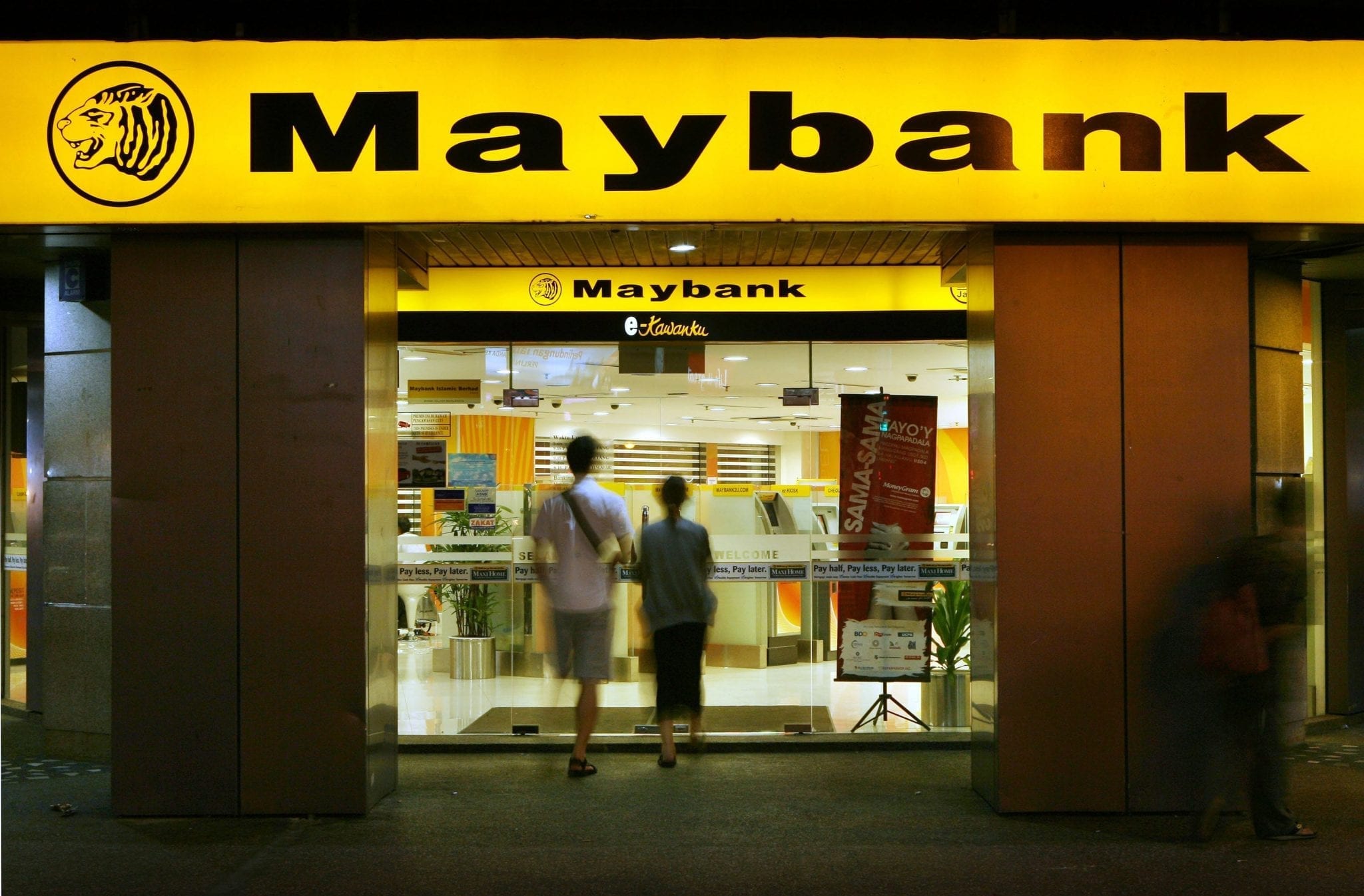
    Maybank has made it into the world’s top 500 brands for the first time, after it was named in Brand Finance’s Global 500 Brands – the only Malaysian bank and one of two Malaysian brands to be included in this prestigious listing. Maybank achieved a brand valuation of US$4.2 billion (RM17.3 billion), a 32% increase from last year’s valuation of US$3.16 billion according to its statement.

    Maybank said the group also maintained its position as the top bank brand in Malaysia for the fifth year running, improving its previous rating of “AAA-” to “AAA”.

    At the same time, it registered an increase in the Brand Strength Index (BSI) to 86/100 this year from 82/100 previously. BSI is a key driver that contributes to brand valuation and determines the strength of a brand.

    Maybank was among only eight Asean brands listed in the global ranking. It was placed 494 in the world’s top 500 most valuable brands list.

    Maybank group president and CEO Datuk Abdul Farid Alias said the recognition was a reflection of Maybank’s sustained efforts in building closer relationships with its stakeholders and focusing on delivering consistent value through all its products and services.

    “It is definitely a great honour for Maybank to be listed among the top brands in the world today. We believe it also demonstrates how a homegrown brand from Malaysia is defining new standards and raising the bar in the global stage with support from all its stakeholders.”

    Farid added that Maybank’s strategy in developing a meaningful brand experience was centred on its mission to humanise financial services, as well as its commitment to being at the heart of communities where it operates.

    “While we will continue to strengthen our brand positioning across all our engagement channels, we are also focusing on providing next-generation customer experience given that technology is rapidly influencing our lifestyles and the way people do banking today,” he said.

    Brand Finance in its annual survey, values the brands of thousands of the world’s biggest companies. The results of this analysis are then ranked with the world’s 500 most valuable brands featured in the Brand Finance Global 500 report.

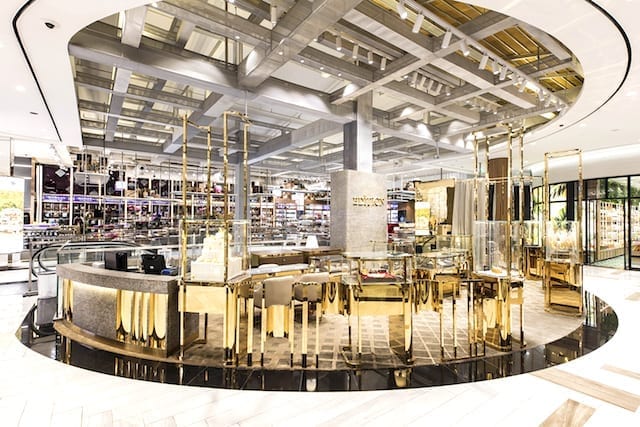
  • Thai’s King Power Duty Free, World’s Leading Airport Duty Free Operator 2018

    Thai’s King Power Duty Free, World’s Leading Airport Duty Free Operator 2018

    Thailand’s King Power Duty Free has won the world’s ultimate accolade for travel, tourism and hospitality industry excellence, voted ‘World’s Leading Airport Duty Free Operator 2018 in the 25th World Travel Awards. King Power Duty Free triumphed ahead of than a hundred duty free operators worldwide including shortlisted finalists China Duty Free Group, Hong Kong’s DFS, Dubai Duty Free, Swiss-based Dufry, Duty Free Americas, Germany’s Heinemann Duty Free, France’s Lagardere Travel Retail, and South Korea’s Lotte Duty Free and The Shilla Duty Free.

    “The award strengthens Thailand’s tourism image as a world class destination while underlining the outstanding capability of a Thai company,” said King Power Group CEO, Mr Aiyawatt Srivaddhanaprabha. “King Power is proud to be Thai and committed to the national travel retail business, setting a new benchmark for world-class duty free shopping experience.”

    Operated by King Power International, King Power Duty Free was earlier voted Asia’s Leading Airport Duty Free Operator 2018 in the regional finals of the World Travel Awards.

    World Travel Award was established in 1993 to annually acknowledge, reward, and celebrate excellence across key sectors of the travel, tourism and hospitality industries. Today the brand is recognized globally as the ultimate hallmark of industry excellence, voted by travel, tourism and consumer trade executives.

  • Vietnam makes debut in Bloomberg innovative economy index

    Vietnam makes debut in Bloomberg innovative economy index

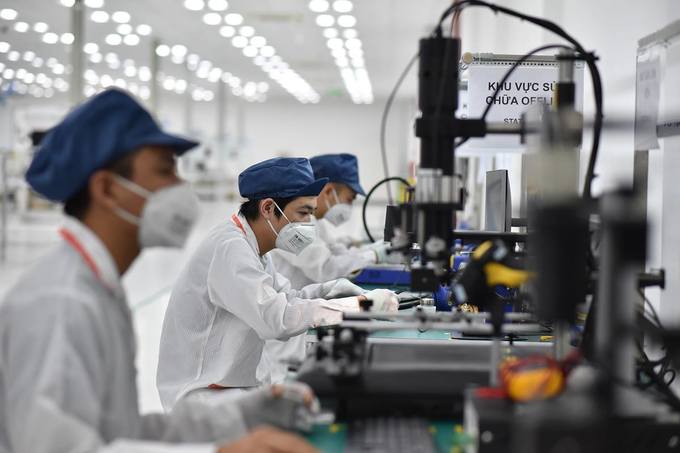
    Vietnam has for the first time entered the Bloomberg Innovation Index of the world’s 60 most innovative economies. It scored 45.92 out of 100 in the 2019 index. Other new entrants include India, Mexico and Saudi Arabia. Bloomberg said: “The index analyzes dozens of criteria using seven metrics, including research and development spending, manufacturing capability and concentration of high-tech public companies.”

    Vietnam’s highest rankings were 34th in high-tech density and 39th in patent activity. It ranked a lowly 59th in productivity.

    Its productivity in 2017 was among the lowest in Asia despite growth, according to the Vietnam Annual Economic Report released by the Vietnam Institute for Economic and Policy last year.

    An average Vietnamese worker made VND60.73 million ($2,600), lower than the rate for Cambodia, Indonesia Malaysia, the Philippines, and Thailand, it said.

    In the Bloomberg index, South Korea retained its top place from last year and was followed by Germany, Finland, Switzerland, and Israel.

    Other Southeast Asian countries were Singapore in sixth place, Malaysia (26th) and Thailand (40th).

  • Viettel sole Vietnamese brand in global 500 listing

    Viettel sole Vietnamese brand in global 500 listing

    Military-run telecom giant Viettel is the only Vietnamese firm in the list of 500 most valuable brands in the world. Valued at $4.32 billion, Viettel’s brand was ranked 478th on the list of 500 most valuable brands in the world for 2019, Brand Finance, a leading global brand valuation consultant, announced at the ongoing World Economic Forum in Davos, Switzerland.

    This is the first time a Vietnamese brand has been named in this list.

    Accordingly, Viettel’s brand value in 2019 has increased 35.8 percent year over 2018. The telecom giant’s high brand valuation was largely due to its presence and contribution in 10 foreign markets, suggesting the company was internationally competitive.

    2018 was a successful year for Viettel in  foreign telecommunication sectors, with service revenue growing by 20 percent, mobile subscribers base growing by 70 percent and net cash flow from international operations by $240 million, 3 percent higher compared to 2017.

    Brand Finance’s Global 500 list ranks the most valuable brands in the world covering all business fields including telecommunications, technology, automotive, oil and gas. Some big names in the list include Amazon, Apple, Google, Mercedes-Benz, Shell and Telstra.

    “Every year Brand Finance conducts an assessment of about 5,000 global brands across 40 different areas on various criteria such as revenue, brand strength, and financial health,” said David Haigh, CEO of Brand Finance.

    Out of a total 5,000 global businesses surveyed, there were 500 Southeast Asian businesses, of which only 8 brands made it to the Global 500 list. The listed brands were in three categories: telecommunications, oil and gas, banking.

  • Reliance Retail is 94th on Deloitte’s top retailer list

    Reliance Retail is 94th on Deloitte’s top retailer list

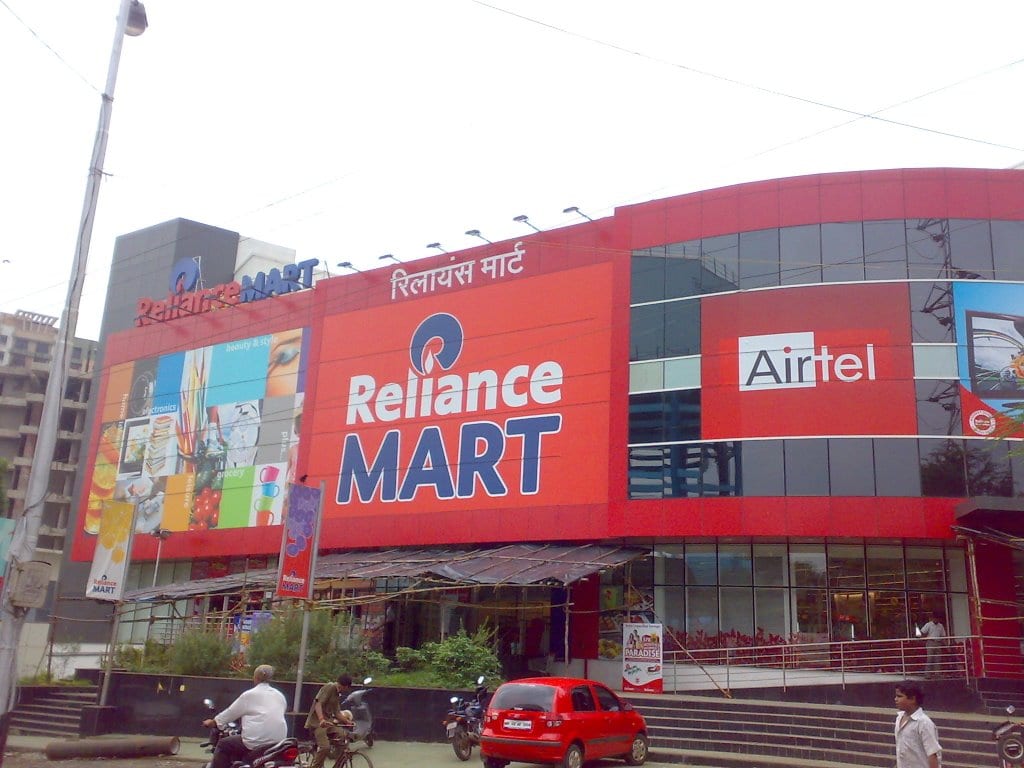
    The global retailing industry saw a record growth in revenue in 2017 with the top 250 companies increasing their revenue by over 83 percent, according to a latest report by a professional services multinational that said Reliance Retail was the only Indian company in the list. The Deloitte’s ‘Global Powers of Retailing 2019’ said that with the fast moving consumer goods (FMCG) being the main growth drive for the top 250 global retailers, the retail revenue increased by over 83.2 percent generating aggregate revenue of US$ 4.53 trillion in fiscal 2017.

    “Despite the deceleration in the global economy, the consumer and investor sentiment continues to remain positive.

    “Our global reports highlight that of the top 10 companies on the top 250 list, eight were FMCG companies and that sector has been a strong reason for the India retail story,” Deloitte India Partner Anil Talreja said.

    According to the report, Europe had the highest number of top 250 retailers.

    Companies such as Amazon and Reliance doing exceptionally well by climbing 2 and 95 spots, respectively, on the back of exceptional retail growth.

    Reliance Retail as the only Indian company in the top 250 list came in at the 94th position and was also placed sixth among the 50 fastest growing retail companies.

    In fiscal 2017, the company doubled its annual revenue to $10,649 million over the previous year.

    Walmart retained its position as the world’s largest retailer with an improvement in retail revenue growth by three per cent in 2017. Its major growth drivers were the acquisition of e-commerce firms such as Jet.com, ModCloth, Shoes.com, Moosejaw, and Bonobos, besides greater investments in store remodelling and investment in store wages.

    Walmart has recently acquired Indian e-commerce major Flipkart.

    The Deloitte survey reported sluggish growth in Europe, China and Japan, but said retailers continued to grow as a result of increased merger and acquisition (M&A) activity, new store openings, and robust e-commerce activity.

    “The global economy is currently at a turning point. Until early 2018, the global economy displayed strong growth.

    “With inflation accelerating in major markets, governments making shifts in monetary and fiscal policies, and most of the emerging markets experiencing significant currency depreciation the global economy will slow down in the near future,” Deloitte Global Chief Economist Ira Kalishsaid in the report.

    “For retailers, this change will mean slower consumer spending growth, higher consumer prices, and disrupted global supply chains,” he added.

  • Hong Kong high-street retail rents ease

    Hong Kong high-street retail rents ease

    Vacancy rates in tier 1 streets in the four core retail districts edged up by 0.2 percentage points from 3.6 per cent in the third quarter to 3.8 per cent in the last quarter. However, the full-year vacancy rate fell by 0.3 percentage points to 3.8 per cent compared to 4.1 per cent a year earlier.

    CBRE said market sentiment weakened in the fourth quarter, impacted by the US-China trade conflict and volatility in the stock market.

    While retail sales rose by 6 per cent year on year in October, growth slowed to just 1.4 per cent in November – the slowest monthly increase since June 2017.

    “Visitor arrivals remained solid, recording 15.9 per cent growth year on year in October and November combined, the strongest quarterly growth last year,” said CBRE’s report.

    “This ensured continued strong leasing demand from health, personal care and cosmetics retailers.”

  • Vietnam’s millionaire population growth among world’s fastest

    Vietnam’s millionaire population growth among world’s fastest

    Vietnam ranks fourth among the world’s top 10 countries with the fastest millionaire population growth, a new report says. The country’s High Net Worth (HNW) population is set to grow by 10.1 percent each year in the 2018-2023 period, says wealth research firm Wealth-X. This growth rate is only lower than Nigeria at 16.3 percent, Egypt, 12.5 percent and Bangladesh, 11.4 percent, says the report, which covered over 540,000 HNW individuals in the world.

    The report defines HNW population as those with a net worth between $1 million and $30 million. The world’s HNW population grew by 1.9 percent last year from 2017 to 22.4 million people with a combined wealth of $61.3 trillion.

    About 25 percent of the world’s HNW population were located in Asia last year, and their total wealth was $15.48 trillion.

    Although the region’s GDP went up 8 percent last year, its stock markets plunged by more than 11 percent, partly explaining why Asia’s HNW population and total wealth remained virtually unchanged from last year, the report said.

    It also said that the top 10 countries accounted for over 75.2 percent of the global HNW population and 73.8 percent of total HNW wealth last year.

    U.S. topped the list with over 8.6 million people, following by China with 1.8 million, Japan, 1.6 million and Germany over 1 million.

    In another report published last September, Wealth-X said that the number of ultra wealthy population, those with a net worth of over $30 million, has increased by 12.7 percent in Vietnam from 2012 to 2017, making it the third fastest growing country in the world in this category.

  • Malaysia won’t lose out to Vietnam: Council

    Malaysia won’t lose out to Vietnam: Council

    Malaysia will not lose its competitiveness to Vietnam even though it does not ratify the Comprehensive and Progressive Agreement for Trans-Pacific Partnership (CPTPP). Malay Economic Action Council researcher Mohd Effuan Aswadi Abdul Wahab said there was no significant proof that there would be an increase in investment once a country signed a free trade agreement (FTA).

    “It is said that many companies, especially manufacturing firms will move to Vietnam after the country has ratified the CPTPP as the trade agreement is being seen as opening doors for companies to go to countries which have ratified the FTAs. This is certainly not true,“ he said.

    He said investors would look into various factors, including political stability, better infrastructure, skilled workers and rule of law, before making any investment decision.

    “Investors will certainly look into Malaysia’s economic policies before they make any investment decision.

  • Top 10 Asian brands to keep an eye on in 2019

    Top 10 Asian brands to keep an eye on in 2019

    Last year, a rank report is released the #10 Best Performing Brands of 2017. The ranking gathered a mix of brands, which stood up from the crowd for incredible brand activities throughout the year.

    This year, the ranking focuses on Asian brands, which have registered a rapid growth in 2018 in terms of POS, distribution channels, global expansion; among them digital native brands that quickly captured a conspicuous pie of the market by conquering Millennials and GEN Z with their Intagrammable moods. From Korea to Japan, from cosmetics to accessories, the list covers the main trends to keep an eye on in 2019.

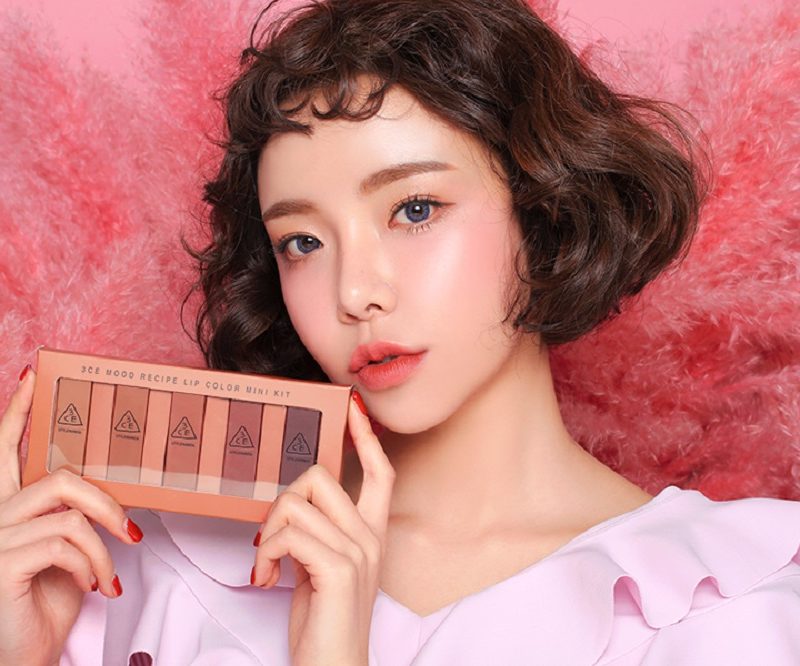
    3CE – The most Instagrammable cosmetics brand

    Launched in 2009, 3 Concept Eyes (3CE)  is the popular Korean cosmetics label of Stylenanda and is one of the youngest and most playful brand on the block.

    Founded by Kim So-Hee, the cosmetics label with mid-end price points was ranked No. 1 as the most preferred K-beauty brand by Chinese consumers in multiple surveys.

    The secret behind the success of the brand is the strong appeal it draws from Millennials and Gen Z. From product design to distribution, each facet of 3CE is thought to be Instagrammable.

    Living proof is the brand’s movie-themed flagship store in Gangnam-gu, Seoul, which turns its clients into stars getting ready to go on stage in make-up booths with colorful lighting and props in cute baby pink colors.

    Among the Instagrammable products, the brand’s jewel-like tubes of lip gloss have become a status symbol for Millennials and Gen Z, being featured in famous K-drama “Missing You” and now blanketing stores all over Asia.

    To keep it trendy, 3CE collaborated for the second year in a row with Maison Kitsuné to launch a second make-up range offering the perfect French x Korean beauty fusion with girly packaging.

    Available offline and online, 3CE’s products are distributed through its parent’s company, Stylenanda, multi-channel distribution model which includes e-commerce, speciality retailers, and point of sales in department and duty free stores.

    In less than a decade, 3CE has managed to become the fundamental pillar of Stylenanda and today represents more than 70% of the business with a 127 million euro turnover in 2017 and nearly 400 employees.

    It was actually 3CE which drove L’Oreal’s acquisition of Stylenanda earlier this June, the group’s first investment in a K-beauty brand (the exact amount was not disclosed but industry sources estimate the company was sold for between 570 billion and 600 billion won.)

    A Bathing Ape – BAPE  -The Asian streetwear brand

    BAPE is one of the most hyped brands in streetwear defined by its young audience’s appetite for anything on offer.

    Founded by Nigo in 1993, it started as a hole-in-the-wall T-shirt shop in Tokyo’s Harajuku district but in the 2000s, the brand catapulted cult streetwear into the mainstream, and was co-signed by everyone from streetwear devotees to celebrities like the Clipse, Pharrell, Kid Cudi, and Jay Z.

    In 2010, Nigo stepped down from the company as CEO, but stayed on to assist with the transition after it was sold in 2011 to Hong Kong fashion conglomerate I.T for $2.8 million.

    The hype around BAPE is still as vivid today with its unique designs appearing on everything from apparel to luxury items as celebrities from all industries like The Weeknd or American rapper Pusha T can be seen rocking the label. BAPE also takes part in collaboration as we have recently seen the exclusive line launched with the French capital’s iconic football club, PSG (Paris Saint Germain).

    BAPE was the creator of the fundamental streetwear formula of hype, scarcity and public spectacle – the brand’s recipe for success. It managed to find the right balance between exclusivity and mass appeal with prices ranging from HKD$699 to HKD$3799.

    A Bathing Ape has a very powerful brand DNA defined by its strong aesthetics: to have the BAPE look, you must go to BAPE as no substitute will do the trick. More than a clothing line, the label is a lifestyle in itself. The brand has a particular approach to collaborations, taking a lifestyle based approach as seen with the Pepsi can and MAC makeup campaigns.

    As of today, A Bathing Ape has 33 stores opened around the globe which are sitting in Japan, France, the UK, China, Hong Kong, Korea, Taiwan and Singapore. Selected dealers around the globe also offer the brands’ products. Online, the brand has 3 official website and it is also available on Zozotown.

    Owndays– The fast fashion eyewear disruptive concept

    OWNDAYS is an international optical retail concept founded in Tokyo, Japan.

    It currently has more than 120 stores in Japan and has successfully established stores in 11 overseas countries in Asia Pacific with 43 stores in Taiwan, 36 in Philippines, 27 in Singapore, 20 in Thailand, 6 in Hong Kong and 17 more spread across Indonesia (5), Malaysia (4), Vietnam (3), Cambodia (3) and Australia (2).

    Shuji Tanaka, current president and CEO, took over OWNDAYS in 2008 and has transformed it into a retail chain operation that sells over 2 million pairs of glasses annually.

    Owndays’ 3 key success factors? Simple price, Quick Service and Good Value.

    Offering a simple price system to its customers with sets ranging from HKD$480 to HKD$1280, there are no hidden costs, a refreshing touch in the industry. Customers are also seduced by the brand’s wide portfolio of products which delights both Asians and Westerns, from children to elderlies, and which is delivered in an impeccable and rapid service – essential today as we all know that time is money!

    OWNDAYS is keen on working with different platforms from different industries, including participation in one of the largest fashion shows in Japan – ‘Tokyo Girls Collection’ in 2010, and as one of the official sponsors of the world’s first large scale fashion tournament for top stylists – ‘World Runway Premiere’ in 2011. OWNDAYS also sponsored the 4th Okinawa International Movie Festival in 2012.

    The brand has its designers, but they also do great collaborations such as that with Japanese designer, Jun Hashimoto or Fashion Designer Kansai Yamamoto

    With the recent investment this November from L Catterton Asia and Mitsui & Co., I believe there is so much more to come.

    Other two similar retail concepts also rapidly expanding all over Asia are  Zoff and Jins, which increase the number of Japanese companies targeting overseas markets; and therefore, worth mentioning in this ranking.

    Charles & Keith – The affordable women’s accessory brand

    Charles & Keith is a fast fashion retailer that specialises in women’s footwear and accessories and has achieved much international success over the years.

    Homegrown on Singapore shores, Charles & Keith was founded in 1996 by the two Wong brothers. Since its establishment, the brand has expanded to more than 450 outlets worldwide and went beyond brick-and-mortar stores by offering online shopping on its website to offer its stylish and trend-focused designs in Asia Pacific, the Middle East, Europe and the United States of America.

    Known for its high quality footwear and accessories inspired by runway styles and trends for the masses the brand is constantly reinventing fashion with its curated collections.

    Charles & Keith is the answer for the trend-conscious medium high-income consumers. Indeed with its affordable price tags (from HKD$69 to HKD$1,199) and constantly reinvented inventories (it produces an average of 1,000 new designs each year, with about 15-20 new designs being introduced into stores each week), its medium-high income customers do not give it a second thought before ravishing themselves into the beauty of shopping.

    The brand has built itself a loyal customer base resting on a relationship of trust from Charles & Keith to always provide them with the latest in affordable fashion.

    Celebrities and influencers also support the brand, sharing their looks on social media platforms such as Instagram to inspire their audience. The latest Charles & Keith Holiday party, held earlier this month, featured K-pop star Yura, South Korean celebrity Lee Harin, Hong Kong actresses Grace Chan, Angela Yuen, Hedwig Tam and Ashley Lam and actor Carlos Chan or Taiwanese fashion influencer Molly Chiang, all wearing the brand’s line.

    Charles & Keith is not short of creative designs as it continuously engages in collaborations with the likes of Tokyo-based illustrator WALNUT or Disney for an Alice in Wonderland collection.

    The brand already has stores in North Africa and as it is expanding in Asia. We have also seen it opening its London offices along with logistic center in the region to serve the European market this year. Would this be the beginning of its physical expansion to the West side of the world?

    Lady M- An international triumph of sweetness

    Originally opened in Japan in 2001 by Emy Wada, Lady M is a bakery and retail cake business globally known for its elegant, handmade Mille-Crepes Cake. Bought by Ken Romaniszyn family in the early 2000s, the entrepreneur was confident of Lady M’s potential and eager to expand the brand’s presence to the US. As he began opening Lady M’s first New York boutiques, the number of them steadily increased over the following decade as the brand gained ren

    In 17 years, the New-York based bakery has grown to 26 boutiques spread over the American and Asian continent where it is present in, Singapore, Macau, Taipei, Shanghai, Beijing, Nanjing and Hangzhou. In 2018, 5 boutiques popped up in Hong Kong, including 1 at the airport, which enables visitors to take cakes home to their beloved ones.

    Lady M’s global success can be attributed to its branding inside out. Inside – the quality and beauty of cakes is all we can hear about with people queuing up outside the famous bakery; outside – its iconic logo and sleek storefront design with marble and glass displays are simply hard to miss.

    Its key success factor is the distinctive texture given by its secret recipe, which pleases palates internationally.

    Gentle Monster – Still the best store experience

    Founded in Korea in 2011, Gentle Monster, which sells oversized and low bridge sunglasses with Asian fit at premium prices (from $200 to $500), has become one of the fastest trendy fashion eyewear brands in Asia and has over the year spread its reach globally. It is a good case study of an Asian brand that was able to adapt a mature product to the local Asian demands and trends.

    Gentle Monster is being sold in over 450 selected shops in over 30 countries including South Korea, France, Spain, Italy, Portugal, UK, and opened a branch office inNY, USA.

    In terms of revenues, the year 2017 registered 250 million USD, 70 percent of which is coming from direct sales. With last year’s investment by L Catterton (60 million USD for a 7% stake), the brand opened more markets with one of a kind concept stores suchs as a kung-fu fighting boutique in London or New-York’s new flagship space while cleaning part of their wholesale distribution. The Seoul-based firm is now resuming its delayed plans for an initial public offering while expanding its business portfolio by launching its own cosmetics brand.

    Gentle Monster’s success rests on 3 key pillars: Newness, Strange Aesthetics & Celebrities.

    Hankook Kim, CEO and Founder of Gentle Monster said that consumers are not paying for his products, but rather the feeling of experiencing something new and fresh. To keep appealing to unpredictable customers, he changes store displays every 21 days and curates them as he would an art-exhibition.

    Nevertheless, having the perfect product with a unique store design is not enough today.

    It was not until 2014, three years after it was established, that Gentle Monster suddenly became known by all of Asia as South Korean actress Gianna Jun was wearing Gentle Monster sunglasses when she appeared on the hit show My Love from the Star. Following her apparition, more Chinese celebrities were photographed wearing Gentle Monster such as Li Yifeng, Yang Yang, and Kris Wu. The fame also reached the West as models like Kendall Jenner and Gigi Hadid also wore the brand.

    As the brand is now expanding globally, it is trying to reduce its link to the K-pop culture. In that spirit, Gentle Monster recently collaborated with lauded Canadian retailer SSENSE on a Matrix-esque capsule, American fashion designer Alexander Wang or London photography collective-turned-streetwear purveyor Places+Faces.

    When it comes to its expansion, the new stores in Taiwan opening this coming January and K11 Musea in Hong Kong are full of promises.

    Pomelo – The fastest growing fashion digital native concept

    Pomelo Fashion, the Bangkok-based digital native fashion concept, is one of the fastest growing ASEAN brand.

    Launched in 2013 by former Lazada Thailand managing director David Jou, Pomelo positions itself as a digital native fashion brand that is vertically integrated, delivering to over 50 countries globally.

    At the roots of its model rests New Retail.

    The principle? Enabling shoppers to narrow down their choices online to then send their favorites to physical stores for trying on for fit. This model has been the key to Pomelo’s success as it can be done in a small space, saving on rent, while giving customers the opportunity to marry the convenience of online commerce and offline service.

    With currently 6 stores in Thailand, Pomelo is now looking to open a physical location in Singapore.

    In a 6 month time span, Pomelo has in the past actively launched new products across almost 20 product categories. Those high frequency and consistent launches ensures the newness of the assortment and keep customers coming back. And as quantity does not mean everything, Pomelo hires its designers locally to ensure it fits local tastes. Cherry on the top is the brand’s price points which are about half those of Western fashion brands like Zara and H&M.

    Its success has been noticed by many, attracting investors such as JD.com which led a US$19 million investment round last year or the likes of 500 Startups, Hong Leong Group and Jungle Ventures.

    Sulwhasoo – The holistic luxury South Korean beauty brand 

    Sulwhasoo is a holistic luxury South Korean beauty brand manufactured by Amorepacific Group. It all started in 1966 when Suh Sung-whan introduced his ginseng cream to the world, without ever suspecting it was just one of many he would later on develop under the Sulwhasoo brand, created in 1997.

    Revenue leader since 2005 in its domestic market and best-selling cosmetics brands at Incheon International Airport’s duty-free shops, Sulwhasoo was the first Korean beauty brand to make 1 trillion won ($921.8 million) in sales in one year. Starting from HKD$250, the brand’s signature products average HKD$1,500.

    The success of the brand comes from its high-quality product development, which combines traditional ingredients like ginseng, Sulwhasoo’s star ingredient, with advanced sciences (the brand owns a team of over 500 researchers focused on nature-driven formulas).

    Earlier this year, Sulwhasoo has appointed hallyu star Song Hye Ko as its global brand ambassador, the first face of the company since its creation.

    Other contributor to the brand’s success is its distribution as Sulwhasoo has extended its reach beyond Korea, starting in Hong Kong in 2004. It has since entered 11 more markets including China, Singapore, Taiwan, Indonesia, Malaysia, Thailand, Vietnam, the United States, Canada and France. It is now present in over 358 locations worldwide.

    In-store experience is toda a key element of a store success and the Korean beauty brand strives everyday to bring customers its experience of the five senses offering them a luxury experience through services such as gift wrapping and hand massage.

    This year, the company aimed at increasing its store openings in second and third tier cities while expanding into four tier cities. It also expanded touchpoint in online retail by offering its products on major e-commerce sites such as VIP.com and JD.com.

    Miniso – The Japanese-based variety store mushrooming worldwide

    Miniso is a low-cost retailer and variety store chain Japanese-based design brand and if it might be barely known in the West, the success of this company is not negligible.

    It has opened over 2600 stores in less than four years, with USD1.8 billion sales volume in 2017. At present, MINISO has reached strategic cooperation agreements with more than 70 countries and regions including the United States, Canada, Russia, Singapore, the United Arab Emirates, Korea, Malaysia, Hong Kong (China) and Macau (China), with an average monthly growth rate of 80 – 100 stores.

    Established in Japan in 2013, the brand was born from a co-founding between Japanese designer Miyake Junya and the young Chinese entrepreneur Ye Guofu, a former designer.

    Miniso’s success rests on its wide variety of high quality products which boast a modern design but a very low price, ranging on average from US$1 to US$30.

    Its in-house product development also contributed to the success as over 200 procurement managers are constantly scanning the global market to spot trends and allow the brand to launch new products every week. Miniso also employs more than 500 product designers from various countries, including China, Japan, South Korea, Sweden and Denmark to satisfy all tastes.

    I am looking forward to see if Miniso will reach the challenge it has set itself of opening 10,000 stores in 100 economies, including 7,000 stores overseas, and generating 100 billion yuan ($14.52 billion) in annual revenue by 2022.

    NARS –  Shiseido family’s rising brand

    Cosmetics brand NARS, launched in 1994 by French make-up artist François Nars, quickly became one of the most sought-after in the market.

    Acquired in 2000 by Shiseido Group, it has been leading  the growth in Shiseido Travel Retail’s make-up portfolio, particularly in Asia Pacific, where sales of NARS more than doubled in 2017 over the previous year.

    The two pillars behind NARS’ strategy? Product innovation and enhanced brand animation.

    NARS offers its customers a fully comprehensive range covering all bases which has successfully seduced them.

    Addressing Chinese Millennials, Nars has built its O2O strategy around the traveller journey, creating digital and physical touchpoints pre-, during, and post-trip encouraging customer interaction at all times. The brand creates a “virtuous circle” that enhances the consumer experience and amplifies the buzz in the source market of China to drive awareness and demand.

    Key to NARS’ positioning was the accurate selection of distribution channels. At the end of 2016, the brand was available at selected retailers in France, UK, Russia, Spain, Italy, Czech Republic, Poland, Switzerland, Sweden, Denmark, Turkey, UAE, Qatar, Kuwait, Saudi Arabia, Bahrain and in 4 Travel Retail locations. In total, 511 doors. In 2017, NARS launched in Portugal and The Netherlands.

    Recent collaboration include the collection NARS developed with Charlotte Gainsbourg – ultimate Parisian hip girl.

    NARS is part of the Shiseido’s family, and like all the other brands, has greatly benefited from Shiseido’s successes collected in 2018. The Japanese cosmetics giant has been an active protagonist of 2018 beauty narrative with the release of its sustainability campaigns touching upon environmental and social pillars. Additionally strong campaigns to support its social responsible identity, new appointments, and focus on research have been the main initiatives of this year.
  • The world’s most expensive retail street is not in NYC anymore

    The world’s most expensive retail street is not in NYC anymore

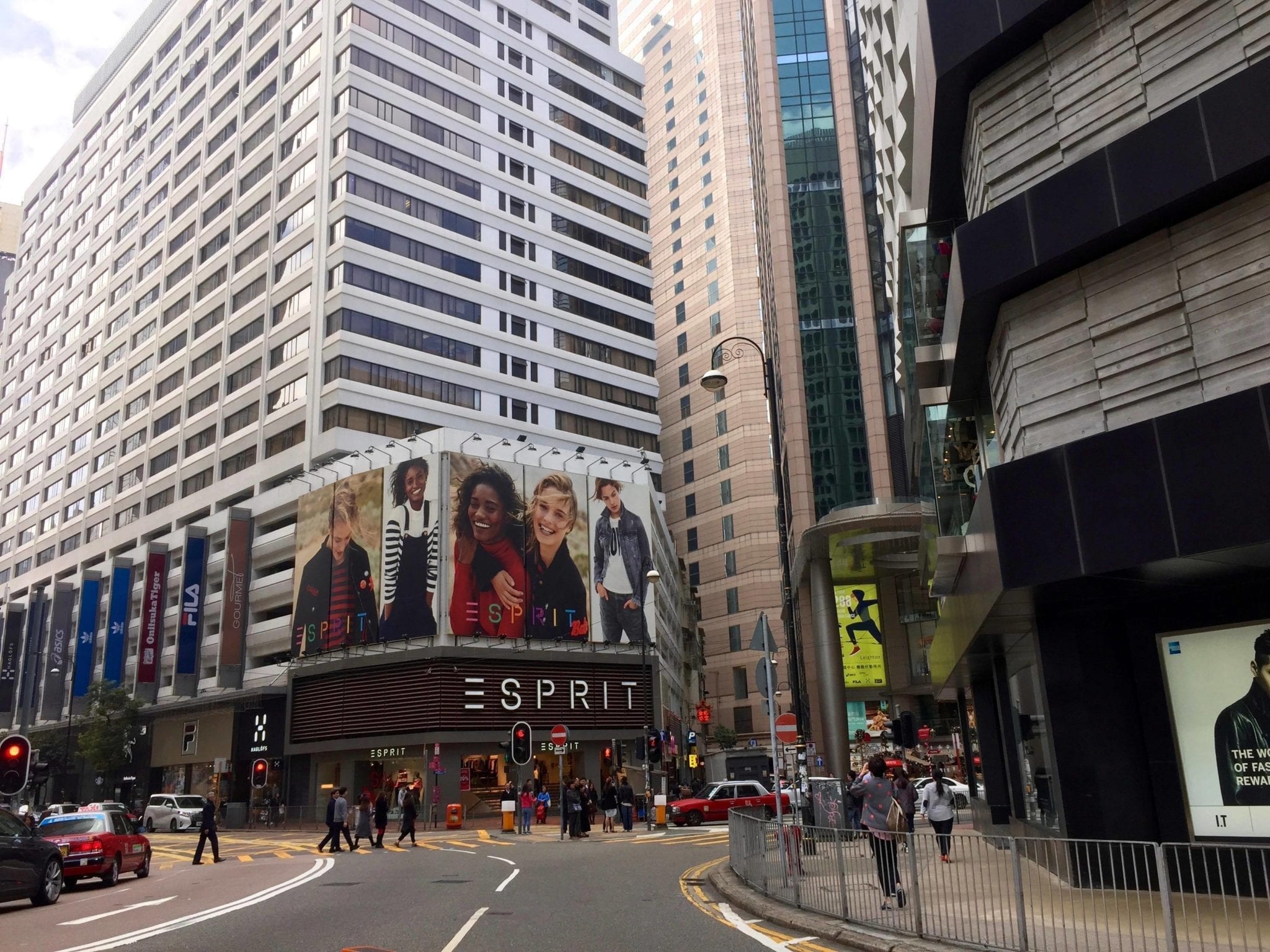
    Russell Street in Hong Kong’s Causeway Bay district has replaced New York’s Upper 5th Avenue as the world’s most expensive retail street by rental value, according to property consultants Cushman & Wakefield. For the first time in five years, the city has regained the crown, with average annual rents of US$2,671 per square foot (HK$20,953) despite a small decline of 1.5 per cent in average rents, according to the company’s annual Main Streets Across the World report.

    This was also the sixth time Causeway Bay has had the distinction of being named the world’s most expensive retail location.

    The report, now in its 30th year, tracks 446 of the top retail streets around the globe, ranking them by their prime rental value as of the second quarter of 2018.

    Upper 5th Avenue in New York slipped to second place globally, with average annual rents of US$2,250 per sq ft compared with US$3,000 per sq ft in the previous 12-month period as vacancy increased. The report said rents had fallen by 25 per cent because of the increased vacancy.

    London’s New Bond Street meanwhile is the most expensive European location and third globally. Annual rents here were broadly flat year-on-year at US$1,744 per sq ft, underlining the fact that luxury and high-end retailers still see the UK’s capital as a key retail destination.

    Beijing’s Wangfujing has become the most expensive street in China, with rents on average costing US$482 per sq ft a year, ranking 11th worldwide.

    “The retail market in Hong Kong has experienced a rebound over the last year, driven mainly by a return of mainland Chinese tourists,” said Kevin Lam, Cushman & Wakefield’s head of retail services for Hong Kong.

    Maureen Fung Sau-yim, executive director of Sun Hung Kai Real Estate Agency, said the number of mainland tourists would remain high if the yuan fell further.

    Fung manages 38 shopping malls with a gross floor area of 10 million square feet in Hong Kong and mainland China.

    One of them, APM, in Kwun Tong, was among the first to introduce round-trip direct buses from the mall to Zhuhai and Macau.

    “Since the opening of the Hong Kong-Zhuhai-Macau Bridge on October 24, APM has been running 780 round-trip direct buses to Zhuhai and Macau, serving 25,000 passengers, in which 80 per cent of them are Macau tourists who came for a one-day tour,”she said on Wednesday.

    Each of these visitors spends between HK$500 and HK$800, mainly on dining, cosmetics, and personal care.

    “APM aims to draw as many as 100,000 monthly visitors to the mall. Extra part-time staff are being hired to support the new demand,” adds Fung.

  • Vietjet CEO becomes first Vietnamese Bloomberg game changer

    Vietjet CEO becomes first Vietnamese Bloomberg game changer

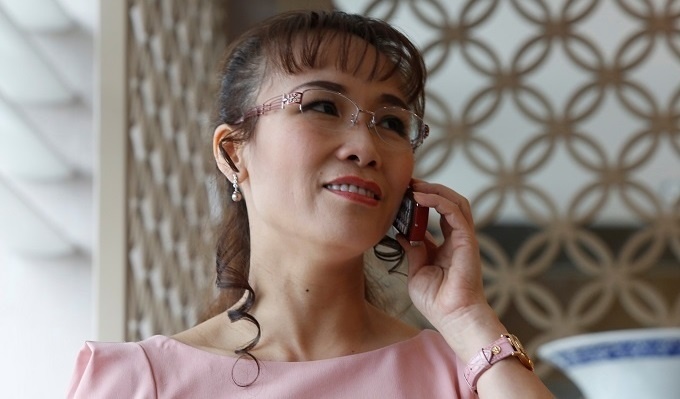
    Nguyen Thi Phuong Thao is in Bloomberg’s list of 50 people who’ve been business game changers in 2018. Thao is the first Vietnamese citizen to be named in the Bloomberg list, which highlights key players in all fields, from finance to fashion, media to manufacturing, banking to biotech, politics to philanthropy, entertainment to energy. The founder and CEO of budget carrier Vietjet Air wants to take on regional giants like Indonesia’s Lion Air and Malaysia’s AirAsia Group Bhd.

    The carrier has forecast that the number of passengers it serves this year will rise 40 percent to 24 million, as it begins to tap into Vietnam’s growing middle class by expanding overseas routes.

    The expansion further changes the face of Vietnam’s aviation market that has been long dominated by state-owned Vietnam Airlines JSC, as VietJet offers millions of Vietnamese customers who have never flown the chance to buy a cheap ticket, Bloomberg says.

    Thao, 48, has extensive experience in doing business in Vietnam and abroad in many fields, including finance, banking, aviation, realestate, and retail.

    She launched Vietjet in 2011. The airline now leads the domestic market with a 45 percent share. It operates 385 flights daily within Vietnam and to Japan, Hong Kong, South Korea, Taiwan, Singapore, mainland China, Thailand, Myanmar, and Malaysia.

    The carrier made an IPO on the Ho Chi Minh City Stock Exchange on February last year, becoming the first airline in Vietnam to list publicly.

    Thao also has interests in banking and real estate, which includes owning three beach resorts.

    Bloomberg says it comes up with the list by utilizing its worldwide resources, including the work of 2,400 journalists and unique, proprietary data and analytics.

    Also on the list this year are Jerome Powell, the U.S. Federal Reserve chairman, Amy Hood, chief financial officer at Microsoft Corp, and Ryan Coogler, director of Maverl’s movie Black Panther.

    Just last week, Thao was named the 44th most powerful woman in the world byForbes, up 11 places from last year.

    Forbes estimated the richest woman in Vietnam to have a net worth of around $2.6 billion.

  • Vietnam 19th best country in the world for expats: HSBC survey

    Vietnam 19th best country in the world for expats: HSBC survey

    Vietnam has climbed four places to 19th in the list of best countries for expats to work and live, an HSBC survey found. With an average annual income of $90,408, nine out of 10 expats said in Vietnam they are as happy as or happier than at home, according to the 11th annual Expat Explorer issued by HSBC on Wednesday.

    Foreigners enjoy working in Vietnam for many benefits: 55 percent of respondents said they take more holidays, 41 percent live in a better home and 39 percent have more household staff compared to their home country.

    Fifty-seven percent said their employment contracts include an annual allowance to fly home or to another place, higher than the global average of 17 percent.

    Forty-two percent get an accommodation allowance while the global average is 18 percent, and 73 percent receive health and medical allowances compared to 43 percent elsewhere.

    Vietnam ranks first in the world with 72 percent saying moving to Vietnam helps them save more and 72 percent also saying they have more disposable income than they did in their home country.

    Both are higher than the global average: 52 percent for savings and 56 percent for disposable income.

    There are also some downsides for foreigners living in the country, respondents said. While more than half of expats across the world said they enjoy the better overall quality of life, only four out of ten foreigners in Vietnam said so.

    Organizing finances is difficult for expats, with only 27 percent of foreigners saying it is easy to open a bank account, buy insurance or pay taxes, while the global average is 43 percent.

    Just more than a third had no difficulty in experiencing healthcare services, but this figure is 46 percent globally.

    Raising a child in Vietnam poses challenges, with just 18 percent saying the quality of child care is better than in their home country, compared to the global average of 38 percent.

    Forty-seven said Vietnam is a good place for expats who want to progress their career, while the global average is 56 percent.

    There are financial issues that concern expats in Vietnam, with 37 percent being worried about restrictions on moving money out of the country and 22 percent each concerned about less favorable exchange rates and job security.

    Sabbir Ahmed, head of retail banking and wealth management at HSBC Vietnam, said: “The survey shows Vietnam is a promising host country for expats who are seeking both opportunities and challenges to boost and develop their careers.

    “We expect Vietnam to improve several areas to enhance the experience of expats and their families by developing further the environment, educational programs and financial services.”

    The ranking listed Singapore as the best place in the world for expats for the fourth year in a row, followed by New Zealand, Germany, Canada, and Bahrain.

    The survey polled 22,318 people from 163 countries and territories through an online questionnaire.