Retail News CRM

Tag: rankings

  • Russia Strikes Gold: Historic Peak of $310.72 Billion Shakes Up Global Rankings

    Russia Strikes Gold: Historic Peak of $310.72 Billion Shakes Up Global Rankings

    Russia’s gold reserves have reached a record-breaking value of US$310.72 billion, a significant increase of 57% from the previous year. According to data released by the Central Bank of Russia as of November 30th, this marks the fourth consecutive month of growth.

    Gold’s Role in Russia’s International Reserves

    Gold now represents over 42% of Russia’s international reserves, a percentage that has not been seen in the past 30 years. The total reserves, which include gold and foreign exchange, have seen a 19% year-on-year increase to $734.59 billion.

    Russia’s Position in Global Gold Investing

    According to the World Gold Council, Russia stands as the fifth-largest gold investor globally in the third quarter, with 2,329 tonnes in its reserves. The only nations that are ahead of Russia in terms of gold investment are the United States, Germany, Italy, and France.

    Meanwhile, China, holding the sixth position, has 2,303 tonnes of gold. However, interestingly, the value of gold only represents 7.68% of its total reserves.

    On the other hand, the United States continues to maintain the most significant gold reserves globally. Its 8,133 tonnes of gold account for a whopping 80% of the country’s reserves.

    Questions & Answers

    What is the current value of Russia’s gold reserves?
    The current value of Russia’s gold reserves is a record-breaking US$310.72 billion.

    What percentage of Russia’s international reserves is made up by gold?
    Gold now represents over 42% of Russia’s international reserves.

    Where does Russia rank worldwide in terms of gold investment?
    According to the World Gold Council, Russia is the fifth-largest gold investor in the world.

  • Hong Kong Ascends to Top of Global IPO Rankings: Unprecedented Surge Sets Firm Foundation for 2026

    Hong Kong Ascends to Top of Global IPO Rankings: Unprecedented Surge Sets Firm Foundation for 2026

    Hong Kong has made a strong comeback as the global leader in Initial Public Offerings (IPOs) for the first time since 2019. This resurgence comes on the heels of a record number of A+H listings and a robust pipeline of over 300 applicants. This return to form positions Hong Kong to maintain its momentum in the capital markets through 2026, according to the most recent market review by KPMG.

    Global IPO Market Trends

    According to KPMG, global IPO markets garnered $158.4 billion across 1,227 deals in 2025, which is an 18 percent increase in total funds raised. Interestingly, this was achieved despite a four percent decrease in the volume of deals made.

    Hong Kong managed to outperform all other markets, surpassing the US exchanges and reclaiming its traditionally held leadership position in the global fundraising arena. Paul Lau, partner and head of capital markets and professional practice at KPMG in China, emphasizes that it was the threefold rise in funds raised by Hong Kong that played a significant role in the global market’s recovery.

    A+H Listings: The Key Driver of Record Performance

    A remarkable 17 A+H listings were completed in Hong Kong in 2025, the highest ever recorded, accounting for half of the city’s total IPO proceeds. This even included the largest global IPO of the year, in which the world’s top EV battery manufacturer raised HK$41.0 billion.

    KPMG credits this momentum to supportive government policies and recent mega-listings that bolstered market confidence. This surge underlines Hong Kong’s strategic role in linking domestic and international capital.

    Expansion of Biotech and Technology Pipelines

    Several reforms in the city’s listing regulations, including the Technology Enterprises Channel and confidential filing for biotech and specialist technology issuers, have played a key role in stimulating market activity. The number of pre-revenue biotech firms listed under Chapter 18A increased from four to 14 in 2025. There were also three specialist technology companies listed under Chapter 18C. These easier pathways for listing reinforce Hong Kong’s determination to establish itself as an international hub for high-growth industries.

    Promising Signs for 2026

    As of December 7, 2025, the IPO pipeline in Hong Kong had reached an unprecedented 316 active applications. This represents a 267 percent increase from the end of 2024. KPMG suggests that the broad and deep pipeline provides a solid foundation for a strong start to 2026.

    Regulatory Enhancements: Boosting Market Attractiveness

    Regulators in Hong Kong are contemplating updates to the weighted voting rights system. Proposed changes include lower market capitalization thresholds, revised eligibility definitions, and adjusted voting power limits. These policy revisions aim to broaden access to WVR structures while maintaining investor protections.

    Hong Kong’s Resurgence as a Global Capital Gateway

    KPMG suggests that the resurgence of Hong Kong is a testament to the resilience of its capital markets and the city’s renewed attractiveness to technology, biotech, and foreign issuers. Louis Lau, head of Hong Kong capital markets group at KPMG in China, notes that the growing participation of global investors and the expansion of new-economy listings reinforce Hong Kong’s status as a preferred gateway to Chinese assets.

    With strong policy support, demand from issuers, and investor interest, the year 2026 is anticipated to mark a significant milestone in the evolution of the market.

    Questions & Answers

    What has contributed to Hong Kong’s return to the top of global IPO rankings?
    Hong Kong’s return to the top of global IPO rankings has been primarily driven by a record number of A+H listings and a robust pipeline of over 300 applicants.

    What are some key regulatory enhancements considered by Hong Kong regulators?
    Hong Kong regulators are contemplating updates to the weighted voting rights system that include lower market capitalization thresholds, revised eligibility definitions, and adjusted voting power limits.

    What role is Hong Kong expected to play in 2026?
    With strong policy support, demand from issuers, and investor interest, Hong Kong is anticipated to continue its leadership in the global capital markets, positioning it as a preferred gateway to Chinese assets.

  • Vietnam Climbs to 5th Spot in US International Student Rankings; Contributes $1.15B to Economy

    Vietnam Climbs to 5th Spot in US International Student Rankings; Contributes $1.15B to Economy

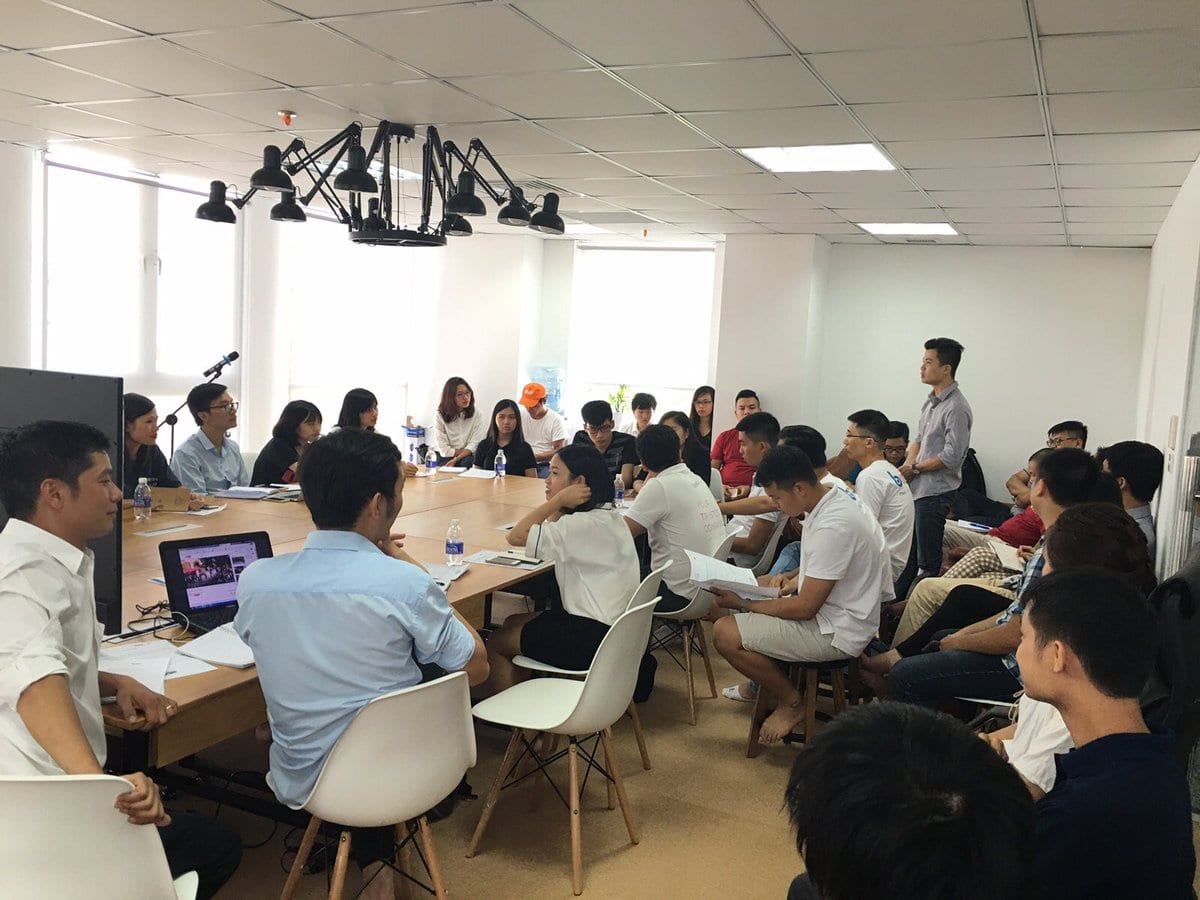
    During the previous academic year, U.S. higher education institutions saw an unprecedented influx of nearly 25,600 students from Vietnam. As such, Vietnam now holds the title of being the fifth most significant source of international students for the United States.

    Academic Year 2024-2025: A Closer Look

    The 2024-2025 academic session witnessed a significant 15.9% increase in Vietnamese students studying in the U.S., taking the total count to 25,584. This not only marked the highest inflow of Vietnamese students ever recorded but also contributed nearly US$1.15 billion to the U.S. economy.

    The data, which was recorded by the Institute of International Education (IIE), is the highest it has ever been since the IIE commenced tracking Vietnamese students in the U.S. in the 2000-2001 academic session.

    The majority of these students were enrolled in undergraduate programs, comprising 63% of the total. They were followed by graduate students at 17.3%, students on Optional Practical Training (OPT) at 14.2%, and non-degree students making up the remainder.

    Global Presence

    In the same academic year, more than 1.17 million international students from over 200 countries and territories chose to study in the U.S., marking a 4.5% increase from the previous academic year. These international students constituted 6% of the total U.S. higher education population and contributed nearly $55 billion to the U.S. economy, thereby supporting over 355,000 jobs.

    The top countries contributing to the U.S. student population were India with 363,019 students (a 9.5% increase), China with 265,919 students (a 4% decrease), South Korea with 42,293 students (a 2% decrease), and Canada with 29,903 students (a 3% increase).

    Interestingly, while there was a 2.7% decrease in the number of students enrolled in graduate programs (master’s or doctorate degrees), undergraduate student enrollment witnessed an increase of 4.2%. This marks the first significant surge in undergraduate enrollment since the onset of the Covid-19 pandemic. The number of international students pursuing OPT also experienced a substantial growth, reaching 294,253 – constituting a 21% increase from the previous year.

    Over half (57%) of international students across all academic levels pursued STEM fields (Science, Technology, Engineering, and Mathematics). The most popular fields were Mathematics and Computer Science, chosen by one in four students, followed by Engineering, and Business & Management.

    However, it is important to note that despite the overall growth in the number of international students, new enrollments, i.e., students studying for the first time, decreased by 7.2% to 277,118 in 2024-2025.

    Questions & Answers

    What was the increase in Vietnamese students studying in the U.S. during the 2024-2025 academic year?
    The number of Vietnamese students studying in the U.S. increased by 15.9% during the 2024-2025 academic year.

    Which countries contributed the most to the U.S. student population in the 2024-2025 academic year?
    The top countries contributing to the U.S. student population in the 2024-2025 academic year were India, China, South Korea, and Canada.

    Which academic fields were the most popular among international students in the 2024-2025 academic year?
    The most popular academic fields among international students in the 2024-2025 academic year were Mathematics and Computer Science, followed by Engineering, and Business & Management.


  • Korean e-commerce firms under fire over hidden review rankings

    Korean e-commerce firms under fire over hidden review rankings

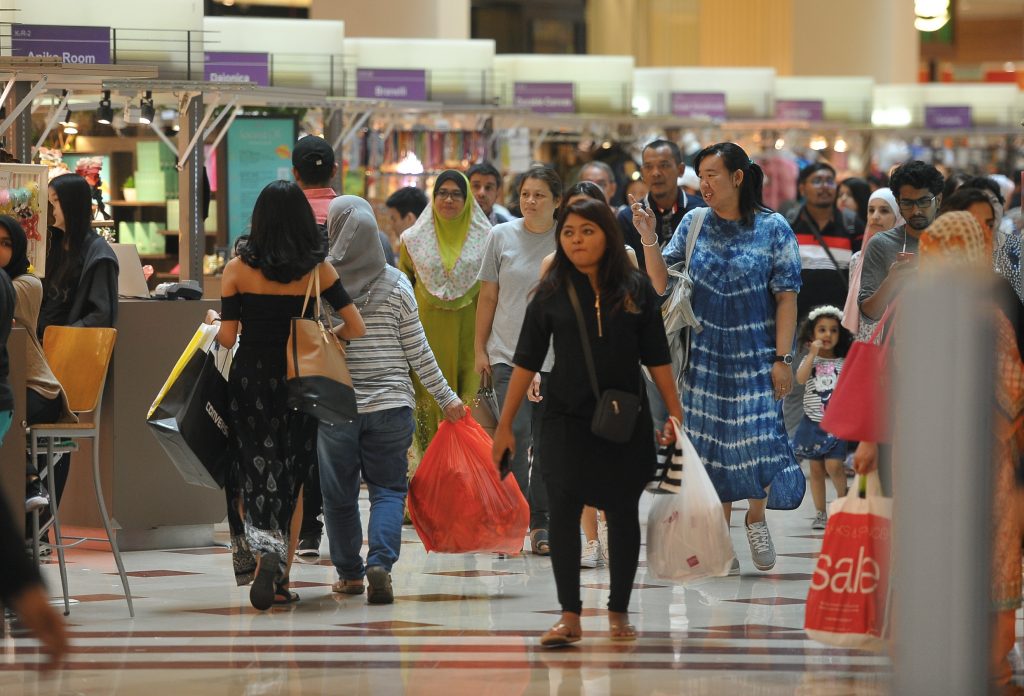
    Approximately 40% of significant online shopping portals in South Korea utilize proprietary algorithms to order product reviews, but the metrics behind these rankings are not publicly disclosed. This lack of transparency has caused some concerns about consumer trust, as per a recent study by the Seoul Metropolitan Government.

    Algorithm-Based Ranking in Online Retail

    The Seoul Electronic Commerce Center’s latest survey, published on Friday, revealed that 66% (33 out of 50) of the country’s top online retail platforms arrange customer feedback using algorithm-based rankings. These kinds of rankings are often labeled as “most popular” or “best”. However, 36% (18 out of 50) of these platforms do not provide any explanation about how these algorithms work.

    The systems used for review rankings can vary across different platforms, but they often prioritize high-star ratings and positive comments. Only a handful of platforms allow visibility for critical yet constructive reviews or let users sort reviews based on their valuable positives and negatives.

    While most platforms offer basic filtering options like “photo/video reviews” or “newest first”, more sophisticated controls are a rarity. Only a single platform allowed users to sort by “most commented”, while merely four platforms provided options to exclude reviews from promotional testers.

    The Importance of Reviews in Online Shopping

    In the report, the city stated, “In online shopping, where consumers cannot inspect the product in person, reviews are a vital factor in the decision-making process. Overemphasis on positive reviews undermines trust and limits informed consumer choice.”

    International platforms such as Costco, Rakuten, Amazon and Sephora have implemented more transparent and user-friendly review systems. For instance, Costco and Rakuten highlight one positive and one critical review deemed most helpful, while Sephora marks incentivised reviews and enables users to filter them out completely. Amazon provides tools to highlight both positive and negative reviews that other consumers have found useful.

    Seoul officials are planning to propose regulatory changes that would require online retailers to reveal their review-sorting algorithms to ensure better oversight.

    Kim Myung-sun, director of Seoul’s Fair Economy Division, commented, “A balanced review policy aids consumers in making quicker decisions and reduces unnecessary returns and disputes. We will continue to advocate for policies that protect consumer rights.”

    Questions & Answers

    What percentage of South Korean online shopping platforms use proprietary algorithms for ranking product reviews?
    Approximately 40% of major online shopping platforms in South Korea employ proprietary algorithms to rank product reviews.

    Why is there a concern about the use of algorithm-based rankings?
    The concern arises from the fact that the criteria behind these algorithm-based rankings are not disclosed to the public, which raises issues about consumer trust and transparency.

    What do Seoul officials plan in response to these findings?
    Seoul officials plan to propose regulatory changes requiring online retailers to disclose their review-sorting algorithms, which aims to strengthen oversight in the online retail sector.

  • Malaysia Rockets Up 11 Spots in Global Economic Competitiveness Rankings!

    Malaysia Rockets Up 11 Spots in Global Economic Competitiveness Rankings!

    Malaysia has made impressive strides in the realm of global economic competitiveness, climbing 11 spots to secure the 23rd position in the 2025 World Competitiveness Ranking—the country’s highest ranking since 2020. According to the Ministry of Investment, Trade, and Industry, this upward trajectory signals Malaysia’s ambition to rank among the world’s top 12 economies by 2033, as reported by the state-owned media, Bernama.

    Factors Driving Competitive Gains

    The ministry attributes this remarkable ascent to three key factors: robust economic performance, enhanced government efficiency, and improved business effectiveness. Malaysia now proudly holds the fourth position globally for economic performance, a notable jump from eighth place last year. Both government and business efficiency have also shown impressive gains, each climbing eight positions in the rankings.

    International Trade Taking Flight

    A standout highlight of this year’s report is the dramatic leap of 11 places in the international trade sub-factor, landing Malaysia in sixth place. This rise is fueled by substantial growth in exports of goods and services, a diversification of trade markets, and increased tourism revenues—elements that have collectively strengthened Malaysia’s trade surplus.

    Looking Ahead with Optimism

    The ministry remains optimistic about the future, believing that with strong governance and continued collaboration between federal and state governments, alongside close partnerships within the private sector, Malaysia is well on its way to achieving its competitive aspirations by 2033. The World Competitiveness Ranking, an annual report conducted by the Institute for Management Development in Switzerland, evaluates nations based on their ability to cultivate business-friendly environments that foster long-term prosperity.

    As Malaysia climbs the competitive ladder, it may soon be up against some surprising rivals in the world of global trade.

    Questions & Answers

    What is Malaysia’s current position in the World Competitiveness Ranking?
    Malaysia is ranked 23rd in the 2025 World Competitiveness Ranking, marking its highest position since 2020.

    Which factors contributed to Malaysia’s rise in the rankings?
    Key factors include economic performance, government efficiency, and business efficiency, with significant improvements noted across these areas.

    What is Malaysia’s goal for the future in terms of global competitiveness?
    Malaysia aims to be among the world’s top 12 most competitive economies by 2033, bolstered by strong governance and public-private partnerships.

  • Surprising Leader: Southeast Asia’s Smallest Nation Outshines 500 Major Companies in Revenue Rankings!

    Surprising Leader: Southeast Asia’s Smallest Nation Outshines 500 Major Companies in Revenue Rankings!

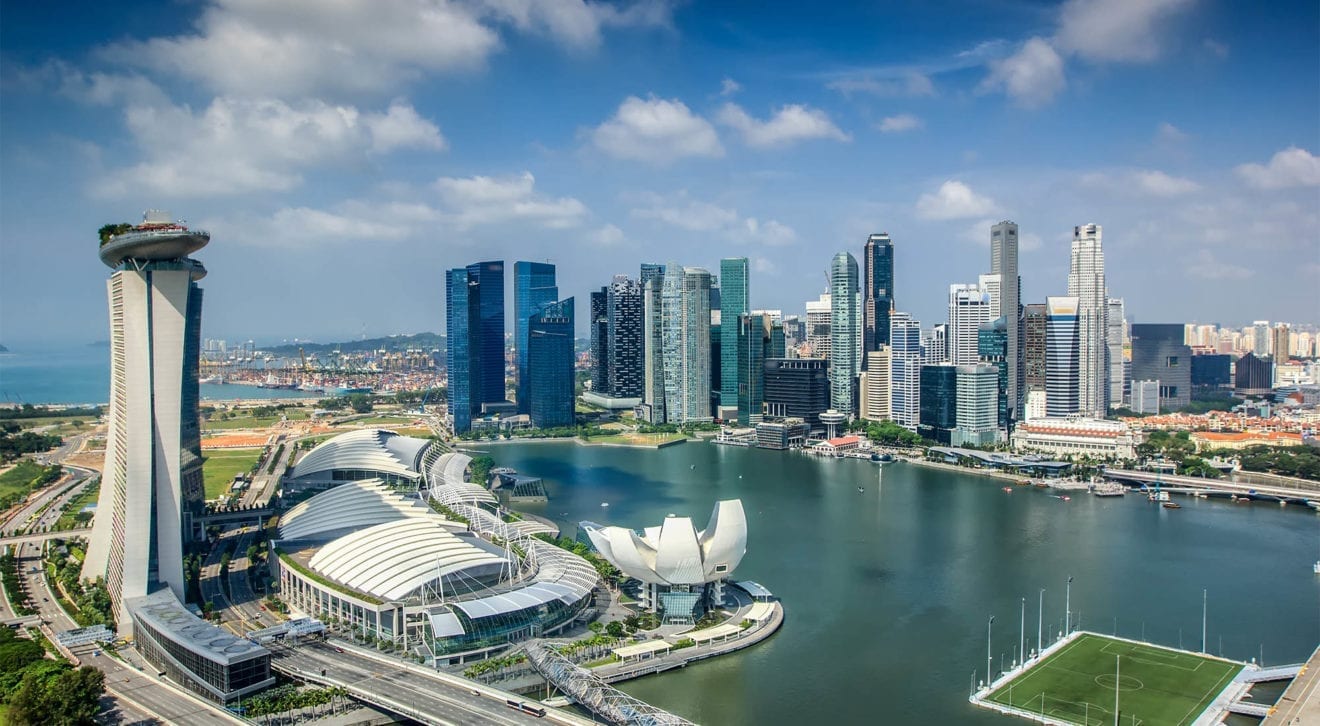
    While the city-state claimed the fourth spot in the rankings, Singapore’s 81 companies amassed an impressive US$637 billion in revenue last year, according to a recent report by a prominent U.S. business magazine. This staggering sum represents a third of the total revenue of $1.8 trillion collected by all firms listed and is nearly double that of Thailand, which came in second with revenues of $352 billion.

    Leading the Charge

    At the helm of this economic powerhouse is Trafigura Group, Southeast Asia’s largest company, specializing in commodities such as oil, gas, metals, and minerals. For the second consecutive year, Trafigura secured the top position with a remarkable revenue of $243.2 billion, nearly quadrupling the revenue of Singapore’s second-largest firm, agribusiness giant Wilmar.

    Profitable Banks Shine

    Despite not holding the highest revenue figures, three major Singaporean banks—DBS, OCBC, and UOB—emerged as the most profitable firms in the region, as reported by Singapore Business Review. It’s a fascinating twist that highlights profitability can sometimes outshine sheer revenue.

    An Evolving Landscape

    The Southeast Asia 500, now in its second year following its launch in 2024, spotlights a diverse array of businesses from Cambodia, Indonesia, Malaysia, the Philippines, Singapore, Thailand, and Vietnam. The total revenue generated by this year’s top 500 firms saw a modest increase of 1.7%, trailing the more robust 4.1% GDP growth witnessed across the economies represented in the ranking.

    Clay Chandler, Executive Editor for Asia at Fortune, noted the magazine’s increasing interest in the region. He explained that Southeast Asia is becoming a pivotal engine for global growth. “The region has become a crucial manufacturing and export hub, which is drawing significant capital flows,” he stated, adding that Trump-era tariffs have reshaped global trade dynamics and spurred a pivot towards Southeast Asia.

    Singapore’s strategic positioning as a regional hub enhances its appeal for businesses looking to expand into neighboring markets like Malaysia and Indonesia. Amidst this dynamic backdrop, it’s clear that the Lion City continues to roar as a key player in the Asian economy.

    Questions & Answers

    Which company topped the revenue rankings in Singapore?
    Trafigura Group led the charge, generating an impressive $243.2 billion in revenue.

    How do Singapore’s banks compare in terms of profitability?
    Despite not having the highest revenue, DBS, OCBC, and UOB were noted as the most profitable companies in the region.

    What is the significance of the Southeast Asia 500 ranking?
    This ranking highlights the growing importance of Southeast Asia as a critical manufacturing and export hub and showcases a mix of various types of businesses from across the region.

  • UBS Dominates Digitalization Rankings, Securing Top Spot Once More

    UBS Dominates Digitalization Rankings, Securing Top Spot Once More

    A recent study has delved into the digital transformation of Swiss retail banks, shedding light on their efforts to enhance digital services. For yet another year, Switzerland’s last major bank, UBS, has maintained its position at the top of the digitalization rankings.

    Groundbreaking Insights from the IFZ Study

    Digital enhancements have long been a cornerstone in the customer service strategies of Swiss banks. The Institute of Financial Services Zug (IFZ), in partnership with Swisscom’s think tank e.foresight, has meticulously assessed 47 banks based on 138 criteria to gauge their digital maturity. The findings produced both unweighted and weighted rankings, giving greater weight to specific key factors.

    Since the annual evaluations kicked off in 2020, UBS has almost consistently held the crown, having narrowly been surpassed by Migros Bank in 2023 but bouncing back to reclaim second place in this year’s rankings.

    Visual representation of the digital retail bank rankings in Switzerland (left: unweighted; right: weighted; chart: IFZ)

    Who Leads the Digital Charge?

    When it comes to evaluating features in e-banking, mobile banking, and websites, Migros Bank still takes the lead over UBS, according to the latest study. Trailing behind are VZ Depotbank and PostFinance, holding high ranks of third and fourth place respectively. PostFinance, in particular, has made impressive strides compared to last year. Interestingly, Credit Suisse, which was ranked fourth in 2024, did not appear in this year’s analysis, while BCV managed to preserve its fifth-place standing.

    Expanding Digital Horizons

    Among the 47 banks under scrutiny, 35 had been part of the previous assessment. On average, these banks are now delivering 9.38 percent more functionalities than before. An encouraging statistic from the study reveals that 28 of the 35 banks analyzed have made improvements over the past year.

    The drive towards innovation reflects a significant emphasis on technology, particularly the effective deployment of artificial intelligence (AI). Strikingly, leading banks in digitalization, including Acrevis, VermögensZentrum, Migros Bank, and UBS, have collectively introduced more than 10 new functions each, demonstrating a robust commitment to investment in digital capabilities.

    Indeed, the array of digital features has expanded notably. Instant payments, AI capabilities, multibanking options, customizable interfaces, and digital saving rules are becoming more commonplace. However, features like voicebots in mobile banking, fractional share trading, and social trading remain elusive treasures within the industry.

    Room for Improvement

    Despite the advancements, the study authors point out that significant disparities persist between different banks in terms of digital feature coverage and overall digital maturity. This is evident in the unweighted scoring, where banks scored between a high of 114.5 and a low of just 9.5 points out of a maximum of 139. Alarmingly, 33 of the 47 banks scored less than half of UBS’s impressive tally.

    As Swiss banks continue to navigate the digital landscape, one thing is clear: the race for the best digital platform is heating up, and the competition is anything but boring!

    Questions & Answers

    Which bank topped the digitalization rankings this year?
    UBS regained its top position in the digitalization rankings for Swiss retail banks.

    What were the criteria used to evaluate the banks?
    The banks were assessed on 138 criteria, covering various aspects of digital maturity including functionalities in e-banking and mobile banking.

    Did all banks show improvement in their digital offerings?
    Yes, 28 out of the 35 banks that were part of the previous study reported improvements in their digital functionalities over the past year.

  • Singapore Shines Bright: Ranked 4th Globally in Thriving Startup Ecosystem

    Singapore Shines Bright: Ranked 4th Globally in Thriving Startup Ecosystem

    The latest index from StartupBlink ranks Singapore as a vibrant player in the global startup arena, trailing behind Israel, Britain, and the United States. Since 2020, Singapore’s ascent has been remarkable, jumping 12 spots to become one of the fastest-growing startup ecosystems worldwide.

    StartupBlink attributes this progress to Singapore’s business-friendly atmosphere and robust support structures for startups. The city-state shines in crucial areas such as investor presence, startup opportunities, and a concentration of global tech firms, all bolstered by a skilled local workforce.

    Evaluating 118 countries, the index underscores Singapore’s strategic commitment to leading sectors like deep tech, fintech, food tech, artificial intelligence, and advanced manufacturing. Its universities play a pivotal role, training a highly competent workforce, linking startups with academic initiatives, and fostering an entrepreneurial spirit on campus.

    Aiming to further enhance this ecosystem, the Singapore government, through Enterprise Singapore, is on a mission to attract innovation. “Enterprise Singapore will continue to strengthen the ecosystem and we welcome global startups with strong science-based solutions to leverage Singapore as a launchpad to grow and scale their business in the region and beyond,” said Emily Liew, assistant managing director of innovation at Enterprise Singapore, as reported by The Straits Times.

    Liew emphasizes Singapore’s open ecosystem, nurturing talent and collaboration that offers stability and access to growth resources, all while navigating global startup challenges. This uptick in ranking coincides with an impressive funding year and substantial government backing.

    A report released in April 2025 by Enterprise Singapore and PitchBook revealed that in 2024, Singapore captured nearly 60% of ASEAN’s venture capital deal volume, totaling US$4.8 billion. Additionally, in October 2024, the government pledged an extra SGD440 million (US$341 million) to attract venture capital firms towards local deep tech startups, raising the total government funding for this initiative to over SGD1 billion.

    Could this be Singapore’s ticket to tech supremacy? Only time will tell!

    Questions & Answers

    What notable achievements has Singapore made in the startup ecosystem?
    Singapore has jumped 12 spots in startup rankings since 2020, making it one of the fastest-growing ecosystems globally, thanks to its business-friendly environment.

    How much venture capital did Singapore secure in 2024?
    In 2024, Singapore captured nearly 60% of ASEAN’s venture capital deal volume, amounting to a total deal value of US$4.8 billion.

    What steps is the Singapore government taking to attract startups?
    The government, through Enterprise Singapore, is investing an additional SGD440 million to draw venture capital firms to local deep tech startups, totaling over SGD1 billion in funding for this initiative.