Tag: Raoul

  • Offshore investor shows interest in FJ Benjamin

    Offshore investor shows interest in FJ Benjamin

    An international group is seeking to invest in Singapore brand-management company FJ Benjamin, which has such brands as Bell & Ross, Givenchy, Guess and Tom Ford in its portfolio.

    FJ Benjamin says it has entered into a non-binding term sheet, a document that sets out the terms and conditions under which an investment will be made, with an offshore third party.

    This term sheet would be “in relation to a potential transaction which may enhance or unlock shareholder value”, the company said in a release to the Singapore Exchange.

    With mall vacancies in Singapore for the three months to June 30 rising to 7.8 per cent from 7.3 per cent the previous quarter, FJ Benjamin saw its net loss for the fiscal year ended the same date balloon by 35 per cent to about S$23.5 million (US$16.6 million) while revenue fell by 14 per cent to S$253.6 million – its third consecutive year of losses.

    Managing more than 20 brands, FJ Benjamin has 226 stores in eight cities. One of its international labels, Raoul, closed its last store in Singapore, in Paragon mall, in February.

  • Another close shut down in Singapore

    Another close shut down in Singapore

    Streetwear chain 77th Street is about to become another victim of Singapore’s struggling retail scene.

    The home-grown clothing company will close the doors of its last outlet, in Ang Mo Kio, by the end of this month, according to Channel NewsAsia.

    Founder Elim Chew says high rents have forced the closure, with the present rate of $35 a square foot having risen from $9 when she started the business at Far East Plaza in 1988.

    At one point, 77th Street had 16 outlets around Singapore, and was the first Singaporean retailer to set up a shopping mall in China in the early 2000s by opening 77th Street Plaza. This has since closed.

    Chew has now ventured into the logistics industry, setting up the app Fastfast along with Adrian Ng of mobile app and retail technology developer Codigo. The app allows people in between jobs or retirees to become document or package couriers. About 4500 people have signed up to be FastFast drivers, according to The Straits Times.

    Meanwhile, the first six months of this year have seen several retail brands exit Singapore, including Britain’s New Look, French menswear chain Celio, and local label M)Phosis.

  • Raoul Singapore closes last store

    Raoul Singapore closes last store

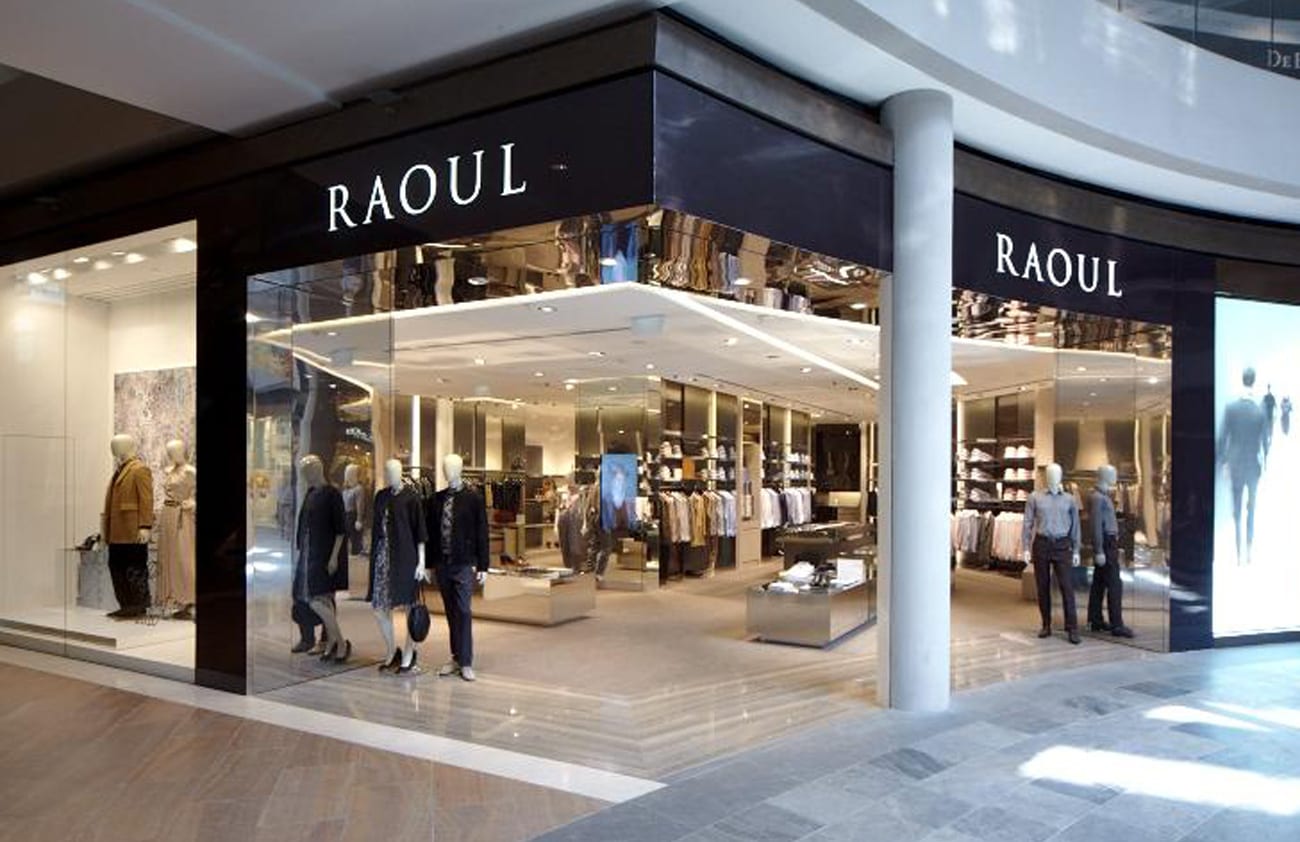
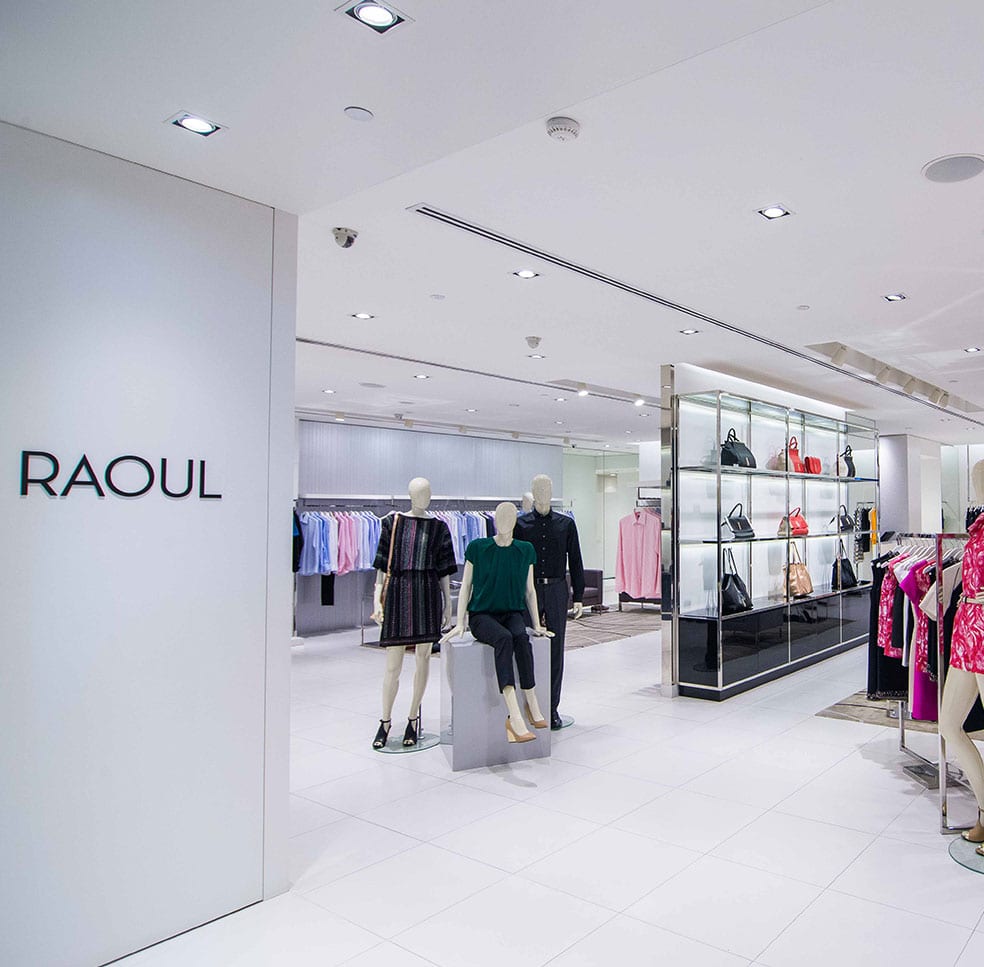
    The last Raoul Singapore boutique has closed its doors as creator FJ Benjamin decides to focus on wholesaling.

    Raoul, positioned as an affordable luxury brand, began life as a menswear brand back in 2002 before expanding into women’s fashion – because women shoppers were buying smaller sized men’s shirts to wear themselves.

    At one point, it had boutiques as far afield as Melbourne and London and became a beacon for the Singapore fashion industry in a market dominated by European fashion labels.

    Raoul closed its Paragon store on Orchard Rd in February, unwilling to pay the rents demanded.

    The founding premise

    When your business model is built around retailing products designed by others – as FJ Benjamin has for more than 50 years – your fortunes rise and fall with those brands and the head office decisions in other countries. That was a major part of the motivation to launch Raoul, which met with success very quickly.

    Over its first 50 years, FJ Benjamin held Singapore or regional rights to brands as diverse as Gucci, Gap, Manchester United, La Senza, Fendi, Goyard, Celine, Givenchy, Banana Republic, La Perla, Naomi Campbell, Valentino, Nautica, Victorinox and Rado. But after the financial crisis, it pulled back from high end labels to focus more on lifestyle brands.

    “In business you have to be nimble. We thought ‘OK, lifestyle has done well for us. Let’s continue’,” Douglas Benjamin, the company’s COO, told a presentation attended by Inside Retail Asia back in 2010.

    The Raoul brand was conceived on a trip by Benjamin to London.

    “The company had always been franchising and representing brands from other companies. My father was a strong believer we needed to have our own brand. In 2003 we bought some shirts from some expensive stores and after three to four months I was wearing shirt and the cuffs were fraying, buttons coming off.”

    What if they could produce shirts that looked as high in quality, but actually lasted?

    “We decided to develop a men’s shirt label. We’d get the best quality material and make it in Asia and if you give a man a choice, he will buy.”

    So Raoul – the French name for Ralph – was launched through stores in Singapore, Malaysia and Indonesia. The first store combining both ranges opened its doors in 2007 and a flagship in the classic Paragon shopping centre on Orchard Rd in 2009. Later, stores would follow in Mainland China and the Middle East.

    Raoul is by no means finished despite the closure of the Singapore stores. A concession continues to trade at Robinsons department store on Orchard Rd and the company will now concentrate on wholesaling with a particular focus on the US, UK and Middle East. Among the UK stockists of Raoul are Harrods, Harvey Nichols and Liberty of London. Saks and Neiman Marcus in the US and KaDeWe in Germany also stock Raoul, further underlining the brand’s fashion cachet.

    Despite its high profile globally, Singapore seemingly cannot sustain a flagship store. As a saddened fashion designer Sabrina Goh of fellow home-grown brand Elohim By Sabrina Goh told the Straits Times this week: “Raoul has always been seen as a sound brand with years of industry experience, and financial and production clout. It really just illustrates how tough the current Singapore retail market is.”

  • Can Singapore’s fashion brands take on the world?

    Can Singapore’s fashion brands take on the world?

    Labels such as Raoul, Ong Shunmugam and Collate The Label are certainly going to give it a try

    In the heart of an old industrial estate in Toa Payoh North, an immaculately dressed Velda Tan sits in a small office as office workers, aunties wearing tight clothes and construction workers carry on with their lives outside. It’s the home of Tan’s latest fashion venture, Collate The Label, a humble but comfortable space, but with a well-equipped studio for fashion shoots, space for a dozen employees, stacks of sketches, fabric samples and magazines lying on tables and shelves, and even a doggy bowl for furry friends.

    Collate The Label is one of many new fashion brands that have popped up in Singapore over the past few years, but it has been exceptional in its success so far. Although it’s only a few months old, the Singaporean mid-market womenswear brand, which launched in May at Singapore Fashion Week, will soon head to New York to participate in Coterie, a three-day fashion trade-show event, with the Textile and Fashion Federation Singapore (TAFF).

    “I think, for me, (the aim) is really to build Collate as an independent Singapore label,” said the founder and creative director of the brand. “We want to identify ourselves as a local brand, and one of our goals is to make Singaporeans proud of wearing local labels.”

    The local retail scene is certainly more vibrant than a decade ago. Local designers have been given more platforms, such as the annual Singapore Fashion Week and Digital Fashion Week, to showcase their works to an international audience. TAFF also works with government agencies such as SPRING Singapore and International Enterprise (IE) Singapore to organise events such as the Asian Fashion Exchange, a one-stop event for local designers, regional and international buyers and other industry professionals, as well as trips to about a dozen overseas fashion trade shows every year.

    “It’s a wonderful time to be a designer in Singapore at the moment,” said Carolyn Kan, founder and designer of jewelry line Carrie K. and co-organiser of retail outfit KEEPERS: Singapore Designer Collective, which opened its second pop-up store at Changi Airport Terminal One last month. “There is a lot of support by the Government, there is also a growing design community to tap into, and Singaporeans are slowly starting to seek out local brands.”

    Still, the challenges remain. In setting up their labels, designers such as Tan had to learn to overcome numerous obstacles, including the size of Singapore’s market.

    “Because Singapore’s market is quite small, we have to think about crossing borders and going overseas,” she said.