Retail News CRM

Tag: rates

  • Gold Prices Hold Steady as Global Rates Dip – What It Means for Retail Investors

    Gold Prices Hold Steady as Global Rates Dip – What It Means for Retail Investors

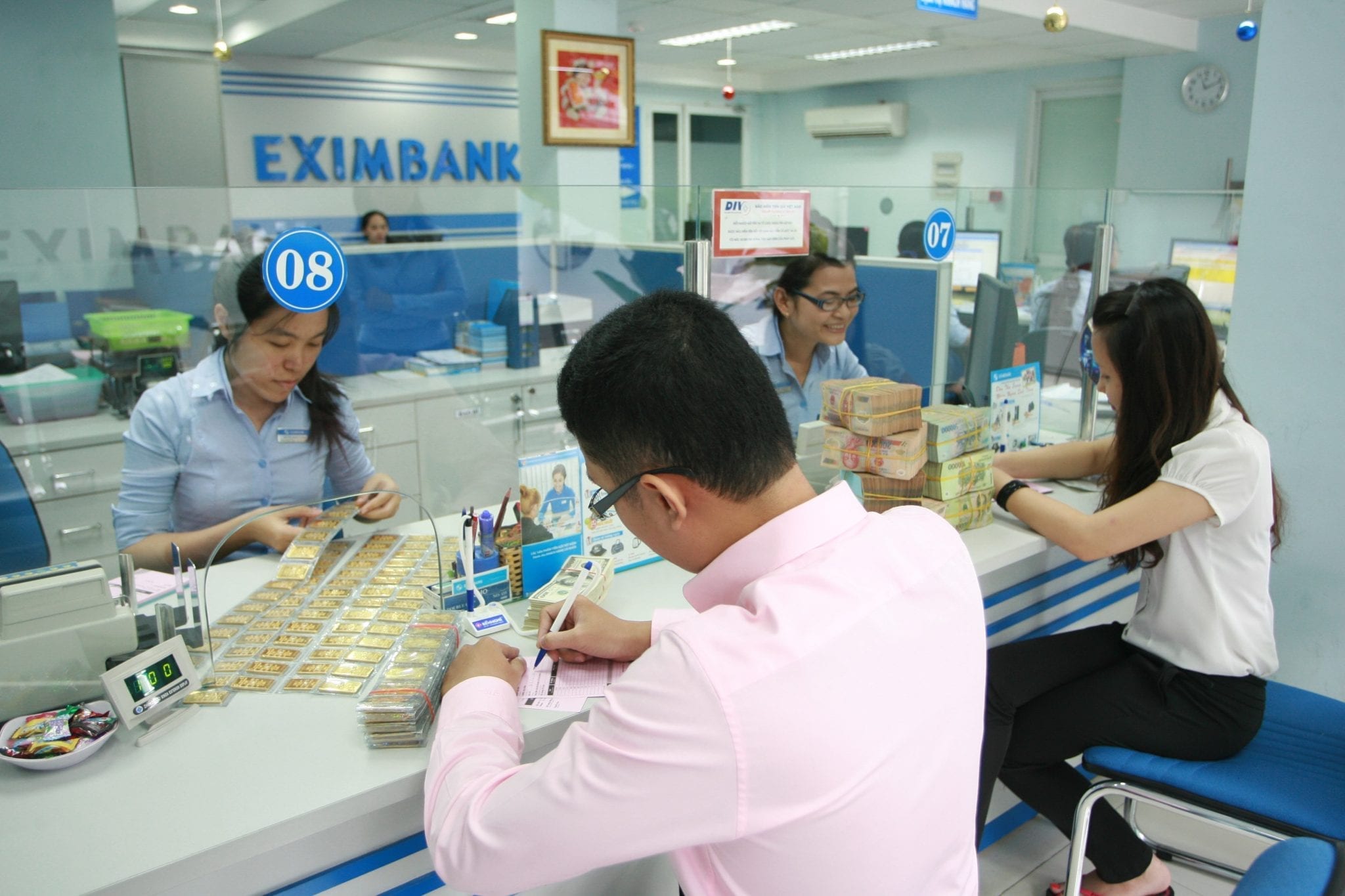
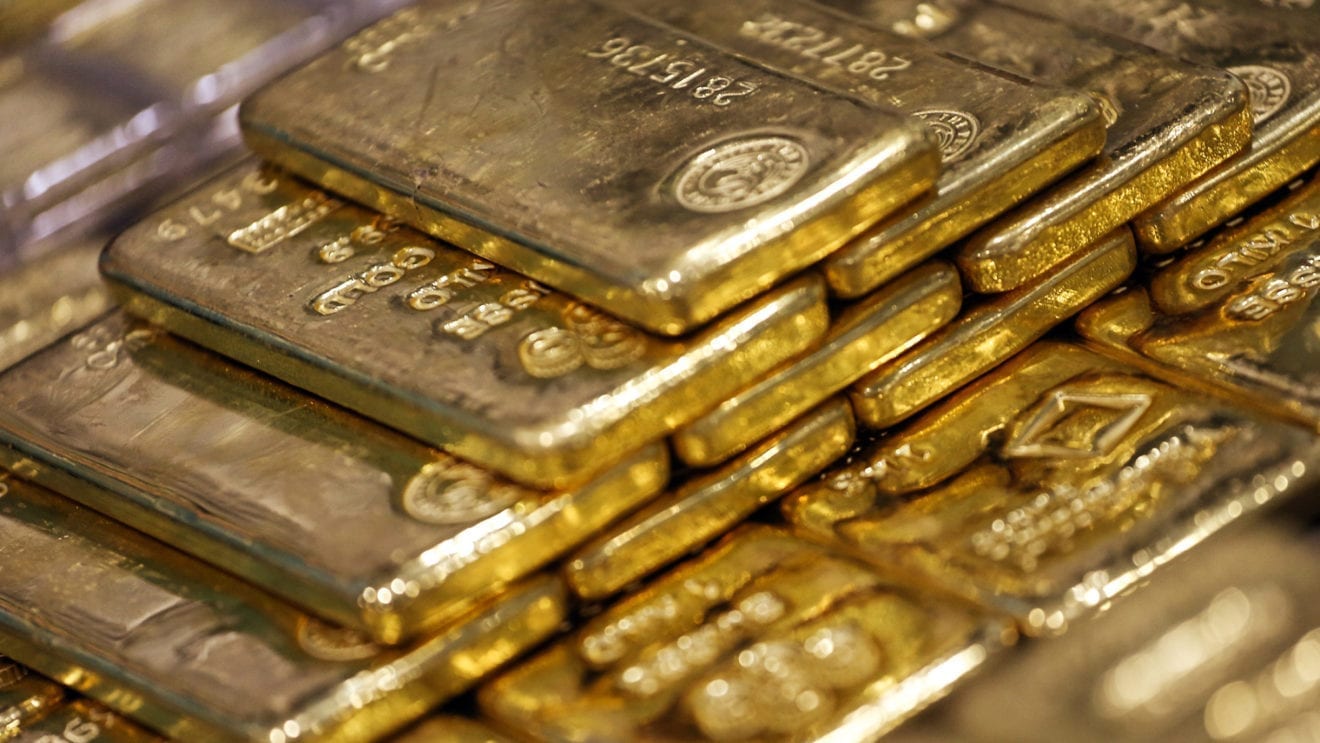
    Vietnamese gold prices remained stable on Wednesday afternoon, even as global bullion rates slipped slightly. In the heart of Ho Chi Minh City, the price of gold bars offered by the Saigon Jewelry Company was consistent at VND119.6 million (approximately US$4,583.78) per tael, while gold rings were priced at VND116.2 million. For context, a tael equals about 37.5 grams, or 1.2 ounces.

    Since January, gold bar prices have surged by an impressive 42%.

    On the international scene, gold prices dipped slightly amid volatile trading as investors exercised caution ahead of the U.S. Federal Reserve’s upcoming policy decision. An ongoing military conflict between Iran and Israel also loomed large over market sentiment.

    As for the numbers, spot gold fell by 0.2%, landing at $3,381.10 an ounce, while U.S. gold futures also lost 0.2%, settling at $3,399.30.

    As tensions escalated, both Iran and Israel exchanged missile strikes on Wednesday, extending their conflict into a sixth day, despite U.S. President Donald Trump’s call for Iran’s unconditional surrender, which is about as popular as asking someone to leave the party early.

    In the U.S., retail sales figures released on Tuesday showed a steeper drop than anticipated for May, primarily due to reduced vehicle purchases as consumers rushed to beat anticipated tariff hikes.

    Meanwhile, the consensus expectation is that the U.S. central bank will leave interest rates unchanged following its policy meeting later today.

    Goldman Sachs remains bullish, predicting that strong central bank buying and increasing ETF holdings from prospective Fed cuts could push gold prices to $3,700 an ounce by the end of 2025, with a possible rise to $4,000 by mid-2026.

    Questions & Answers

    What are the current gold prices in Vietnam?
    The current prices are VND119.6 million for gold bars and VND116.2 million for gold rings, with one tael equaling approximately 37.5 grams.

    What is influencing the global gold market right now?
    Global gold prices are being influenced by investor caution ahead of the U.S. Federal Reserve’s policy announcement and ongoing conflicts, particularly between Iran and Israel.

    What does Goldman Sachs predict for gold prices in the near future?
    Goldman Sachs forecasts that gold could rise to $3,700 an ounce by the end of 2025 and potentially reach $4,000 by mid-2026, fueled by strong central bank demand and ETF investments.


  • Gold Prices Dip as Global Rates Retreat Amid Market Shifts

    Gold Prices Dip as Global Rates Retreat Amid Market Shifts

    Gold prices in Vietnam experienced a dip on Wednesday morning, following a global trend of declining bullion rates. The price of gold bars from Saigon Jewelry Company fell by 0.41%, settling at VND120 million (approximately US$4,622.94) per tael. Meanwhile, gold rings saw a slight decrease of 0.43%, now priced at VND115 million per tael. To put it in perspective, a tael weighs 37.5 grams or 1.2 ounces.

    Global Trends Impacting Gold Prices

    Internationally, gold prices took a hit on Wednesday as easing tensions in U.S.-China trade relations diminished the demand for safe-haven investments. Market participants are eagerly awaiting new inflation data that could shape the Federal Reserve’s future policy decisions, according to Reuters.

    Market Analyst Insights

    Spot gold prices fell by 0.4%, bringing it to $3,234.32 an ounce, while U.S. gold futures decreased by 0.3%, landing at $3,237.00. Financial market analyst Kyle Rodda from Capital.com noted, “Positive developments in U.S. trade policy are diminishing gold’s appeal in the short term. If trade negotiations continue to progress well, gold could see further declines, with $3,200 serving as a critical support level.”

    Future Outlook

    In a related commentary on Tuesday, former President Trump reiterated his push for the Federal Reserve to lower interest rates, citing drops in prices for gas, groceries, and “practically everything else.” Gold, traditionally considered a hedge against inflation, often thrives in low-interest rate environments, making future developments in monetary policy even more pertinent.

    As the sun sets on gold prices, one has to wonder: Will the golden bling experience a shiny resurgence, or darken with market shifts?

    Questions & Answers

    What caused the decline in gold prices in Vietnam?
    The drop in Vietnamese gold prices was influenced by decreasing global bullion rates, linked to easing U.S.-China trade tensions.

    How much did gold prices fall?
    Gold bars fell 0.41% to VND120 million per tael, while gold rings decreased 0.43% to VND115 million per tael.

    What factors could affect future gold prices?
    Future gold prices could be impacted by ongoing trade negotiations and monetary policy decisions from the Federal Reserve.

  • Gold Prices Retreat Amid Rising Global Interest Rates

    Gold Prices Retreat Amid Rising Global Interest Rates

    In a market flush with volatility, Vietnam’s gold prices slipped on Monday, reflecting a contrasting trend in the global bullion market where prices surged. This divergence highlights the complex dynamics of consumer trends and trading behaviors.

    Local Market Movements
    The Saigon Jewelry Company’s gold bars saw a decrease of 0.82%, bringing the price down to VND 120.3 million (approximately USD 4,630.22) per tael. Similarly, gold ring prices fell by 1.29%, settling at VND 115 million per tael, as domestic consumers reacted to both global market shifts and local economic signals.

    Government Oversight
    In response to the fluctuating prices, Deputy Prime Minister Ho Duc Phoc has urged the State Bank of Vietnam and relevant authorities to closely monitor the evolving domestic and international financial landscape. This includes rigorous enforcement of regulations aimed at stabilizing the gold market, promoting transparency, and mitigating potential violations.

    Global Trends Influence Local Prices
    Globally, gold prices climbed on Monday, buoyed by a weakening dollar and investor anticipation regarding U.S. trade policies. Notably, spot gold prices increased by 0.7% to $3,261.59 per ounce, while U.S. gold futures rose by 0.8% to $3,269.60. Market analysts anticipate that with the Federal Reserve meeting approaching, the dollar’s subdued performance will lend additional support to gold prices.

    Future Predictions
    KCM Trade’s Chief Market Analyst, Tim Waterer, suggested that gold may hover between $3,200 and $3,350 before the Fed’s announcement. However, he warned that any developments regarding international trade deals could trigger increased market volatility.The juxtaposition of declining local gold prices against a backdrop of rising global rates reflects intricate consumer trends and varying economic conditions. Shifts in gold prices could profoundly influence purchasing behaviors and investment strategies for consumers and the broader retail sector.

    Questions & Answers

    Why did gold prices drop in Vietnam? Gold prices in Vietnam declined due to local market reactions, even while global prices rose, particularly influenced by shifts in the dollar’s value and investor sentiment towards U.S. trade policies.

    What actions is the Vietnamese government taking to manage the gold market? The Vietnamese government, through Deputy Prime Minister Ho Duc Phoc, is monitoring the financial landscape, emphasizing the need for transparency and strict regulatory enforcement to stabilize the gold market.

    How are global gold prices trending? Global gold prices experienced an uptick, with spot gold rising by 0.7% amid a weaker dollar and investor anticipation of the Federal Reserve’s policy decisions in the coming days.

  • Apartment prices continue to rise in major cities

    Apartment prices continue to rise in major cities

    Apartment prices in Hanoi and Ho Chi Minh City continued to rise in the third quarter, going up by 0.24 percent and 0.35 percent from the previous quarter. According to the Ministry of Construction, lower-end apartments in Hanoi, often built in developing suburban areas like Dong Anh, Gia Lam, and Ha Dong, have a high absorption rate of around 70 percent.

    Mid- and high- priced projects, especially luxury apartments, sell much slower, and since the onset of Covid-19 many projects have seen little or no demand.

    Hanoi’s Q3 new apartment supply fell 60 percent year-on-year to a five-year low of 3,100 units as Covid-19 hampered new launches, according to real estate consultancy firm Savills Hanoi.

    The ministry said in HCMC a shortage of apartments led to rising prices along with high absorption rates, and developers, therefore, had to turn to suburban districts, leading to surging land prices in Binh Chanh, Go Vap, and Cu Chi Districts.

    Supply is down around 60 percent due to the impact of the pandemic and slows licensing by the city authorities.

    Figures from the ministry show apartment prices were VND24.8-37.7 million ($1,068-1,626) per square meter in Hanoi; VND30-50 million in HCMC, VND23-27 million in the northern province of Quang Ninh, VND30 million in northern Hai Phong City, VND30-38 million in southern Binh Duong Province, and VND19-60 million in southern Can Tho City.

    Vietnam’s Q2 real estate loans grew 10.2 percent over the first to VND580.17 trillion ($25 billion), showcasing a recovery in demand.

    Compared to the quarter-on-quarter growth of just 0.88 percent in the first quarter, showcasing a sluggish real estate market, the Q2 figure is a marked improvement, reflecting a resurgence after the nationwide social distancing campaign ended in late April, the construction ministry said.

    Of the total, 25.9 percent of the real estate loans were for construction and maintenance of existing housing units or to acquire property deeds, it said.

    The report also said that most real estate companies have resumed operations after two Covid-19 outbreaks were contained.

    Foreign direct investment in real estate was $2.35 billion in the third quarter, four times that of the second, which is a good sign for the industry, the ministry said.

  • Some banks in Vietnam enter new rate race

    Some banks in Vietnam enter new rate race

    VPBank announced it has offered a rate of 9.2 per cent per year for five-year certificates of deposit. VietA Bank has also listed a high rate of 8.2 per cent per year for certificates of deposit with tenure of just six to 18 months.

    The rate at Sacombank is also at 8.2 per cent per year; however, it is applicable for certificates of deposit with tenure of 5-7 years.

    The rate is much higher than the average deposit interest rates offered by other commercial banks. Currently, State-owned commercial banks offer a rate of 6.5-6.8 per cent per year for long-term deposits, while it is 7-7.5 per cent at large-sized joint stock commercial banks and 8-8.2 per cent at small-sized banks.

    Analysts attribute the hike to factors such as the need for medium- and long-term funds to grow lending this year.

    Many experts anticipated the scenario and warned there would be rising demand for long- and medium-term funding after they saw the economy clearly recovering and the Government signing a series of bilateral and multilateral trade agreements, which is likely to increase businesses’ demand for funds.

    Another reason is that 80-90 per cent of deposits currently are short-term while demand for long- and medium-term loans is growing rapidly.

    State Bank of Viet Nam (SBV)’s HCM City branch reported that last year the ratio between short-term and long- and medium-term loans was 44:56 per cent. It is normally 50:50.

    In addition, SBV’s amendments to Circular 36/2014/TT-NHNN reducing the ratio of short-term deposits that can be used for medium- and long-term loans from the current 60 per cent to 40 per cent has caused deposit interest rates to rise.

    Besides this, the risk weight for loans to the real estate sector has also been raised to 250 per cent from 150 per cent since 2017.

    As a result, banks have been forced to hike interest rates on long-term deposits so that they have enough funds to provide long- and medium-term loans.

    Expert Bui Quang Tin said the interest rate hike would put pressure on the central bank’s monetary management this year, especially when the central bank has to meet the three targets of controlling inflation, keeping foreign exchange rate and interest rate stable.

    Tin was also concerned it would be hard for lending interest rate, especially medium and long term, to be steady in the wake of the deposit rate hike. Both lending and deposit rate would rise by roughly 0.5-1.5 per cent per year this year, he forecast.

  • Power tariff likely to keep unchanged this year

    Power tariff likely to keep unchanged this year

    The Ministry of Industry and Trade (MoIT) has not yet decided to adjust power tariffs this year and has been calculating basic prices, the ministry yesterday announced at an electricity production cost conference in Hà Nội.

    The ministry said that EVN is required to build a basic price for the year of 2017 based on calculation of 2015 and estimates of 2016.

    Concerning those numbers, Electricity of Việt Nam’s (EVN) 2015 power turnover reached more than VNĐ234.3 trillion (US$10.32 billion) or equivalent to electricity retail price of VNĐ1,630 per kWh.

    Turnover from activities relating to power production and trading in 2015 was VNĐ2.5 trillion.

    According to Deloitte Việt Nam’s independent audit report, the losses which have not been calculated into EVN’s electricity production and trading in 2015 were up to VNĐ8.5 trillion. The losses came from the foreign exchange rate differences throughout the group’s wholly invested companies. Its foreign exchange rate difference at companies which EVN holding shares was over VNĐ1.3 trillion.

    EVN in 2015 therefore posted a slight loss in power production and continued to sell electricity lower than the production cost.

    Nguyễn Anh Tuấn, director of the ministry’s Electricity Regulatory Authority, said that in 2015 the prices of main fuels including coal, oil and gas affected the electricity production. The Ministry of Science and Technology in the same year promulgated a decision to increase gas prices sold to electricity production by 2 per cent while keeping coal prices stable.

    “The important factor in 2015 was that hydropower plants did not reach the set productivity due to unfavourable hydrological conditions. The power output from hydropower plants was reduced and EVN had to mobilise electricity from coal-fired and gas-power plants. This affected to production costs,” Tuấn added.

    He added that according to current regulations, construction costs of villas and tennis courts have not been calculated into power production cost. The construction has come from the EVN’s welfare fund, of which, turnover from EVN’s financial activities was around VNĐ1.01 trillion and those from its corporations was VNĐ194.3 billion. Turnover from dividend and profit was VNĐ60.95 billion.

    He said the losses from the foreign exchange difference would be gradually accounted into power tariffs.

    Đinh Quang Tri, EVN’s deputy general director said in 2015 that the group has itself avoided roughly VNĐ3.5 trillion in foreign exchange difference losses thanks to maximising costs and increasing profit. The remaining losses will be gradually accounted for.

    “Normally, the foreign exchange difference losses must be accounted in a year according to the accounting mechanism. However, the EVN asked the ministry and finance ministry to gradually handle the losses over five years due to its special characteristics. If the loss was accounted all at once, power tariffs would surge. The losses would be taken into account of power tariff or reducing production costs,” Tri said.

    “The ministry would review the basic prices. If there is a change of input prices such as fuel, foreign exchange and rates of power resources higher than 7 per cent, the power tariff would be adjusted,” he added.

  • Indian telcos square off over interconnection rates

    Indian telcos square off over interconnection rates

    Indian operators Bharti Airtel and Vodafone are squaring off with Reliance Jio Infocomm and Tata Teleservices in court over regulator Trai’s recent decision to fix interconnection rates.

    Trai recently set interconnection rates at zero for landline to wireless calls and 14 paise ($0.002) per minute for wireless to wireless calls. Airtel and Vodafone subsequently filed a court challenge to this decision.

    Now Reliance Jio and Tata Teleservices have filed court briefs opposing this legal challenge, The Telegraph India reported.

    Incumbent operators Airtel and Vodafone are opposing the order on the grounds that it unfairly penalises larger players. In Vodafone’s court filing in November, the operator said the regulations are illegal, arbitrary and beyond the functions of Trai to implement.

    The operators have also argued that the order is unfair because they should be compensated for rival operators using their infrastructure. Airtel is meanwhile calling on Trai to fix termination rates on a cost-based and work-done basis.

    Reliance Jio is a disruptive newcomer to the market, currently offering services for free as a promotional offer to lure customers from rival networks, while Tata Teleservices is one of the market’s smaller operators.

  • CAT to cut network leasing rates by 10%

    CAT to cut network leasing rates by 10%

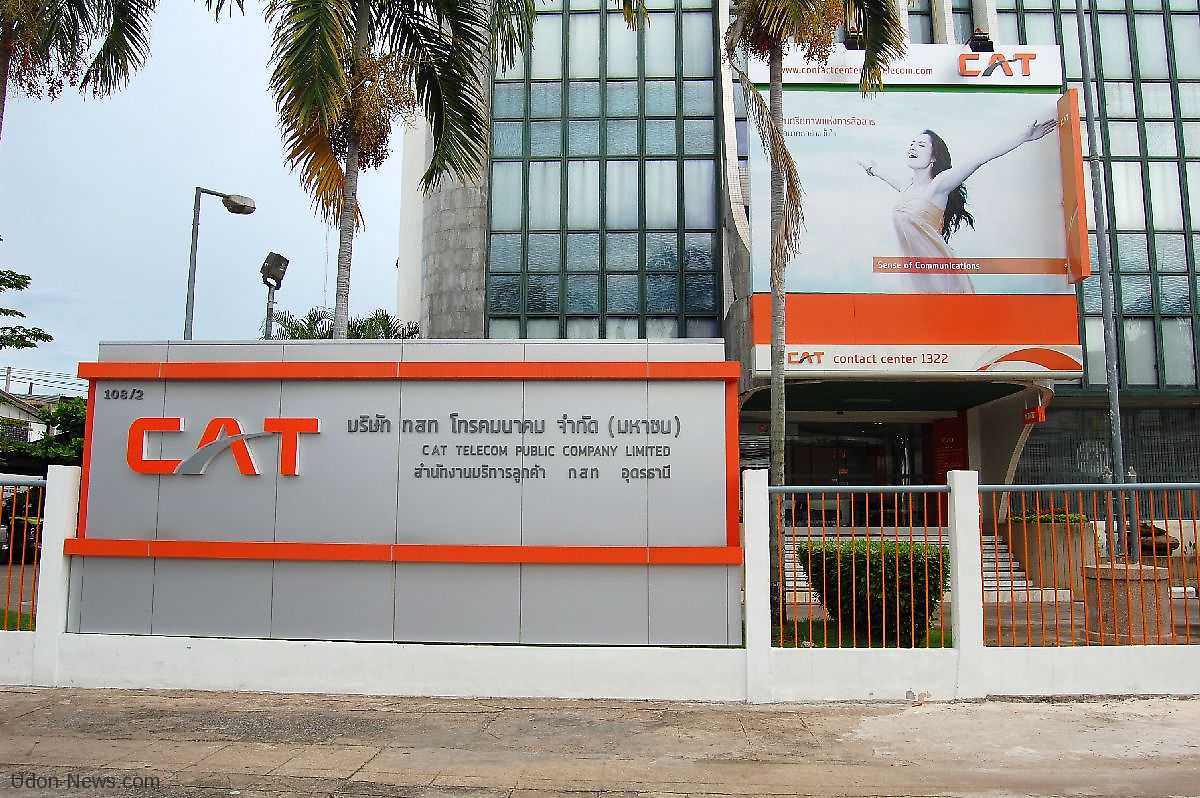
    Thai state-owned operator CAT Telecom will cut its wholesale 850-MHz network leasing prices by 10% to help the companies using the network under an MVNO model improve profit margins.

    CAT plans to implement the price cuts by the end of the year, citing comments from president Col Sanpachai Huvanandana.

    Several MVNOs had asked CAT to lower its rates to help reduce operating costs and help MVNOs struggling to compete stay above water.

    But Sanpachai insisted that the rates are not too high, and that it is instead competitive pressures and low ARPUs that are leaving MVNOs finding it difficult to compete.

    CAT currently has five companies providing 3G services on the operator’s 850-MHz network – TrueMove subsidiary Real Move, Samart i-Mobile, Penguin operating unit the White Space, 168 Communication and Data CDMA.

    According to the report, Samart i-Mobile recently returned 300,000 mobile numbers to save rates on numbering fees after determining that the company can not profitably provide services due to a high network leasing cost. Thai mobile operators pay a fee of 1 baht ($0.029) per month per mobile number.

  • Hong Kong Central Bank Lifts Key Rates

    Hong Kong Central Bank Lifts Key Rates

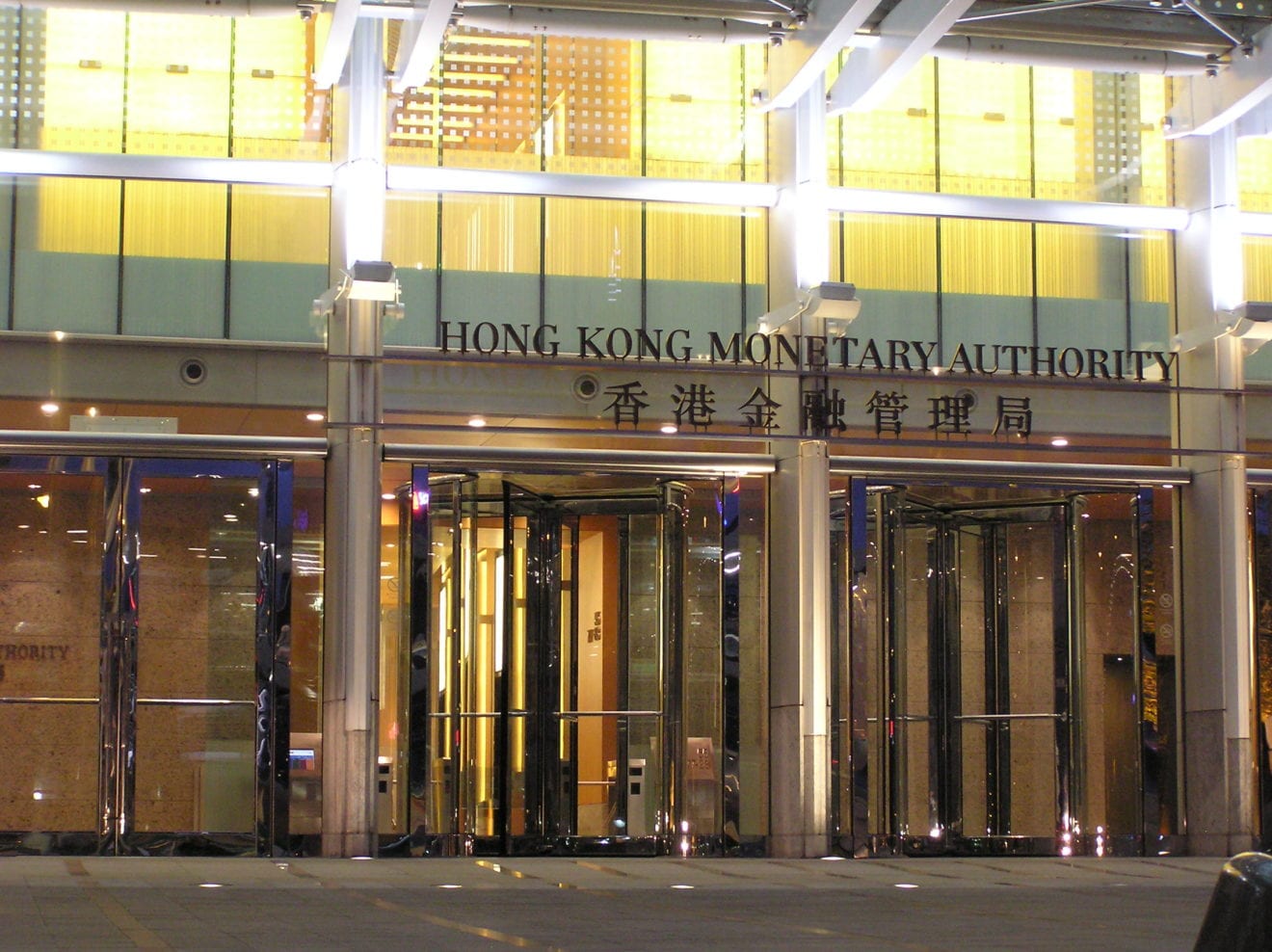
    “Instead of going into the property market, (capital flows) could go out and ease the property market, and that could strike consumers’ confidence and I think the economy next year may not perform so well”, said Paul Tang, chief economist at Bank of East Asia in Hong Kong. As Hong Kong’s currency is pegged to the United States dollar, the city’s monetary policy typically moves in line with the Fed.

    “The normalization of Hong Kong’s interest rate will begin with the outflow of funds from the Hong Kong dollar trigger by high interest rates of the U.S. dollar”.

    A company logo is displayed inside the HSBC headquarters in Hong Kong November 3, 2015.

    The rate hike followed the U.S. Federal Reserve’s decision to raise the range of its benchmark federal funds rate by a quarter of a percentage point to between 0.25 percent and 0.50 percent on Wednesday, its first move in almost a decade.

    “We have seen a relatively slow economic growth this year, which is to a large extent attributed to the weak performance in our foreign trade”.

    Meanwhile, rampant deflationary pressure worldwide, volatilities in the global financial landscape, the growth of regional trade agreements, as well as lingering geopolitical threats and increased terrorist concerns, are the major risks and challenges facing Hong Kong exporters. Data from retail banks, which account for about 90% of the total customers’ deposits in the banking sector, are used in the calculation.It should be noted that the composite interest rate represents only average interest expenses.

  • DHL announces 2016 rate adjustments

    DHL announces 2016 rate adjustments

    DHL Express has announced its annual general average price increase, which will come into effect on 1 January next year.

    In Germany and in the UK, the average price increase will be 3.9%. Globally, price adjustments will vary from country to country, depending on local conditions, and will apply to all customers where contracts allow.

    The DHL Express products offered for private customers via post office branches in Germany, however, remain unaffected by the price increase.

    Ken Allen, CEO, DHL Express, said: “Our annual price increase enables us to continue investing in our international time definite network and to maintain our leading service quality.

    “Our major investment announcements in 2015 have included new hubs in Brussels, Belgium, and Singapore, and an expanded Americas hub in Cincinnati.

    “We are also continuing to invest in the Middle East and Africa, where we have unrivalled networks, and to add freighter aircraft, particularly to strengthen our intercontinental connections.”

    On 16 September, FedEx announced that it would be raising its shipping rates by an average of 4.9%.