Retail News CRM

Tag: rating

  • Decoding Australia’s Health Star Rating: The Struggle for Parents Amid Confusion and Misinformation

    Decoding Australia’s Health Star Rating: The Struggle for Parents Amid Confusion and Misinformation

    Food labels are designed to facilitate healthier lifestyle choices. However, not all label systems are equally effective. Currently, a voluntary Health Star Rating system is in place in Australia, allowing food manufacturers to voluntarily label their products with a star, indicating how it compares to similar goods on the market. Yet, some manufacturers opt not to rate their products at all. There is an ongoing discussion within the Australian government about making these labels mandatory.

    The Health Star Rating system, while potentially useful, has proven to be often confusing and lacking credibility among consumers, according to new research on parenting and food in Australia. If it becomes mandatory, the system will require significant adjustments in order for consumers to trust and find it useful.

    Understanding How Health Star Ratings Work

    The Australian government, in association with the food industry, public health, and consumer groups, introduced the Health Star Rating system in 2014. Products are rated from an unfavorable half-star to a desirable five stars. Factors such as calories, saturated fats, sugars, and sodium lower the product’s rating, while fibre, protein, and the content of fruits, vegetables, nuts, and legumes increase it.

    The system works on a balance of good and bad factors. This allows companies to tailor their products strategically to enhance the rating, possibly obscuring unhealthy ingredients. The ratings do not take into account processing and additives like sweeteners, coloring, emulsifiers, preservatives, and artificial flavorings. Prior research has indicated that the ratings can inadvertently promote ultra-processed foods over unprocessed foods and misrepresent their healthiness.

    Consumer Confusion and Skepticism

    Recent interviews with 34 parents in Australia revealed that the Health Star Ratings are often perceived as “misleading,” “unhelpful,” and “misapplied”. Some even thought the ratings were a paid marketing tactic used by companies.

    One common issue is the positivity bias of the symbol. Stars are generally perceived as positive, causing confusion when applied to food ratings. Despite the product’s star rating, parents reported that they still had doubts:

    Another issue is the assumption that all packaged food rated five stars is healthy. Parents also expressed concern that some unhealthy foods were assigned stars, which they thought was misleading. This has led to many parents disregarding the rating system and relying on ingredient lists, apps, and extensive internet research to make healthier choices. However, this has also led to frustration as these parents feel that the burden of making healthy choices is being unfairly placed on them.

    Need for a Better Food Labelling System

    Despite these issues, the parents interviewed believed that a front-of-pack system is valuable but wished for transparency, trustworthy information, and food policies that prioritize consumer health. They expressed the need for government intervention, as they felt the food industry would not independently prioritize consumers’ health.

    Other nations like Chile, Mexico, Brazil, and soon Canada, have adopted a ‘stop-sign’ warning system to deter consumers from least healthy products. These large Black Octagons warn consumers about high sugar, sodium, and saturated fats, and ultra-processing. Evidence suggests these warning labels have had a positive impact on nutrition and public health in these countries and might be a viable option for Australia.

    To support healthier eating, a fit-for-purpose food labelling system needs to be mandated. Governments should prioritize consumers’ voices in these and other national food policies to ensure they function as intended.

    Questions & Answers

    What is the Health Star Rating system?

    The Health Star Rating system is a voluntary label system in Australia that rates food products from half a star to five stars. The rating is based on the nutritional content of the product.

    What are the issues with the current Health Star Rating System?

    The system has been found to be often confusing and lacking credibility among consumers. It doesn’t consider processing and additives, which can lead to ultra-processed foods being rated higher than minimally or unprocessed foods.

    How can the food labelling system be improved?

    The system needs to be more transparent and trustworthy. One approach could be adopting a ‘stop-sign’ warning system like in Chile, Mexico, Brazil, and soon Canada, which alerts consumers about high sugar, sodium, and saturated fats, and ultra-processing.

  • Mcredit’s B+ Rating Affirmed by Fitch Ratings, Highlighting Strong Financial Performance and Digital Transformation Progress

    Mcredit’s B+ Rating Affirmed by Fitch Ratings, Highlighting Strong Financial Performance and Digital Transformation Progress

    Fitch Ratings, a globally recognized credit rating agency, has once again affirmed the Long-Term Issuer Default Rating (IDR) of MB Shinsei Consumer Credit Finance Limited Liability Company (Mcredit), maintaining it at B+ with a stable outlook. This represents the second consecutive year Mcredit’s long-term credit rating has been upheld at this level.

    Steady Financial Foundation

    In a previous assessment in June 2025, the Vietnam Investment Credit Rating Joint Stock Company conferred an A- long-term issuer rating on Mcredit. This underlined Mcredit’s firm financial base, consistent market standing, and escalating acclaim within Vietnam’s consumer finance landscape.

    Fitch’s rating highlights the consistent backing from Mcredit’s two strategic shareholders, the Military Commercial Joint Stock Bank (MB) and SBI Shinsei Bank based in Japan. This collaboration has not only bolstered the company’s financial stamina and fostered transparent governance, but it has also encouraged a mutual emphasis on sustainable growth and digital innovation.

    Focus on Digital Transformation

    In response to evolving market trends, Mcredit has accelerated its comprehensive digital transformation in recent years. By effectively utilizing its strategic ecosystem – which includes partners like MB, MoMo, Viettel, and ZaloPay – Mcredit has been able to broaden its customer reach and diversify its offerings.

    This tactical approach has resulted in robust operational performance and sustained growth. In the first half of 2025, Mcredit reported a 31% year-on-year increase in total operating income. Profit before tax grew 11%, and the cost-to-income ratio (CIR) saw a 5.4 percentage point improvement compared to the previous year.

    Positive Ratings Reaffirm Business Strategy

    The favorable assessments Mcredit received from both Fitch Ratings and the Vietnam Investment Credit Rating Joint Stock Company underscore the company’s strong risk management, sustainable business strategy, and prowess in digital innovation. These ratings have further boosted market confidence for customers, partners, and investors both within Vietnam and internationally.

    Questions & Answers

    What is Mcredit’s Long-Term Issuer Default Rating (IDR) as affirmed by Fitch Ratings?
    Mcredit’s Long-Term Issuer Default Rating (IDR) has been affirmed as B+ with a stable outlook by Fitch Ratings.

    How have Mcredit’s strategic partnerships contributed to its operations?
    Mcredit’s partnerships have contributed to the company’s robust financial status, transparent governance, and focus on sustainable growth and digital transformation. They have also helped the company diversify its offerings and expand its customer base.

    What are some of Mcredit’s recent operational performance metrics?
    In the first half of 2025, Mcredit reported a 31% year-on-year increase in total operating income. Additionally, profit before tax rose 11%, and the cost-to-income ratio (CIR) improved by 5.4 percentage points compared to the previous year.

  • Moody’s Expects Tesla To Stay At EV Leader Spot, Upgrades To ‘Ba1’

    Moody’s Expects Tesla To Stay At EV Leader Spot, Upgrades To ‘Ba1’

    Moody’s upgraded Tesla Inc’s debt rating by two notches to “Ba1” from “Ba3” on Monday, reflecting the ratings agency’s expectations that the Elon Musk-led company will maintain its position as the leading battery electric vehicle manufacturer. Moody’s affirmed in a note that Tesla’s outlook remains positive and the company will continue to increase its scale rapidly and improve its profitability notably.

    Tesla’s financial policy is likely to be prudent and liquidity would remain very good, Moody’s said, adding that a more competitive offering of battery electric vehicles by other automakers could start to exert some pressure on the company’s margins in 2023.

    In January, Tesla reported record quarterly deliveries that far exceeded Wall Street estimates, riding out global chip shortages as it ramped up China production. It was the sixth consecutive quarter that the world’s most valuable automaker posted record deliveries.

    The ratings agency also anticipated that Tesla will deliver nearly 1.4 million vehicles in 2022, up from about 936,000 in 2021.

  • Vietnam aviation faces safety rating challenge

    Vietnam aviation faces safety rating challenge

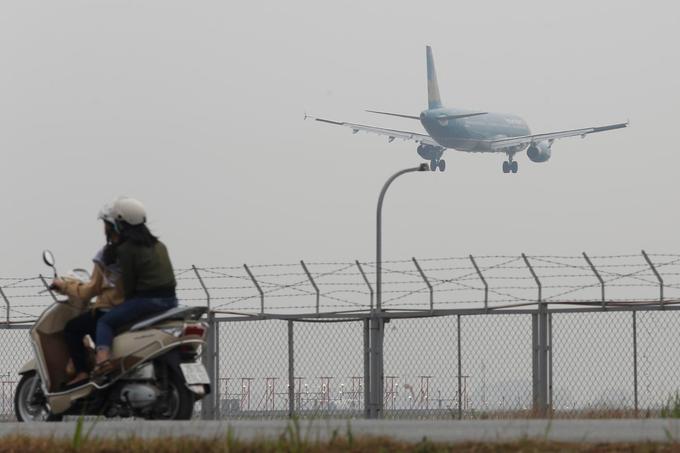
    Vietnam might find it difficult to maintain its aviation safety rating due to a lack of qualified personnel, experts caution. The U.S. Federal Aviation Administration (FAA) Friday gave Vietnam a Category 1 safety rating, allowing local airlines to operate direct flights to the U.S. “Acquiring this rating is hard, keeping it is going to be even harder,” Dinh Viet Thang, head of the Civil Aviation Authority of Vietnam (CAAV) said.

    He said that the CAAV currently has only 30 aviation safety officers, meeting only 30 percent of the demand. They hire the rest from other airlines.

    The U.S. Federal Aviation Administration (FAA) has required that the CAAV has enough aviation safety officers on its own in upcoming years so that it doesn’t need to hire people from outside, and CAAV plans to meet this goal by 2025.

    However, training these officers is costly, with an individual bill costing over VND5 billion ($216,000).

    One of the biggest hiring difficulties is that aviation safety officers are attracted by the higher salaries offered by airlines compared to state-owned companies, Thang said.

    An aviation safety officer at CAAV earns only VND10 million ($432) a month, while local airlines pay them about VND300 million ($12,960).

    “The government gives us VND20-30 billion ($864,000-1.29 million) each year to hire aviation safety officers and VND10 billion ($432,000) to train new ones, but we really need more investment from the government to develop this team,” he noted.

    Another challenge is meeting FAA safety requirements as they conduct unannounced safety examinations. If Vietnam doesn’t meet these requirements, FAA will downgrade the rating to Category 2, meaning no direct flight to the U.S. is allowed.

    This has happened before in Thailand, Indonesia, Philippines and most recently India, he said.

    Local airlines, including state-owned Vietnam Airlines, budget airline Vietjet and new private airline Bamboo Airways, have previously expressed interest in operating direct flights to the U.S.

    Vietnam’s aviation industry has been growing rapidly in recent years. There were 12.5 million air passengers last year, up 14.4 percent from 2017.

    The number of flights in the country grew by 16 percent on average between 2010 and 2017, according to official data.

  • Popular Vietnam restaurant ratings website Foody to launch in Indonesia

    Popular Vietnam restaurant ratings website Foody to launch in Indonesia

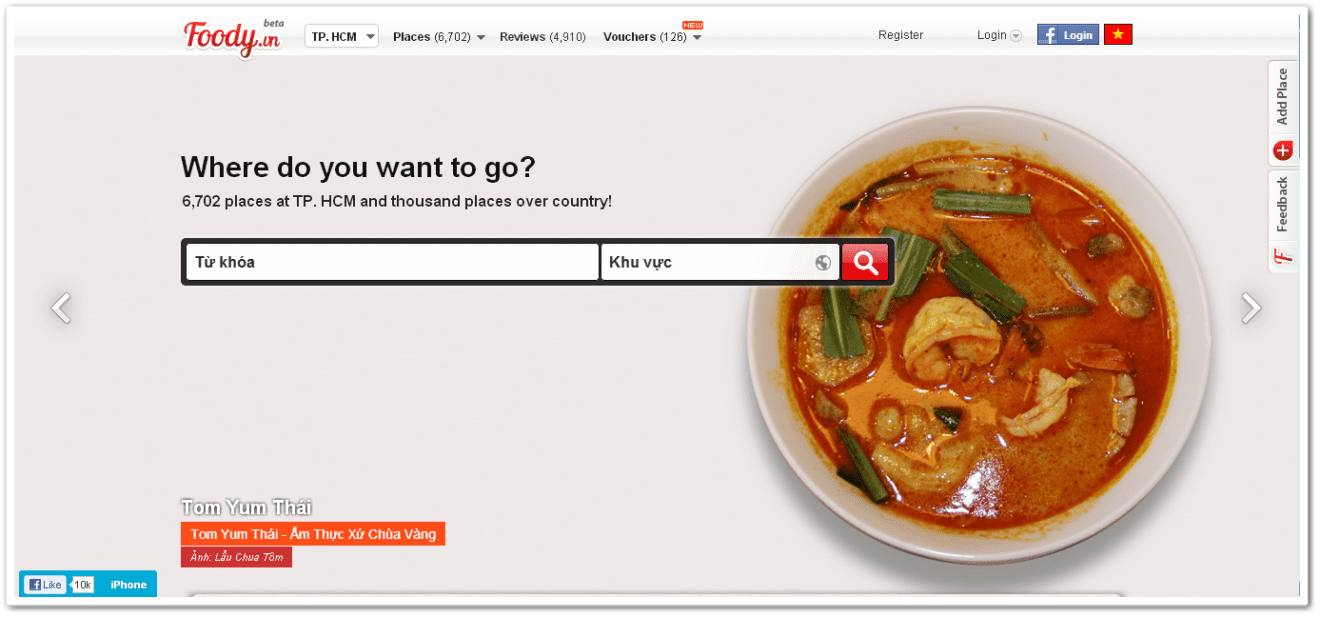
    Foody, a Vietnamese start-up providing online crowd-sourced reviews about local businesses, mostly restaurants and hotels, will launch its website in Indonesia on August 10, news website VnExpress reported Monday.

    Dang Hoang Minh, a co-founder, was quoted as saying that after Indonesia his company would expand to some other Southeast Asian countries, possibly Malaysia, Laos, and Cambodia.

    The expansion plan was announced not long after Foody received a fourth round of funding since it was founded in 2012.

    US’s Tiger Global Investment is the latest investor to pump money into the young company, whose website now boasts around eight million visits a month.

    Foody had earlier got funding from Japan’s CyberAgent Ventures and Pix Vine Capital and Garena of Singapore.

    But it has not disclosed any of the amounts.