Tag: r&d

  • Apple doubles down on China R&D amid iPhone sales slowdown

    Apple doubles down on China R&D amid iPhone sales slowdown

    As iPhone sales face a slowdown in the largest smartphone market globally, aka China, Apple is expanding its applied research operations in the country. With stiff competition from Huawei and other prominent domestic smartphone makers, Apple is doubling down on its research operations to stay ahead in the game.

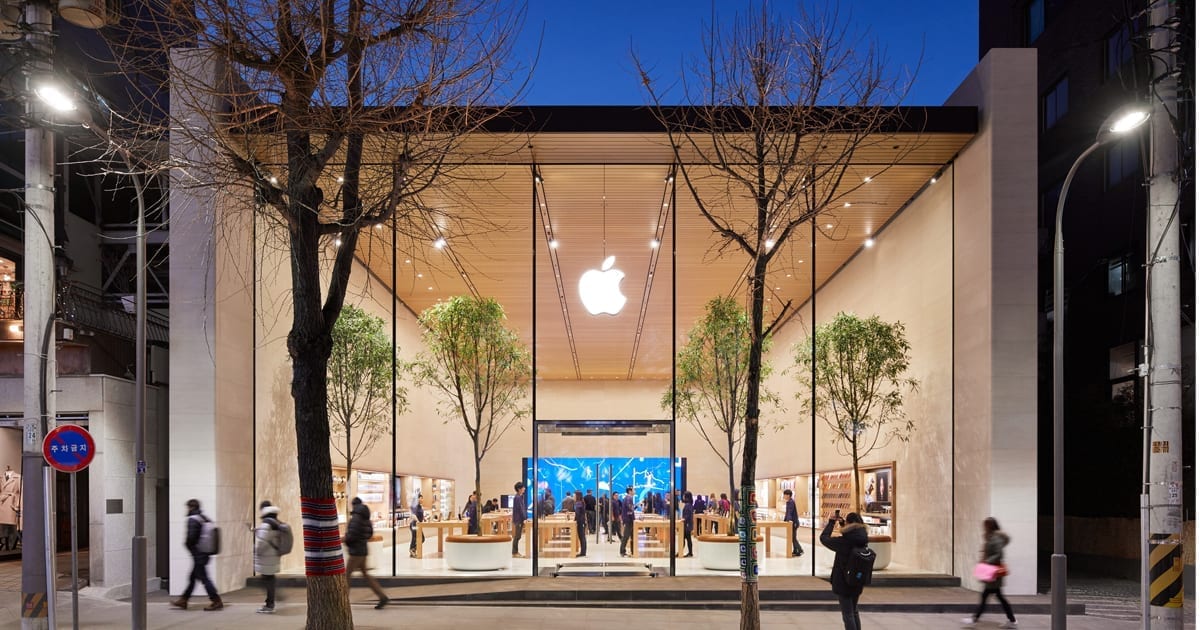
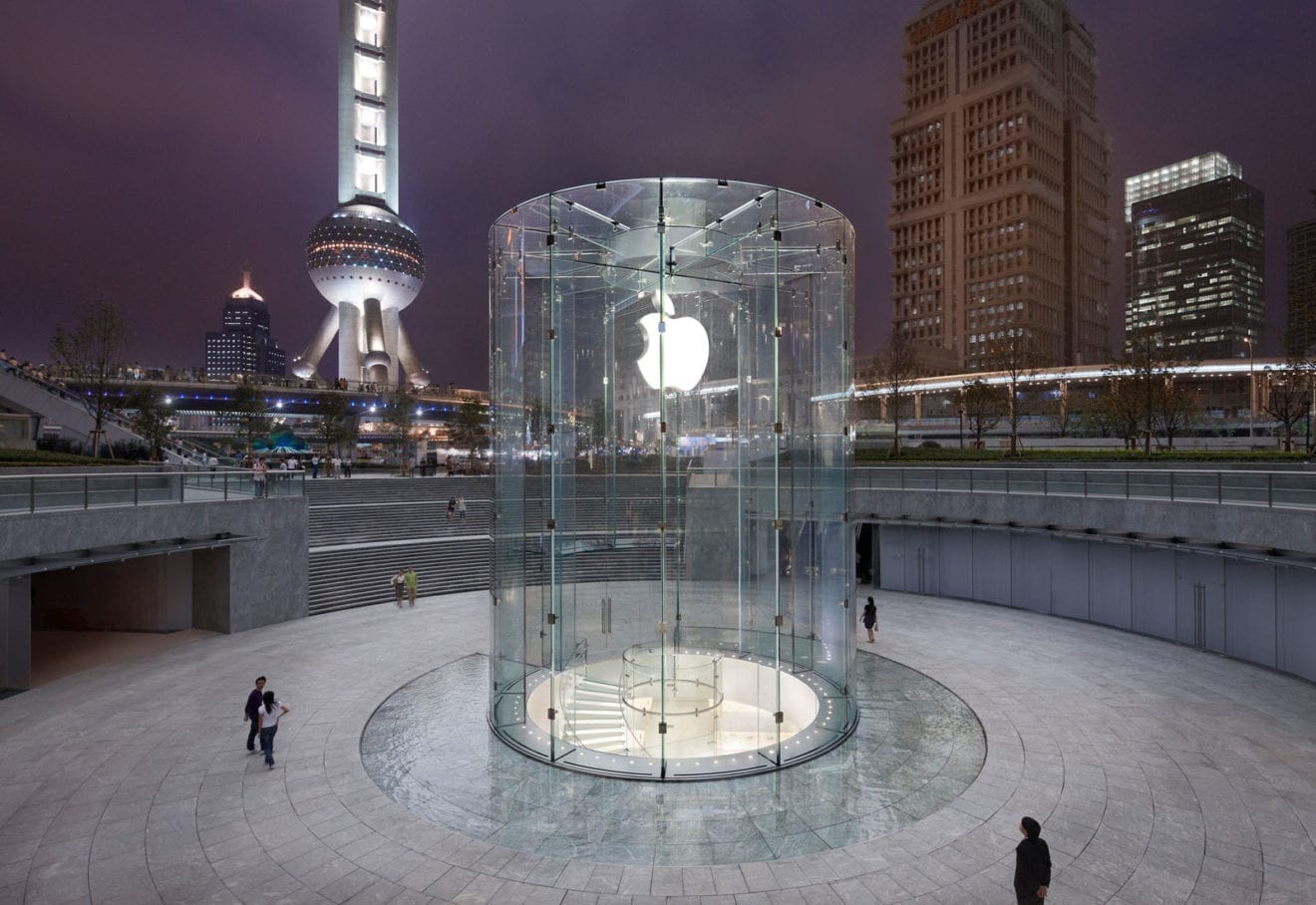
    In a statement provided to the South China Morning Post, Apple revealed its intentions to bolster its research center in Shanghai, with a focus on supporting all its product lines.

    Additionally, the tech giant plans to open a new lab in Shenzhen by the latter half of 2024. This new facility will be dedicated to testing and research, focusing on key products such as the iPhone, iPad, and Vision Pro headset.

    The company underscored that the upcoming facility in Shenzhen will enhance its collaboration with local suppliers and provide support for local employees. Apple’s vice president and managing director of Greater China, Isabel Ge Mahe, expressed pride in fostering stronger connections in China and expanding the company’s footprint there. She remarked:

    We have already invested 1 billion yuan (US$139.2 million) into the existing applied research lab in China.

    These recent moves come on the heels of a commitment by Apple to ramp up capital spending in Greater China, the company’s third-largest market globally, following the Americas and Europe.

    This strategic shift follows a decline of 24 percent in iPhone sales in mainland China during the first six weeks of 2024. Apple faced formidable competition from a resurgent Huawei at the high end of the market, coupled with pricing pressures in the mid-range from Chinese smartphone heavyweights such as Oppo, Vivo, and Xiaomi.

    Recently, the Cupertino tech giant took action in response to sluggish sales and intensified competition from Huawei by offering discounts on the iPhone 15 line in China.
  • Samsung wants to make its Vietnam R&D center global hub

    Samsung wants to make its Vietnam R&D center global hub

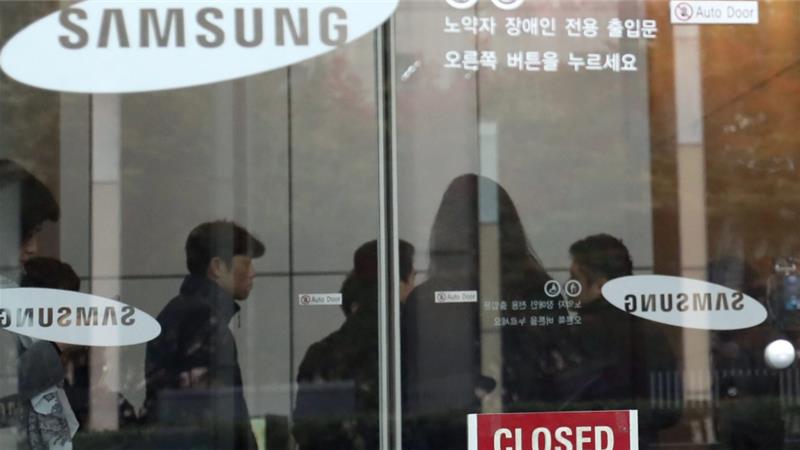
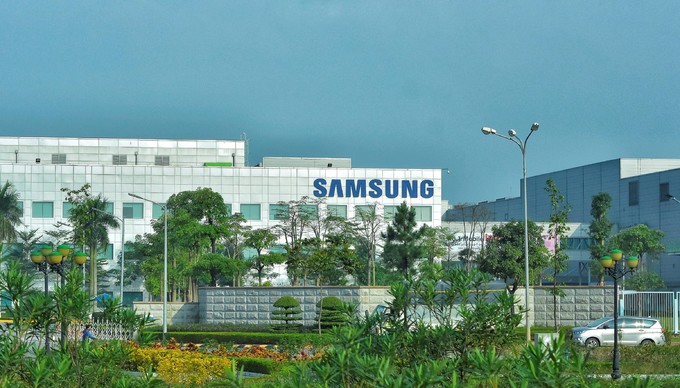
    It is his mission to turn the Samsung R&D Centerin Hanoi into the Korean company’s top global research and development center, its Vietnam chief, Choi Joo Ho, has said.

    “The first mission is to expand its research activities and enhance expertise,” the head of Samsung Vietnam Complex said at a conference on Sunday.

    The conglomerate opened the US$220-million research center in Hanoi last December.

    It would take Vietnam from being a global production hub for Samsung to a strategic base for major research and development, the company had said at the opening ceremony.

    Choi said the second mission is to help develop technology talent and industry in Vietnam.

    For this, Samsung plans to step up training through scholarships and internships for promising tech students and cooperation with universities, he said.

    “We wish to strengthen our partnership with Vietnamese businesses to help them develop and become part of Samsung’s global value chain.”

    By the end of last year the number of Vietnamese tier 1 and tier 2 suppliers in Samsung’s global supply chain had increased to 257, 10 times the number in 2014.

    Since 2015 experts from Samsung Korea have worked with some 400 Vietnamese companies to improve their product quality.

    Samsung established its first smartphone factory in Vietnam in 2008 and has invested $18.2 billion so far. The figure could rise to $20 billion by the end of this year.

    The company makes around half of all its smartphones in the country.

  • Samsung opens its largest regional R&D center in Vietnam

    Samsung opens its largest regional R&D center in Vietnam

    The US$220-million Samsung R&D Center in Hanoi, the Korean conglomerate’s biggest research facility in Southeast Asia, was inaugurated Friday.

    The company said at the opening ceremony, with the new facility, Vietnam has now gone beyond its role as a global production hub for Samsung and become a strategic base for major research and development.

    Construction of the 16-story facility began in March 2020.

    Prime Minister Pham Minh Chinh said at the event that Samsung’s opening of the R&D Center in Vietnam is a testament to its orientation and commitment to long-term operation in Vietnam.sam

    “Samsung is the largest foreign investor in Vietnam with total registered investment of nearly $20 billion.”

    He added that its effective operation has made important contributions to Vietnam in terms of exports, jobs and taxes.

    Tae-Moon Roh, Samsung Electronics president, hoped the center would nurture the best Vietnamese talent.

    Samsung established its first smartphone factory in Vietnam in 2008 and has invested $18.2 billion so far. The figure could rise to $20 billion by the end of this year.

    Around half of all Samsung smartphones are made in Vietnam.

  • Volvo Cars And Northvolt To Open Joint R&D Centre For Battery Development In Gothenberg

    Volvo Cars And Northvolt To Open Joint R&D Centre For Battery Development In Gothenberg

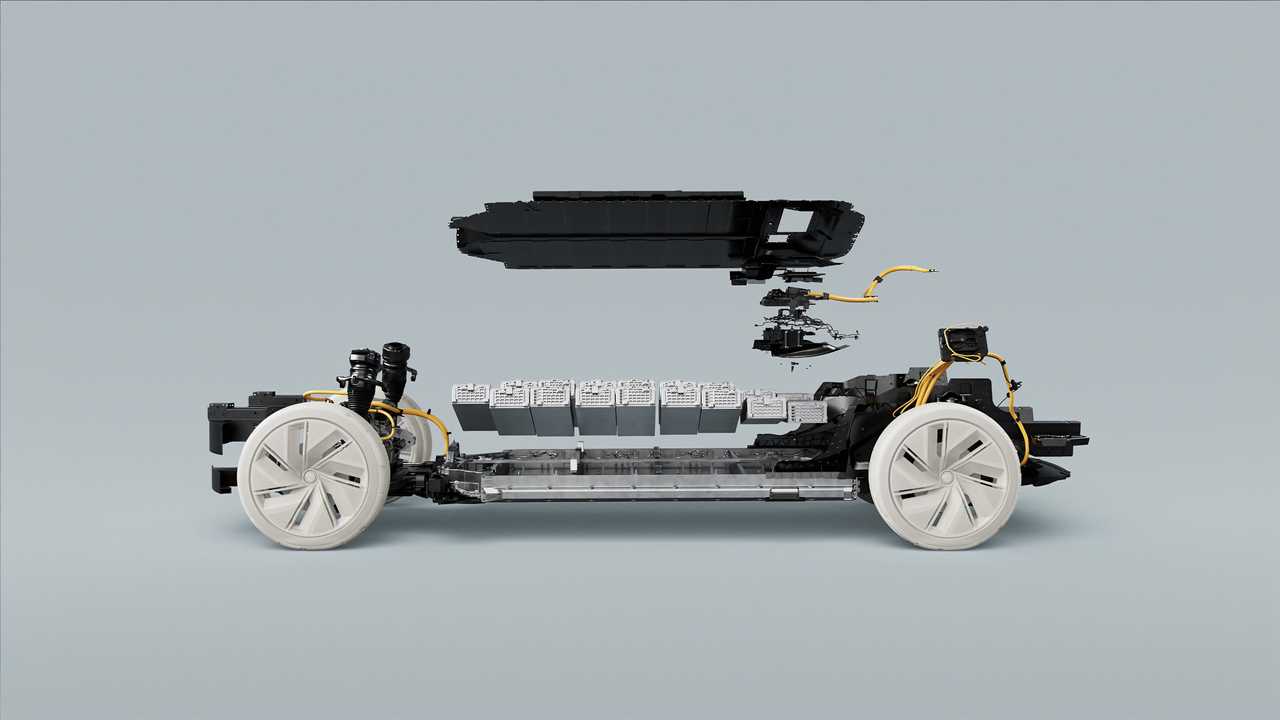
    Volvo Cars and Northvolt will open a joint research and development (R&D) center in Gothenburg as part of a SEK 30 billion investment in battery development and manufacturing. The R&D center, which will become operational in 2022, will create a few hundred jobs in Gothenburg. Following the partnership announced by both companies earlier this year, Volvo Cars and Northvolt have now signed a binding agreement this week to create a joint venture for the development and sustainable production of batteries for the next generation of pure electric Volvo cars.

    The establishment of the new R&D center in Gothenburg will be followed by the construction of a new manufacturing plant in Europe. It will produce next-generation state-of-the-art battery cells, specifically developed for use in next-generation pure electric Volvo and Polestar cars. The exact location of the plant is expected to be confirmed in early 2022.

    The R&D center will be in close proximity to Volvo Cars’ own R&D operations and to Northvolt’s existing innovation campus, Northvolt Labs, in Sweden, ensuring synergies and efficiencies as it develops battery technologies.

    The partnership will focus on developing tailor-made batteries that give Volvo drivers what they want, such as range and quick charging times. Volvo Cars is working with Northvolt to create a true end-to-end system for batteries, whereby it develops and builds the batteries itself.

    As for their joint battery plant, Volvo Cars and Northvolt are in the final phase of a selection process to find a suitable location in Europe. The plant will have a potential annual capacity of up to 50-gigawatt hours (GWh), which would supply batteries for approximately half a million cars per year. It will start construction in 2023, with large-scale production in 2026, and is expected to employ up to 3,000 people.

    Alongside battery supply agreements, the partnership with Northvolt secures the European battery cell needs that are part of Volvo Cars’ ambitious electrification plans. It aims to sell 50 per cent pure electric cars by the middle of this decade, and by 2030 it aims to sell only fully electric cars.

    The partnership with Northvolt is key to Volvo Cars’ ambition to become a leader in the premium electric car segment and sell only pure electric vehicles by 2030. It also represents an important step in strengthening Volvo Cars’ own development capabilities.

  • Apple CE promises new products will ‘blow you away’ soon

    Apple CE promises new products will ‘blow you away’ soon

    Apple CEO Tim Cook has promised investors the firm remains on track to double its 2016 revenues of almost US$25 billion next year, prompting a rise of more than 1 per cent in Apple stock on Friday.

    Speaking at the firm’s annual meeting in Cupertino, Cook claimed Apple is “planting seeds” and “rolling the dice” on new products set to “blow you away”.

    Cook indicated a range of new products under development for the Apple Watch and AirPods, and has previously stoked ongoing expectations for an AR glasses product. He also signalled an eventual drop in price for the MacBook Air laptop, currently retailing at US$1200, despite upgrading to a higher-resolution screen.

    The shareholder meeting saw the entire Apple board re-elected, including former US VP Al Gore, and included a political discussion that emphasised a variance in political ideology with that of the current US administration, despite an acknowledgement that the firm has worked successfully with the US government.

    It also implied criticism of other big tech firms who maintain data profiles of its users, such as Facebook.

    Cook said the company was also continuing to evaluate new businesses to buy to build its technology capabilities.

  • LG sets up lab to conduct appliance technology research

    LG sets up lab to conduct appliance technology research

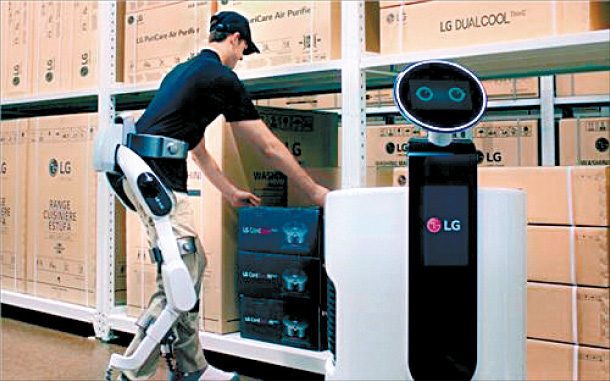
    LG has established a new research laboratory committed to advances in fridge, oven and other home-appliance technologies. LG Electronics opened the 6,760-square-foot Food Research Institute on Monday at Changwon, South Gyeongsang. At the center, researchers will develop technologies that can be applied to the company’s home appliances, such as refrigerators, kimchi and other specialty food fridges, ovens and electric stove tops.

    Food preservation, the fermentation of kimchi and food preparation will be some of the focuses.

    The company said researchers will work closely with academics from Seoul National University and Konkuk University, as well as experts from government and private agencies, such as the Rural Development Administration, the Korea Food Research Institute and the World Institute of Kimchi.

    LG Electronics often mentions advanced technologies in its marketing materials, using the technology to set itself apart from competitors.

    According to the company, LG refrigerators run on inverter linear compressors, which are 18 percent more energy efficient and create less noise than comparable gas compressors. Its kimchi refrigerators maintain temperatures of 6.5 degrees Celsius (43.7 degrees Fahrenheit), the optimal level for kimchi. At that temperature, the growth of a lactic-acid bacteria that creates a sour taste is suppressed. LG’s electric stove tops can cook food up to 2.3 times faster than gas ranges, the company boasts.

    The facility at Changwon is not the first research lab established by the company to further develop its home appliances. In February, LG Electronics opened a water research lab committed to the making of better water purifiers. In October, it opened a center dedicated to air science to advance its air purification technologies.

    “We will continue investing in research and development related to food, water and air technologies,” said Song Dae-hyun, head of LG Electronics’ Home Appliance & Air Solutions.

  • Samsung is No. 1 in world for R&D spending

    Samsung is No. 1 in world for R&D spending

    Samsung Electronics was the No. 1 investor in R&D in the world this year, according a report from the European Commission. The annual R&D Investment Scoreboard report released by the commission analyzes R&D indicators of top companies in the world, based on their most recent accounts and annual reports. The 2018 report studied 2,500 companies worldwide from 46 countries.

    Samsung Electronics invested a total of 13.44 billion euros ($15.2 billion) in R&D this year, an 11.5 percent year-on-year increase compared to last year’s report, when it took third place on the list. This is the first time a Korean company has come in first since the European Commission first published the report in 2004.

    Tailing Samsung in second place was Alphabet, Google’s holding company. It spent a total of 13.39 billion euros. Volkswagen was ranked third at 13.14 billion euros. The list went on to include Microsoft, Huawei, Intel and Apple, all having spent between 9.7 billion and 12.3 billion euros.

    Samsung was the only Korean company within the top 50 R&D spenders worldwide. However, the report showed that, in terms of the ratio of R&D investment to sales – which the report dubbed “R&D intensity” – Samsung fell behind other major companies higher up the list.

    The local company’s R&D intensity was 7.2 percent – lower than second rank Alphabet’s 14.5 percent and Chinese IT company Huawei’s 14.7 percent. It was slightly higher than Apple, however, which had a ratio of 5.1 percent.

    The report also showed that, apart from Samsung, Korea was falling behind in R&D investment compared to neighboring countries Japan and China.

    The 2,500 companies studied for the report had invested a combined 736.4 billion euros, with 14 percent of that total coming from Japan-based companies and 10 percent from China. The top contributors were the United States at 37 percent and the European Union at 27 percent.

    A total of 70 companies from Korea were included in the study. LG Electronics was the only other one mentioned by name, coming in third place in the “Top 3 companies by R&D for the main industries: Other” category after Japan’s Panasonic and Sony.

  • Hong Kong should vie to become R&D hub

    Hong Kong should vie to become R&D hub

    The Hong Kong government will step up efforts to promote innovation and technology. This was the message from Chief Executive Carrie Lam Yuet-ngor at the grand final of Alibaba’s startup competition Jumpstarter 2017 held in Hong Kong last week.

    Lam promised that her government is serious and determined to do this job well. But Jack Ma, founder and executive chairman of Alibaba, said entrepreneurs can’t wait for government policy, because when the government starts to move, it’s probably too late and the chance is no longer there.

    I think Ma is only half right. Startups should never let themselves be led by government policy.

    Big companies typically try to bargain with the government to obtain more benefits and they are often very well-funded. It’s very difficult for startups to compete with these big boys.

    Startups should hence look for alternative paths and niche opportunities instead.

    For example, Alipay and WeChat Pay went directly for the retail market as soon as they entered Hong Kong. Local startups can hardly do the same thing.

    If the Hong Kong government is keen to innovate with new technology, it should attract top global tech firms to develop R&D in Hong Kong.

    Currently, Facebook, Google, Microsoft, Tencent, Alibaba and Baidu have set up R&D centers in either Singapore or Taiwan thanks to generous packages offered by their governments.

    Hong Kong should focus more on luring these top tech giants to establish their R&D centers here. That would spearhead the city’s technology development.

    If the government is willing to invest in technology research, it would have greater bargaining power when negotiating with these giants.

  • Tesla to set up electric-car R&D hub in Beijing

    Tesla to set up electric-car R&D hub in Beijing

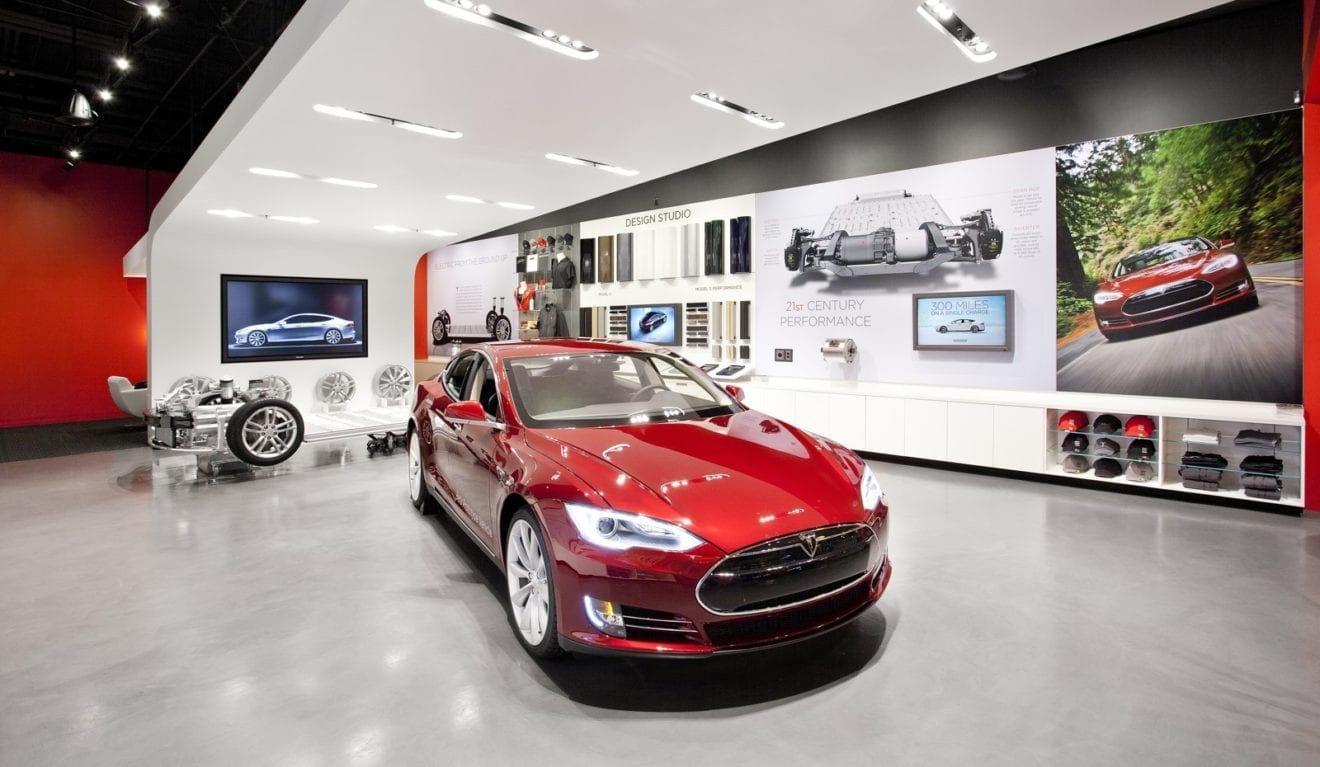
    U.S. electric-vehicle maker Tesla will set up an R&D center here as part of a Chinese expansion push that may also include local production.

    The automaker established in Beijing a company for research and development of “new energy” vehicles, a government filing shows. The new business, capitalized at $2 million, is wholly owned by a Hong Kong arm of Tesla, according to local media.

    Tesla sold an estimated 11,000 vehicles last year in China, its second-biggest market. Its cars are roughly 40% more expensive here than in the U.S., owing partly to a tariff on imported vehicles. Tesla is considering building cars in Shanghai to reduce prices, and it apparently decided that an R&D hub was needed as well in order to tailor its offerings to the Chinese market.

    The Beijing location is close to government agencies that handle standards and regulations for new-energy vehicles, in addition to being near the headquarters of a number of major companies.

    The Chinese government plans to relax ownership restrictions by June 2018 on joint ventures producing new-energy vehicles, letting foreign companies hold majority stakes in ventures based in free trade zones. The change — announced after U.S. President Donald Trump’s meeting this month with Chinese counterpart Xi Jinping — likely encouraged Tesla to expand its Chinese operations.

  • Apple to open first R&D center in Indonesia this year

    Apple to open first R&D center in Indonesia this year

    Good news to Apple fans in Indonesia — Apple will finally bring its flagship phones to the country this year. The company will open the doors to its first R&D center in the country in the second quarter of this year in the city of Tangerang, reports The Jakarta Post. This means Apple will officially be able to retail its iPhone 7 and 7 Plus in Indonesia now, which the company reportedly plans to launch today.

    The move is part of Apple’s efforts to become compliant with local regulations which stipulate that a foreign phone maker needs to have at least 30 percent domestic content in order to sell phones in the country. The company committed to invest $44 million to set up an R&D centre in the country last year.

    Apple did not immediately respond to Retail News’s request for comments.

    Apple is not alone in moving to boost local content in Indonesia so as to meet regulations and be able to retail its phones in the country. It was reported in November 2015 that Lenovo began producing its 4G phones in the country as part of the company’s commitment to meet the regulation.

  • Apple will open two additional R&D centers in China this year

    Apple will open two additional R&D centers in China this year

    Apple announced today that it will set up two additional research and development centers in China, to go with the two locations in the country that it announced last year. The new R&D centers will open in Shanghai and Suzhou, the company said in a statement on its Chinese website on Friday.

    Apple hopes the centers will help it to attract graduates from institutes such as Peking University, Tsinghua University, and Shanghai Jiaotong University, and has partnered with schools in the region to offer internship programs, in the hope of developing experts to work closely with its regional supply chain.

    “We are looking forward to working with more local partners and academic institutions through the expansion of R&D centers in China,” said Dan Riccio, senior vice president of hardware engineering at Apple. “We are honored to have access to excellent talent and a positive entrepreneurial spirit in the region, where our developers and suppliers will be working together.

    Apple’s attempt to boost its presence in the country began last September with the opening of its first R&D center in Beijing’s Zhongguancun Science Park, often referred to as “China’s Silicon Valley”. Another R&D center, this time in Shenzhen, was announced the following month.

    Apple has pledged to invest more than 3.5 billion yuan ($508 million) in research and development in the country, in a bid to address dwindling returns on its Chinese iPhone business as consumers opt for low-cost mobile alternatives. Apple has also experienced pushback in other areas of its China plans, including the closure of iTunes and iBooksStores.

    Apple is expected to have completed construction of all its research and development centers in Beijing, Shenzhen, Shanghai, and Suzhou later this year.

  • Apple targets Indonesia with $44 million in R&D investment

    Apple targets Indonesia with $44 million in R&D investment

    Apple is working hard to break into the Indonesian smartphone market, announcing plans to invest roughly $44 million in a research and development (R&D) center over the next three years.

    The investment will let the company sell its iPhone 7 there after the Indonesian government recently announced that as of January 2017, all 4G-enabled phones sold in the country must include at least 30% local content, which can be reached via hardware, software, or an investment.

    Indonesia presents a massive growth opportunity for Apple, which posted its first annual decline in revenue in 15 years during Q3 2016. The year-over-year decline is primarily due to the decelerating global smartphone market since the iPhone comprises almost two-thirds of the company’s total revenue.

    Nevertheless, Apple is unlikely to find immediate success in Indonesia, much as it has in other emerging markets such as India. The smartphone market is largely controlled by Samsung, which accounted for 26% of smartphone shipments in Q2 2016, according to IDC. Meanwhile, low- to mid-tier devices from local and Asian vendors such as OPPO, ASUS, Advan, and Lenovo make up the rest of the top five vendors, by share.

    The low- to mid-tier smartphone market is a key area in which Apple does not yet have a significant presence. This is a missed opportunity Piper Jaffray analyst Gene Munster noted during Business Insider’s IGNITION conference in December. And while the iPhone SE at $400 could be seen as an attempt by the company to partly capture the mid-tier market, it’s still marginally more costly than those being offered by local and Asian vendors. The OPPO F1, for instance, retails for around 3.8 million Indonesian Rupiah (roughly $283 USD).

    The global smartphone market is expected to slow considerably over the next few years. Despite a record-setting holiday quarter, 2015 was likely the last year of double-digit growth for smartphone shipments.

    Mature markets were at the heart of this year’s deceleration. Adoption has reached new highs in key markets in the United States, Europe, and China. The pool of first-time buyers in these countries is shrinking rapidly, and sales are now primarily coming from phone upgrades.

    Meanwhile, emerging markets will continue to see robust shipment growth. India and Indonesia, in particular, will help fuel a large share of the shipments growth within the global smartphone market over the next few years.

  • Apple will open another R&D center in Japan

    Apple will open another R&D center in Japan

    Apple is on a research & development spree! The company has announced a bunch of new R&D centers over the past few months, and R&D spendings have skyrocketed. This time, Apple CEO Tim Cook announced that the company plans to open a new center in Japan during a visit in Tokyo.

    This isn’t the first time we’re hearing about a new R&D center in Japan. Previous reports have indicated that Apple was building a new R&D center for 2016 or 2017.

    Cook met with Japan’s prime minister Shinzo Abe to discuss all things Apple and Japan. Later at a press conference, Chief Cabinet Secretary Yoshihide Suga reported that Apple would complete its R&D center in December.

    So what is this R&D center anyway? Located in Yokohama, the building used to be a Panasonic factory. Apple has taken over the building and transformed it into an R&D center.

    This way, Apple can more easily hire talented Japanese engineers. It’s unclear what the Japanese team is going to work on.

    Overall, in addition to existing R&D centers, Apple will soon have R&D centers in Shenzhen, Israel, the U.K., France, Japan and Sweden. Maybe it’s time to rethink Apple’s tagline on all of its products — “designed by Apple in Cupertino and many other countries.”

  • Apple eyes Vietnam R&D centre

    Apple eyes Vietnam R&D centre

    US tech giant Apple is mulling a $1-billion regional data hub in Hanoi, according to the Dien dan doanh nghiep, the official publication of the Vietnam Chamber of Commerce and Industry.

    “Apple is studying the sites for the construction and completing the investment procedures,” the publication said, cited its source.

    This will be Apple’s first investment in Vietnam and it will be following in the footsteps of South Korean conglomerates Samsung and LG, and US-headquartered Microsoft, which have been present in the country for years.

    However, while the others have invested in manufacturing facilities in Vietnam, Apple will reportedly build a data centre meant for its entire Asian operations.

    Reuters reported in November last year that Apple had set up a subsidiary in the Southeast Asian country to import and sell its mobile phones directly in this market.

    Samsung is one of the biggest investors in Vietnam with $13 billion direct investment in factories and a research hub in Bac Ninh, Thai Nguyen and Ho Chi Minh City. LG Electronics is also building a $1.5-billion producing complex in northern Vietnam. Microsoft has shifted its smartphone production from China, Hungary and Mexico to Vietnam in 2014.

    Meanwhile, the iPhone maker has been aggressively investing in R&D with a spend of $8 billion last year. Apple already has R&D facilities in the UK, China, Taiwan, US, Israel and Japan.

    “It is unclear when Apple will deploy the Hanoi-based centre, but the size of the project has shown the high potential of the Vietnam market to the US tech major,” the Dien dan doanh nghiep commented.

    Samsung, as Apple’s biggest competitor in the Vietnam’s mobile phone market, is also investing in two R&D centres, a $300-million new one in Hanoi and a facility within the $1.4-billion complex in Ho Chi Minh City.

    Several other global tech and electronics firms have chosen Vietnam as base for their global back-end and manufacturing activities, including Hewlett-Packard, Panasonic and Nissan Techno.

    Vietnam is considered as the next manufacturing powerhouse of Asia, fueled by its growing economy, young and urbanised population and cheap labour cost.

    Also, US has been Vietnam’s biggest export market for the last couple of years, accounting for the largest proportion of 20.7 per cent of the total exports, according to a latest update of Trading Economics.

  • Dell To Drop $125 Billion In Cold Hard Cash On China To Expands Research And Development

    Dell To Drop $125 Billion In Cold Hard Cash On China To Expands Research And Development

    Michael Dell is no longer beholden to shareholders after taking the computer company he founded private two years ago. As such, he’s free to invest more than $125 billion in China over the next five years as part of his “In China, For China” 4.0 strategy announced today without having to worry about how it might affect the company’s stock price.

    The massive investment will continue to expand and enhance Dell’s research and development team in China, Dell’s second largest market for PC sales. It will also contribute some $175 million to imports and exports, which in turn will sustain more than 1 million jobs in the country.

    “China and the United States are among the countries where the information industry is developing the fastest, resulting in the most vibrant enterprises,” said Mr. Dell. “The Internet is the new engine for China’s future economic growth and has unlimited potential. Being an innovative and efficient technology company, Dell will embrace the principle of ‘In China, for China’ and closely integrate Dell China strategies with national policies in order to support Chinese technological innovation, economic development and industrial transformation.”

    Dell currently employs nearly 2,000 senior engineers in China. In addition to expanding its R&D team in the country, the investment will help to further develop a R&D center for end-to-end solutions specifically intended to serve the Chinese market.

    The PC maker has a major retail presence in China with almost 11,700 stores cover 97 percent of the market. That includes over 100 retail stores for Alienware, the gaming brand that was once a standalone boutique builder.