Tag: ready meals

  • Marley Spoon Expands Australian Menu to over 200 Items as Subscriber Numbers Slide

    Marley Spoon Expands Australian Menu to over 200 Items as Subscriber Numbers Slide

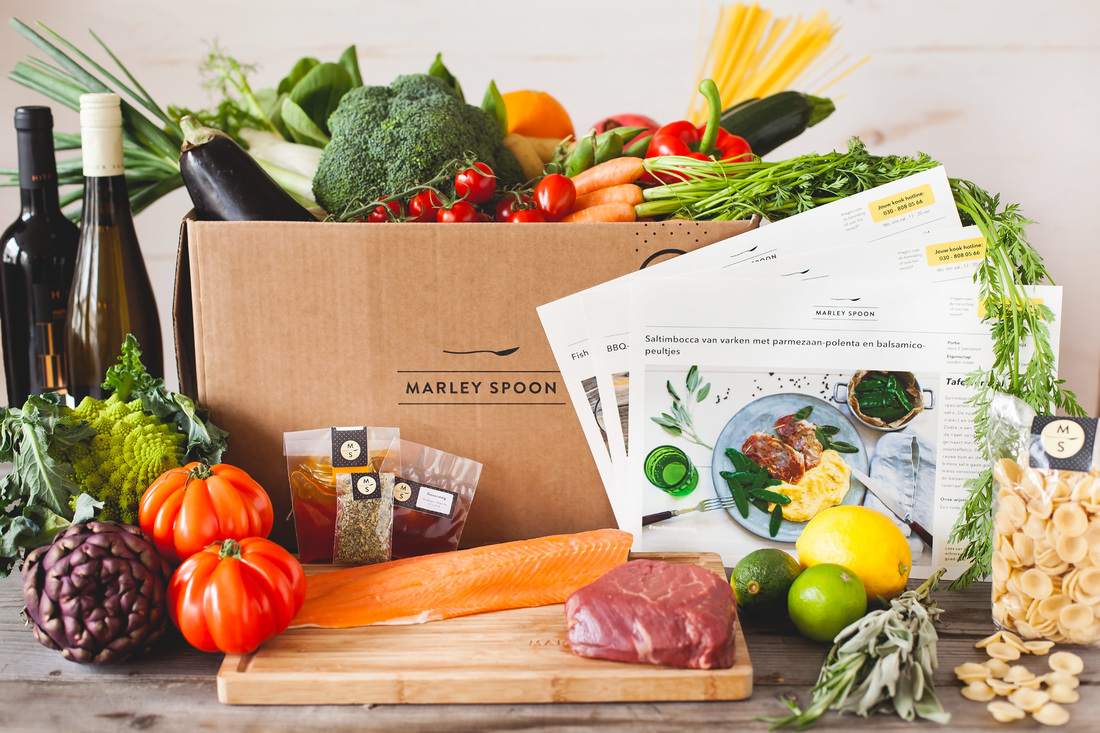
    Marley Spoon has expanded its Australian catalog beyond dinner meal kits to more than 200 weekly recipes. The lineup now includes ready-to-eat dishes, breakfasts, lunches and pantry items.

    That rollout follows an 11,000 drop in the company’s Australian active subscriber base during the first half of 2026.

    Australian customers can now order single-serve prepared meals, snacks, beverages and dietary ranges alongside standard dinner boxes. This shifts the brand from dinner kits toward all-day food. Rolf Weber, chief executive officer of Marley Spoon Australia, is steering the strategy to capture a larger share of household grocery budgets.

    Adding Meals Across the Day

    Dinner kits require prep time and cooking skills that busy households often abandon. By adding single-serve heat-and-eat dishes and breakfast items, Marley Spoon is chasing customers who want speed over a culinary project. The expanded menu gives existing buyers fewer reasons to supplement orders at supermarket chains.

    Adding snacks, drinks and lunches also lifts average basket sizes. That helps offset high refrigerated delivery freight costs across Australia. Global order frequency edged up 0.8 per cent in the first half of 2026. Retaining engaged users generated incremental spend even as overall accounts fell.

    Subscriber Churn and Revenue Pressure

    Menu expansion in Australia comes during severe operational contraction across Marley Spoon Group SE. Group revenue fell 23.9 per cent to €105.6 million in the first half, down from €138.9 million in the prior corresponding period. Total active subscribers across all markets dropped 21 per cent, sliding from 154,000 to 121,000.

    Australia proved more resilient than other markets, but average active subscribers still fell from 58,000 to 47,000 in the first half. United States subscribers dropped from 73,000 to 57,000, while European accounts declined from 23,000 to 17,000. Contribution margins held at 36.5 per cent against 36.3 per cent a year earlier, protecting unit economics despite lower volume.

    Supply Chain Troubles Compound Losses

    Global operations suffered disruption when key manufacturing partner FreshRealm entered Chapter 11 bankruptcy in April 2026. Marley Spoon transferred its United States meal-kit fulfillment to Misfits Market in a ten-week move, while shifting its BistroMD ready-meal arm to ColdTrack.

    Those sudden vendor handoffs caused inventory shortages, missing ingredients and recipe substitutions that drove cancellations through August. Australian operations rely on domestic supply networks, but the corporate balance sheet absorbed the cost of customer credits and emergency logistics in North America.

    Restructuring and the Australian Market

    Marley Spoon announced group-wide job cuts and fresh refinancing measures on September 29, 2026, to stabilize its cash position. The company is leaning on menu variety to lower customer acquisition costs, which have risen across the direct-to-consumer food sector.

    A broader Australian menu widens defenses against rival HelloFresh and local ready-meal producers such as Youfoodz. Success depends on whether local warehouse teams can manage 200 distinct recipes per week without driving up packing errors and spoilage.

    Management will report its third-quarter trading update later this year. Those customer retention figures will show whether the expanded Australian catalog arrested subscriber decline.
  • GS25 Shifts Top-Selling Meal Box Lineup to 6,900 Won Across 18,000 Stores

    GS25 Shifts Top-Selling Meal Box Lineup to 6,900 Won Across 18,000 Stores

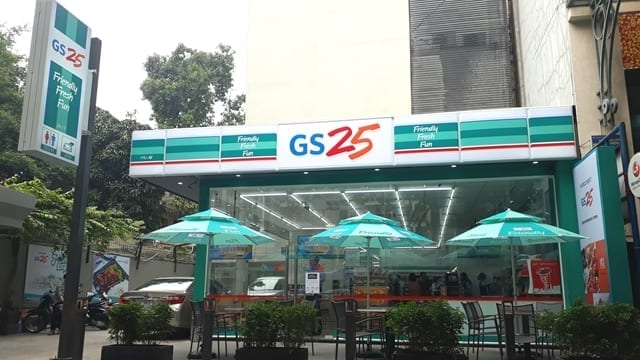
    GS Retail has revamped its ready-to-eat dosirak lineup across 18,000 GS25 convenience stores in South Korea, shifting its core recipe strategy to authentic domestic dishes while seeing its most popular price point rise to 6,900 won.

    Min Jung-hwan, a merchandiser with GS Retail’s Fresh Food Team, said in a Sept. 7 interview that the convenience chain launched a renewal of its meal boxes earlier this month to meet shifting consumer tastes across domestic stores and overseas branches in Vietnam and Mongolia.

    Rising dining prices have pushed daily lunch traffic toward convenience chains, where dosirak and fresh food items rarely exceed 7,000 won ($5.21). GS25 features approximately 20 different dosirak varieties each month, moving away from options priced below 6,000 won toward higher-quality banchan combinations and seasonal produce like spring cabbage bibimbap.

    Pricing shift and recipe pipelines

    Development cycles for new boxed meals at GS Retail take roughly 12 weeks from consumer trend analysis to store delivery. Culinary teams develop the banchan combinations, balance the flavor profiles, and run sample batches through lot testing at commercial factories before authorizing mass distribution.

    Rather than developing separate, milder product formulations for foreign tourists or overseas markets, the retailer is keeping core recipes consistent across territories. Outlets in Vietnam and Mongolia stock the same marinated bulgogi, dakgangjeong fried chicken, and japchae glass noodles sold in central Seoul.

    Even at GS25 stores in Vietnam and Mongolia, visitors are interested in authentic Korean-style dosirak. We try to meet such expectations so that they can feel they are inside a Korean convenience store.

    Marketing partnerships have accelerated this product turnover. GS Retail introduced co-branded meal boxes with chef Choi Kang-rok and runs a recurring monthly release schedule alongside its long-running Hyeja Dosirak line, an actress-fronted value brand active since 2010. Customer survey data from an early September brand renewal now dictates recipe adjustments rather than short-lived social media fads.

    Production across nine manufacturing plants

    Supplying daily fresh inventory to 18,000 domestic stores requires an industrial logistics network. GS Retail operates nine dedicated food manufacturing plants nationwide, delivering uniform meal boxes every morning. Consistency across regions remains the operational priority, from rice texture to the moisture absorption of bakery packaging.

    South Korea’s convenience sector now exceeds 53,000 outlets across competing operators, forcing chains to compete heavily on fresh food quality. When Japanese bento concepts first entered the domestic market decades ago, local operators lacked specialized food containers and processing equipment. Korean suppliers have since built proprietary packaging technology, including specialized containers that preserve seaweed crispness on triangular gimbap and trays designed for multi-sauce dishes.

    The regional convenience battle

    For convenience store operators across Asia, GS Retail’s refusal to localize recipes marks a clean departure from standard retail practice. Most regional operators adjust spice, sweetness, and protein ratios when entering Southeast Asian markets. GS25 is betting that global familiarity with Korean pop culture makes authentic recipes a stronger selling point than localized menus.

    This unified product approach gives GS Retail scale advantages in ingredient procurement and packaging development, but it concentrates operational risk. If consumer appetite for Korean food cools in overseas markets, franchisees in cities like Ho Chi Minh City or Ulaanbaatar face direct margin pressure from menus that cannot easily pivot to local staples. Rival chains like CU and 7-Eleven continue to mix regional items with imported lines in competing territories.

    Automation limits on the factory floor

    Factory automation remains the operational bottleneck across GS Retail’s manufacturing footprint. While the retailer has automated ingredient mixing, cooking, and container sealing across its nine plants, banchan packing still requires manual labor on assembly lines.

    Mechanical arms and robotic pickers cannot match the speed or dexterity of human workers when arranging delicate side dishes into compartmentalized trays. High labor dependency keeps factory overhead linked directly to minimum wage increases, capping how far production margins can expand without further packaging redesigns.

    GS Retail plans to maintain its 12-week development pipeline while rolling out faster batch runs for fast-moving social media food trends. The retailer is monitoring sales volumes across its domestic network and its Southeast Asian franchise footprint as the 6,900-won price tier establishes itself as the new commercial standard.

  • Mr Chen’s Launches Three Multi-Serve Frozen Meal Kits

    Mr Chen’s Launches Three Multi-Serve Frozen Meal Kits

    Mr Chen’s expanded its frozen grocery lineup with the launch of three multi-serve meal kits in September 2026. The brand designed each pack to cook in 15 minutes and serve two people.

    The rollout targets dinner occasions with three takeaway-style recipes: Chicken Chow Mein Noodles, Korean Style Beef Noodles, and Chinese Chicken Fried Rice. The format shifts the brand beyond single-serve snacks and dumplings into complete dinner solutions.

    Component packaging for frozen dinner kits

    Each kit uses segregated interior packaging to keep proteins, carbohydrates, vegetables, and sauces separate until cooking. This structure avoids the texture degradation common in pre-mixed frozen ready meals during pan preparation.

    The supplier aims to capture consumers seeking quick evening meals without ordering restaurant delivery. Supermarket freezer space in Australia has historically concentrated multi-serve meal kits in Western and Italian categories such as pasta and bakes, leaving Asian recipes under-represented in larger formats.

    Shifting space in supermarket freezers

    For supermarket buyers at Coles and Woolworths, multi-serve Asian meals offer a higher register ring than traditional individual dumplings. Frozen grocery categories have seen steady volume gains as shoppers manage household food budgets against rising dining-out costs.

    Suppliers face execution hurdles in maintaining vegetable crispness and protein tenderness across commercial cold chains. Maintaining ingredient integrity across frozen distribution networks remains the primary barrier to repeated customer purchases in premium frozen food.

    Evolution from dim sum specialist

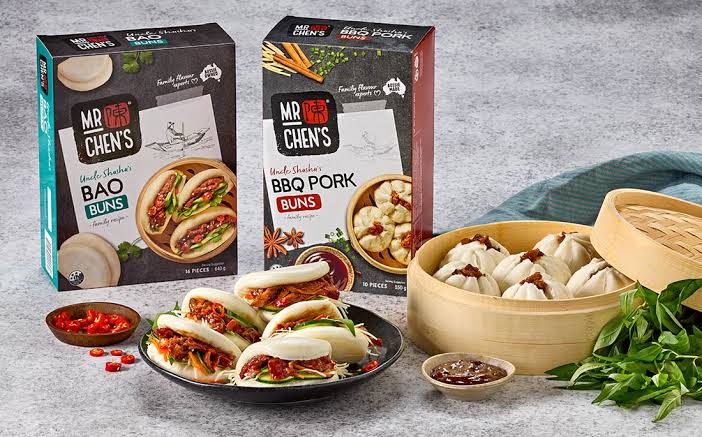
    Mr Chen’s built its retail distribution across Australian grocers by establishing a foothold in frozen yum cha items, gyoza, and steamed buns. Expanding into centre-of-plate meal kits represents an effort to command broader shelf space within the frozen aisle.

    Retail buyers will track initial sell-through rates across metropolitan stores over the coming quarter to determine whether the two-serve meal format justifies dedicated permanent shelf allocation.

  • 7-Eleven Malaysia Launches Four Michelin-Crafted Ready Meals at RM15.90

    7-Eleven Malaysia Launches Four Michelin-Crafted Ready Meals at RM15.90

    In September 2026, 7-Eleven Malaysia rolled out a four-dish ready-to-eat meal range developed with Michelin Guide chefs. Each counter-served rice dish costs RM15.90.

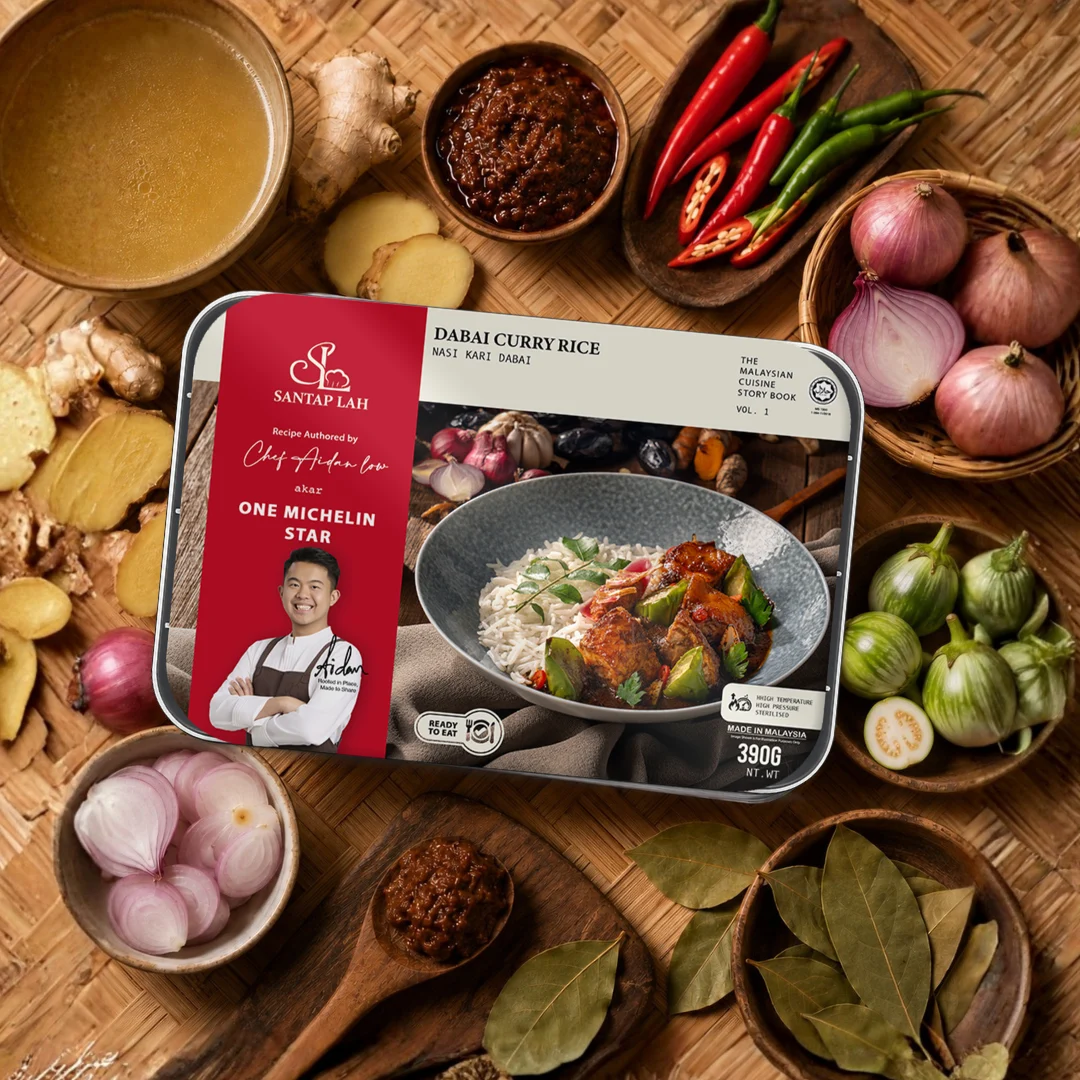
    Branded as Santap Lah, the collection is available exclusively across the chain’s CAFÉ by 7-Eleven store format in Malaysia. Every meal is halal-certified and made without preservatives. Staff heat each portion directly at the service counter.

    Star chefs take to the convenience counter

    The lineup pulls recipes directly from high-end kitchens in Kuala Lumpur and Penang. Raymond Tham, chef at one-star Beta KL, developed the Kadok Chicken Rice. Aidan Low of one-star akar contributed the Dabai Curry Rice. Penang-based Kim Hock Su from one-star Restaurant au Jardin created a vegan option, Hericium Mushroom Rendang with Rose Water Rice. A fourth dish, Rose Chicken with Buttered Rice, comes from Nurilkarim of Michelin-selected Jawi House.

    Selling fine-dining recipes in plastic trays requires rigid cold-chain controls and tight commissary standardisation. The retailer is using shelf-stable heating techniques and preservative-free recipes to tackle the quality drop common in mass-produced convenience food.

    The margin fight in fresh food

    Convenience operators across Southeast Asia are leaning heavily on proprietary ready meals to defend gross margins against grocery discounters and food delivery platforms. Ready-to-eat lines yield higher gross margins than packaged consumer goods. However, they carry sharp inventory risks if off-peak sales drop.

    In Malaysia, 7-Eleven faces stiff competition in fresh food from FamilyMart. That rival built its local market share on hot snacks, oden, and chilled lunch boxes. By putting Michelin-starred names on its menu, 7-Eleven aims to capture office workers looking for quality lunches without paying full restaurant table rates.

    Expanding the cafe footprint

    This rollout ties into the chain’s broader conversion of standard convenience outlets into the larger CAFÉ by 7-Eleven format. These stores dedicate more floor space to seating, barista coffee, and ready-to-eat meals.

    Customer uptake across suburban locations outside central Kuala Lumpur will test the Santap Lah range next. Spending power is tighter in these areas, where standard hawker meals still sell well below the RM15 mark.