Tag: ready to drink

  • Wild Turkey Redesigns Packaging Across 39 Australian RTD Products

    Wild Turkey Redesigns Packaging Across 39 Australian RTD Products

    Bourbon brand Wild Turkey unveiled redesigned packaging across all 39 of its ready-to-drink products in Australia in October 2026 to sharpen shelf visibility in liquor aisles.

    The overhaul covers the brand’s complete local pre-mixed catalogue, spanning cans, bottles, varying alcohol strengths, flavour extensions and zero-sugar options.

    Sydney design agency The Creative Method developed the system, elevating the brand’s turkey illustration and increasing the use of gold accents across the lineup. The format creates a standard visual hierarchy across formats, giving single cans, multi-packs and bottled variants a unified design language while preserving variant distinctions.

    Standardising visual cues across 39 SKUs

    Pre-mixed spirits occupy high-density shelf space in Australian liquor stores, where retail formats demand instant brand recognition. The revision consolidates disparate pack styles accumulated over years of line extensions into a single visual framework.

    By anchoring every pack to the central illustration rather than relying solely on typography, the brand aims to make full-strength, mid-strength and zero-sugar variants immediately distinct within refrigerated retail display units.

    Competitive pressure in Australian RTD aisles

    Australia represents one of the largest ready-to-drink alcohol markets globally by per capita spend, making clear retail differentiation critical for major spirit houses. Global brand owners including Beam Suntory and Diageo have similarly revamped their pre-mixed dark spirit portfolios in recent years to defend market share against craft premixes, seltzers and evolving duty structures.

    For retailers, clear tiering across alcohol strengths and sugar content reduces shopper friction at the cool-room door. The operational risk for brand owners lies in alienating loyal volume buyers when updating legacy packaging that has sat unchanged on shelves for years.

    Building on Campari’s local portfolio

    Parent company Campari Australia has steadily refined the local positioning of its dark spirit stable to protect core volumes in independent retail banners and chain store networks. The bourbon segment remains heavily reliant on canned convenience formats for off-premise volume, particularly heading into peak summer retail trading.

    “The evolved system heroes an asset that’s uniquely ours and gives us a stronger and more distinctive presence across the range,” said Mark Watson, Marketing Director at Campari Australia.

    National rollout across retail networks

    The updated 39-product packaging range is circulating into national distribution channels across bottle shops and supermarket-owned liquor networks throughout Australia. Retailers will transition inventory across all stock-keeping units as existing wholesale stock sells through.
  • Chobani Enters Australia High-Protein Milk Category with Five Flavours

    Chobani Enters Australia High-Protein Milk Category with Five Flavours

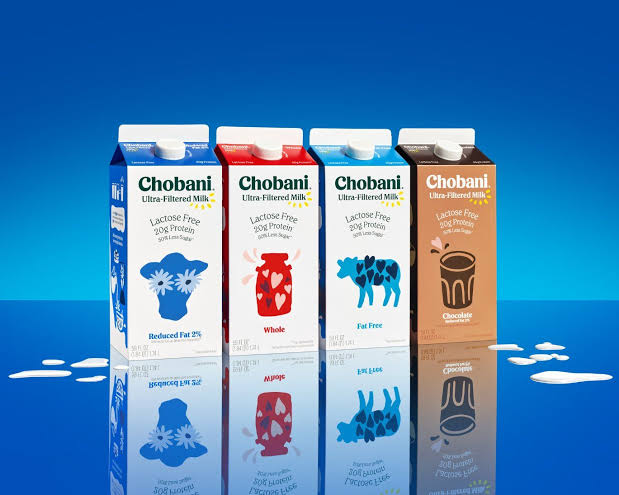
    Chobani entered Australia’s high-protein drinks category on September 29 with a five-flavour line of ready-to-drink yogurts packing up to 30 grams of protein per bottle.

    The rollout targets health-focused shoppers across the country, selling in 270ml and 400ml bottle sizes with 20-gram and 30-gram protein formulations.

    Formulation and format specifications

    Chobani’s new line arrives in Vanilla, Mixed Berry, Tropical, Mango and Strawberry. The company sources the protein content entirely from fresh milk rather than added milk powders.

    Each bottle is lactose-free and contains no added sugar or artificial sweeteners. The formulation gives supermarket buyers a clean-label dairy option in grab-and-go refrigerated beverage cases, where shelf competition from RTD shakes and functional milks has sharpened.

    Shifting fridge space beyond traditional yogurt

    Australian retailers are allocating more linear shelf space to high-protein dairy beverages as consumer demand shifts toward functional snacking. Chobani built its market position in Australia on traditional tub Greek yogurt, but chilled beverage aisles offer higher purchase frequency and faster inventory turn.

    Entering liquid drinks puts the brand into direct competition with established functional milk processors and sports nutrition brands. The clean-ingredient profile is Chobani’s main lever to pull shoppers away from powder-reconstituted protein shakes that dominate convenience coolers.

    Broader protein and ready-to-drink expansion

    The Australian rollout aligns with the group’s global pivot toward high-protein formats and functional ready-to-drink beverages. Chobani recently introduced its 20-gram Protein Flip yogurt snacks in North America, pairing strained dairy bases with nuts and freeze-dried fruit mix-ins across four varieties.

    Beverage diversification has also accelerated through coffee. Chobani expanded into ready-to-drink cold brews and liquid creamers after acquiring La Colombe, which has generated more than 30 per cent annual growth in ready-to-drink coffee formats.

    Manufacturing investment backs volume goals

    Capacity expansions underpin this product pipeline across international territories. The company recently committed $1.2 billion to acquire and expand a 1.5 million square-foot manufacturing facility in Allentown, Pennsylvania, to support production scale for dairy, coffee and prepared foods.

    Supply chain control remains central to the brand’s margin strategy. Sourcing liquid milk directly from regional dairy farm networks allows the group to avoid processed whey concentrates while sustaining production volumes across expanding product categories.

    Australian retail stockists are expected to complete nationwide shelf resets for the new beverage line across supermarket and convenience channels over the coming quarter.

  • Lion Expands Kirin Hyoketsu RTD Lineup in Australia with Two Flavours

    Lion Expands Kirin Hyoketsu RTD Lineup in Australia with Two Flavours

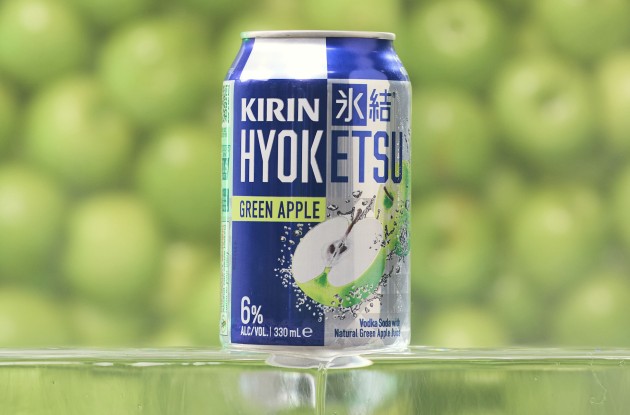
    Lion expanded its Kirin Hyoketsu ready-to-drink portfolio in Australia with two flavour additions, rolling out Mandarin in 330ml cans and Mango in a 440ml format.

    Mandarin enters the core lineup as a permanent fixture after a limited-edition trial run last year, while Mango introduces a larger volume designed for single-serve retail sales.

    Format Shifts in Premix Liquor

    The addition of the 440ml format for Mango shows how brewers are adjusting pack sizes to capture different drinking occasions outside standard multi-packs. Lion said the larger single-can design gives consumers more flexibility across outdoor and convenience settings where larger volumes sell at higher individual price points.

    Japanese premix chu-hi brands have gained steady ground across Australasia against traditional dark spirit mixers and craft seltzers. By bringing Kirin’s domestic Japanese recipes directly into local distribution networks, Lion captures higher manufacturing margins while bypassing third-party brand licensing costs.

    Building Out the Core Roster

    Competition in Australia’s pre-mixed alcoholic beverage aisle remains fierce, dominated by major domestic brewers and global spirits groups fighting for shelf space at major retail chains. The risk for brand owners lies in rapid consumer rotation across novelty flavours, which frequently leads to inventory markdowns if repeat purchases drop off after the initial seasonal surge.

    The current rollout follows Lion’s initial introduction of Kirin Hyoketsu to the Australian market, where it used Japanese citrus profiles to establish a foothold among younger adult consumers.

    Retailers will track off-premise sales velocity across both can sizes as inventory reaches store shelves ahead of the peak summer trading quarter.

  • Lion Launches Kirin Asobi Alcoholic Iced Tea in Australia

    Lion Launches Kirin Asobi Alcoholic Iced Tea in Australia

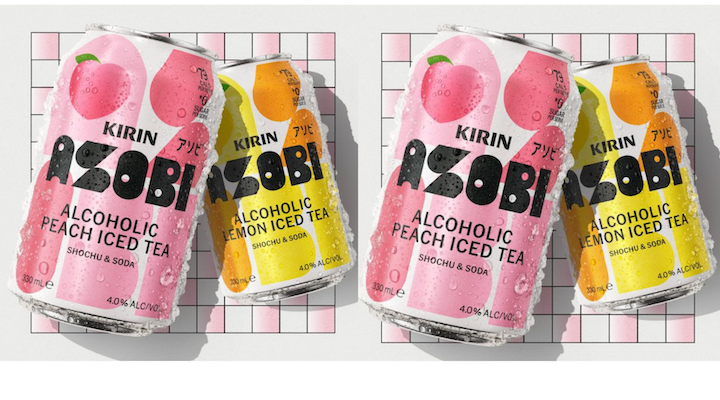
    Lion launched Kirin Asobi in Australia on September 3, entering the alcoholic iced tea category with a 4 per cent alcohol by volume premixed drink.

    The zero-sugar line rolls out across national liquor chain Liquorland in 330ml cans.

    Shochu Base and Flavour Options

    Lion formulated Kirin Asobi with a blend of Japanese shochu, brewed black tea, sparkling water, and fruit juice. The lineup debuts with two options: Lemon and Peach.

    Each 330ml can contains no sugar. That profile places the brand directly in the low-sugar premix segment, where major beverage makers are fighting for younger drinkers who avoid standard beer.

    Premix Competition in Oceania

    Japanese brewing group Kirin Holdings continues to push Asian spirit profiles into Western retail channels through its regional subsidiaries. Shochu and chuhai-style ready-to-drink cans have taken significant shelf space from malt-based seltzers across Australasia over the past two years.

    Liquorland carries the range across its store network starting this week, with initial retail sell-through over the southern hemisphere spring determining whether Lion broadens distribution to independent banner groups.

  • Café Amazon Rolls Out Canned Sparkling Coffee Across 7-Eleven Thailand

    Café Amazon Rolls Out Canned Sparkling Coffee Across 7-Eleven Thailand

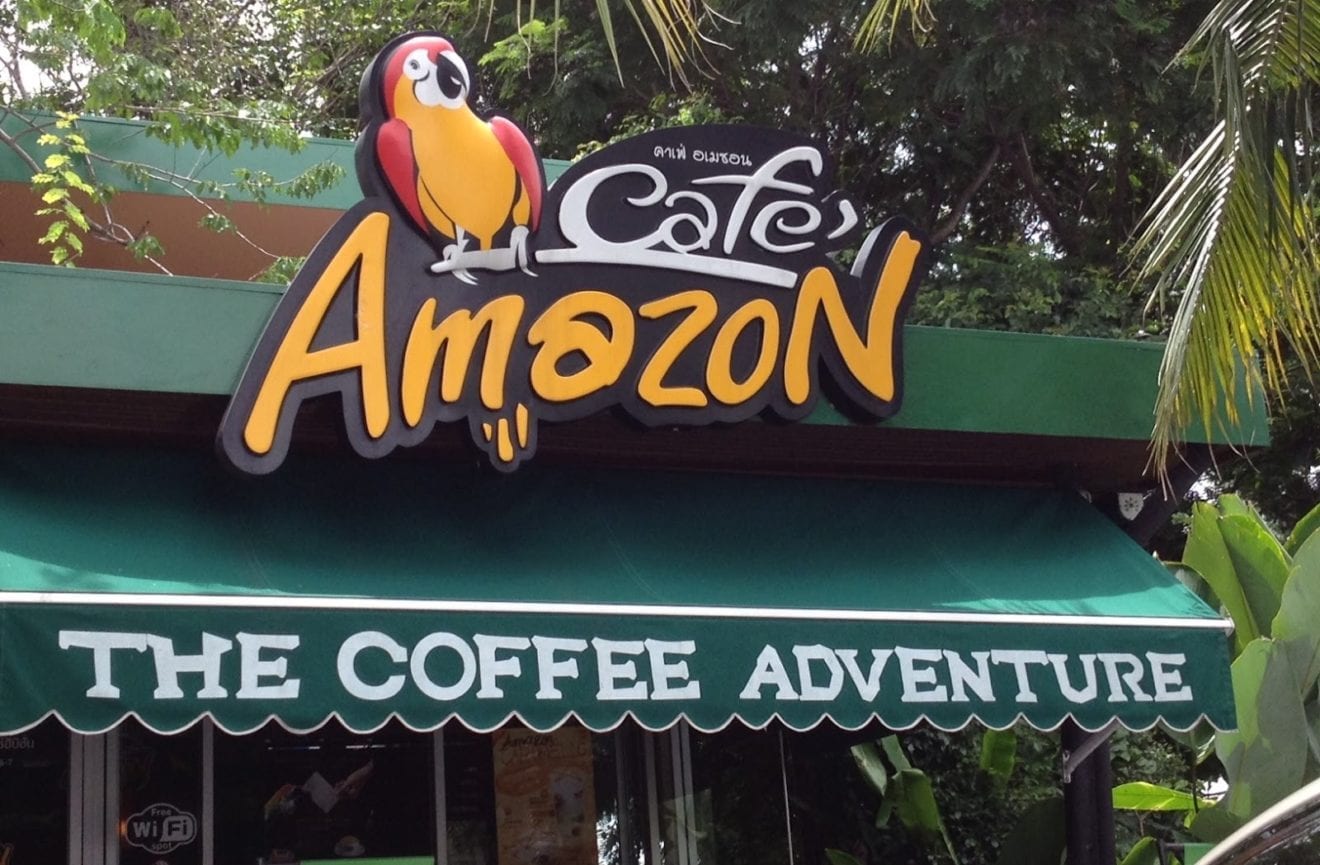
    Café Amazon has launched Amazon Fizzpresso across 7-Eleven stores in Thailand. The product brings zero-sugar sparkling ready-to-drink coffee to convenience shelves nationwide.

    Two fruit flavours lead the debut: Yuzu and Peach. Both combine carbonated water with instant coffee notes to mimic a coffee soda. Earlier sparkling coffees in Thailand stayed in specialty grocers at premium prices. 7-Eleven’s retail footprint will test whether the drink works as an everyday convenience purchase.

    Formulation and convenience distribution

    The Peach variant contains water, 0.53 per cent concentrated peach juice, and 0.38 per cent coffee powder. Sucralose and acesulfame potassium replace sugar to keep the drink low-calorie. Acidity regulators and standard preservatives round out the shelf-stable formulation.

    Selling through 7-Eleven gives the chain immediate access to thousands of high-traffic locations across Bangkok and provincial hubs. In grab-and-go coolers, the product competes directly against carbonated soft drinks, energy drinks, and traditional canned milk coffees.

    Regional push into fizzy brews

    Sparkling coffee has seen mixed consumer reception across Southeast Asia, though regional chains continue to back the format. Malaysian operator ZUS Coffee introduced its canned Coffizz line in Original and Zesty Lime variants in 2024. Those cans remain on retail shelves despite polarized early feedback.

    Independent roasters and smaller regional players have treated sparkling coffee as a novelty drink. Café Amazon brings the manufacturing scale of parent group PTT Oil and Retail Business. The real test is whether repeat purchases hold up in convenience chillers once initial curiosity fades.

  • Ally Adds Collagen and Lifts Protein to 10G in Thailand Drink Relaunch

    Ally Adds Collagen and Lifts Protein to 10G in Thailand Drink Relaunch

    Thai functional beverage brand Ally has reformulated its Pro Fiber line in Bangkok, raising plant protein to 10 grams per bottle and adding collagen peptide.

    The updated ready-to-drink formula packs 20,000 milligrams of dietary fiber alongside psyllium husk to target digestive health and sustained fullness. Two new flavour profiles accompany the relaunch: Grape Berry, blending grape, blueberry, acai, and kale, alongside Apple Lemon, made with apple, pear, lemon, and kale.

    Upgraded formulation and new blends

    Ally originally launched the Pro Fiber line in 2025 with 8 grams of plant protein per unit. The revised 2026 iteration increases the protein dose extracted from pea and soy by two grams to support muscle maintenance while introducing marine collagen peptide aimed at skin hydration.

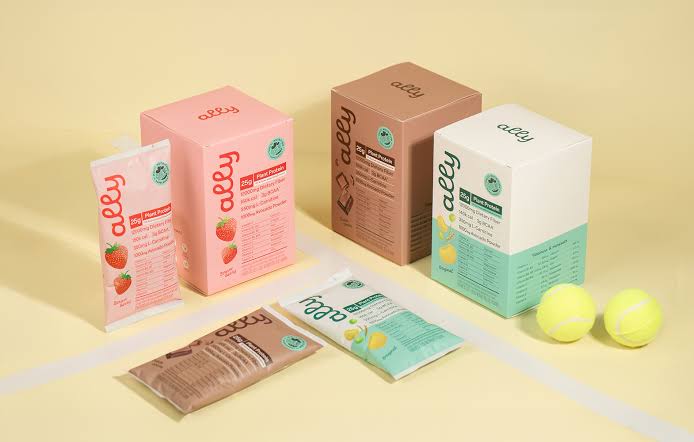
    Packaging changes reflect the formula shift. Psyllium husk, previously listed as a minor claim at the bottom of the bottle, now sits prominently on the front panel as a key functional selling point.

    Shift in convenience beverage positioning

    Thai beverage makers are packing multiple functional ingredients into single stock-keeping units rather than selling standalone protein or fiber drinks. Ally itself expanded into clear protein with creatine in May 2026 and rolled out ready-to-eat overnight oats in July 2026, building out a convenience-led functional nutrition portfolio in urban retail chains.

    Distribution continues across convenience store chillers and supermarket shelves in Thailand, where consumer uptake of high-fiber meal-replacement beverages will test whether multi-benefit RTD drinks can sustain premium shelf space against traditional dairy and juice competitors.