Tag: real estate investment

  • Vietnam Enters Global Top 10 for Property Transparency Gains

    Vietnam Enters Global Top 10 for Property Transparency Gains

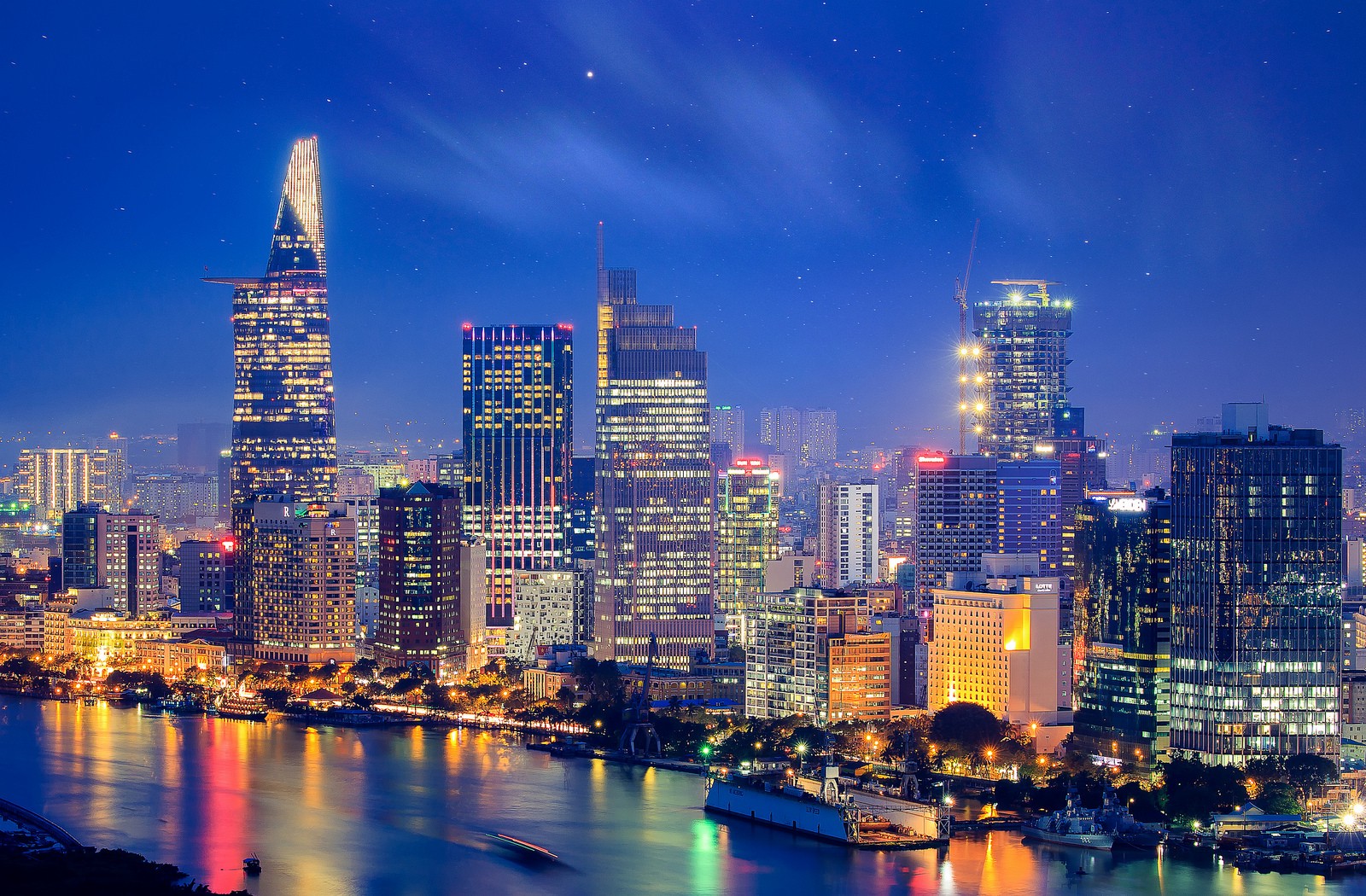
    Vietnam ranked among the world’s ten most improved real estate markets for transparency between 2024 and 2026, according to JLL’s latest global transparency index. The country placed 50th among 88 evaluated territories with a composite transparency score of 3.15, keeping its position in the semi-transparent tier.

    Asia-Pacific led global transparency advances over the two-year cycle, claiming five of the top ten improvement spots alongside India, South Korea, Australia and Thailand. Poland, Qatar, Saudi Arabia, Dubai and Abu Dhabi completed the global top ten list. Improving market clarity helped direct cross-border property transactions across the region hit record levels during the past 12 months.

    Regulatory Overhaul Drives Commercial Clarity

    Vietnam’s upward trajectory follows the implementation of overhauled legal frameworks governing land, housing and real estate business that took effect in 2024. The legislative changes tightened market conduct by requiring property transactions to clear through formal banking channels and mandating verifiable transaction trails.

    Valuation practices also faced stricter scrutiny under the revised Law on Price. The rules require certified valuation professionals and clear audit trails for commercial asset pricing, replacing informal assessment methods that previously clouded asset underwriting.

    Administrative reforms accelerated in 2026 with Decree 357, which regulates the construction, management and operation of nationwide housing and property information systems. The mandate establishes a formal framework to compile comprehensive transaction registries into a single repository by the end of 2026.

    Valuation Gaps and Institutional Friction

    Data fragmentation continues to impose measurable transaction costs on cross-border capital deploying into Vietnamese commercial real estate. Valuation accuracy across semi-transparent markets sits at roughly 70 per cent, with transaction assessments taking up to 20 days to complete.

    Highly transparent markets operate under an entirely different speed and precision profile. In jurisdictions where asset registries and lease disclosures are open to the public, valuation accuracy reaches 90 per cent and execution cycles take five to ten days.

    Narrowing this performance gap requires completing digital land registries, setting up a unified national title database and enforcing international valuation benchmarks across domestic institutions. Institutional investors also require deeper coverage of commercial debt markets and broader adoption of certified green building standards before raising core fund allocations.

    Regional Standing and Capital Flows

    Southeast Asian peers continue to hold varying positions along the transparency scale. Singapore remains the regional benchmark with a top-tier score of 1.9, followed by Thailand at 2.48, Malaysia at 2.56, Indonesia at 2.74 and the Philippines at 2.94.

    Vietnam’s steady ascent from a low-transparency classification before 2020 reflects deliberate structural repositioning. The initial catalyst emerged in 2016 when the government entered the Trans-Pacific Partnership negotiations and committed to building a centralized real estate database.

    Capital allocations have responded directly to the institutional cleanup. Registered foreign direct investment in Vietnam totaled 38.1 billion dollars in the first seven months of 2026, matching full-year tallies from previous cycles and marking a ten-year peak in inbound commitments.

    The fact that Vietnam is ranked among the global top 10 markets with the strongest improvements in transparency is the result of a long and sustained process.

    Next Benchmarks for Market Infrastructure

    For institutional retailers, mall developers and logistics operators, transparent title registries reduce the legal drag that historically stalled greenfield site acquisition and store rollout schedules. Better asset pricing data allows retail landlords to structure verifiable commercial leases and debt facilities without relying on excessive risk discounts.

    The principal operational test now sits with local municipal governments responsible for digitizing cadastral archives ahead of the December 2026 national database deadline. Investors will track whether commercial credit exposure data and listed property company disclosures meet international transparency standards during the upcoming reporting period.

  • Dexus Wholesale Property Fund Returns 9.3 per Cent as Retail Yields Beat Office

    Dexus Wholesale Property Fund Returns 9.3 per Cent as Retail Yields Beat Office

    Dexus Wholesale Property Fund delivered a 9.3 per cent total return in the year to 30 June. It beat its benchmark across an A$13 billion commercial portfolio.

    That performance was the unlisted vehicle’s strongest in four years. Retail rental growth and income yields outpaced the fund’s office and industrial holdings.

    Management resolved a redemption backlog exceeding A$1 billion that had accumulated over the past year. Brad Collier, head of diversified funds at Dexus, told a Sydney industry forum that the fund cleared the queue by selling secondary assets while existing and incoming unitholders bought up liquidity.

    Clearance of Redemptions and Yield Performance

    Capital returned to the fund once asset valuations stabilized after rapid interest rate adjustments across Asia-Pacific property markets. Steady rental increases and high income yields drove performance. Capitalisation rates did not need to compress.

    Sydney premium office space drove much of the return. Assets like Gateway at 1 Macquarie Place held tenant demand as corporate employers paid higher rates for central floorplates to draw staff back into central business districts.

    Retail Outpaces Office on Yields and Sales

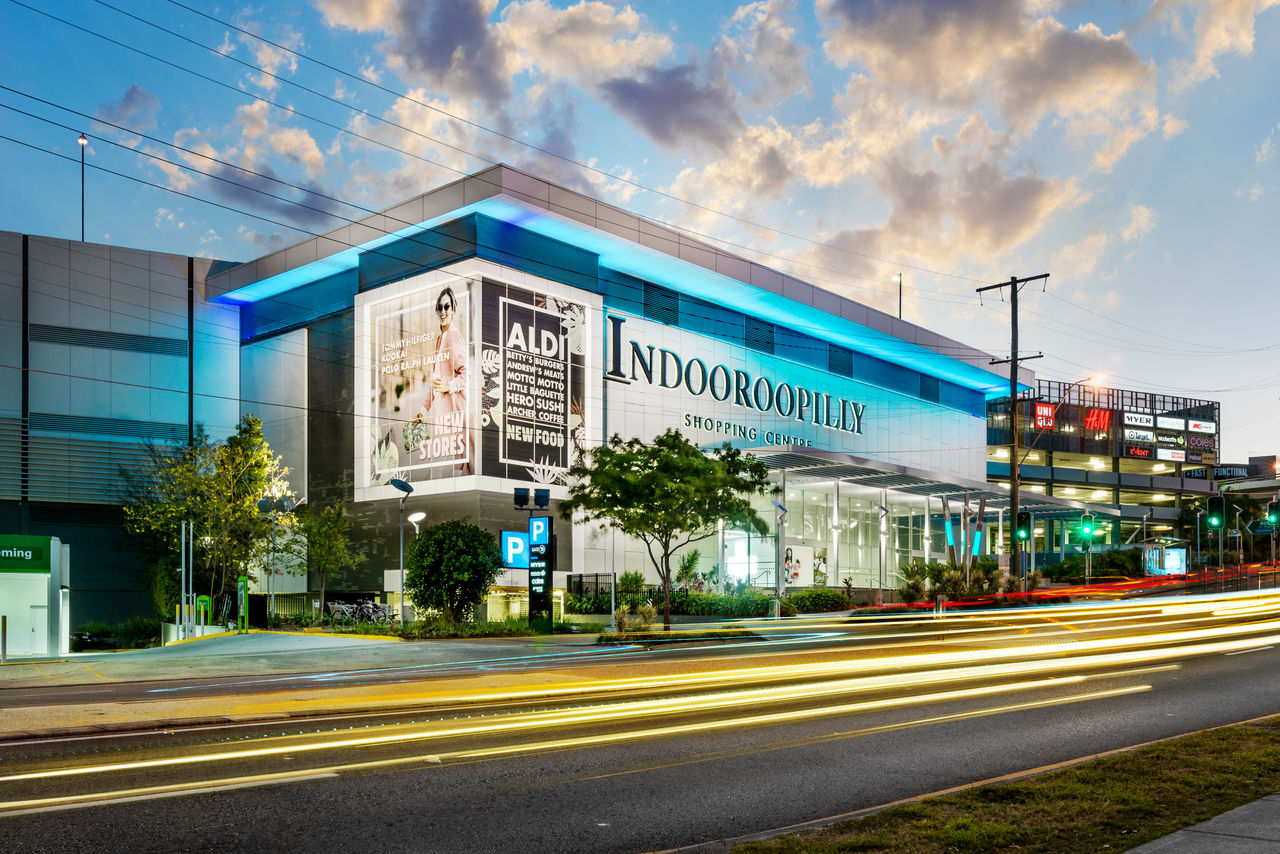
    Shopping centres held by the fund delivered income yields above 6 per cent. By comparison, office and logistics assets yielded below 5 per cent. Annual retail tenant turnover grew 5 per cent across the portfolio, giving the landlord pricing power during lease renewals despite subdued consumer sentiment.

    Occupancy across these shopping centres sits above 99 per cent. Collier noted that co-ownership with retail operators like Scentre Group helped maintain tenant retention and rental revenue across major regional destinations.

    Malls as Residential Development Sites

    Large shopping centres with surplus land represent the fund’s primary avenue for value expansion. Dexus is pursuing master-planned rezonings around suburban retail hubs to construct high-density residential towers above and beside existing retail footprints.

    Plans at Westfield Warringah Mall in Sydney’s Northern Beaches call for more than 1,500 apartments across six residential towers on the Scentre co-owned site. The project will double the vehicle’s capital commitment to the property over the long term.

    “They’re seeing returns of 9.3 percent for what is a core portfolio.”

    Institutional landlords across the region are reallocating capital away from standalone department store wings toward housing and health services. This structure generates recurrent residential sales or rental income on owned land. It reduces land acquisition risk while providing built-in foot traffic for ground-floor retailers.

    Divergence Across Sydney, Brisbane and Melbourne

    Performance continues to diverge across Australia’s eastern seaboard capital cities. Brisbane office assets gained institutional investor support after years of restrained construction kept vacancy low. Meanwhile, Melbourne faces high vacancy, landlord leasing incentives, and Victorian state property surcharges.

    The twelve-month campaign of non-core disposals reversed the liquidity freeze that hit unlisted Australian property trusts between 2022 and 2024. That recovery establishes a baseline for institutional capital allocators assessing core real estate entries across Australasia.

    Dexus is advancing planning approvals for the six-tower residential precinct at Warringah Mall while monitoring tenant absorption in Melbourne before lifting its office allocation there.

  • Japan’s JDC Corp Backs Centuria’s $320 Million Sydney Office Acquisition

    Japan’s JDC Corp Backs Centuria’s $320 Million Sydney Office Acquisition

    JDC Corporation, a Tokyo-based construction and engineering group, has been named as one of three Japanese entities supporting Centuria Capital Group’s recent acquisition. Centuria purchased a 50 percent share in a prominent central Sydney office complex from Canada’s Brookfield for A$454 million, equivalent to $320.4 million.

    This investment highlights a continued trend of Japanese capital flowing into major Australian commercial property assets. Such cross-border deals are becoming more common across the Asia Pacific region, as investors seek stable returns and diversification in developed markets.

    Japanese Capital Fuels Sydney Deal

    The transaction, which completed recently, sees JDC Corporation join two other Japanese financial institutions in backing Centuria. While specific details of JDC’s contribution were not disclosed, its involvement signifies a strategic move by the company into the Australian real estate market. The Sydney office complex represents a significant asset, and its partial acquisition by Centuria with Japanese backing underscores the growing international interest in Australia’s commercial property sector.

    This type of investment is often driven by a combination of factors, including attractive yields compared to domestic markets, a strong legal framework, and the potential for capital growth. For Japanese firms, Australia offers a stable economic environment and a transparent real estate market, making it an appealing destination for outward investment.

    Implications for APAC Real Estate

    The involvement of JDC Corporation in a major Sydney office deal signals how Asian companies are increasingly deploying capital across the region’s diverse real estate markets. While the primary focus of JDC is construction and engineering, its financial backing for a significant property acquisition points to broader investment strategies. This move reflects a wider pattern observed by RetailNews Asia, where Asian investors, including developers, funds, and corporate entities, are actively acquiring commercial assets from retail spaces to logistics hubs across the region, from Singapore to Melbourne.

    These investments influence market dynamics by introducing new capital and sometimes new development approaches, impacting property values and competitive landscapes for all players, including retailers seeking prime locations and consumer brands looking for office or warehouse facilities. Such cross-border financial backing often precedes or runs in parallel with other Asian firms expanding their operational footprints in these markets.