Tag: recall

  • Global Alert: Nestle’s Massive Infant Formula Recall in 25 Countries Amid Toxin Contamination Scare

    Global Alert: Nestle’s Massive Infant Formula Recall in 25 Countries Amid Toxin Contamination Scare

    Nestle, the global food giant, has issued a recall for several batches of its infant nutrition products due to potential contamination posing a risk of nausea and vomiting. This recall predominantly affects Europe and includes SMA, BEBA, and NAN formulas.

    Increased Pressure on Leadership

    Philipp Navratil, Nestle’s new Chief Executive, faces mounting pressure as the recall follows a period of managerial turbulence. Navratil aims to stimulate growth through a portfolio review.

    Preventive Measures

    Upon discovering a quality issue in the arachidonic acid oil – a vital ingredient from a prominent supplier – Nestle initiated a comprehensive test of the oil and corresponding oil mixtures used in the potentially impacted infant nutrition products. Following the completion of the tests, the company decided to recall the affected products.

    In a bid to maintain consistent supply, Nestle is now engaging alternative suppliers for arachidonic acid oil, increasing production at several factories, and speeding up the distribution of unimpacted products.

    Potential Consequences and Market Impact

    Issues with baby formula can have severe repercussions for companies. Nestle’s shares have experienced a decline of more than 3% in the last two trading sessions. Despite this, the company still holds nearly a quarter of the $92.2 billion global infant nutrition market.

    While Nestle does not disclose sales data, the infant formula segment is part of its Nutrition and Health Science division, which contributed 16.6% to the company’s total sales of 91.4 billion Swiss francs ($115.4 billion) in 2024.

    Scope of the Recall

    The recall includes batches sold in Europe, Turkey, and Argentina due to potential contamination with cereulide, a toxin produced by certain strains of Bacillus cereus. This toxin is resistant to deactivation or destruction by cooking or boiling water, posing a significant threat when preparing infant milk.

    Cereulide can cause rapid-onset food poisoning symptoms, including vomiting and stomach cramps.

    According to the Austrian health ministry, the recall impacts over 800 products from more than 10 Nestle factories, marking the largest recall in Nestle’s history. However, a Nestle spokesperson has yet to confirm these figures.

    Future Plans

    Nestle has published the batch numbers for the products that should not be consumed, and is working diligently to minimize disruptions in supply.

    The company identified the potential risk at a factory in the Netherlands. The Dutch food safety authority NVWA confirmed that Nestle’s investigation revealed that the contaminated raw material had been used at various production sites, including locations outside the Netherlands.

    Questions & Answers

    Why has Nestle issued a recall for its infant nutrition products?
    Nestle has issued a recall due to potential contamination of certain batches of its infant nutrition products. This contamination could lead to symptoms of nausea and vomiting.

    What steps has Nestle taken following the discovery of this issue?
    The company initiated extensive testing of the potentially affected ingredients and has subsequently recalled the impacted products. They are now engaging alternative suppliers for the ingredient, increasing production at several factories, and speeding up distribution of unaffected products.

    What is the potential health risk of the identified contaminant?
    The contaminant, cereulide, is a toxin that can cause rapid-onset food poisoning symptoms, including vomiting and stomach cramps. This toxin is resistant to deactivation by cooking or boiling water, posing a significant threat when preparing infant milk.
  • BYD Recalls Over 115,000 Vehicles Amid Safety Concerns: Tang And Yuan Pro Models Affected

    BYD Recalls Over 115,000 Vehicles Amid Safety Concerns: Tang And Yuan Pro Models Affected

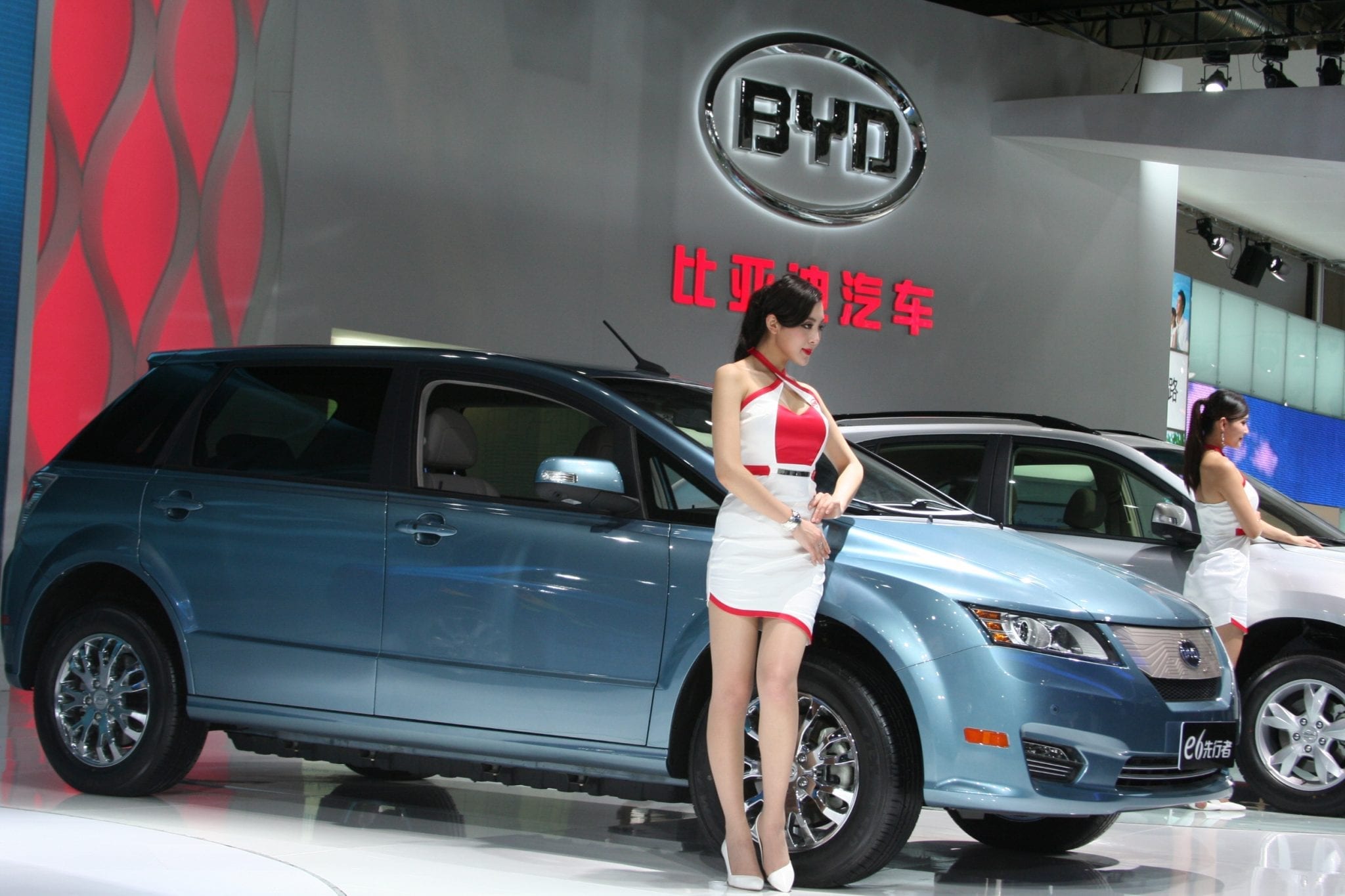
    Chinese vehicle manufacturer BYD has announced its largest vehicle recall to date, affecting over 115,000 vehicles from the Tang series and Yuan Pro models produced between 2015 and 2022. The recall has been triggered by concerns regarding design defects and battery-related safety risks.

    Recall Details

    BYD has presented a plan to the State Administration for Market Regulation to recall 44,535 Tang series vehicles. These vehicles, produced between March 2015 and July 2017, have been identified as having potential component design flaws that may lead to abnormal functionality, according to the market regulator’s statement released on Friday.

    The recall also includes 71,248 Yuan Pro electric vehicles, produced between February 2021 and August 2022. These vehicles are being recalled due to issues related to the manufacturing process, specifically concerning the installation of the batteries.

    Previous Recalls

    This recall follows earlier instances where BYD had to recall vehicles due to safety concerns. In January, the company recalled 6,843 Fangchengbao Bao 5 plug-in hybrid off-road SUVs due to potential fire risks. Prior to this, nearly 97,000 vehicles from the Dolphin and Yuan Plus EV series were recalled due to a manufacturing fault in the steering control unit that posed a fire risk. This recall took place in September 2024.

    Questions & Answers

    What is the reason for BYD’s recall of its Tang series and Yuan Pro vehicles?
    The recall is due to identified design defects and battery-related safety risks in these vehicles.

    How many vehicles are affected by this recall?
    The recall affects over 115,000 vehicles, including 44,535 from the Tang series and 71,248 Yuan Pro electric vehicles.

    Has BYD had to recall vehicles in the past?
    Yes, BYD has had to recall vehicles in the past due to safety concerns. In January, the company recalled 6,843 Fangchengbao Bao 5 vehicles due to fire risks, while in September 2024, nearly 97,000 Dolphin and Yuan Plus EVs were recalled due to a manufacturing fault in the steering control unit that also posed a fire risk.

  • Mercedes recalls nearly 1,000 vehicles over fire risk

    Mercedes recalls nearly 1,000 vehicles over fire risk

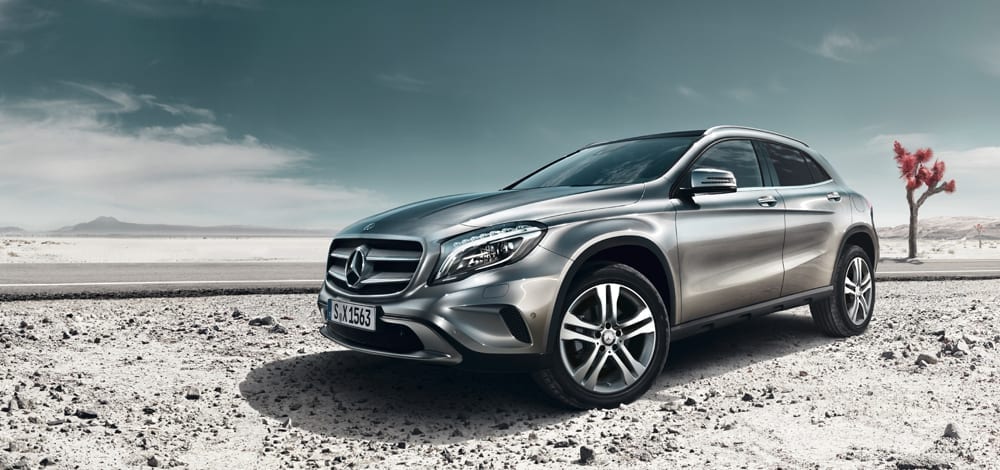
    Mercedes is recalling 966 cars in Vietnam due to fire risks related to electrical short circuits in the trunk control modules and faulty trim bars on rear doors.

    The recall covers three models – C300, GLE, and GLS imported via official channels in Vietnam. Of these, 126 recalled Mercedes C300 cars were made between May 2021 and May 2022.

    The remaining 840 units – GLE 450 4Matic, GLS 450 4Matic, GLS Maybach 480 4Matic, and GLS Maybach 600 4Matic – were made between July 2019 and January 2022.

    With the C300 model (W206 generation), there is a risk of rainwater ingress at the rear trunk. Moisture can thus seep into the signal acquisition and actuation module (SAM module) inside the trunk, the carmaker said.

    In this case, short circuits may occur in the control modules and fire risks cannot be eliminated entirely. In addition, short-circuiting can lead to various other problems, such as taillight damage. The company has recalled vehicles to fit a waterproof cover over the module that receives the signal and activates it to prevent problems.

    The GLE and GLS models are being recalled to repair the trim bar in the triangular window (rear door) because they may not meet specifications due to deviations in the assembly process. As a result, the decorative bars may detach from the vehicle while in motion, potentially causing accidents or injuries to other road users.

    The above models are being recalled at Mercedes Vietnam’s authorized dealers system nationwide, and repairs are done free of charge. Fixing the error on the C300 takes about 60 minutes, and procedures for the remaining lines about half that time. The recall program will run from November 10, 2022 to December 31, 2027.

    Mercedes Vietnam has said that it will also provide free error correction support for C300, GLE, and GLS models not imported via official channels that are on the global recall list of Mercedes AG.

  • Tesla To Recall 135,000 U.S. Vehicles Under Pressure From Auto Safety Regulators

    Tesla To Recall 135,000 U.S. Vehicles Under Pressure From Auto Safety Regulators

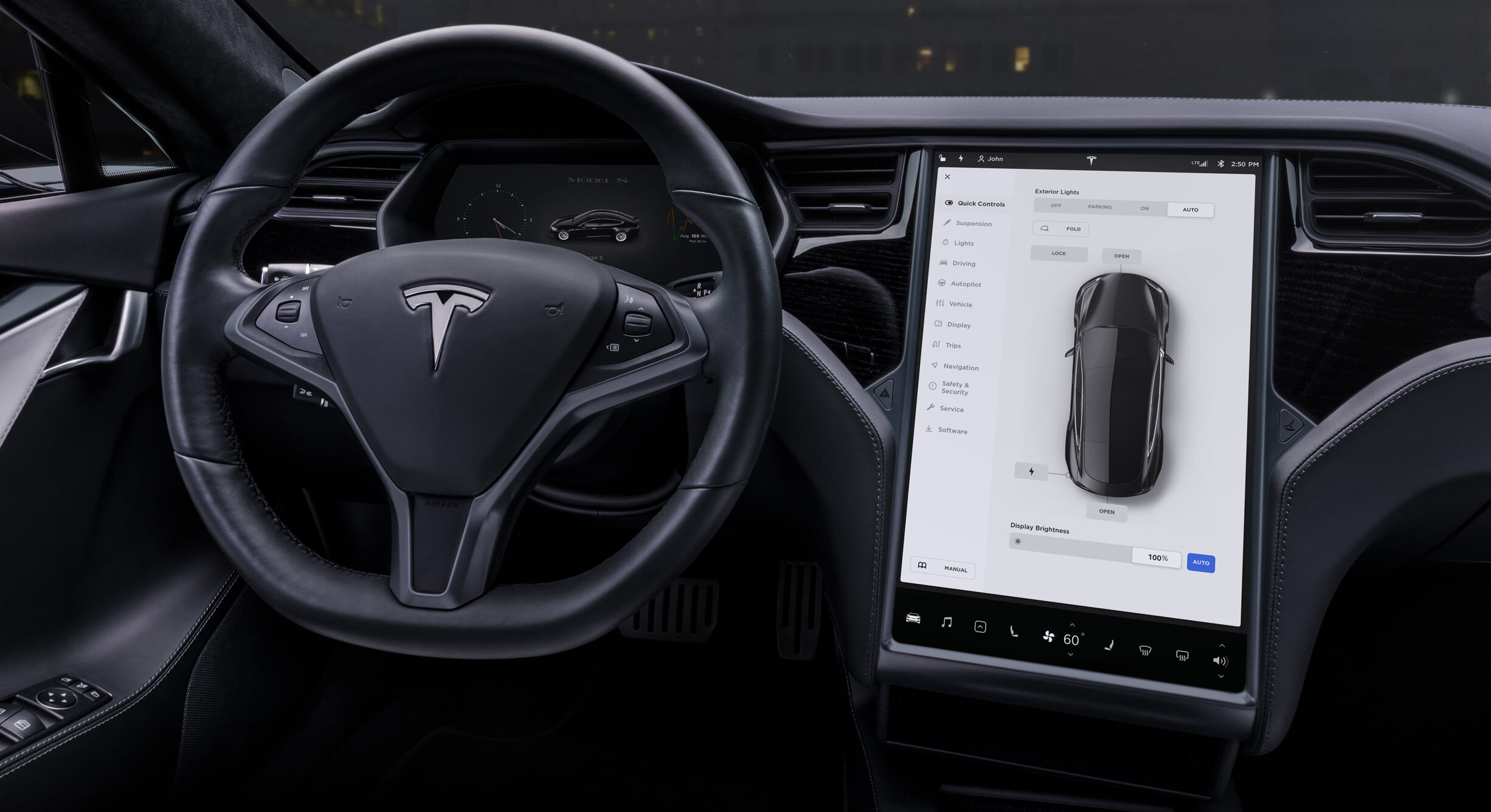
    Tesla Inc has agreed to recall 134,951 Model S and Model X vehicles with touchscreen displays that could fail and raise the risk of a crash after U.S. auto safety regulators sought the recall last month, according to a recall posted on a government website Tuesday.

    The National Highway Traffic Safety Administration (NHTSA) made the unusual recall request in a formal Jan. 13 letter to Tesla, saying it had tentatively concluded the 2012-2018 Model S and 2016-2018 Model X vehicles pose a safety issue. Automakers usually agree to voluntary fixes before the auto safety agency formally seeks a recall.

    The agency said touchscreen failures posed significant safety issues, including the loss of rearview or backup camera images, exterior turn-signal lighting, and windshield defogging and defrosting systems that “may decrease the driver’s visibility in inclement weather.”

    Tesla said in its filing with NHTSA that “in the interest of bringing administrative closure to the investigation and to ensure the best ownership experience for our customers” it agreed to a voluntary recall.

    NHTSA opened a probe in June 2020 into complaints that media control unit (MCU) failures led to touchscreen displays not working.

    The agency said other automakers issued numerous recalls for similar safety issues stemming from the touchscreen failure.

    NHTSA said in November when it upgraded its probe that it reviewed 12,523 claims and complaints about the issue.

    NHTSA said last month that “during our review of the data, Tesla provided confirmation that all units will inevitably fail given the memory device’s finite storage capacity.”

  • Porsche Recalls Cars Worldwide Due To Faulty Transmission Unit

    Porsche Recalls Cars Worldwide Due To Faulty Transmission Unit

    Volkswagen’s sports-car brand Porsche has to recall almost 340,000 Cayenne and Panamera vehicles due to problems with their automatic transmission, the German company said on Tuesday.

    A Porsche spokesman said the cars might roll when parked due to a potentially fragile part in the connection between the gear lever and transmission.

    Almost 100,000 of the affected vehicles, which date back to 2002, are in the United States and almost 25,000 in Germany.

  • Audi Recalls 1644 e-Tron SUVs Globally

    Audi Recalls 1644 e-Tron SUVs Globally

    Audi has recalled the e-Tron electric SUV, it’s first in the history, for a water leakage that could result in fie. The company is taking the recall very seriously and said that the recall is voluntary and affects approximately 540 e-tron vehicles in the US that have been delivered to customers and 1,644 in total. The recall is in response to a potentially faulty seal that may allow moisture to enter the battery compartment which could lead to a short circuit or in extreme cases to a fire. No incidents have been reported globally yet, but Audi is taking precautions to make sure that the problem is fixed. The recall repair is expected to become available in August 2019.

    Customers are being contacted directly to inform them of the recall and the company’s dealer network will get the issue resolved. Audi e-tron vehicles unaffected by the recall remain available for delivery and the company’s reservation system remains open to receive customer reservations.

    The e-Tron is not the only electric car that has faced this issue, in fact even the Jaguar too has had to recall the I-Pace to rectify a fault with the regenerative brake system. While the India launch will happen in the second half of 2019, we wait to see what it’ll be priced at as also how the country takes to the first luxury electric car in the country.

  • BMW Korea announces recall of 99,000 additional vehicles

    BMW Korea announces recall of 99,000 additional vehicles

    BMW on Wednesday announced another recall of an additional 99,000 vehicles, with 20,000 of them recalled immediately on concerns of engine fires. The remaining 79,000 will be recalled if replacement parts are found to be faulty. The Ministry of Land, Infrastructure and Transport on Wednesday announced that it has told the German carmaker to follow up with a recall plan that it submitted last week.

    The recall plan followed the investigation results announced by a joint investigation team on Dec. 24 in regard to BMW vehicle catching fire in Korea.

    The investigation team at the time announced that the fires were not only caused by the emission reduction system, or exhaust gas recirculation (EGR) system, but also by the intake manifold.

    The 20,363 vehicles that were in the first recall in July last year will be the first in line to be re-recalled, this time to check the intake manifold.

    These are vehicles with EGR modules that have not been replaced.

    The government said it will also inspect 80,000 BMWs to see if they have any leakage problems.

    Last year, BMW recalled 106,000 vehicles after they began bursting into flames last summer.

  • Hyundai, Kia move ahead with recall in U.S.

    Hyundai, Kia move ahead with recall in U.S.

    Despite a government shutdown, Hyundai and Kia are moving ahead with a recall of about 168,000 vehicles to fix a fuel pipe problem that can cause engine fires. The problem stems from improper repairs during previous recalls for engine failures. The affiliated Korean automakers have been dogged by fire and engine failure complaints from across the nation. They’re both under investigation by the U.S. National Highway Traffic Safety Administration, which has been trying to figure out whether initial recalls covered enough vehicles. But the agency is mostly closed due to the shutdown.

    In addition to the recall, each automaker says it will do a “product improvement campaign” covering a total of 3.7 million vehicles to install software that will alert drivers of possible engine failures and send the cars into a reduced-speed “limp” mode if problems are detected.

    Nhtsa employees who do safety investigations and recall notifications are not at work. Under normal circumstances, the agency would review the recalls to make sure they are adequate and post details on the agency website. It would also monitor notices to customers, and ensure customers could check to see if their vehicles are included.

    Kia spokesman James Bell said the company is proceeding with the recall and campaign regardless of government delays.

    “Making our customers comfortable is vastly more important than making sure we’re following additional government processes right now,” he said. Kia sent letters to dealers around Jan. 10 notifying them of the recall, he said.

    But a U.S. auto safety advocate called the recalls inadequate and said the product improvement campaigns should instead be recalls that are overseen by Nhtsa.

    An Nhtsa spokeswoman said she could not comment due to the shutdown.

    Hyundai and Kia started recalling 1.7 million vehicles in 2015 – about 618,000 of which are Kias – because manufacturing debris can restrict oil flow to connecting rod bearings. That can cause bearings in 2-liter and 2.4-liter four-cylinder engines to wear and fail. The problem can also cause fires. The repair in many cases is an expensive engine block replacement.

    Now the companies are acknowledging that the engine replacements may not have been properly done in all cases by dealers. A Kia statement says the high-pressure fuel pipe may have been damaged, misaligned or improperly tightened while the engines were being replaced under recall. That can allow fuel to leak and hit hot engine parts, causing fires.

    Kia says it has six reports of fires among the vehicles being recalled for possible fuel leaks, while Hyundai says it has no fire reports. Neither company had any reports of injuries.

    The fuel injector pipe recall covers some 2011 through 2014 Kia Optima cars, 2012 through 2014 Sorento SUVs, and 2011 through 2013 Sportage SUVs, all with 2-liter and 2.4-liter four-cylinder engines. Also covered are many 2011 to 2014 Hyundai Sonata cars and 2013 and 2014 Santa Fe Sport SUVs.

    More than 2 million 2011 Sonatas from the 2011 through 2018 model years and Santa Fe Sports from 2013 through 2018 are covered by the software and engine-knock sensor updates. About 1.7 million Kias, including the 2011 through 2018 Optima, the 2012 through 2018 Sorento and 2011 through 18 Sportage, are covered.

    The companies say owners of the recalled vehicles will be notified by letter. Dealers will check the fuel pipe for leaks and replace the pipe if needed.

    Kia is only doing the fix on 68,000 of its 618,000 vehicles recalled for the engine problems, while Hyundai is recalling 100,000 of more than 1 million. Hyundai said only vehicles that had engines replaced in the previous recalls are covered by the new recall.

    He also raised concerns about the government shutdown’s impact on Nhtsa, which he said should be open to handle critical safety recalls.

  • Hyundai Korea recalls diesel vehicles for emissions issue

    Hyundai Korea recalls diesel vehicles for emissions issue

    Hyundai Motor will recall about 79,000 diesel-powered vehicles to fix faulty emission-related components, the Environment Ministry said Tuesday.Korea’s biggest carmaker by sales is expected to recall 78,721 vehicles encompassing three different models due to problematic parts that emit excessive nitrogen oxide into the air. The recall will start Wednesday and be carried out for one and a half years, an official at the Ministry of Environment said.

    The three models are the 2.2-liter diesel-powered Grandeur sedan, the Megatruck and the Mighty truck.

    “The ministry recommended Hyundai to recall 30,945 units of the Grandeur diesel sedan due to a faulty emission part,” the official said over the phone.

    “As for the two truck models, however, the carmaker has voluntarily submitted its recall plan to the ministry, with an approval due to be made this week.”

    Hyundai’s recall plan is in line with the government’s push to reduce diesel-powered vehicles on roads and fine dust, which is harmful to your health.

  • 6 months of recalls, but BMWs are still burning in Korea

    6 months of recalls, but BMWs are still burning in Korea

    Things aren’t looking good for beleaguered German automaker BMW, with yet another vehicle reported to have burst into flames on Christmas Day. A BMW 520 sedan caught fire at around 6 p.m. on Tuesday in Gongju, South Chungcheong.

    Earlier that day at 1 a.m., the driver of a BMW 5GT sedan saw black smoke coming out of the back of their vehicle while driving on a highway bound for Pohang, North Gyeongsang. The car, subject to recall, had already gone through safety checks.

    The driver said the car was moving at 110 kilometers per hour (68 miles per hour) on cruise mode, but it started slowing down even though it was moving downhill and then smoke came out the back. The car didn’t burst into flames as the driver immediately pulled over and called the police.

    There were no casualties caused by either incident, but the news stoked fears over the safety of BMW vehicles. Just one day earlier, on Dec. 24, a BMW 320d sedan caught fire in Gwangju.

    The burnt 320d was a 2009 model not included in the 65 models currently subject to recall.

    A public-private investigation team under the Ministry of Land, Infrastructure and Transport had already raised the need of an additional recall for defective designs in exhaust gas recirculation (EGR) system when it released its examination report on BMW fires on Monday.

    The team confirmed that the major cause of the fires was a leaky EGR module, the same conclusion that the German carmaker came to, but disputed BMW’s claims that changing the faulty hardware resolves the issue. The team said there may be a fundamental problem with the EGR design and a simple replacement may not completely resolve that.

    “We spotted coolant boiling within the EGR cooler, and we think the boiling is due to a faulty design of the EGR,” the joint investigation team said in a statement. “If boiling continues, this could lead to a crack in the EGR cooler, [making them leaky.]”

    “New EGR systems won’t lead to fires right away, but the team found that after several years of constant driving heating up the EGR cooler, a similar fire could reoccur as long as the design stays the same,” a spokesperson from the Land Ministry said in a phone call on Wednesday. “We demanded that BMW come up with an explanation regarding EGR design.”

    The joint team also said the intake manifold connected to the leaky EGR coolant should be recalled as well after check-ups if it has been polluted or weakened by a mixture of leaked coolants and engine oil sticking to pipes. The team has delivered its research findings to the carmaker, which has to consult with its German headquarters and come up with a recall plan.

    In the meantime, an increasing number of BMW car owners are signing up to file a suit against the company. Barun Law, which is currently preparing for a class action suit against the carmaker, has collected around 1,000 car owners who would like to take part in the suit as of Wednesday. The Korea Consumer Association is also preparing for a separate suit and has gathered roughly 2,000 participants.

  • Mercedes-Benz Vietnam to recall 4,802 SUVs over faulty seatbelts

    Mercedes-Benz Vietnam to recall 4,802 SUVs over faulty seatbelts

    Mercedes-Benz Vietnam is expected to issue a recall notice for 4,802 vehicles due to seatbelt faults in their rear seats. Company representatives said that an application for the recall has been submitted and they are waiting for approval from the Vietnam Register, the vehicle registration, inspection and quality control department of the Ministry of Transport.

    The models affected by this recall are the popular GLC 200, GLC 250 4MATIC, and GLC 300 4MATIC. These models were assembled at the Mercedes factory in HCMC between March 2016 and February 2018, and sold mainly to Vietnamese consumers.

    It is expected that owners of the faulty SUVs can have their vehicles checked and repaired free of charge at Mercedes Vietnam dealers nationwide from Jan 15, 2019 till the end of 2023.

    For the left and right rear seats, the seatbelt retracts so much that its locking clip can be stuck in a crevice in the inner car plating. If this happens, the clip cannot be retrieved and used again.

    Mercedes GLC is one of the models distributed in the Vietnamese market by the German luxury manufacturer.

    In 2017, GLC was the best-selling model for the company as well as the entire luxury car market, priced at VND1.68-2.9 billion ($72,032 – $124,032).

  • BMW expands recall on fire risk to 1.6 million diesel vehicles

    BMW expands recall on fire risk to 1.6 million diesel vehicles

    BMW is recalling about 1.6 million diesel cars to fix a potential fire hazard in their engines, expanding repairs from just under half a million vehicles in Europe and Asia. The voluntary service action follows a BMW investigation that found coolant could leak from the car’s exhaust recirculation unit. The defect can lead to sparks while driving and cause fires in “in extreme cases,” the automaker said Tuesday in a statement.

    South Korea’s government, after reports of 40 fires this year, asked drivers to keep vehicles off roads until undergoing checks. Police also raided the automaker’s office in Seoul to probe the safety issue, after videos of cars engulfed by fire went viral.

    The vehicles affected — diesels with four- and six-cylinder engines — were produced between 2010 and 2017, BMW said.

    After the initial recall announced in August, BMW’s internal investigation found more vehicles with similar technical setups. The company said it will replace the components as necessary.

    BMW last month cut its profit forecast, blaming an increase in warranty provisions alongside trade tensions and pricing pressure.

  • Japan’s Honda to recall 350,000 cars in China over engine issue

    Japan’s Honda to recall 350,000 cars in China over engine issue

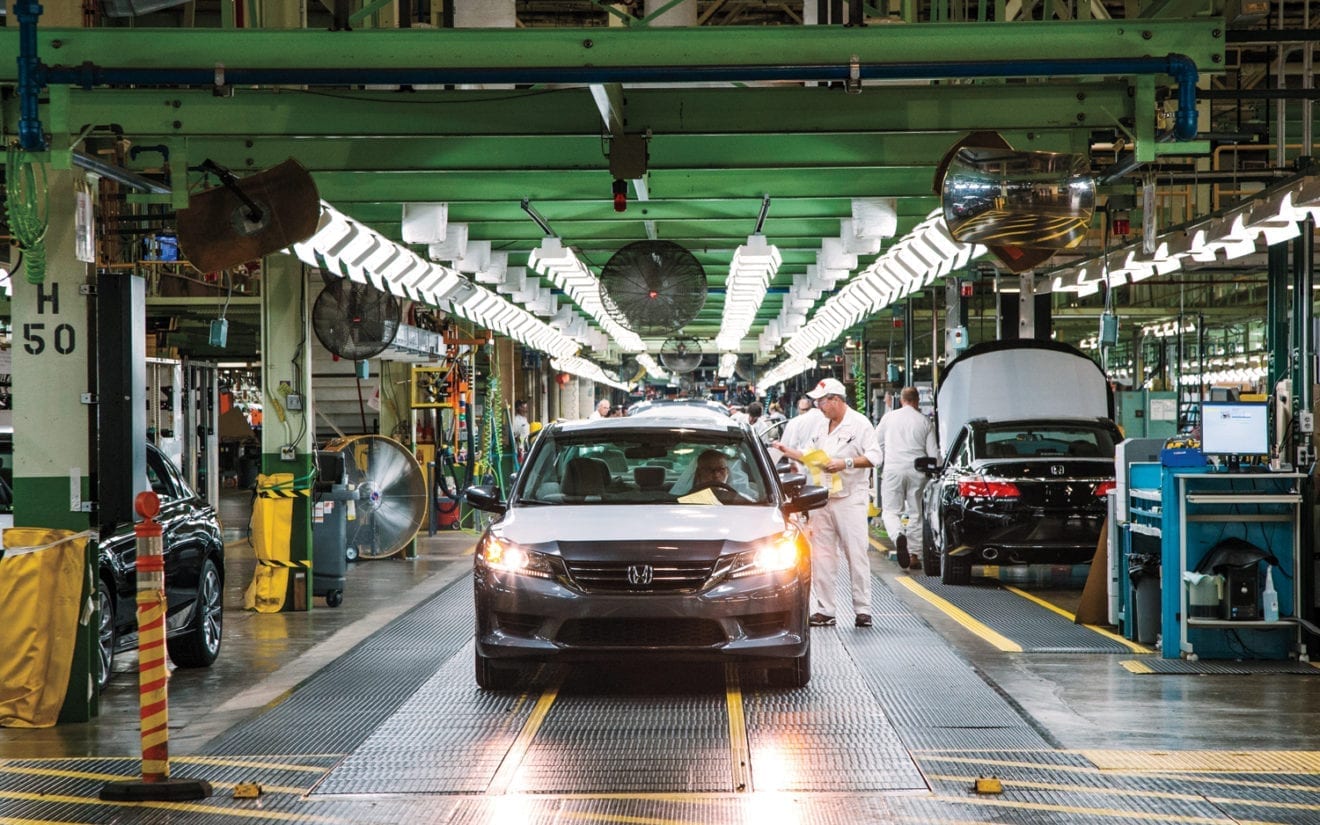
    Honda Motor Co Ltd will recall roughly 350,000 vehicles in China to resolve a cold-climate engine issue and quell a barrage of customer complaints that has hit the automaker over the past month.

    The recall involves the CR-V sport utility vehicle and the Civic car equipped with a 1.5-litre turbo engine, Honda’s joint venture with Dongfeng Motor Group Co Ltd (0489.HK) said in a statement on Monday.

    The company is calling back those cars to resolve a problem caused by an unusual amount of un-combusted petrol collecting in the engine’s lubricant oil pan.

    The issue in some cases caused a strong odor of gasoline inside the car and in other cases the car’s check-engine light came on. Honda and Dongfeng plan to resolve the issue by updating the engine’s gasoline injection control software.

    Honda officials said there had been no reports of accidents. They said the engine oil issue doesn’t affect the engine or the car’s performance.

    The measure comes after CR-V and Civic owners turned to the Weibo microblog – China’s Twitter equivalent – and other means to air their complaints since mid January.

    The recall points to an emerging pattern in China where customer complaints spiral out of control as they are aired out on Weibo, forcing an automaker to respond.

    Years ago the kind of recall Honda announced on Monday could have been dealt through a so-called customer service action, industry officials and experts say. That refers to what the auto industry calls a “quiet recall”, which is less damaging financially and image-wise, where an automaker fixes a non-safety issue, often free of charge, whenever the customer comes to the dealership.

    “Without Weibo, it would have gone on for years,” said James Chao, chief automotive analyst for IHS Markit in the Asia-Pacific region. “That’s the way it was for the industry in the pre-Weibo, pre-Twitter era.”

    Honda did not say the scale of the move in its statement, but a Beijing-based spokesman and other company officials said Honda and its joint venture partner are likely to call back roughly 350,000 vehicles. “We’re still trying to determine the precise number of cars affected,” the spokesman said.

    Normally un-combusted petrol ends up accumulated in the lubricant oil pan but evaporates under heat from the engine. Such evaporated petrol is by design put back into the engine combustion chamber as fuel.

    The issue involving the CR-V and the Civic has occurred in northern China where temperatures can dip well below the freezing point and when drivers of the affected vehicles drive short distances frequently.

    On short runs, Honda engineers believe the engine doesn’t warm up enough to help un-combusted petrol accumulated in the lubricant oil pan to evaporate.

  • Daimler to recall one million Mercedes globally after 51 fires

    Daimler to recall one million Mercedes globally after 51 fires

    Daimler AG said it will recall one million newer-model Mercedes-Benz vehicles worldwide due to the risk of fire, after 51 fires were reported.

    The German company said no injuries or deaths were reported relating to the vehicles that it will begin recalling in the U.S. market in July when parts become available.

    A fix has been implemented in the production of new vehicles and vehicles on dealers lots will be fixed before they are sold, the company said. The issue relates to a potentially faulty fuse.

    “Any affected vehicles in inventory will not be sold until they can be outfitted with the additional fuse,” said a Mercedes-Benz spokesman.

    Of the million vehicles to be recalled, 307,629 are in the United States, which is 40,000 units less than Mercedes-Benz reported to U.S. regulators.

    The company did not immediately have a breakdown of where vehicles will be recalled outside of the United States.

    The United States is among the three biggest markets for Mercedes-Benz, the others being China and Germany.

    Of the 51 fires, 30 were reported in the U.S. market, a Mercedes-Benz U.S. spokesman said.

    The recall affects newer models, including those from the 2017 model year.

    Mercedes-Benz and Daimler said it would begin to notify its U.S. customers late in March. It didn’t say when owners in other markets would be notified.

  • Samsung Vietnam reports massive loss following Galaxy Note 7 scandal

    Samsung Vietnam reports massive loss following Galaxy Note 7 scandal

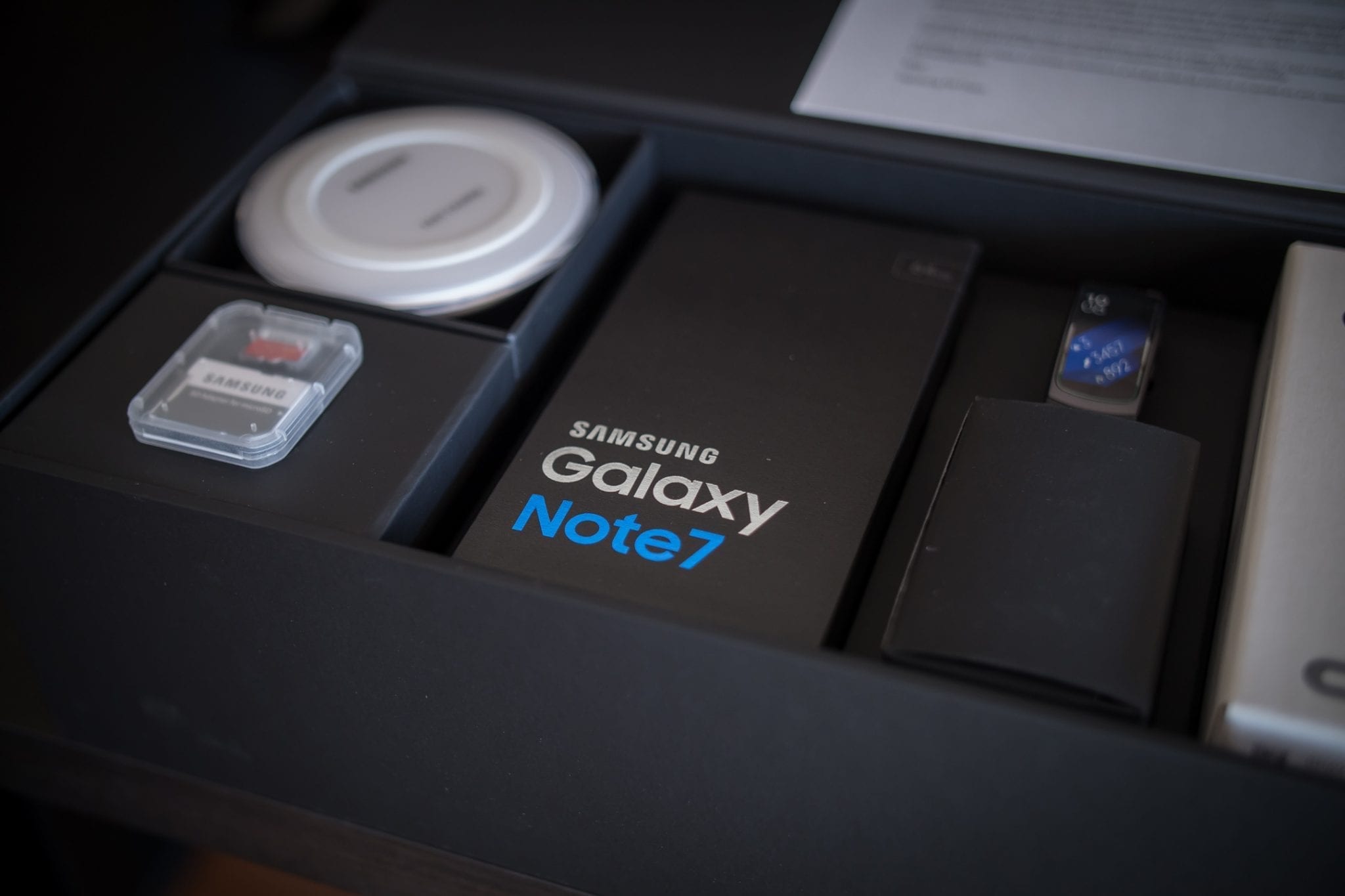
    Samsung was forced to recall 2.5 million units globally. Samsung Electronics Vietnam (SEV), which produces the notorious Galaxy Note 7 in northern Vietnam, has reported a loss in the third quarter, coinciding with the withdrawal of the latest model of its smart phone.

    SEV, based in the northern province of Bac Ninh, incurred a loss of $122.6 million in the third quarter, down sharply from a net profit of $490 million a year ago, according to a recent statement from parent company Samsung Electronics.

    Samsung’s profits were hit following battery explosions on the Galaxy Note 7, causing the firm to suspend global sales and withdraw the smart phone from the market.

    A representative from SEV said the affects of the scandal were inevitable but declined to give further comment.

    In October, Samsung Vietnam said it had no plan to lay off employees in 2016 as a result of the parent company’s crisis and predicted the value of its exports would grow further from last year’s $32.7 billion.

    From January-September, SEV made a net profit of $1.04 billion, down 18.7 percent on-year.

    The South Korean giant also runs Samsung Electronics Vietnam Thai Nguyen in the northern province of Thai Nguyen and a number of other subsidiaries, which reported significant growth in the Southeast Asian nation in the third quarter.

    Phone exports are significant to Vietnam’s exports, with the value of 2015 shipments up by 27.8 percent at $30.17 billion, or 19 percent of the country’s total exports, customs data show.

    Just weeks after the roll-out of the Galaxy Note 7 “phablet” in September, Samsung was forced to recall 2.5 million units globally following complaints its battery was exploding while charging.

    With images of charred phones flooding social media, the unprecedented recall was a humiliation for a firm that prides itself as an icon of innovation and quality, and the timing of the crisis could not have been worse.