Tag: record-breaking

  • Record-Breaking 5-Year High: Q2 Layoffs Surge in Singapore Amid Business Restructuring

    Record-Breaking 5-Year High: Q2 Layoffs Surge in Singapore Amid Business Restructuring

    Between April and June of this year, Singapore experienced a significant wave of layoffs, with approximately 4,500 workers losing their jobs. This figure represents the highest rate of retrenchment in over five years, showing a 17% increase from the prior quarter. The last time layoffs had reached this level was during the final quarter of 2020 when 5,640 workers were let go.

    The Underlying Reasons

    The spike in retrenchment occurred mainly within sectors focused on international operations, such as information and communications and manufacturing. This trend largely resulted from business restructuring processes. Companies within these sectors are particularly susceptible to various factors impacting their operations, including geopolitical tensions, shifts in trade policies, and fluctuations within the global economy. Their dependence on external demand makes them vulnerable and forces them to continuously reassess their operational models, leading to restructuring and rationalization of their workforce.

    Despite the surge in layoffs, it is important to note that the numbers are still lower than those recorded during the global financial crisis in 2009 and the Covid-19 pandemic. Furthermore, Singapore’s broader labor market has shown resilience during this period. Overall employment grew by 10,700, and the unemployment rate remained at a steady 2%.

    Economic Performance and Projections

    Singapore’s economy expanded by 5.7% year-on-year during the same quarter, a rate slightly slower than the preceding three months but exceeding the government’s full-year forecast. This positive economic performance has led several economists to revise their 2026 growth projections upwards.

    With regard to labor market projections, there was a marked improvement in June. Approximately 43.9% of businesses surveyed indicated plans to increase their workforce in the following three months, an increase from 40.6% in May. Additionally, around 29.3% of firms expected to raise wages during the same period, up from 23.7%. The expectation to lay off staff fell to 2.7% from the previous 3.2%.

    Although these indicators demonstrate the resilience of labor demand, expectations remain below the levels seen before the energy shock triggered by the Middle East conflict. This suggests that businesses are likely to adopt a cautious approach to hiring and wage decisions in the near future.

    Questions & Answers

    What sectors were most affected by the wave of layoffs?
    Primarily, the wave of layoffs occurred within sectors focused on international operations such as information, communications, and manufacturing, largely a result of business restructuring processes.

    What factors make these sectors particularly vulnerable?
    These sectors are particularly susceptible to various factors, including geopolitical tensions, shifts in trade policies, and fluctuations within the global economy. Their reliance on external demand often forces them to reassess their operational models.

    How has the broader labor market in Singapore responded to these changes?
    Despite the surge in layoffs, Singapore’s broader labor market has shown resilience. Overall employment grew, and the unemployment rate remained stable. However, projections indicate that businesses may adopt a cautious approach to hiring and wage decisions in the near future.

  • Vontobel Skyrockets to Record-Breaking Profits with an 87% Earnings Leap in H1 2026

    Vontobel Skyrockets to Record-Breaking Profits with an 87% Earnings Leap in H1 2026

    Vontobel, a Zurich-based investment manager, has reported a record profit of CHF 216 million for the first six months of 2026. This is an impressive 87 percent increase compared to the same period the previous year.

    Vontobel’s Financial Performance

    The company’s operating income jumped by 24 percent, reaching CHF 852 million. Meanwhile, operating expenses amounted to CHF 579 million. This combination resulted in a significant improvement in efficiency, indicated by the drop in Vontobel’s cost-income ratio from 77.9 percent to 67.9 percent. This is lower than the company’s ongoing target of 72 percent. Additionally, the return on equity increased to 16.9 percent, a notable rise compared to 10.2 percent in the first half of 2025.

    Company co-CEOs, Christel Rendu de Lint and Georg Schubiger, acknowledged the excellent results. They attributed the significant profit increase to higher revenues driven by robust client activity, coupled with a reduction in costs.

    Assets under management grew by 5 percent, totaling CHF 252.2 billion at the end of June. Net new money rose to CHF 2.5 billion, an improvement from the CHF 2 billion reported during the year-earlier period. Vontobel also mentioned two key factors affecting these inflows: CHF 1.3 billion in outflows linked to the return of Raiffeisen’s Futura fund management mandate, and CHF 2.5 billion in outflows from Vontobel’s Quality Growth strategies. However, excluding these factors, net new money would have amounted to CHF 6.3 billion.

    Expansion and Corporate Developments

    Vontobel’s private clients business expanded across all regions, generating CHF 2.5 billion in net new money. This corresponds to an annualized growth rate of 4.1 percent. With regards to institutional clients, assets under management increased to CHF 112.5 billion. If adjusted for outflows related to Raiffeisen and Quality Growth, net new money would have reached CHF 3.8 billion. This is equivalent to an annualized growth rate of 7.4 percent.

    Vontobel’s CHF 100 million efficiency program significantly contributed to the company’s improved profitability. The program is progressing faster than initially planned and is expected to be completed by the end of 2026. Also, Vontobel has continued to invest in growth initiatives, technology, and client-facing capabilities, integrating Quantitative Investments into its broader investment organization.

    Changes to the senior management team were also announced. Antoine Boublil will join the Executive Committee of Vontobel Holding as the Chief Financial Officer in August 2026. Meanwhile, others joining the Executive Committee, pending regulatory approval, include Gianpiero Galasso, Andrew Jackson, and Christoph von Reiche.

    Vontobel enters the second half of the year with a stronger operating performance and an improved capital base, with its CET1 ratio rising to 23.2 percent, comfortably surpassing regulatory requirements and the firm’s own continuing targets.

    Questions & Answers

    What was Vontobel’s reported profit for the first half of 2026?
    Vontobel reported a record profit of CHF 216 million for the first half of 2026.

    How much was Vontobel’s net new money for the same period?
    Vontobel’s net new money for the first half of 2026 amounted to CHF 2.5 billion.

    What changes were made to Vontobel’s senior management team?
    Antoine Boublil was appointed as Chief Financial Officer and is set to join the Executive Committee of Vontobel Holding in August 2026. Gianpiero Galasso, Andrew Jackson, and Christoph von Reiche will also join the Executive Committee, subject to regulatory approval.

  • Singapore’s Sky-High Home Sale: Record-Breaking $539K for a Two-Room Flat

    Singapore’s Sky-High Home Sale: Record-Breaking $539K for a Two-Room Flat

    A new national resale record has been set in Queenstown, Singapore, after a two-bedroom public housing flat fetched a whopping SGD696,000 (US$539,000). The sale, completed on July 16, involved a unit located on a high floor at SkyParc @ Dawson. This transaction didn’t just set a record for the highest price for a two-room Housing and Development Board (HDB) resale flat; it also appears to have established a new national record for the price per square foot for this type of flat.

    Sky-High Sale

    The 506-square-foot flat that set the new record is situated between the 31st and 33rd floors and was sold for approximately SGD1,375 per square foot. This unheard-of sum represents the highest price per square foot ever recorded for a two-bedroom HDB resale flat in Singapore. SkyParc @ Dawson, where the flat resides, comprises three high-rise residential blocks at 94 to 96 Dawson Road, with heights ranging from 34 to 43 stories. The record-breaking flat is located in block 95, which stands at 40 stories high. The upper floors offer stunning panoramic views of the surrounding greenery, the city skyline, and neighboring low-rise districts.

    Property Features

    The lease for the flat began in 2021, with approximately 94 years and four months remaining as of July 2026. This gives potential buyers a significantly longer lease than many older resale flats in Queenstown. The SkyParc @ Dawson development offers a blend of commercial, recreational, and community facilities. On the ground floor, residents have access to a minimart, two retail shops, and a café facing Dawson Road. The complex also features a preschool, adding convenience for families with young children. Additional amenities include fitness zones, sheltered communal areas, bicycle parking, and a jungle-themed playground. The estate is further embellished with murals and landscaped common spaces, giving it a unique character compared to a typical residential development.

    Questions & Answers

    What record has the SkyParc @ Dawson sale set?
    The transaction set a new national resale record in Singapore as the most expensive two-bedroom HDB flat, and also established a new price per square foot record.

    What amenities does SkyParc @ Dawson offer its residents?
    Residents have access to a minimart, shops, and a café, as well as a preschool, fitness zones, sheltered communal areas, bicycle parking, and a playground.

    How long is the lease for the record-breaking flat?
    The lease for the flat began in 2021 and has approximately 94 years and four months remaining as of July 2026.

  • Vietnam’s Economy Skyrockets: UOB Predicts Record-Breaking 8.5% Growth Amidst AI Boom

    Vietnam’s Economy Skyrockets: UOB Predicts Record-Breaking 8.5% Growth Amidst AI Boom

    United Overseas Bank (UOB), a leading financial institution based in Singapore, has increased its prediction concerning Vietnam’s GDP growth for the current year. Previously, the bank estimated a 7% increase; however, based on the country’s stronger-than-anticipated economic performance in the first six months, moderating energy costs, and the influence of artificial intelligence, UOB has revised its forecast to an 8.5% growth rate.

    Encouraging Economic Performance

    This revised prediction follows the announcement that Vietnam’s economy expanded by 8.18% in the first half of the year. This growth rate, which surpassed UOB’s initial projections, is the highest in Southeast Asia. The robust economic performance is attributed to widespread growth across various sectors, including industrial, construction, services, and agriculture.

    Manufacturing emerged as a key driver of this growth, bolstered by a global surge in demand for artificial intelligence, as stated by UOB. The bank also noted an impressive 61% upswing in foreign direct investment (FDI) during the first six months, reaching a total of US$34.7 billion. This significant increase strengthens the prediction that 2026 could set a record for Vietnam in terms of attracting FDI.

    Demonstrating Economic Resilience

    Despite the impacts of political tensions in the Middle East, Vietnam’s economy has displayed remarkable resilience which is expected to provide a solid foundation for economic growth in the second half of the year. UOB’s GDP growth prediction is currently one of the most optimistic among international organizations.

    In fact, the Asian Development Bank recently released a report forecasting Vietnam as the fastest-growing economy in Southeast Asia this year with a projected growth rate of 7.2%. Vietnam itself is aiming for a minimum growth rate of 10% this year and has outlined a plan that necessitates an 11.9% growth rate in the second half of the year.

    UOB will continue to observe global economic developments, particularly the impending U.S. tariffs expected to be implemented in late July. These tariffs could potentially add more strain on global trade and impact Vietnam’s economic growth trajectory.

    Despite general weakness among Asian currencies in June, the Vietnamese dong demonstrated notable resilience. UOB maintains its outlook that the dong will remain relatively stable, potentially strengthening against the dollar to 26,500 in the third quarter and 26,400 in the fourth.

    Questions & Answers

    What factors led UOB to increase its GDP growth prediction for Vietnam?
    This decision was influenced by Vietnam’s stronger-than-expected economic performance in the first half of the year, moderating energy prices, and the impact of artificial intelligence.

    Which sector was identified as a primary driver of Vietnam’s economic growth?
    Manufacturing has emerged as a key contributor to Vietnam’s economic growth, supported by surging global demand for artificial intelligence.

    What is the projected stability of the Vietnamese dong in the near future?
    UOB maintains that the Vietnamese dong will remain relatively stable, potentially strengthening against the dollar to 26,500 in the third quarter and 26,400 in the fourth.

  • Manila’s Record-Breaking 12% Minimum Wage Boost Benefits Over a Million Workers

    Manila’s Record-Breaking 12% Minimum Wage Boost Benefits Over a Million Workers

    The Philippine government has sanctioned an unprecedented 12% increase in the daily minimum wage for Metro Manila, providing an additional 85 pesos (US$1.4) in two separate instalments beginning later this month. This decision is set to impact over 1.1 million minimum wage workers in Metro Manila with the largest single wage adjustment ever made in the capital region.

    Increased Wages and Phased Approach

    The wage hike will be implemented in two parts, with an initial 60 pesos increase on July 19, and a follow-up rise of 25 pesos on January 20, 2027. Once both increases have been fully enacted, non-agriculture workers will earn a daily minimum wage of 780 pesos (US$12.73). The hike also extends to other sectors, with workers in agriculture, service and retail establishments employing 15 or fewer staff, and manufacturing companies with fewer than 10 workers experiencing a 13% increase to their daily minimum wage, reaching 743 pesos.

    The adjustment comes at a time when the price of fuel and basic goods in the Philippines have surged since March, due to the conflict between the U.S. and Iran. This has consequently escalated inflation and diminished consumer purchasing power.

    Inflation in the Southeast Asian nation decreased to 6.8% in May from a three-year peak of 7.2% in April, though it still considerably surpasses the central bank’s maximum target of 4%.

    Metro Manila: Highest Minimum Wage in the Country

    Metro Manila, which is composed of 16 cities, currently holds the record for the country’s highest legislated daily minimum wage. According to research, the living wage for an average family of five in the capital region is 1,289 pesos.

    John Paolo Rivera, a senior research associate at the government-operated Philippine Institute for Development Studies, has expressed that the wage increase will provide “meaningful relief” to workers by “boosting purchasing power in a high-inflation environment and facilitating household consumption.” However, he also cautioned that it could elevate costs for small and medium-sized businesses, which may respond by increasing prices or slowing recruitment.

    “The overall effect will hinge on the adaptability of firms and whether productivity improvements accompany higher wages,” he stated. The Trade Union Congress of the Philippines, however, has criticized the two-part implementation and characterized the increase as “grossly inadequate considering the erosion of workers’ purchasing power.”

    Questions & Answers

    What is the new minimum wage for Metro Manila?
    The new minimum wage for non-agriculture workers in Metro Manila will be 780 pesos (US$12.73) once both increases have been fully implemented.

    When will the wage increase take effect?
    The wage increase will be implemented in two stages, with the first increase of 60 pesos starting on July 19, and the second increase of 25 pesos on January 20, 2027.

    What are the potential impacts of this wage increase?
    While the wage hike is expected to provide “meaningful relief” to workers by boosting purchasing power in a high-inflation environment, it may also raise costs for small and medium-sized enterprises, potentially leading to higher prices or slower hiring.

  • Dien May Xanh Sets Sights on Record-Breaking $546M IPO, Fueling Vietnams Vibrant Retail Market Boom

    Dien May Xanh Sets Sights on Record-Breaking $546M IPO, Fueling Vietnams Vibrant Retail Market Boom

    Dien May Xanh, a Vietnamese electronics retailer and a branch of the Mobile World Investment Corporation, is set to garner approximately US$546 million via an initial public offering (IPO) later this year. The company aims to offer 79.5 million regular shares, each priced at 80,000 VND (US$3.04). If successful, this could be one of the most significant consumer retail listings in Vietnam in recent times. Vietcap Securities will serve as the adviser for the IPO.

    Purpose and Use of IPO

    Dien May Xanh has stated that the IPO is designed to boost transparency, fortify brand equity, and fuel future growth. The funding generated from the sale of shares will be directed towards debt repayment, business expansion, and other operational investments. This strategic move is to fortify the company’s foothold in Vietnam’s fiercely competitive consumer electronics industry.

    The company operates under the umbrella of the Mobile World Investment Corp (MWG), which holds the reputation of being one of Vietnam’s most prominent listed retailers. Dien May Xanh has established itself as a dominant force in the retail landscape with its vast national network of electronics and home appliance outlets.

    Known for its wide-ranging product inventory that includes smartphones, televisions, home appliances, and consumer technology products, Dien May Xanh has successfully catered to the increasing domestic spending and surging demand for digital devices.

    Growth Projections and Market Response

    By 2030, the company is aiming for an 11 percent compound annual revenue growth and a 16 percent annual net profit growth. These are ambitious yet attainable targets considering the current trajectory of Vietnam’s retail industry.

    Supported by the launch of five new growth pillars, Dien May Xanh is intent on reinforcing its market supremacy. It seeks to position itself as a compelling long-term investment option for both local and international financial institutions.

    The announcement of the IPO comes at a time when Vietnam’s capital markets are witnessing a surge in momentum, with a growing number of companies exploring listings. Market analysts have noted an uptick in investor interest, spurred by the possibility of Vietnam transitioning from a frontier market to an emerging market. This potential upgrade could attract an influx of foreign investment.

    Questions & Answers

    What is the main objective of Dien May Xanh’s IPO?
    The IPO aims to increase transparency, fortify the company’s brand equity, and support its future growth.

    How does Dien May Xanh plan to use the funds raised from the IPO?
    The funds raised will be channeled towards repaying debts, expanding the business, and making operational investments.

    What are Dien May Xanh’s growth targets for 2030?
    The company aims to achieve an 11 percent compound annual revenue growth and a 16 percent annual net profit growth by 2030.

  • Thailand’s Export Boom: Record-Breaking $35.16B Earned in March 2026 Amid Threats of Global Volatility

    Thailand’s Export Boom: Record-Breaking $35.16B Earned in March 2026 Amid Threats of Global Volatility

    Thailand’s merchandise exports experienced a surge for the 21st month in a row in March 2026, reaching a new high of US$35.16 billion, an increase of 18.7% when compared to the previous year. The Ministry of Commerce reported these figures, highlighting a significant growth compared to the 9.9% increase recorded in February. This data further underscores the crucial role of exports in boosting the Thai economy.

    Driving Factors for Growth

    This remarkable performance can largely be attributed to the strength of technology-related products, a robust global supply chain activity, and the temporary relief from certain U.S. tariff measures. Nantapong Chiralerspong, the Director-General of the Trade Policy and Strategy Office (TPSO), added that the recovery in global manufacturing, evident from the stable demand and new orders from international markets, also contributed to this export growth.

    Despite the positive indicators, Chiralerspong issued a word of caution. He pointed out the presence of emerging challenges, particularly the disruptions in shipping through the Strait of Hormuz, which is starting to impact Middle Eastern markets, indicating a potential slowdown.

    Imports and Trade Deficit

    On another note, Thailand witnessed a significant rise of 35.7% in imports in March, bringing the figure to $38.50 billion. This resulted in a trade deficit of $3.34 billion. The first quarter of the year saw total exports from Thailand reaching $96.17 billion, marking an increase of 17.6%. On the other hand, imports surged by 32.4% to $105.65 billion, leading to a trade deficit of $9.48 billion.

    Future Outlook

    The Ministry of Commerce expressed concerns over the uncertain future of export prospects due to global volatility. The ongoing tensions in the Middle East are driving up logistics, energy, and production costs, thereby increasing the pressure on Thailand’s export sector.

    Questions & Answers

    What are the main drivers of Thailand’s recent export growth?
    The recent export growth in Thailand can mostly be attributed to the robust sales of technology-related products, active global supply chain activity, and the temporary relaxation of certain U.S. tariff measures. The recovery in global manufacturing has also supported this growth.

    What challenges is Thailand facing in its export sector?
    Emerging challenges, including disruptions in shipping through the Strait of Hormuz, are starting to impact the Middle Eastern markets, indicating a potential slowdown. Additionally, ongoing Middle East tensions are escalating logistics, energy, and production costs.

    How has the import activity been in Thailand recently?
    Thailand has seen a sharp increase in imports, rising by 35.7% in March 2026 to $38.50 billion. In the first quarter of the same year, imports surged by 32.4% to $105.65 billion.

  • Global Expansion Fuels Record-Breaking Q4 Earnings for Jollibee Foods Corporation

    Global Expansion Fuels Record-Breaking Q4 Earnings for Jollibee Foods Corporation

    Jollibee Foods Corporation achieved record earnings in Q4, driven largely by an increase in demand and enhanced operational efficiency, according to CEO Ernesto Tanmantiong.

    Stellar Performance

    Tanmantiong expressed pride in the company’s performance over the past year. The final quarter saw a record-breaking operating income, which saw a 41.9% increase from the previous year. This surge was attributed to a combination of robust sales momentum and improved operational leverage.

    The corporation’s net income for the quarter rose by 20.1% to $37.8 million (PHP2.2 billion), making for a 5.4% total increase to $189 million for the entire year. Furthermore, the Q4 operating income experienced a 41.9% increase, reaching a remarkable $70.6 million – a record for this period.

    Sustained Demand and Growth

    The company’s system-wide sales grew by 16.6% over the year, bolstered by sustained demand in both its local Philippine markets and international markets. Consolidated revenue for the fourth quarter was up by 9.8%, leading to a 13% total increase for the year.

    The company’s EBITDA (earnings before interest, taxes, depreciation, and amortization) saw a rise of 18.7% to $169 million in the final quarter, and overall, a 13.8% increase to $727.4 million for the year.

    International Operations and Expansion

    International operations remained a potent catalyst for growth, contributing to a 27% system-wide sales increase. The coffee and tea segment of the business also exhibited strong sales momentum, with a 44.9% increase in system-wide sales.

    Tanmantiong spoke about the company’s future, emphasizing execution and expansion as cornerstones of their strategy. He stated, “Our priorities remain clear: profitable growth, operational excellence, and consistent value creation for our shareholders and other stakeholders.”

    Over the past year, Jollibee Foods Corporation opened 1126 stores worldwide, setting a new annual record. The corporation has planned to expand its network by an additional 1200 to 1300 stores in the coming year.

    Questions & Answers

    What factors contributed to Jollibee Foods Corporation’s record Q4 earnings?

    Sustained demand and enhanced operational efficiency were key contributors.

    What future plans does the company have?

    Its CEO, Ernesto Tanmantiong, stated that the company will maintain its focus on profitable growth, operational excellence, and value creation for shareholders and stakeholders.

    What expansion is expected for Jollibee Foods Corporation in the coming year?

    The corporation plans to expand its network by an additional 1200 to 1300 stores worldwide.

  • Jollibee’s Record-Breaking Q4: Global Sales Soar, Boosted by Impressive Coffee and Tea Segment Growth

    Jollibee’s Record-Breaking Q4: Global Sales Soar, Boosted by Impressive Coffee and Tea Segment Growth

    In a solid display of global retail growth, Jollibee Group (JFC) concluded its financial year of 2025 with impressive fourth-quarter earnings and continued expansion worldwide. The group successfully enhanced its store network and achieved robust growth in both domestic and international markets.

    Driving Factors behind Growth

    JFC’s CEO, Ernesto Tanmantiong, credited the sturdy consumer demand as a key element propelling growth. The company saw a considerable rise in its consolidated revenue, with a 9.8 per cent increase in the fourth quarter and a 13 per cent upturn for the entire financial year.

    Tanmantiong noted, “The impressive sales momentum we experienced during the fourth quarter led to an even more significant expansion in our operating income, which saw a 41.9 per cent growth for the quarter. This signifies our strongest fourth-quarter operating performance in JFC’s history.”

    The company’s systemwide sales for the whole year exhibited a 16.6 per cent growth, with notable contributions stemming from both the Philippine and international businesses.

    Performance of Different Segments

    The coffee and tea segment played a pivotal role in driving growth, recording a 44.9 per cent surge in revenue. This was mainly backed by successful brands such as Highlands Coffee, The Coffee Bean & Tea Leaf, Milksha, and Compose Coffee.

    Vietnam, being JFC’s biggest overseas market in terms of store count, reflected a substantial sales growth of 40.4 per cent and a same-store sales growth of 23.9 per cent.

    Additionally, other international markets demonstrated significant gains, including Jollibee in the US with a 17.3 per cent growth, and the EMEAA region, where Philippine brands saw a 22.1 per cent increase.

    In the domestic market, the Philippines, JFC marked a sales surge of 9.6 per cent, bolstered by core brands such as Jollibee, Chowking, and Mang Inasal, which grew 10.4 per cent, 6.1 per cent, and 15.6 per cent, respectively.

    Expansion of Store Network

    Over the course of the past year, JFC launched 1126 new stores, elevating its total store count to 10,341.

    Looking ahead, Tanmantiong expressed the group’s commitment to maintaining profitable growth, enhancing operational efficiency, and generating long-term value for stakeholders in the forthcoming fiscal year.

    Questions & Answers

    What contributed to Jollibee Group’s growth in FY25?
    Steady consumer demand, an expanded store network, and growth in both domestic and international markets contributed to Jollibee Group’s growth in FY25.

    Which segment played a pivotal role in driving Jollibee Group’s revenue growth?
    The coffee and tea segment was a key driver of Jollibee Group’s revenue growth, with successful brands like Highlands Coffee, The Coffee Bean & Tea Leaf, Milksha, and Compose Coffee leading the way.

    What is Jollibee Group’s focus for the upcoming fiscal year?
    Jollibee Group aims to sustain profitable growth, enhance operational efficiency, and create long-term value for its stakeholders in the upcoming fiscal year.

  • DBS Wealth Management Hits Record-Breaking Asset Surge in 2025

    DBS Wealth Management Hits Record-Breaking Asset Surge in 2025

    DBS’ wealth management business achieved remarkable success in 2025, setting records in both assets under management and net new assets.

    Unprecedented Growth

    According to the bank’s Chief Financial Officer, assets under management soared by 19 percent, reaching an all-time high of S$488 billion ($384 billion). This significant growth was fueled by a remarkable S$39 billion in net new assets, also a record in the bank’s history.

    Rising Revenue

    DBS’ wealth business also reported its highest ever income, which increased by 9 percent to reach S$5.7 billion. Non-interest income saw an impressive surge of 27 percent, amounting to S$3.3 billion. The wealth management division played a major role in the bank’s revenue generation, contributing substantially to both fee income and treasury sales.

    Profitable Performance

    Overall, the bank’s pre-tax profit marginally climbed, setting a new benchmark at S$13.1 billion. This highlights DBS’ consistently strong and profitable performance, even in the face of uncertain market conditions.

    Questions & Answers

    What was the increase in DBS’ assets under management in 2025?
    In 2025, DBS’ assets under management rose by 19 percent, achieving a record high of S$488 billion ($384 billion).

    What was the total income for DBS’ wealth business in 2025?
    In 2025, DBS’ wealth business registered its highest income ever at S$5.7 billion, marking a 9 percent increase.

    What was the total pre-tax profit for DBS in 2025?
    DBS reported a pre-tax profit of S$13.1 billion in 2025, marking a new high in the bank’s history.

  • Record-Breaking 2025: Changi Airport Soars with Highest Passenger Traffic and Unprecedented Cargo Performance

    Record-Breaking 2025: Changi Airport Soars with Highest Passenger Traffic and Unprecedented Cargo Performance

    In the year 2025, Singapore’s Changi Airport experienced record-breaking passenger traffic, with 69.98 million passenger movements noted, indicating a rise of 3.4% in comparison to the previous year. Aircraft activities, such as landings and take-offs, also witnessed a growth of 2.2%, reaching 374,000 movements in total. Furthermore, airfreight throughput amounted to an impressive 2.08 million tonnes, surpassing the prior year’s records by 4.5% and solidifying its position as one of Changi Airport’s most successful cargo performances.

    Busiest Periods of 2025

    The most crowded month of the year was December 2025, which saw 6.3 million passenger movements. A significant day during this period was the 20th of December, the Saturday preceding Christmas, when more than 223,000 passengers traversed the Changi terminals.

    The growth in traffic for 2025 was diversified, underpinned by steady travel demand and the air hub’s improved connectivity. Notably, the top five passenger markets for Changi Airport were China, Indonesia, Malaysia, Australia and India. China, in particular, remained the largest traffic market with the most significant growth of 12.2% compared to 2024. Vietnam and Japan also experienced substantial growth of 9.8% and 7.0% respectively. The most frequented routes for the year included Kuala Lumpur, Bangkok, Jakarta, Denpasar (Bali), and Hong Kong.

    Cargo Performance and Expansion

    In terms of cargo, growth was observed in all areas – exports, imports and transshipments. This can be attributed to the first three quarters’ front-loading activities and the robust global demand for semiconductors, driven by advancements in AI, electric vehicles and clean technology. The top five air cargo markets for Changi were China, the United States, Australia, Hong Kong and India, with China, the United States and Taiwan posting the highest growth.

    Enhancing Global Connectivity

    Changi Airport achieved a milestone in network growth in 2025 by adding 13 city links to its global network. These new destinations included locations in China, Indonesia, Austria, India, Malaysia, Mongolia and Vietnam. This expansion included two new passenger airlines, MIAT Mongolian Airlines and Pelita Air.

    A significant addition was the introduction of a direct connection to Ulaanbaatar, Mongolia, strengthening Changi’s position as a regional gateway. The introduction of new routes in China and Southeast Asia underscores Changi Airport’s commitment to diversifying its Asian network and enhancing its competitive edge as a hub.

    A Word from the CEO

    Mr Yam Kum Weng, Chief Executive Officer of Changi Airport Group (CAG), expressed satisfaction with the year’s performance, attributing the success to strong collaboration with airline partners. As travel demand in Asia continues to grow, Changi is actively seeking to expand its regional network, including to emerging secondary cities with promising economic and tourism potential. He also stated that CAG would continue to innovate to deliver more efficient and seamless operations to ensure Changi remains a leading aviation hub.

    As of January 2026, approximately 100 airlines operate more than 7,300 weekly scheduled flights at Changi Airport, connecting Singapore to over 170 cities in 50 countries and territories worldwide.

    Questions & Answers

    What was the total passenger traffic at Changi Airport in 2025?
    The total passenger traffic at Changi Airport in 2025 was 69.98 million.

    Which were the top five passenger markets for Changi Airport in 2025?
    The top five passenger markets for Changi Airport in 2025 were China, Indonesia, Malaysia, Australia, and India.

    Which new routes were added to Changi Airport’s network in 2025?
    New routes added to Changi Airport’s network in 2025 included destinations in China, Indonesia, Austria, India, Malaysia, Mongolia, and Vietnam.

  • Vietnam’s Durian Domination: Record-Breaking $3.8B Exports Propel Fruit to Top of Global Market

    Vietnam’s Durian Domination: Record-Breaking $3.8B Exports Propel Fruit to Top of Global Market

    Vietnam’s durian exports reached a new high last year, with the total value reaching US$3.86 billion. This figure is more than 20% higher than the previous year’s record, making durian the most significant export among all fruits and vegetables from Vietnam. The country’s customs data reveal that durian exports contributed over 45% to the total value of $8.56 billion.

    Other Top Fruit and Vegetable Exports

    Durian was not the only fruit of note in Vietnam’s export list. Fresh coconuts registered an impressive growth rate of 36.6%, although the total export value of $534 million placed it far behind durian. Dragon fruit, another significant export, earned $526 million, despite a slight decrease in its export value.

    Adaptation to Market Requirements Spurs Growth

    According to Dang Phuc Nguyen, General Secretary of the Vietnam Fruits & Vegetables Association, the increase in durian exports is due to Vietnamese businesses’ ability to meet stricter quality standards and other conditions set by some markets. However, he emphasized the importance of consistent quality control and market expansion for sustained growth.

    China – The Largest Market for Vietnam’s Durian Exports

    China continues to be the most significant market for Vietnam’s durian exports, a position strengthened by agreements signed last year permitting the export of frozen durians and fresh coconuts from Vietnam. In addition to China, shipments to the United States, Japan, South Korea, and Europe also experienced substantial growth. Looking ahead, the association anticipates fruit and vegetable exports to reach between $9 and $10 billion this year.

    Questions & Answers

    What was the total value of Vietnam’s durian exports last year?

    The total value of Vietnam’s durian exports last year was US$3.86 billion.

    What contributed to the growth of durian exports from Vietnam?

    The growth in durian exports from Vietnam is attributed to businesses’ ability to adapt to stricter quality standards and other conditions imposed by some markets.

    Which countries are the largest markets for Vietnam’s durian exports?

    China is the largest market for Vietnam’s durian exports, followed by the United States, Japan, South Korea, and Europe.

  • Unprecedented Silver Boom: Vietnam Witnesses Record-Breaking High Amid Global Supply Crunch

    Unprecedented Silver Boom: Vietnam Witnesses Record-Breaking High Amid Global Supply Crunch

    Vietnam’s silver prices reached record heights on Monday morning. This surge was triggered by a worldwide increase in the value of the precious metal due to a supply shortage. The selling price at the jewelry chain Phu Quy increased by 6% from Sunday, standing at VND3.07 million (US$117) per tael (37.5 grams). The rate has experienced a substantial increase of 169% within the year.

    Global Silver Prices

    On an international scale, the price of silver soared past the $80-per-ounce mark for the first time. However, it later saw a sharp decrease in a volatile trading environment on Monday.

    Charu Chanana, the Chief Investment Strategist at the investment bank Saxo, said precious metals have experienced a boost this year due to a potent combination of factors. These include rate-cut tailwinds and hedging against geopolitical and fiscal uncertainties. She noted, “Adding supply concerns to the mix has resulted in a parabolic movement. However, the abrupt spike towards the end of the year, particularly in silver prices, also points towards the possibility of greater volatility. In the short-term, the risk is primarily technical and positioning-led.”

    Investments in Silver and Other Alternatives

    Significant debt loads in major economies such as the U.S., France, and Japan, combined with a lack of political determination to address these issues, have encouraged some investors to turn to silver and other alternative assets this year.

    Moreover, the global production of silver from mines has been restricted due to decreasing ore grades and a lack of new project development.

    Questions & Answers

    What has driven the recent surge in silver prices in Vietnam?
    The recent upsurge in Vietnam’s silver prices has been driven by a global increase in the value of the precious metal due to supply shortages.

    What factors have boosted the value of precious metals this year?
    The value of precious metals has surged due to a combination of rate-cut tailwinds and hedging against geopolitical and fiscal uncertainties.

    Why have some investors been accumulating silver and other alternative assets this year?
    Significant debt loads in major economies, coupled with a lack of political will to address these issues, have prompted some investors to accumulate silver and other alternative assets.

  • Singapore’s Clementi Mall Snapped Up for $809M in Record-Breaking Deal by The Elegant Group

    Singapore’s Clementi Mall Snapped Up for $809M in Record-Breaking Deal by The Elegant Group

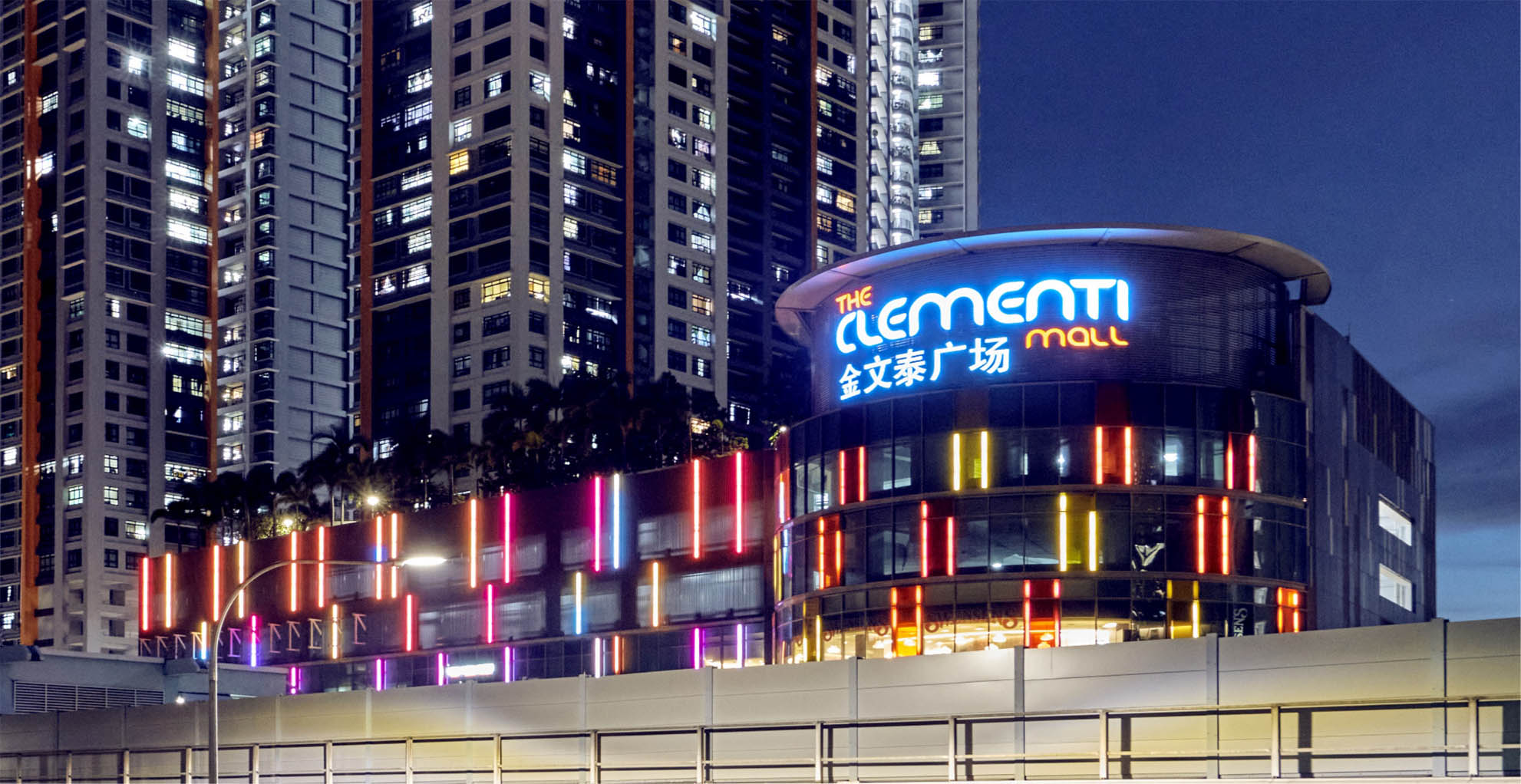
    The prominent Clementi Mall in Singapore has changed hands, with Cuscaden Peak Investments selling the property to The Elegant Group for a hefty sum of S$809 million.

    The Elegant Group’s Expanding Portfolio

    The Elegant Group, a business entity associated with entrepreneur Zhao Zhichao, is steadily expanding its portfolio. The group now boasts ownership of five malls situated in Singapore, as well as six properties located in the heart of Sydney.

    Interestingly, the final transaction price of the Clementi Mall was 8 per cent more than the guide price set in August.

    Key Details of Clementi Mall

    The Clementi Mall is no ordinary property; it occupies a site with a 99-year lease that started on August 31, 2010. The structure, as described by Cuscaden Peak Investments, is a six-storey retail development featuring approximately 191,000 square feet of retail space. The mall’s prime location and convenient access, thanks to its direct links to the Clementi MRT Station and bus interchange, make it a desirable piece of real estate in Singapore.

    The Role of Cushman & Wakefield and Savills

    The sale of the Clementi Mall was brokered by renowned real estate firms, Cushman & Wakefield and Savills. They received considerable interest in the property, with 12 responses to an expression of interest request, which concluded on October 3.

    Questions & Answers

    Who is the new owner of the Clementi Mall?
    The Elegant Group, associated with entrepreneur Zhao Zhichao, is the new owner of the Clementi Mall.

    How much was the Clementi Mall sold for?
    The Clementi Mall was sold to The Elegant Group for S$809 million, 8 per cent higher than the guide price from August.

    What is unique about the Clementi Mall’s location?
    The Clementi Mall is strategically located, being directly connected to the Clementi MRT Station and bus interchange. This makes it easily accessible, thereby increasing its desirability as a retail property.

  • Vietnam’s Durian Domination: Record-Breaking Exports Propel Agriculture to New Heights

    Vietnam’s Durian Domination: Record-Breaking Exports Propel Agriculture to New Heights

    In the first ten months of the current year, Vietnam experienced an unprecedented surge in durian exports, reaching a historic high of US$3.3 billion. This represents a 10.4% increase year-on-year. Vietnam Customs data shows that durian exports continue to play a dominant role in the nation’s agricultural export revenue.

    China: The Main Market for Vietnamese Durians

    A staggering 94% of all durian exports, equivalent to $3.14 billion, were shipped to China, marking a 14% increase year-on-year.

    Dang Phuc Nguyen, the General Secretary of the Vietnam Fruit and Vegetable Association, reported that Vietnamese durian exports have been experiencing robust growth despite stricter inspections by Chinese authorities for banned substances. This growth, he suggested, is attributed to the improved quality and competitive pricing of Vietnamese durians.

    On average, the export price for a ton of durian was $3,696, approximately 15% less than the price for Thai durians. This makes Vietnam the second largest durian exporter to China, following Thailand.

    Improvements and Investments in Quality Control

    In response to China’s tighter quality standards, many Vietnamese exporters have made considerable investments in cold storage and packaging facilities and have also taken steps to establish their own brands.

    The Ministry of Agriculture and Environment has responded by implementing a quality control process specifically for durian.

    Other Markets for Vietnamese Durians

    Apart from China, other markets have also demonstrated strong growth in their imports of Vietnamese durians. Hong Kong, for instance, increased its imports by nearly 89%, equating to over $45 million. Other countries including Papua New Guinea, Malaysia, Japan, and Canada have also notably increased their purchases of this fruit.

    Analysts’ Warnings

    Despite the remarkable figures, analysts have cautioned Vietnam against becoming too dependent on one single product like durian, which currently constitutes over half of its fruit and vegetable exports.

    In order to maintain growth and solidify its position in major markets, experts suggest that the nation’s agricultural sector diversify its products, enhance cold-chain systems, and implement stricter quarantine and storage quality standards.

    Nguyen remains optimistic about the future of durian exports, projecting that, given current growth trends and positive indications, they could reach a record-breaking $4 billion this year.

    Questions & Answers

    What was the value of Vietnam’s durian exports in the first ten months of this year?
    The value of Vietnam’s durian exports in the first ten months of this year was a historic US$3.3 billion.

    Who is the primary purchaser of Vietnamese durian?
    China is the primary purchaser of Vietnamese durian, accounting for 94% of all exports.

    What are analysts’ recommendations to sustain the growth of Vietnam’s agricultural sector?
    Analysts recommend that the agricultural sector diversify its products, improve its cold-chain systems, and enforce stricter quarantine and storage quality standards to sustain growth.