Tag: recyclable

  • Packamama Lands $1M Grant to Revolutionize Wine Industry with Low-Carbon, Recyclable Bottles

    Packamama Lands $1M Grant to Revolutionize Wine Industry with Low-Carbon, Recyclable Bottles

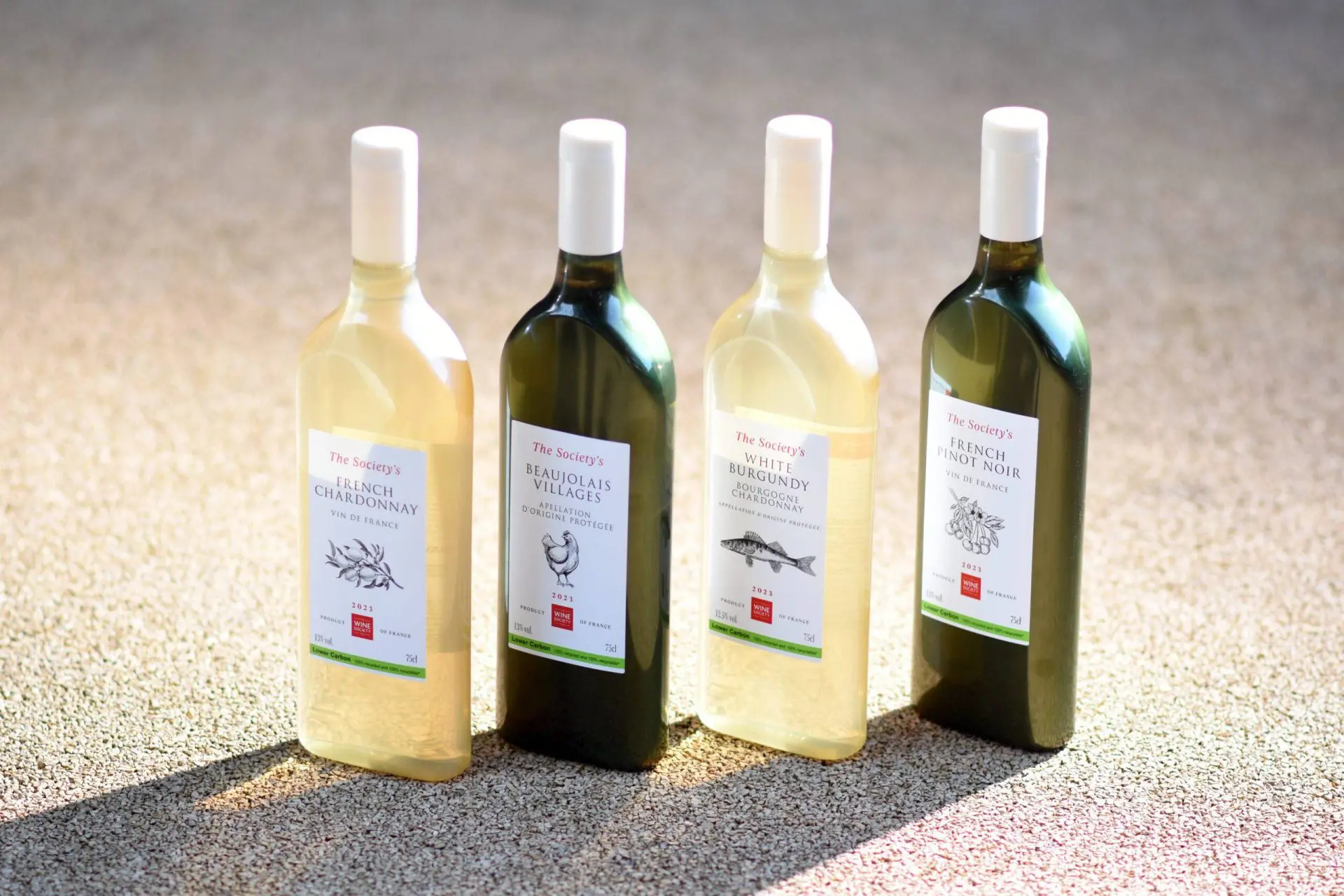
    Packamama, a leading innovator in packaging, has secured a government grant totaling $1 million. The funds will bolster their efforts to develop and perfect an advanced circular polymer wine bottle. This product promises to reduce carbon emissions without negatively affecting the quality of the wine it holds.

    Earlier Funding and Research

    The substantial funding follows an initial $100,000 feasibility grant provided by the Business Research and Innovation Initiative (BRII). The initial grant supported Packamama’s preliminary study, which effectively demonstrated the technical viability of the project, along with impressive potential for emissions savings.

    Packamama’s bottles underwent independent life cycle analyses, which confirmed the impressive reduction in carbon emissions. The findings showed that emissions were cut by over 50% when compared to conventional glass bottles. In addition to being environmentally friendly, the bottles are lighter, shatterproof, and fully recyclable using existing systems.

    Recognition and Future Plans

    As one of only two proof-of-concept recipients amongst a group of six participants in the Alternative Packaging for Australian Wine challenge, Packamama views the grant as a powerful affirmation of its vision. The company is driven to engage consumers and make the wine industry more sustainable through forward-thinking design and technology.

    Over the forthcoming 18 months, Packamama will move forward with validating its innovative bottle design. This will involve material trials, recyclability testing, and consumer research.

    The company is also investigating opportunities for retail collaborations both domestically and in the UK. These efforts will build on existing relationships with major retailers like Coles, Tesco, and Aldi.

    Comments from the CEO

    Packamama’s CEO and founder, Santiago Navarro, expressed his excitement and motivation at being chosen by the Australian Government and Wine Australia to spearhead the industry’s transition to more sustainable packaging.

    He stated, “This shows that innovation in materials, design, and technology can preserve both wine and the environment. Together, we can transition the wine bottle from being part of the problem to being part of the climate solution.”

    Questions & Answers

    What is Packamama’s mission?
    Packamama aims to excite consumers and decarbonize the wine industry through innovative design and technology.

    What makes Packamama’s bottles environmentally friendly?
    Packamama’s bottles significantly reduce carbon emissions compared to traditional glass bottles. They are also lighter, shatterproof, and fully recyclable using existing systems.

    What are the company’s next steps?
    Packamama plans to validate its innovative bottle design through material trials, recyclability testing, and consumer research. They are also exploring possibilities for retail collaborations locally and in the UK.
  • Campos Coffee launches recyclable coffee capsules

    Campos Coffee launches recyclable coffee capsules

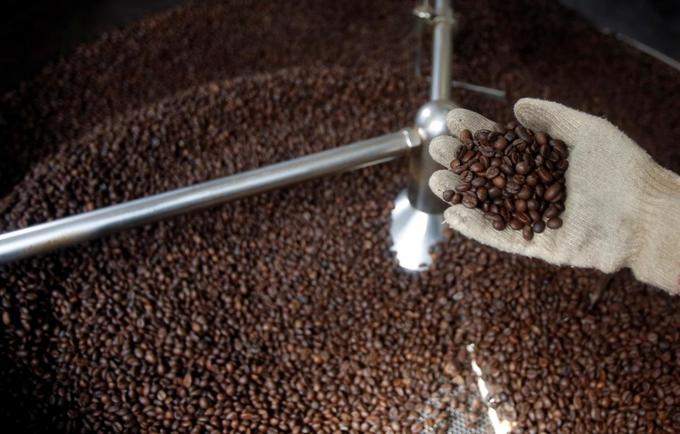
    Australian roaster Campos Coffee has announced the launch of its first range of recyclable aluminum coffee capsules. With more people working from home, loyal Campos Coffee drinkers have consistently asked to enjoy the distinctive Campos taste in a capsule format, and now it’s available.

    The new Campos Coffee Capsules range includes the brand’s signature Superior blend, a new blend called King St after the main drag in Sydney’s Newtown, and a Single Origin from Indonesia.

    “Campos is recognized as a symbol of quality and excellence in Australia because we have been sourcing and roasting specialty coffee for 20 years,” says Adam Matheson, Head of Coffee at Campos Coffee.

    “You’d be surprised to learn that there’s a lot more to developing a good coffee capsule than just roasting and grinding high-quality, fresh beans. Capsule design and technology are key to delivering a great coffee experience.

    “Our aluminum capsules are world-class and deliver the aroma and flavor our stunning coffees offer. We wouldn’t have it any other way.”

    Campos Coffee has also partnered with TerraCycle to make it easy and free for everyone to recycle their used Campos Coffee aluminum capsules.

    All three types of Campos Coffee Capsules

  • Colgate unveils recyclable toothpaste tubes

    Colgate unveils recyclable toothpaste tubes

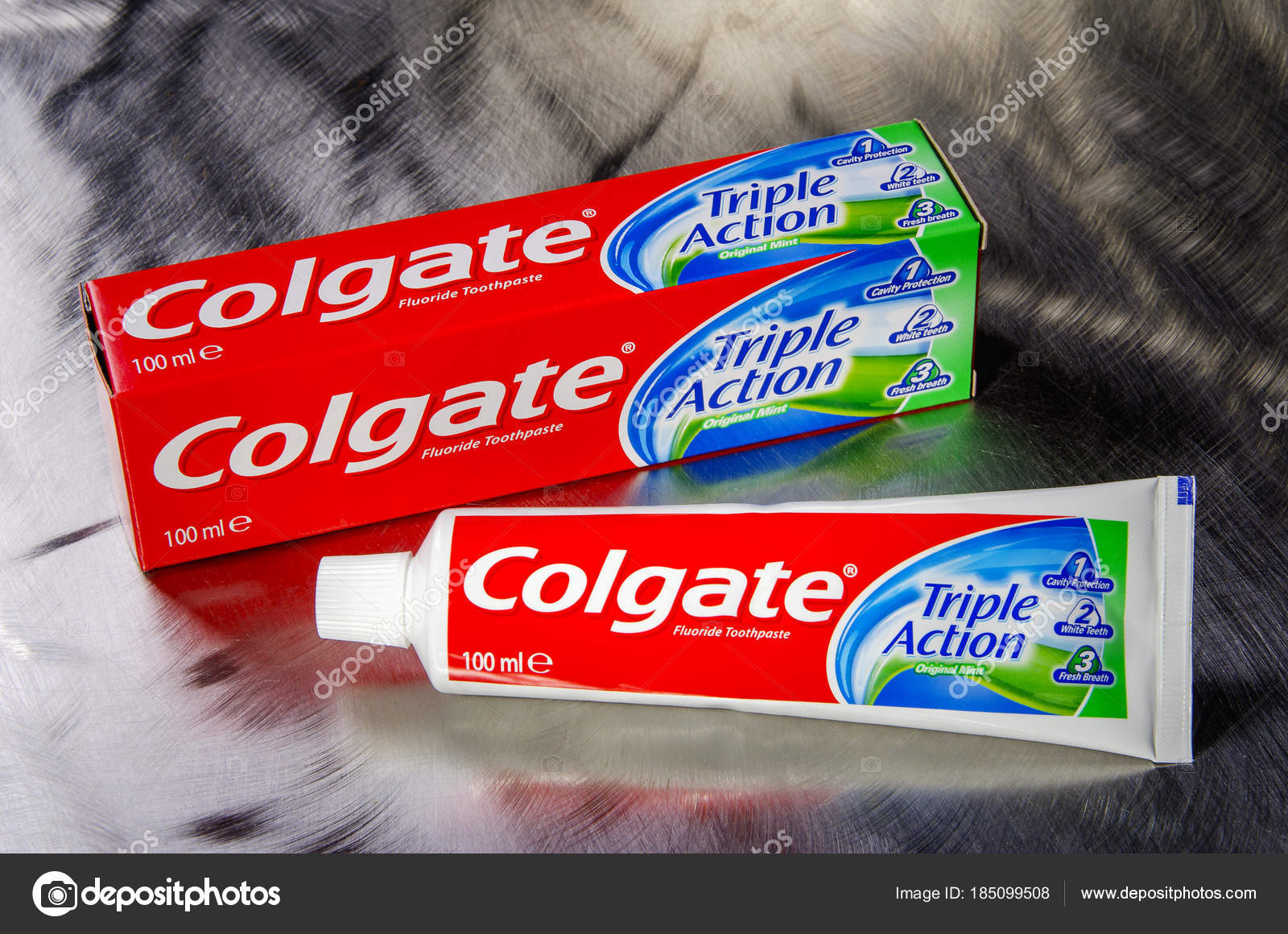
    Colgate-Palmolive has revealed the nation’s first recyclable toothpaste tube – the result of five years of research – and immediately offered the technology to rival companies to help reduce landfill waste.

    Colgate Smile for Good plastic tubes use high-density polyethylene (HDPE), classified as recyclable by the Australasian Recycling Label Program of the Australian Packaging Covenant Organisation (APCO). It can be disposed of at kerbside plastic recycling bins.

    “Making toothpaste tubes part of the circular economy will help keep plastic productive and eliminate waste,” said Simon Petersen, GM at Colgate-Palmolive South Pacific.

    “Colgate-Palmolive wants all toothpaste tubes to meet the same third-party recycling standards that we’ve achieved, so we are openly sharing our technology with toothpaste competitors as well as manufacturers of all kinds of tubes.”

    Colgate Smile for Good tube’s HDPE material is based on the same plastic that companies used to make 2L milk bottles and other plastic containers that are recyclable. Its engineers developed a solution using different grades and thicknesses of HDPE laminated into a tube to make it squeezable since the type of plastic used on milk bottles is too rigid.

    Most toothpaste tubes are usually made from sheets of plastic laminate with a thin layer of aluminum. These are difficult to recycle through conventional methods leading to 50 million tubes ending up in landfills annually in Australia.

    The new toothpaste adds to the company’s global target to create 100-per-cent recyclable, reusable or compostable packaging by 2025 and to reach Australia’s 2025 National Packaging Targets as well.

    “It’s fantastic to see companies striving to phase out difficult to recycle materials, innovating to find recyclable alternatives and sharing those learnings and technology to help transform the wider market,” said Brooke Donnelly, CEO at APCO.

    “This collective, ambitious approach by organizations across the supply chain will be critical for Australia to meet its upcoming waste and recycling deadlines, including the 2025 National Packaging Targets.”

    Colgate Smile for Good has two variants such as Smile for Good Protection and Smile for Good Natural White. The range also has Smile for Good Protection mouthwash, Colgate Bamboo Charcoal toothbrush and Smile for Good dental floss. It is Sodium Lauryl Sulfate-free, vegan, gluten-free and sugar-free.

    The toothpaste brand is also supporting the UN Sustainable Development Goals and the Ellen MacArthur Foundation’s New Plastics Economy Global Commitment.

    Colgate Smile for Good toothpaste is sold for RRP $8 at Woolworths, Coles, Amazon, Chemist Warehouse and Priceline.