Retail News CRM

Tag: recycled

  • KitKat unveils world-first packaging in Australia

    KitKat unveils world-first packaging in Australia

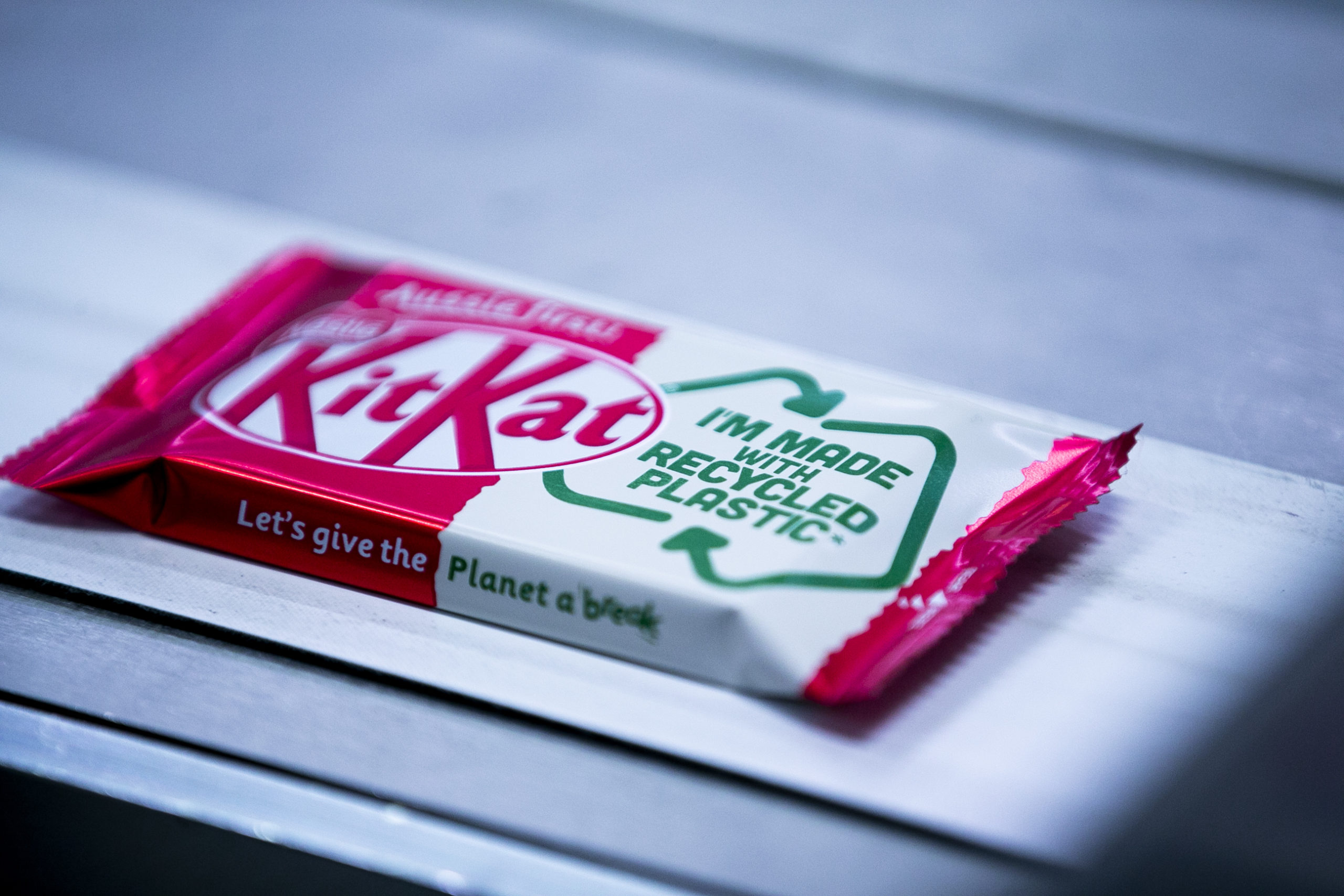
    Nestlé Australia has announced that KitKat will be Australia’s “first” chocolate bar with a wrapper using recycled plastic.

    More than 40 million 45g KitKat bars will be packed in the 30% recycled content wrapper in the next year, cutting virgin plastic use by around 250,000sqm.

    Nestlé Oceania General Manager Chris O’Donnell says the company is on a mission to cut its virgin plastics use by a third by 2025.

    “Introducing recycled content in our packaging will make a significant impact against our 2025 ambition. We’ve implemented a number of changes to reduce our use of virgin plastic but this switch, the first of its kind, will be a huge step change.

    “We know consumers want our packaging to use more recycled content, so we’re delighted to deliver the KitKat 45g bar as Australia’s first food product to be wrapped in soft plastic made with recycled content.

    “For KitKat fans, the news is all good. The 30% recycled plastic wrapper will keep KitKat bars crisp, fresh and delicious, while we focus on giving the planet a break. When they’re finished, they can continue to recycle their wrappers through the REDcycle scheme.”

    The wrapper is also Nestlé’s first soft plastic food wrapper globally to use recycled content.

    “Soft plastic with recycled content that’s suitable for food packaging isn’t widely available anywhere in the world – we’ve been searching high and low to find as much of this material as we can from our suppliers. As more becomes available we’re hoping to increase the amount we can source for our packaging,” Mr O’Donnell said.

    “We’re focussed on less packaging, better packaging and better systems. This is a big step in the right direction but we’re not at our end destination yet. This is a journey of ongoing innovation.

    “In the meantime, we’ve committed to invest CHF 2 billion globally to stimulate the market and lead the shift from virgin plastics to food grade recycled plastics.”

    The 30% food grade recycled plastic wrapper is supplied by Huhtamaki. The recycled content has been allocated using the mass balance approach and certified by ISCC.
  • Samsung to introduce recycled parts for smartphone repairs

    Samsung to introduce recycled parts for smartphone repairs

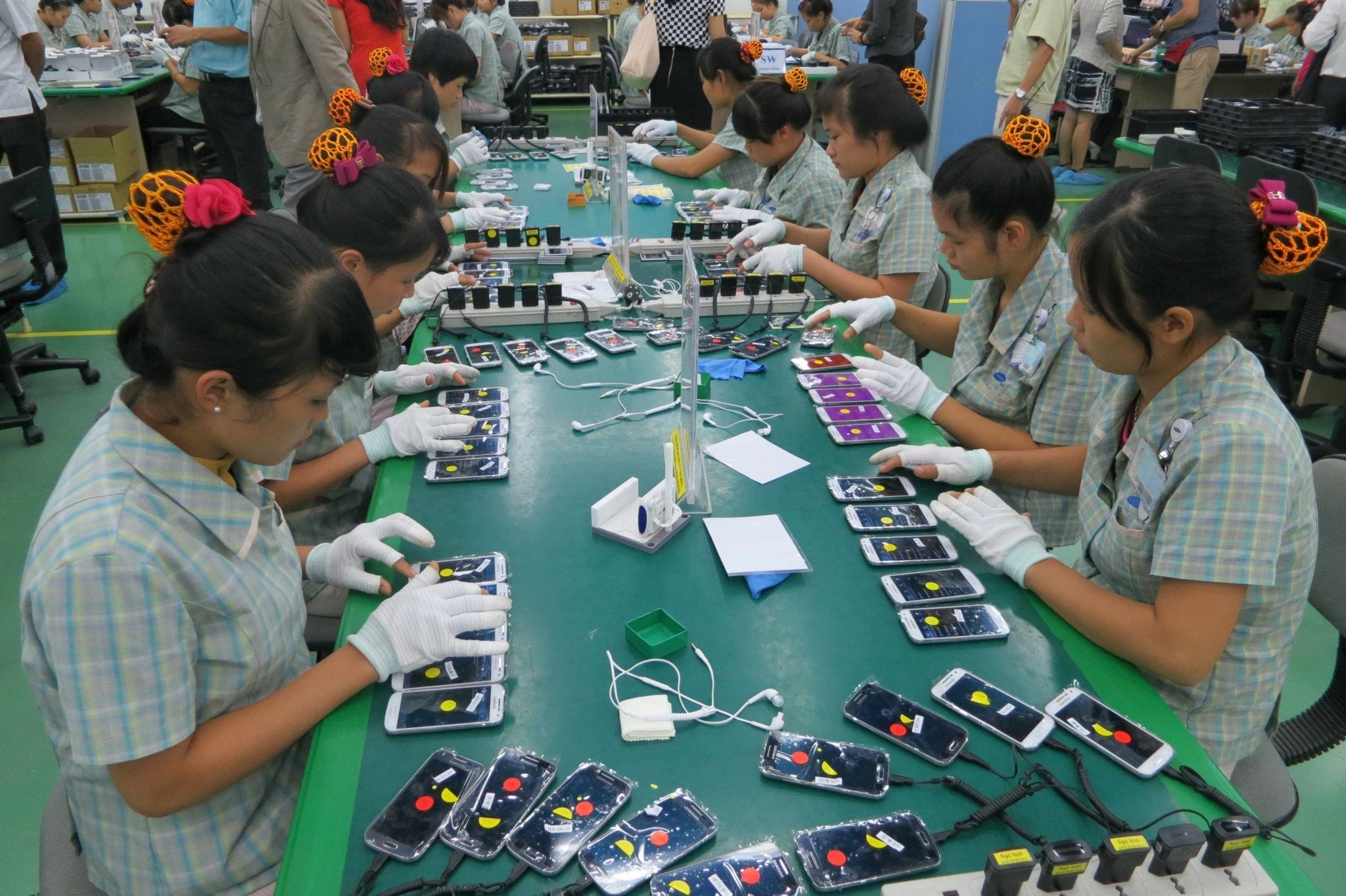
    Samsung is reportedly planning to start a new program that could significantly reduce repair costs for your Galaxy phones.

    Samsung is considering introducing certified recycled parts for mobile repairs. These are parts made of recycled materials such as discarded plastics, metals, and more. The initiative could launch in the next few months, specifically by the first half of this year.

    The report suggests that by using recycled spare parts, Samsung could pass on a smaller repair bill to users. The publication notes that things like display replacement could cost half of what it does today.

    As far as the quality of the recycled repair parts is concerned, Samsung is aiming for a level that can match that of new products. There’s no word on which smartphone parts will be available under the program and how much they would cost exactly.

    Samsung has been promoting sustainable manufacturing for a while now. The Galaxy S22 series is one of the latest examples of its efforts. The phones use a new material made up of discarded fishing nets.

    Over the years, Samsung has also significantly reduced the amount of plastic and paper in its packaging. Recycled repair parts seem to be a logical extension of Samsung’s sustainability efforts.

  • The North Face Showcases bags made from recycled tents

    The North Face Showcases bags made from recycled tents

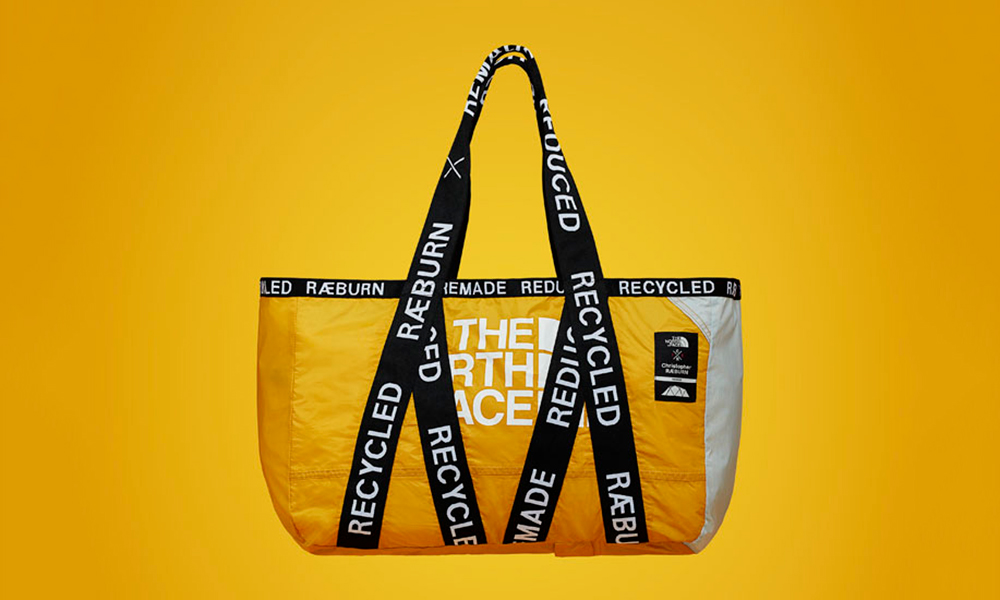
    Outdoor gear firm The North Face is teaming up with British eco-designer Raeburn to make designer bags from recycled tents.

    The bags are currently available for purchase online as well as at The North Face’s Urban Exploration store on Carnaby Street in London.

    “The North Face has been inspiring a global movement of exploration and conservation for over fifty years,” said fashion designer Christopher Raeburn, “and we couldn’t be prouder to be collaborating on this special project, applying our said ‘Raemade’ ethos to transform surplus tents into unique bags.

    “At Raeburn we’re motivated to work with brands, other designers and individuals to drive positive change in our industry, and it’s been fantastic to work alongside the talented team at The North Face to bring this project to fruition.”

    Every product will have a distinct aesthetic based on the varied colours of source tent materials used in creating the bags.

    Raeburn has previously collaborated with Timberland and other international brands on products made from recycled materials. Likewise, The North Face has engaged in a number of closed-loop initiatives, including its “Renewed” program to sell refurbished returned products as well as its carbon “net-negative” product line.