Retail News CRM

Tag: red bull

  • Red Bull Spices up Australian Market with Exclusive New Flavours: Lilac and Winter Editions

    Red Bull Spices up Australian Market with Exclusive New Flavours: Lilac and Winter Editions

    Red Bull, the globally recognized energy drink brand, is broadening its Australian beverage range with the introduction of two novel flavors. The new flavours, dubbed Lilac Edition and Winter Edition, are set to hit the market this month.

    The Lilac Edition

    The Lilac Edition is an exclusive offering earmarked for Woolworths stores and will come in a 473ml can size, to be available solely at Ampol outlets. The new variant presents a unique blend of grapefruit and blossom flavors. This flavor profile was initially presented to consumers at the prestigious Australian Open, where it was well received.

    The Winter Edition

    On the other hand, the Winter Edition is a limited-edition product that will be available in two sizes: 250ml and 473ml cans. The exclusive retailer for this novel flavor will be 7-Eleven stores. Red Bull has characterized this product as a passionfruit-flavored concoction, specifically crafted to complement the Australian winter season.

    Each can of both the Lilac and Winter Editions will contain 80mg of caffeine, providing the energy boost that Red Bull is renowned for.

    Questions & Answers

    What new flavours is Red Bull introducing in Australia?
    Red Bull is introducing two new flavours – Lilac Edition and Winter Edition – to its Australian market this month.

    Where can these new flavors be purchased?
    The Lilac Edition will be exclusively available at Woolworths and Ampol outlets, whereas the Winter Edition can be found at 7-Eleven stores.

    What is the main flavor profile of these new products?
    The Lilac Edition features a unique blend of grapefruit and blossom flavors. The Winter Edition, on the other hand, is infused with a passionfruit flavor.

  • Red Bull Heir in Thailand Shifts $1.1B Stake to Trust Firm, Signaling Major Financial Move

    Red Bull Heir in Thailand Shifts $1.1B Stake to Trust Firm, Signaling Major Financial Move

    Chalerm Yoovidhya, the heir to the Red Bull energy drink empire, has made a significant financial maneuver, transferring his 2% stake in the company—valued at approximately $1.1 billion—to a trust firm based in Geneva. This strategic move, documented in an Austrian regulatory filing, took place on May 20. However, the filing did not elaborate on the motives behind the transfer, the individual who will ultimately control the stake, or where the investment might lead in the future.

    In a statement, a representative for Red Bull remarked, “Fiduciary solutions such as this are common in order to ensure long-term continuity in large, successful companies.” Fides Trustees, the trust firm involved, specializes in assisting affluent families and individuals worldwide in adjusting their personal financial structures amid evolving circumstances.

    At 74, Chalerm received his stake nearly four decades ago when his late father, Chaleo Yoovidhya, collaborated with Austrian entrepreneur Dietrich Mateschitz to introduce the Red Bull brand to global markets. Chaleo’s journey started in poverty in northern Thailand, where he juggled various jobs before founding TC Pharmaceutical Industries in 1962. It was here that he developed the energy tonic Krating Daeng, which translates to “red bull” in Thai, according to the Wall Street Journal.

    The drink caught the attention of Mateschitz in 1982, leading to a partnership that transformed it into a worldwide sensation. The duo each invested $500,000, securing a 49% stake in the venture, while Chalerm retained the remaining 2%. Today, the Yoovidhya family still commands a 49% stake in Red Bull, which is currently valued at an impressive $27.9 billion based on the company’s market performance and industry comparisons. Last July, Forbes named them Thailand’s wealthiest family, boasting a staggering net worth of $36 billion.

    Red Bull may just give you wings, but Chalerm Yoovidhya seems to have secured a wealth of possibilities for the future!

    Questions & Answers

    What prompted Chalerm Yoovidhya to transfer his stake in Red Bull?
    While the exact reason remains undisclosed, such fiduciary arrangements are common to ensure long-term business continuity.

    How long has Chalerm held his stake in Red Bull?
    Chalerm received his 2% stake nearly four decades ago, when his father partnered with Dietrich Mateschitz to create the brand.

    What is the current valuation of the Red Bull company?
    Red Bull’s estimated worth stands at approximately $27.9 billion, with the Yoovidhya family owning a 49% stake in the brand.

  • Red Bull Zero range lands in Australia

    Red Bull Zero range lands in Australia

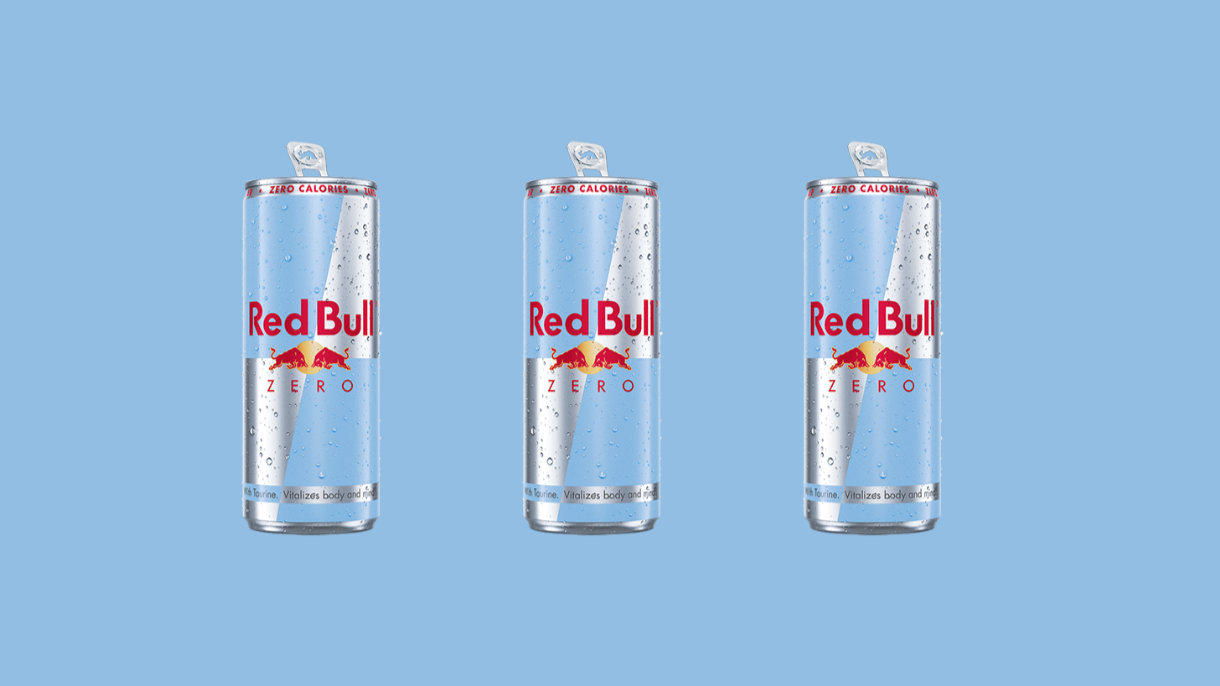
    Red Bull is broadening its horizons in Australia by launching Red Bull Zero, a new sugar-free energy drink that offers the same familiar taste we all know and love, but with a healthier twist. The beverage is sweetened with monk fruit extract, a natural sweetener often seen as a healthier alternative to sugar.

    New Packaging, Same Great Taste

    This new offering from Red Bull is packaged in matte, light-blue 250ml cans and can be found at Coles, Woolworths and 7-Eleven. The new can design is sleek, clean and features an appealing colour. These cans are sure to stand out on the shelves and catch the eye of consumers looking for an afternoon pick-me-up.

    Jarvis Earle, a world junior champion in the World Surf League and a Red Bull athlete, expressed his enthusiasm for the new drink. He shared his plans to reach for a can in the afternoon when he’s trying to cut down on calories but still needs an energy boost.

    Unique Flavour Profile

    Red Bull has stated that consumers can anticipate a unique and refreshing taste from Red Bull Zero. A refreshing sourness is balanced with hints of tutti fruitti, while undertones of pineapple and vanilla add an extra layer of complexity to the flavour. This combination of sweet and tart flavours offers an exciting and vibrant balance that will surely keep consumers coming back for more.

    New Challenge to Motivate Australians

    In addition to the launch of Red Bull Zero, the brand is also rolling out the Red Bull Zero Excuses Challenge. This is a free 30-day fitness initiative designed to empower Australians to chase their personal health objectives. This challenge is just another example of how Red Bull constantly strives to inspire and motivate its consumers, both with its products and its initiatives.

    Questions & Answers

    What is Red Bull Zero?
    Red Bull Zero is a new sugar-free energy drink sweetened with monk fruit extract. It offers the same familiar taste of the original Red Bull Energy Drink without the sugar.

    What does Red Bull Zero taste like?
    Red Bull Zero offers a unique flavour profile. There is a refreshing sourness balanced with hints of tutti fruitti, and undertones of pineapple and vanilla, offering a vibrant sweet-and-tart balance.

    What is the Red Bull Zero Excuses Challenge?
    The Red Bull Zero Excuses Challenge is a free, 30-day fitness initiative designed by Red Bull. It aims to motivate Australians to pursue their personal health goals.

  • Red Bull owner Dietrich Mateschitz dies aged 78

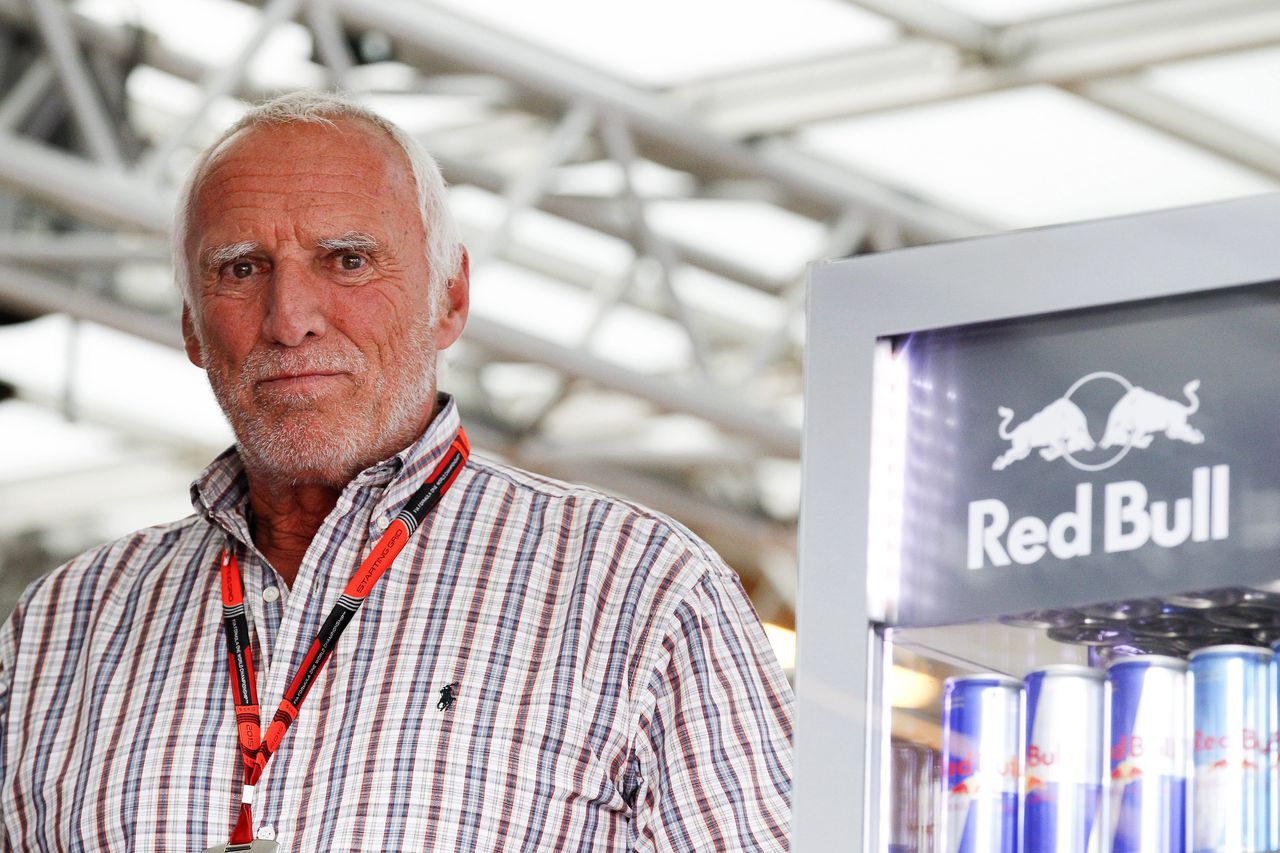
    Red Bull owner Dietrich Mateschitz dies aged 78

    Considered to be the richest man in Austria, the entrepreneur built a global empire around the energy drink.

    Mr Mateschitz’s fortune is estimated at around €25bn (£21.8bn), putting him 51st on Forbes’ list of the world’s richest people.

    Formula 1 praised his “unforgettable contribution” to the sport and said he leaves behind a “lasting legacy”.

    Little is known about Mr Mateschitz’s private life – he was publicity shy and rarely gave interviews.

    After graduating from the University of World Trade in Vienna, he worked as a marketing specialist for various companies in the 1970s.

  • Red Bull Spent Two Times More In 2019 Than What It Will Be Allowed In 2021

    Red Bull Spent Two Times More In 2019 Than What It Will Be Allowed In 2021

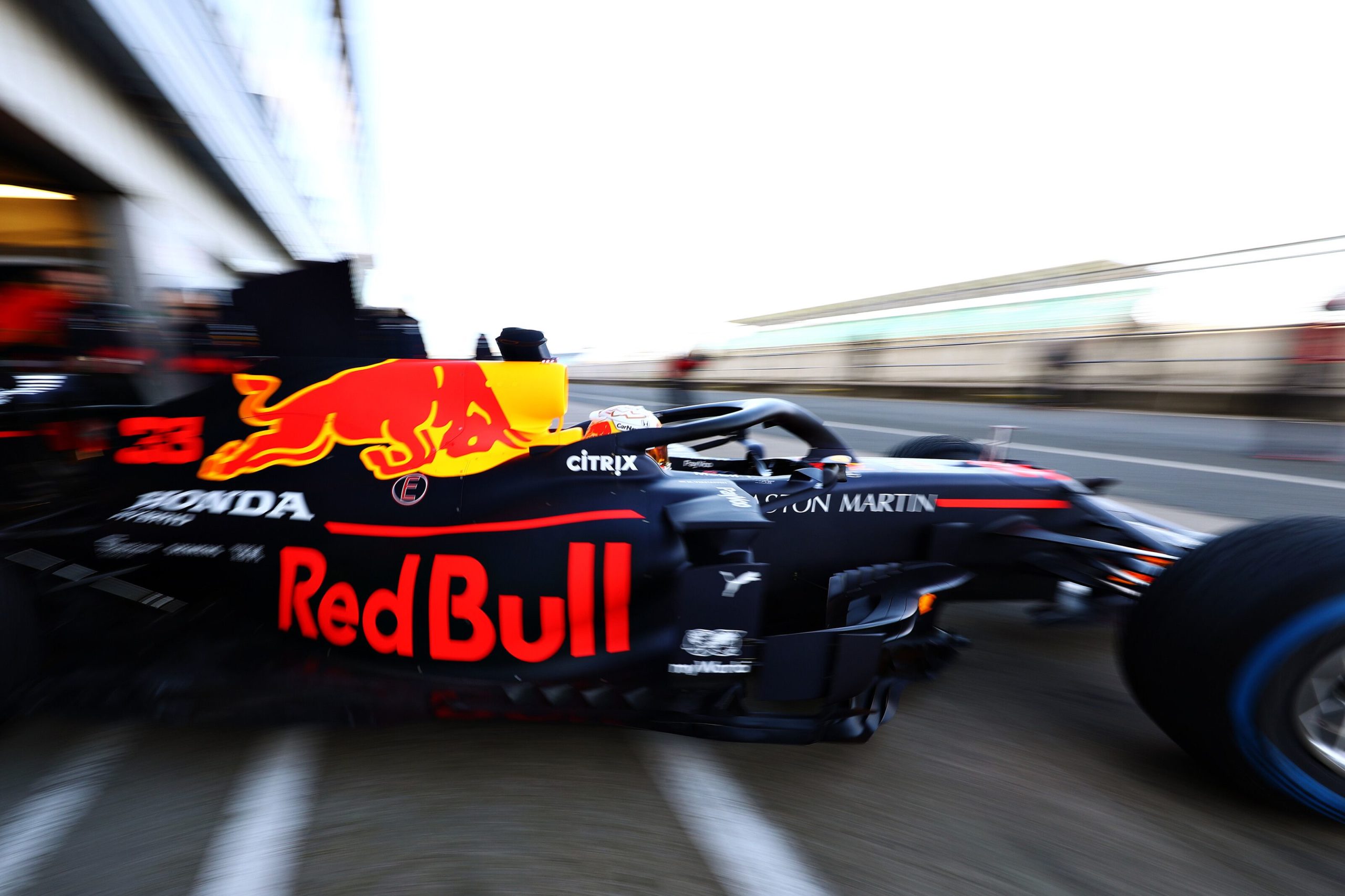
    Red Bull spent $305.04 million dollars in its 2019 campaign to win the F1 world championship which is reflective of the challenges that the big teams are up against in light of the upcoming budget cap that’s incoming. Next season teams will be only allowed to spend $145 million, though this number doesn’t include things like driver salaries. This number was also achieved after a minor reduction of $2.95 million from 2018 which was preceded with years of increasing expenditure. The big three teams – Mercedes, Ferrari, and Red Bull are all in for major restructuring as the budget cap will not allow them to spend as much on their F1 programs. Ferrari has also revealed that it is willing to explore participating in the Indy Car franchise to transfer some of its staff from F1.

    “The directors consider race performance, Championship performance, and a controlled cost base to be principal key performance indicators to assess progress towards strategic goals,” said Red Bull team boss Christian Horner.

    “Costs remain under control and the team is mindful of adaptions necessary for new financial regulations coming into force for 2021,” he added.

    Red Bull’s racing unit remains profitable but just slightly as it made a profit of $0.79 million which is peanuts in the scheme of things. This number also fell when compared to what Red Bull made in 2018. It made $1.18 million in that year when it also finished P3 in the constructor’s world championship behind Mercedes and Ferrari.

    Even these numbers are complicated as Red Bull’s association with its parent company Red Bull Technologies is complex as it employs and hires a lot of the designing and manufacturing staff. The complications are compounded by the fact that Red Bull Technologies is the parent behind the sister AlphaTauri team and also works with Aston Martin on the Valkyrie project.

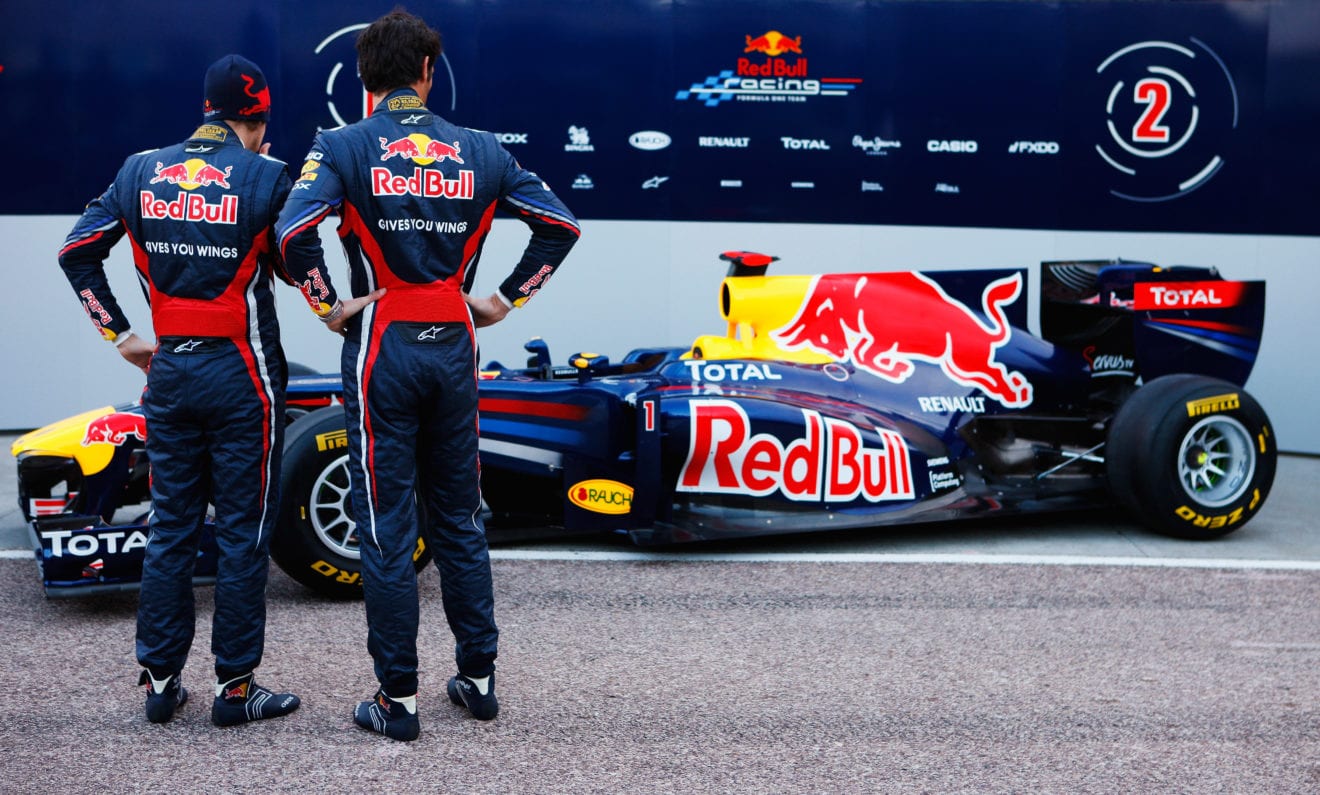
    The 2010, 2011, 2012, and 2013 world championships were won by Red Bull with Sebastian Vettel becoming world champion four years in a row, till 2014 ushered in the new hybrid era of F1 engines and Mercedes started to dominate.

  • Zalora Group appoints new CMO

    Online fashion retailer Zalora Group has appointed a new chief marketing officer to help boost its Asia-wide profile.

    Elias Pour joins Zalora Group from Red Bull, where he was head of digital managing the brand’s digital marketing, content production and e-commerce sales in Asia-Pacific. At Zalora, he will lead a team of more than 150 people, overseeing the online fashion retailer’s entire marketing operations.

    Prior to his time with red Bull, Pour worked in both Sweden and Denmark, holding key management positions for Volvo, Danske Bank and Telenor. He has been based in Sydney, Australia, for the last eight years, working for Adobe and Commonwealth Bank of Australia before joining Red Bull.

    Patrick Schmidt, Co-CEO of Zalora Group’s parent Global Fashion Group, said Pour would help the company as it enters a new period of growth.

    “I am confident that under his leadership, Zalora will continue to provide fashion consumers in Asia, the best online and mobile shopping experience possible and achieve its full potential as the region’s fashion retail powerhouse.”

  • Shopify revenues grow 90 per cent

    Shopify revenues grow 90 per cent

    Shopify, the cloud-based, multi-channel platform designed for small and medium-sized businesses, has reported a 90 per cent increase in revenues for 2016.

    GMV rose 99 per cent to US$15.4 billion, figures which “speak to the enormous opportunity in retail right now and our strategic position within it,” according to CFO Russ Jones.

    Total revenue for the full year reached $389.3 million, compared with $205.2 million in 2015. Within this, subscription solutions revenue grew 68 per cent to $188.6 million and merchant solutions revenue grew 115 per cent to $200.7 million.

    But it still recorded a net loss of $35.4 million, almost double the $18.8 million of 2015.

    Merchants can use Shopify software to design, set up, and manage their stores across multiple sales channels, including web, mobile, social media, marketplaces and physical retail locations. Shopify powers 377,500 merchants in some 175 countries. Its clients include Tesla, Nestle, GE, Red Bull and Kylie Cosmetics.

    “Our work at Shopify is to help entrepreneurs thrive in a space that’s changing all the time, and we did our job especially well this past holiday season,” stated Tobi Lütke, founder and CEO of Shopify. “That eight of our 10 top sellers over the Black Friday Cyber Monday weekend were merchants that had upgraded from lower-priced plans reminds us that today’s startups become tomorrow’s superstars, at a velocity that appears to be increasing all the time. As the engine powering the growth of these merchants, Shopify has an opportunity that stretches years into the future.”

    For the full year 2017, Shopify currently expects revenues in the range of $580 million to $600 million and an operating loss in the range of $73 million to $77 million.

  • Red Bull apologises to Indonesia over offensive ad

    Red Bull apologises to Indonesia over offensive ad

    Red Bull has publicly apologised for shooting a commercial in which an athlete performed acrobatic stunts across one of Indonesia’s ancient holy temples, an official said Thursday.

    Red Bull has issued an apology in Indonesia’s national newspapers admitting it shot an advert at the 9th-century Borobudur temple “without permission from the appropriate authorities”

    The energy drink manufacturer issued an apology in national newspapers admitting it shot the video at the 9th-century Borobudur temple “without permission from the appropriate authorities”.

    The video — in which a famous “free running” athlete is shown jumping between the temple’s stone stupas — triggered outrage in Indonesia, where Borobudur is a revered Buddhist site and national icon.

    In one scene, the athlete is seen walking past a sign clearly stating “No Climbing” in both English and Indonesian before performing acrobatics throughout the UNESCO-listed heritage site.

    The video was shot secretly despite the crew having been issued a warning by temple guards, Borobudur Conservation Agency head Marsis Sutopo told AFP.

    “They must have shot again while our guards were not looking,” he said.

    The video, uploaded online on March 18, sparked outrage within Indonesia and prompted the government to threaten a legal suit against Red Bull.

    Authorities later issued a warning to the drink company after determining no physical damage had been incurred.

    Red Bull met with government officials in early June and agreed to place formal apologies in national newspapers.

    “We want to set an example because we painstakingly try to conserve this historical site,” education ministry official Hilmar Farid told AFP.

    “It was obvious as there was a “No Climbing” sign there too.”

    Red Bull have also been asked to shoot a new video explaining the importance of protecting holy sites, Farid added.

  • Red Bull leads Thai products in making Asia’s Top 1000 Brands

    Red Bull leads Thai products in making Asia’s Top 1000 Brands

    Red Bull, the energy drink launched by the Yoovidhya family, took the highest place at 118. In the beverages category, other Thai brands are Tipco (365) and Aura (448).

    Jason Wincuinas, managing editor of Campaign Asia-Pacific, said yesterday that the new listing shows a rise in stature for many local Asia brands, as nearly all luxury names fell.

    “This looks like the start of Asia’s brands growing from local heroes into regional giants and eventually onto multinational status,” he said.

    In its twelfth year, Asia’s Top 1,000 Brands aggregates data from an online survey. The report incorporates consumers in 13 key regional markets across the Asia-Pacific – Australia, China, Hong Kong, India, Indonesia, Japan, Malaysia, the Philippines, Singapore, South Korea, Taiwan, Thailand and Vietnam.

    It encompasses 14 major categories – alcohol, financial services, automobile, retail, restaurants, food, beverage, consumer electronics, computer hardware, computer software, courier services, media and telecommunications, travel and leisure, and household and personal care – and 73 subcategories. To win a place in the ranking, Thai brands have to compete against all international brands. Mama was the only Thai food brand represented, falling from 339 last year to 377. Nestle was first. In household products, there is only Me-O, the pet food brand, which shot up from 709 to 583.

    Both DTAC and AIS showed up in the media and telecommunications category, where Google claimed the top spot. DTAC dived 62 rungs to 496, while AIS gained 41 to 623.

    For travel and leisure, which has AirAsia at the top, three Thai brands are included – THAI, Nok Air and Dusit.

    Thai Airways International climbed seven places to 191, but Nok lost two spots to 463. Dusit International plunged from 890 to 945. Singapore Airlines also slumped 20 places to 83, although it still led the full-service airline subcategory.

    Included in retail were Big C (248), Bangchak (475) and PTT (494). PTT’s Cafe Amazon is the only Thai restaurant brand, sitting at 609 in 2015 against 751 in 2014.

    Three Thai banks are in the financial services category, which covers payment companies like Visa and international banks like Citibank.

    Bangkok Bank leaped 153 places to 721. Kasikornbank sank five to 768 and Siam Commercial Bank slumped 99 to 800.

    South Korea’s Samsung was the most popular brand in the region this year, able to maintain the crown it snatched from Sony in 2012. Others in the top 10 were Sony, Nestle, Apple, Panasonic, Nike, LG, Canon, Chanel and Adidas.

    “These are the brands the people all across Asia have told us are the best in their minds,” Wincuinas said.