Retail News CRM

Tag: regulations

  • AliExpress Takes Steps to Align with EU Regulations amidst Scrutiny over Sale of Unsafe and Counterfeit Products

    AliExpress Takes Steps to Align with EU Regulations amidst Scrutiny over Sale of Unsafe and Counterfeit Products

    In response to heightened scrutiny by the European Union (EU), Chinese e-commerce platform AliExpress has announced enhanced measures to ensure compliance with the bloc’s regulations. This move comes as the EU intensifies its focus on rapidly expanding online platforms like AliExpress, Temu, and Shein, all of which offer inexpensive products manufactured in China to the EU market duty-free. This is due to a waiver on low-value e-commerce packages, a privilege now under review.

    Scrutiny and Investigations

    AliExpress, which operates under the umbrella of Alibaba and sells products in over 200 countries, has been under the EU Commission’s microscope since March 2024. The company acquiesced to legally binding commitments in June the same year, promising to strengthen its regulatory oversight.

    However, a high-profile incident in November, in which AliExpress was found to be selling inappropriate dolls, led to the platform banning the China-based seller responsible for the products.

    Eric Pelletier, Alibaba’s head of international government affairs, assured European lawmakers that AliExpress is taking significant steps to ensure compliance with the bloc’s regulations. He announced plans to decrease the visibility of adult products by default, and acknowledged that further work was needed in several areas. These include preventing the relisting of illegal products, strengthening penalties, and expediting the removal of non-compliant sellers.

    Responses and Future Plans

    Christel Schaldemose, an EU lawmaker and lead rapporteur on the Digital Services Act, expressed skepticism about the effectiveness of AliExpress’s systems. Schaldemose underscored safety as her main concern, but also highlighted the issue of unfair competition faced by companies adhering to EU regulations.

    The number of low-value e-commerce packages entering the EU saw a 26% increase last year, reaching 5.8 billion. In an attempt to level the playing field with domestic retailers, the bloc plans to introduce fees on these shipments.

    Questions & Answers

    What measures is AliExpress taking to strengthen its regulatory compliance in the EU?
    AliExpress has committed to enhancing its controls, including decreasing the visibility of adult products by default, preventing the relisting of illegal items, strengthening penalties, and expediting the removal of non-compliant sellers.

    Why is the EU increasing its scrutiny of online platforms like AliExpress?
    The EU is concerned about safety issues, the sale of counterfeit items, and unfair competition towards companies that comply with the bloc’s rules.

    What is the EU’s plan regarding low-value e-commerce packages?
    The EU plans to introduce fees on these shipments to promote fair competition with domestic retailers.
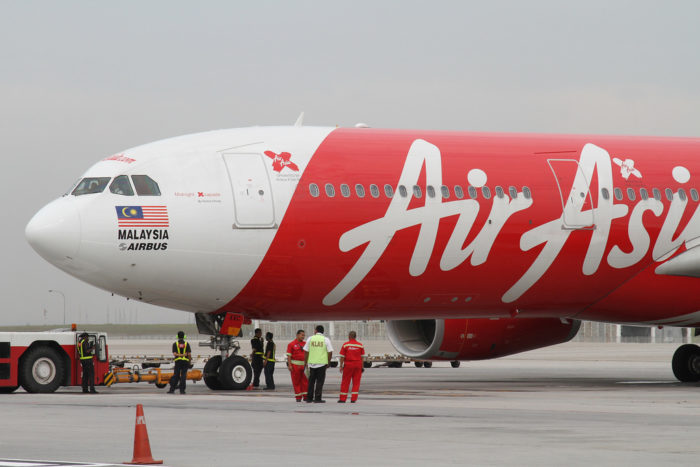

  • Australian Authorities Ask AirAsia To Re-evaluate Safety Briefing

    Australian Authorities Ask AirAsia To Re-evaluate Safety Briefing

    AirAsia has been asked to re-evaluate its safety briefing after an incident on a flight between Perth and Denpasar in October 2017. During the incident in which oxygen masks were deployed, not all masks did so and not all masks worked, causing a degree of confusion in the cabin and for passengers to ignore seatbelt lights as they searched for working oxygen masks.

    As reported in Australian Aviation, an AirAsia A320 was flying from Perth to Denpasar on October 15, 2017. Shortly after takeoff, there was a high cabin altitude master warning. The Australian Transport and Safety Bureau (ATSB) who investigated the incident determined there was an “intermittent rare fault” with the cabin pressure controller 1 circuit board. This caused an incorrect control of the outflow valve, leading to over-pressurization of the aircraft cabin and activation of the cabin safety valves and alerts of excess cabin altitude.

    Following the alerts, the pilots asked ATC for an emergency descent from 34,000 feet to 10,000 feet, informed the passengers and deployed oxygen masks.

    According to the ATSB report, not all masks deployed and some of those that did deploy did not work properly. Some of the passengers ignored crew instructions, getting out of their seats and looking for oxygen masks that did work.

    At the time the seatbelt light was on and the crew was shouting instructions such as “brace”,“sit down”, “get down,” and  “grab the mask, fasten the seatbelt, breathe normally”. According to the ATSB, these could have had the effect of furthering fear and confusion amongst the passengers.

    The aircraft landed in Perth safely. The crew appears not to have handled the disembarkation process particularly well. The ATSB report says;

    It was also noted that some passengers had put on life jackets.

    The ATSB investigation revealed over half of the passengers were “unsure” if their masks were working correctly. Many passengers were also unclear about how to operate the oxygen masks. The ATSB investigation found when the release pin was removed, the oxygen canister did not work in six seats. In another six seats, the oxygen masks did not deploy. In a further three seats, no lanyards were pulled to commence the flow of oxygen.

    The ATSB investigation found that both the pre-flight safety briefing and the safety card did not clearly demonstrate how to activate the flow of oxygen. The ATSB report said;

    “The ATSB recommends that AirAsia Indonesia take further action to review its current passenger pre-flight safety briefing and safety information card to ensure passengers are provided with clear instructions on how to activate the flow of oxygen from the passenger oxygen masks and that the bag may not inflate when oxygen is flowing.” 

    The ATSB found the contributing factors to the incident was a minor intermittent fault with the active cabin pressure controller. Airbus has reviewed its A320 emergency procedures when an incident like this occurs. Airbus now recommends and has implemented a manual cabin pressure controller changeover in case of abnormal cabin altitude.

    The ATSB found the lack of clear instructions in both the pre-flight safety briefing and in the safety cards, combined with inappropriate commands from the cabin crew for a rapid descent and depressurization, along with a failure to deal with non-compliant passenger behavior were factors that increased risk.

    AirAsia flies to several Australian cities, including Melbourne, Perth, Brisbane, Adelaide and Sydney. The airline told the ATSB that it was adhering to Indonesian regulations and that it would “consider” including the requirements in its safety demonstration announcements.

  • China to Step Up Fintech Regulation

    China to Step Up Fintech Regulation

    The People’s Bank of China will introduce new standards in 17 areas, including blockchain, cloud services and artificial intelligence.

    China has plans to step up regulation in 17 areas of fintech to «guide the application of new technologies» applied across the financial industry, according to an article published by state news portal Xinhua.

    Speaking at the 2019 working conference of the National Financial Standardization Technical Committee on Wednesday, Fan Yifei, deputy governor of the People’s Bank of China, said the introduction of new standards is urgently needed to fill shortcomings in key areas, with a particular focus on data security, the publication reported.

    Fan noted that China currently has 65 national financial standards and 252 financial industry standards, which include mobile financial payment client technical specifications, voiceprint identification and more, but financial services and management standards are still weak.

    Explaining the rationale behind the regulatory push, Fan said that high-quality financial development requires high-quality financial standards.

    He also highlighted the need to expedite the internationalization of financial standards, actively carry out financial standardization research, cultivate a new generation of regulators savvy in this field, and to use fintech regulation to modernize financial governance systems and governance capabilities, the report said.

    China recently passed a new law on cryptography aimed to facilitate development concurrently with the country’s central banking efforts to launch its own digital currency, which will be effective January 1, 2020.


  • Silent roamers in decline as “roam like at home” goes global

    Silent roamers in decline as “roam like at home” goes global

    A Juniper Research study revealed that operator revenues from international mobile roaming are expected to recover slightly, following a decline in 2017 after the introduction of RLAH (Roam Like at Home) in Europe and other markets.

    But overall roaming revenues are expected to stay flat over the next 4 years, representing around 6% of total operator billed revenues and $51 billion in value.

    RLAH enables mobile users to use their monthly voice, data and messaging allowance while roaming without incurring additional charges.

    RLAH going global

    The new research, Mobile Roaming: Regulations, Opportunities & Emerging Sectors 2019-2023, found that, driven by the introduction of RLAH packages in EU and other regions such as North America and Asia-Pacific, the roaming market witnessed a significant rise in data usage and traffic.

    In 2017, Juniper estimates that data traffic grew by 200% globally and by 260% in West Europe.

    Research author Nitin Bhas added: “While the overall proportion of silent roamers continues to fall in many markets, driven by RLAH and cheaper bundles, the market also witnessed operators extending RLAH to more countries over the past 12-18 months. Additionally, a number of neighboring countries are announcing roam-free intra-regional agreements, similar to the EU.”

    Juniper estimated that the proportion of silent roamers not using any data roaming services in 2018 accounted for 51% of total data roamers globally, down from 72% in 2013.

  • Nissan Korea fined 900 million won for inflating mileage figures

    Nissan Korea fined 900 million won for inflating mileage figures

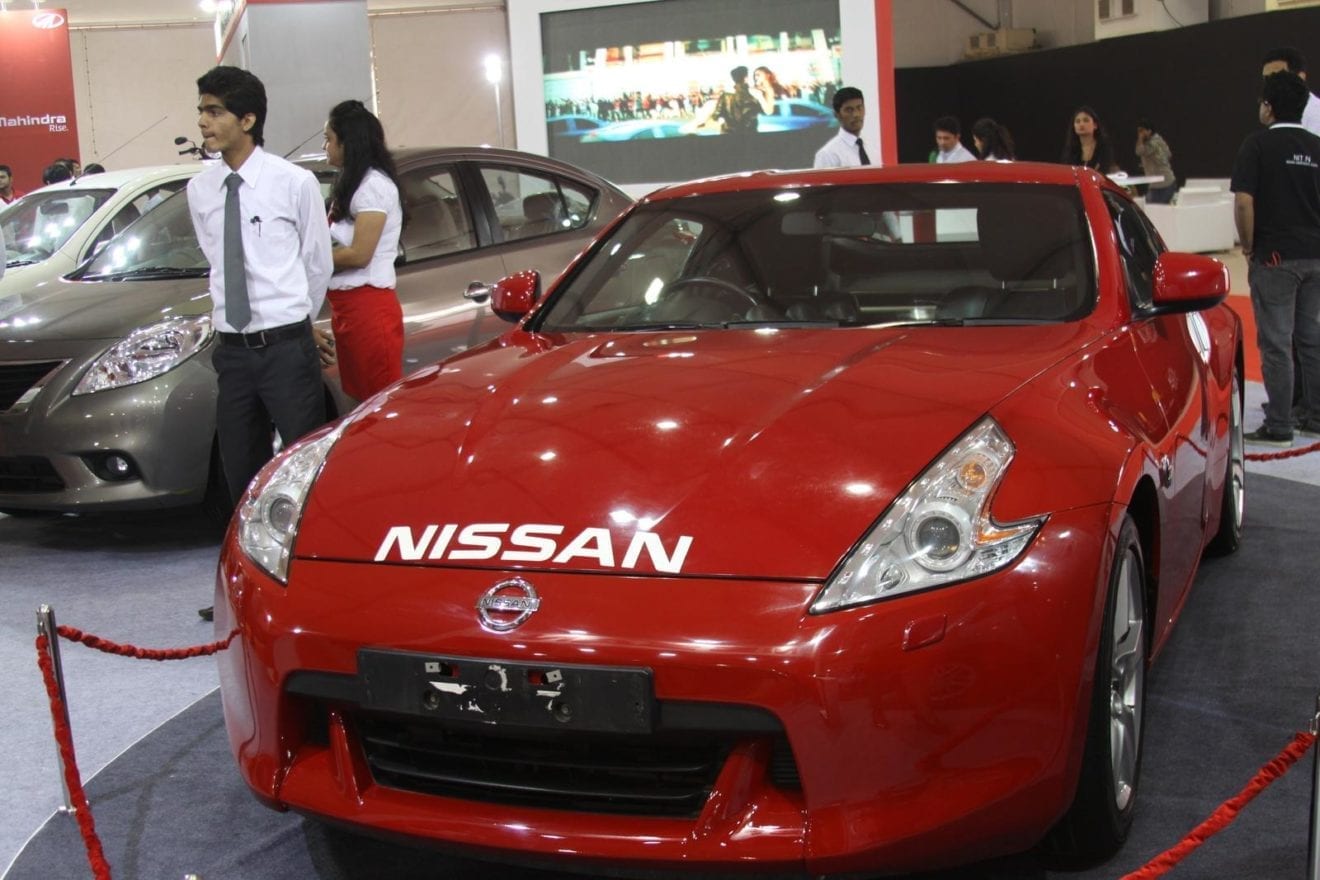
    Korea’s antitrust watchdog said Wednesday that it has fined Nissan Korea 900 million won ($802,100) for inflating gas mileage figures for its Infiniti Q50 2.2d sedans. The Japanese car’s fuel efficiency reaches 14.6 kilometers per liter (34.3 miles per gallon), but the local unit of the Japanese carmaker overstated the fuel efficiency as 15.1 kilometers per liter in its stickers, catalogues and magazines between February and November 2014, according to the Fair Trade Commission.

    Nissan Korea sold 2,040 Infiniti Q50 2.2d sedans valued at 68.68 billion won during the cited period.

    “There are concerns that Nissan Korea’s advertising could hurt fair trade by distorting consumers’ reasonable choice, considering that fuel efficiency is a priority factor when they buy vehicles,” the commission said.

    Repeated calls to Nissan Korea seeking comment went unanswered.

  • Toyota fined W817 million for false advertising

    Toyota fined W817 million for false advertising

    Korea’s antitrust watchdog said Tuesday that it has fined Toyota Motor Korea 817 million won ($729,000) for deceptive advertising of its RAV4 sport utility vehicle (SUV). Toyota Motor Korea advertised that its RAV4 obtained a top safety pick in five test categories, including the driver’s side small overlap front and roof strength, from the U.S. Insurance Institute for Highway Safety (IIHS) in 2015.

    In 2016, the RAV4 earned the Top Safety Pick Plus rating from the independent nonprofit organization that aims to reduce deaths, injuries and property damage from motor vehicle crashes, according to the Fair Trade Commission.

    The commission said that RAV4 models sold in the United States in 2015 and 2016 were equipped with a bracket, or shock absorber, that allowed it to get the top rating.

    The same SUV model sold in Korea during the same period was not equipped with the bracket, but Toyota Motor Korea advertised the RAV4’s earning the Top Safety Pick rating from the IIHS.

    “Toyota Motor Korea concealed and omitted that there was a difference between RAV4 models sold in the United States and Korea,” the commission said.

    It said the advertisement could mislead Korean consumers into believing that RAV4 models sold in Korea had all the safety features covered by the Top Safety Pick rating.

    Toyota Motor Korea said it cannot give an immediate comment on the issue and that it is reviewing the commission’s decision.

    Toyota is the second foreign automaker to be fined this year. BMW Korea was fined 14.5 billion won last week for manipulating documents on emissions.

  • Vietnam says Facebook violated cybersecurity law

    Vietnam says Facebook violated cybersecurity law

    Vietnam says Facebook has violated its new cybersecurity law by allowing users to post anti-government comments on the platform. “Facebook had reportedly not responded to a request to remove fanpages provoking activities against the state,” the official said, citing the Ministry of Information and Communication. In a statement, a Facebook spokeswoman said: “We have a clear process for governments to report illegal content to us, and we review all these requests against our terms of service and local law.”

    She did not elaborate. The ministry said Facebook also allowed personal accounts to upload posts containing “slanderous” content, anti-government sentiment and defamation of individuals and organizations, the agency added.

    “This content had been found to seriously violate Vietnam’s Law on cybersecurity” and government regulations on the management, provision and use of internet services, it quoted the ministry as saying.

    Facebook had refused to provide information on “fraudulent accounts” to Vietnamese security agencies, the agency said in Wednesday’s report.

    The information ministry is also considering taxing Facebook for advertising revenue from the platform.

    The report cited a market research company as saying $235 million was spent on advertising on Facebook in Vietnam in 2018, but that Facebook was ignoring its tax obligations there.

    In November, Vietnam said it wanted half of social media users on domestic social networks by 2020 and plans to prevent “toxic information” on Facebook and Google.

  • Korea to ban plastic bags in supermarkets

    Korea to ban plastic bags in supermarkets

    Large supermarkets are banned from giving or selling plastic shopping bags to customers. The Ministry of Environment announced Monday that it will completely prohibit grocery franchises and supermarkets over 165 square meters (1,776 square feet) from selling or giving away single-use plastic bags from New Year’s Day. While it discouraged stores from providing plastic bags before, the ministry enforced a total ban through a revision to the Act on the Promotion of Saving and Recycling of Resources in an effort to cut plastic waste.

    Some 13,000 supermarkets are affected. If they offer disposable plastic bags, they risk fines of up to 3 million won ($2,690). The only kind of one-use bags stores can sell are the disposal bags accepted by district waste collectors. Stores will be encouraged to sell or offer paper and other non-plastic grocery bags instead.

    Supermarkets can continue to offer customers small plastic bags for wrapping items like fish and meat.

    The revision to the law also prohibits some 18,000 bakeries from handing out plastic bags free of charge.

    The ministry said it will give a grace period of around three months to help stores adjust to the change and work with local government bodies to ensure that the regulations are followed.

    Earlier this year, seven of Korea’s largest grocery and bakery franchises, including E-mart and Lotte Mart, signed voluntary agreements with the ministry to reduce disposable waste.

    That initiative has produced notable results. Paris Baguette and Tous Les Jours, for example, used 74 percent fewer plastic bags in November last year compared to the same period 2017, according to the ministry.

    “It’s necessary to reduce use of disposable waste for the environment and future generations,” said a spokesman from the ministry. “We request the people’s active participation to promote a green consumer culture.”

  • New E-Comm Rules: Flipkart India for broad market-driven framework

    New E-Comm Rules: Flipkart India for broad market-driven framework

    India’s largest online marketplace Flipkart has requested New Delhi that a broad, market-driven framework for the e-commerce industry be put in place after consultations with the relevant stakeholders. The request came a day after the federal government announced changes in the foreign direct investment (FDI) policy for the sector. On Wednesday, New Delhi took a series of measures to tighten the norms for e-commerce companies, such as Flipkart and Amazon, barring them from selling products of the entities in which they have a stake. The altered norms also restrict them from mandating any seller to sell products exclusively on their respective platforms.

    Flipkart said that the e-commerce ecosystem has created thousands of jobs apart from fostering innovations in MSME manufacturing, supply chain, warehousing, packaging, and digital payments.

    “Government policy changes will have long-term implications for the evolution of the promising sector and the whole ecosystem. It is important that a broad, market-driven framework through the right consultative process be put in place in order to drive the industry forward,” the Bengaluru-based online retail giant said in a statement.

    Flipkart was acquired by the US retail giant Walmart for $16 billion earlier this year in what was the country’s largest acquisition and the world’s biggest purchase of an ecommerce company.

    Amazon’s India unit said that the company was still evaluating the policy changes. The new policy aims to restrict any kind of control on inventory by an e-commerce marketplace entity, thus impacting Flipkart and Amazon as they have structured their group companies in a way that would help retain control on pricing and inventory.

    “For Amazon and Flipkart, this policy change brings massive challenges. They have to not only make changes into the business model and structure of how they are selling goods, but this will also affect the profitability due to limitations on private label products,” said Satish Meena, senior forecast analyst at Forrester Research.

    “Apart from this, the planned investment in the offline channel is going to be recalibrated after this change. All these will have an impact on how they scale up the business in India,” Meena added.

  • Chinese e-commerce policy to benefit foreign sellers

    Chinese e-commerce policy to benefit foreign sellers

    The Chinese government last week announced that it will improve its e-commerce retail import policy to boost consumption. “We need to take a holistic approach, exercise prudent yet accommodating regulation to fully unleash the growth potential of cross-border e-commerce,” Li Keqiang, Premier of the State Council of the People’s Republic of China, said at a cabinet meeting on November 21, when the policy was laid out.

    The policy has been cheered by Australian exporters to the market, such as AuMake, the ASX-listed retail company that connects local suppliers with Chinese personal shoppers, daigous, who buy and ship products on behalf of friends, family and customers in China.

    The retailer released a statement on Friday saying the new policy is expected to stimulate daigou activity through 2019.

    The new policy ensures that China’s existing approach to cross-border e-commerce continues, and no new requirements around licensing, registration or record-filing for first-time imports will apply to sales through cross-border e-commerce platforms, as was expected to apply from January 1, 2019. Instead, these goods will continue to receive the more relaxed regulation for personal use imports.Adtech Ad

    The Chinese government is also expanding its preferential import duties to another 63 tax categories of high-demand goods and increasing the quota of goods eligible from 2000 yuan to 5000 yuan per transaction, and from 20,000 yuan to 26,000 yuan per head per year. This quota will be further adjusted in light of an individual’s personal income.

    “AuMake welcomes the latest development to further stimulate the CBEC [cross-border e-commerce] with the continuation of current licensing requirements, extension of tariff/VAT/consumer tax concessions and value per transaction/head limit also being increased,” the retailer said in a statement.

    “These measures are anticipated to increase the total size of the CBEC and it is anticipated that legitimate cross border e-commerce participants, including AuMake and professional daigou, will increase their market share as illegitimate operators are phased out with increased regulation.”

  • Indonesia Gov’t Undecided on New Coal Policy

    Indonesia Gov’t Undecided on New Coal Policy

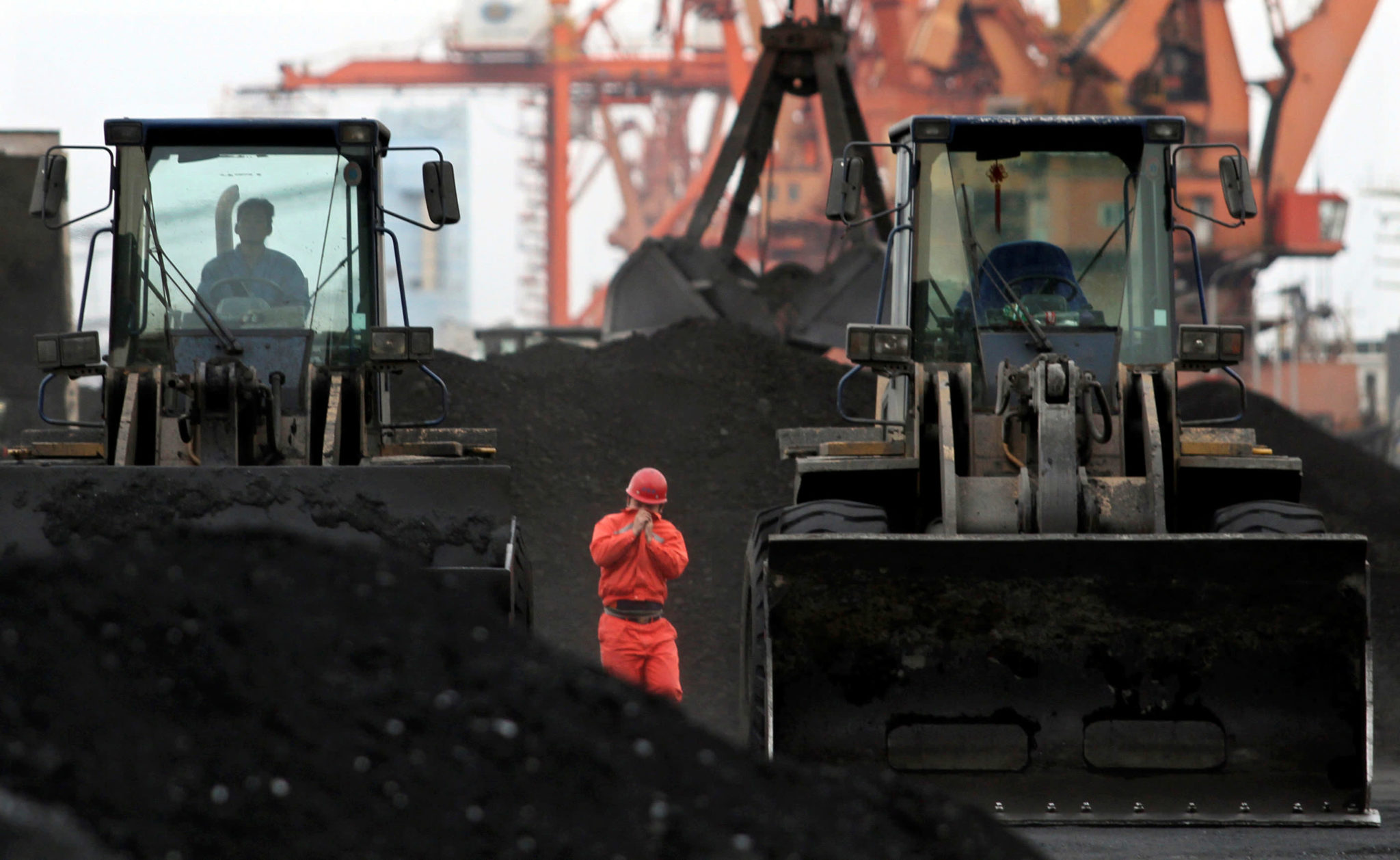
    Indonesia President Joko “Jokowi” Widodo will decide on Tuesday (31/07) whether the government’s policy on coal for domestic use should be revised, considering both the need for price stability and for reducing the current external deficit.

    The government in March set a ceiling price for 25 percent of its coal production bound for state utility company Perusahaan Listrik Negara at $70 a metric ton, in order to keep electricity prices stable ahead of the 2019 elections.

    The quota and price cap mean miners miss out export revenues amid the commodity’s rising global price, to the tune of $5 billion a year, a substantial amount that could reduce Indonesia’s current account deficits, Coordinating Maritime Affairs Minister Luhut Pandjaitan said on Monday (30/07).

    The government may charge a coal sales tax to coal companies at between $2 and $3 per ton to subsidize PLN. A new agency could be established to manage the process.

    The government may also revise the 25 percent quota to allow coal with energy levels above 4,500 kilocalories per kilogram (kcal/kg) or below 4,000 kcal/kg to be exported, because PLN needs it between 4,000 and 4,500 only, said Rosan Roeslani, chairman of Indonesia’s Chambers of Commerce and Industry (Kadin), who was present in a discussion with top government officials on Monday.

    All revisions will still need to be discussed with the coal and power industry, and their impact on state revenue would need to be calculated, Luhut said.

    “Even if this happens it will probably be next year at the earliest,” he said.

    Indonesia is the world’s top exporter of thermal coal, and its economy has benefited from rising demand for the dirty fuel — which hit $104.65 a ton in July — the highest since May 2012.

    Expert and consumer groups are against the government’s proposal.

    “Abandoning the domestic coal price will be a blunder policy, which will not increase foreign exchange from coal exports to reduce the balance of payment deficit, but only increases the income of coal businesses as well as the cost of production for PLN,” Fahmy Radhi, an energy analyst at Gadjah Mada University, said in a statement on Sunday.

    PLN would bear $3.68 billion in additional costs to buy coal at the current market price, Fahmy said. Even with the sales tax on coal companies, which is estimated to bring $1.28 billion, PLN would still be left with an additional expense of $2.40 billion.

    PLN has been under financial pressure for the past few years, trying to meet the government’s plan for 35,000 megawatts of additional power capacity.

    In September, Finance Minister Sri Mulyani Indrawati sent an official letter to Energy and Mineral Resources Minister Ignasius Jonan and State Enterprises Minister Rini Soemarno, warning of PLN’s poor financial performance.

    The company suffered losses of Rp 6.49 trillion in the first half of this year. In the same period last year it recorded a net income of Rp 510 billion.

    “If the rule is really implemented, then it means the government favors more the interests of a handful of people [coal businessmen] rather than the interests of a larger community — electricity consumers,” Tulus Abadi, managing director at the Indonesian Consumer Protection Foundation (YLKI), said in a statement.

  • Indonesian Energy Ministry Scraps Hundreds of Troubling Regulations to Boost Investment

    Indonesian Energy Ministry Scraps Hundreds of Troubling Regulations to Boost Investment

    Indonesia has revoked 186 regulations in the energy and mineral resources sectors that were considered troubling, as the country seeks to improve the investment climate, while improving the ease of doing business, a minister said.

    “This is important, as was instructed by the president; we have to be business- and investment-friendly to increase employment and boost economic growth,” Energy and Mineral Resources Minister, Ignasius Jonan said at a press conference in Jakarta on Monday (05/03).

    He explained that 90 general regulations and another 96 related to permits, certification requirements and government recommendation prerequisites for certain projects in the energy and mineral resources sectors have been revoked.

    Indonesia seeks to lure $50 billion in investment in the energy and mineral sectors this year alone.

    The regulation regulations were applied by different directorate generals in the ministry, including oil and gas, minerals and coal, and new and renewable energy.

    The Directorate General of Minerals and Coal saw the revocation of 32 general and 64 permit-related regulations.

    Ministry officials will start to inform the relevant stakeholders about the newly scrapped regulations in the coming weeks, Ignasius said.

    “We hope the cuts will have a quick impact, so that the business world will experience a better, less bureaucratic service,” he added.

  • New regulations legalise betting services

    New regulations legalise betting services

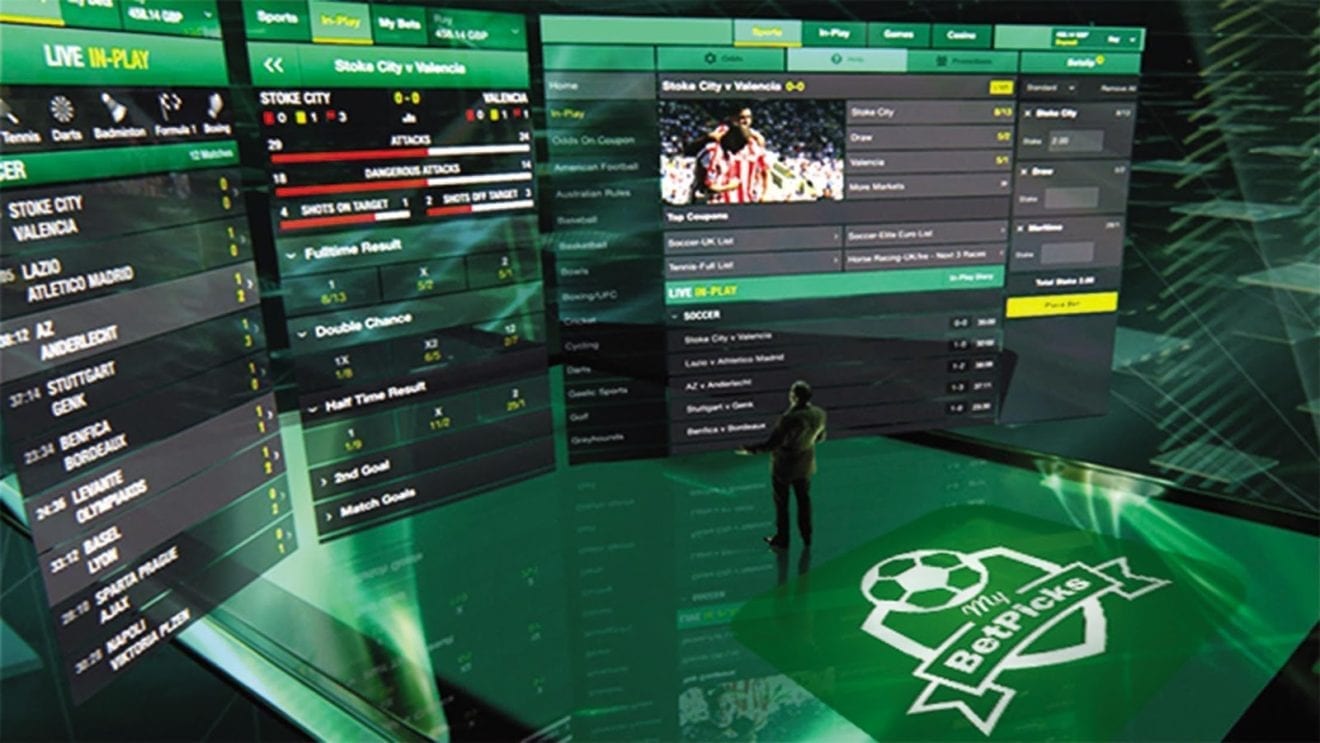
    Previously, casinos were only open to foreign passport holders and gambling was illegal in Vietnam. The prime minister recently signed Decree 6 that allows eligible firms to sell tickets and provide betting services on horse and dog racing and betting on foreign football matches.

    However, firms are not allowed to determine the time to start and end the betting and only Vietnamese dongs are allowed to use in betting. The decree also states that the government does not encourage the development of these services. The project is still in the pilot stages, and customers would be able to participate in legal football betting from March 31.

    According to the Ministry of Finance (MoF), there are many illegal betting services and the authorities don’t have enough personnel to manage and control these services. The MoF said those services could cause negative effects on social order and lead to the illegal transfer of money abroad.

    The new regulations are expected to help the authorities better manage betting services. A new decree on casinos was also issued in January to attract investors into resorts projects and boost local tourism. The 3-year pilot programme allows Vietnamese to gamble in casinos.

    The MoF said legal betting would satisfy ‘entertainment demand’, reduce illegal gambling sites and stop people spending money abroad.

  • Indonesia introduces new regulations for fintech startups

    Indonesia introduces new regulations for fintech startups

    Indonesia’s financial services authority (OJK) has issued its first regulations relating to financial technology, or fintech, companies running peer to peer (P2P) lending services, Deal Street Asia has reported.06 Jan 2017

    The regulation lays out minimum capital requirements, interest rate provision and education and consumer protection rules.

    Every fintech P2P lending firm must now register and secure a business licence from the authority, the report said.

    A company must have Rp1 billion (£61,000) in capital to register, and a further Rp2.5 billion to apply for a business licence. These figures are approximately half those that had been proposed in draft regulations, the news site said.

    Foreign ownership is limited to 85%, Deal Street Asia said.

    No maximum interest rate has been set, which again contradicts previous drafts of the regulations which set a cap of seven times Bank Indonesia’s seven-day reverse purchase rate per annum, the news site said.

    Muliaman Hadad, chair of OJK, told that the regulation was only an initial step in the authorities’ efforts to regulate and supervise the business.

    “What’s important is they get onto our radar because we don’t want to regulate the prudential aspects hastily. We want to provide business transparency guidelines first,” Hadad said.

    The OJK also has implemented a regulatory sandbox for firms to test services for consumers, the newspaper said.

    Bryan Tan of Pinsent Masons MPillay, the Singapore joint venture partner of Pinsent Masons, the law firm behind Out-Law.com said: “The Indonesian fintech market is one which has huge potential for its large consumer base and the unbanked, which is different from the financial service hub role that Singapore, Hong Kong and London play.”

    “This means that fintech regulations on payments and digital banking would be more keenly looked at, as opposed to fund-raising type activity,” Tan said.

    “A large potential customer base that is largely unbanked is a huge attraction for banks looking to expand and technology may be an enabler to that. The Indonesian regulation is clearly an evolving one and picking a leaf from the markets around it,” he said.

    Bank Indonesia set up a dedicated office and regulatory sandbox in November 2016 to help fintech developers.

    It will also provide services to help developers to understand Indonesia’s regulatory policies on fintech, gather and disseminate information on developments, and hold regular meetings with authorities and international bodies interested in the use of technology in finance, Bank Indonesia said.

    Indonesia’s launch of a regulatory sandbox for fintech follows similar announcements from Singapore and Hong Kong, with both countries following the lead taken by the UK’s Financial Conduct Authority (FCA) in developing a regulatory sandbox initiative.

    Singapore launched a sandbox in June, and released updated guidelines for the service this month.