Retail News CRM

Tag: remitance

  • AirAsia’s BigPay Launches International Remittance Services

    AirAsia’s BigPay Launches International Remittance Services

    BigPay, the financial services venture by Malaysian low-cost carrier AirAsia, has announced the fixed-rate international remittance services across Southeast Asia.

    BigPay is rolling out cross-border transfers for its users to Singapore, Thailand, Indonesia and the Philippines. Such transfers can be done using its mobile application, and will be charged at a fixed rate for each corridor at competitive exchange rates, with no hidden fees or charges, the firm said in a press release.

    Technology can dramatically reduce the cost of remittance and we want to make it easy for people to move money abroad – whether it is sending money to family, friends or other overseas payments – without having to pay exorbitant exchange rates and transfer fees,» said CEO and co-founder Chris Davison.

    Davidson added that financial inclusion is a cornerstone of BigPay, and offering low-cost and accessible money transfers is part of its strategy to address this.

    BigPay was launched in 2018 by AirAsia as an e-wallet, hoping to leverage the low-cost carrier’s dominance in regional air travel in Southeast Asia. It promised to reduce the cost of air travel, including the cost of foreign transactions when traveling. A key differentiator is that it waives markups on foreign exchange, and other transactional fees charged by traditional debit and credit cards.

    Operating on a challenger bank model, BigPay has also tied up with MasterCard, which provides users access to 35 million merchants globally, and will soon venture into offering loans.

    BigPay has more than 750,000 users as of July 2019, and its transactional volume has been growing 20 percent month-on-month, which also said that BigPay plans to launch in Singapore by year-end.

  • Singapore Payments Startup InstaReM Partners Thai Banking Group

    Singapore Payments Startup InstaReM Partners Thai Banking Group

    Digital remittance company InstaReM has partnered Thai banking group Kasikornbank in an agreement that would see the Singapore startup power cross-border payments for the bank’s clients in select markets, it announced in a press release on Thursday.

    This relationship further cements InstaReM’s position as a leading provider for cross-border transactions. With InstaReM, KBank clients will be able to realize faster turnarounds, while providing certainty on delivery times and payout amounts, Prajit Nanu, co-founder and CEO of InstaReM, said.

    “This is an important partnership for KBank at an exciting stage in our evolution. We are continuing to expand our cross-border payment capabilities into key markets across the world, as we are witnessing increasing demand from our customers.

    Kasikornbank is Thailand’s second-largest and Southeast Asia’s eighth-largest bank in terms of total assets, at $96.9 billion, according to data from Forbes. At $14.5 billion, it is also the country’s largest bank in terms of market capitalization.

    InstaReM, which has a presence in 40+ countries in Asia-Pacific, North America and Europe enables low-cost cross-border payments to 55+ countries. It has enhanced its payments capabilities by partnering global payments leaders like Ripple, Visa and First Data.

    In March, the firm announced the close of its $41-million Series C funding round, which will be used to support growth and expansion to new markets, including opening a regional headquarters in Latin America and expanding its teams in London and Seattle, the firm said. This brings the total funding InstaReM has raised to $59.5 million since it started operations in 2015.

    It is expected to receive licenses for Japan and Indonesia later this year, and continues to prepare for an initial public offering, planned for 2021.

  • LuLu Financial Group expands Philippines footprint with remittance service

    LuLu Financial Group expands Philippines footprint with remittance service

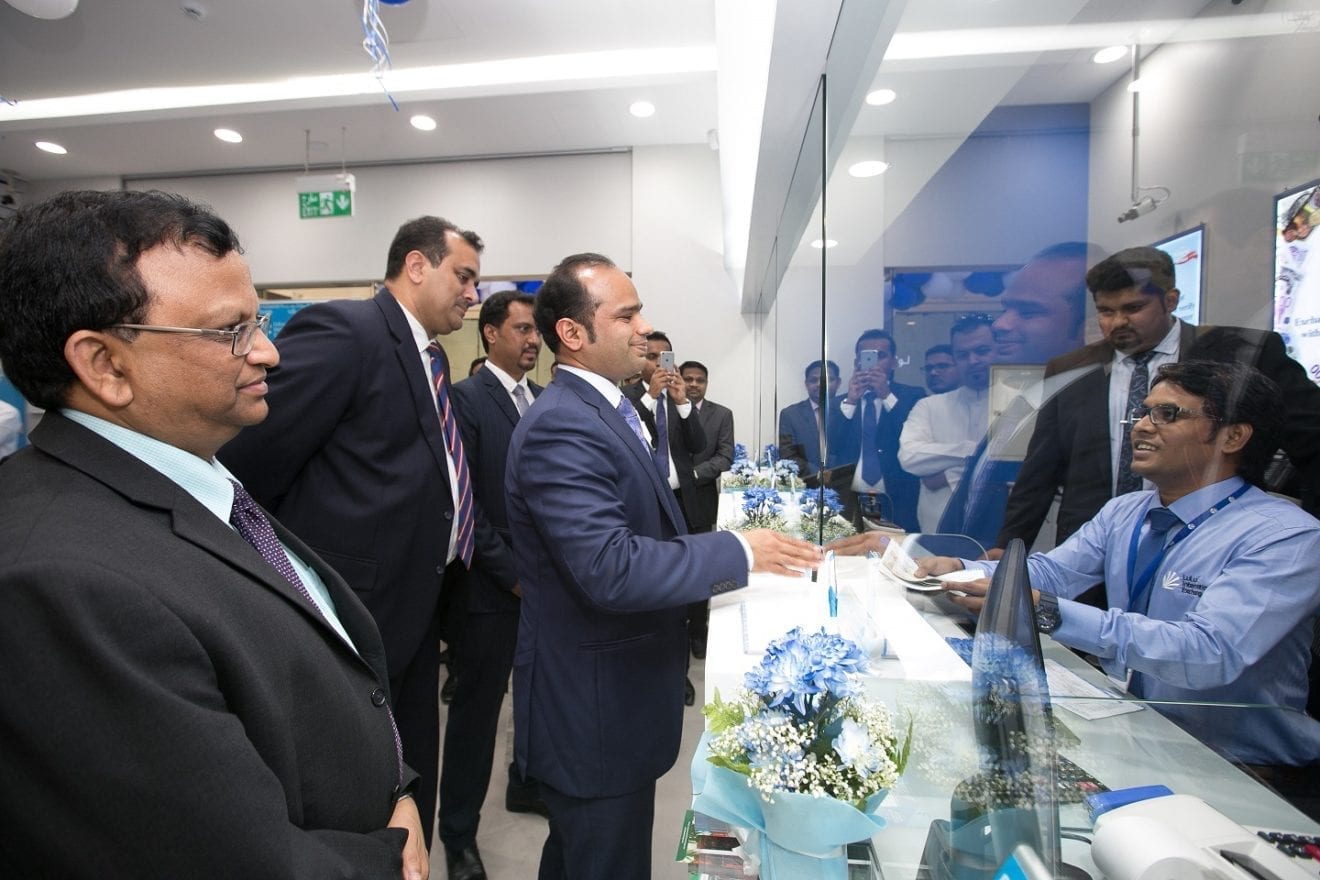
    Abu Dhabi-based LuLu Financial Group, one of the largest retail conglomerates in the UAE, is expanding its presence in the Philippine remittance and foreign exchange industry.

    The move aims at encashing the strong economic ties between Middle East and the Philippines and the increasing number of the deployment of overseas Filipino workers in the region.

    A significant chunk of the nearly $30 billion sent home each year by almost five million expatriate Filipinos can be channeled toward more productive sectors like helping finance the government’s infrastructure buildup program, reported Inquirer.

    “The economic bond between the Philippines and the nations of the GCC are strong and getting stronger, given the large number of Filipinos working there and sending money back home,” LuLu Financial managing director and CEO Adeeb Ahamed had reportedly said earlier.

    He was referring to the GCC region, which played host to an estimated 2.2 million Filipino contract workers. About one-fourth of the yearly dollar remittance tally that helps boost the Philippine economy comes from this region, the report said.

    Ahamed was quoted as saying that this huge potential encouraged LuLu Financial to open its third foreign exchange and remittance office in the Philippines to better serve Filipino clients in its home region.

    LuLu Financial is a non-banking financial organization. It deals in foreign exchange, global money transfer and salary and wage administration. It has 132 branches worldwide, staffed by over 1,500 employees.

    Ahamed reportedly said the group had the physical network to be able to serve GCC-based Filipinos’ remittance needs close to their workplaces.

    He said the remittance business in the Middle East might already be crowded, but LuLu Financial’s ties with its parent gave it the advantage of being closer to its clients.

    Ahamed said it would be a good idea for the Philippines to try to harness the financial muscle of remittances from overseas Filipinos, similar to what the India had done.

    He reportedly cited the case of a major international airport in India which was built with funds raised from overseas Indian workers through retail placements of equity shares.

    “This was built using the public-private partnership model,” he said.

    “Funds were raised, airport was completed and the retail shareholders saw the value of their stocks rise sharply. This is something the Philippines can also do.”

    For starters, Ahamed was quoted as saying by Inquirer, it would be a good idea for the government to forge ahead with its plan to create a bank dedicated to serve the OFW community.