Tag: remittances

  • Philippine Cash Remittances Reach Seven-Month High of $3.2 Billion in July

    Philippine Cash Remittances Reach Seven-Month High of $3.2 Billion in July

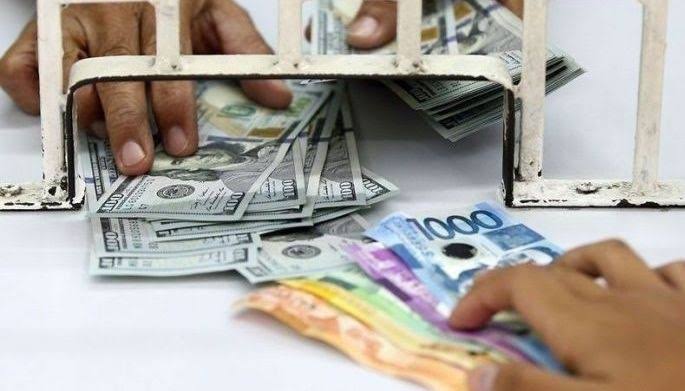
    Cash remittances sent home by overseas Filipinos rose 1.9 percent year on year to $3.2 billion in July, according to the Bangko Sentral ng Pilipinas.

    That is the highest single-month inflow since December 2025. Inflows reached $3.5 billion that month.

    Commercial bank transfers gained 2.3 percent through the first seven months to reach $20.4 billion. Full-year remittances should reach $36.6 billion under central bank projections. That would represent a 2.7 percent increase over 2025.

    Currency weakness and household purchasing power

    Growth came as the Philippine peso weakened toward 63 against the US dollar. A softer peso yields more local currency per transferred dollar. While that often prompts overseas workers to trim wire volumes, total dollar values climbed anyway.

    Retail chains and packaged goods suppliers rely on these monthly transfers to sustain basic basket sales. Headline inflation remains above the central bank’s 3 percent target. Because of that, grocers need family incomes bolstered by overseas cash to maintain volume growth.

    Top source markets and correspondent banking channels

    The United States generated the largest share of reported funds, followed by Singapore and Saudi Arabia. North America hosts major global remittance and correspondent banking clearing hubs. That concentration skews the reported US total higher, the central bank noted.

    These inflows anchor domestic private spending for mall landlords, department stores, and consumer goods distributors across Manila and regional urban centers. Retail foot traffic slowed in the third quarter due to Middle East tensions and severe monsoon storms at home. Steady foreign transfers kept merchant revenue afloat.

    Remittances continue to demonstrate resilience and remain a critical buffer for the Philippine economy.

    Rebound from second-quarter deceleration

    July’s 1.9 percent pace marked a rebound after remittance growth slipped to multi-year lows in June. Overseas workers continue to prioritize family allowances despite economic uncertainty across host countries.

    Banks and digital money platforms have cut cross-border transfer friction to boost deposit volumes. Faster processing sends household liquidity straight to local checkout counters without clearing delays.

    What to watch through year-end

    Monetary officials will track third-quarter figures to see if transfers match the $36.6 billion annual projection. Store operators will focus on whether fourth-quarter holiday transfers match the $3.5 billion seasonal peak recorded at the close of 2025.
  • HCMC’s Overseas Remittances Drop 23% Amid Global Economic Challenges in H1 of 2026

    HCMC’s Overseas Remittances Drop 23% Amid Global Economic Challenges in H1 of 2026

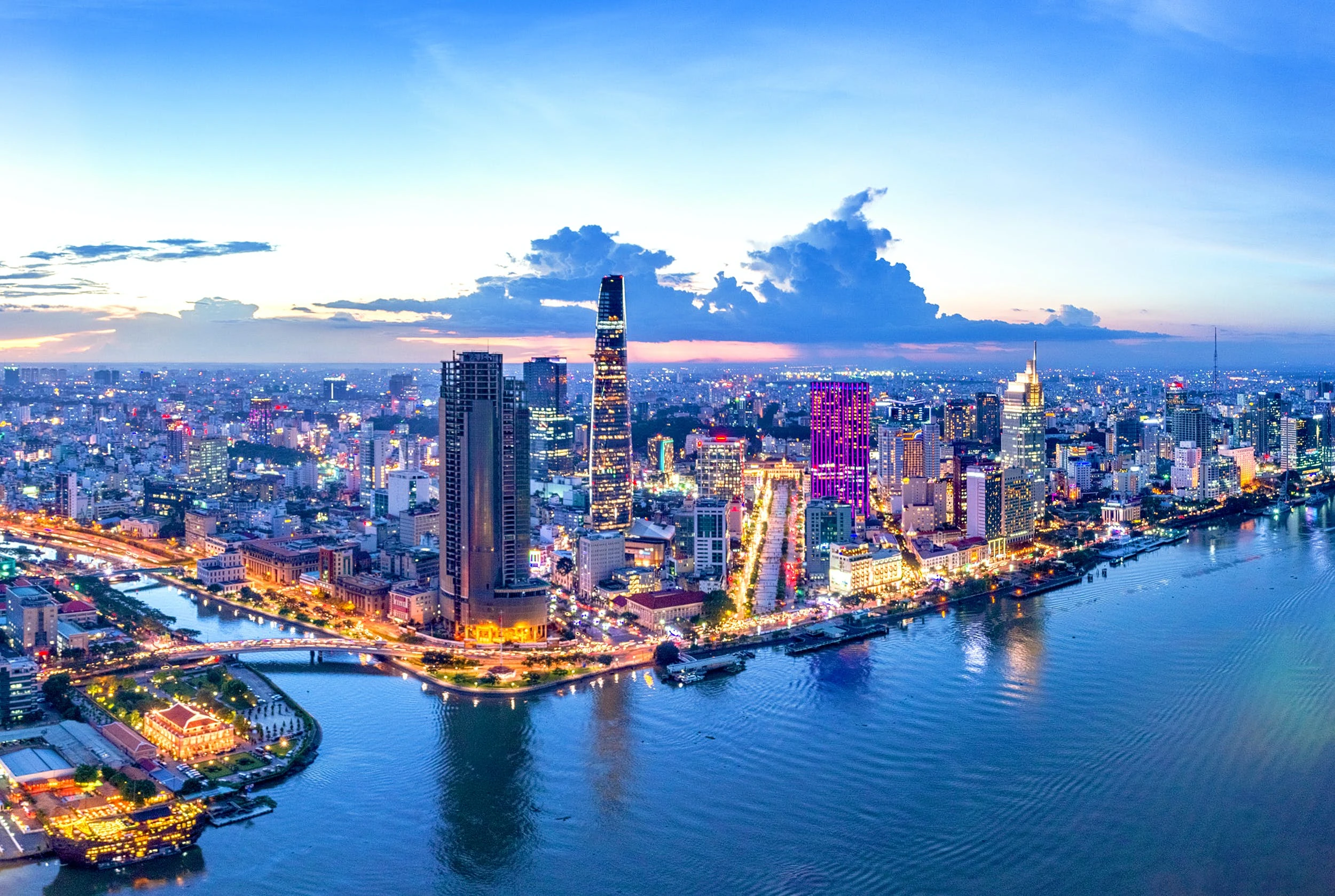
    In the first half of 2026, Ho Chi Minh City (HCMC) received over $4 billion in remittances, marking a considerable decrease of almost 23% compared to the same period in the previous year. Factors contributing to this downward trend include a sluggish global economy, more restrictive immigration policies, and shifts in capital flows, all of which negatively affected overseas Vietnamese transfers.

    During the second quarter, remittances that were transferred via credit institutions and economic organizations amounted to $2.03 billion. Although this reflects a slight increase of 1.4% from the first quarter, it is a significant decrease of 27.9% compared to the same quarter last year, as reported by the State Bank of Vietnam (SBV)’s Region 2 Branch.

    Geographical Distribution of Remittances

    Tran Thi Ngoc Lien, the Deputy Director of the SBV’s Region 2 Branch, disclosed that Asia continued to be the most significant source of remittances, contributing over $1 billion, representing 49.3% of total inflows. This figure is up by 9.8% from the previous quarter. The Americas came in second, contributing $672.6 million, making up over 33% of the total.

    In the first quarter, remittances from Asia increased by 9.8%, becoming the primary force of recovery. However, inflows from Europe, the Americas, and Oceania decreased.

    For the first six months, Asia and the Americas remained the leading sources, accounting for over 81% of total remittances. Asia led the way with $1.92 billion, accounting for 47.5% of the total. The Americas followed with $1.38 billion, or 34.1%, and Oceania contributed $418.3 million or 10.4% of the total.

    Contributing Factors and Future Projections

    According to Lien, the decline in remittances is attributed to a mix of international and domestic factors. Slow global economic growth, the strong U.S. dollar, and stricter immigration policies in several countries have all affected employment and income, impeding the ability of overseas Vietnamese to send money home.

    Inflationary pressures, increased living costs, labor market changes, and tax policy adjustments related to certain money transfer transactions have also impacted the Americas, particularly the U.S. – a significant remittance market for HCMC.

    Domestically, the SBV’s Region 2 Branch pointed out that some investment channels have not been attractive enough to absorb remittance capital. Moreover, the interest rates for foreign currency deposits have remained at 0%, leading some overseas Vietnamese to keep their funds abroad or shift them to other investment assets.

    Nevertheless, the SBV’s Region 2 Branch predicts a potential recovery, provided the global economy avoids major disruptions, and the current recovery trend persists in the second half of the year. The projections suggest that HCMC’s total remittance inflows in 2026 could reach between $8.6 and $8.9 billion.

    Despite being below levels recorded in previous years, remittances are expected to recover more noticeably on a quarterly basis, bolstered by the easing of international interest rate conditions, exchange rate stability, and the continued effectiveness of banks’ remittance promotion programs.

    Questions & Answers

    Why have remittances to HCMC reduced significantly in the first half of 2026?
    The decline can be attributed to global economic challenges, tighter immigration policies, and shifts in capital flows that have affected overseas Vietnamese transfers.

    Which regions are the main contributors to remittances to HCMC?
    Asia and the Americas are the two principal sources of remittances to HCMC, collectively accounting for over 81% of total remittances.

    What are the expectations for HCMC’s remittances in the second half of 2026?
    If the global economy remains stable and the current recovery trend continues, HCMC’s total remittance inflows are projected to reach between $8.6 and $8.9 billion in 2026.