Retail News CRM

Tag: remote

  • Revolutionizing Auto-Updates: Kia Introduces Industry-First Plant Remote OTA for Seamless Driving Experience

    Revolutionizing Auto-Updates: Kia Introduces Industry-First Plant Remote OTA for Seamless Driving Experience

    Kia India has recently unveiled an innovative feature in its line of vehicles, the Plant Remote Over-The-Air (OTA) feature, as part of its ongoing commitment to provide seamless and smart mobility options geared toward improving the overall customer ownership experience.

    The Plant Remote OTA Feature

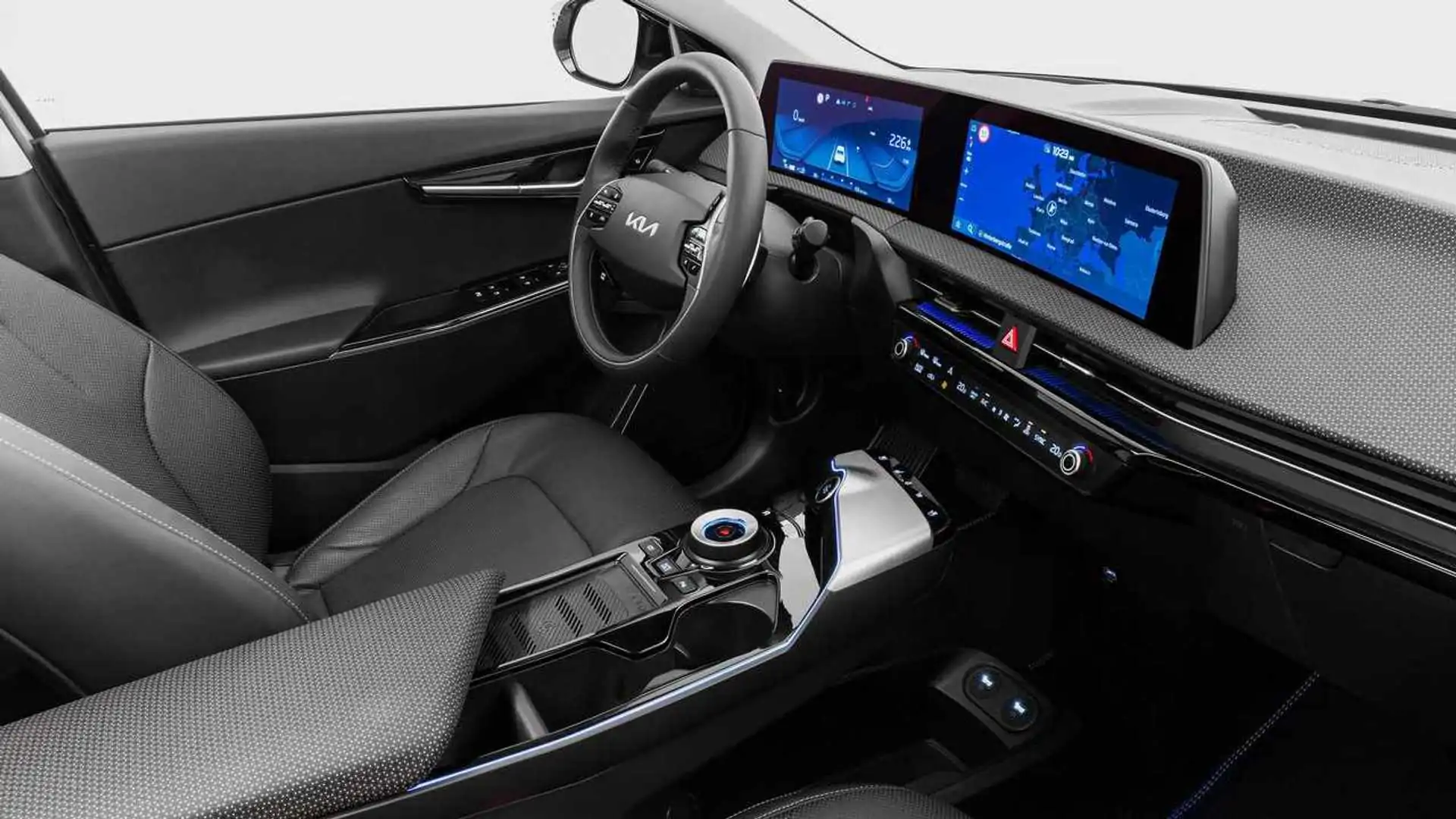
    The Plant Remote OTA feature will be available in Kia India’s latest models with integrated Connected Car Navigation Cockpit (CCNC) technology. This revolutionary feature guarantees that every connected Kia vehicle will receive the latest software updates remotely before departing the factory. This ensures that customers can enjoy an enhanced driving experience, with their new cars already upgraded and ready for use immediately upon delivery.

    Atul Sood, the Senior Vice President for Sales & Marketing at Kia India, expressed his excitement about the rollout of this feature. He emphasized how it embodies Kia’s commitment to spearheading innovation that genuinely heightens the customer journey. According to him, through this initiative, every vehicle will leave the factory equipped with the latest software, significantly enhancing the customer ownership experience by making it more convenient, intelligent, and future-ready. He added that this achievement further cements Kia’s vision for connected mobility, displaying the brand’s dedication to inspiring movement through advanced technology and significant innovation.

    Benefits for Customers

    One of the key benefits of this initiative is that it substantially reduces the need for manual intervention or visits to the dealership. As soon as customers take delivery of their new vehicle, they can instantly access a comprehensive suite of connected services and features.

    Additional Implementations

    The Plant Remote OTA feature, which is compliant with the Connected Car System 2.0 (CCS 2.0) through leveraging Controller OTA functionality, further solidifies Kia India’s position as a leader in tech-driven mobility solutions. The Plant OTA will also be incorporated across all future connected models, thus bridging the gap between production and delivery via timely features and security updates. This will significantly boost customer satisfaction levels and enhance the overall ownership experience.

    Questions & Answers

    What is the Plant Remote OTA feature introduced by Kia India?
    The Plant Remote OTA feature ensures that every connected Kia vehicle is updated with the latest software remotely before it leaves the factory, providing customers with an upgraded and ready-to-drive experience right from the point of delivery.

    How does the Plant Remote OTA feature benefit customers?
    This feature eliminates the need for manual intervention or visits to the dealership, enabling customers to access a full suite of connected services and features immediately upon receiving their vehicle.

    Will the Plant Remote OTA feature be included in future Kia models?
    Yes, the Plant OTA feature will be incorporated into all future connected models, facilitating timely feature and security updates between the production and delivery stages, thereby enhancing customer satisfaction and the overall ownership experience.


  • Air New Zealand’s ‘Mission Next Gen Aircraft’ calls for airports

    Air New Zealand’s ‘Mission Next Gen Aircraft’ calls for airports

    Air New Zealand is looking for two airports to further support its efforts towards decarbonization and has opened an expression of interest as part of selecting a route to fly its commercial demonstrator aircraft from 2026. 

    The move is part of the airline’s ‘Mission Next Gen Aircraft’ launched in December last year, where the carrier announced partnerships with Eviation, Beta, VoltAero and Cranfield Aerospace with plans to launch the first-zero emissions demonstrator flight by 2026. 

    Air New Zealand is working towards its ambition of flying next-generation aircraft on its domestic network from 2030. The airline will work with its partners to develop the technology and associated infrastructure required to make this a reality. The commercial demonstrator aircraft will be either electric, hybrid or hydrogen fuel celled, initially operating as a cargo-only service. The airline said it will announce the type of demonstrator aircraft it will use from 2026 by early next year. 

    “Decarbonising aviation is not easy, and we’ve got a lot of work ahead of us, but we’re committed to reducing our emissions as quickly as we can, and this process is another step in the right direction,” said Kiri Hannifin, Air New Zealand’s chief sustainability officer. 

    “While we’re looking forward to bringing two frontrunner airports on board, it’s also important to note that all airports in New Zealand play an important role as we work towards bringing next-generation aircraft into our network here in Aotearoa at scale.  

    “The selected airports will be leaders in supporting the implementation of this new technology and will be the conduit of information between airports across the motu as we drive the change required in advance of our larger fleet replacement needs from 2030.” 

  • Working Remotely Not a Priority for Young People

    Working Remotely Not a Priority for Young People

    Working remotely takes a back seat as young people prioritize other aspects at work, a Credit Suisse Survey says.

    A good boss and a good salary are the top priorities among an international group of young people surveyed online by market and opinion research company gfs.bern and Credit Suisse published Tuesday.

    Working from home and flexible working hours, which gained importance in prior years, are no longer top priorities among young people, the survey found.

    Instead, an employer’s tolerance and generosity toward employees were mentioned as very important, while team diversity and environmental friendliness featured in the mid-range of priorities.

    Another shift can be seen in the confidence levels and concerns of this group.

    While those surveyed two years ago were focused on the pandemic and sociopolitical issues, this year’s results show that the younger generation’s confidence in the future has declined significantly, with many concerned about the war in Europe.

    The survey, which aims to provide insight into the lifestyles, problems, and attitudes of young people, was sent to 1,000 young people between 16 and 25 years of age in Switzerland, Brazil, the US and Singapore.

  • Google TV app will turn your phone into a remote control for Android TVs

    Google TV app will turn your phone into a remote control for Android TVs

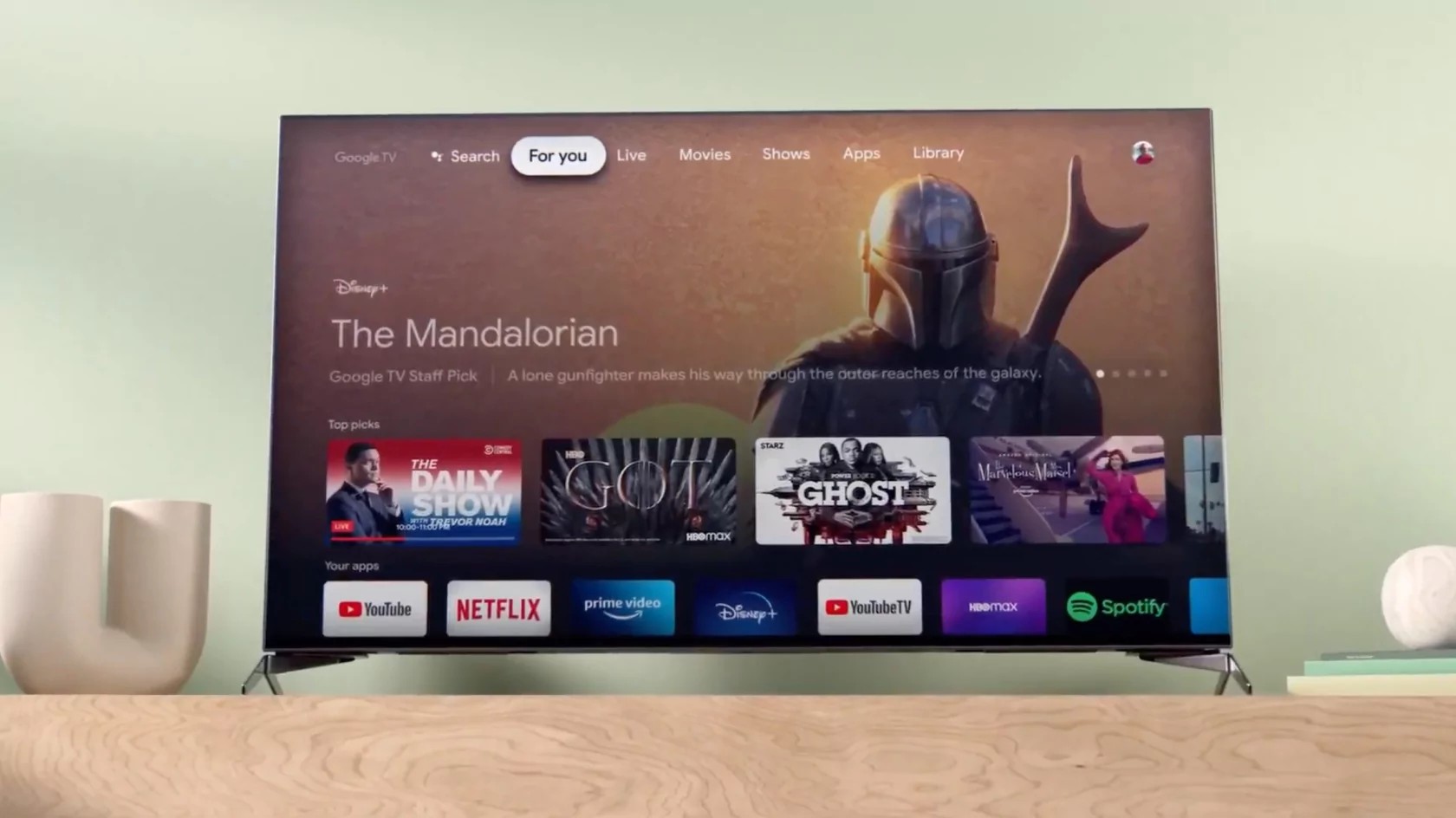
    Android TV owners can already use their phones a remote controls thanks to the Android TV Remote Control app. However, that app hasn’t been updated forever, a sign that Google has other plans for the app and the functionality it offers.

    Those plans have been revealed today when 9to5google discovered code strings in the Google TV app (previously known as Play Movies & TV) that suggest Google is about to add the same remote control capability available in the Android TV Remote Control app.

    The strings refer to a directional pad, enter and back buttons, and the ability to pair a phone to an Android TV, which is exactly what a remote control would do. Unfortunately, the option to turn your phone into a remote control with the Google TV app is not yet functional, but at least we know that you won’t have to use a standalone app to do that.

    Judging by how fast Google is bringing new features to its apps, it won’t be surprising to see the new functionality arriving in just a couple of weeks. We’ll keep our eye peeled for any developments, so stay tuned.

  • Australia’s second NBN satellite targets remote areas

    Australia’s second NBN satellite targets remote areas

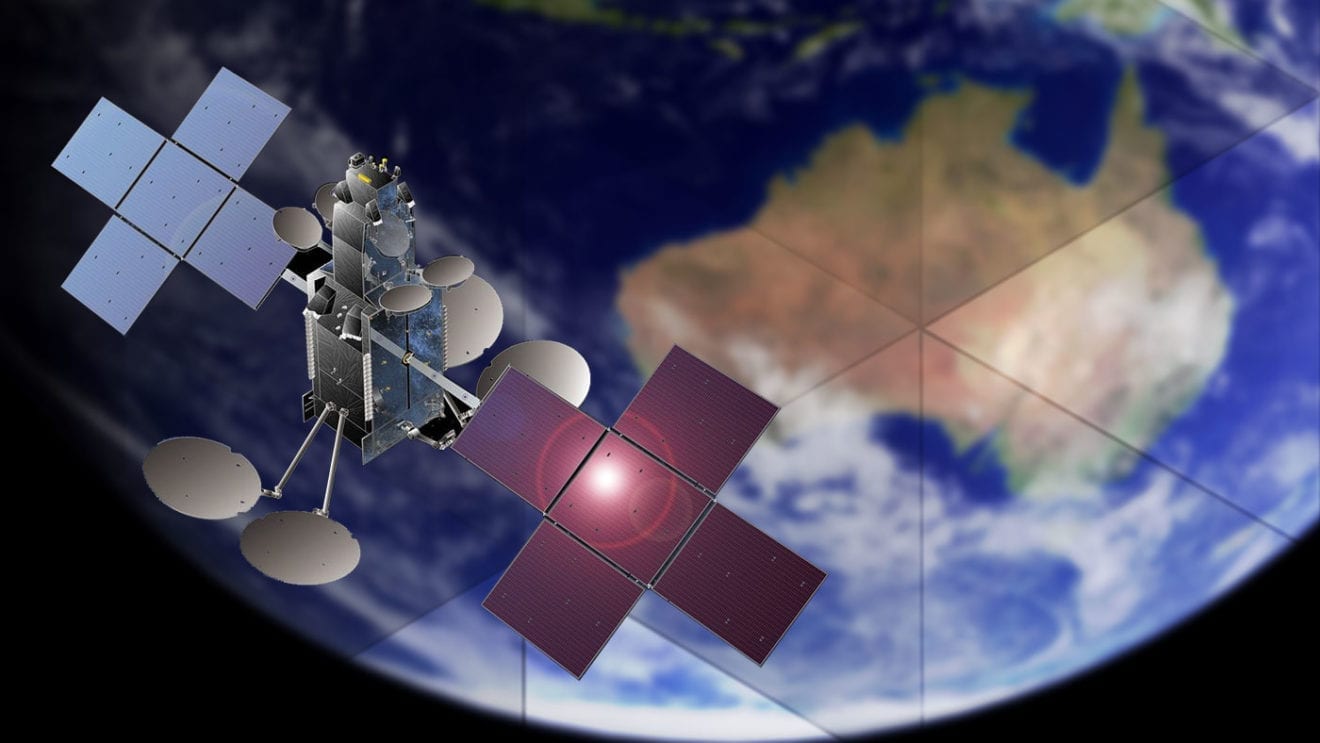
    Last week’s successful launch into orbit of the second broadband satellite of Australia’s national broadband network, Sky Muster II, is expected to provide fast broadband services for rural and remote areas in the country.

    An estimated 400,000 Australian homes and businesses are set to benefit.

    “This service is already helping to improve healthcare outcomes by connecting remote patients to city specialists, delivering access to a new world of educational opportunities for kids in the bush and increasing productivity for local small businesses,” said nbn’s CEO Bill Morrow.

    “We are ensuring that no Australian is left behind by providing access to fast broadband for those who need it the most,” he added.

    Minister for Communications Mitch Fifield and Minister for Regional Communications Fiona Nash welcomed the launch, saying it will help bridge the digital divide between the cities and the country.

    The Australian government has invested $2 billion in two purpose-built broadband satellites and a network of ground stations that make up the Sky Muster service. The first satellite, Sky Muster, was launched in October last year.

    “Services went live in April this year and already, almost 31,000 homes and businesses are experiencing the benefits of nbn’s world-class satellite broadband,” Fifield said.

    The satellites are expected to revolutionize many services that rural Australians rely on, such as distance education for students in remote areas, and will be a game changer for rural business and agriculture.

    “As a farmer from rural NSW myself, I know how crucial fast and reliable broadband is for rural, regional and remote Australia,” Minister Nash said.

    The satellites offer download speeds of up to 25 Mbps and upload speeds of up to 5 Mbps. With a total capacity of 135 Gbps, the new satellites are a vast leap forward from the 4 Gbps of capacity provided by the previous government’s interim satellite service.

  • Amazon launches new Fire TV stick with Alexa remote

    Amazon launches new Fire TV stick with Alexa remote

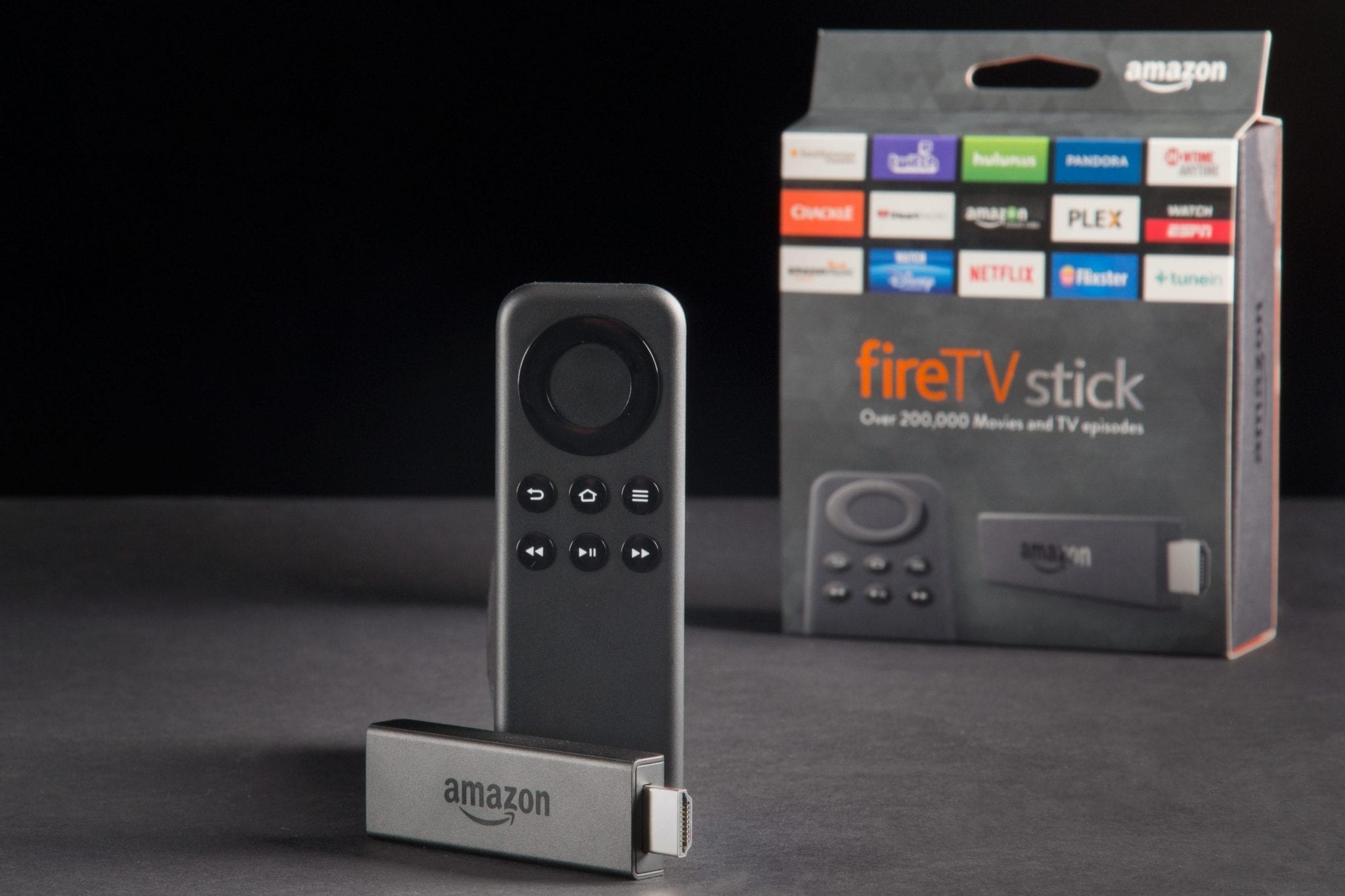
    Amazon has unveiled the all-new Fire TV Stick with Alexa Voice Remote, touted as the most powerful streaming media stick available.

    The company said the next generation Fire TV Stick is up to 30% faster than the original version, and offers access to over 300,000 movies and TV episodes, and includes the Alexa Voice Remote.

    The only streaming media stick with a voice remote, the new Fire TV Stick is available for pre-order and will begin shipping to United States customers on October 20.

    Eligible customers who purchase and activate their device by October 31 will also receive a free content package worth up to$65, including one month of Sling TV, two months of Hulu, and a $10 credit for Amazon Video to rent or purchase new releases or old favorites.

    “With more than 120,000 reviews and a 4.2 star rating, our customers made the Fire TV Stick the most reviewed product ever on Amazon,” said Marc Whitten, VP at Amazon Fire TV.

    “The new Amazon Fire TV Stick has been completely redesigned with incredible performance, powerful voice search and the included Alexa-powered remote to deliver instant access to a vast selection of movies, TV shows, games and Alexa skills,” said Whitten.

  • APAC telehealth market to hit $1.79b by 2020

    APAC telehealth market to hit $1.79b by 2020

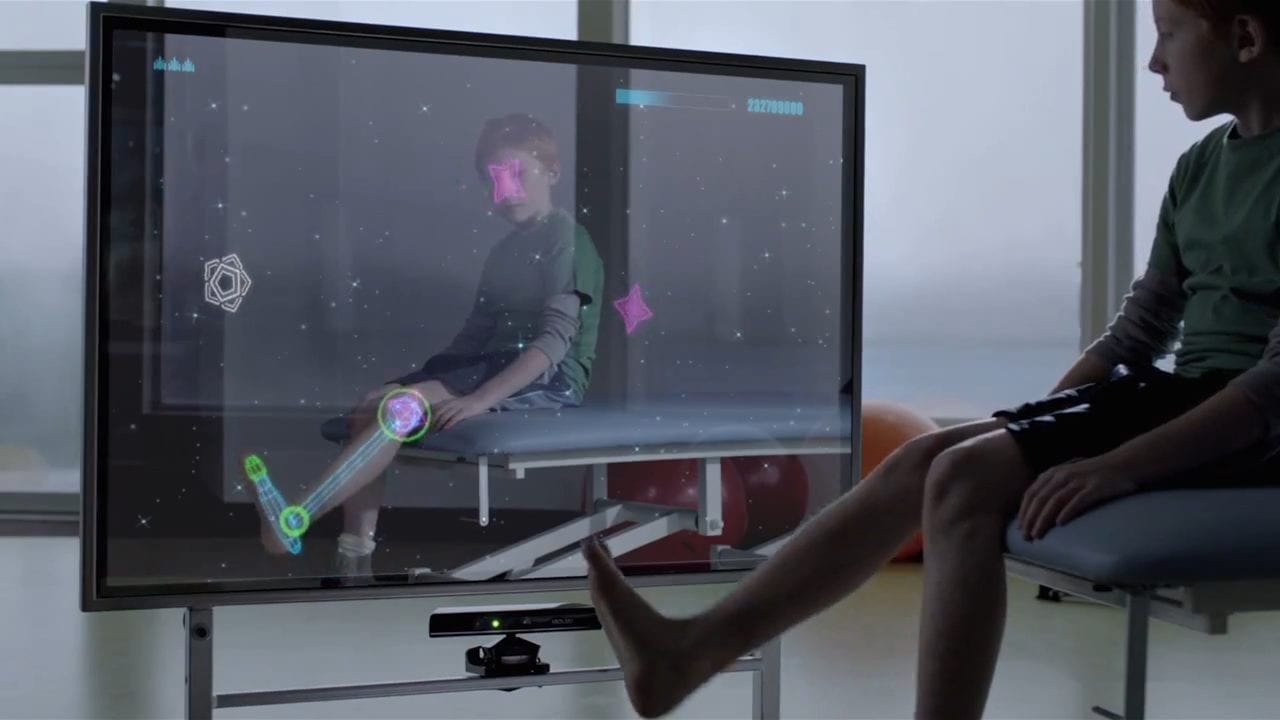
    Increased usage of mobile and broadband internet in the Asia-Pacific region are driving the adoption of new healthcare delivery models, new analysis from Frost & Sullivan shows.

    The research indicates that telehealth is helping to address challenges like rising costs, increasing incidence of chronic and infectious diseases, and ageing populations.

    The telehealth market in the region, which includes telemedicine, remote patient monitoring (RPM) and mobile health (mHealth), is estimated to reach $1.79 billion in 2020 from $1.02 billion in 2015, growing at a compound annual growth rate (CAGR) of 12%.

    Telehealth is helping to optimize costs, improve resource efficiency in primary care and aged care, drive medical tourism, and engage the young and healthy population in early intervention, prevention and wellness, the report finds.

    Governments in Asia-Pacific are also playing a significant role in driving technology development and adoption by investing in infrastructure, developing telehealth and eHealth roadmaps and creating policies that directly or indirectly attract investment in health technology.

    At a country level, telecoms are also working with governments to help build Smart Cities and Smart Nation infrastructure with telehealth as a key area almost always included in a Smart City plan. Such projects allow vendors to expand their presence and penetration into strategic industries and also bring in their experience and expertise from other regions to Asia-Pacific.

    However, while the demand for telehealth technologies is strong, vendors and healthcare providers in the region, have not been able to grow their businesses to the aspired scale and volume.

    “A number of pilots have failed to reach commercialization due to poor clinician adoption, an unfavourable regulatory environment and the lack of clarity around payment models,” said Natasha Gulati, Transformational Health Industry Manager, Frost & Sullivan Asia-Pacific.

    “Establishing a sustainable business model is the single most critical business challenge for market participants today and we are constantly working with our clients to introduce business model innovation in this domain,” she said.

    The report concluded that the region now needs to explore change management strategies that will drive adoption, especially among providers.