Tag: renewable

  • Green Milestone: FedEx Pioneers Solar Energy at Shanghai Hub, Amplifying Renewable Commitment in Asia Pacific

    Green Milestone: FedEx Pioneers Solar Energy at Shanghai Hub, Amplifying Renewable Commitment in Asia Pacific

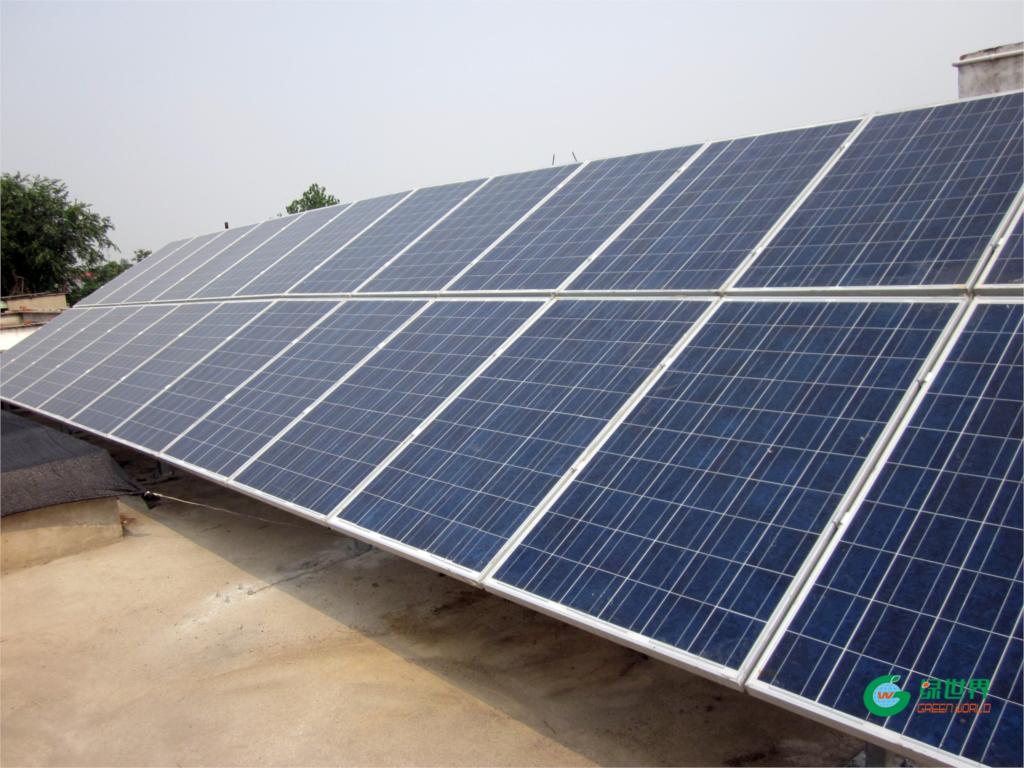
    FedEx, a global leader in express transportation, is bolstering its commitment to sustainability across the Asia Pacific through the inauguration of a new solar installation at the FedEx Shanghai International Express and Cargo Hub. This marks a significant landmark in the company’s drive towards sustainable logistics infrastructure, cementing FedEx’s position as the first and, currently, the only logistics and freight company at the Shanghai Pudong International Airport cargo area to generate on-site solar energy.

    Harnessing Solar Power in Shanghai

    The new solar installation at the Shanghai Hub takes advantage of existing parking facilities, with over 4,000 square meters of solar panels installed. This system is anticipated to produce around 743,000 kilowatt-hours of electricity each year. When compared to coal-fired power generation of the same capacity, this renewable energy source is expected to prevent roughly 417 metric tons of carbon dioxide emissions annually. The system will also reduce about 2.1 tons of particulate matter and 4.21 tons of sulfur dioxide. The electricity generated will primarily support office operations at the hub, substantially increasing the proportion of clean energy used in the company’s day-to-day activities.

    Fostering Renewable Energy in the Asia Pacific

    The newly installed solar panels in Shanghai represent the latest addition to a growing catalogue of renewable energy initiatives supporting FedEx facilities across Asia Pacific. Since November 2022, the FedEx Incheon Gateway in South Korea has been harnessing power from 2,400 rooftop solar panels, supplying about 19% of the facility’s monthly energy requirements. The building also exclusively uses LED lighting, resulting in annual energy savings of more than 22,000 kW hours.

    Moreover, since January 2025, over 50 percent of the electricity consumed at the FedEx South Pacific Regional Hub in Singapore has been generated by on-site solar energy, which also powers the company’s local electric vehicle fleet.

    Advancing towards Low-Carbon Operations

    FedEx has produced over 31 GWh of solar energy at more than 30 locations worldwide to date. The company continues to promote energy conservation, emissions reduction, and low-carbon operations via a mix of emerging technologies, digital innovation, and community sustainability initiatives, including an expanded global electric vehicle fleet, innovative digital tools and the use of emerging technologies such as AI and IoT.

    FedEx also prioritizes sustainability-focused community programs through FedEx Cares, the company’s global community engagement program. Through collaborations with NGOs and local organizations across Asia Pacific, FedEx supports environmental restoration initiatives.

    Questions & Answers

    What is the estimated annual energy production of the new solar installation at the FedEx Shanghai Hub?
    The solar installation at the FedEx Shanghai Hub is projected to generate around 743,000 kilowatt-hours of electricity annually.

    What are some of the renewable energy initiatives across FedEx’s Asia Pacific facilities?
    Some initiatives include using electricity from 2,400 rooftop solar panels at the FedEx Incheon Gateway in South Korea, and supplying over 50% of the electricity at the FedEx South Pacific Regional Hub in Singapore via on-site solar energy.

    What are some of the sustainable initiatives that FedEx has implemented?
    FedEx has implemented a range of sustainable initiatives, including vehicle electrification, innovative digital tools for efficient shipping, deployment of emerging technologies like AI and IoT for operational efficiency, and engaging in sustainability-focused community programs.
  • Singapore Hits Record High in Renewable Energy Consumption

    Singapore Hits Record High in Renewable Energy Consumption

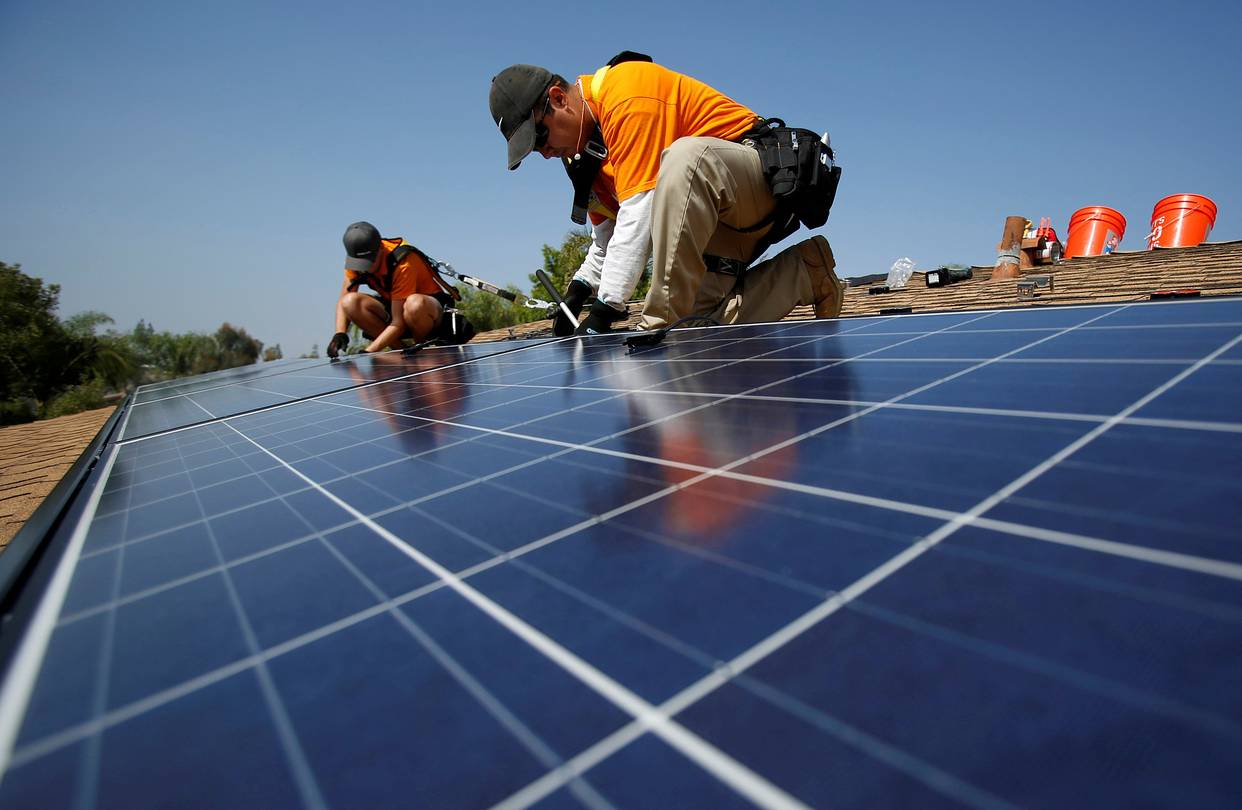
    In May, Singapore saw an unprecedented increase in the proportion of renewable energy in its power generation mix, according to recent market data analysis. This considerable achievement is attributed to the country’s efforts to scale up solar power production and import more renewable electricity.

    The National Electricity Market’s data indicated a significant upward trend in Singapore’s domestic solar generation, recording its fastest growth since March of the previous year. The rise in imported renewable energy for the third month in a row, reaching its highest level in over two years, also played a crucial role. These factors led to a record-breaking 2.58% of Singapore’s power mix being from renewable sources.

    Reducing reliance on fossil fuels in the region has become achievable through cross-border electricity trading, particularly as the demand for electricity from data centers continues to rise. Despite its limited potential for renewable energy due to its size and geography, Singapore has set ambitious aims. By 2035, the country hopes to source about one-third of its power needs, or 6GW, from clean electricity imports. Currently, natural gas-fired power plants make up approximately 95% of the nation’s generation capacity.

    From January to May, Singapore imported a substantial 122.7 million kWh of clean electricity, accounting for 0.52% of total power generation. This contrasts with the same period in the previous year, during which Singapore did not import electricity and only began small-scale imports in the last quarter.

    In May, the rising importation of electricity continued to replace some fossil fuel-based power generation, marking the third straight month of growth in import share. The overall electricity output in Singapore rose by 0.4% in the first five months of the year.

    Currently, Singapore is involved in two cross-border power purchase agreements, namely the 200MW Laos-Thailand-Malaysia-Singapore (LTMS) project and a 50MW pilot Energy Exchange Malaysia project with the Malaysian state utility company, Tenaga Nasional.

    Singapore’s Energy Market Authority (EMA) Chief Executive, Puah Kok Keong, noted in October that the extension terms for the LTMS project were still in negotiation as Singapore awaited Thailand’s finalization of transmission fee details under the agreement.

    Questions & Answers

    What has led to the rise in the share of renewable energy in Singapore’s power mix?
    The significant increase in the share of renewable energy in Singapore’s power mix is due to the country’s efforts to scale up solar power production and import more renewable electricity.

    What is Singapore’s aim for clean electricity imports by 2035?
    By 2035, Singapore aims to source about one-third of its power needs, equivalent to 6GW, from clean electricity imports.

    How are imports affecting Singapore’s reliance on fossil fuel-based power generation?
    The country has seen a continuing trend of replacing some fossil fuel-based power generation with imported electricity, leading to an increased share of renewable energy in their power generation mix.

  • PepsiCo Australia achieves its renewable energy target

    PepsiCo Australia achieves its renewable energy target

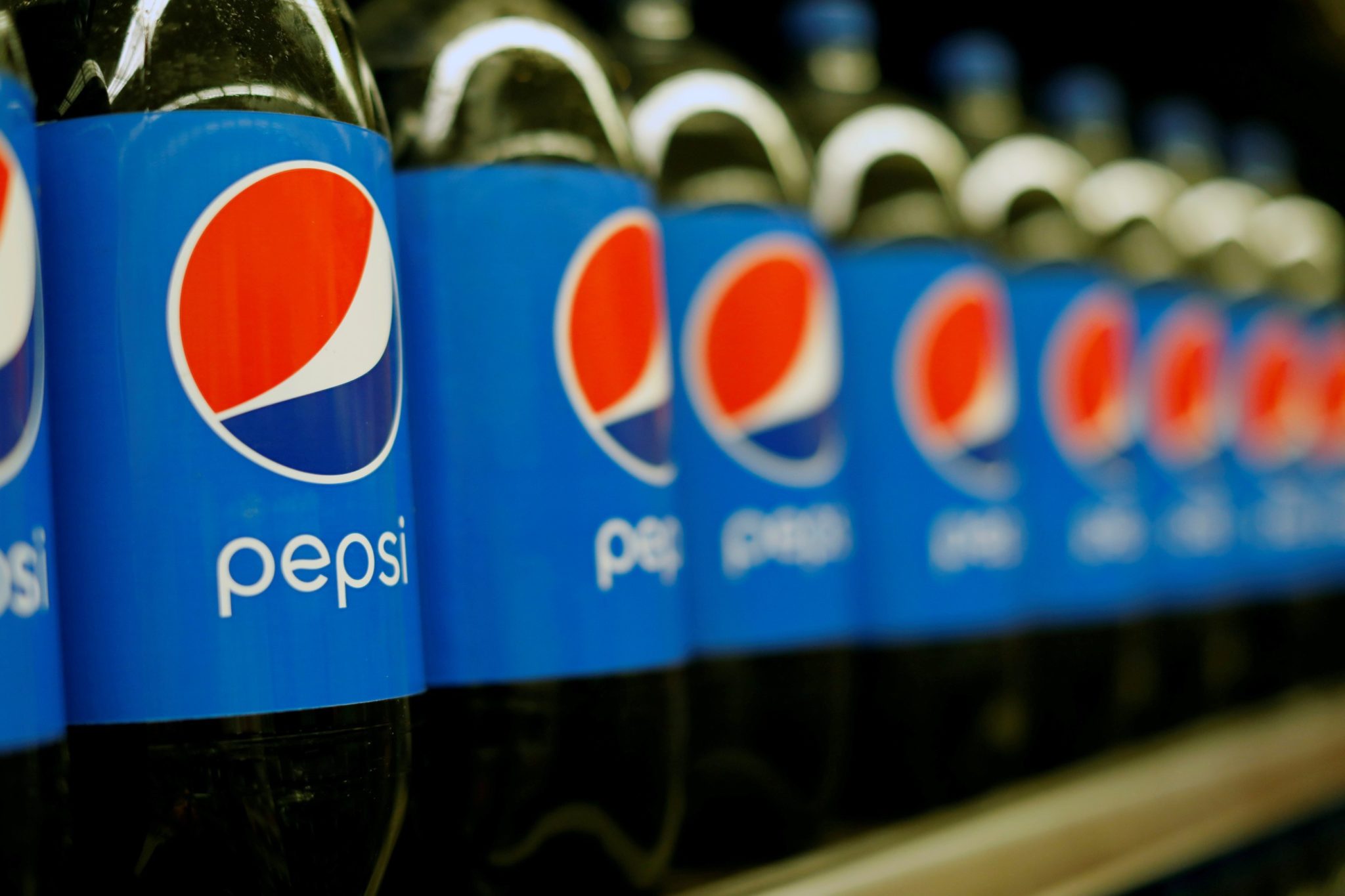
    PepsiCo Australia has effectively converted to 100 percent renewable electricity across all of its operations. Focusing on reducing global emissions, this initiative helps PepsiCo limit the amount of CO2 added into the environment – around 26,000 tones per year – and goes some way in helping the business hit its target to achieve net-zero emissions globally by 2040.

    PepsiCo manufactures Smiths chips, Doritos, Red Rock Deli, Twisties, and Grain Waves in Australia, including at Regency Park in SA, Tingalpa in Queensland, and Forrestfield in WA which are now powered by a mixture of solar and wind energy sources. The achievement does not include the manufacturing of beverages that are undertaken by the brand’s local partner Asahi Beverages.

    As one of the global business’ first 15 markets globally to switch to 100 percent renewable electricity, PepsiCo Australia is now seeking sustainable solutions such as converting organic waste into bio-methane, converting its fleet to EV or hydrogen, and decarbonizing its snack manufacturing processes.

    The company has teamed up with Engie and the Northam Solar Farm – developed by Indigenous Business Australia (IBA) and Bookitja – to get Power Purchase Agreements (PPAs) that support a range of wind and solar farms across Australia.

    “Climate change is one of the most pressing concerns facing our global food system and we’re committed to working across our value chain to reduce emissions,” said Danny Celoni, CEO of PepsiCo Australia and New Zealand.

    “The move to renewable electricity is positive for our business and for the local economy. We are pleased to support sustainable initiatives that create local jobs and proud to partner with IBA and Bookitja through the Northam Solar Farm, which aims to provide a sustainable economic base for future generations of Whadjuk people”.

    PepsiCo is also a member of Re100, a global renewable energy initiative led by The Climate Group and CDP to make a commitment to renewable energy as a large business.

    “Companies that join Re100 pledge to go 100 percent renewable with their electricity use by a set date,” added Jon Dee, Re100 Australia coordinator

    “Here in Australia, PepsiCo is one of 110 major companies that have joined Re100. By successfully completing their transition to 100 percent renewable electricity, PepsiCo has demonstrated a high level of commitment to sustainability and it’s set a positive example for other companies to follow.”

  • Samsung Vietnam proposes direct purchase of renewable energy

    Samsung Vietnam proposes direct purchase of renewable energy

    Electronics giant Samsung Vietnam has proposed that it joins a trial program to purchase power directly from renewable power plants instead of monopoly distributor Vietnam Electricity.

    Choi Joo Ho, CEO of Samsung Vietnam, submitted the proposal to the Ministry of Industry and Trade last week. He asked that the company participates in the Direct Power Purchase Agreements (DPPA) policy that is being studied for a three-year trial.

    Three to four other big companies also want to join the program, a person familiar with the matter told VnExpress.

    The program will allow manufacturing companies with a minimum of 22-kilovolts power lines to negotiate and buy directly from solar and wind power plants.

    In the first three years, when the policy will be trialed, the customer needs to buy at least 80 percent of the agreed amount of power.

    Solar and wind farms with a capacity of 30 megawatts or more can sign these agreements and need to begin commercial operation within nine months of joining the pilot program.

    The program with a total capacity of around 1,000 megawatts is set to start this year and run until 2023. At the end of the trial period, the ministry will review it and take a decision on making the arrangement permanent.

    The program is being considered amid the challenges solar power plants face in running at full capacity due to the limited capacity of the country’s transmission lines. Vietnam is set to cut up to 1.74 billion kilowatt-hours of renewable energy in the second half this year to deal with national grid overload, Vietnam Electricity, has announced.

  • McDonald’s Starts Reducing Plastic

    McDonald’s Starts Reducing Plastic

    As part of McDonald’s initiative to use its scale to contribute to positive changes in the communities where it operatesArcos Dorados – McDonald’s franchisee in Latin America and the Caribbean- will cease to offer plastic straws in its 2,100 restaurants across the region, from October 31. Straws will be provided only for those customers who expressly request them. For now, straws will still be available at the drive-thru.

    This step is part of a global assessment within McDonald’s to transition to packaging alternatives that are 100% renewable, recyclable or from certified sources towards 2025; to reduce its impact in the environment and take action on one of the most important challenges of society. This path aims to reduce plastic consumption and is the first move to more sustainable alternatives to plastic straws.

    The initiative has been tested in Latin American countries such as Colombia and Uruguay, and many other countries around the world. Arcos Dorados aims to avoid the consumption of close to 300 tons of plastic, based on the results of the test conducted in Colombia, where 6 out of 10 consumers preferred not to use the straw in their beverage.

    “We are looking for ways to use our scale to make a positive impact in society and the environment, as part of our ‘Scale for Good’ goals. The initiatives we have announced recently regarding our commitment to youth opportunities and employment, kid’s nutrition, sustainable packaging and actions to curb climate change; allow us to effectively contribute to the change of consumer’s habits and behaviors so we all can live in a better world” said Woods Staton, Executive Chairman of Arcos Dorados.

    McDonald’s goal is to recycle packaging used in 100% of its restaurants towards 2025, considering local infrastructure for recycling, legislation and consumer behavior in the different cities in which the brand operates; aiming to become part of the solution and to influence this critical change.

    Globally, the company has been creating awareness about the collection and recycling of its packaging at restaurants, and now is working on finding more sustainable alternatives to plastic straws. In fact, McDonald’s is currently testing different solutions to more sustainable packaging through tests in different countries.

    Recently, the Company announced a partnership with Starbucks and Closed Loop Partners, a group of investors in sustainable goods, to launch the “NextGen Cup Consortium and Challenge” with the goal promote innovation of the cups that are currently used in the industry, to make them completely recyclable and environmentally friendly”.