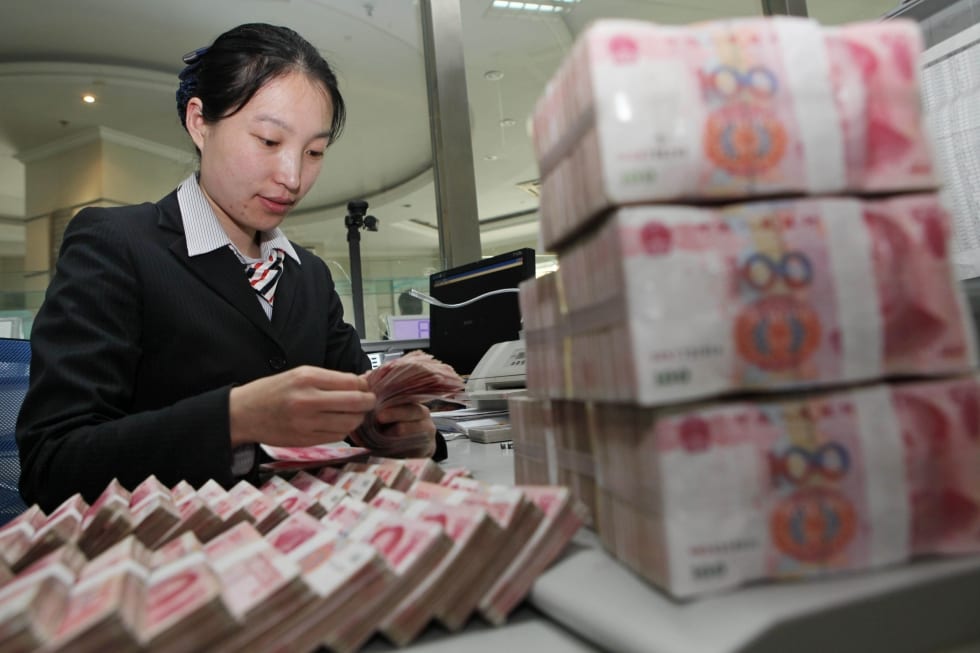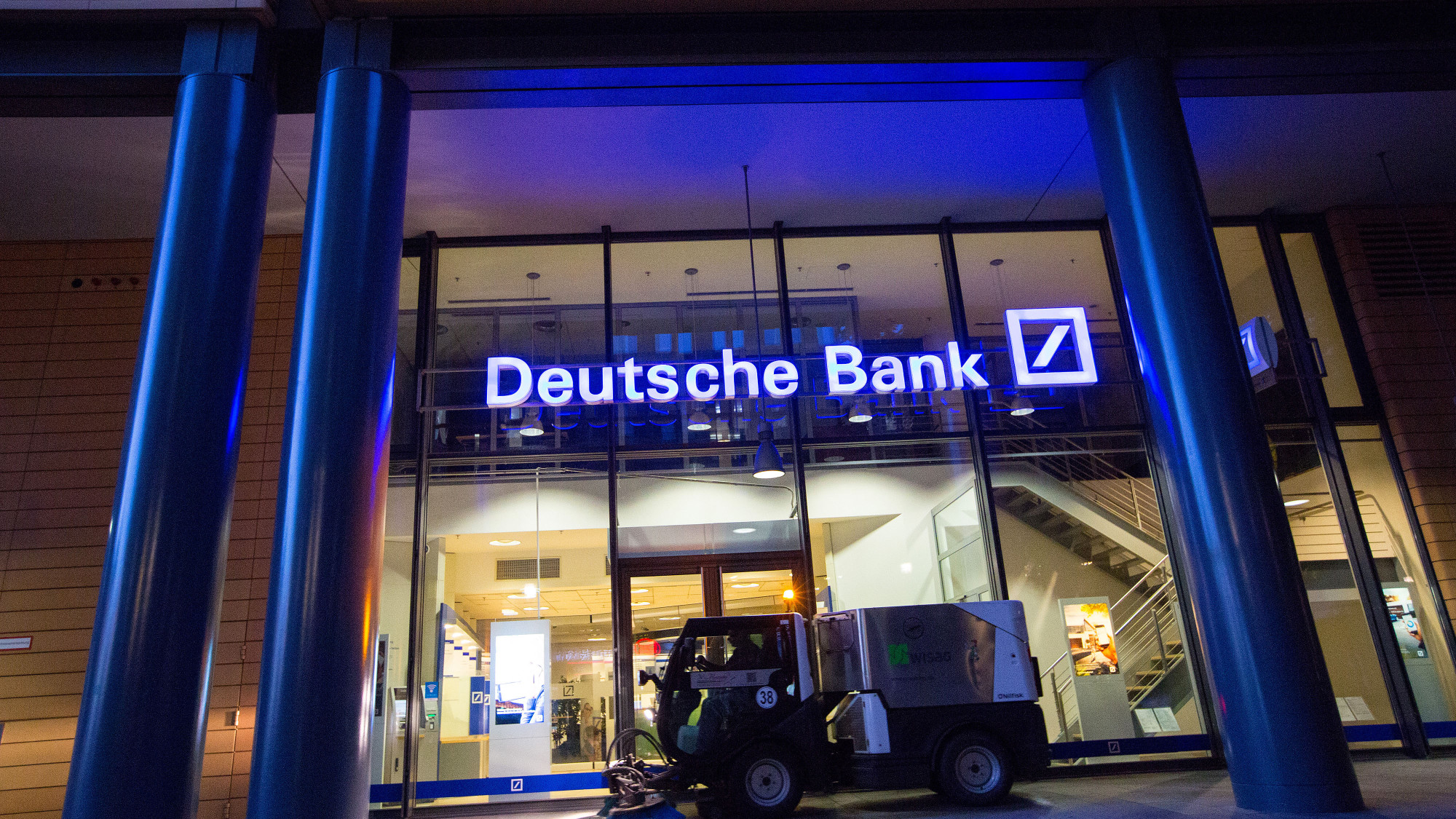
The city of Frankfurt has just received a significant boost as a financial hub. Deutsche Bank, a prominent financial institution based in Frankfurt, has successfully become the first European bank appointed to serve as a renminbi clearing bank by the People’s Bank of China. This news was confirmed through an official statement on Monday.
The provision of clearing services in Frankfurt will offer financial establishments and firms a direct, fast channel for processing, clearing, and settling cross-border transactions involving the renminbi. This move is anticipated to reinforce the financial ties between Europe and China.
Deutsche Bank’s Role as a Clearing Bank
Alexander von zur Mühlen, CEO for Asia Pacific, Europe, Middle East & Africa and Germany at Deutsche Bank, weighed in on the matter. He believes that their new role as a renminbi clearing partner in Europe deepens Deutsche Bank’s position as a globally recognized clearing bank. This commitment also reaffirms the bank’s long-standing dedication to the internationalization of the renminbi. Mühlen is optimistic that this development will bolster the financial connectivity between China and Europe. This will help Deutsche Bank to better serve its clients’ cross-border trade and investment activities.
Even though renminbi clearing services were accessible in Europe prior to this, they were only offered through branches of Chinese banks.
Renminbi Hub: A Shift from Competition to Normalcy
Over a decade ago, the concept of establishing a renminbi hub in Europe was a contentious issue that incited competition among Europe’s financial centers. In Switzerland, the establishment of a renminbi hub emerged as a crucial prestige project for the nation’s banking industry.
China Construction Bank (CCB) earned a banking license from the Swiss Financial Market Supervisory Authority in October 2015. When CCB’s Zurich branch launched in January 2016, it was attended by several notable representatives from the Swiss financial center and public authorities. Since then, CCB has been in charge of renminbi clearing in Switzerland.
As of January 2021, CCB had processed transactions totalling nearly 600 billion francs. A total of 13 Swiss partner banks were reported to be participating in the hub. Currently, Zurich represents a key center within the offshore renminbi ecosystem.
It remains unclear if a Swiss bank will pursue clearing status, however, UBS and Zürcher Kantonalbank could potentially be the only viable candidates.
Questions & Answers
What is the significance of Deutsche Bank’s new role as a renminbi clearing bank?
This development strengthens Deutsche Bank’s position as a globally recognized clearing bank. It will enhance financial connectivity between China and Europe.
What is the history of renminbi clearing in Europe?
Renminbi clearing services were available in Europe previously, but only through branches of Chinese banks.
What is the status of the renminbi hub in Switzerland?
Currently, Zurich represents a key center within the offshore renminbi ecosystem, with China Construction Bank handling renminbi clearing in Switzerland since 2016.