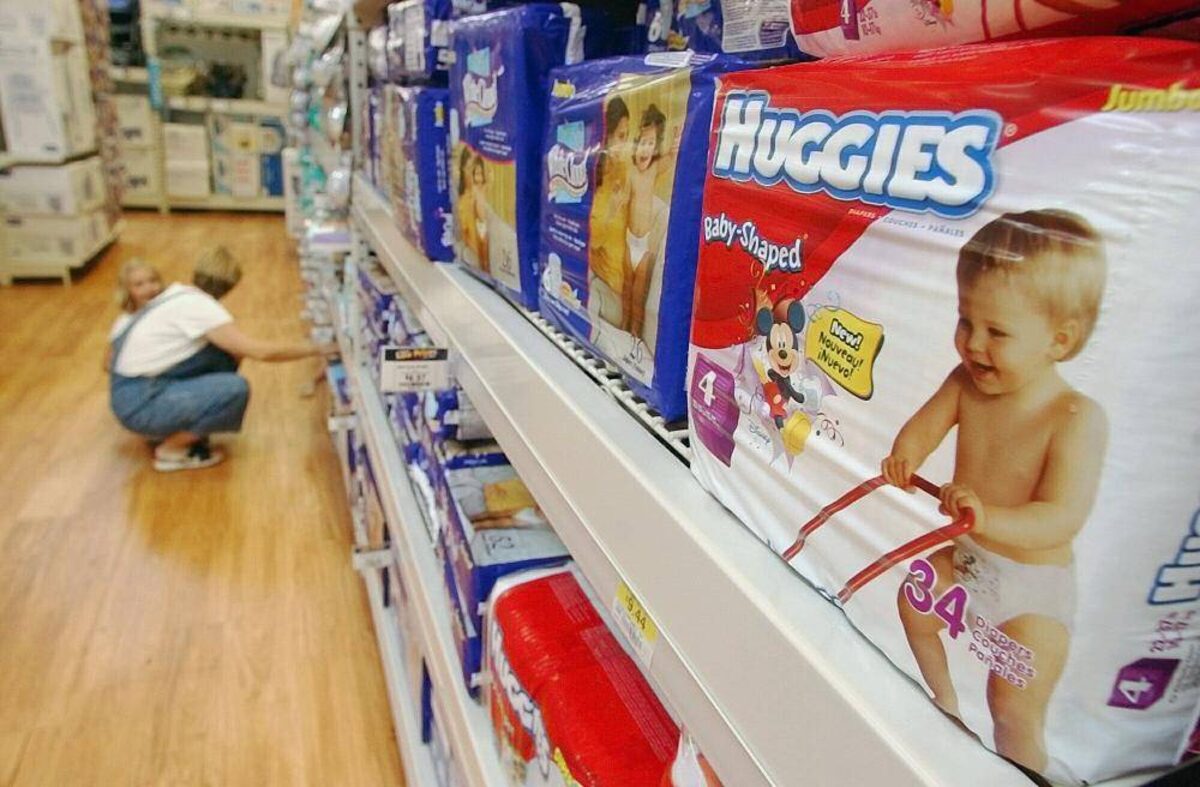
Kimberly-Clark, the renowned maker of Kleenex tissues and Huggies diapers, lowered their annual profit and sales projections on Tuesday. This forecasting adjustment comes as a result of continuing challenges related to allegations about the quality of Kimberly-Clark’s diapers in the Chinese market, which have negatively affected sales in the second quarter.
False claims circulating on Chinese social media accused Kimberly-Clark’s Huggies diapers of containing formamide, causing a significant stir just before the all-important ‘618’ shopping festival in June. Formamide is a toxic substance known to cause skin irritation, eye discomfort, and breathing difficulties if inhaled. Two Chinese brands, Babycare and Bibabebe, faced similar accusations.
Kimberly-Clark defended its product quality by commissioning an independent test from a government-approved third party. The test results refuted the damaging social media allegations. China’s market regulator initiated an investigation into these claims but has yet to update the public on its findings.
Kimberly-Clark CEO Mike Hsu commented on the ongoing situation, saying that while he is cautiously optimistic, he acknowledges that incidents like these are occurring more frequently. Hsu noted that consumers are becoming increasingly discerning, and the company will need time to navigate through the current challenges.
Impact on Sales and Profit Forecasts
Despite being on course to complete the sizable acquisition of Kenvue worth roughly US$40 billion by the end of this year, Kimberly-Clark has revised its 2026 organic sales growth forecast. The company now predicts this figure to fall about 100 basis points below the average growth of its markets and categories, a departure from previous predictions of in-line growth.
Furthermore, Kimberly-Clark anticipates a high-single-digit growth rate in annual adjusted earnings per share, down from the previously forecasted double-digit growth. This projection factors in a roughly $150 million impact from rising oil prices.
Kimberly-Clark COO Russ Torres referred to the disruption in China as a “one-time external impact.” He expects it to decrease the International Personal Care segment’s organic growth by three to four percentage points and restrain operating profit growth by 10 to 12 percentage points this year.
Looking Ahead
Despite the unexpected setback in China, Kimberly-Clark is making strides in its cost-saving and transformation efforts. The recent controversy, however, has added another layer of complexity to their operations. The company is now focusing on meeting the demands of economically strained consumers.
Kimberly-Clark recently completed the sale of a 51% stake in its international tissue business to Suzano, forming a US$3.4 billion Arbex joint venture. This strategic move positions the company to compete with industry giants such as Procter & Gamble and Essity.
In the last quarter, Kimberly-Clark’s net sales experienced a marginal increase of 0.6% to US$4.19 billion, falling slightly short of the estimated US$4.22 billion. Nonetheless, the company reported a 6.2% increase in adjusted operating profit to US$757 million, a boost facilitated by tariff refunds of about US$45 million.
Questions & Answers
What were the allegations against Kimberly-Clark’s Huggies diapers in China?
False claims suggested that Huggies diapers contained formamide, a toxic substance that can cause skin irritation, eye discomfort, and breathing difficulties if inhaled.
How has Kimberly-Clark responded to these allegations?
Kimberly-Clark defended its products by commissioning an independent test from a government-approved third party. The test results refuted the damaging social media allegations.
What impact has the situation in China had on Kimberly-Clark’s sales and profit forecasts?
The company has lowered its annual profit and sales predictions due to the ongoing controversy. It now expects a high-single-digit growth rate in annual adjusted earnings per share and predicts 2026 organic sales growth to fall about 100 basis points below the average growth of its markets and categories.