Tag: resale

  • Second Street Opens 13Th Thai Store in Bangkok as Regional Network Reaches 111

    Second Street Opens 13Th Thai Store in Bangkok as Regional Network Reaches 111

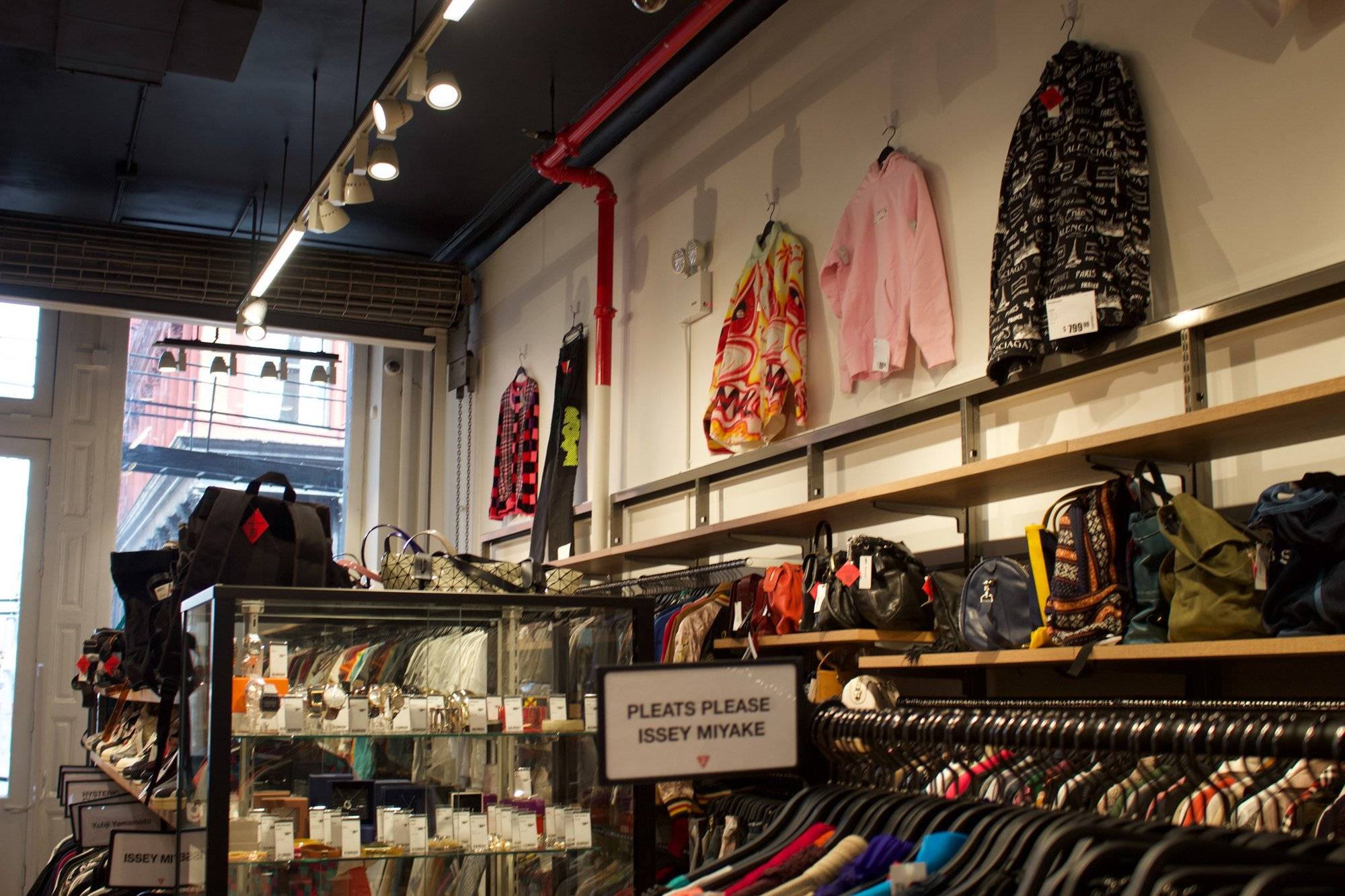
    Second Street opened its 13th Thai store at Bangkok’s Siam Discovery mall on September 1. The launch advances parent company Geo Group’s plan to reach 111 regional outlets this year. Two more Bangkok locations will open before the end of December.

    The mezzanine floor site trades in curated used apparel and accessories in the city’s central shopping district. Adding the two upcoming Bangkok branches will expand the regional network across Thailand, Taiwan, Malaysia, and Singapore to 111 stores by the close of 2026.

    Expansion across four regional markets

    Geo Group focuses its overseas retail push on four Asian markets with steady foot traffic and sustained demand for Japanese second-hand goods. Taiwan holds the largest share of the regional store count. Malaysia, Thailand, and Singapore make up the rest.

    Southeast Asia’s clothing reuse sector remains fragmented between informal thrift vendors and peer-to-peer apps. Second Street places its shops inside high-traffic malls instead of street-level thrift alleys. It treats second-hand fashion as a formal department-store retail category.

    Mall positioning and luxury resale demand

    Securing prime commercial venues like Siam Discovery alters tenant economics for regional landlords. Department stores and lifestyle malls use curated vintage boutiques to draw younger shoppers who hunt for specific designer labels.

    Landlords gain steady rental income and consistent floor turnover from branded resale chains. Second Street relies on high customer volume. Its in-store buying counters give shoppers immediate cash or store credit for used designer items.

    Inventory sourcing and supply chain dynamics

    Running more than a hundred stores outside Japan requires a steady flow of inspected inventory. The chain relies on local trade-ins in Southeast Asian cities alongside imports from Geo Group’s collection network in Japan.

    Japanese stock carries strong buyer trust across the region due to strict anti-counterfeit standards in Japan. Sourcing counters in Bangkok and Singapore offset transport costs by buying clothes straight from local wardrobes.

    Targets for the year-end rollout

    Suburban shopping complexes housed the first batch of Thai branches before the company took units in downtown Bangkok. The Siam Discovery store puts the brand near major transit interchanges in the Pathum Wan retail belt.

    Two final Bangkok store handovers will wrap up in the fourth quarter of 2026, hitting the 111-store target across Thailand, Taiwan, Malaysia, and Singapore.

  • Bonds Launches Resale Marketplace After Tracking 30,000 Secondary Listings

    Bonds Launches Resale Marketplace After Tracking 30,000 Secondary Listings

    Australian apparel brand Bonds launched a dedicated secondhand marketplace called Village Marketplace on September 1, aiming to capture transactions after tracking more than 30,000 listings across third-party platforms.

    The service lets shoppers buy and sell pre-owned Bonds garments directly on the retailer’s primary website. Bonds built the peer-to-peer system in partnership with re-commerce technology provider Treet, focusing initially on children and baby clothing before rolling the model out to other high-demand product lines.

    Reclaiming Secondary Market Traffic

    Third-party resale platforms have built sizable volumes on staple family apparel, pulling consumer traffic and margin away from brand storefronts. By creating an owned resale channel, Bonds captures secondary transaction data and keeps existing shoppers inside its digital network rather than losing them to generalist marketplaces like eBay or Depop.

    Brand-managed resale platforms also solve authentication and condition concerns for parents buying second-hand children’s wear. Operating the marketplace directly gives the retailer a steady engagement loop with families as children outgrow sizes every few months.

    “Our new ‘Kids & Baby’ marketplace gives pre-loved Bonds items a new lease of life, making it easier for parents to pass on pieces they’ve loved and discover quality items for their own little ones,” said Kedda Ghazarian, head of marketing at Bonds.

    The Economics of Owned Re-Commerce

    Apparel retailers across the Asia-Pacific region are shifting toward structured resale platforms to protect brand equity and extract incremental revenue from garments already in circulation. For basic apparel brands with high unit volumes, customer retention often hinges on whether the trade-in process offers immediate digital store credit to fund the next full-price basket.

    Managing peer-to-peer fulfillment carries operational friction, particularly around customer disputes and reverse logistics. Partnering with specialized software vendors allows apparel groups to run resale storefronts without holding used inventory on their own warehouse balance sheets.

    Expanding Beyond Babywear

    Bonds developed the dedicated exchange after an internal audit revealed tens of thousands of its branded garments circulating unmonitored on independent peer-to-peer networks. That audit prompted the company to formalize an in-house channel rather than let external platforms monetize its secondary market.

    The company plans to expand Village Marketplace from children’s wear into higher-margin adult basics and seasonal apparel categories as listing volumes scale across Australia.

  • Luxury Evermore Flags Cloned Chanel Serial Code Found 127 Times Across 36 Countries

    Luxury Evermore Flags Cloned Chanel Serial Code Found 127 Times Across 36 Countries

    Singapore resale platform Luxury Evermore found a single Chanel serial code repeated 127 times across 36 countries in its authentication database, exposing widespread counterfeit production.

    The code, 10218184, showed up on multiple bag models submitted to the firm’s free authentication screening tool, directly contradicting the brand’s rule that each code belongs to one specific bag.

    Database Flags Cloned Code

    Submissions came through Luxury Evermore’s consumer review service, which screens pre-owned luxury items to weed out fakes in the secondary market. Counterfeiters routinely duplicate legitimate serial strings because they lack access to internal luxury brand databases.

    “There are specific patterns and details on these tags that are very difficult to replicate,” Luxury Evermore founder Mingchuan Tian said. The company noted that while a single code match does not automatically prove a bag is fake, any pre-owned piece bearing the 10218184 string requires physical inspection before purchase.

    Shift to Microchip Authentication

    Chanel changed its authentication architecture in 2021, replacing physical authenticity cards and interior sticker tags with embedded microchips and metal plaques. Bags made before that transition remain heavily traded across Asian consignment platforms, leaving older serial numbers exposed to industrial-scale cloning.

    Secondary luxury platforms across Southeast Asia and East Asia face rising costs as authentication moves from simple serial checks to multi-point material inspections. As counterfeit operations replicate physical tags across multiple product lines, resale operators are tightening screening protocols on legacy inventory to protect platform credibility.

    Resellers tracking the 10218184 code are now screening pre-2021 inventory for matching batch anomalies across regional intake hubs.

  • Singapore’s Sentosa Cove: Once a Luxury Haven, Now a Hotspot for Residential Resale Losses

    Singapore’s Sentosa Cove: Once a Luxury Haven, Now a Hotspot for Residential Resale Losses

    Over the past three years, approximately 64.5% of residential resale transactions in Singapore’s exclusive Sentosa Cove district have resulted in losses, according to data from local real estate platform, Mogul.sg. This figure marks a rise from the 62.8% recorded between March 2020 and April 2023. The lackluster performance of this affluent enclave, once hailed as a haven for the wealthy, has been attributed to diminished demand from both foreign and local buyers.

    Performance of Property Types and Loss Analysis

    The study found that landed properties fared marginally better than condominiums, with around half of the resales since 2023 yielding a profit. The average loss on unprofitable resales decreased by 18% to S$1.28 million (US$1 million), however, the gross gains on profitable sales also dipped significantly, approximately 62%, to S$655,590. These figures do not account for additional costs such as stamp duties, property taxes, legal fees or agent commissions.

    Property consulting firms Cushman & Wakefield and Newmark similarly noted a trend towards loss-making resales in the area.

    Located on the eastern end of the 5-square-kilometer Sentosa Island, Sentosa Cove was transformed from a military outpost into a leisure and tourism hub in the 1970s. The enclave, which was developed primarily on reclaimed land and consists of five man-made islands (namely Coral, Paradise, Treasure, Sandy, and Pearl), was initially conceived as a high-end residential hotspot for affluent foreigners.

    Once marketed as Singapore’s answer to Monte Carlo or Dubai’s Palm Jumeirah, the enclave used to enjoy robust sales, driving up property prices. This was partly due to exemptions from mainland property restrictions and the unique provision allowing foreigners to purchase landed homes, albeit with government approval.

    Declining Demand and Current Challenges

    Since the 2008 global financial crisis and subsequent increases in Singapore’s additional buyer’s stamp duty, demand for properties in the enclave has dwindled. The tax, imposed on top of the standard buyer’s stamp duty, was raised to 60% in April 2023 for most foreign buyers, contributing to the decline in demand.

    Nicholas Mak, chief research officer of Mogul.sg, attributed the waning interest in Sentosa Cove to several factors. These include a halt in new residential developments, limited accessibility, and harsh coastal conditions. Moreover, no residential land parcels in Sentosa Cove have been sold since 2008.

    Further compounding the issue is a stipulation preventing foreign owners from leasing out their standalone homes. Consequently, several properties have been left vacant for extended periods, as their owners reside abroad or occupy other residences on the mainland.

    The lack of amenities such as shopping malls, wet markets, and hawker centers has also been identified as a reason for the enclave’s lack of appeal among Singaporeans.

    Questions & Answers

    What is the current state of residential resale transactions in Sentosa Cove?
    Approximately 64.5% of residential resale transactions in Sentosa Cove have resulted in losses over the past three years.

    What factors are contributing to the declining demand for properties in Sentosa Cove?
    The declining demand can be attributed to several factors including increased buyer’s stamp duty for foreign buyers, lack of new developments, limited accessibility, and harsh coastal conditions.

    How has the rule that prevents foreign owners from renting out their standalone homes impacted the Sentosa Cove property market?
    This rule has resulted in numerous properties being left vacant for extended periods, thereby reducing the attractiveness and vibrancy of the enclave.

  • Lululemon Revives Like New Resale Program in Hong Kong, Pioneering a Sustainable Fashion Ecosystem

    Lululemon Revives Like New Resale Program in Hong Kong, Pioneering a Sustainable Fashion Ecosystem

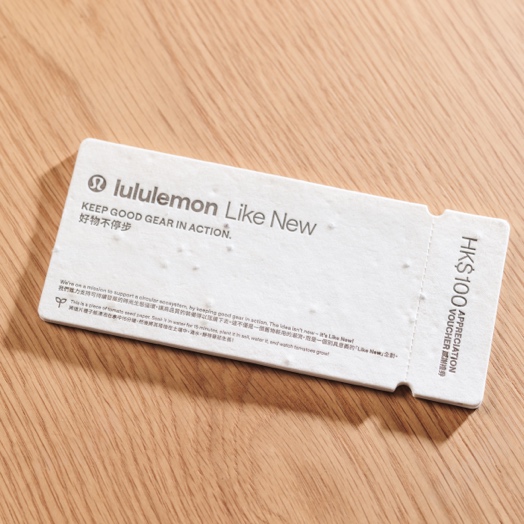
    Lululemon, the renowned athletic apparel company, is reinitiating its Like New programme in Hong Kong, in collaboration with Redress, a local NGO. This endeavour aims to give a second life to pre-owned clothes and is part of Lululemon’s broader sustainability strategy.

    A Take-Back Scheme with a Difference

    The Like New programme, which was first piloted last year, is a comprehensive approach to keep used clothes in circulation by reselling, donating, or recycling them. Between July 2 and September 30, customers can bring their gently used Lululemon or non-Lululemon items to any of the six participating stores in Hong Kong, which includes Queen’s Road Central, Pacific Place, Times Square, Cityplaza, Elements, and New Town Plaza outlets.

    Once collected, Redress will sort the items. Those appropriate for resale will be listed accordingly, while others will be donated or recycled. Donations will be made via the charity Crossroads and other local organizations.

    Joey Chan, regional director of Lululemon Hong Kong, Macau, and Taiwan, expressed her pride in bringing Like New back to Hong Kong. “This initiative reflects our ongoing commitment to prolonging the lifespan of our products, as well as furthering our collaboration with partners and local communities to advance circularity,” he shared.

    Pop-Up Shop and Design Competition

    The program will reach its high point in November with a temporary Like New pop-up, where consumers will be able to buy a collection of pre-owned Lululemon items. More details about the pop-up, such as its location and opening dates, will be revealed in due course.

    In a related development, Lululemon has joined forces with the Hong Kong Polytechnic University for the launch of Re:Form, a circular design competition. This contest aims to instill circular design principles in fashion students and nurture the industry’s future talent.

    Questions & Answers

    What is the Like New programme?
    It is a take-back and resale initiative by Lululemon, where gently used items can be dropped off at selected stores for resale, donation, or recycling.

    Who is Lululemon collaborating with for this program?
    Lululemon is partnering with the NGO Redress for this initiative.

    What is the Re:Form circular design competition?
    Re:Form is a circular design competition launched by Lululemon with the Hong Kong Polytechnic University. This event aims to promote circular design principles among fashion students and foster the growth of future industry talent.

  • 10 Ways to Save Money Using Free Apps and Online Tools

    10 Ways to Save Money Using Free Apps and Online Tools

    Saving money doesn’t always mean giving up the things you enjoy. Whether you’re shopping online, streaming your favorite content, or exploring digital entertainment such as Jili games, making smarter financial choices can help you get more value from your budget. Thanks to a wide range of free apps and online tools, it’s easier than ever to track expenses, find discounts, and manage everyday spending.

    The best part is that many of these solutions are completely free to use. Whether your goal is to reduce monthly expenses, stay on top of your finances, or simply spend more wisely, these practical tools can help you save money without sacrificing convenience. Here are 10 effective ways to make the most of free apps and online resources.

    1. Track Your Spending with a Budgeting App

    One of the easiest ways to save money is to know where it is going. Budgeting apps that are free help you keep track of your income and expenses, categorise purchases, and monitor your monthly spending habits.

    When you can see where your money goes, you can spot expenses you don’t need to be paying and make better financial decisions, but still be free. 

    2. Search for Coupons Before You Buy

    Take a few minutes to look for coupon codes or promotional offers before you buy something online. Many free browser extensions and coupon websites automatically find and apply available discounts at checkout.

    Even small discounts add up over time, especially if you shop online regularly. 

    3. Compare Prices Across Multiple Stores

    Never jump at the first price you see. Price comparison websites are useful for comparing different retailers before you buy.

    If you’re shopping for electronics, household goods or everyday necessities, price comparisons can help you get better deals and not overpay. 

    4. Set Price Alerts

    Thinking about buying something but waiting for a better deal? Many shopping sites and price-tracking tools let you set alerts for specific products.

    No need to check prices every day, you’ll get a notification when the price drops, this helps you to buy at the right time. 

    5. Use Cashback and Rewards Platforms

    Cashback sites and rewards apps allow you to earn points or a cut of your purchase back when you shop with participating retailers.

    Even if the savings on one purchase seem small, the regular use can result in considerable savings over the year. 

    6. Organize Bills and Payment Reminders

    Late payment fees are an avoidable expense that you can often avoid.

    Free calendar apps and reminder tools help you remember when to pay bills, subscriptions and recurring payments: This means you can better manage your monthly finances and not get charged penalties. Being organized… 

    7. Cancel Unused Subscriptions

    There’s still a lot of people paying for streaming services, software or memberships they hardly ever use.

    Subscription management apps can help you find recurring charges and see what you’re actually using. Cancelling one or two unnecessary subscriptions can release some extra cash every month. 

    8. Use Free Cloud Storage and Productivity Tools

    Use free cloud storage, document editors, spreadsheets and collaboration tools online instead of paying for pricey software.

    These services provide everything many users need for work, school, or personal projects without the need for expensive subscriptions. 

    9. Take Advantage of Free Learning Resources

    You don’t have to pay for expensive courses to learn new skills.

    There are many trustworthy sites that provide free tutorials, online courses, educational videos, and digital libraries on topics such as personal finance, technology, design, business, languages, and more. You could even get better career opportunities without any additional educational costs by improving your skills. 

    10. Choose Entertainment That Fits Your Budget

    Entertainment is important, but it doesn’t have to be a financial burden.

    Many digital entertainment platforms offer welcome offers, loyalty programmes, free content, or special promotions that enable users to get more value. So before signing up for any platform, be sure to compare available features, understand the terms and select services that fit your interests and your budget.

    For online gaming and digital entertainment, it is also worth choosing licensed platforms that encourage responsible play via functions such as deposit limits, time management tools and self-exclusion options. Responsible entertainment ensures that having fun stays fun and affordable. 

    Tips for Saving Even More Money Online

    Free apps are only part of the equation. Building smart financial habits can help you maximise your savings over the long term.

    Here are some simple practices to adopt:

    • Review your monthly expenses.
    • Look up prices before you buy something big.
    • Avoid impulse buying by waiting 24 hours before making non-essential purchases.
    • Instead of running after every bargain, look for legitimate promotions.
    • Protect your personal information using trusted websites and strong passwords.
    • Don’t fall for deals that sound too good to be true.

    Small changes to your daily habits can add up to the biggest savings over the long run. 


  • Hugo Boss the latest lux brand to launch resale offer

    Hugo Boss the latest lux brand to launch resale offer

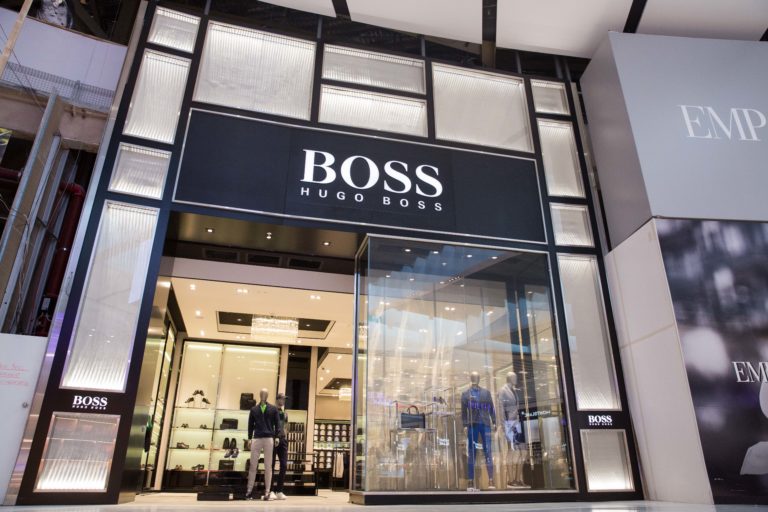
    Luxury fashion brand Hugo Boss has committed to a premium resale platform, which is set to launch in the third quarter of this year, encouraging customers to buy pre-owned items.

    According to the company, resale is a fast-growing market that helps reduce the fashion industry’s impact on the environment. Hugo Boss expects the initiative to extend its products’ life cycle and help limit its resource consumption.

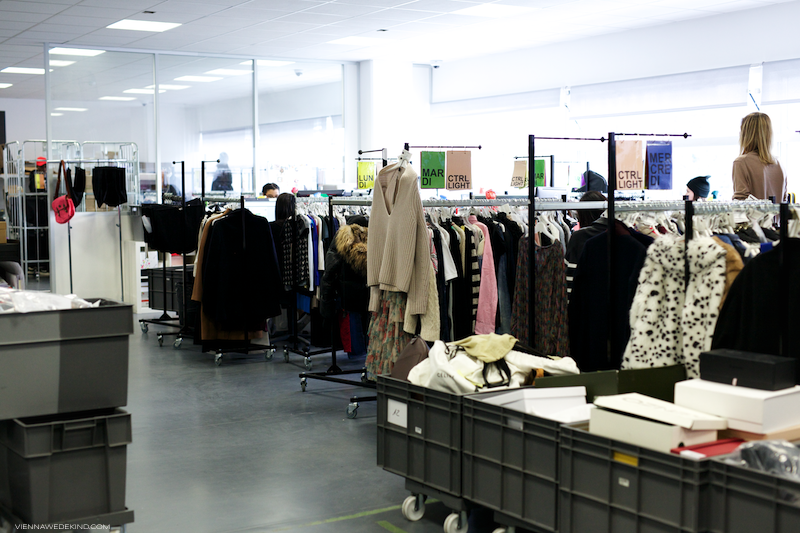
    The online platform allows customers to return their used items to Hugo Boss in return for a credit that can be spent online on new or pre-owned items, or in-store. After a quality check, the pre-owned products will be sold on Hugo Boss Pre-Loved and ready for their second life in a new wardrobe.

    In addition, Hugo Boss will also launch a care and repair service to help customers cover the repair of their clothes and ensure the items can last longer.

    These are parts of Hugo Boss’s broader strategy unveiled on Earth Day to enhance its circular business model. The German fashion house also reports its circular products must meet three requirements: being made from renewable or recycled materials, being fully recyclable, and designed for longevity.

    “The high quality of our products allows them to have several lives, and our entry into the growing resale market is a natural step for us as a company,” said Heiko Schafer, COO of Hugo Boss.

  • Vestiaire Collective overhauls commission structure, cementing its position as the most desirable fashion site

    Vestiaire Collective overhauls commission structure, cementing its position as the most desirable fashion site

    Vestiaire Collective, the leading global resale site for desirable pre-owned fashion today reveals substantial changes to its commission structure. The move will significantly reduce the cost of pieces across the site’s desirable inventory, ensuring that Vestiaire Collective is the most appealing resale site for buyers and sellers alike.

    The resale industry is currently estimated to be around 8% of the 260€ billion luxury market* with forecasters predicting that the industry will double in size by 2022. As more fashion consumers turn to resale as a sustainable way to access the products they desire, the next few years will prove to be a turning point for the industry and consumers alike. With its strong fashion DNA, Vestiaire Collective is perfectly placed to capture this market, offering a unique desirable inventory, engaged global community and rigorous quality and authenticity checks.

    As part of the new vision for the company, under the leadership of new CEO Max Bittner, Vestiaire Collective reveals a significant overhaul of its commission structure, ensuring that Vestiaire Collective remains the most competitive resale site in the market. The new changes will reduce Vestiaire Collective’s commission and prices by an average of 10% across the catalogue, meaning the price of its highly desirable inventory will be made significantly more accessible overnight. The commission drop will also positively impact sellers who will be able to sell their items at a faster rate. The change will most significantly impact customers looking to buy and sell pieces at more accessible price points and also items that fall into the rare, desirable high-luxury category, as these pieces will enjoy a capped commission.

    “This commission restructure is one of the first major changes I wanted to impact the business since joining Vestiaire Collective at the start of this year. This significant drop in commission will encourage more sellers to the site, knowing they will be able to sell their item at a fast rate whilst also making a strong profit. For the buyers, it means they can purchase the desirable pieces they’ve always wanted at even more accessible prices. I believe that giving our users more direct value is the most powerful medium to keep them engaged and excited. This is a significant moment for Vestiaire Collective as we continue to ensure we remain the most desirable global resale site for must-have pre-owned fashion,” says Max Bittner, CEO Vestiaire Collective.

    Vestiaire Collective will continue to offer the same level of exceptional service across all customer touch-points, from the carefully curated highly desirable inventory to rigorous physical quality control, meticulous authenticity checks and high level of customer service. The company curates and connects the world’s most desirable wardrobes, whilst providing a trusted and sustainable new way of buying and selling pre-loved fashion.