Retail News CRM

Tag: reserves

  • U.S. Dollar Gains Traction Against Vietnamese Dong Amidst Federal Reserve’s Rate Cut Speculations

    U.S. Dollar Gains Traction Against Vietnamese Dong Amidst Federal Reserve’s Rate Cut Speculations

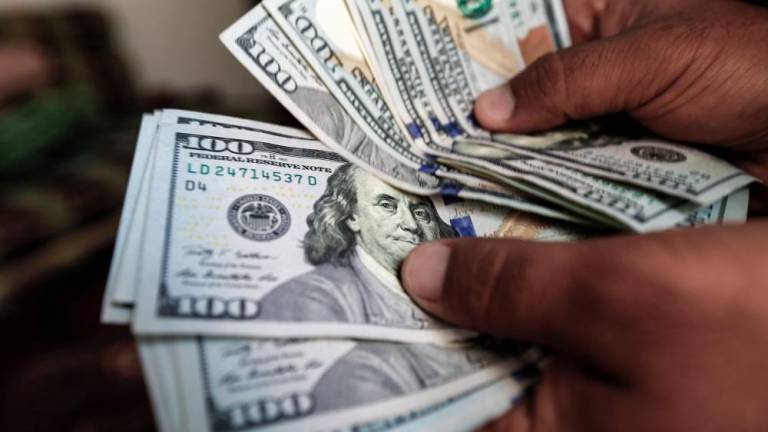
    The US dollar exhibited a slight rise against the Vietnamese dong on Tuesday morning, with Vietcombank increasing its dollar sales by 0.0075% to VND26,403. In contrast, the black market exchange rate recorded a 0.07% dip to VND27,850.

    Worldwide Currency Outlook

    Globally, the US dollar maintained a stable position on Tuesday as investors weighed the possibility of the Federal Reserve reducing interest rates in the upcoming month. This speculation is fueled by recent dovish remarks from policymakers and the weak yen’s potential for intervention.

    Chris Weston, head of research at Pepperstone, commented on the situation. “There is an increased scrutiny on each Federal Reserve voter’s stance and their views on a potential rate cut in December. This makes sense because the market, as well as the Federal Reserve, has not received the kind of data that would typically influence their policy decision. Perhaps the biggest unknown is Fed Chair Jerome Powell’s viewpoint, but it’s reasonable to assume that he might favor a rate cut in December.”

    Rate Cut Speculations Impact on the Dollar

    These sudden speculations regarding a rate cut have had a minor impact on the dollar. The European euro recently traded at $1.1522, marking a slight gain, while the British pound was at $1.3103. The dollar index, which measures the US currency against its major rivals, stood at 100.2 in the early trading hours.

    Questions & Answers

    What was the impact of the rate cut speculation on the US dollar?
    The rate cut speculation has slightly weighed down the US dollar.

    What did Chris Weston, head of research at Pepperstone, say about the potential rate cut?
    Weston indicated that the market and the Federal Reserve haven’t received the necessary data to influence policy decisions. However, he noted that it’s plausible Fed Chair Jerome Powell might favor a rate cut in December.

    What was the status of the dollar index in early trading?
    In early trading, the dollar index, which measures the US currency against its major rivals, was at 100.2.
  • Philippines Contemplates Major Gold Sell-Off Amidst Skyrocketing Prices and ‘Excessive’ Reserves

    Philippines Contemplates Major Gold Sell-Off Amidst Skyrocketing Prices and ‘Excessive’ Reserves

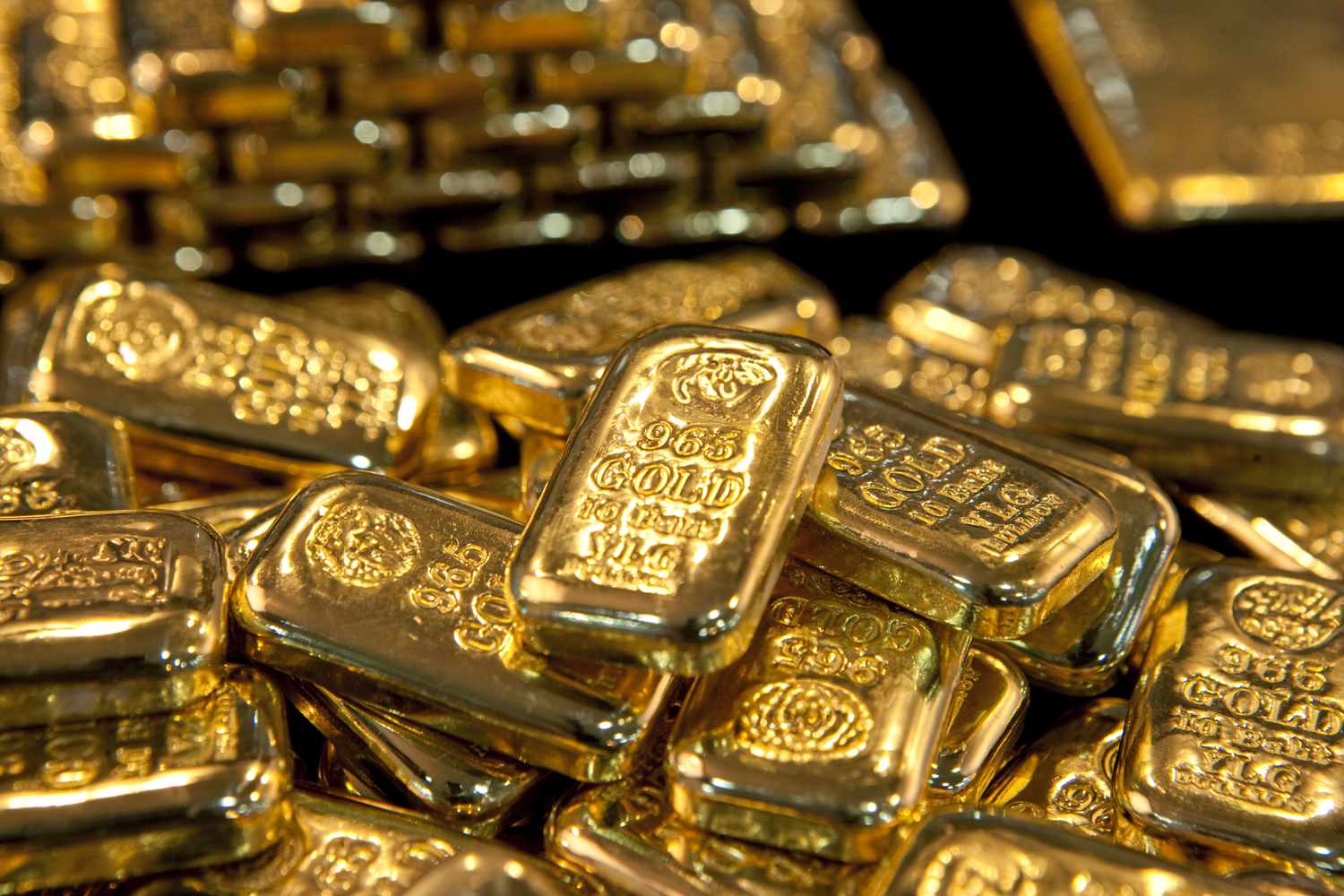
    The central bank of the Philippines, Bangko Sentral ng Pilipinas (BSP), is currently considering whether to hold onto or sell a portion of its substantial gold reserves. This comes following comments from Benjamin Diokno, a member of the bank’s Monetary Board and former governor, who noted that gold prices are likely to decrease from their record heights.

    Decisions on Gold Reserves

    In a recent interview, Diokno raised the idea of the BSP selling some of its “excessive” gold reserves to turn a profit. He pointed out that gold comprises around 13% of the bank’s gross international reserves, a percentage that is significantly higher than other central banks in the region. The ideal range, according to Diokno, should fall between 8-12%.

    The total reserves of the BSP, amounting to nearly US$109 billion, include gold, foreign exchange, foreign-denominated securities, and other assets.

    Gold Prices and Past Decisions

    The Philippines amassed a significant amount of its gold reserves when prices were situated near $2,000 per ounce. Since this point, the value of gold has more than doubled, reaching a record peak of $4,381.21 on October 20. Following this peak, prices fell below $4,000 as investors capitalized on the easing of geopolitical tensions and chose to make a profit.

    Despite the current uncertainty surrounding the future of gold prices, Diokno posed the question, “Shouldn’t you sell already? What will happen if the price goes down?”

    Even with a recent dip, the value of gold has increased by 52% since the beginning of the year, partly due to substantial purchases made by central banks. Predictions for the future of gold prices vary, with some analysts expecting a further decline while others anticipate new record highs.

    Public Criticisms and Future Considerations

    In the past, the BSP faced backlash for selling a portion of its gold reserves in 2024 before prices experienced a substantial surge. However, Governor Eli Remolona Jr. defended this decision, arguing that the sale was spurred by sound portfolio management strategies, rather than an attempt to exploit market conditions.

    Remolona explained that the decision to sell the gold arose after its share in the reserves exceeded the ideal ratio. He maintained that the bank does not seek to predict gold prices, nor does it base its decisions on such predictions. The bank’s priority is to maintain a balanced portfolio.

    The BSP has previously noted that gold often acts as a hedge against price declines in other reserve assets. However, the bank also acknowledged that gold prices can be volatile, yield little interest, and incur storage costs.

    Questions & Answers

    Why is the Philippine central bank considering selling its gold reserves?
    The BSP is exploring this option due to suggestions that the bank’s gold holdings are “excessive.” As gold prices are currently at a record high, the bank could make a significant profit by selling a portion of its reserves.

    What percentage of the bank’s gross international reserves is made up of gold?
    Approximately 13% of the BSP’s gross international reserves is comprised of gold. According to former governor Benjamin Diokno, the ideal range should be between 8-12%.

    What factors influence the central bank’s decision to sell its gold reserves?
    Decisions to sell gold reserves are driven by portfolio management strategies rather than the anticipation of future market conditions. The bank aims to maintain a balanced and profitable portfolio.