Tag: residential property

  • Malaysian Court Orders R&F to Pay RM10.56 Million over Handover Delays

    Malaysian Court Orders R&F to Pay RM10.56 Million over Handover Delays

    A Malaysian court ordered developer R&F Development to pay RM10.56 million ($2.6 million) in damages to 84 apartment buyers over handover delays at its R&F Princess Cove project in Johor Bahru.

    The Johor Bahru High Court found the company breached sale and purchase contracts by splitting the original first phase into two separate stages, handing over keys before finishes and communal facilities were ready.

    Buyers took possession of their apartments in 2017, but the court ruled that R&F fulfilled its legal handover requirements only in November 2018. The ruling established that delivering residential units into an active construction site does not constitute proper contractual completion.

    The Penalty Formula for Late Handover

    The court set late-delivery compensation for the apartments at an annual rate of 10 percent of each unit’s purchase price. For unfinished common facilities, the judge assessed compensation at an annual rate of 10 percent on one-fifth of the unit purchase price, covering the period up to November 2018.

    Claims filed by buyers of another 39 units failed. The court directed those claimants to pay R&F RM10,000 per unit in legal costs after records showed they signed sales contracts after the developer modified the master building plan.

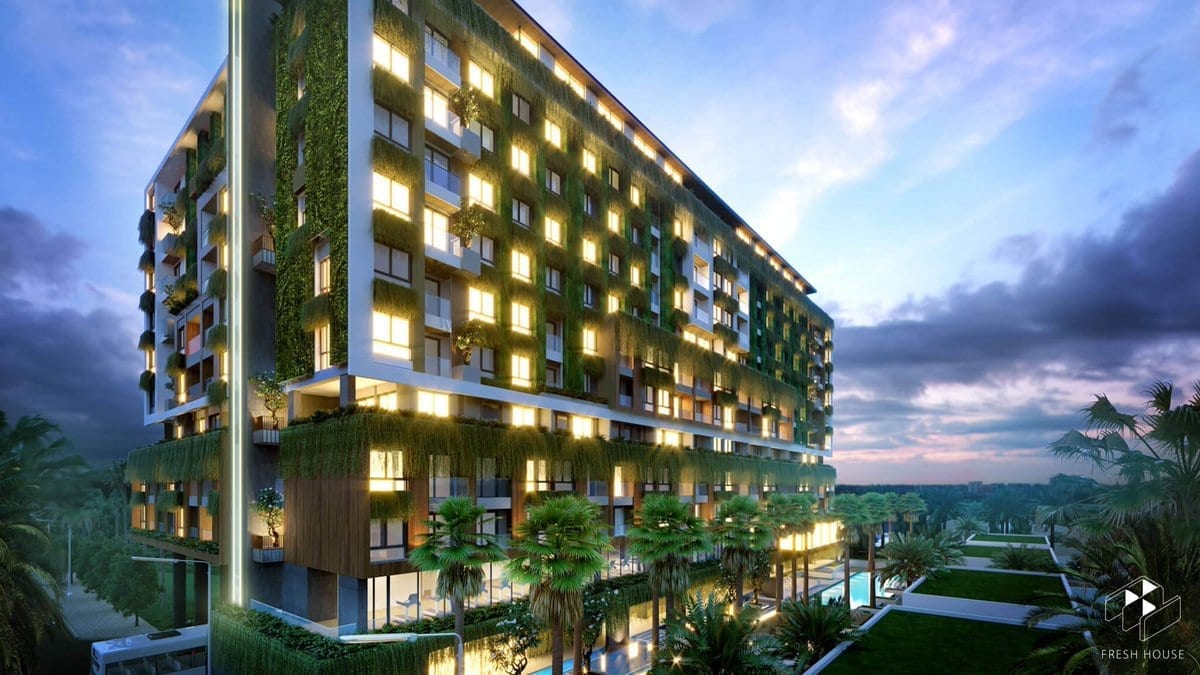
    R&F Princess Cove sits immediately adjacent to the Johor-Singapore Causeway. Built by China’s R&F Group, the complex features a 650-meter covered pedestrian bridge connecting directly to Johor Bahru’s Customs, Immigration and Quarantine complex to attract daily cross-border commuters.

    Cross-Border Buyer Pushback

    The ruling tests the sales playbook Chinese developers have deployed across southern Malaysia for a decade. Large developers targeted middle-class Singaporeans and regional investors with promises of luxury living at a discount to Singapore prices, relying on phased handovers to manage cash flow while ongoing construction dragged on around early residents.

    That approach faces tighter legal scrutiny across Southeast Asian residential corridors. When buyers organized to contest the piecemeal delivery, the court rejected the developer’s defense that partial access satisfied delivery clauses. The judgment establishes that common facilities and unhindered road access carry enforceable financial value that developers cannot defer without paying penalties.

    For institutional investors and residential operators, the penalty bill introduces a concrete balance-sheet risk for phased handovers. Property firms in cross-border zones can no longer rely on standard disclaimers or revised secondary schedules to escape late-delivery clauses when primary agreements promise complete integrated estates.

    Phased Handover Roadblocks

    The project initially attracted retail investors on the strength of direct Singapore connectivity. Early buyers took keys in October 2017 to find incomplete shared infrastructure, obstructed roadways, and surrounding construction zones that disrupted access across the site.

    Semi-retired Singaporean buyer Crystal Ng sold her unit after taking delivery in late 2017, recalling that early access routes were blocked by temporary fencing while contractors were still working on adjacent structures.

    When we received keys to the unit (in October 2017), the whole area was very messy and full of construction debris. Even the access route to our block was still obstructed … There was a fence erected on the road

    Developer Prepares Appellate Challenge

    R&F legal counsel Josiah Tea confirmed the developer will appeal the High Court decision. The appeal will focus on the contractual interpretation of staged building plans and the formula used to calculate damages across the 84 awarded properties.

    The appellate filing represents the next step for both the developer and the claimant group.

  • Japan Post Insurance Backs JPY 30B Star Asia Housing Fund

    Japan Post Insurance Backs JPY 30B Star Asia Housing Fund

    Japan Post Insurance has anchored a JPY 30 billion ($190 million) residential property fund rolled out by Star Asia Group to hold rental assets across Tokyo’s 23 wards.

    Formally set up on 30 September as Star Asia Japan Property Fund No 1, the vehicle holds 17 recently built properties and establishes the investment manager’s first private channel targeting Japanese institutional equity.

    Star Asia Asset Advisors serves as asset manager for the vehicle, which allows Japan Post Insurance, an anchor backer holding JPY 58.3 trillion in assets at the end of June, to deploy capital alongside other domestic institutional partners.

    Shifting Capital Back to Tokyo

    Japanese life insurers are redirecting capital back home. New economic value-based solvency rules introduced at the end of March make domestic assets far more capital-efficient for local life companies than unhedged foreign debt or overseas property.

    Residential assets in Tokyo give institutional buyers a steady yield buffer. Star Asia is pricing the fund on the premise that Tokyo inner-ward rents can rise after decades of stagnation, supported by steady inward migration into central districts.

    Competition for high-quality residential blocks remains fierce among both local institutions and foreign private equity managers. Rental housing made up 21 percent of the record JPY 5.73 trillion in commercial real estate transactions recorded in Japan during the first nine months of the year.

    Insurer Targets Five Percent Alternatives Share

    Japan Post Insurance is working under a three-year investment plan released in May that calls for shifting alternative investments away from foreign holdings and directly into Japanese physical assets. Toru Onishi, who took over as president in June, intends to double the insurer’s separate real estate joint venture with Mitsui & Co to JPY 400 billion from around JPY 200 billion.

    Real estate is “highly resistant to inflation, and also a useful asset for responding to the capital regulations that have recently come into effect,”

    The insurer wants alternative assets to reach around five percent of its total portfolio by March 2029, up from 3.7 percent at the end of March 2024. Property and infrastructure will account for approximately half of that alternatives allocation, up from 43 percent.

    Earnings expectations are tied closely to this shift. Japan Post Insurance aims to generate an investment spread of more than JPY 290 billion in the year ending March 2029, compared with JPY 203.5 billion booked in the fiscal year ended March 2024.

    Broadening Beyond Overseas Endowments

    Star Asia was founded in 2007 by Taro Masuyama and Malcolm F MacLean IV, building its business primarily on equity from North American university endowments, pension systems and sovereign funds. The group managed JPY 930.6 billion at the end of June and has deployed more than JPY 1.43 trillion across Japan since inception.

    Opening a pipeline to domestic institutions rebalances Star Asia’s capital base. In February, the group sold a 25 percent economic interest to Mizuho Leasing for JPY 30 billion to expand its private funds and back its Tokyo-listed Star Asia Investment Corporation, where residential real estate accounts for 12.7 percent of its 78 assets by value.

    Earlier partnerships tested the model. Star Asia established SA Artessimo Residential I in 2020, securing priority acquisition rights for compact apartments developed by Global Link Management.

    Institutional Demand Deepens

    Other major institutions are executing similar playbook shifts. The Government Pension Investment Fund awarded JPY 10 billion in March to a domestic fund run by Hong Kong-based Phoenix Property Investors, following earlier allocations to Japanese vehicles managed by BentallGreenOak and Morgan Stanley.

    Japan Post Insurance had already widened its external manager bench in June by backing DMRE Fund 4, a JPY 23 billion rental housing fund managed by Marubeni Asset Management covering Tokyo, Kansai and Chubu. That deal was its first property vehicle executed through a silent partnership structure.

    Star Asia now faces the task of deploying capital into Tokyo residential buildings. The firm is counting on central ward wage gains to translate into residential rent increases through the end of the decade.

  • Myanmar Property Prices Quadruple Since 2021 Coup as Capital Flees Inflation

    Myanmar Property Prices Quadruple Since 2021 Coup as Capital Flees Inflation

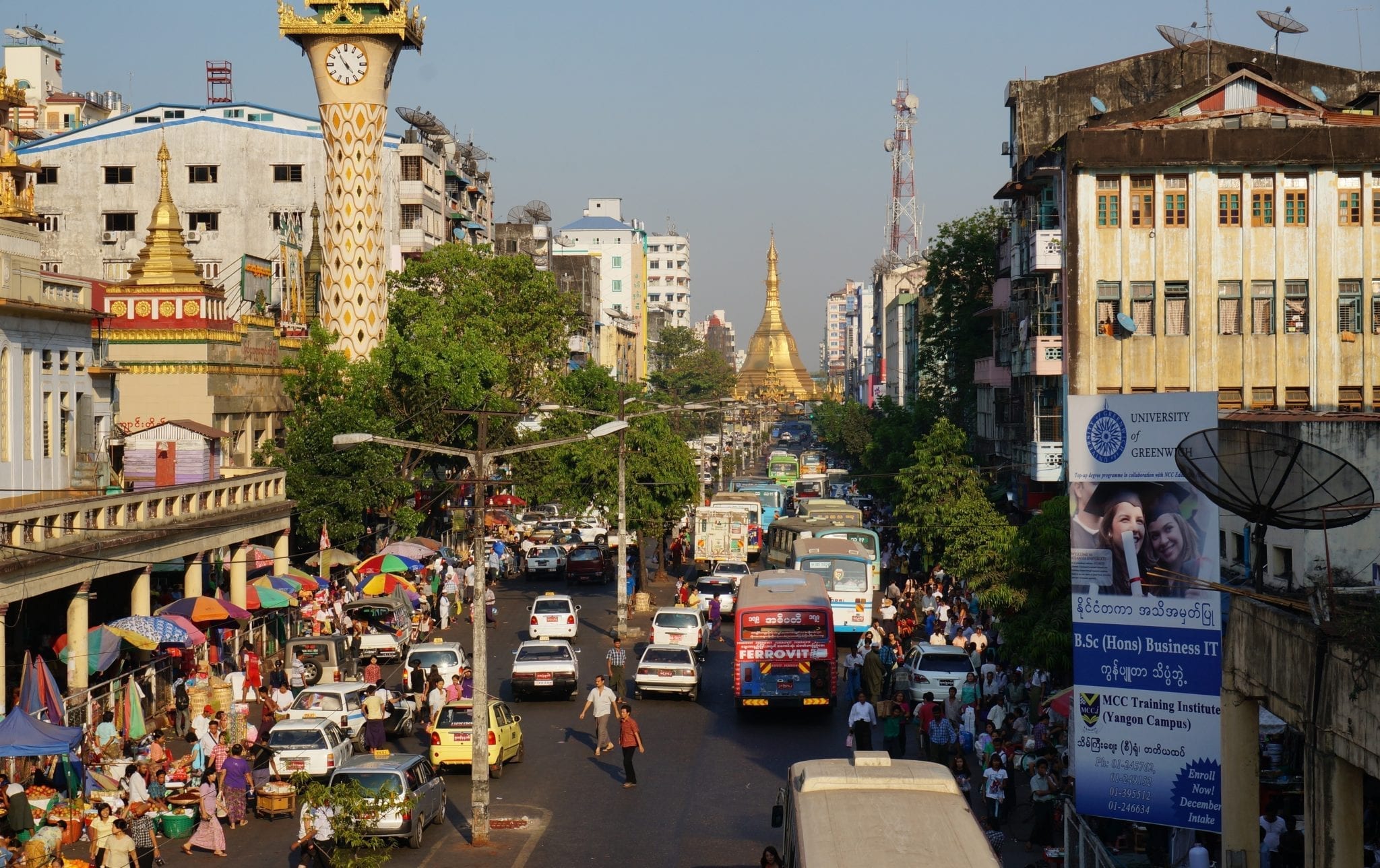
    Residential property prices in Myanmar have quadrupled since the military took power in 2021, World Bank estimates show. Housing has become a primary refuge against severe currency depreciation.

    Inflation and volatility in assets such as gold drove buyers to funnel capital directly into physical real estate across commercial hubs like Yangon.

    Authorities have introduced administrative measures to cool the market and restrict speculative deals. Domestic savers face dwindling options as the kyat slides, turning property into the default tool for capital preservation.

    Capital Shifts Away From Gold and Cash

    Local investors previously rotated savings into foreign currency and precious metals. Now, they concentrate funds in residential land and housing developments. Shifting trade rules made physical gold volatile, sending buyers toward assets that resist sudden shocks.

    Yangon absorbed the bulk of this domestic capital flight. Deals remain concentrated in residential subdivisions and standalone plots with secure title deeds, keeping cash out of depreciating bank accounts.

    “But we have found that property is less vulnerable to price swings in Myanmar. So we just stay in real estate now.”

    Implications for Commercial Landlords and Developers

    This residential boom masks distortions across commercial real estate. Retailers, store operators, and commercial tenants face steep rent hikes pegged to land values, even as consumer purchasing power falls.

    Developers with completed residential units find steady cash buyers. Commercial landlords, meanwhile, struggle to maintain occupancy. High material import costs and regulatory barriers restrict new supply, channeling incoming capital into existing stock.

    Inflation Hedges Across Emerging Asia

    Using property as an inflation shield mirrors patterns seen in other distressed frontier markets across Asia. When stability weakens and exchange rates fall, investors routinely pull capital from financial instruments and shift it to fixed assets.

    Concentrating domestic savings in Yangon property elevates long-term risk. Owners hold illiquid assets that depend on local capital recycling, leaving them exposed if regulatory curbs tighten or secondary-market sales stall.

    Roots of the Fourfold Surge

    The price rally began after February 2021, when the military seized control and foreign exchange limits multiplied. Over the next three years, curbs on currency trades, bank withdrawals, and gold trading steadily narrowed options for private wealth holders.

    With alternative investment channels restricted by authorities, residential property emerged as the least regulated option for large-scale wealth storage.

    Enforcement and Transaction Rules to Watch

    Market watchers are tracking the enforcement of recent property transaction curbs introduced by Yangon municipal and fiscal authorities. Upcoming directives on deed registrations, wealth declarations, and transfer taxes will determine whether domestic capital stays locked in real estate or seeks fresh outlets.

  • Bangkok Luxury Home Prices Surge 75% over Past Decade

    Bangkok Luxury Home Prices Surge 75% over Past Decade

    Bangkok luxury home prices climbed 75 percent over the past decade. That outpaced value gains across premier residential markets including Singapore, Hong Kong and Los Angeles.

    Data compiled by Savills Research shows the Thai capital delivered faster ten-year capital appreciation than gateway cities like Sydney, Paris, Berlin and Miami.

    Prime residential prices in Bangkok average roughly $12,000 per square metre, or 404,000 baht. That sits far below Singapore at $25,400 per square metre and Hong Kong at $51,300 per square metre. Tokyo averages approximately 1.13 million baht per square metre, while Seoul stands near 703,000 baht.

    Valuation Gaps Across Asian Gateways

    This pricing spread keeps Bangkok accessible for regional capital seeking prime assets at a discount to traditional financial centres. A high-end condominium in Bangkok trades at less than half the square-metre rate of comparable real estate in Singapore. That gives private wealth desks room to pitch value plays to overseas buyers.

    Yield profiles also support the market. Bangkok luxury properties generate an average gross rental yield of 3.8 percent, ranking second across the Asia-Pacific region. This gives institutional landlords an income cushion that higher-priced gateway cities cannot match.

    Mid-Year Correction Tests Developer Pricing

    Market momentum hit resistance during the first half of 2026. Luxury residential sale prices and rents in Bangkok both dropped by more than 5 percent during the six-month period, according to Savills data.

    The pullback followed price adjustments across several large development completions, alongside softer purchasing demand from domestic buyers facing broader economic headwinds. Developers that loaded pipelines with ultra-luxury units now face prolonged inventory absorption cycles. That is forcing selective discounting in core central business district locations.

    Foreign Wealth and Tourism Inflows

    Recent softening follows an aggressive run for prime rental stock. Luxury residential rents in Bangkok jumped 15.4 percent in 2024. That surge was driven by incoming foreign high-net-worth individuals, expatriate relocations and a full-scale rebound in Thailand’s hospitality and tourism industry.

    Cross-border demand has kept occupancy steady in branded residences and prime riverfront projects. That shielded institutional landlords from the steeper occupancy drops seen in mass-market suburban condominium blocks.

    Inventory Pipeline and Absorption Targets

    Asset managers are now tracking second-half 2026 sales transaction figures to assess whether the 5 percent price slip represents a temporary correction or a broader structural reset. The key test arrives as major mixed-use developments along Rama IV and the Chao Phraya riverfront deliver their final residential phases through early 2027.

  • Thailand Resale Condo Transfers Surge 39 Percent in Second Quarter

    Thailand Resale Condo Transfers Surge 39 Percent in Second Quarter

    Thailand recorded a 39.4 percent year-on-year surge in second-hand condominium transfers in the second quarter of 2026, driven by buyers seeking affordable alternatives to costly new builds.

    Total transfer value for resale condos climbed 41 percent over the same period, making apartments the fastest-expanding segment in the country’s housing market, according to the Real Estate Information Center.

    Supply expanded in tandem with buyer activity. Listed resale condo inventory rose 25.2 percent year-on-year to 49,199 units during the quarter, while total listed value climbed 67.8 percent to 285 billion baht.

    Bangkok Captures Bulk of Secondary Trading

    Activity remained heavily concentrated in Greater Bangkok, which accounted for 42.3 percent of all secondary housing transfers and 47.4 percent of transaction value nationwide. Greater Bangkok saw 26,388 second-hand residential transfers, a 35 percent increase from a year earlier, with total value rising 29.4 percent to 59 billion baht. Bangkok proper alone recorded 13,910 transfers, up 38.7 percent, generating 38.3 billion baht in value.

    Condos outpaced all landed residential formats. Single detached house transfers rose 16.8 percent across the country, townhouses gained 24 percent, and semi-detached homes grew 22 percent. Resale condo volume expanded at more than double the pace of detached houses.

    Wage Lag Diverts Demand from Primary Projects

    The pivot to secondary properties reflects structural household constraints rather than a deficit of new construction. New home prices in Bangkok rose at a compound annual rate of 4.3 percent between 2012 and 2025, while labour wages grew just 2.8 percent over the same span, according to research by Krungthai Compass.

    That divergence is pricing first-time buyers out of newly launched developments in central locations. Resale properties offer established transit links and larger floor plans at discounts to primary launches, drawing cost-conscious buyers into older buildings.

    Mid-Priced Units Dominate Buyer Takeup

    Transaction growth clustered tightly around middle-tier price brackets. Units selling between 1.51 million baht and 5 million baht saw transfer volumes jump between 25 percent and 30 percent during the quarter. Condos priced between 2.01 million baht and 3 million baht captured 24 percent of total second-hand transaction value, the largest single share.

    Sub-1-million-baht properties generated 34.8 percent of all secondary unit transfers but represented only 10.2 percent of total market value. While entry-level transactions remain numerous, available stock in that bottom tier is shrinking. Secondary listings priced below 1 million baht fell 9.9 percent in unit count and 7 percent in total value during the period.

    Luxury Listings Expand as Primary Developers Pivot

    Upper-tier supply moved in the opposite direction. Secondary listings priced above 10 million baht jumped 32.4 percent by unit count and 39.6 percent in value, pushing total nationwide resale listing value up 24.9 percent despite a modest 6.1 percent gain in overall listed unit volume. Actual buyers, however, stayed concentrated in the affordable mid-market.

    Primary developers now face direct competition from older inventory in established corridors. With household debt high and borrowing capacity squeezed, builders can no longer rely on broad market expansion to absorb newly launched supply. They face sharper pressure to discount inventory and redesign upcoming pipelines around entry-level price thresholds.

    Krungthai Compass projects total secondary residential transfers in Bangkok will hit 195 billion baht by the end of 2026, accounting for roughly 40 percent of all residential property transfers in the capital.

  • Tokyo Inner Ward Population Hits 9.8 Million as Density Reaches 15,600

    Tokyo Inner Ward Population Hits 9.8 Million as Density Reaches 15,600

    Tokyo’s 23 central wards added 1.2 million residents over the past two decades, pushing urban density to 15,600 people per square kilometre, as reported by Paul de Vries for The Japan Times in September 2026. The population in the inner wards now stands at 9.8 million.

    Construction firms and property developers have absorbed this influx primarily through two methods. Builders are erecting high-rise residential towers containing hundreds of units while buying standalone houses with private yards, razing the greenery, and replacing them with multiple narrow homes.

    Subdividing Plots for Housing

    Landed housing subdivisions now supply a steady stream of compact urban properties across residential wards. Replacing a single detached home with two or three townhouses increases plot yield for homebuilders. It also removes private gardens that previously provided urban tree cover and communal wildlife corridors.

    Tower developments concentrate hundreds of households onto single commercial footprints. These buildings offer high floor-area ratios but leave standard rooftops largely bare of functional green infrastructure.

    Pressure on Urban Greenery

    For residential property developers in Japan, plot subdivision remains the fastest way to bring infill housing to market without assembly delays. However, municipal planning offices face mounting heat-island effects in wards where open ground cover has vanished. Residential developers across Seoul and Singapore face similar constraints, but Japanese zoning codes give private landowners wider leeway to maximise structural footprints up to boundary lines.

    Institutional real estate investors holding multifamily residential assets in Tokyo face shifting tenant preferences. Renters and buyers in high-density districts increasingly seek access to private or communal outdoor spaces, creating a pricing gap between conventional concrete blocks and properties that integrate rooftop greenery.

    Rooftop Space Under Scrutiny

    Tokyo’s urban growth runs counter to Japan’s broader demographic decline, which has hollowed out regional prefectures while concentrating capital and labour in the Kanto region. Previous redevelopment cycles focused on expanding transport nodes and commercial office floors around central railway hubs.

    Attention is shifting to residential rooftop retrofits across the 23 wards as developers balance land costs against municipal open-space guidelines.