Tag: residential

  • Singapore’s Sentosa Cove: Once a Luxury Haven, Now a Hotspot for Residential Resale Losses

    Singapore’s Sentosa Cove: Once a Luxury Haven, Now a Hotspot for Residential Resale Losses

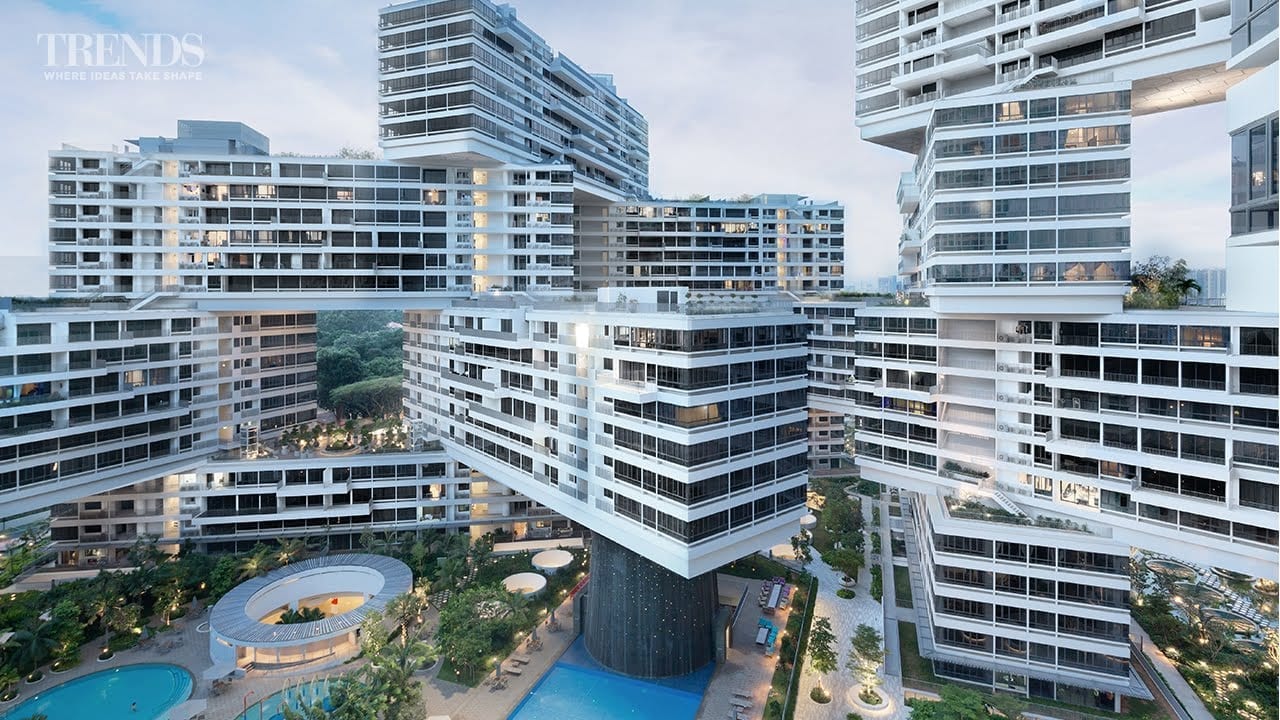
    Over the past three years, approximately 64.5% of residential resale transactions in Singapore’s exclusive Sentosa Cove district have resulted in losses, according to data from local real estate platform, Mogul.sg. This figure marks a rise from the 62.8% recorded between March 2020 and April 2023. The lackluster performance of this affluent enclave, once hailed as a haven for the wealthy, has been attributed to diminished demand from both foreign and local buyers.

    Performance of Property Types and Loss Analysis

    The study found that landed properties fared marginally better than condominiums, with around half of the resales since 2023 yielding a profit. The average loss on unprofitable resales decreased by 18% to S$1.28 million (US$1 million), however, the gross gains on profitable sales also dipped significantly, approximately 62%, to S$655,590. These figures do not account for additional costs such as stamp duties, property taxes, legal fees or agent commissions.

    Property consulting firms Cushman & Wakefield and Newmark similarly noted a trend towards loss-making resales in the area.

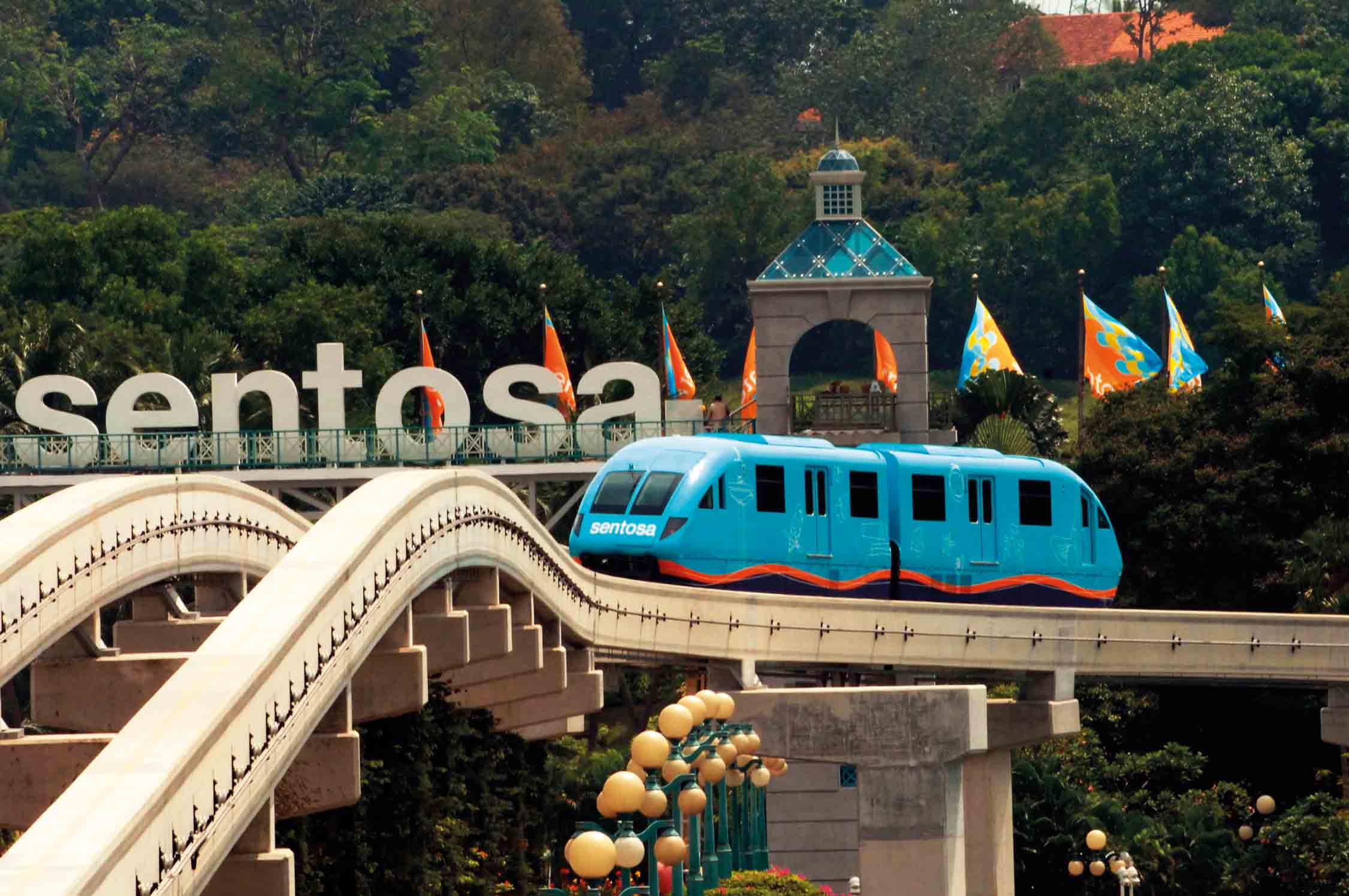
    Located on the eastern end of the 5-square-kilometer Sentosa Island, Sentosa Cove was transformed from a military outpost into a leisure and tourism hub in the 1970s. The enclave, which was developed primarily on reclaimed land and consists of five man-made islands (namely Coral, Paradise, Treasure, Sandy, and Pearl), was initially conceived as a high-end residential hotspot for affluent foreigners.

    Once marketed as Singapore’s answer to Monte Carlo or Dubai’s Palm Jumeirah, the enclave used to enjoy robust sales, driving up property prices. This was partly due to exemptions from mainland property restrictions and the unique provision allowing foreigners to purchase landed homes, albeit with government approval.

    Declining Demand and Current Challenges

    Since the 2008 global financial crisis and subsequent increases in Singapore’s additional buyer’s stamp duty, demand for properties in the enclave has dwindled. The tax, imposed on top of the standard buyer’s stamp duty, was raised to 60% in April 2023 for most foreign buyers, contributing to the decline in demand.

    Nicholas Mak, chief research officer of Mogul.sg, attributed the waning interest in Sentosa Cove to several factors. These include a halt in new residential developments, limited accessibility, and harsh coastal conditions. Moreover, no residential land parcels in Sentosa Cove have been sold since 2008.

    Further compounding the issue is a stipulation preventing foreign owners from leasing out their standalone homes. Consequently, several properties have been left vacant for extended periods, as their owners reside abroad or occupy other residences on the mainland.

    The lack of amenities such as shopping malls, wet markets, and hawker centers has also been identified as a reason for the enclave’s lack of appeal among Singaporeans.

    Questions & Answers

    What is the current state of residential resale transactions in Sentosa Cove?
    Approximately 64.5% of residential resale transactions in Sentosa Cove have resulted in losses over the past three years.

    What factors are contributing to the declining demand for properties in Sentosa Cove?
    The declining demand can be attributed to several factors including increased buyer’s stamp duty for foreign buyers, lack of new developments, limited accessibility, and harsh coastal conditions.

    How has the rule that prevents foreign owners from renting out their standalone homes impacted the Sentosa Cove property market?
    This rule has resulted in numerous properties being left vacant for extended periods, thereby reducing the attractiveness and vibrancy of the enclave.
  • Hanoi’s Prime Western Land on Sale: Priced from $40M with Residential Development Opportunities

    Hanoi’s Prime Western Land on Sale: Priced from $40M with Residential Development Opportunities

    Next month, Hanoi authorities are set to auction a two-hectare plot of land located in the city’s western region. The initial entry price has been established at VND1.06 trillion, or approximately US$40 million, which equates to VND52.9 million per square meter.

    Land Auction in An Khanh Commune

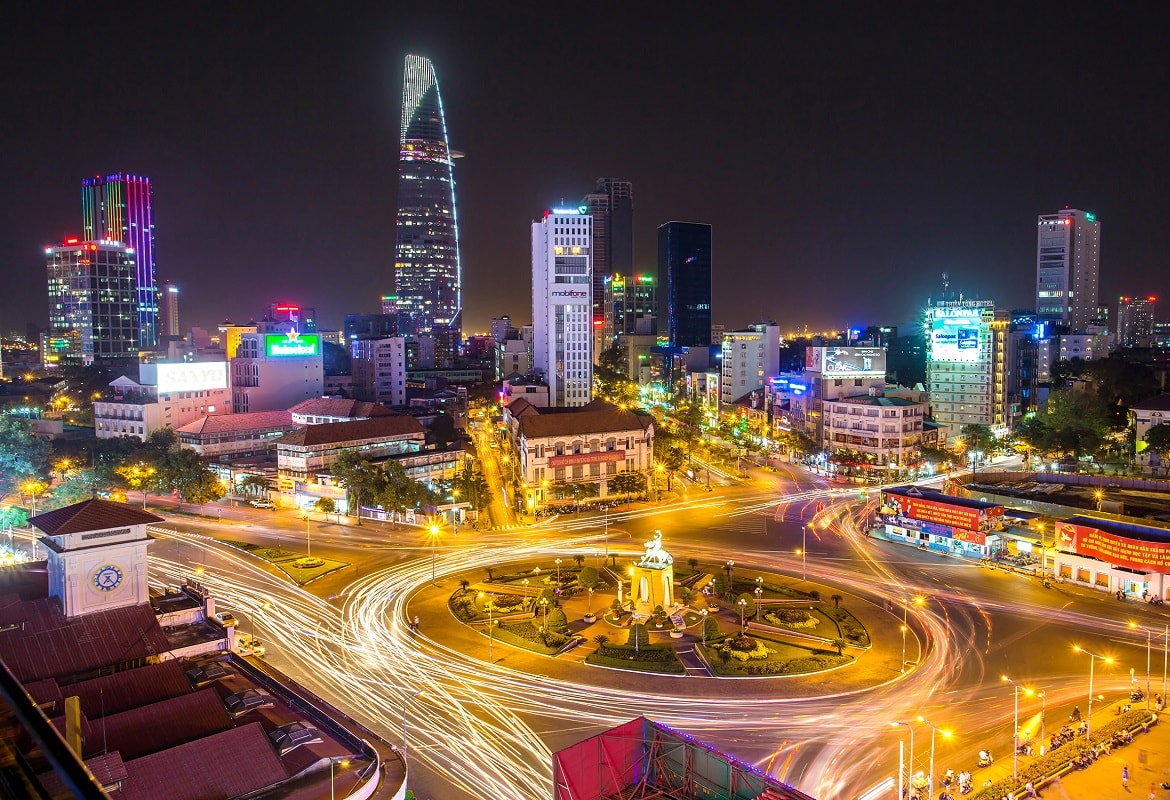
    The plot of land is situated in the An Khanh Commune, positioned 22 kilometers away from the city center. The auction will be conducted by the Lac Viet Auction Partnership Company. The land is zoned for commercial residential development, opening up possibilities for significant business ventures.

    The auctioning process will be conducted through multiple rounds of sealed bids, with at least five rounds expected to occur. Each incremental bid will be increased by VND10 billion. Bidders are required to place a deposit equivalent to 20% of the starting price to participate in the auction.

    An Khanh Commune is home to a population of 102,000. Its close proximity to Thang Long Avenue has catalyzed the establishment of several significant residential projects such as Sudico Nam An Khanh, HaDo Charm Villas, and Vinhomes Thang Long.

    Hanoi’s Revenue from Land Transactions

    In the previous year, Hanoi set a new record in its revenue from land-related transactions, generating VND107.9 trillion. This figure surpassed its intended target by 125% and was over twice the amount earned in the previous year. This revenue constituted 15% of the city’s total income.

    Looking forward, Hanoi has set a target to earn a total revenue of VND3.7 quadrillion from 2021 to 2030. Of this amount, about 21.6% is expected to be derived from land transactions.

    Questions & Answers

    What is the starting price for the land auction in An Khanh Commune?
    The starting price is VND1.06 trillion, or approximately US$40 million.

    What type of development is permitted on the auctioned land?
    The land is zoned for commercial residential development.

    What percentage of Hanoi’s total revenue from 2021 to 2030 is expected to come from land transactions?
    About 21.6% of the total revenue is projected to come from land transactions.

  • Driving into the Future: Singapore’s Punggol District to Host Country’s First Residential Autonomous Shuttle Service

    Driving into the Future: Singapore’s Punggol District to Host Country’s First Residential Autonomous Shuttle Service

    WeRide and Grab have recently been given the go-ahead by Singapore’s Land Transport Authority to initiate their full-scale Ai.R fleet testing in Punggol. This move is significant as Punggol will be the nation’s first residential area to potentially provide an autonomous shuttle service.

    Launch of First Autonomous Shuttle Service

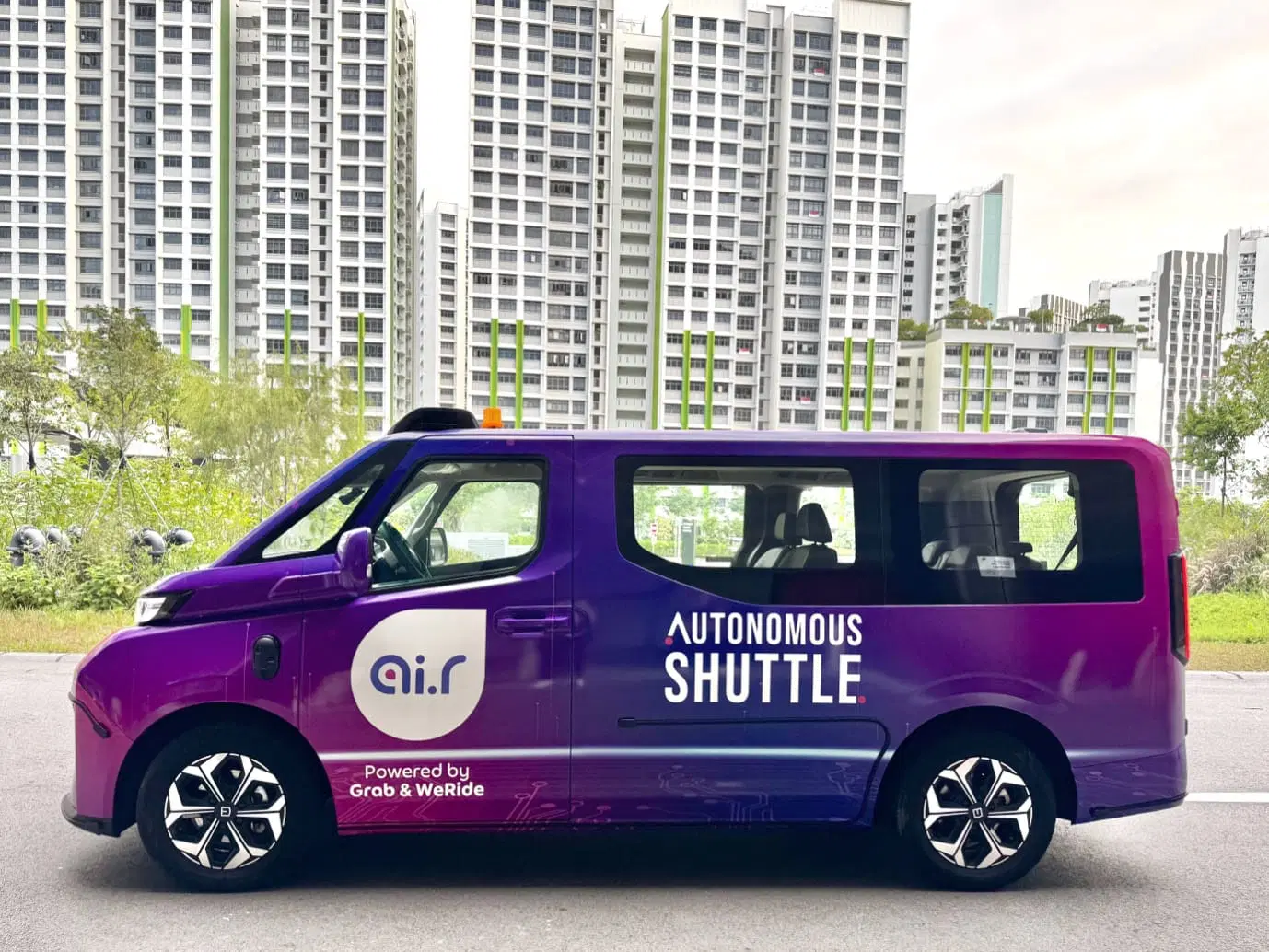
    The Ai.R, short for Autonomously Intelligent Ride, is an autonomous public ride service jointly operated by Grab and WeRide. The fleet comprises 11 vehicles, with ten being WeRide GXRs featuring five passenger seats each, and one Robobus with eight seats. The goal of this initiative is to transform Punggol into the first Singaporean neighbourhood to offer a dedicated autonomous shuttle service, with public operations anticipated to commence in early 2026.

    Improved Connectivity for Residents of Punggol

    The autonomous shuttles intend to connect residential areas to key facilities that include the Punggol Coast MRT station, the bus interchange at Punggol Coast Mall, retail establishments, and healthcare facilities. Safety Operators will be present on board throughout the testing phase and the preliminary public rides roll-out to supervise operations in real-time and ensure safety.

    Gearing Up for Reliability and Safety

    Each test run of the autonomous vehicles will generate real-world data that can help train and localize the vehicles’ AI driving models better. The AVs will analyze road infrastructure, traffic situations, and behavioural patterns of pedestrians and road users. They are also being equipped to handle Singapore’s well-known unpredictable weather conditions to ensure consistent and reliable performance.

    Navigating Complex Urban Environments

    To be fully operationally prepared, the Ai.R fleet is being trained across various real-world situations. This includes precision driving for smooth acceleration, deceleration, and obstacle avoidance; navigation of narrow residential roads, tight car park turns, and complex intersections; and facilitating seamless pick-ups and drop-offs. Equipped with LiDAR and camera sensors, the vehicles can identify hazards in all weather conditions, enabling adaptive responses to dynamic urban environments.

    Developing the Autonomous Transport Workforce

    Talent development is a crucial aspect of this programme. GrabAcademy and WeRide are working in collaboration to train over ten experienced Grab driver-partners as Ai.R Safety Operators. Post completion of classroom instruction and closed-circuit training, the initial group has moved on to on-road sessions.

    A Step towards Singapore’s Smart-Mobility Future

    The expansion of Ai.R testing underlines Singapore’s wider ambitions to integrate autonomous technologies into its public transport system. For WeRide and Grab, the initiative represents a significant advancement in commercializing autonomous mobility in a densely populated urban environment. This could potentially serve as a model for implementations across Southeast Asia. If successful, Punggol could soon be a shining example of how AV-enabled transit can improve connectivity, resilience, and urban liveability.

    Questions & Answers

    What is the Ai.R service?
    Ai.R, short for Autonomously Intelligent Ride, is an autonomous public ride service that is jointly operated by Grab and WeRide.

    What is the purpose of the Ai.R fleet testing in Punggol?
    The testing serves to transform Punggol into Singapore’s first neighbourhood to offer a dedicated autonomous shuttle service, with operations expected to start in early 2026.

    What is the significance of this initiative for Singapore?
    This initiative aligns with Singapore’s broader ambition to incorporate autonomous technologies into its public transport ecosystem, and also marks a significant advancement in commercializing autonomous mobility in a densely populated urban setting.

  • Singapore residential prices continue fall, but signs of bottom emerge

    Singapore residential prices continue fall, but signs of bottom emerge

    Private home prices in Singapore fell and rents continued to soften in the last quarter of 2016 but a decrease in the number of vacant units suggests the market may be nearing a bottom.

    According to Urban Redevelopment Authority (URA) statistics for the fourth quarter released Thursday, private residential property prices in Singapore fell 0.5% between October and December 2016, slowing from the 1.5% decline in the previous three-month period.

    For the whole of 2016, private home prices fell 3.1%, compared with the 3.7% drop in 2015.

    Meanwhile, rents for private homes declined 1.0% in the fourth quarter following a 1.2% fall in the previous quarter. For the year as a whole, rents slipped 4.0%, slower than the contraction of 4.6% in 2015.

    Home prices in the city-state have trended downwards over the past three years as the government introduced a series of measures such as caps on mortgage loans and higher stamp duties to check soaring real estate values.

    Residential prices have retreated more than 10% since they hit a peak in 2013, leading many to call for a relaxation of the curbs.

    There were some signs in Thursday’s data that a recovery may be taking shape in the private housing market.

    For instance, according to the URA data, the number of private residential units in the pipeline fell to 40,913 at the end of the fourth quarter, from 43,693 at end September. The vacancy rate for completed units decreased to 8.4% at end December from 8.7% at the end of the third quarter.

    In addition, there were pockets of strength within the residential sector, particularly at the high end of the market. For example, prices of landed homes rose 0.8% during the fourth quarter, turning around from a 2.7% decline in the previous quarter.

    Most people in land-scarce Singapore reside in high-rise apartment blocks and only the wealthy can afford landed property.

    PropNex Realty, one of Singapore’s largest real estate brokers, said activity in Singapore’s residential market picked up in 2016 because prices dropped to levels that home buyers are comfortable with.

    “Despite the uncertain economic outlook and impending interest rate hikes, we are expecting a price moderation in 2017 with possible (decline) of not more than 3%,” PropNex CEO Ismail Gafoor said.

    Turning to the commercial property market, URA said office rents fell 1.8% in the fourth quarter compared with the decline of 1.1% in the previous three-month period. For the whole of 2016, office rents declined at a faster pace of 8.2% compared with the 6.5% drop in 2015.

    As for shopping malls and other retail spaces, URA said rents declined 1.2% in the fourth quarter compared with the decrease of 1.5% in the preceding period. Rents fell 8.3% for the full year, which was more than twice the 4.1% decline in 2015.

    Desmond Sim, head of CBRE Research for Singapore and Southeast Asia, estimates an additional 52,000 square metres of retail space was leased in 2016, which was short of the new supply of 75,000 square metres.

    “Although the magnitude of the quarterly decline in Q4 2016 was lower than previous quarters, we expect rents to remain under pressure,” he said.