Tag: restaurant retail

  • Yum China Lifts Store Target to 2,400 Outlets After Net Profit Rises

    Yum China Lifts Store Target to 2,400 Outlets After Net Profit Rises

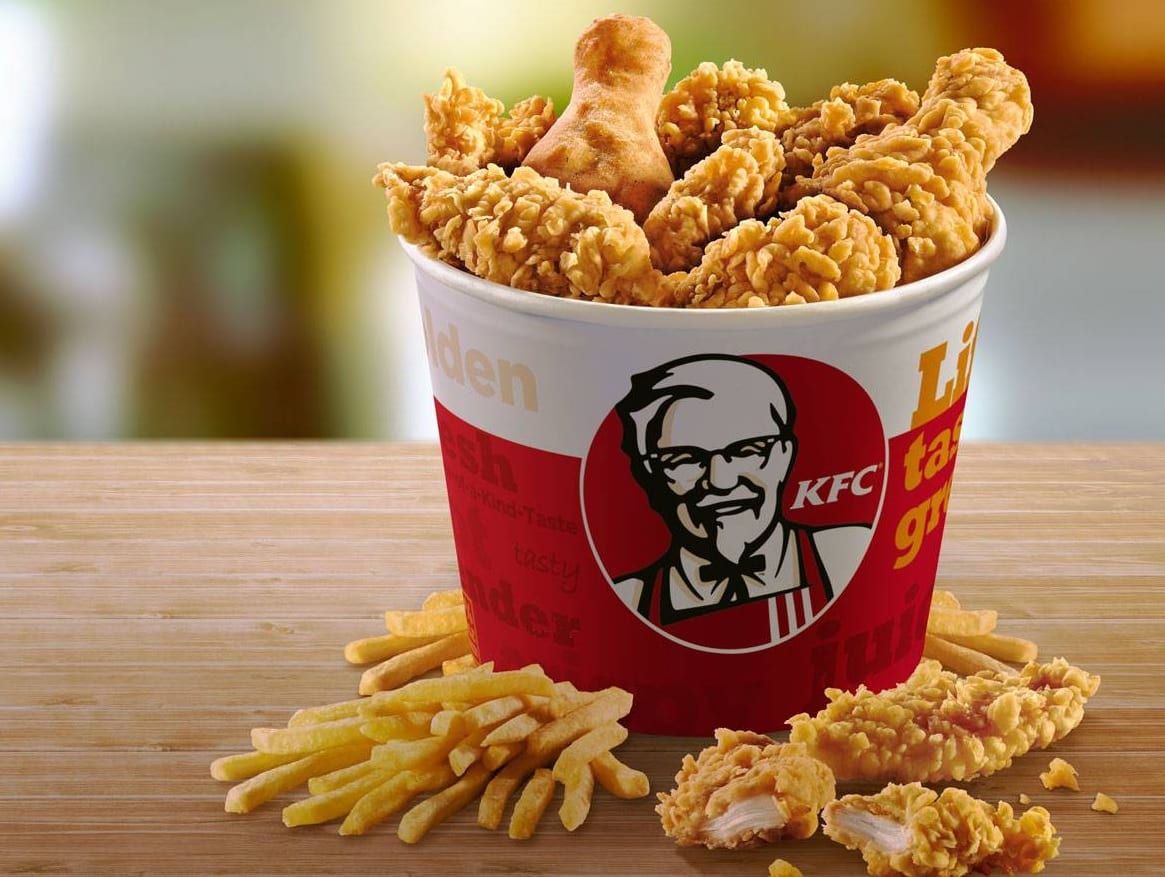
    Yum China raised its annual store opening target to more than 2,400 outlets after reporting an 8 per cent rise in third-quarter revenue to US$3.5 billion.

    Operating profit climbed 13 per cent to $451 million as the company added a net record of 692 restaurants, lifting its total estate across mainland China to 19,989 locations.

    The previous target stood at 1,900 net new stores for 2026. Chief executive Joey Wat confirmed the operator will pass the 20,000-store mark before the end of the year, backed by a 20 per cent rise in diluted earnings per share. In constant currency terms, system sales grew 3 per cent while core operating profit rose 6 per cent. That performance represented the company’s tenth consecutive quarter of concurrent growth across system sales, operating profit and operating margin.

    Margin Defense Against Lower Ticket Averages

    Same-store sales slipped to 97 per cent of prior-year levels during the quarter. The company faced adverse weather in August alongside tough comparisons against heavy third-party delivery platform subsidies disbursed in the prior year.

    Customer traffic offset that pressure. Same-store transactions grew 3 per cent, marking the fifteenth straight quarter of volume gains. Diners spent less per visit, but more of them came through the doors.

    Restaurant margins widened 50 basis points year on year to 17.8 per cent, matched by a 40 basis point rise in operating margin. Management attributed the margin resilience to negotiated rent reductions, automated kitchen processes, centralized operations support and lower delivery-rider expenses per completed order. Profitability also received a clean lift from the full buyout of the Pizza Hut mainland China business, which permanently extinguished brand royalty and licensing fees payable on those locations.

    Smaller Formats Target Unpenetrated Counties

    Rapid store openings now lean directly on downsized footprints designed for lower overheads. During the first nine months of the year, Yum China rolled out 1,888 net new locations, with chief financial officer Adrian Ding confirming that more than half were opened in new cities, strategic locations or trade zones without existing dine-in or delivery coverage.

    To penetrate smaller settlements without cannibalizing revenue, the operator rolled out formats including KFC Small Town, Pizza Hut WOW and dual-branded KFC-Pizza Hut Gemini sites. These smaller templates accounted for over half of all openings across lower-tier cities this year, holding store payback periods between two and three years.

    The white space remains substantial. Wat noted that KFC has no presence in roughly 1,000 Chinese cities, while Pizza Hut remains absent from 1,500 cities. In another 1,500 locations where KFC already trades, Pizza Hut has yet to open a single kitchen. KFC’s footprint passed 14,000 restaurants during the quarter after adding more than 500 net units.

    Rival Pressures and Digital Takeaways

    Yum China’s physical push contrasts sharply with regional competitors that are slowing development pipelines to protect cash reserves. Local Chinese fast-food challengers and Western franchisors alike have struggled against discounting wars in tier-one and tier-two shopping malls, where consumer caution has dragged down average spend. By steering capital expenditure into lower-tier cities with compact layouts, Yum China secures cheaper commercial leases while spreading its central supply chain costs over larger sales volumes.

    Landlords in lower-tier markets face high vacancy rates and are granting substantial rent concessions to secure anchor fast-food tenants. For Yum China, the primary operational risk shifts from retail rental inflation to consumer price elasticity, since secondary-town shoppers demonstrate little loyalty if ticket prices creep up. Digital platforms continue to command consumer access: delivery revenue increased 7 per cent in the quarter to generate 54 per cent of all company sales, making unit-level economics increasingly sensitive to rider logistics costs.

    Earlier quarterly results showed the company holding a conservative opening pace before accelerating installations through the late summer. The group generated $362 million in shareholder capital returns during the third quarter alone, maintaining a broader plan to return $1.5 billion across 2026. Active digital loyalty members across the KFC and Pizza Hut ecosystems exceeded 278 million.

    Management reiterated its target for 2027 of zero to 2 per cent same-store sales growth alongside double-digit diluted earnings growth, with full-year 2026 network counts scheduled to clear the 20,000 threshold in the fourth-quarter filings.
  • Japan Foods Posts S$234,000 Profit as Halal Pivot Offsets Store Cuts

    Japan Foods Posts S$234,000 Profit as Halal Pivot Offsets Store Cuts

    Japan Foods swung to a half-year net profit of S$234,000 for the six months ended Sep 30, arresting losses sustained since 2023 after slashing nearly a third of its dining network in Singapore.

    The Catalist-listed restaurant group had reported a net loss of S$3.3 million during the corresponding period a year earlier. First-half revenue fell 18 per cent to S$30.2 million as its total store count dropped from 68 to 46 restaurants by late September.

    Management turned the business around by terminating unviable leases and converting underperforming locations into Steak 99, a proprietary halal dining format launched in October 2025.

    Pruning Legacy Noodle Brands for Halal Beef

    The format serves steak meals starting from S$9.90 with free-flow side dishes. It expanded to 14 locations by the end of September, generating S$9.5 million in first-half revenue, or nearly one-third of the group total.

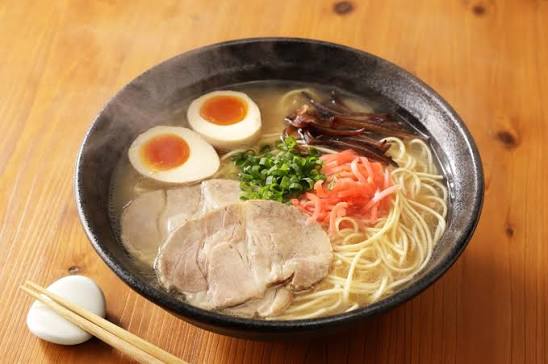
    To build the budget steak network, Japan Foods took over shopping centre units previously occupied by its Ajisen Ramen brand, including high-footfall sites at Plaza Singapura, Bedok Mall and Tampines Mall. Ajisen Ramen shrunk from 12 outlets to eight over the 12-month period, while Tokyo Shokudo dropped from 14 restaurants to two. The operator removed brands including Menya Musashi and Osaka Ohsho entirely from its active roster.

    Operating Costs Fall Across the Chain

    Shrinking the restaurant network produced immediate cost relief across primary overhead lines. Selling and distribution expenses fell 27.8 per cent to S$22.3 million as store closures reduced headcounts, utility bills and lease depreciation charges. Administrative costs dropped 22.4 per cent to S$1.4 million, while other operating expenses decreased by roughly half to S$747,000.

    The balance sheet adjustments funded an interim dividend of S$0.0013 per share, payable on December 15. The group distributed no interim payout a year earlier.

    Why Suburban Value Squeezes Mid-Tier Dining

    For mall landlords across Singapore, the retreat of established Japanese noodle concepts illustrates how aggressively casual dining economics have shifted. Suburban retail mall rents have held firm even as labor costs and ingredient prices climb, leaving mid-tier dining chains with little room to absorb softer traffic. Operators that rely on S$15 to S$20 noodle bowls face consumer pushback as inflation-weary families trade down to food courts or aggressively priced casual dining alternatives.

    Pivoting to certified halal menus solves a structural occupancy problem for multi-concept restaurant operators. By securing halal certification, Japan Foods opened its suburban dining rooms to Muslim families who could not dine at its traditional pork-broth ramen stores. Retaining those retail leases under a value-led S$9.90 entry price point allowed the company to keep prime mall locations without maintaining the staff levels required by complex Japanese specialty menus.

    From Red Ink to Budget Offshoots

    The overhaul addresses operational losses for Japan Foods, which had been loss-making since 2023. Management responded by testing variations of its budget steak model, rolling out Wagyu Steak 99, Shabu Suki 99 and Yaki Zakana 99 under the same pricing structure. Each variation offers an entry-level meal priced at S$9.90 to defend suburban table turnover.

    The company informed investors that the rate of store closures will slow during the financial year ending March 31, 2027, as it works on optimizing remaining operations. The board will monitor early trading figures across its newer value spin-offs before committing capital to additional retail conversions.

  • Yakima Opens Ombak KLCC Outlet in Push for Halal Japanese Street Food

    Yakima Opens Ombak KLCC Outlet in Push for Halal Japanese Street Food

    YAKIGO opened an outlet at Ombak KLCC on 11 September 2026. The launch anchors its quick-service Japanese skewer format inside Kuala Lumpur’s central commercial district.

    Located at Lot C1 on the Urban Eats concourse floor, the branch is the brand’s third operating site. It forms part of a planned five-location network spanning retail malls, university campuses and highway rest stops.

    Central kitchen backing and localized recipes

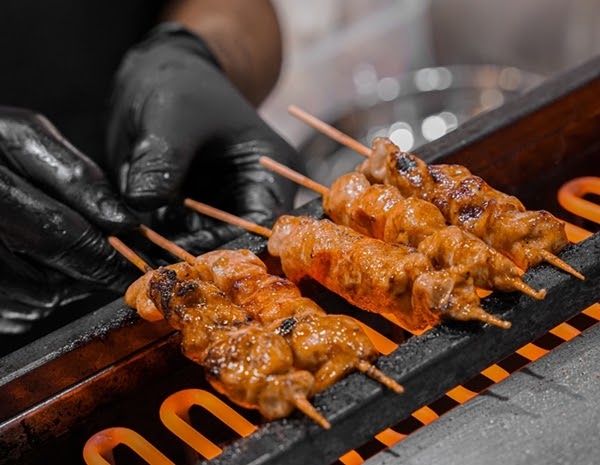
    The concept adapts Japanese yakitori into a fast-casual format built around batch grilling. Kitchens prepare skewers throughout service. They pair them with three sauces: a classic yakitori glaze, a spicy Golden Buttermilk sauce and a localized Sambal Bara.

    Menu bundles divide into three tiers tailored for high-footfall concourses. Options include a three-piece Snack Bag for on-the-go eating, a five-piece Signature Box, or a four-piece Full Meal served over Japanese rice.

    To serve Malaysia’s mainstream Muslim consumer base, the chain runs a halal-certified central kitchen. It sources all ingredients from compliant suppliers. Strategy officer Matthews Chang stated the business intends to make Japanese street dining broadly accessible through localized flavours and inclusive sourcing.

    The fast-casual shift in quick-service Asian dining

    For mall landlords and concourse operators, compact skewer formats deliver high revenue density per square metre. Stalls with limited, standardized stock-keeping units drive quick turns and high takeaway volume during peak lunch and evening commuting windows.

    Central kitchen certification clears the main operational hurdle facing Japanese concepts in Southeast Asia. Shifting butchery, skewer assembly and sauce production offsite strips complexity out of compact stores. It also ensures regulatory compliance across every point of sale.

    Expanding across commuter and campus hubs

    The Ombak KLCC site follows earlier launches aimed at different foot-traffic demographics. YAKIGO began operations at KIPMall Kota Warisan before opening a campus branch at Taylor’s University to capture student dining spend.

    Another retail store opened at Coalfields Retail Park on 10 September 2026, just ahead of the KLCC launch. The location establishes an outer-suburban presence in Selangor.

    Next stop on the North-South highway

    YAKIGO will open its next counter at the Seremban Rest and Service Area along the North-South Expressway in early October 2026. The branch takes the format into high-volume highway transit retail.

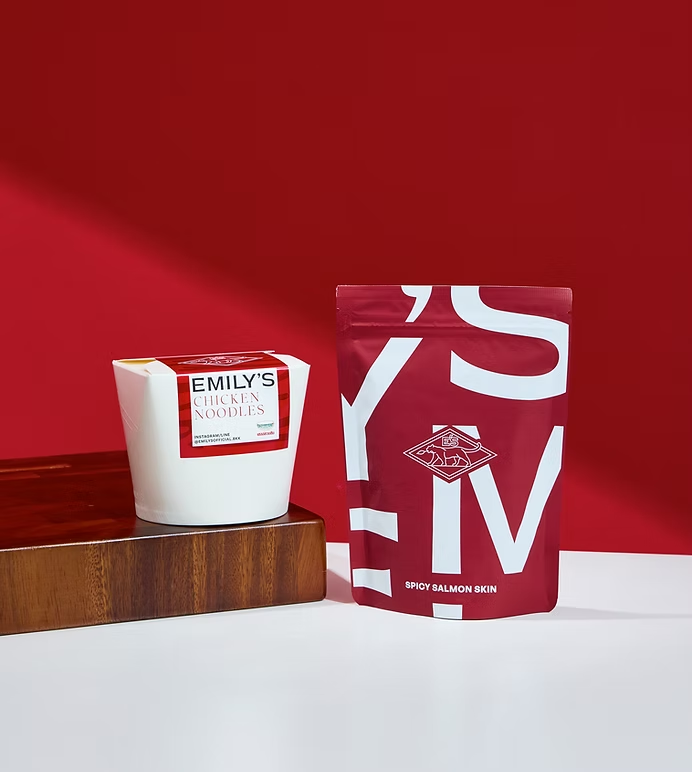
  • Thai Brand Emily’s Rolls Out Konjac Version of Signature Chicken Noodles

    Thai Brand Emily’s Rolls Out Konjac Version of Signature Chicken Noodles

    Thai food brand Emily’s launched a limited-edition konjac version of its signature shredded chicken noodles on 20 August, targeting consumers seeking low-calorie dining options.

    The Bangkok-born business introduced the high-protein alternative as an adaptation of its core menu item, which drove the company’s initial viral retail growth across Thailand.

    Health-Focused Menu Shift

    Founders Naiyanachanok Patamasingh Na Ayutthaya and Thaparat Waerojruedee developed the dish by swapping traditional wheat-based noodles for konjac root substitutes. The formulation retains the brand’s original chicken seasoning while cutting net carbohydrates and overall calorie counts.

    Konjac noodles have gained traction across Southeast Asian quick-service and casual dining formats. Fast-casual concepts across Bangkok and regional capitals frequently use limited-run functional dishes to convert casual social media interest into repeat footfall without changing baseline kitchen inventory permanently.

    Limited-Edition Rollout

    The new recipe operates as a short-run promotional item across the brand’s sales channels. Emily’s built its retail footprint around packaged and ready-to-eat comfort food formats before branching into dedicated counter operations.

    Customer sales performance and reorder velocity during the initial promotion window will determine whether the brand integrates the konjac dish into its permanent daily menu.