Tag: retail asia

  • Informa Opens Restaurant, Bar & Café 2026 with 400 Brands in Hong Kong

    Informa Opens Restaurant, Bar & Café 2026 with 400 Brands in Hong Kong

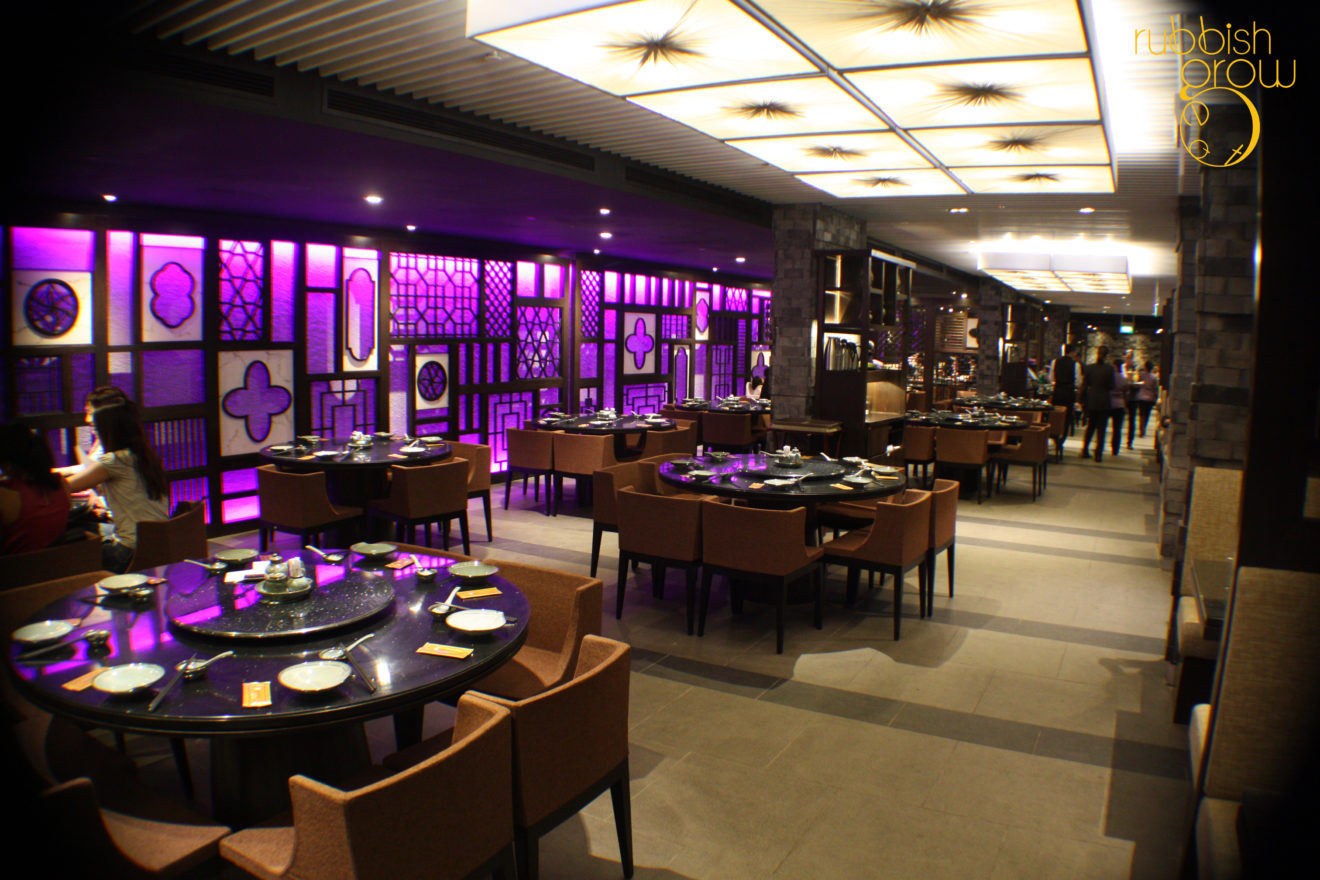
    Informa Markets opened the 2026 edition of Restaurant, Bar & Café Hong Kong on September 1. More than 400 commercial brands across 11 countries and regions are taking part. The trade exhibition runs for three days at the Hong Kong Convention and Exhibition Centre. Organisers expect to draw over 9,000 commercial buyers, operators and hospitality suppliers.

    Eight commercial sectors are represented, spanning food and beverage, coffee, hospitality equipment, natural products and front-of-house technology. Informa co-located the show with the Retail Asia Conference and Expo. That pairing links traditional foodservice procurement directly to retail automation, point-of-sale software and artificial intelligence systems.

    Equipment Debuts and Dedicated Sourcing Zones

    Exhibitors are using the floor to debut equipment and raw ingredients in Asian commercial channels. Hardware displays include the FSWAAI automated packing and labelling scale, as well as robotic dispensing units from Tao Bin Smart Beverage Machine (HK) Limited. Food suppliers brought premium lines such as Marble King Full Blood Wagyu and Kochi Prefecture chicken from Japan. These items target upscale restaurant buyers looking for differentiated menus.

    Dedicated sourcing zones divide the floor to speed up buyer meetings. The Japan Sake & Spirits Pavilion groups regional distillers and brewers. Nearby, the Eco-Innovation Hub concentrates on biodegradable packaging and certified organic food products. The Specialty Coffee Corner features live demonstrations at a dedicated Brew Bar, connecting green coffee importers with independent café chains.

    Retail Technology and Automation Take the Floor

    Hong Kong restaurant operators face heavy margin pressure from high rents and kitchen staffing shortages. Automation is no longer optional. Dining chains must automate basic prep work, weighing, inventory control and beverage delivery to protect their margins. Suppliers displaying self-service beverage dispensers and automated packaging systems are pitching directly to quick-service operators seeking to trim back-of-house headcount.

    Landlords and food hall operators face equal pressure to refresh tenancies with destination dining concepts. Store layouts increasingly require digital ordering kiosks, automated inventory integration and rapid takeaway counters. The commercial risk falls hardest on small operators. Many face steep capital costs when adopting proprietary smart kitchen tech that takes years to deliver a return.

    Demographic Shifts Drive Sourcing Priorities

    Consumer demographic shifts across East Asia shape this year’s conference programme. Organised with KPMG, the Retail Asia Conference focuses on artificial intelligence adoption and younger consumer engagement. On the final day, the IFSA Food Safety Symposium addresses nutrition and texture formulations tailored specifically to an ageing population.

    Local trade shows are working to rebuild international exhibitor numbers following years of travel disruptions and tighter regional budgets. Earlier editions saw smaller regional turnouts. Drawing 11 exhibiting jurisdictions sets a benchmark for the city’s cross-border hospitality trade recovery.

    Events wrap up on September 3 with the Hong Kong Coffee Challenge finals, the Pairing Sensations Awards and the release of final verified trade buyer attendance figures.

  • Navigating the Retail Landscape in Southeast Asia: Key Challenges for 2025

    Navigating the Retail Landscape in Southeast Asia: Key Challenges for 2025

    Southeast Asia’s retail scene in 2025 is a booming hub of growth and potential, fueled by a young, tech-savvy population of over 600 million consumers. The region’s retail market has evolved into a vibrant ecosystem where traditional shopping meets digital innovation.

    The numbers tell a compelling story:

    • Modern grocery retail growth: 6-7% annual increase
    • Rising middle class: 350 million by 2025
    • Digital economy value: Projected to reach $300 billion

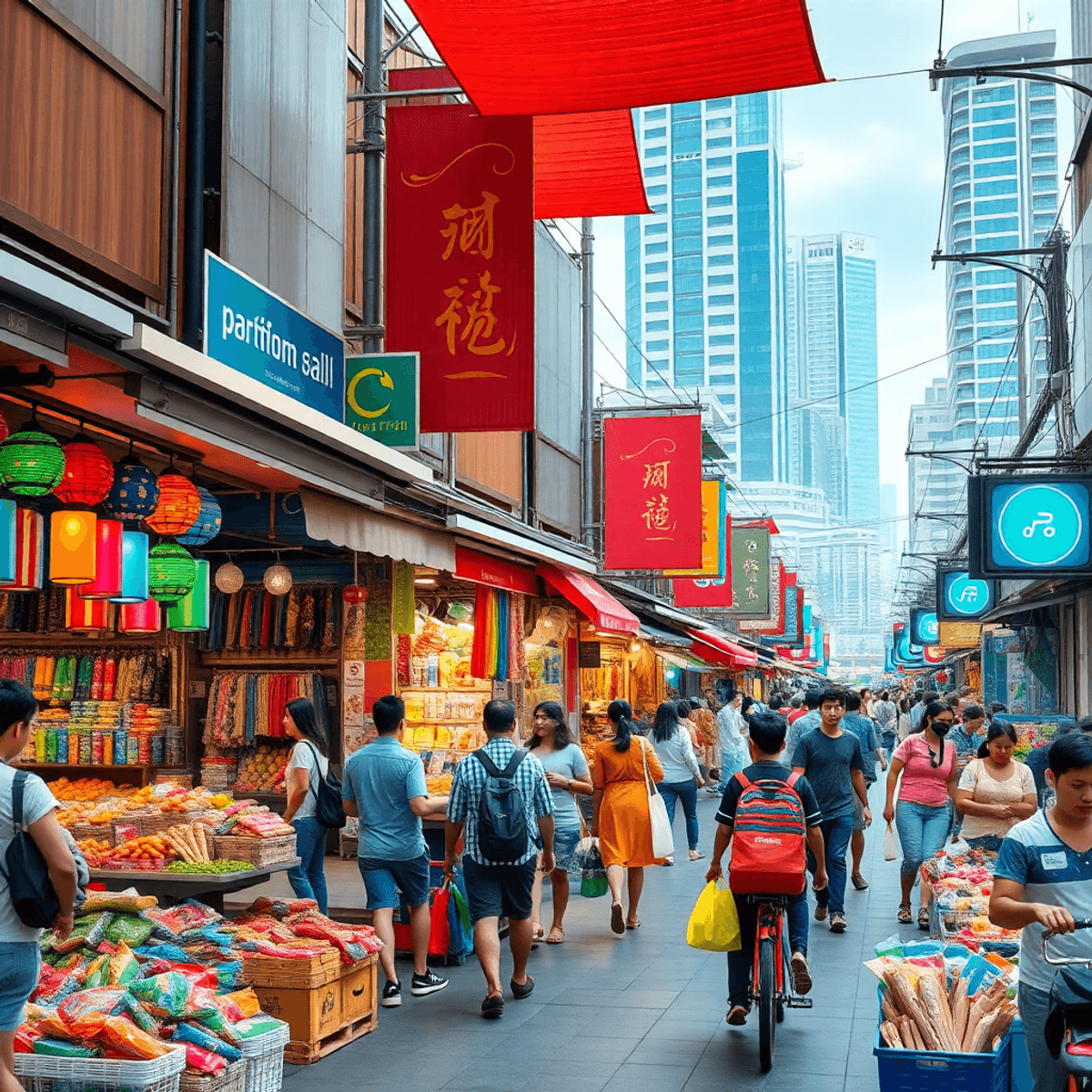
    Southeast Asia has become an important retail center, attracting both global brands and local entrepreneurs. The region’s diverse features – from bustling traditional markets in Jakarta to upscale shopping centers in Singapore – offer a wide range of retail experiences.

    However, this promising landscape also comes with its own challenges:

    • Market Fragmentation: Each country has its own unique consumer behaviors
    • Digital Transformation: Rapid shift towards omnichannel retail
    • Economic Pressures: Inflation and changing consumer spending patterns
    • Infrastructure Gaps: Varying levels of development across regions

    For retailers aiming for success in Southeast Asia’s 2025 market, understanding these dynamics is crucial. The combination of traditional retail practices with emerging technologies, along with changing consumer preferences, presents both opportunities and obstacles that require strategic navigation.

    Economic and Consumer Factors Impacting Retail Growth in Southeast Asia

    The retail landscape in Southeast Asia is facing significant challenges due to ongoing economic issues, particularly inflation, which is influencing how consumers behave. Recent data indicates that inflation rates are hovering between 3.5% to 6% in major Southeast Asian markets, directly affecting the volume of retail sales.

    Key Inflation Effects on Retail:

    • Reduced discretionary spending
    • Shift towards essential goods
    • Increased price sensitivity
    • Trading down to cheaper alternatives

    The expected trend of decreasing inflation in 2025 brings some hope for retailers. Economic forecasts suggest that inflation rates will drop to 2-3% across the region, potentially releasing pent-up consumer demand. This easing could lead to increased spending in previously affected categories such as electronics, fashion, and dining.

    Consumer confidence remains fragile due to ongoing financial pressures. A recent Nielsen survey reveals that 65% of Southeast Asian consumers are actively looking for ways to save money. This change in behavior has created distinct market dynamics:

    Impact on Retail Segments:

    • Discount retailers are seeing a 15-20% growth in their customer base
    • Fast-food chains are experiencing an 8-12% decline in average transaction value
    • Private label products are gaining a 25% market share
    • Budget-friendly retail formats are expanding their presence

    The current economic situation has altered how people make purchases, with 72% of consumers prioritizing value over brand loyalty. Retailers who adapt their pricing strategies and product offerings to align with these changing preferences are better positioned to capture market share.

    Navigating Market Structure and Competitive Landscape Challenges

    Southeast Asia’s retail landscape presents a unique contrast between traditional and modern retail formats. Traditional trade channels – wet markets, mom-and-pop stores, and street vendors – account for 70-80% of grocery spending across the region. These establishments maintain their dominance through personalized service, convenient locations, and cultural familiarity.

    Modern retail formats have gained significant momentum, growing at 15-20% annually in key markets like Indonesia, Vietnam, and the Philippines. Key drivers include:

    • Rising middle-class populations
    • Increasing urbanization
    • Growing preference for organized shopping experiences
    • Enhanced product variety and quality assurance

    Digital ecosystem players have intensified market competition. Companies like Grab, GoTo, and Sea Limited leverage their extensive user bases to expand into retail services. These tech giants offer:

    • Integrated shopping experiences
    • Sophisticated loyalty programs
    • Advanced data analytics capabilities
    • Seamless payment solutions

    The retail sector’s focus has shifted from aggressive expansion to sustainable profitability. This transition brings operational challenges:

    • Supply chain optimization across multiple channels
    • Last-mile delivery efficiency
    • Inventory management across online and offline platforms
    • Integration of legacy systems with new digital infrastructure

    Physical retailers face mounting pressure to develop omnichannel capabilities. Success requires balancing traditional retail strengths with digital innovation while maintaining operational efficiency in an increasingly complex market environment.

    Overcoming Operational and Technological Hurdles for Retail Success

    Digital transformation is crucial for Southeast Asian retailers in 2025. With the help of advanced data analytics, retailers can:

    • Create highly personalized marketing campaigns
    • Predict inventory needs accurately
    • Optimize pricing strategies on the spot

    Key Digital Transformation Priorities:

    Retailers should focus on the following areas for their digital transformation efforts:

    1. Implementing AI-powered demand forecasting systems
    2. Integrating cloud-based inventory management solutions
    3. Deploying smart POS systems with built-in analytics
    4. Developing customer data platforms for personalized experiences

    The automation of value chains brings great opportunities for improving operations. Leading retailers are putting their money into:

    • Robotic process automation for warehouse operations
    • Smart shelving systems with electronic price tags
    • Automated replenishment systems
    • AI-powered quality control mechanisms

    Strategic partnerships are essential for creating flexible supply chains throughout Southeast Asia. Successful retailers are doing the following:

    1. Working together with local logistics providers for last-mile delivery
    2. Joining forces with tech startups to find innovative solutions
    3. Building connections with multiple suppliers to ensure resilience
    4. Establishing data-sharing networks with key stakeholders

    Implementing these technological solutions requires a significant investment in infrastructure and talent development. Retailers need to find a balance between the costs of implementation and the long-term benefits of improved operational efficiency and enhanced customer experience.

    Emerging Tech Solutions in SEA Retail:

    Here are some emerging technologies that have the potential to revolutionize the retail industry in Southeast Asia:

    • Blockchain for supply chain transparency
    • IoT devices for real-time inventory tracking
    • Machine learning for predictive maintenance
    • Edge computing for faster data processing

    Addressing Regulatory Environment and Property Development Issues in Southeast Asian Retail Markets

    Southeast Asian retail markets have a complicated set of rules that are different in each country. For example, in Vietnam, foreign retailers must go through strict requirements called Economic Needs Testing (ENT) before they can open stores. Malaysia has specific policies for Bumiputera ownership, while Indonesia requires certain retail operations to have local partnerships.

    Key Regulatory Challenges:

    • Different licensing requirements per country
    • Foreign ownership restrictions
    • Local content requirements
    • Varying tax structures
    • Complex import regulations

    Property development for retail spaces is facing increasing pressures in 2025:

    Rising Costs and Space Constraints:

    • Construction material costs up 15-20% due to inflation
    • Prime retail space rental increases in major cities
    • Limited land availability in urban centers
    • Strict zoning regulations

    Infrastructure gaps create additional hurdles for retail development. Bangkok’s traffic congestion impacts delivery times, while Manila’s port congestion affects supply chain efficiency. Jakarta’s flooding risks require extensive mitigation measures in retail property development.

    Local partnerships emerge as a vital strategy to navigate these challenges. Retailers like Aeon and Central Group demonstrate success through joint ventures with local property developers, enabling better understanding of regulatory nuances and access to prime locations.

    The regulatory landscape pushes retailers toward innovative solutions. Mixed-use developments gain popularity, combining retail spaces with residential and office components to maximize land use efficiency. Smart building technologies help optimize space utilization and reduce operational costs amid rising inflation.

    Meeting Evolving Consumer Expectations: Strategies for Retailers in 2025

    Southeast Asian consumers in 2025 have sophisticated preferences, pushing retailers to adapt their strategies. Market research indicates a 70% increase in demand for fresh, organic produce and sustainable products across major urban centers like Singapore, Jakarta, and Bangkok.

    Key consumer trends shaping retail strategies:

    Health-conscious purchasing

    • Premium fresh produce sections
    • Organic food departments
    • Plant-based alternatives
    • Wellness product ranges

    Sustainability focus

    • Eco-friendly packaging
    • Locally sourced products
    • Transparent supply chains
    • Carbon footprint labeling

    Private-label offerings emerge as a critical strategy for retailers to meet these evolving preferences while managing inflation pressures. Leading retailers in Thailand and Malaysia have expanded their private-label ranges by 40%, introducing premium sustainable product lines at competitive price points.

    Successful retailers implement:

    1. Clear product origin labeling
    2. Digital tracking systems for supply chain transparency
    3. Partnerships with local organic farmers
    4. Sustainability certification programs
    5. Personalized healthy lifestyle recommendations

    Vietnamese retail chain VinMart exemplifies this adaptation, launching a “Green Living” private label that combines affordable pricing with sustainable packaging, capturing a 15% market share in their fresh produce category within six months.

    Exploring Emerging Opportunities in Southeast Asian Retail Markets

    Southeast Asian retailers can tap into significant growth potential through strategic technological integration and innovative revenue streams. The digital transformation of retail presents lucrative opportunities for businesses ready to embrace change.

    Building Integrated Tech Ecosystems

    • Smart retail solutions powered by AI and IoT
    • Unified commerce platforms connecting online and offline channels
    • Mobile-first payment solutions catering to the region’s digital natives
    • Data analytics platforms for real-time inventory management
    • Virtual try-on experiences using AR technology

    Retail Media Networks: A New Revenue Frontier

    • Digital advertising spaces within retail apps and websites
    • Targeted promotional campaigns using first-party customer data
    • Brand partnerships through in-store digital displays
    • Personalized shopping recommendations based on purchase history
    • Location-based marketing initiatives

    The rise of super apps in Southeast Asia creates opportunities for retailers to integrate their services into existing digital ecosystems. Companies like Grab and Gojek demonstrate the potential of combining retail, delivery, and financial services into unified platforms.

    Local retailers can differentiate themselves by developing proprietary tech solutions tailored to regional preferences. Examples include:

    • QR code payment integration
    • Voice commerce in local languages
    • Social commerce features
    • Live shopping capabilities
    • Cross-border e-commerce solutions

    These technological advancements position Southeast Asian retailers to capture market share while building sustainable competitive advantages in an increasingly digital retail landscape.

    Conclusion

    The retail landscape in Southeast Asia presents a complex mix of challenges and opportunities for 2025. Success depends on retailers’ ability to find a delicate balance between aggressive growth strategies and sustainable operational practices.

    Key success factors for retailers include:

    • Maintaining operational efficiency while navigating diverse regulatory frameworks
    • Building robust technological infrastructure for seamless customer experiences
    • Implementing sustainable practices that resonate with conscious consumers
    • Creating agile business models adaptable to market shifts

    The future belongs to retailers who can harmonize these elements while staying true to local market nuances. Those who master this balancing act will emerge as leaders in Southeast Asia’s promising retail sector, turning challenges into stepping stones for sustainable growth and market leadership.
  • Alibaba to double investment in Vietnam

    Alibaba to double investment in Vietnam

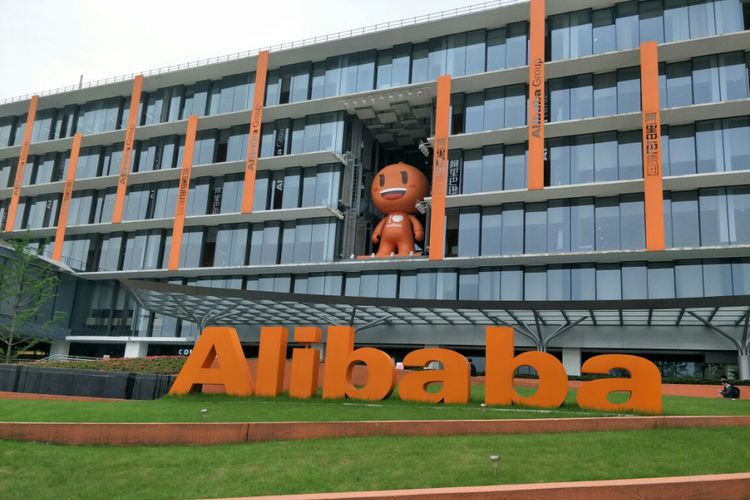
    Alibaba.com, the global business-to-business e-commerce platform of Chinese tech giant Alibaba, will double its investment in emerging manufacturing centers in Vietnam and additionally hire hundreds of employees.

    In the next three years, Alibaba.com will complete the establishment of specialized teams to operate in Vietnam’s emerging manufacturing hubs, including Binh Duong, Bac Ninh, Long An, Da Nang and Hai Phong, in addition to the teams already operating in Hanoi and Ho Chi Minh City, Roger Luo, director of Alibaba in Asia-Pacific, announced recently in Ho Chi Minh City.

    “Vietnam is a very important part of our e-commerce development map,” Luo said, pointing out three advantages of this market.

    First, Vietnam has favorable foreign trade policies with many free trade agreements being signs. “Compared to China, Vietnamese-made goods have an advantage. Moreover, the U.S.-China trade war has big influence on Chinese goods, while Vietnamese goods are not affected,” he said.

    Second, labor costs are still low. Third, there are many Vietnamese specialty products.

    “Vietnamese suppliers on our platform are gradually building a reputation with a large number of global buyers, especially in such areas as agricultural products, food, fashion and home garden products,” he said.

    The number of Vietnamese sellers on Alibaba’s e-commerce platform has increased to thousands.

    The number of Vietnamese products available on this platform in March surged by 24% against the same period last year.

    In the first half of this year, Vietnam’s export turnovers stood at US$164 billion, down 12% against the same period last year.

    The situation would be better in the second half of the year because inventory in the U.S. is decreasing.

    “Small and medium-sized businesses need to quickly seize this opportunity by reviving their human resources and strengthening their digital capabilities,” he recommended.

  • South Korean retail sales up after Covid-19

    South Korean retail sales up after Covid-19

    South Korean retail sales rose by 2 percent during May, largely due to increased online shopping, according to the new Ministry of Trade figures.

    The year-on-year increase was strongly influenced by purchases of food and sanitary items online due to the effect of social-distancing requirements related to the coronavirus pandemic.

    The ministry polled 26 major retailers in both online and offline categories to collect the data, which showed combined sales of US$9.65 billion last month, an increase of over $9.506 billion during the same period last year.

    Online platforms saw a 13.5-per-cent revenue rise during the period, with online sales of food increasing almost 39 percent, and daily items and furniture going up 22.7 percent. Offline shopping – with the exception of convenience stores – continued to show a decline, with a 6.1-per-cent drop in sales.

    Year-on-year sales figures for last year showed an increase of 4.8 percent over 2018.

  • Developing Asia economies to face the threat of recession amid the global pandemic

    Developing Asia economies to face the threat of recession amid the global pandemic

    The COVID-19 pandemic would have a major effect on developing economies in Asia and may even drive several countries into recession, according to the World Bank. The novel coronavirus presents a massive danger to one of the leading economic development drivers in the world, driving it into recession and throwing 11 million citizens into poverty, the Washington-based institution reported. Most of the economies in the region haven’t faced a recession since the 1998 crisis.

    Before the pandemic crippled the world economy, things were looking up for the East Asia and the Pacific (EAP) region. Prior to the global pandemic, projections estimated that nearly 35 million people would escape poverty in 2020, with over 25 million in China alone. Now with the real possibility of a recession looming over the EAP, there will be no getting out of poverty anytime soon.

    Asia’s economies will contract 0.5 percent in the worst-case scenario, which predicts a protracted pandemic with more serious consequences, the study forecasts.

    As the Vice President for East Asia and the Pacific at the World Bank Victoria Kwakwa noted, the countries were already coping with trade tensions on the global market and the consequences of the spread of coronavirus in China, and now they’re faced with a global shock.

    Despite the pandemic endangering many industries on the market, there was a positive market sentiment recently, with US equities surging further. The things aren’t looking good for China however, as retail sales fell, along with the GDP.

    The growth in the developing EAP region was projected to be 5.8 percent in 2019. Now the numbers have fallen significantly indicating them to slow to 2.1 percent in the baseline and to negative 0.5 in the lower case scenario in 2020.

    How to minimize the damage

    The World Bank advises that countries need to take steps immediately to alleviate some of the imminent impacts of the virus – including accelerated improvements in healthcare infrastructure and targeted fiscal measures.

    Along with doubling down on supporting the national healthcare capacity for long-term preparedness, the report also suggests that the countries should take an integrated approach of containment and macroeconomic policies.

    “Targeted fiscal measures – such as subsidies for sick pay and healthcare – would help with containment and ensure that temporary deprivation does not translate into long-term losses of human capital,” reads the World Bank report.

    The Chief Economist for the region at the World Bank has also suggested that in addition to the national actions, the most effective vaccine against this virus would be accelerated international cooperation. “Countries in East Asia and the Pacific and elsewhere must fight this disease together, keep trade open and coordinate macroeconomic policy,” said Aaditya Mattoo.

    The study calls for international collaboration and new cross-border public-private alliances in order to improve the development and delivery of essential medical products and services in the face of the pandemic and retaining financial stability in the aftermath. In order to ensure the gradual economic growth in the region, the World Bank stresses that the trade policy should remain open so that all countries have access to medical and other resources.

    Another World Bank policy advice is easing credit to support households to smooth their expenditure and helping businesses withstand the immediate shock. Nonetheless, given the possibility of a prolonged crisis, the study emphasizes the need to pair these efforts with regulatory supervision, particularly when many EAP countries already bear heavy corporate and household debt burdens. “For poorer countries, debt relief will be essential, so that critical resources can be focused on managing the economic and health impacts of the pandemic,” the study notes.

    The World Bank report also takes into account some characteristics of the countries in the region and the implications of COVID-19 on specific sectors that are of vital importance for them. Highlighting that households that are dependent on sectors that have been hit the hardest by the pandemic will be at the highest risk of falling into poverty. Such vulnerable economic activities include tourism in Thailand and the Pacific Islands, manufacturing in Cambodia and Vietnam, and households dependent on informal labor in all countries.

    Many of the countries in the region have already been facing significant challenges and the global pandemic just adds up to those, such as droughts in Thailand or commodity shocks in Mongolia. The outlook for 2020 in the Pacific Island countries is subject to particularly significant risks owing to the dependence of their economies on grants, tourism, and imports.

    To combat the detrimental effects of the global pandemic, the World Bank, along with the other international organizations, has already taken significant steps in aiding the developing countries in efforts to minimize the damage.

  • South Korean duty-free retailers closing downtown stores

    South Korean duty-free retailers closing downtown stores

    South Korean duty-free retailers are temporarily shuttering metropolitan stores in response to a significant decline in tourist numbers caused by the coronavirus epidemic.

    Numerous outlets at prime tourist destination Jeju Island will be closed this month. A Lotte Duty-Free store that has already been operating under reduced hours since February will close pending the resolution of the crisis. Hotel Shilla’s store, which has suspended trading on weekends and holidays throughout the outbreak, will cease trading for a fixed one-month period.

    Jeju Island tourism has faltered significantly in recent months under heavily-reduced international flights, with a 99.2 percent drop in foreign tourist numbers year-on-year during April.

    The South Korean duty-free retailers shuttering stores also include Shinsegae Duty-Free’s locations in Gangnam and Busan will close on Sundays and Mondays from this month on, while airport duty-free stores under all local operators are largely closed for business at this time.

  • Coronavirus lockdown to slash Malaysian retail sales

    Coronavirus lockdown to slash Malaysian retail sales

    The six-week-long coronavirus lockdown is expected to slash Malaysian retail sales by 60.7 percent this month as non-essential stores are forced to close.

    Retail Group Malaysia, which calculates data on behalf of the Malaysia Retailers Association, estimates that retail sales for the full year will drop by 5.5 percent, should the government’s Movement Control Order be lifted at the end of this month. It has already been extended from March 18 until April 28

    RGM’s MD Tan Hai Hsin told The Edge that the majority of the nation’s retailers are recording zero sales this month. “This has never happened before in history”.

    While online sales have surged in Malaysia since the coronavirus struck the nation, and consumers are spending more on food and groceries, categories like jewelry, furniture and luxury goods have been decimated.

    Last year, Malaysian retail sales grew by 3.7 percent to RM107.5 billion (US$24.8 billion), but RGM is now forecasting RM101.6 billion ($23.45 billion) for the full year, a figure which must take into account a rebound once the lockdown order is lifted.

    The MRA estimates 209,000 stores have been forced to close during the lockdown and 90 percent of stalls and markets have been affected, which previously accounted for 63 percent of the nation’s total retail sales. The remaining 126,000 stores classified as essential include supermarkets, hypermarkets, convenience stores and pharmacies.

    Meanwhile, RGM has estimated that operating costs, including staff and store overheads, are likely to reach RM20.48 billion (US$4.7 billion) during the lockdown which retailers will have to carry in the absence of sales.

    It is, as yet, unclear the volume of online sales during the period and whether these will help mitigate in part the sales decline of any non-essential retailers.

  • Hong Kong toy shop fined for deceptive conduct

    Hong Kong toy shop fined for deceptive conduct

    An unidentified Hong Kong toy-shop owner has been convicted of misleading omission commercial practice.

    The owner was convicted of engaging in commercial practices involving misleading omission according to the Trade Description Ordinance (TDO) and sentenced to 200 hours of community service by Kowloon City Magistrates’ Courts. The court also ordered him to compensate HK$11,210 (US$1440) to three victims.

    An investigation carried out after Hong Kong Customs received a complaint from the victims alleging that a toy shop owner had engaged in unfair trade practices, showed that the owner had failed to explain the risks of late delivery to its customers on a social-media platform page. The owner has sold eighteen types of toy models without regard to the risk of delay.

    Under the TDO, any trader who engages in a commercial practice that omits or hides material information or provides material information in a manner that is unclear, unintelligible, ambiguous or untimely, or fails to identify its commercial intent and as a result causes, or is likely to cause, an average consumer to make a transactional decision commits an offense. The maximum penalty upon conviction is a fine of $500,000 and imprisonment for five years.

  • Asia will account for 45 per cent of global retail sales next year

    Asia will account for 45 per cent of global retail sales next year

    The world’s retail market is expected to slow down next year, but Asia will account for 45 percent of global retail sales, according to a new report from economic and business research group The Economist Intelligence Unit.

    In terms of volume, sales growth will slow compared to this year, but in US-dollar terms growth will accelerate. This divergence will reflect differing regional trends in demand, pricing and exchange rates, with developing markets outpacing developed ones.

    “It’s a mixed picture for global retail sales in 2020,” said The Economist Intelligence Unit consumer goods analyst Shveta Sharma. “Although there will be areas of opportunity, particularly in Asia, there are several threats to the industry.

    “The US-China trade war, Brexit and the protests in Hong Kong will all take a toll, while some retailers will also struggle to keep up with the continued shift online. We expect more store closures and job cuts.”

    Online retail will continue to undermine the competitiveness of brick and mortar stores next year, she said. Growth will be driven by social media apps such as TikTok and Instagram, as well as better digital payment systems. Retailers and consumer goods producers will need to adapt quickly to changing local conditions, shifting suppliers and closing stores as demand patterns change.

    The EU, however, is leading a backlash, scrutinizing the marketing tactics of online players as well as their efforts to avoid taxes. The scale of job cuts will also prompt more scrutiny in the US, in the run-up to November’s presidential election.

    The group’s full report on global retail sales is available for download here.

  • Lazada, Tiki locked in delivery speed race

    Lazada, Tiki locked in delivery speed race

    Giants Lazada and Tiki are racing to reduce their delivery times as competition heats up in Vietnam’s e-commerce market.

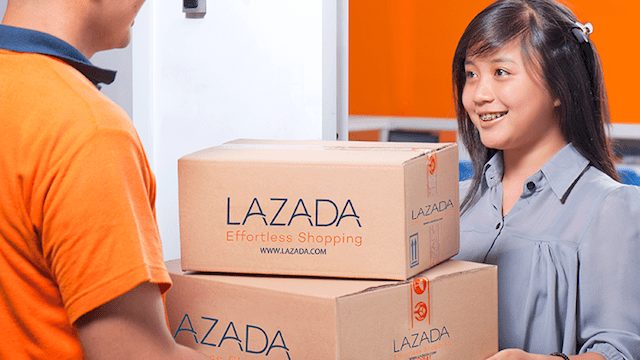
    Singapore-based Lazada Friday launched a 4-hour delivery service for flowers in Vietnam, a move in response to Vietnamese startup Tiki’s 2-hour delivery for a large number of products.

    Nguyen Ngoc Thang, head of express solutions at Lazada, said that this was a new step in e-logistics for the company.

    Earlier this month, the company began to offer 2-hour and 4-hour delivery for products weighing under 15 kilograms in Hanoi and Ho Chi Minh City.

    Almost 200 Lazada sellers are eligible for the service, mostly in beverage, fashion and baby products.

    The move followed other e-commerce companies in Vietnam, like Shopee, Sendo and Lotte, also announcing delivery times of one to four hours after Tiki introduced its 2-hour delivery for over 100,000 products.

    Tiki is able to do this by investing in expanding its fulfillment center, which is now at 60,000 square meters and set to triple to 200,000 square meters by the end of next year.

    The company’s average delivery time is less than two days, against the market average of four-five days, said Tiki chairman Tran Ngoc Thai Son.

    Meanwhile, Lazada has introduced its new 24/7 receiving points in Hanoi and HCMC where customers can pick up their items at a time of their choice.

    In the third quarter of this year, Tiki ranked fourth in terms of of web traffic, followed by Lazada. Both of them fell two places from Q2, according to market research firm iPrice.

    Singapore-based Shopee remained the market leader, followed by Vietnamese players Sendo and Mobile World, it said.

    Vietnam’s e-commerce market is estimated at $5 billion this year and is set to reach $23 billion in 2025, according to a recent report by Google, Singapore-based investment firm Temasek, and U.S.-based consultancy Bain.

  • Singapore retail store rents ease in second quarter

    Singapore retail store rents ease in second quarter

    Central Singapore retail rents eased by 1.5 percent in the second quarter of this year, according to data from the Urban Redevelopment Authority.

    That followed a smaller quarter-on-quarter decline of 0.2 percent in the three months to March 31.

    At the end of the June quarter, there were 320,000sqm of space in the pipeline, down from 364,000sqm three months earlier.

    Singapore retail space occupied by tenants rose by 74,000sqm in the quarter, more than reversing a 14,000sqm decline in the prior period.

    That contributed to a fall in the vacancy rate across the city from 8.7 percent to 7.7 percent.

    Singapore retail rents ease in second quarter

  • Burberry changes strategy to boost up sales

    Burberry changes strategy to boost up sales

    In a significant strategic u-turn the Burberry beauty business is to be out-sourced again.

    The UK fashion brand has announced a partnership with Coty to help boost the growth of Burberry beauty products from October.

    “We are delighted to partner with Coty, a world leader in luxury fragrance and makeup,” said creative chief Christopher Bailey in a statement. “Working with a global partner of their scale and expertise will help drive the next phase of Burberry Beauty’s development and position this business for future growth.

    “Further, the combination of the upfront payments and ongoing royalties is financially attractive and is expected to provide an accretive impact to our earnings from 2018/19.”

    The Burberry beauty portfolio includes fragrance lines Mr Burberry and My Burberry and make-up products. It turned over about £203 million last fiscal year.

    The appointment of Coty suggests the failure of a four-year old decision to take the beauty business in-house, after previous partner Interparfums was ended. But management disagrees.

    “We are in a very different position now to the position we were in four years ago,” said Julie Brown, Burberry’s chief operating and financial officer, explaining the strategic shift.

    “There was quite a high level of distribution of beauty products four years ago and what we wanted to do was bring it back in-house, control it a lot more carefully, and ensure we repositioned it, alongside the rest of the Burberry range.”

    Executive director John Smith said taking the portfolio in-house had helped strengthen the brand but “at the same time, we are on our own, in an industry where there is lots of competition. By partnering with Coty with their sheer scale… we do feel that we will have a lot more force in the marketplace in terms of distribution and relationships with wholesalers, department stores and so on.”

    Burberry expects be paid £130 million ($163 million) for the long-term exclusive global licence and related transfer of the beauty business, and £50 million for assets.

    Under the deal,Burberry will lead the creative parts of the business and Coty will use its industry expertise and global distribution network to optimise sales.

  • London retailers revel in Chinese influx

    London retailers revel in Chinese influx

    Hong Kong retailers wondering where those cashed up, big spending Mainland Chinese tourists have been unzipping their wallets… here is your answer: London.

    According to the Retail Gazette, spending by Chinese Visa card holders rose 44.5 per cent in the UK in July – outstripping spending by tourists from France and Australia.

    Inbound tourists from China now account for more spending than those from any country except the US which retains top spot.

    Retail Gazette reports the growth in Chinese spending was strongest in supermarkets (up 79 per cent) and in high street stores (up 40 per cent).

    Shopping accounted for 40 per cent of Chinese tourists’ spending in the UK

    “China is one of the fastest growing sources of tourism income for the UK and it looks set to become an important driver of growth for the sector,” said Kevin Jenkins, UK & Ireland MD with Visa Europe.

    “Spending on cards has seen a significant boost as Chinese tourists travel to the UK, confident in the use of plastic overseas.

    “With shopping a top attraction for Chinese travellers, UK retailers are likely to consider additional ways to appeal specifically to this audience,” Jenkins said.

    “Pre-travel marketing, multilingual staff and new product lines in store may be three things we see more of.”

  • Global Brands in talks with Alibaba, JD.com

    Global Brands in talks with Alibaba, JD.com

    Global Brands Group is discussing a possible “strategic alliance” with Chinese eCommerce companies Alibaba and JD.com.

    The two e-tailers are declining to comment on the matter, but based on comments by Global Brands CEO Bruce Rockowitz, Bloomberg reports the alliance “could involve online sales of brand-name children’s wear, among other products, through Alibaba’s Tmall and JD.com, and co-operation offline”.

    Rockowitz said a formal announcement is likely later this year.

    “We are working with JD and Alibaba on a strategic alliance, joint venture,” he said. “It’s a relationship or joint venture together that can create a solution online, offline and mobile that none of us can do by ourselves.

    “Both of them want to do something. They don’t have the content, just platforms, but they want to go to the next level.”

    The comments came in the wake of Global Brands’ first full year results announcement earlier this week when it reported stronger margins as it continues to shed non-performing brands in favour of higher end products.

    Last December, Global Brands announced a joint venture with David Beckham and his business partner Simon Fuller. The joint venture, Seven Global, focuses on the continued development of the brand around David Beckham as well as on creating large scale brands in partnership with a select number of high‐profile sports and entertainment icons. The venture will cover all major consumer product categories.