Tag: retail automation

  • AS Watson Rejects AI Staff Cuts Across 17,000 Global Outlets

    AS Watson Rejects AI Staff Cuts Across 17,000 Global Outlets

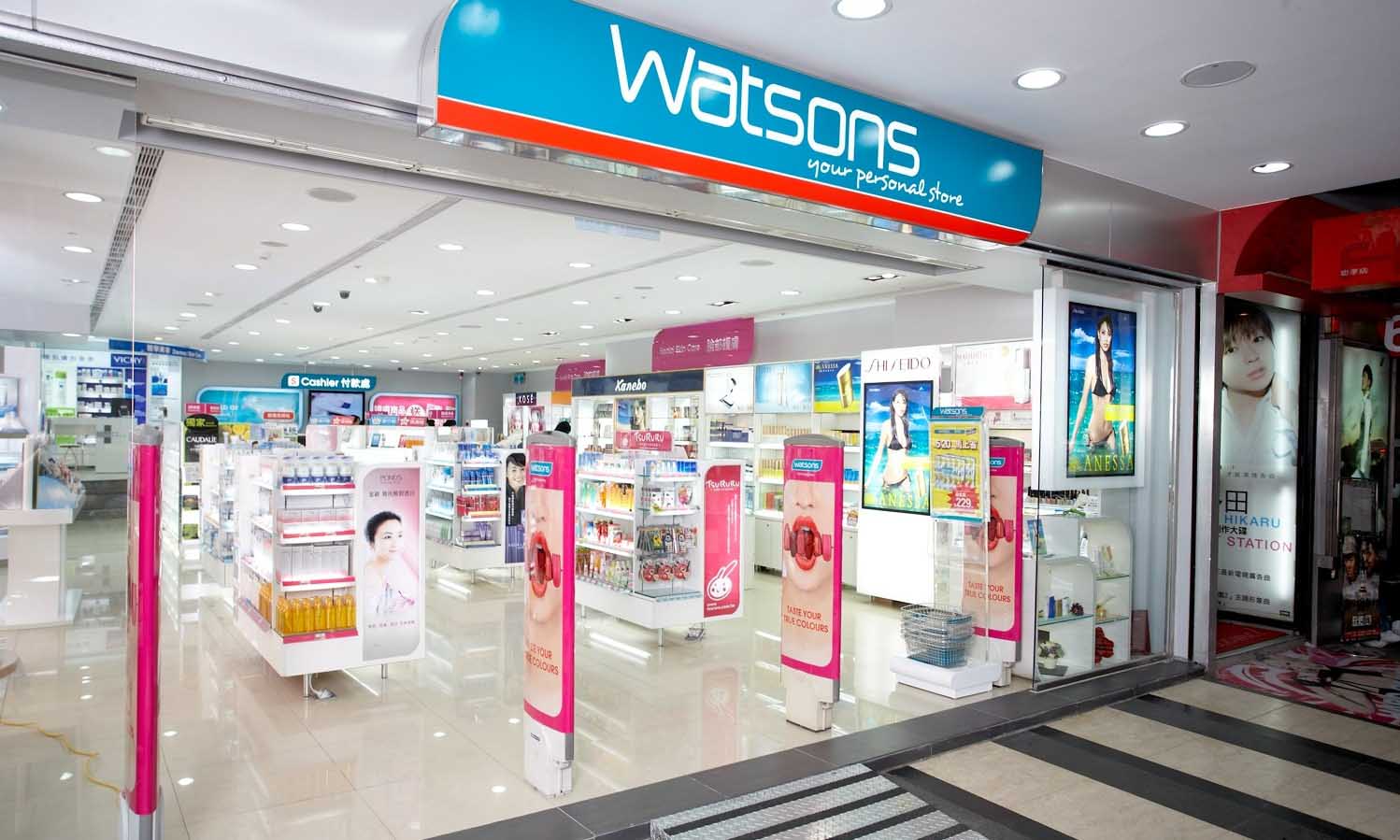
    AS Watson Group will not use artificial intelligence to cut its workforce across more than 17,000 stores in 31 markets, group chief executive Malina Ngai said in Macau.

    The Hong Kong-based retailer is the world’s largest health and beauty chain by store count. It is steering automation toward floor assistance and warehouse ergonomics rather than headcount reductions.

    Speaking at the Fortune Leaders Forum, Ngai said the business rolled out a human-AI partnership model last October. The system pairs floor staff with digital assistants to handle routine lookups and operational tasks. That frees employees for direct customer service. Management tracks progress through internal engagement scores and customer feedback rather than labor cost cuts.

    Automation Shifts Warehouse Labor in Foshan

    The technology is already altering logistics on the ground. At a group distribution warehouse in Foshan, 120 kilometers from Hong Kong, heavy-lifting robotics changed site demographics. Women now make up 62 per cent of the facility’s workforce. Across the wider region, men typically hold 80 per cent of manual handling roles.

    Asian retail operators face a split in automation strategies. Western corporations and technology vendors eliminated thousands of administrative roles this year. Store-heavy pharmacy and beauty chains, however, rely on physical interactions to drive basket sizes. Cutting floor staff risks service margins in dense Asian shopping hubs, where personal consultations secure higher-value skincare sales.

    Dual Listing Plans Anchor Network Scale

    Parent conglomerate CK Hutchison is preparing the retail division for public markets. Reports indicate the group is planning a dual listing in Hong Kong and London. The deal could value AS Watson at approximately $30 billion.

    “Is it really that, with AI, we’re going to cut out 30% of our workforce? Or… are we going to increase the quality of our people’s intelligence?”

    Founded as a Hong Kong pharmacy in 1841, the company expanded through European acquisitions and store openings across Asia. Ngai previously led digital and e-commerce integration, building the foundation for the current store-assist tools.

    Landlords and investors are watching whether these productivity gains lift sales per square meter in core Asian markets as the float approaches.
  • Informa Opens Restaurant, Bar & Café 2026 with 400 Brands in Hong Kong

    Informa Opens Restaurant, Bar & Café 2026 with 400 Brands in Hong Kong

    Informa Markets opened the 2026 edition of Restaurant, Bar & Café Hong Kong on September 1. More than 400 commercial brands across 11 countries and regions are taking part. The trade exhibition runs for three days at the Hong Kong Convention and Exhibition Centre. Organisers expect to draw over 9,000 commercial buyers, operators and hospitality suppliers.

    Eight commercial sectors are represented, spanning food and beverage, coffee, hospitality equipment, natural products and front-of-house technology. Informa co-located the show with the Retail Asia Conference and Expo. That pairing links traditional foodservice procurement directly to retail automation, point-of-sale software and artificial intelligence systems.

    Equipment Debuts and Dedicated Sourcing Zones

    Exhibitors are using the floor to debut equipment and raw ingredients in Asian commercial channels. Hardware displays include the FSWAAI automated packing and labelling scale, as well as robotic dispensing units from Tao Bin Smart Beverage Machine (HK) Limited. Food suppliers brought premium lines such as Marble King Full Blood Wagyu and Kochi Prefecture chicken from Japan. These items target upscale restaurant buyers looking for differentiated menus.

    Dedicated sourcing zones divide the floor to speed up buyer meetings. The Japan Sake & Spirits Pavilion groups regional distillers and brewers. Nearby, the Eco-Innovation Hub concentrates on biodegradable packaging and certified organic food products. The Specialty Coffee Corner features live demonstrations at a dedicated Brew Bar, connecting green coffee importers with independent café chains.

    Retail Technology and Automation Take the Floor

    Hong Kong restaurant operators face heavy margin pressure from high rents and kitchen staffing shortages. Automation is no longer optional. Dining chains must automate basic prep work, weighing, inventory control and beverage delivery to protect their margins. Suppliers displaying self-service beverage dispensers and automated packaging systems are pitching directly to quick-service operators seeking to trim back-of-house headcount.

    Landlords and food hall operators face equal pressure to refresh tenancies with destination dining concepts. Store layouts increasingly require digital ordering kiosks, automated inventory integration and rapid takeaway counters. The commercial risk falls hardest on small operators. Many face steep capital costs when adopting proprietary smart kitchen tech that takes years to deliver a return.

    Demographic Shifts Drive Sourcing Priorities

    Consumer demographic shifts across East Asia shape this year’s conference programme. Organised with KPMG, the Retail Asia Conference focuses on artificial intelligence adoption and younger consumer engagement. On the final day, the IFSA Food Safety Symposium addresses nutrition and texture formulations tailored specifically to an ageing population.

    Local trade shows are working to rebuild international exhibitor numbers following years of travel disruptions and tighter regional budgets. Earlier editions saw smaller regional turnouts. Drawing 11 exhibiting jurisdictions sets a benchmark for the city’s cross-border hospitality trade recovery.

    Events wrap up on September 3 with the Hong Kong Coffee Challenge finals, the Pairing Sensations Awards and the release of final verified trade buyer attendance figures.

  • Asia-Pacific Retail Automation Market to Reach $5.07 Billion by 2029

    Asia-Pacific Retail Automation Market to Reach $5.07 Billion by 2029

    Retail automation spending across regional Asia-Pacific markets will reach $5.07 billion by 2029, up from $2.65 billion in 2024.

    The expansion represents a compound annual growth rate of 13.8 percent, outperforming the broader global retail automation sector’s projected 9.9 percent rate over the five-year forecast period.

    Rising wages across developing economies are pressing store operators to replace manual routines with self-checkout kiosks, automated inventory tracking, and warehouse robotics. Worldwide automation revenue is projected to climb from $27.63 billion in 2024 to $44.3 billion by 2029, with Asian markets taking up a growing share of enterprise procurement budgets.

    Warehouses and Non-Food Chains Lead Spending

    Warehouse installations form the largest share of automation deployments in the region, pushed by logistics operators sorting heavier e-commerce parcel flows. Non-food retail stores represent the fastest-growing buyer category as fashion, specialty, and electronics chains adopt electronic shelf labels, autonomous mobile robots, and automated storage systems to defend operating margins.

    Technology vendors competing for contracts include Zebra Technologies, IBM, SAP, Microsoft, and Saison Information Systems, alongside automation hardware groups such as Honeywell, ABB, and Siemens. Cheaper cloud systems and IoT sensors have lowered entry costs, enabling mid-tier chains to buy tools once restricted to massive supermarket operators.

    Shift from Pilot Trials to Fleet Deployments

    Regional merchants previously limited automated checkouts and radio-frequency identification tags to flagship concept locations. Higher store operating expenses have pushed those tests into broad network rollouts across hypermarkets, specialty outlets, and distribution centers.

    Technology vendors are focusing on integrated suites that connect front-of-store optical sensors and automated sortation networks directly to enterprise planning software, targeting retail operators upgrading their infrastructure before 2029.

  • Chinese Startups Show AI and Robotics Advances at Beijing Expos

    Chinese Startups Show AI and Robotics Advances at Beijing Expos

    Chinese artificial intelligence and robotics startups are pushing forward with public offerings, demonstrating advanced ‘robot bodies’ and ‘AI brains’ at recent industry events in Beijing. The World Robot Conference, held last Wednesday, featured various practical applications, including kickboxing robots and machines serving ice cream, as companies seek to boost investor confidence.

    Robotics on Display

    One notable participant was Shenzhen-based AI2 Robotics, which presented its AlphaBot. This robot, powered by the company’s proprietary foundation AI model, showed its ability to serve ice cream to visitors. Such demonstrations highlight the growing practical capabilities of AI in consumer-facing roles and potentially retail automation. The event serves as a platform for these startups to prove their real-world viability and attract further investment ahead of potential initial public offerings.

    The push for public listings reflects a broader trend among Chinese tech firms aiming to capitalize on investor interest in advanced technologies. The retail sector in Asia Pacific, in particular, stands to gain from these innovations, as robotics and AI offer solutions for everything from automated warehousing and last-mile delivery to in-store customer service and personalized marketing. RetailNews Asia has observed increasing adoption of similar technologies across the region, from automated checkout systems in Singapore to robotic warehouse solutions in Japan, indicating a growing readiness among businesses to integrate these advancements.

    The Race for Public Funding

    The urgency to go public underscores the competitive market within China’s robotics and AI industry. Companies are eager to secure capital for further research and development, as well as to scale their operations. The technologies on display, while diverse in application, all point towards a future where intelligent automation plays a more significant role across various industries. This includes potential applications for enhancing efficiency and customer experience within the retail and consumer technology sectors across Asia.