Tag: retail distribution

  • LG Electronics Expands US Signature Appliance Line to 10 Categories and Wider Retail

    LG Electronics Expands US Signature Appliance Line to 10 Categories and Wider Retail

    LG Electronics has expanded its luxury appliance line to 10 kitchen and laundry categories in the United States. It is also shifting distribution from flagship showrooms into mainstream retail stores.

    The South Korean group used the tenth anniversary of its LG Signature label to push built-in ovens, cooktops and hoods across nationwide distributor networks.

    North America head Kwak Do-young unveiled the range at the Guggenheim Museum in New York on October 8. Products are tailored for flush kitchen installations. The expanded catalogue adds wall ovens, range hoods, cooktops and ranges to the brand’s established refrigerator and laundry lines.

    Kitchen Lineup and Built-In Push

    Three design treatments make up the new kitchen collection. One design pairs metallic surfaces with gold accents, while another offers custom colour panels. A flush-mount version sits flat against adjoining cabinetry without protruding hardware.

    Built-in units represent the highest-margin segment of the North American major appliances market. By broadening from standalone refrigerators and washing machines into integrated cooking suites, the manufacturer aims to capture complete kitchen renovations rather than single replacement purchases.

    Camera Sensors and Cooking Controls

    Software features in the cooking appliances focus on visual monitoring. The oven range includes an internal camera system that identifies ingredients, suggests cooking programs and tracks surface browning to alert users during cooking cycles.

    Independent testing gave an early boost to the laundry lineup. The Signature WM9900HSA washing machine scored 87 points in Consumer Reports testing, the top score among more than 100 evaluated models. That placed the washer and dryer set on the organization’s 15 best laundry sets of 2026.

    “We will continue to offer North American consumers differentiated experiences through a premium lineup that combines sophisticated design with AI-powered convenience,” Kwak said.

    Shift from Flagship Stores to Mass Retail

    Where American shoppers buy the hardware forms the core of the operational shift. LG previously restricted Signature displays to dedicated brand galleries and specialty showrooms to protect brand prestige.

    Floor displays and sales will now roll out into standard retail branches run by major national distributors. Placing luxury cooking packages directly alongside mass-market units gives retail store staff higher-ticket floor models to pitch to affluent remodelers.

    Premium Competition in North America

    This retail change brings LG into closer direct competition with European luxury specialists such as Miele, Bosch’s Thermador and Sub-Zero, which dominate North American designer kitchen channels. Samsung Electronics has pursued a similar path with its Dacor acquisition and Bespoke lines. That has forced Asian electronics manufacturers to fight over premium floor space in American stores.

    Retail channel discipline presents a major risk for the Seoul-based manufacturer. Expanding into broad retail chains increases floor traffic. However, it requires distributor floor staff to master complex built-in installation specifications that kitchen designers typically manage.

    LG introduced the Signature sub-brand in the United States in 2016. It initially focused on high-priced OLED televisions, glass-door refrigerators and twin-tub washing machines before adding cooking appliances.

    Distributors across North America will begin stocking the expanded 10-category kitchen portfolio during the fourth quarter. Retail display installations will continue through the first half of 2027.
  • Exotic Bazaar Expands Middle Eastern Food Range into Coles

    Exotic Bazaar Expands Middle Eastern Food Range into Coles

    In October 2026, Australian food producer Exotic Bazaar secured retail distribution across Coles supermarkets, moving its packaged Persian and Middle Eastern meal bases from regional farmers markets to national grocery aisles.

    The listing gives the Ballarat-founded brand access to millions of weekly supermarket shoppers across Australia.

    Founded by Gilava Pour, Exotic Bazaar produces recipe bases, spice blends and simmer sauces designed to simplify Middle Eastern home cooking. The range includes items such as Tunisian shakshuka bases and traditional Persian meal mixes, targeting consumers who want authentic flavours without sourcing hard-to-find individual spices.

    From Ballarat market stalls to national retail shelves

    The business started by selling directly to consumers at weekend community markets in regional Victoria before building a digital storefront. Growing demand for international pantry staples and convenience cooking drove the brand to expand its wholesale operations, leading to discussions with major supermarket buyers.

    Supermarket operators across the Asia-Pacific region are allocating more shelf space to regional ethnic cuisines as consumer palates diversify. For Coles, adding independent artisan brands helps differentiate its packaged grocery aisles against rival Woolworths and discount chains like Aldi.

    Managing supermarket supply chain pressure

    Transitioning from direct-to-consumer sales to a major grocery chain changes inventory management and cash flow requirements. Fulfilling regular purchase orders for national distribution centres requires strict quality controls, continuous batch manufacturing and reliable freight partners.

    Exotic Bazaar handles e-commerce dispatches from Melbourne alongside its wholesale supply chain. The company pairs retail sales with online recipe resources, including digital guides for dishes like Persian noodle soup, to encourage repeat pantry purchases.

    Pantry demand shifts toward global flavours

    Mainstream grocers historically relegated Middle Eastern ingredients to specialty aisles or small international sections. Mainline shelf placement alongside everyday sauces and cooking bases reflects a broader shift in Australian home cooking habits.

    Suppliers in the specialty food sector face rising packaging costs and ingredient price pressures. Maintaining grocery margins requires steady sales velocity per store, placing the commercial focus squarely on customer retention and shelf turnover.

    Exotic Bazaar continues to dispatch direct orders from Melbourne while monitoring store-level scan rates across the Coles supermarket network.

  • Daesang Expands US Kimchi Output as Brand Captures 56% of South Korea Exports

    Daesang Expands US Kimchi Output as Brand Captures 56% of South Korea Exports

    South Korea’s Daesang Corporation captured 56 per cent of the country’s total kimchi exports in the first half of 2026, generating 48 million dollars in overseas shipments.

    Total South Korean kimchi exports reached 86 million dollars during the six-month period, cementing the United States as the group’s largest foreign market.

    California Plant and Supply Sourcing

    The Seoul-listed food group expanded output across North America through its 10,000-square-metre facility in the City of Industry, California, and its 2023 purchase of food maker Lucky Foods. The California factory provides 2,000 metric tons of annual processing capacity, holding dedicated cold-storage rooms and running lines for regular, vegan, white, cucumber and extra-spicy Silbi recipes.

    Daesang buys napa cabbage, radishes and green onions directly from growers in the United States. Sourcing produce locally allows the manufacturer to bypass trans-Pacific shipping schedules and preserve crispness across its mainstream supermarket accounts in western and central states.

    Mainstream Retail and Product Tweaks

    Asian packaged food producers face flat domestic populations and high ocean freight expenses, pushing operators to build manufacturing inside export destinations. By establishing factory lines in California, Daesang avoids refrigeration surcharges and port congestion that erode margins on perishable shipments sent from South Korea.

    Building local production networks introduces new supply-chain liabilities. Processing regional crops exposes the company to North American harvest price swings, while reformulating recipes for western supermarket chains risks alienating traditional Asian diaspora shoppers who built the brand’s initial market share. Daesang is calculating that volume from mainstream retail shelves will easily offset higher US factory overheads.

    Portfolio Shift Beyond Korean Grocers

    Jongga began expanding out of Asian supermarket channels into broadline American grocery stores in 2019. The company completed its California plant in early 2022, becoming the first Korean food maker to operate a commercial-scale kimchi facility on American soil, before buying Lucky Foods a year later to add the Seoul Kimchi brand to its stable.

    Global export sales for the brand tripled from 32 million dollars in 2017 to 90 million dollars in 2025. The United States overtook Japan in 2023 as the label’s highest-volume international destination, supported by distribution agreements that put jars into mainstream grocery aisles.

    Global Scale and Product Formats

    To match western consumer eating habits, Daesang widened its catalog beyond whole fermented cabbage. The lineup includes shredded carrot and green cabbage blends, mild white varieties, apple-beet-carrot mixtures, spreadable kimchi pastes for bread and crackers, and portioned Crunchy Bites containers.

    Commercial collaborations have also entered the schedule. In 2024, Daesang partnered with San Francisco chef Corey Lee to sell San Ho Won Kimchi lines under its Gourmet Edition badge.

    The United States has emerged as Jongga’s largest export market and is a key market for our global kimchi business.

    Retail analysts will track Daesang’s full-year 2026 sales reports to see whether overseas kimchi revenue tops the 90 million dollar total booked in 2025.

  • Extravaganza Beauty Acquires Luxury Fragrance House Roja London

    Extravaganza Beauty Acquires Luxury Fragrance House Roja London

    Extravaganza Beauty has acquired British perfume house Roja London to fund international retail expansion and new product lines.

    Terms were not disclosed. The transaction shifts founder Roja Dove into an advisory role, while chief executive Audrey Minard remains at the helm.

    Minard has led the business since 2021 and will manage its next operational phase. Dove will provide creative direction and formulation guidance under a long-term consultancy agreement.

    Leadership and Commercial Footprint

    The brand manufactures its products in England. Distribution spans department stores including Harrods, Bloomingdale’s, Saks Fifth Avenue, KaDeWe, Oberpollinger, Jovoy, Laure and El Palacio de Hierro, alongside a standalone boutique in London’s Burlington Arcade.

    Chairman Chadi Douaihy said the deal provides capital to scale innovation across Roja London’s five signature lines: Prestige, Elysium, Aoud, Isola and Art.

    Synergies Across Niche Perfumery

    Extravaganza already holds distribution agreements and brand investments in Amouage, Ex Nihilo, Nishane, Maison Crivelli and Marc-Antoine Barois. Buying Roja London gives the group full equity ownership of a British heritage asset, replacing a reliance on wholesale partnerships across the Gulf Cooperation Council and Asian luxury markets.

    For department store operators and duty-free concessionaires, the deal concentrates supply under one distributor in a category where bottles command high price points. The operational risk lies in protecting prestige and pricing while scaling production.

    From Bespoke House to Portfolio Asset

    Dove established Roja London in 2011 after a career as a perfumer and fragrance historian. He published “The Essence of Perfume” in 2006 and updated it in 2014. The brand gained Butterfly Mark certification from Positive Luxury in September 2024 for sustainable sourcing and packaging across its crystal-embellished flacons.

    Pipeline and Product Rollout

    Fresh capital will fund formulations and counter merchandising across networks in Europe, the Middle East, the Americas and Africa.

    Immediate product development will focus on the Elysium and Isola collections. Revised retail assortments will reach international store shelves in the coming financial year.

  • Lemonilo Launches Brownies Cruunchy Shoor for IDR 2,000

    Lemonilo Launches Brownies Cruunchy Shoor for IDR 2,000

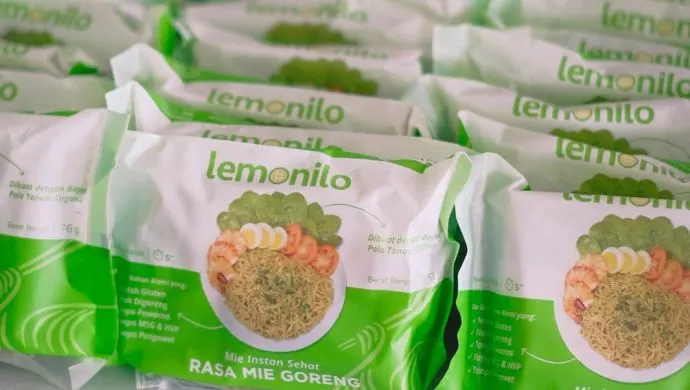
    Indonesian healthy snack brand Lemonilo introduced Brownies Cruunchy Shoor in September 2026. The dark chocolate snack is priced at IDR 2,000, making it affordable and accessible for children.

    The product combines the bold taste of dark chocolate with a crunchy texture, targeting the snacking habits of Generation Alpha as a pocket-friendly treat.

    Expanding the Gluten-Free Bakery Line

    Alongside the rollout, Lemonilo launched Brownies Crispy Lemon Cheese as a new flavour, complementing its existing cheese option.

    Cassava flour replaces wheat across the Crispy range to keep recipes gluten-free. Lemonilo formulated the items without artificial preservatives, synthetic dyes, or artificial sweeteners. The company is pitching the lineup as a cleaner choice for higher-margin convenience store shelves.

    The Warung Price War

    Dropping to IDR 2,000 is an aggressive volume play for a brand built on premium, health-oriented noodles and baked goods. Established giants Mayora Indah, Wings Group, and Garudafood dominate Indonesia’s entry-tier snack shelves. They defend that IDR 1,000 to IDR 2,000 price window through massive distribution networks.

    Protecting margins at this price point will depend on packaging scale and tight supply chains. Cassava and clean-label ingredients cost more than standard palm oil and refined flour. Single-coin pricing leaves no room to absorb cost spikes without shrinking pack sizes.

    Building Out Beyond Noodles

    The dual launch pushes Lemonilo further beyond its core instant noodle business. It introduced the original Brownies Cruunchy line on TikTok Shop in August 2025 before securing offline store space. Earlier that year, the brand shipped stock to Qatar to test export demand for halal snacks.

    Wholesale performance over the coming quarters will show whether the IDR 2,000 price point can deliver sustainable margins in Indonesia’s tier-two and tier-three cities.

  • PharmaResearch Rolls Out Rejuran Cosmetics Across 148 Sephora Canada Stores

    PharmaResearch Rolls Out Rejuran Cosmetics Across 148 Sephora Canada Stores

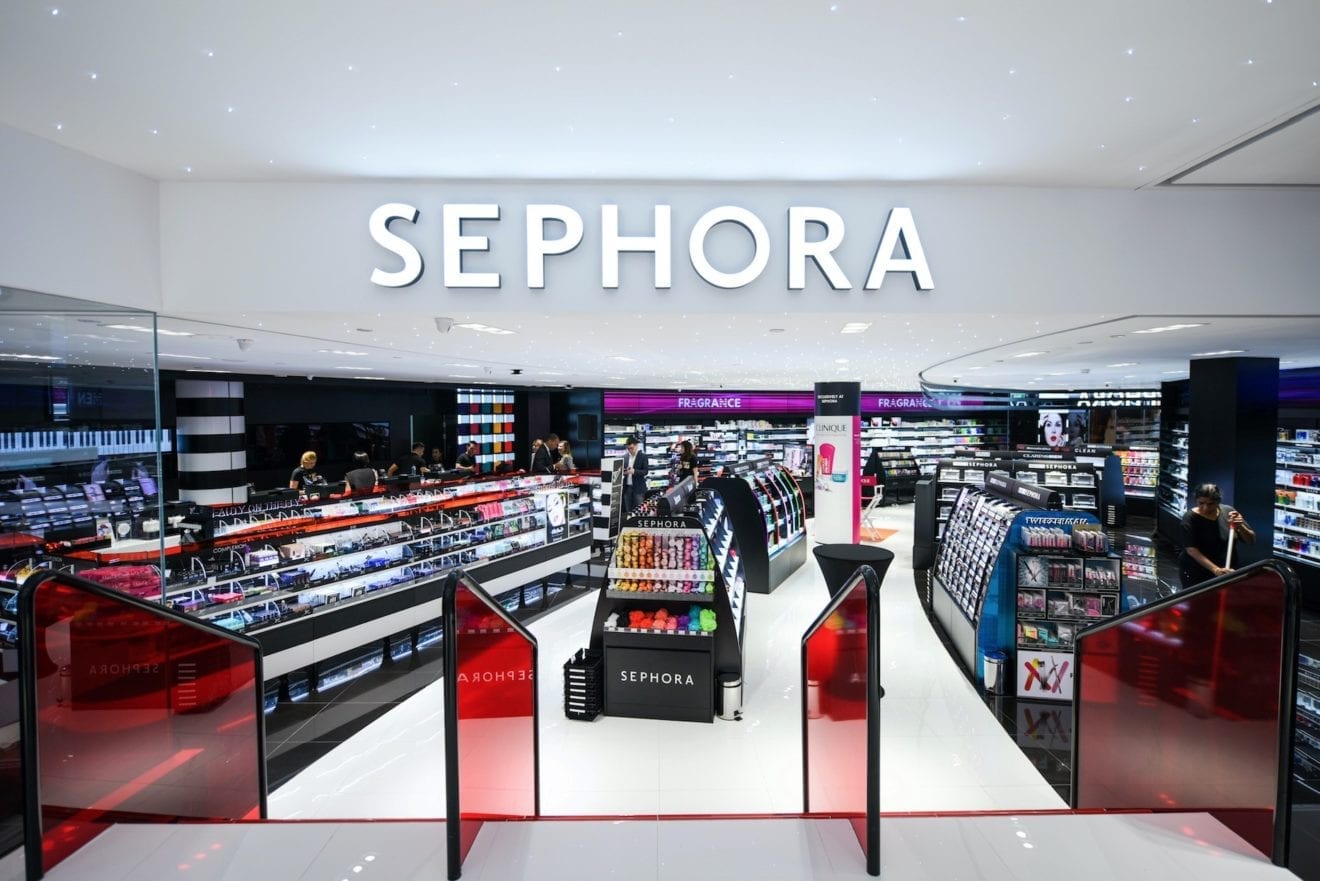
    South Korea’s PharmaResearch launched its Rejuran Cosmetics skincare line across all 148 Sephora Canada stores on Sept. 1.

    The nationwide rollout places eight product formulations, including its Turnover Ampoule and Dual Effect Ampoule, into Canadian retail stores alongside Sephora’s online channel.

    Featured on Sephora Canada’s Skincare Next Big Thing Wall, the collection relies on c-PDRN, a cosmetic ingredient purified from wild salmon DNA. PharmaResearch developed the compound from the polynucleotide technologies it uses in its injectable aesthetic skin boosters sold across more than 50 countries.

    Translating Clinical Injectables to Prestige Shelves

    The Canadian retail launch extends a clear playbook: converting medical aesthetic brand equity into mass prestige topical products. Consumers familiar with professional clinic procedures in Asia are increasingly seeking the same bio-active ingredients in daily skincare regimens.

    “Through a tailored omnichannel strategy, we aim to build meaningful connections with Canadian consumers and strengthen our market presence,” said Jooyeon Song, Head of Cosmetics at PharmaResearch USA.

    Margin Pressures and Shelf Competition

    Derma-cosmetic brands derived from Asian pharmaceuticals face a different commercial environment in North American retail compared to domestic clinic networks. Prestige beauty retailers demand heavy promotional support, co-op marketing fees, and dedicated floor space allocations that can compress wholesale margins if inventory turns slow down.

    Competition on the derma-skincare wall is intense. Rejuran must defend shelf share against entrenched clinical lines and lower-priced Korean skincare competitors already commanding established followings across Canadian cities.

    US Manufacturing Shapes North American Strategy

    In July, PharmaResearch agreed to acquire California contract manufacturer Cosmetic Group USA to secure domestic production capacity and stabilize supply lines across the Americas. That transaction followed the brand’s US retail debut in Sephora stores earlier in the year and coincided with a concurrent retail entry into Sephora Singapore.

    PharmaResearch will now focus on closing the integration of Cosmetic Group USA’s production facilities to supply North American retail channels directly and cut transpacific freight lead times from its Gangneung base.

  • Lumio Solar Raises US$900,000 for Plug-and-Play Solar Appliances

    Lumio Solar Raises US$900,000 for Plug-and-Play Solar Appliances

    Lumio Solar raised US$900,000 in pre-seed funding in August 2026 to build a distribution and service network for solar-powered appliances across the Philippines.

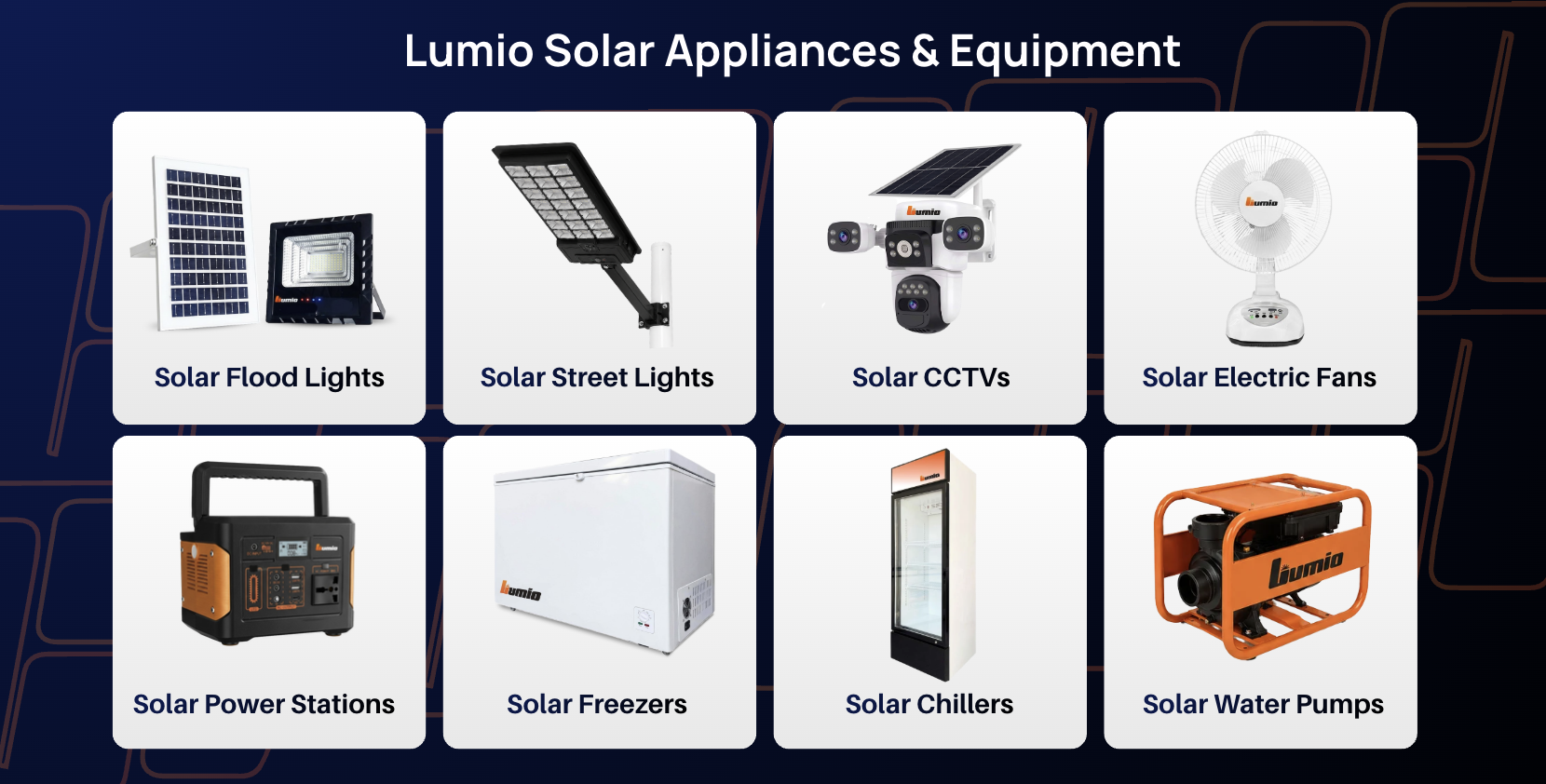
    The investment round was led by 100×100, the Southeast Asia climate venture builder formerly known as Wavemaker Impact, to back the Pampanga-based startup’s rollout of solar fans, lights, freezers, and portable power stations.

    Replacing Rooftop Panels with Standalone Units

    Lumio sells appliances that generate and store their own electricity without requiring roof installation, property ownership, or utility permits. The company targets households, micro, small and medium enterprises, and agribusinesses that are often priced out of rooftop solar. According to Lumio, its equipment cuts operating costs between 10 per cent and 90 per cent compared to standard alternatives while reducing electricity-related emissions by at least 50 per cent.

    Rey Sunglao, founder and chief executive officer of Lumio Solar, leads the venture after more than two decades in Philippine retail and commercial operations, including senior roles at SM Malls Online. Capital from the funding round will go toward widening the startup’s product range, strengthening regional hubs, and establishing localized after-sales repair points.

    The Retail Distribution Hurdle

    The operational test for Lumio lies in logistics and servicing rather than basic hardware manufacturing. Portable power stations from global brands like EcoFlow, Bluetti, and Jackery already sell across Southeast Asia, but they target affluent consumers and outdoor enthusiasts through digital storefronts. Lumio is attempting a traditional retail route, placing inventory and technician support into secondary cities and agricultural areas where power grids remain unstable and diesel generators drive up overhead.

    For independent shopkeepers and food vendors in provincial markets, energy costs represent a daily margin calculation. Commercial rooftop installers such as Solar Philippines, Buskowitz Energy, and Solaric focus heavily on large commercial roofs, industrial compounds, and high-income residential properties. By shrinking the hardware transaction to the size of a single chest freezer or shop fan, Lumio avoids long financing approvals, though it assumes the operational burden of warranty claims and replacement parts across an archipelago.

    Expanding from Central Luzon

    High retail power tariffs in the Philippines have accelerated private generation projects, with national solar capacity projected to expand 17.4 per cent annually through 2050. Lead investor 100×100 launched a US$100 million second fund in 2026 to back 50 climate enterprises across Southeast Asia and India, targeting scalable businesses in high-emission sectors.

    Initial commercial rollouts will concentrate on Central Luzon and Metro Manila before expanding into provincial hubs in the Visayas and Mindanao, where Lumio plans to deploy its first batch of regional service centers.

  • Bubs Australia Revenue Reaches $111.9 Million as US Distribution Expands

    Bubs Australia Revenue Reaches $111.9 Million as US Distribution Expands

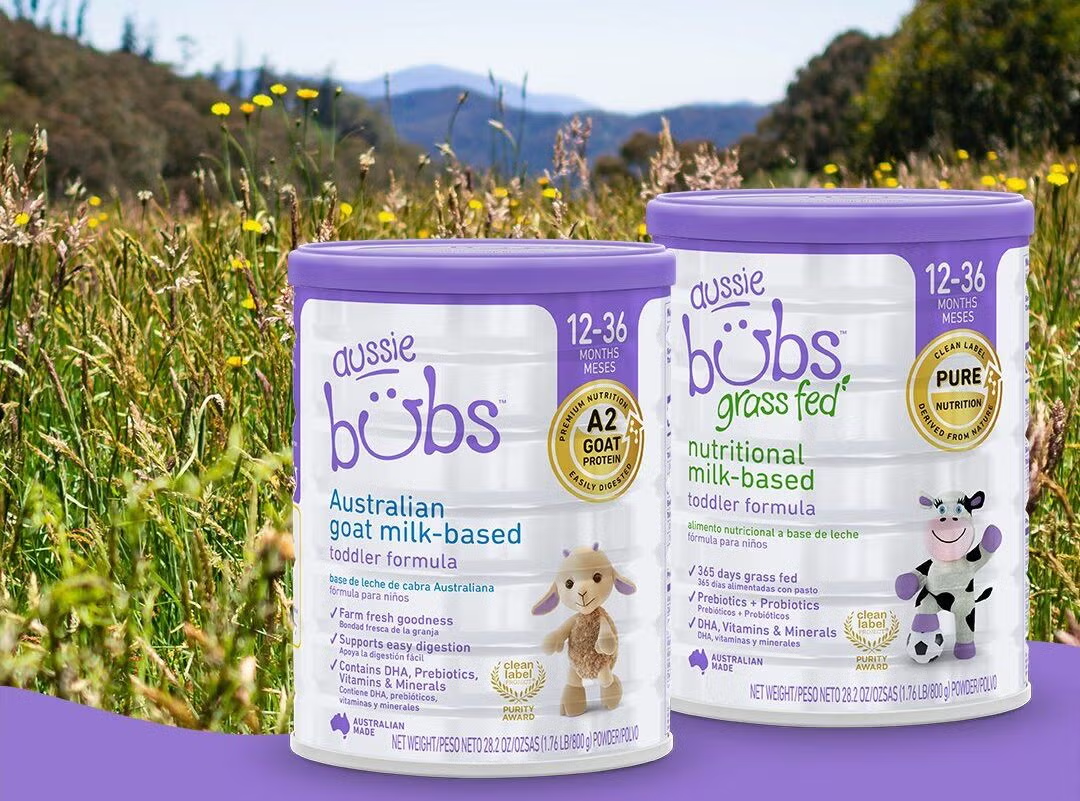
    Bubs Australia lifted group revenue 9.2 per cent to $111.9 million for the twelve months ended June 30, driven by rapid retail expansion in North America.

    Underlying earnings before interest, tax, depreciation and amortisation climbed 338 per cent to $5.3 million. The top-line gain masked tightening margins at the Australian infant formula maker, where gross profit dropped 9 per cent over the period.

    Expansion in the American market

    Sales growth centered on the United States, where revenue rose 24 per cent across the fiscal year. The company widened its physical retail presence to more than 10,000 American stores, turning the market into its primary growth engine outside Australasia.

    Higher distribution scale helped absorb overheads, but rising costs and shifting regional demand checked profitability across secondary territories.

    Margin pressures and regional divergence

    Results across regional markets outside the United States delivered mixed performances. While volume moved through larger overseas retail networks, gross margins contracted under higher cost pressures across the supply chain.

    For dairy and infant nutrition exporters across the Asia-Pacific region, rapid volume growth in Western supermarket aisles continues to balance uneven purchasing patterns across legacy Asian cross-border channels. Maintaining profitability now depends on turning trial into repeat shelf velocity.

    Attention turns to whether the brand can defend shelf space across its expanded 10,000-store US footprint while repairing gross margins in the next reporting cycle.

  • Indian Digital Beauty Brands Face Margin Squeeze as Offline Push Costs Mount

    Indian Digital Beauty Brands Face Margin Squeeze as Offline Push Costs Mount

    India’s digital beauty startups face steep margin pressure as marketing costs jump past 50 per cent of revenue once annual sales cross ₹200 crore ($21 million).

    Offline retail accounts for 75 to 80 per cent of the country’s beauty and personal care market, forcing online-native brands into capital-heavy physical store networks to sustain growth.

    Mobile data costs in India dropped from roughly ₹200 ($2) to under ₹9 ($0.09) per gigabyte over recent years, bringing over 800 million consumers online and giving early direct-to-consumer operators cheap customer acquisition. That easy digital runway hits an initial wall at ₹100 crore ($10.4 million), according to an industry analysis by Kearney.

    Past the ₹200 crore mark, acquiring incremental shoppers turns expensive. Heavenly Secrets, the owner of Pilgrim, allocated 57 per cent of its revenue to advertising and promotion, while Bad Habit Mediacorp spent 55 per cent and Foxtale Consumer directed 53 per cent into marketing.

    The Omnichannel Hurdle

    Scaling past ₹600 crore ($63 million) requires building direct distribution across India’s 50 largest cities, an effort that takes 12 to 18 months before turning profitable.

    Larger operators manage to rein in promotion costs once they establish physical store footprints. Brands generating more than ₹400 crore ($42 million) typically trim marketing expenditure to between 30 and 36 per cent of sales.

    Honasa Consumer reached profitability in 2024 by generating 36 per cent of its revenue offline against 59 per cent online, keeping its marketing spend at 36 per cent. Mosaic Wellness also capped ad spending at 36 per cent, while Plum owner Pureplay Skin Sciences ran at 35 per cent and Minimalist parent Uprising Science spent 34 per cent.

    Enterprise Restructuring and Buyouts

    Operating at scale forces startups to overhaul management structures in favour of enterprise executives, including chief revenue officers who understand fragmented wholesale networks and senior supply chain directors.

    Software investments also shift away from basic ad trackers. Companies take six to nine months to deploy unified customer data platforms that combine offline point-of-sale receipts with web data, alongside algorithmic demand planning systems.

    Across Asia, online-born brands in South Korea and China faced the same reckoning when digital customer acquisition matured, eventually turning to department stores and pharmacy chains to protect volume. For Indian founders, Kearney said the organic playbook stops working once revenue approaches ₹1,000 crore ($104 million).

    Expansion at that threshold shifts toward mergers and acquisitions to buy physical retail routes and specialised research facilities outright, setting up a consolidation phase among the country’s largest personal care independents.

  • Malaysia Targets $2 Billion in Cambodia Trade by 2027

    Malaysia Targets $2 Billion in Cambodia Trade by 2027

    Malaysia aims to increase bilateral trade with Cambodia to $2 billion by 2027, driven by consumer goods exports and new retail supply deals in Phnom Penh.

    Two-way trade reached approximately $800 million in the first half of 2026, putting full-year volumes on course to surpass $1.5 billion.

    The target follows an official trade delegation led by the Malaysia External Trade Development Corporation (MATRADE). The four-day mission secured 186 million ringgit ($45 million) in sales, beating its initial 100 million ringgit ($24 million) projection.

    Distribution Deals Across Supermarkets and Wholesalers

    Twenty-six Malaysian suppliers joined the Phnom Penh mission, representing fast-moving consumer goods, halal-certified packaged foods, personal care lines, palm oil products and agricultural supplies. MATRADE organised more than 260 commercial meetings between these exporters and Cambodian retail buyers, including Chip Mong Retail, DKSH Cambodia, Goodhill Enterprise and Westec Media.

    Cambodian Minister of Commerce Cham Nimul and MATRADE Chairman Reezal Merican Naina Merican also held talks to expand bilateral halal commerce. Reezal Merican told delegates that Malaysian suppliers must build permanent local partnerships and supply chains in Cambodia instead of relying on spot trading.

    Regional Expansion and Consumer Goods Demand

    Malaysian packaged food and personal care brands are pushing harder into frontier Southeast Asian markets to capture rising household spending. Cambodia offers a fast-growing modern grocery network and rising demand for certified imports, giving regional consumer brands an accessible market between larger distribution hubs in Thailand and Vietnam.

    Bilateral trade totaled $1.17 billion in 2025, according to data cited by the Malaysian Business Chamber in Cambodia. Trade officials will track whether full-year 2026 numbers clear the projected $1.5 billion threshold on the path to the 2027 deadline.

  • Parent Hax Secures Coles Distribution for Rinse-Free Washcloth

    Parent Hax Secures Coles Distribution for Rinse-Free Washcloth

    Melbourne startup Parent Hax has secured national retail distribution with supermarket chain Coles for Top N Tail, its rinse-free washcloth priced at $15 for a 20-pack.

    The listing gives the young Australian brand immediate nationwide physical reach across one of the country’s two dominant grocery networks.

    Plant-based formulation targeting bath alternatives

    Top N Tail is formulated with plant-based cleansers, glycerin, aloe and chamomile. Unlike standard baby wipes designed for spot cleaning, the cloth is self-foaming and built for full-body cleansing without requiring water rinsing afterwards.

    Parent Hax engineered the item to bridge the gap between quick wet wipes and full tub baths, targeting parents seeking faster hygiene routines. The product cleans deeply enough to replace an evening wash while cutting down bath preparation and cleanup time.

    Supermarket baby care competition

    Supermarket baby aisles across Australia have traditionally belonged to multinational incumbents selling standard wet wipes and liquid soaps. Coles and rival Woolworths have steadily allocated shelf space to local independent brands offering premium or plant-derived formulations that command higher retail price points.

    Parent Hax enters this category at a per-unit premium compared to conventional baby wipes, betting that convenience and reduced water use justify the $15 shelf price. Initial sales performance across Coles stores will determine whether the startup can expand the range into additional personal care formats.