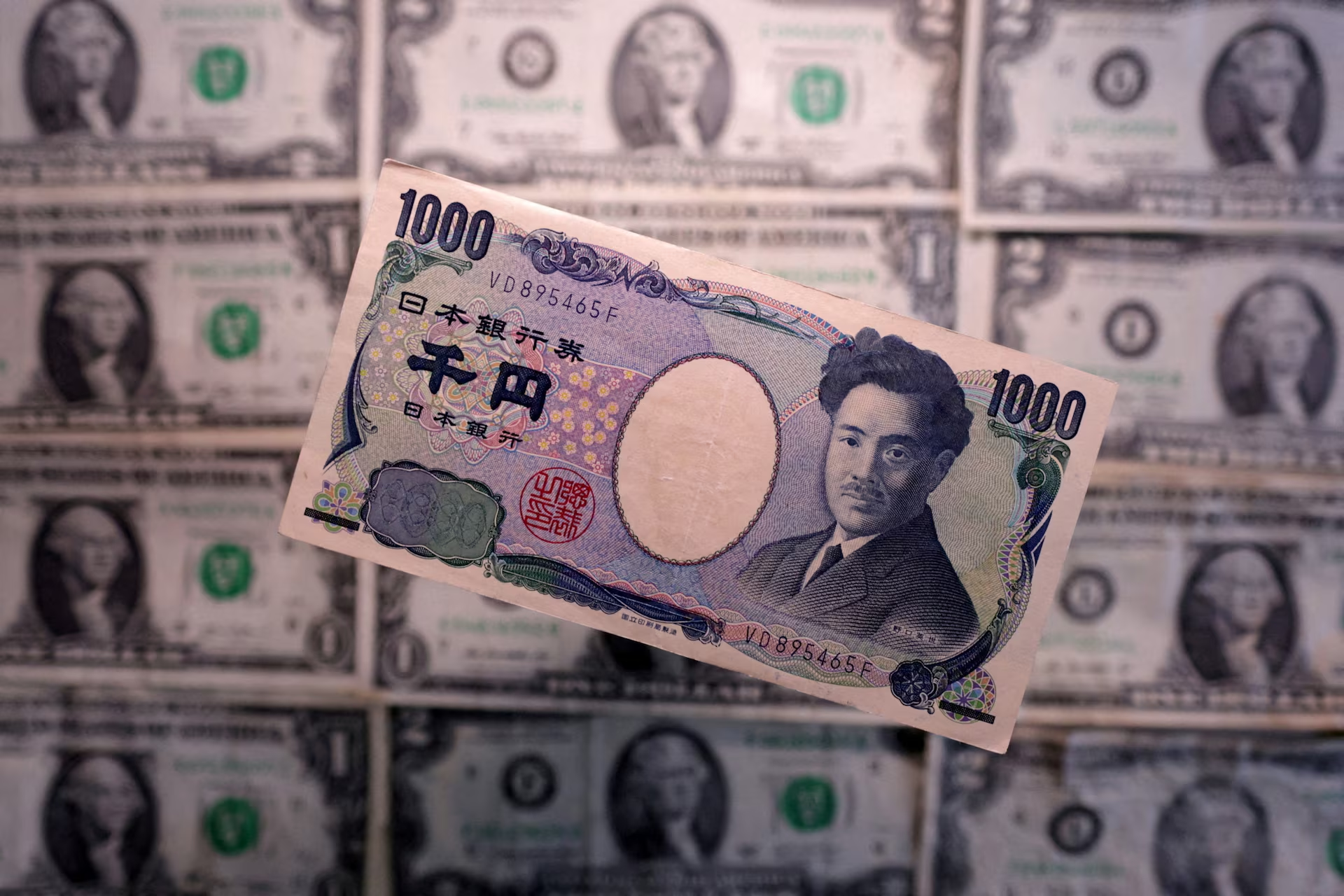
The Japanese yen continues to face significant downward pressure, with a historic joint intervention by the United States and Japan failing to provide lasting relief. Weeks after the coordinated effort, the currency has reversed half its brief gains and is approaching the 160 yen per US dollar mark, having previously hit a 40-year low above 163 yen in late July.
This persistent weakness is largely attributed to the widening interest rate differential between the US and Japan. US Treasury yields have reached multi-year highs, making dollar-denominated assets more attractive and fueling the yen carry trade. Despite a more hawkish stance from the Bank of Japan, investors continue to prioritize higher US yields, according to market observers.
Intervention’s Limited Impact
Market analysts suggest that while currency interventions can temporarily shift market positioning and disrupt momentum, they do not address underlying fundamental drivers such as interest rate differentials. Gary Dugan, CEO of The Global CIO Office, noted that the yen’s continued decline despite direct intervention indicates that US yields remain the primary factor influencing its value.
The 30-year US Treasury yield recently reached 5.285 percent, while the rate for 30-year Japanese government bonds closed at 4.141 percent. This substantial gap incentivizes investors to borrow in yen at lower rates and invest in higher-yielding US assets, contributing to the yen’s depreciation.
Implications for Asia-Pacific Retail
The continued weakness of the yen has direct consequences for businesses operating across the Asia-Pacific region. Japanese companies, from luxury brands to electronics manufacturers, face higher import costs for raw materials and components, potentially impacting their pricing strategies and profitability. Conversely, the weaker yen can make Japanese exports more competitive, which could boost sales for some retailers and manufacturers focusing on international markets.
For global retailers with a presence in Japan, purchasing power for Japanese consumers may diminish, affecting sales of imported goods. This situation mirrors challenges seen in other Asian markets where local currency depreciation against the dollar has driven up operational costs and consumer prices, requiring careful strategic adjustments from brands and retailers across the region.