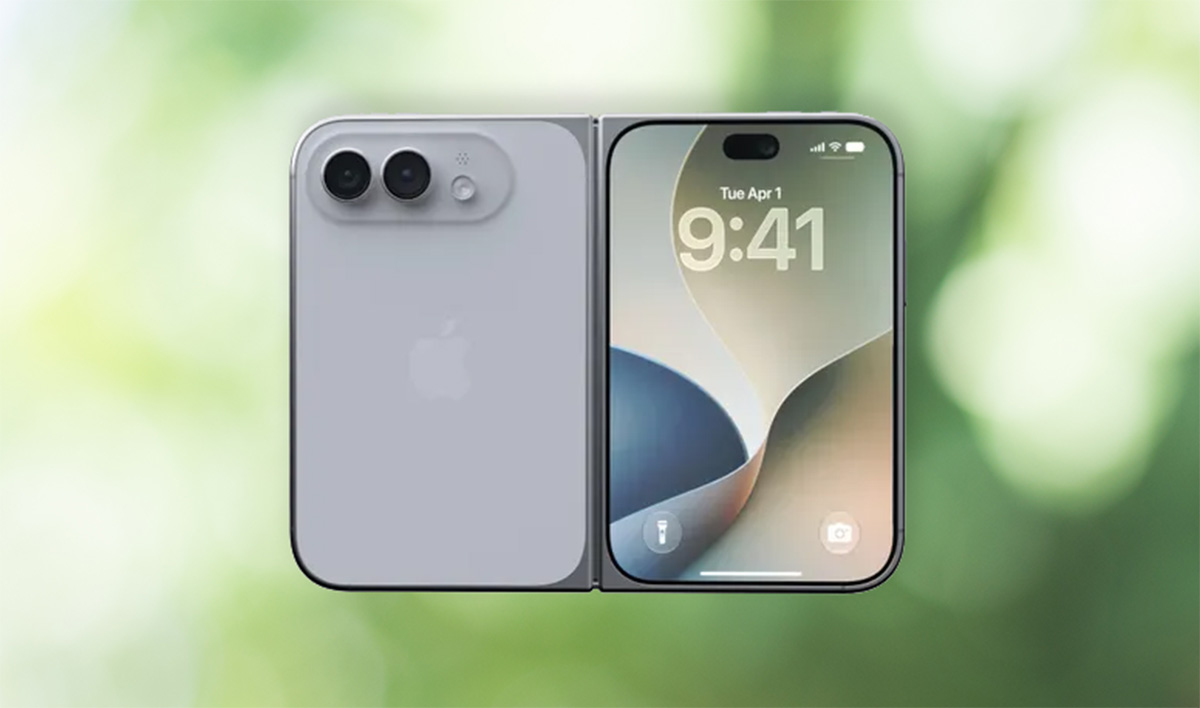
Apple began selling its first folding phone, the US$1,999 iPhone Duo, on Friday (Oct 23), betting the device can transform the foldables market after nearly two decades of making only incremental updates to the iPhone.
The launch marks an early trial for new Apple chief executive officer John Ternus, who unveiled the hardware barely a week after taking charge in September.
Apple enters a niche segment where rivals such as Samsung Electronics and Huawei Technologies have sold premium foldables for years.
Channel Allocations and Asian Retail Constraints
Within minutes of pre-orders opening on Oct 16, Apple’s estimated delivery dates for the Duo had slipped to late January as demand outpaced supply. The company called the response from customers “nothing short of extraordinary”.
The limited supplies could disappoint Apple fans lining up in front of stores to buy the Duo. Apple told Reuters that walk-in availability would vary by country, with limited stocks in the US, Australia, Canada, Mexico and much of Britain and Europe. In China, France, Hong Kong, India and Japan, units would be available only for customers who had ordered online. In the China-governed territory of Macau, where the iPhone Duo will be available for walk-in customers only, fans already started lining up hours in advance, social media posts and media reports showed.
Rivalry With Incumbents in Regional Markets
Early reviews have praised the US$1,999 Duo’s premium design as well as its sturdy and barely visible hinge, a major feat for the phones whose prominent creased screen has long been a major drawback and potential deterrent to buyers. But reviewers have also said that camera compromises including the absence of a telephoto lens and third-party apps that still need to be reworked for the new display size could disappoint some buyers.
They have noted that iPhone Duo in its smaller, folded state is less handy for the litany of quick tasks that most users carry out each day on standard iPhones, leading several prominent reviewers to recommend against the Duo for many Apple customers.
“Foldables have been an established category for years, but adoption has remained relatively limited compared with conventional smartphones. Apple’s entry could bring the format to a much broader audience,” said Francisco Jeronimo, vice-president at market research firm IDC.
IDC expects Apple will take 44 per cent of the foldable value in 2026 on 31 per cent of foldable units. By 2027, it will become the market leader in the category both in value and units shipped, according to the firm.
“Apple has made a convincing case for this form factor,” Jeronimo said after spending a week with the Duo. “Now comes the next test: turning excitement into availability, adoption and a lasting new chapter for the smartphone market,” Jeronimo added.
Executive Leadership and Product History
“It’s been a lot of fun trying the Duo out for a week, but it feels like I’ve gotten to use an extraordinarily polished prototype, not a finished product that I’d want to buy and carry,” longtime Apple commentator John Gruber, the author of the blog Daring Fireball, wrote in a review.
Tech commentator Marques Brownlee, popularly known as MKBHD, said in a YouTube review that “if you’re just a regular person who doesn’t do much more than texting, social media and browsing here and there, then it is probably a no”.
“But if the US$2,000 doesn’t mean much to you, and you like the idea, after the learning curve and getting used to not having facial identification, it is a really fun phone.”