Tag: retail leasing

  • Natuzzi Italia Takes 438 Square Metres for Flagship Showroom in Melbourne

    Natuzzi Italia Takes 438 Square Metres for Flagship Showroom in Melbourne

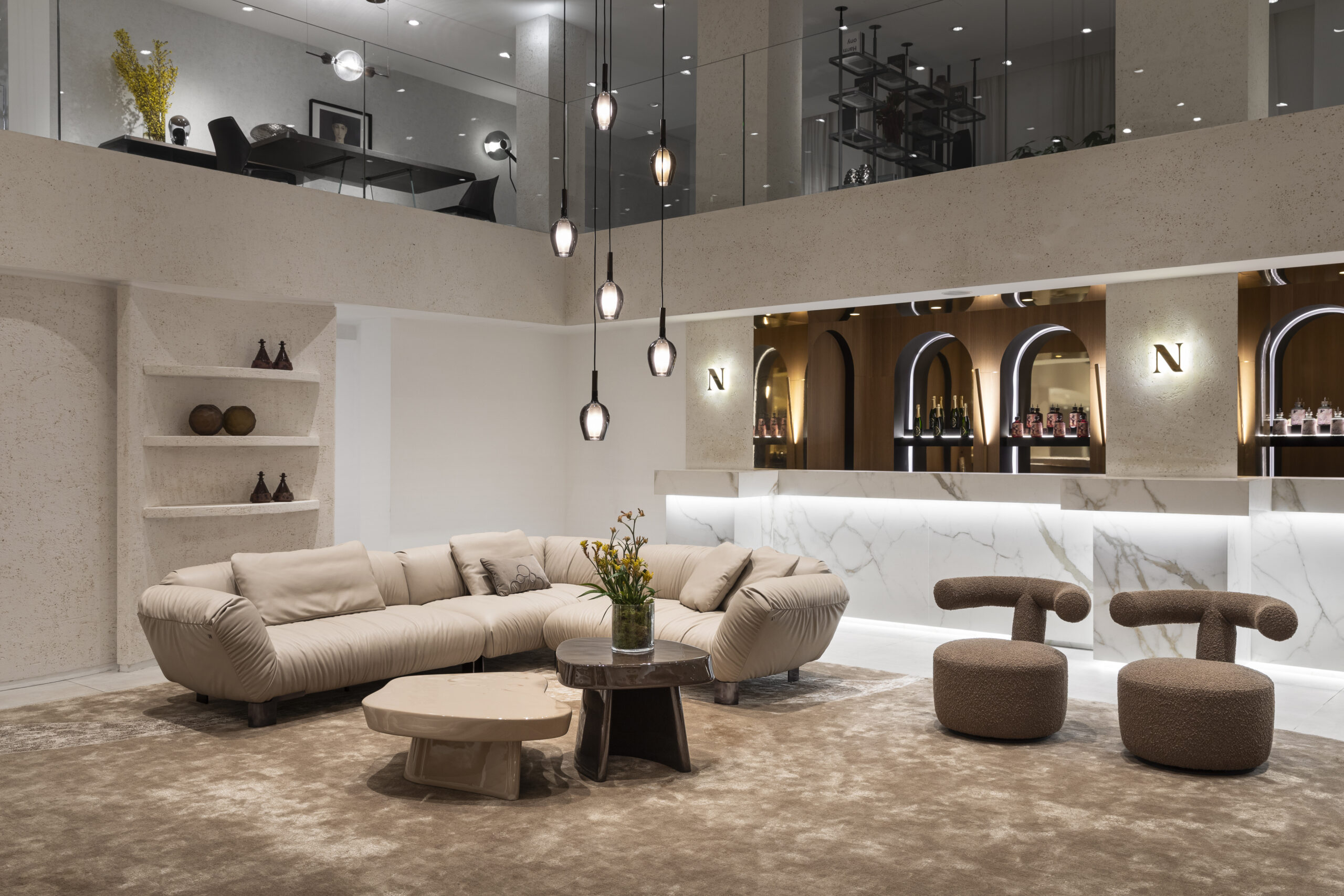
    Natuzzi Italia signed a 10-year lease for 438 square metres on the ground floor of The Balmain Building in Cremorne to open its first Melbourne flagship showroom.

    The Italian furniture maker plans to open the street-level site in late March 2027 to capture both private retail buyers and commercial contract orders across Victoria.

    Ten-year commitment at The Balmain Building

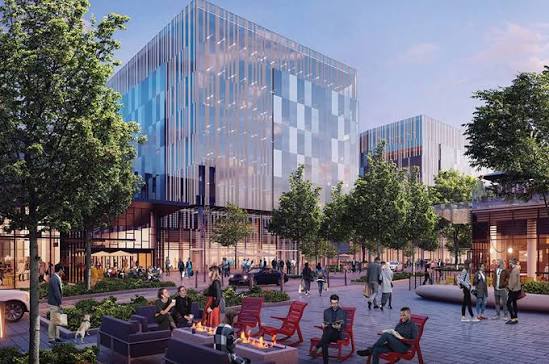
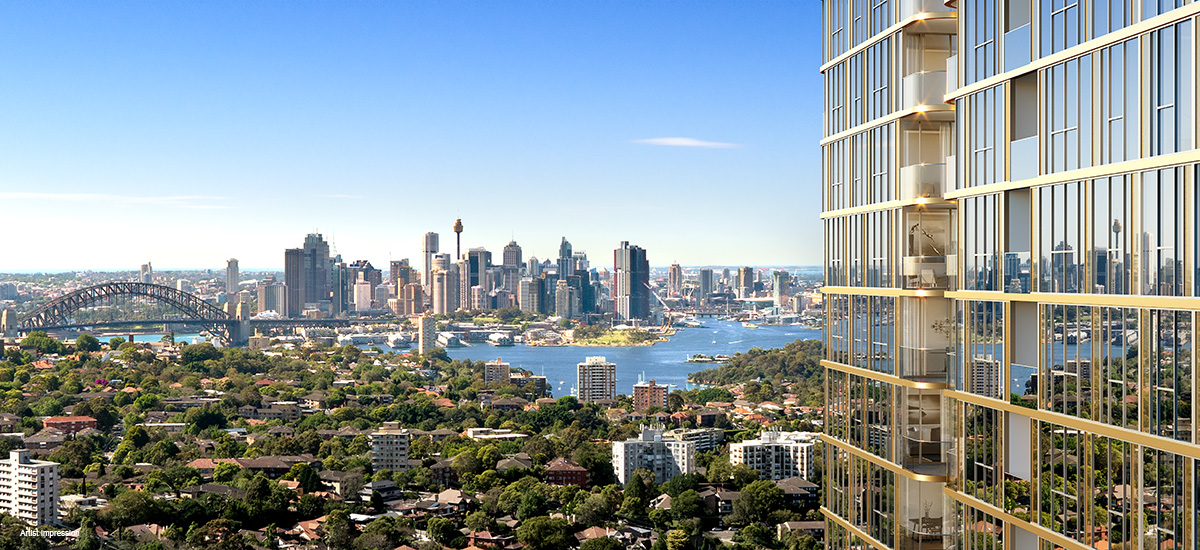
    Joint venture developers Skylife and Borg constructed the commercial asset with Bates Smart handling architecture. The 11,875-square-metre office building is fully electric and targets operational efficiency benchmarks, including a 5.5-Star NABERS Energy rating alongside a 6-Star Green Star rating.

    Securing long leases on ground-floor retail space remains critical for luxury home furnishings brands looking to justify large footprint showrooms. High overhead costs demand sustained retail footfall and high-margin trade accounts.

    Natuzzi relies heavily on large floorplates to display whole-room settings rather than standalone pieces. That merchandising model requires prime visibility in creative business fringe districts rather than suburban bulky goods retail parks.

    Targeting commercial and residential accounts

    The Cremorne site allows the company to reach architects and interior designers working directly within the precinct. Tech firms, design consultancies and property groups have concentrated in the inner-east suburb, giving high-end home brands access to corporate specifiers alongside affluent homeowners.

    Natuzzi Italia director Jo Francis pointed to that dual-market strategy when confirming the lease details.

    The new Melbourne showroom will provide an exceptional setting in which to present the Natuzzi Italia collection and create an immersive experience for our high-end residential and B2B clients.

    The brand faces strong competition across Australia from established European design distributors and regional premium brands holding long-established city footprints. Success in the Cremorne location will depend on converting direct trade inquiries from commercial fitout planners while sustaining consumer ticket sizes.

    Building occupancy and delivery schedule

    The tenancy announcement follows Skylife’s agreement with foundation commercial occupier Kennedy Consolidated, which leased roughly 3,300 square metres across Levels 7, 8 and 9 of the property. Filling commercial office levels above ground-floor retail guarantees consistent daily pedestrian flow around the showroom entrance.

    Founded in Italy in 1959, Natuzzi operates retail networks and wholesale arrangements worldwide across Europe, the Americas and the Asia-Pacific region. Fitting out the 438-square-metre Cremorne showroom remains on track for completion before doors open in late March 2027.

  • Salon Lane Opens 675-Square-Metre Melbourne Duplex in Victorian Expansion

    Salon Lane Opens 675-Square-Metre Melbourne Duplex in Victorian Expansion

    Salon Lane will open a 675-square-metre duplex at Richmond Square in Melbourne in February. The launch expands the shared salon operator into Victoria.

    Up to 50 independent practitioners will work out of the two-level facility. They cover hair, aesthetics, skin, brows, lashes, wellness and nail care. It is the company’s sixth location nationally.

    Inside the Richmond Square Layout

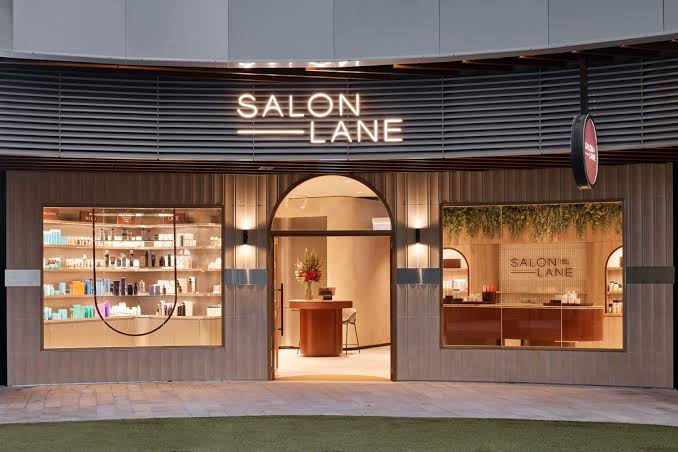
    The space holds 21 private studios and 14 open workstations alongside specialized service stations. Architecture firm X+O designed the interior layout. The design brings an artistic visual identity tailored to Melbourne’s retail corridor.

    Customer amenities include a dedicated wash lounge, nail and colour stations, a client lounge with a coffee bar, and an on-site retail store. Independent beauty professionals get access to a private member lounge and back-of-house infrastructure. They run autonomous businesses under one roof.

    The Shared Real Estate Model

    Co-working salon hubs alter conventional retail leasing by gathering independent operators into a single anchor tenancy. For commercial landlords, this structure lowers vacancy risk. It replaces individual small-lease negotiations with a single master tenant.

    Commercial pressure falls directly on workstation utilization and tenant retention. Independent practitioners must generate steady foot traffic to cover recurring station costs. At the same time, the operator relies on full occupancy across private suites and open chairs to protect margins.

    Expanding From East Coast Hubs

    Salon Lane built its footprint across five locations in Sydney and Brisbane before committing to Melbourne. This expansion tests whether the shared-space beauty model can duplicate its northern East Coast momentum in a competitive personal care market.

    Doors open at Richmond Square in February for the initial intake of 50 independent operators.

  • Dairy Queen Returns to Hong Kong with Four Outlets in Fourth-Quarter Push

    Dairy Queen Returns to Hong Kong with Four Outlets in Fourth-Quarter Push

    American ice cream chain Dairy Queen will open four Hong Kong outlets in the fourth quarter of 2026. The rollout starts with a flagship in Causeway Bay.

    The launch reintroduces the 85-year-old brand to the market 47 years after a brief stint in 1979. Outlets will spread across Hong Kong Island, Kowloon, the New Territories and the outlying islands.

    Locations and Product Formats

    Its first flagship site opens at the One Causeway Bay shopping centre in November. A second store in Kowloon is under hoarding at The Angle shopping centre in Kwun Tong. The remaining two branches will open before the end of December.

    Dairy Queen developed a localised menu for the territory with five core product categories. Offerings include milkshakes, parfaits, ice cream cakes, and its signature soft-serve dessert. The soft serve uses an exclusive full-fat dairy mix and an air overrun of roughly 40 per cent to maintain consistency.

    Shifting Rents and Tourist Spending

    Structural turnover continues across the city’s food and beverage sector. Prime commercial rents in core retail districts remain down 60 to 70 per cent from their 2013 and 2014 peaks. That drop lowers startup overhead for international franchise operators as legacy restaurants exit.

    Lower leasing costs arrive alongside a rebound in inbound traffic. Hong Kong recorded 31.22 million visitor arrivals during the first seven months of 2026, up 11 per cent year on year. Total retail sales value grew 8.9 per cent over the same period.

    Deploying across four separate districts in a single quarter lets foreign fast-casual operators build brand awareness quickly. The footprint tests local demand across tourist and suburban residential catchments.

    Fit-out work continues at the One Causeway Bay site ahead of the November launch. Opening dates for the New Territories and island locations are expected before year-end.

  • Simon Property Group Revenue Jumps 20 per Cent as Retailer Leasing Surges

    Simon Property Group Revenue Jumps 20 per Cent as Retailer Leasing Surges

    Simon Property Group lifted second-quarter revenue by 20 per cent to US$1.79 billion as retailer demand pushed occupancy across its global portfolio to 96 per cent.

    The shopping centre landlord completed more than 1,200 lease deals during the three-month period, up 20 per cent year over year, with rent spreads on new leases gaining 17 per cent.

    First-half revenue reached US$3.548 billion, also up 20 per cent compared to the same period in 2025. Net after-tax income attributable to stockholders fell 13.1 per cent to US$483.1 million in the quarter, leaving first-half profit flat at US$962.7 million. Funds from operations totaled US$1.185 billion in the second quarter and reached US$2.293 billion across the first six months.

    Outlet conversions and tenant mix

    Average base minimum rent across the US properties rose 6.3 per cent to US$62.42 per square foot. The landlord is carving up approximately 1 million square feet of shuttered Saks Off 5th outlet space into smaller parcels, which chief executive Eli Simon said will lift rental revenue on those boxes from US$18 million to US$44 million.

    Leasing demand spanned athleisure, home goods, Gen Z apparel, and Asian beauty and collectables brands entering physical formats. Food and beverage operators form another core target, with incoming restaurant projects expected to generate between US$400 million and US$500 million in incremental sales across regional centres.

    Global footprint and Asia presence

    The company ended June with 175 malls and premium outlets in the United States, 16 Mills properties, and 42 international centres. Its Asian footprint comprises 19 locations, led by 10 properties in Japan and seven in South Korea.

    Asian outlet centres operated through joint ventures continue to capture cross-border retail traffic, serving as low-risk entry points for brands testing overseas demand without committing to high-street flagships. RetailNews Asia tracks how western mall operators increasingly count on Asian beauty, lifestyle, and character-merchandise concepts to fill medium-sized vacancies left by shrinking traditional apparel chains.

    Management allocated all first-half capital expenditure toward densification, hotel additions, and residential mixed-use redevelopments rather than new ground-up mall openings, with re-leasing work on the remaining outlet vacancies scheduled through 2027.

  • Australia CBD Retail Vacancy Rises to 10.8% on Melbourne Supply Wave

    Australia CBD Retail Vacancy Rises to 10.8% on Melbourne Supply Wave

    Australia’s central business district retail vacancy rate rose 40 basis points to 10.8 per cent in the first half of 2026 as fresh retail completions in Melbourne added new space.

    A survey of 5,669 retail tenancies across five state capitals by real estate services firm CBRE showed that shop vacancies declined in four of the five cities, leaving Melbourne as the lone driver of the national increase. Melbourne’s CBD vacancy rate climbed 160 basis points to 8.1 per cent following the launch of two retail centres. Sydney held the tightest retail core in the country, with vacancy standing at 5.3 per cent.

    State Capital Breakdown

    Adelaide posted the sharpest improvement among metropolitan centres, where retail vacancy dropped 130 basis points to 10.4 per cent. Brisbane recorded an 80-basis-point decline to 16.7 per cent, while Perth edged down 10 basis points to 18.5 per cent.

    Physical retail space in Australian city centres remains structurally tight over the long term. CBD retail stock accounted for just 4.2 per cent of total new retail supply built across the country over the past decade, limiting the risk of prolonged oversupply even as consumer budgets tighten.

    Luxury and Experiential Demand

    Foot traffic gains from returning office workers, inbound tourists, and major events have kept cash registers moving in primary shopping strips. Luxury brands and premium apparel retailers continue to take prime floor space in Sydney and Melbourne, competing directly against dining and wellness concepts that landlords rely on to anchor footfall.

    For retail property operators across the Asia-Pacific region, Australia’s low single-digit prime core vacancies mirror similar supply squeezes in Tokyo and Singapore. Landlords in secondary locations, however, face longer leasing cycles as retail groups focus their capital expenditure almost exclusively on high-traffic street corners and flagship malls.

    Leasing agents now turn their attention to absorption rates in Melbourne’s two newest downtown complexes over the second half of 2026, which will determine whether the city’s vacancy rate stabilizes before next year’s development pipeline delivers.