Tag: retail logistics

  • Ikea Thailand Targets 2029 for Relocated Phuket Store

    Ikea Thailand Targets 2029 for Relocated Phuket Store

    Ikea Thailand is prioritizing small-format stores across secondary provinces while partnering with Thailand Post to establish parcel collection points, curbing the high capital expenditure required for suburban big-box sites.

    E-commerce now generates 26 to 30 per cent of Ikea’s sales in Thailand, shifting consumer traffic patterns and forcing the furniture giant to rethink how it deploys physical space outside Bangkok.

    Large destination stores demand extensive land acquisition, substantial civil works, and protracted planning cycles. Leonie Hoskin, retail business manager of Ikea Thailand and Vietnam, confirmed that the Swedish home furnishing retailer views compact formats as low-capital beachheads in provincial markets where customer density does not yet justify an industrial-scale warehouse footprint, ahead of a planned store opening targeted within the next year or two.

    Sizing Down the Footprint

    The retailer currently operates three small-format locations across the country. These include a 700-square-metre showroom in Chiang Mai, an 800-square-metre unit in Khon Kaen, and a 2,000-square-metre outlet in Phuket.

    Those footprints stand in stark contrast to the brand’s established base around the capital. The medium-sized Sukhumvit city store covers 12,000 square metres, while the suburban flagship complexes at Megabangna in Samut Prakan and Bang Yai in Nonthaburi each measure 25,000 square metres.

    Compact footprints reduce opening overheads, but they remove the self-serve warehouse floor that defines standard Ikea operations. Without on-site storage, small stores function primarily as display galleries and planning studios, requiring continuous replenishment and regional parcel fulfillment to complete sales.

    Fulfillment Pressures and Postal Partnerships

    Operating furniture showrooms without inventory reserves exposes retailers to higher last-mile delivery costs. Bulky home goods restrict carrier options, raise parcel handling fees, and increase merchandise transit damage.

    To protect margins, the company is preparing a distribution framework with state-owned carrier Thailand Post. Under the arrangement, customers can collect parcels from postal pick-up points rather than paying for direct home delivery, shifting the final stage of freight expenses off the retailer’s balance sheet.

    Physical locations remain essential for customer acquisition, even as digital transactions approach one-third of total revenue. Shoppers consistently inspect materials, confirm dimensions, and test colour palettes in showrooms before checking out online, turning local branches into customer service anchors rather than cash-and-carry points.

    Phuket Expansion and Capital Allocation

    In tourist-heavy Phuket, where Ikea has traded for roughly a decade from its 2,000-square-metre base, the brand has decided that the small format has reached its limit. Hoskin stated the company wants to relocate the branch into a standalone facility of 10,000 to 12,000 square metres.

    “We are looking to relocate the Phuket branch into a space of 10,000 to 12,000 sq m,”

    she said.

    The southern relocation is penciled in for around 2029, reflecting the long gestation periods of regional real estate projects. In the near term, management intends to open another outlet within one to two years, though site locations have not been disclosed.

    Balancing Provincial Reach Against Bangkok Assets

    Across Southeast Asia, home furnishing operators face escalating construction costs and shifting lease dynamics. The traditional model, building massive 25,000-square-metre stores on city fringes, locks up capital for years and relies on consumers owning vehicles capable of hauling flat-pack boxes. By relying on smaller showroom formats, Ikea cuts pre-opening cash burn and tests consumer appetite in provincial hubs before committing to heavy land investments.

    Yet stripping warehouses out of retail units transfers commercial risk directly into the supply chain. If third-party logistics networks encounter delays or mishandle fragile stock, delivery penalties and return rates quickly consume the rent savings gained from downsized floorplates. Commercial success now rests on whether Thailand Post’s network can process heavy parcels at acceptable service levels.

    The company also holds an undeveloped land parcel in Rangsit, north of Bangkok. That plot offers the option for a third full-sized metropolitan flagship or a consolidated national fulfillment hub, though management expects any major development there to remain several years away.


  • Blinkit Adds 308 Stores as Net Order Value Surges to ₹20,940 Crore

    Blinkit Adds 308 Stores as Net Order Value Surges to ₹20,940 Crore

    Blinkit increased net order value by 79.3 per cent year on year to ₹20,940 crore in the September quarter, lifting dark store numbers across India to 2,751.

    The quick-commerce unit added 308 net facilities during the three-month period and turned an adjusted EBITDA profit of ₹184 crore, reversing a ₹156 crore loss reported twelve months earlier.

    Parent group Eternal revealed the operational shift in its Q2FY27 shareholder letter, where Albinder Dhindsa raised Blinkit’s network expansion trajectory. The company now plans to cross 3,500 dark stores by March 2027, up from an earlier target of 3,000, with internal blueprints aiming for roughly 5,000 locations by March 2028. Its adjusted EBITDA margin reached 0.9 per cent of net order value for the quarter.

    Inventory Swells Past Pure Grocery

    Assortment depth is driving the physical footprint expansion. In the Delhi-NCR market alone, Blinkit increased its available catalogue from roughly 80,000 stock-keeping units in Q4FY26 to about 100,000 SKUs by the end of the September period.

    The inventory push moves far past packaged food and household staples. Dark stores are stocking consumer electronics, phone chargers, premium beverages, branded diapers, and gaming consoles, with Dhindsa pointing toward household appliances and gifting items for ten-minute dispatch.

    Handling bulkier merchandise changes the operating mechanics inside each depot. Heavier white goods require dedicated storage racking and altered handling procedures, while high-value electronics mandate tighter packaging controls and loss-prevention security. Sourcing arrangements and consumer return processing also differ fundamentally from non-perishable groceries, forcing local managers to balance slow-turning goods against high-velocity essentials.

    Smaller Cities Match Metro Velocity

    Internal network data from the operator contradicts the long-held industry assumption that rapid dispatch models function exclusively inside affluent tier-one metro districts.

    New fulfillment hubs in smaller regional cities reached 1,000 daily orders at speeds identical to metro openings, with several ramping faster. Average order values in these secondary markets tracked between 85 per cent and 90 per cent of metropolitan baskets, supported by repeat purchasing patterns that mirror core capital zones.

    For regional retail ecosystems, quick commerce serves an availability function rather than simple convenience. Shoppers in tier-two and tier-three hubs turn to dark store apps to secure branded goods that organized physical retail distribution never placed on regional store shelves. Sourcing and transport overheads remain high, however, and management conceded that smaller cities with low population density will stay subscale.

    Mature Hubs Cross Profit Threshold

    Financial durability rests on dark store maturity profiles across specific municipal clusters. Hubs generating roughly 96 per cent of Blinkit’s total net order value are now contribution-positive, while municipal zones accounting for about 70 per cent generate positive adjusted EBITDA.

    Established cities in the network operate above a 5 per cent adjusted EBITDA margin. Group management projects that expanding profits from these older operating zones will absorb the start-up losses generated by new store openings, keeping consolidated margins positive throughout the rollout.

    Discount hunters are receiving less attention in the network allocation model. Dhindsa noted that coupon-dependent buyers consume the same finite dark store packing capacity as regular shoppers but disappear once subsidised incentives stop. Current software algorithms prioritize consumers who generate repeat weekly baskets across multiple categories.

    Working Capital and Rival Retailing

    RetailNews Asia notes that Blinkit’s aggressive category broadenings pit it directly against horizontal marketplace leaders. Amazon and Walmart-owned Flipkart stepped up quick-delivery investments in June, pushing ultra-fast fulfillment networks into regional Indian cities using their existing logistics muscle and supplier balance sheets.

    Holding broader stock lines carries immediate balance sheet friction. Eternal’s cash reserves contracted by ₹1,813 crore during the quarter to settle at ₹16,475 crore, dragged down by seasonal inventory build-ups before peak autumn festive consumption and settlement cycles inside its restaurant delivery arm. The corporate entity also reported 76 per cent growth in consolidated adjusted revenue, beating a 58 per cent like-for-like rate as it assumed direct merchandise ownership across its dark store supply chains.

    Private labels remain off the platform roadmap for now. Blinkit decided against introducing house brands, with Dhindsa concluding that own-label items fail to create incremental basket demand once brand-building expenses are factored in. The firm plans to protect supplier advertising income rather than undercut third-party manufacturers.

    Network eyes now turn to the execution of the 749 additional dark store openings required to hit the 3,500-unit threshold before the close of fiscal 2027.

  • Baemin and Coupang Eats Target Olive Young with 30-Minute Beauty Runs

    Baemin and Coupang Eats Target Olive Young with 30-Minute Beauty Runs

    South Korean food delivery platforms Baemin and Coupang Eats are now dispatching couriers with discount cosmetics in roughly 30 minutes. They are using local retail store networks to beat market leader CJ Olive Young on speed.

    Baemin added warehouse outlet chain Off Beauty to its app last week. The partnership covers roughly 4,000 products shipped from 30 outlets across Seoul, Busan and other major cities. Orders arrive faster than Olive Young’s average 55-minute express tier.

    How the Off Beauty Model Works

    Off Beauty buys surplus manufacturer stock, cosmetics in pre-redesign packaging, and near-expiry goods directly from brand owners. This supply chain keeps shelf prices low. In turn, it gives delivery apps a catalog of deeply discounted goods.

    In June, Coupang Eats listed Off Beauty with free delivery for its Coupang Wow subscribers. The discount chain runs about 50 stores today and plans to reach 100 nationwide. That expansion will give couriers more local pickup hubs across metropolitan areas.

    Filling the Gaps Between Meal Orders

    Food delivery platforms suffer predictable order slumps between the lunch and dinner rushes. Cosmetics orders flow in steadily throughout the day. These purchases smooth out rider demand during quiet hours without requiring cold storage or fast expiration controls.

    For couriers, makeup items are light and compact compared to hot meals or grocery bags. Fulfilling a lipstick or moisturiser order costs the same as delivering lunch. Crucially, the inventory does not spoil if a rider hits traffic.

    Taking on the Olive Young Monopoly

    Online channels generated 41.4 percent of South Korea’s cosmetics sales last year, according to government data. CJ Olive Young booked 2.94 trillion won ($2.2 billion) in first-half revenue across its online and offline operations. That gave the chain a 21.5 percent share of the country’s 13.72 trillion won beauty market.

    Back in 2018, Olive Young launched its Oneul Deurim three-hour delivery service from 1,360 stores and urban logistics centres. The service handled 19.35 million orders last year. It also drove nearly half of Olive Young’s total shipments in the first half of this year.

    Mounting Rivalry Across Platforms

    Rapid 30-minute delivery changes the battleground for specialist retailers. Olive Young relies on curated selections, ingredient advice, and AI skin diagnostics. Delivery apps are betting that lower prices and instant drop-offs will win impulse shoppers instead.

    Pressure is building from outside the food delivery sector as well. Other non-traditional competitors are eating into beauty sales across Korea. Online grocer Market Kurly, discount chain Daiso, and fashion marketplace Musinsa, which is opening dedicated beauty flagships, are all chasing market share.

    Whether Baemin and Coupang Eats can take 30-minute cosmetics delivery beyond major hubs hinges on Off Beauty hitting its 100-store target across provincial cities.

  • Asia-Pacific Expands Market Share in Netherlands Apparel Imports

    Asia-Pacific Expands Market Share in Netherlands Apparel Imports

    Asia-Pacific manufacturers captured a larger share of the Netherlands’ apparel imports during the first seven months of 2026, outperforming European suppliers despite falling overall trade values.

    Sourcing intelligence data from TexPro shows Asian suppliers retained the top position in Dutch garment procurement between January and July 2026, extending a multi-year market share gain over regional European competitors.

    Europe held the second-largest share of Dutch clothing procurement over the same period. While European regional shipments also edged higher in percentage terms, the wider multi-year shift continues to favour Asian manufacturing hubs across South and Southeast Asia.

    Cotton and Trouser Shipments Anchor Volume

    Cotton garments remained the largest product category by value entering Dutch ports during the seven-month period. Trousers and shorts led specific product categories, confirming that core high-volume basic lines continue to dominate retail order books.

    European fashion buyers have concentrated purchase orders into core everyday categories rather than expanding speculative fashion inventory. For Asian fabric mills and garment factories, volume resilience in woven and knit trousers provides steady production runs even when retailer demand softens in value terms.

    Pressure on European Garment Sourcing

    The steady shift toward Asia-Pacific production highlights cost advantages that nearshore European suppliers struggle to match under current retail pricing pressures. Dutch retailers and cross-border e-commerce hubs operating out of Amsterdam and Rotterdam continue to route base volume through Asian supply chains.

    Nearshore suppliers in Southern and Eastern Europe retain speed advantages for short-cycle replenishment. However, Asian producers have steadily upgraded logistics links and compliance standards, narrowing the operational gap for standard seasonal collections.

    Shifting Trade Policy and Regional Flow

    The import pattern across the Netherlands reflects wider European retail adjustments ahead of prospective changes to low-value parcel duties across the European Union. Similar procurement shifts toward Asian production hubs have appeared in neighbouring markets including Austria.

    For Asian apparel associations in markets such as Bangladesh, Vietnam, India, and China, maintaining Dutch market share provides critical stability. The Netherlands acts as a primary logistics gateway for re-exporting fashion goods into Germany, Belgium, and Northern Europe.

    Order Books for the Final Quarter

    Garment exporters across Asia now face the critical fourth-quarter delivery window for winter stock and preliminary manufacturing runs for spring 2027 collections.

    Trade desks will track Dutch full-year customs filings and European retail sell-through rates through December to gauge whether Asian volume gains translate into margin recovery for supplier factories.

  • Cambodia Sets Retail Fuel Caps at 5,150 Riel for Gasoline and 5,650 Riel for Diesel

    Cambodia Sets Retail Fuel Caps at 5,150 Riel for Gasoline and 5,650 Riel for Diesel

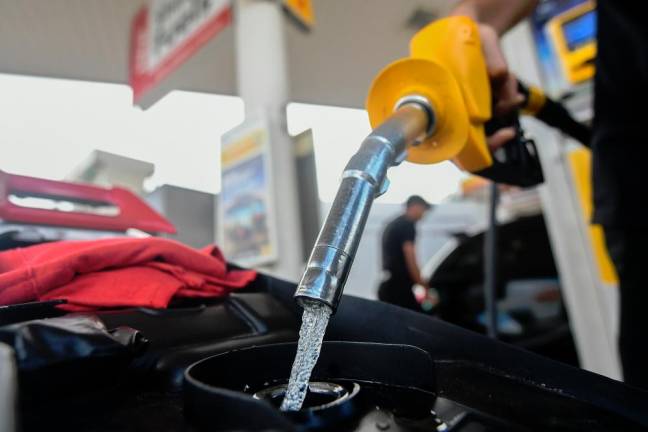
    Cambodia’s Ministry of Commerce set new retail fuel caps on October 1. The ceiling fixes regular gasoline at 5,150 riel per litre and diesel at 5,650 riel.

    Stations nationwide implemented the schedule at 1:00 PM. The rates run through October 11.

    Breakdown of the price schedule

    The adjustment covers Gasoline 92 alongside Gasoil 10ppm. State authorities calculate the figures using a formula tied to regional energy trading averages, updating domestic pump rates every ten days to reflect wholesale oil shifts.

    Subsidies remain in place to cushion consumers and commercial operators from international swings. The Ministry of Commerce said state support helps stabilise transport overheads while allowing retail networks to align station prices with global trends.

    Cost pressure across logistics and distribution

    Diesel at 5,650 riel per litre sets the baseline operating expense for freight hauliers, agricultural distribution networks, and inter-provincial bus operators. Heavy goods vehicles rely exclusively on gasoil. Any upward revision in the ten-day cycle feeds directly into wholesale delivery charges for packaged goods, fresh produce, and construction materials moving along national highways.

    Urban delivery platforms and motorcycle couriers bear the cost of 5,150 riel regular gasoline. In Phnom Penh and secondary urban hubs, last-mile couriers operating two-wheelers absorb these fuel expenses directly. That squeezes net margins across fast-food delivery and e-commerce fulfillment services.

    Supply chain impact for retail networks

    Fuel retailers operate within tight fixed margins under the mandatory price ceilings. Forecourt chains and independent operators must recalibrate point-of-sale software and physical pump displays across the country at every adjustment window. This prevents price gouging while stations manage terminal inventory bought at earlier wholesale rates.

    Importers and bulk storage operators face continuous cash-flow planning under the ten-day review mechanism. Rapid swings between cycles leave bulk distributors exposed to inventory holding risks whenever wholesale prices soften faster than retail ceilings update.

    Earlier pricing adjustments

    Officials carried out previous scheduled price revisions on September 11, August 11, and August 4. Those followed a drop in pump prices recorded in April after geopolitical tensions eased across international oil markets.

    Energy planners monitor international crude benchmarks ahead of the next window on October 11. The Ministry of Commerce will issue its subsequent ten-day fuel notification on that date.

  • Amazon Commits $3 Billion to India Quick Commerce Expansion by 2030

    Amazon Commits $3 Billion to India Quick Commerce Expansion by 2030

    Amazon will invest $3 billion to expand its Indian quick commerce operations through 2030. The outlay funds a direct push into instant urban delivery. Currently, the company holds a 6.2 percent share of India’s $19 billion instant delivery market. It trails domestic operators who pioneered sub-hour fulfillment.

    Under the spending plan, $1 billion will roll out by the end of 2027, followed by another $2 billion through 2030. Capital flows straight to the Amazon Now network. The platform will grow its neighborhood distribution footprint from roughly 750 hubs to 1,300 locations by April next year. Funds will also back automated store-level inventory management, artificial intelligence forecasting tools, and wider selection across fast-moving consumer lines.

    Internal sales data shows Amazon Now generated over $1 billion in annualized gross merchandise value during the past three months. The platform still faces entrenched competition. Eternal’s Blinkit, Swiggy, and Zepto command a combined 77 percent market share across more than 4,500 dark stores. Walmart-backed Flipkart controls 11 percent through a network exceeding 1,000 facilities.

    Dark Store Economics and Inventory Strategy

    Hub designs center on repeat grocery orders rather than high-ticket goods. Domestic rivals stock smartphones and appliances for delivery within minutes. Amazon Now focuses strictly on household essentials, dairy, and fresh produce. Each site uses dedicated cold storage rooms instead of commercial refrigerators to limit spoilage.

    That product mix brings real financial trade-offs. Brokerage Bernstein noted in July that grocery-only models struggle to cover fulfillment expenses because average order values stay low. Non-grocery merchandise provides the margins needed to offset courier wages. By skipping high-value electronics, Amazon avoids inventory depreciation, but it sacrifices basket size.

    Suppliers must navigate a fractured distribution channel. Staple brands gain access to automated replenishment systems. Yet rapid fulfillment forces vendors to split inventory across hundreds of localized micro-warehouses instead of central regional hubs. This dispersion drives up working capital requirements for packaged food makers and distributors across tier-one cities.

    Regulatory Pressure and Platform Conversion

    Indian regulators are tightening scrutiny across the quick commerce sector. In January, authorities ordered platforms to pull marketing campaigns touting 10-minute delivery guarantees following traffic safety concerns for two-wheeler couriers. Platforms must now compete on product range and pricing instead of raw speed.

    Foreign ownership rules create another hurdle. Marketplace regulations bar foreign-funded platforms from holding direct inventory. At the same time, Amazon is contesting a 2024 antitrust finding from the Competition Commission of India over alleged preferential treatment given to select sellers.

    Price cuts are the opening weapon against entrenched domestic rivals. Amazon is running discounts directly inside its main smartphone app. The platform offers 20 percent cashback on first orders above 499 rupees ($5.20), alongside free delivery on purchases over 99 rupees ($1) for select customer cohorts.

    “It took some time for Amazon to commit. There appears to be a realization that this is a model they have to invest in,” said Satish Meena, founder of Datum Intelligence. “They are doing discounts, which can help lure current Amazon customers to quick commerce.”

    Market Projections and Operational Milestones

    Growth in India’s instant delivery sector took off from localized grocery networks in 2022. Datum Intelligence projects the market will expand from $19 billion to $41 billion by 2030. The shift has transformed consumer habits across Mumbai, New Delhi, Bengaluru, and secondary metros. It continues to pull transaction volume away from traditional neighborhood kirana stores and scheduled e-commerce routes.

    Flipkart launched its own counter-offensive earlier this year, expanding sub-hour delivery into suburban clusters ahead of a planned public listing. Amazon arrived late. It is banking on its core Prime subscriber base converting to Amazon Now once local fulfillment hubs are in place.

    April next year brings the first major operational deadline, when Amazon targets completing its 1,300-store footprint across Indian metros. Hitting that network target will decide how much market share the Seattle retailer captures before the $41 billion sector structure hardens.

  • Bangladesh Fertiliser Dealers Demand Commission Be Doubled to Tk 200

    Bangladesh Fertiliser Dealers Demand Commission Be Doubled to Tk 200

    Fertiliser dealers across Bangladesh want the government to double their sales commission from Tk 100 to Tk 200 per sack. They are also demanding an immediate freeze on appointing new distributors.

    Operating costs, freight rates, and fuel prices currently force dealers to lose Tk 50 to Tk 55 on every sack they sell.

    Speaking at a Dhaka press conference on Monday, Bangladesh Fertilizer Association chairman Md Mosharraf Hossain said distributors have sought an updated fee structure for 18 years. Allowances stayed flat while retail overheads surged across rural areas.

    Rising Freight and Margin Squeeze

    In 2008, the government set a transport and sales commission of Tk 100 per sack. Dealers netted Tk 25 to Tk 30 after paying for freight, loading, and handling.

    Heavy transport inflation has wiped out those margins. Distributors now cover shipment shortfalls with their own working capital.

    Last-mile stockists bear the brunt of the losses. To survive, rural dealers cut inventory, delay bulk purchases, and reduce deliveries to remote farming areas.

    Delayed Relief and Breakeven Gaps

    Authorities approved a Tk 50 increase per sack, but the change will not take effect until July 1, 2027. Hossain said that increment will merely bring dealers to breakeven.

    Association leaders demand an immediate Tk 100 increase instead. Without it, licensed dealers warn they will shut down, endangering fertilizer supply during peak planting seasons.

    Losses among licensed operators also push trade into the unregulated grey market. Bottlenecks will follow if compliant businesses exit.

    Legal Challenge Against New Policy

    Dealers have challenged the Integrated Policy on Fertiliser Dealer Appointment and Distribution-2026 over conflicting clauses. The association filed a High Court writ petition on September 2.

    Following the petition, the court issued a 60-day rule directing authorities to resolve the issues. Hossain noted that district monitoring committees continue recruiting new dealers anyway.

    Adding distributors during a margin crunch splits sales among more players. Turnover drops, making survival harder for everyone.

    Supply Risks for Rural Distributors

    The Ministry of Agriculture has not scheduled talks on dealer appointments or commission timelines. Hossain warned that inaction risks halting fertilizer deliveries across key agricultural districts.

    Market operators now watch to see if court pressure forces the ministry to the table before the 60-day window closes.

  • Flipkart Minutes Reaches 1,000 Dark Stores Across India

    Flipkart Minutes Reaches 1,000 Dark Stores Across India

    Flipkart has expanded its quick commerce arm Minutes past 1,000 dark stores across 120 to 130 Indian cities. Dark stores operational for five to six months handle between 1,000 and 1,500 orders daily, according to research from investment bank UBS.

    Across the entire network, average daily volume sits at 800 to 1,000 orders per store. The rapid rollout has allowed the Walmart-backed e-commerce operator to challenge pure-play instant delivery platforms on order size and distribution density.

    Electronics Drive Higher Basket Values

    Excluding mobile phones, Minutes records a net order value of Rs 500 to Rs 530, matching Blinkit’s benchmark of Rs 518. When mobile devices are included, Minutes generates a higher average basket value than Blinkit, aided by Flipkart’s long-established vendor relationships and supply chains in consumer tech.

    The service has also helped Flipkart defend customer spending. In operational markets, between 40 and 45 per cent of existing Flipkart marketplace shoppers now use Minutes, recovering transaction volume previously lost to specialized instant delivery apps in fresh produce and personal care.

    Indian e-commerce platforms are increasingly using 10-minute delivery networks to shield high-margin categories from encroachment by grocery startups. While gross margins at Minutes trail Blinkit, per-order fulfillment costs have narrowed to match levels at Swiggy Instamart and Blinkit, though operational throughput is still catching up.

    Network Growth and Metro Demand

    Metropolitan areas generate 60 to 65 per cent of total orders on Minutes. North India accounts for just under one-third of overall volume, while southern cities are expanding quickly and eastern hubs such as Kolkata show strong adoption.

    Flipkart is planning to add roughly 1,000 more dark stores by the middle of next year. That expansion schedule aims to support peak demand ahead of the group’s annual Big Billion Days sale, provided backend warehouse construction keeps pace.