Tag: retail marketing

  • Sabeco Expands National Progress Award Across 34 Vietnamese Provinces

    Sabeco Expands National Progress Award Across 34 Vietnamese Provinces

    Saigon Beer-Alcohol-Beverage Corporation teamed up with the Vietnam Fatherland Front in Hanoi on October 16 to launch the 2026 Ambassador of National Progress Award across 34 provinces and cities.

    The brewer will filter grassroots submissions down to 150 shortlisted candidates before naming 15 final honourees through a weighted evaluation model.

    Award structure and evaluation mechanics

    Local chapters of the Vietnam Fatherland Front across all 34 centrally governed provinces and cities handle the intake of nominees. Submissions run from October through December 2026 across six distinct fields: community development, vocational training, environmental sustainability, science and technology, balanced health, and culture.

    Organisers will open the pool of 150 shortlisted profiles to public voting through the official web portal and a newly added SMS channel. An Evaluation Council controls 70 per cent of each contender’s final tally, while public votes decide the remaining 30 per cent.

    Corporate positioning in the beverage sector

    For consumer goods manufacturers operating in Vietnam, structural community initiatives provide direct brand visibility across rural and tier-two provinces where standard retail promotions face stiff competition. Partnering with state-backed civic organisations gives Sabeco distribution touchpoints that commercial marketing cannot match.

    Local brewing rivals and multinational beverage giants frequently lean on music events and sports sponsorships to defend market share. Sabeco’s reliance on civic network awards embeds the enterprise directly into local administrative circuits, cementing goodwill among domestic distributors and regional retail accounts.

    Building on the 2025 heritage rollout

    The company instituted the inaugural edition of the recognition programme in 2025 to align with its 150th brewing anniversary. That first run established the basic six-track format before organisers expanded geographic outreach and added cellular ballot mechanics for the 2026 cycle.

    “What has always inspired us about Vietnam is the Vietnamese people’s unwavering spirit of striving forward,” said Tan Teck Chuan Lester, General Director of Sabeco.

    Next steps in the selection cycle

    Dai Doan Ket Newspaper and regional Fatherland Front committees are currently gathering district nominations ahead of the December 2026 intake deadline. Public voting opens early next year once judges publish the 150-candidate shortlist.
  • Singapore McDonald’s Shuts as Crowds Rush for $8 K-Pop Hats

    Singapore McDonald’s Shuts as Crowds Rush for $8 K-Pop Hats

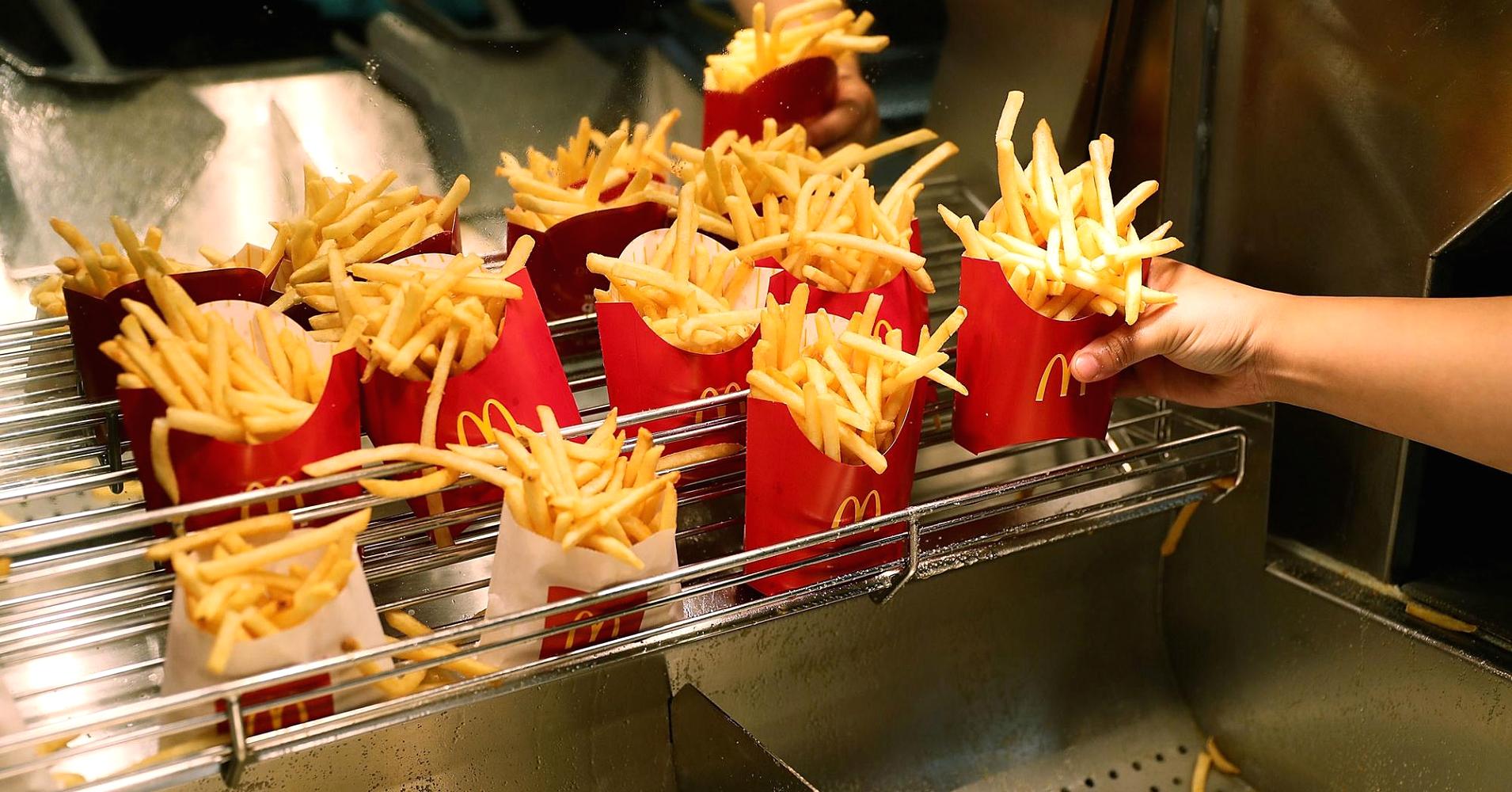
    A McDonald’s restaurant in Singapore suspended operations this week and pulled down its shutters after crowds mobbed the outlet during a launch for eight-dollar hats tied to a K-pop celebrity.

    Surging foot traffic overwhelmed staff and on-site capacity, forcing store management to close physical access to maintain crowd safety.

    Operational disruption from merchandise drops

    Quick-service restaurant operators across Southeast Asia frequently deploy co-branded entertainment partnerships to drive foot traffic, but physical merchandise sales introduce crowd control dynamics that standard fast food store formats are ill-equipped to handle. When low-cost, high-profile items such as eight-dollar branded apparel hit the counter, transactional volume quickly outstrips kitchen and ordering throughput.

    The physical closure of an active unit during peak trading hours creates direct revenue loss on core food items alongside third-party delivery cancellations. Fast food layouts prioritise rapid ordering, fast kitchen turnaround and short table dwell times rather than orderly queuing for physical retail inventory.

    The economics of limited-run fast food tie-ins

    Entertainment collaborations serve as high-margin marketing vehicles for global chains, generating substantial digital impressions and attracting younger demographics. The primary margin driver remains the accompanying food bundle, yet the secondary resale value of limited-edition collectibles frequently attracts scalpers who distort store footfall.

    Physical item allocations without dedicated ticketing or queue infrastructure leave frontline restaurant workers managing volatile retail bottlenecks. When merchandise sells out or access is restricted, customer frustration shifts onto restaurant staff, increasing brand friction rather than building goodwill.

    Crowd control risks for quick-service operators

    Mall operators and commercial landlords monitor safety protocols closely across high-density retail centres in Singapore. Uncontrolled queue spillover into common corridors disrupts neighbouring retail tenants and risks landlord penalties or regulatory intervention.

    For food chains, shifting exclusive merchandise sales to digital pre-orders, lottery allocations or app-based collection windows reduces physical crowding. Direct in-store sales of highly sought-after cultural tie-ins continue to expose operators to unexpected operational stoppages.

    Supply management across Southeast Asian hubs

    Consumer appetite for Asian pop culture collaborations remains exceptionally strong across urban regional hubs, including Singapore, Bangkok and Manila. The friction seen at retail counters demonstrates that demand forecasting for collectible merchandise often diverges from standard fast food sales forecasting models.

    Future promotional rollouts across regional quick-service networks will test whether chains continue open over-the-counter sales or transition high-demand merchandise releases entirely to digital redemption channels.

  • Krispy Kreme Japan Launches Limited Fox Doughnuts Across Four Outlets

    Krispy Kreme Japan Launches Limited Fox Doughnuts Across Four Outlets

    Krispy Kreme launched a limited-edition fox doughnut across four store locations in Japan on May 25, testing ultra-concentrated product scarcity.

    The restricted release confines the themed pastry to a tiny fraction of the chain’s national store footprint. Limiting distribution creates immediate localized foot traffic while managing production runs for intricate, hand-finished menu items.

    Targeted Store Allocations

    Restricting specialty bakery products to specific stores allows chain operators to test niche product appeal without burdening nationwide supply chains. In Japan, quick-service dessert operators frequently use regional or store-exclusive runs to drive localized foot traffic and generate organic social engagement without standard advertising spend.

    For retail landlords and station-adjacent retail hubs, hyper-local limited releases direct customer volume directly to specific commercial corridors. The trade-off sits squarely in execution: tight allocations risk customer frustration if inventory sells out too early in the trading day, shifting footfall away from neighboring tenants.

    The Hyper-Local Fast Food Playbook

    Rival confectionery chains across East Asia rely on similar micro-drops to maintain menu novelty against intense convenience store competition. Japanese convenience chains routinely turn over bakery shelves weekly, forcing standalone doughnut operators to create distinct, photogenic items that justify a dedicated store visit.

    Krispy Kreme Japan previously restructured its operations by trimming oversized standalone units and pivoting toward high-efficiency transit kiosks and compact shopping center locations. Concentrating short-run specialty items into selected stores tests how well these distinct formats capture impulsive commuter spending.

    The four selected locations will carry the fox doughnut for a limited period, with store-level sales volumes determining whether the concept rolls into wider regional distribution.

  • Pakistan Ad Market Shifts to Influencers as Social Media Reaches 80 Million Users

    Pakistan Ad Market Shifts to Influencers as Social Media Reaches 80 Million Users

    Pakistan’s advertising market is shifting toward content creators as of October 2026, with the country recording around 80 million adult social-media user identities.

    TikTok alone has an advertising reach approaching 80 million adults, while YouTube reaches around 54 million and Instagram reaches approximately 22 million.

    Individual creators are amassing major audiences, including Jannat Mirza with over 25 million TikTok followers, Hania Aamir with over 20 million Instagram followers, Ducky Bhai with over 10 million YouTube subscribers, and Rajab Butt with around 9 million.

    Performance Models Replace Flat Sponsorship Fees

    Commercial deals are shifting from flat fees to direct affiliate commissions. Smaller creators take free merchandise or modest cash retainers, while top celebrities still charge premium rates. Retail brands now deploy trackable discount codes and custom referral links.

    A merchant offering unique promo codes across 100 creator accounts can measure exact conversions within days. That turns endorsements into direct sales channels. For consumer startups and domestic cosmetic lines, performance deals offer instant distribution without the steep upfront costs of television runs.

    Niche Conversion Challenges Follower Scale

    Relevance now matters more than raw follower totals in campaign planning. A specialised account with 50,000 motorcycle enthusiasts regularly delivers higher conversion rates for vehicle parts suppliers than a general entertainment channel with five million subscribers.

    This mirrors digital commerce across Southeast Asia and China, where live-stream selling ties demonstrations straight to payment and fulfilment. Pakistan holds the same ingredients: expanding smartphone adoption, digital payment rails and a young urban population accustomed to mobile buying.

    Metrics Move Toward Acquisition and Retention

    Rapid growth has brought friction over audience authenticity and transparency. Brands face risks from synthetic engagement, bought follower counts and unclear commercial disclosures. These hazards run highest in regulated sectors like consumer health and financial services.

    Marketing teams now evaluate creator deals against customer acquisition costs, basket sizes and repeat order rates instead of vanity impressions. That demand is fueling dedicated talent management agencies, affiliate platforms and analytics firms across Karachi and Lahore.

    Traditional Media Monopolies Recede

    Billboards, print ads and television commercials still draw institutional budgets, but legacy networks no longer control consumer reach. Independent creators now build audiences larger than broadcast stations from home setups.

    Budgets will track verified checkouts as consumer brands watch whether creator live streams deliver steady sales through upcoming festive shopping cycles.

  • Fanta and Snapchat Launch Map Campaign with 7-Eleven in Australia

    Fanta and Snapchat Launch Map Campaign with 7-Eleven in Australia

    Fanta and Snapchat have partnered with 7-Eleven across Australia on an interactive map retail campaign. The promotion runs through October 4, 2026, offering a 10,000 Australian dollar travel voucher prize.

    Users are directed into physical 7-Eleven stores to drive sales of the newly released Fanta Fantasies drink range.

    How the in-store map mechanic works

    Snapchat brought its Promoted Places format to Australia for the campaign. The app displays a floating bottle icon on the Snap Map over 7-Eleven storefronts. Users open the map to find nearby stores, visit with friends, and take a screenshot within the application while on site. Customers then scan a QR code on the Fanta Fantasies packaging to submit their screenshot on a landing page.

    Map pins are paired with full-screen takeovers, including First Snap and First Story formats that launch when a user opens the platform. EssenceMediacom handled media planning. Ogilvy Australia created the campaign creative, featuring creator-led video content.

    “What Snapchat offers is something genuinely different: more than 8 million Australians already on the platform, already using Snap Map to find their friends and decide where to go next.”

    Active users on the mapping tool exceed 8 million monthly in Australia and 450 million globally, according to Snap. Entry is open once per person daily. No retail purchase is necessary to participate.

    Shifting convenience foot traffic from screens to aisles

    Convenience operators across Asia-Pacific face rising digital customer acquisition costs. They still need younger shoppers walking through physical doors. Smartphone location triggers remove friction between seeing an online drink ad and grabbing a can from an impulse chiller. For 7-Eleven, turning storefronts into active map nodes tests whether geolocated mobile mechanics can lift basket sizes beyond single drink units.

    Drink makers like Coca-Cola face a fragmented convenience retail market. Younger demographics regularly ignore standard endcap displays and static transit posters. By requiring shoppers to physically enter a 7-Eleven to complete entry, Fanta shifts marketing spend from passive impressions to verified foot traffic. Conversion at the shelf remains the primary risk, since free entry terms do not guarantee a register sale.

    Pushing digital utility across retail networks

    Across the region, convenience chains are investing in digital inventory visibility and gamified mobile loyalty tools. Retailers in Japan, South Korea, and Southeast Asia have tested augmented reality and app check-ins to defend foot traffic against on-demand delivery apps. Tying sponsored map pins to physical store footprints gives national chains an edge over independent grocers who lack single-network media scale.

    Entries close at 11:59pm AEDT on October 4. Judging for the 10,000 Australian dollar squad travel prize takes place on October 12, 2026.

  • Kuala Lumpur Mall Launches Pocket Monsters Mega Retail Campaign

    Kuala Lumpur Mall Launches Pocket Monsters Mega Retail Campaign

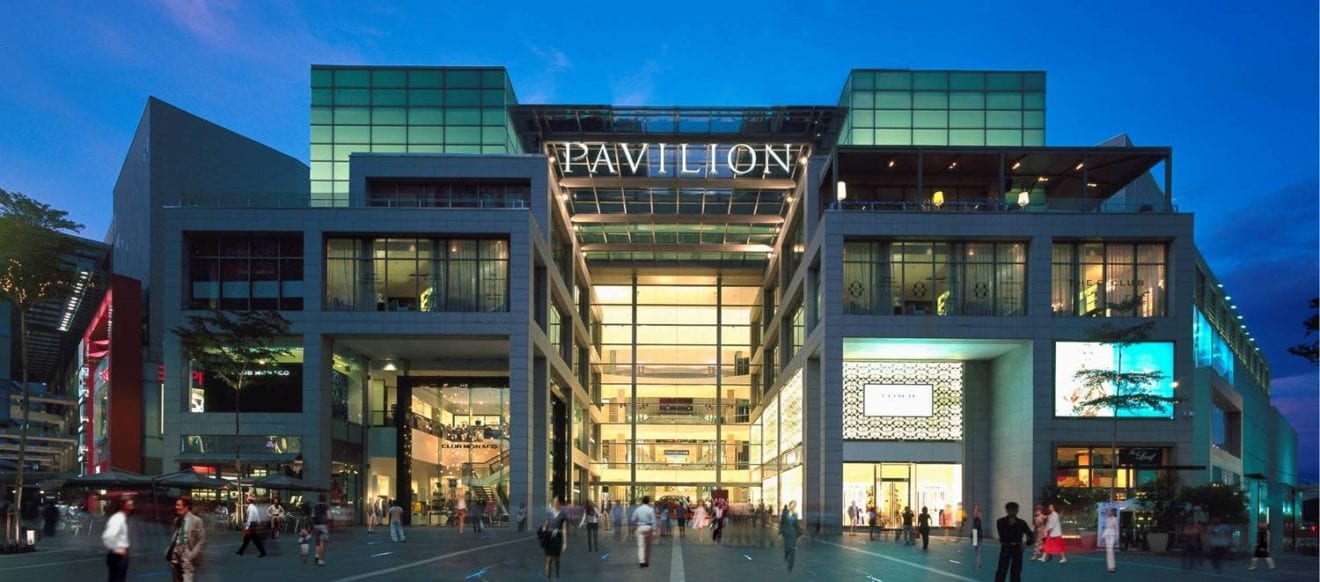
    A Kuala Lumpur shopping mall has launched a mega promotional campaign this week built around the Pocket Monsters entertainment franchise to lift consumer footfall and retail engagement, as reported by The Star.

    The 1 major experiential push combines themed displays, interactive installations and character merchandise across high-traffic retail spaces in the Malaysian capital.

    Entertainment intellectual property in physical malls

    Shopping centres across Southeast Asia increasingly rely on global intellectual property activations to convert casual visitors into paying shoppers. Landlords use character installations and interactive zones to capture family spending during school breaks and weekend shopping peaks.

    Pop culture licensing allows mall operators to differentiate their properties from neighbouring retail hubs without committing to permanent structural overhauls. Merchandising pop-up counters and branded photo opportunities serve as immediate footfall drivers for tenant storefronts nearby.

    Shifting mall footfall strategies in Malaysia

    Malaysian shopping centre operators face persistent competition from suburban developments and expanding e-commerce channels. Securing recognized character franchises provides mall managements with immediate social media visibility and destination appeal.

    Food and beverage outlets and lifestyle retailers positioned near central promotional atriums typically capture the immediate spillover from these events. Landlords structure temporary pop-ups to ensure high tenant dwell times throughout the ground-floor concourses.

    Operational costs and short-term licensing cycles

    Securing franchise rights and building custom exhibition pieces requires substantial upfront capital from shopping centre operators. The commercial return depends heavily on whether increased atrium traffic translates into sustained register receipts across tenanted stores.

    Short-term character campaigns also carry operational limits once the novelty fades among local consumers. Retailers require fast turnaround cycles to rotate seasonal intellectual property before visitor interest wanes.

    The retail pipeline for urban centres

    Experiential retail partnerships continue to dictate leasing and marketing budgets across prime commercial real estate in the Klang Valley. Landlords remain focused on securing exclusive character partnerships to anchor their fourth-quarter marketing calendars.

    Retail operators and tenants will monitor conversion metrics from family-oriented pop-ups as shopping malls finalize their event schedules for the coming retail quarters.

  • PepsiCo Launches House of Brands Campaign as Only 18% Know Wider Range

    PepsiCo Launches House of Brands Campaign as Only 18% Know Wider Range

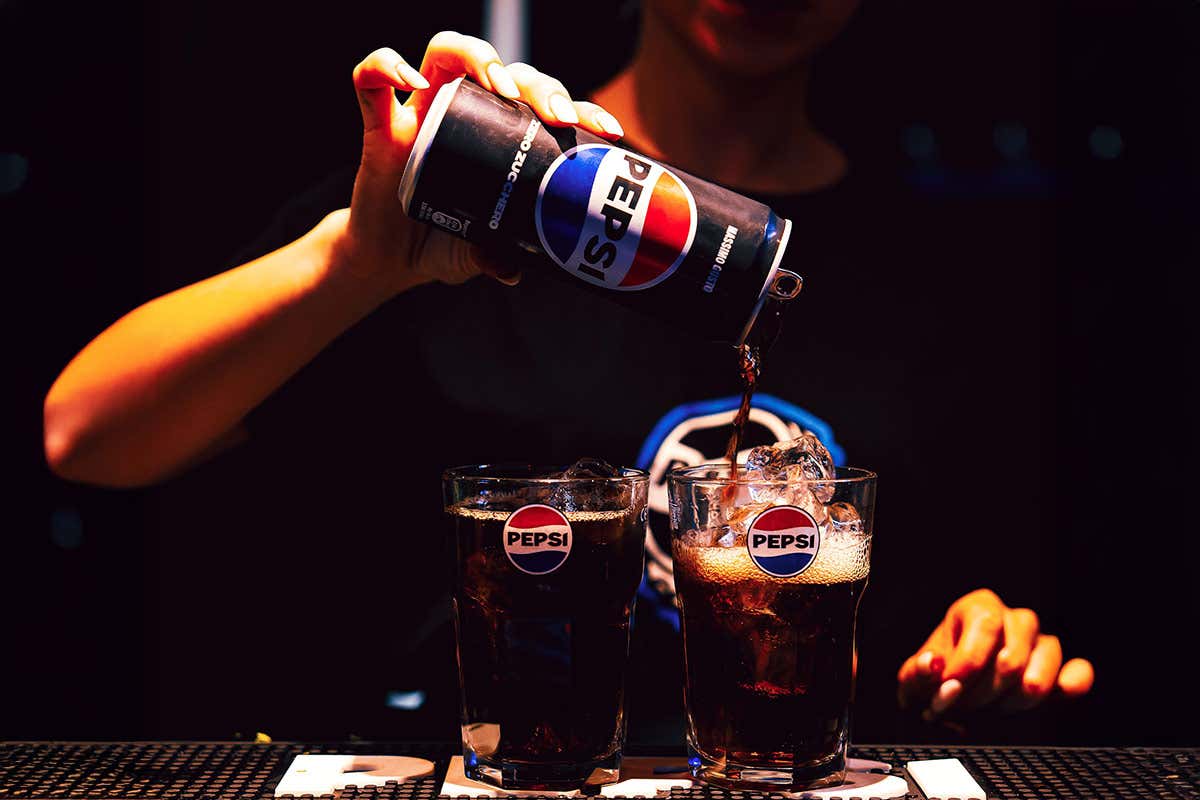
    In September 2026, PepsiCo launched a House of Brands campaign across retail channels after finding only 18 per cent of consumers associate the group with products beyond its core carbonated drink.

    The push highlights major portfolio names such as Lay’s, Cheetos, Gatorade and Quaker Oats under the corporate parent banner.

    Closing the Portfolio Perception Gap

    Consumer recognition remains heavily concentrated in beverages despite decades of multi-category expansion into snacks and packaged foods. The campaign uses hypothetical names such as Lay’s-Co, Cheetos-Co and Quaker-Co to demonstrate the scale of brands operating under the central corporate identity.

    Supermarket retailers across Asia-Pacific traditionally manage these product lines across separate aisle categories rather than as a single supplier block. Grouping savory snacks, sports beverages and breakfast staples under one umbrella strengthens supplier use during retail category reviews and joint promotional scheduling.

    Shifting Consumer Perception on Shelf

    Rival consumer goods conglomerates face similar challenges when corporate holding identities remain detached from daily shopping baskets. Linking individual product equities back to a central masterbrand helps defend shelf placement against store-brand lines across packaged grocery aisles.

    The strategy also introduces distinct exposure risks for the manufacturer. Any consumer scrutiny affecting carbonated beverage categories can transfer more readily to packaged grains or hydration products once corporate links become explicit.

    Retail performance metrics and cross-category purchasing data will show whether the awareness push drives higher basket conversion across Australian grocery chains.

  • Japan Home Centre Accepts Onions as Payment for up to 3 Items

    Japan Home Centre Accepts Onions as Payment for up to 3 Items

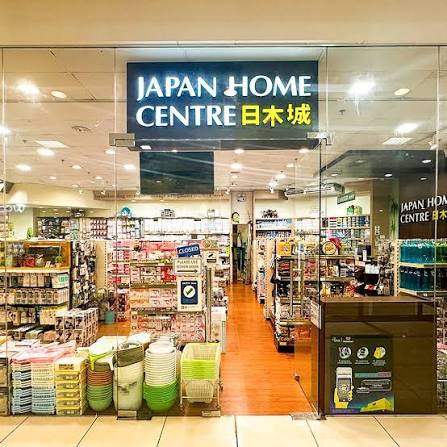
    Japan Home Centre held its “Pay with Sibuyas” campaign on Saturday, February 4, allowing customers to use onions as payment at its Panay Avenue branch in Quezon City.

    Under the one-day promotion, shoppers could swap one onion in exchange for a selected in-store product, with a maximum of three items allowed per purchase.

    How the barter checkout functioned

    The retail store accepted all kinds of onions for select merchandise, and Japan Home Centre stated that all collected onions would be given to a community pantry that provides free food for those in need.

    Management routed every bulb into a local community pantry network that distributes free food to low-income residents across Quezon City. The retailer absorbed the inventory cost directly as promotional expense and community assistance.

    The economics of grocery marketing gimmicks

    Barter promotions let general merchandise chains convert regional supply bottlenecks into customer foot traffic without cutting sticker prices across their wider assortment. Non-grocery discount stores step into the gap when everyday food staples turn into luxury commodities.

    Financial exposure stays low because the retailer caps redemptions at three units per shopper. The chain also limits eligible SKUs to high-margin, low-cost plastic ware and kitchen sundries. These stunts generate sudden foot-traffic spikes for mall landlords and retail neighbors, but conversion into cash-paying shoppers across regular aisles stays modest once promotional stock runs out.

    Wholesale price surges and infrastructure gaps

    Domestic retail prices for onions across Metro Manila wet markets and supermarkets reached 700 pesos per kilo in December 2022. That was roughly eight times higher than the global average of 1.54 dollars, or about 84.87 pesos, per kilo recorded across 89 tracked countries.

    Delayed import clearances and chronic storage deficits across agricultural provinces in Luzon triggered the domestic spike. Local farmers dumped bumper crops during harvest months without refrigerated warehouse capacity. That left urban retail distribution chains exposed to severe shortages and price spikes later in the crop cycle.

    Supply controls and import volumes to monitor

    Agricultural agencies have since scheduled off-season import shipments and started inspections of provincial cold storage facilities to stabilize retail distribution costs. Retail buyers across Metro Manila now watch whether wholesale farmgate prices drop back toward the baseline of 100 pesos per kilo before the next domestic harvest enters wholesale depots.

  • Herbalgy Launches 27-Year Campaign in Hong Kong with Keung To

    Herbalgy Launches 27-Year Campaign in Hong Kong with Keung To

    Hong Kong topical pain relief maker Herbalgy Pharmaceutical launched an anniversary retail push on September 16. The promotion features 27 per cent discounts and tiered basket incentives on its direct-to-consumer online store.

    The campaign pairs the brand’s 27th year in business with Hong Kong pop idol Keung To. The singer turns 27 this year.

    Discounts and High-Ticket Spend Tiers

    Shoppers face three volume incentives on the brand’s website. A one-day flash sale cut prices by 27 per cent across the catalogue on September 16. A month-long gift promotion runs through October 15. That offer gives customers an exclusive Keung To merchandise gift on net purchases of HK$430 or more.

    To lift order values among regular buyers, the company added an upper tier requiring a single net spend of HK$2,700. Reaching that threshold yields 27 units of 5 ml portable pain relief products.

    The Direct-to-Consumer Push for Traditional Formulations

    Traditional Chinese medicine makers across Hong Kong face steady pressure to turn pharmacy foot traffic into direct digital accounts. Medicated oils and plasters rely heavily on neighborhood dispensaries. In those physical shops, distributor fees and shelf rental costs squeeze profit margins.

    By partnering with a celebrity ambassador, Herbalgy aims to bypass retail intermediaries and secure higher gross margins. Retaining those buyers after discounts expire remains the central commercial risk. That challenge grows when asking shoppers to spend HK$2,700 on everyday topical remedies.

    Roots in Hong Kong Manufacturing

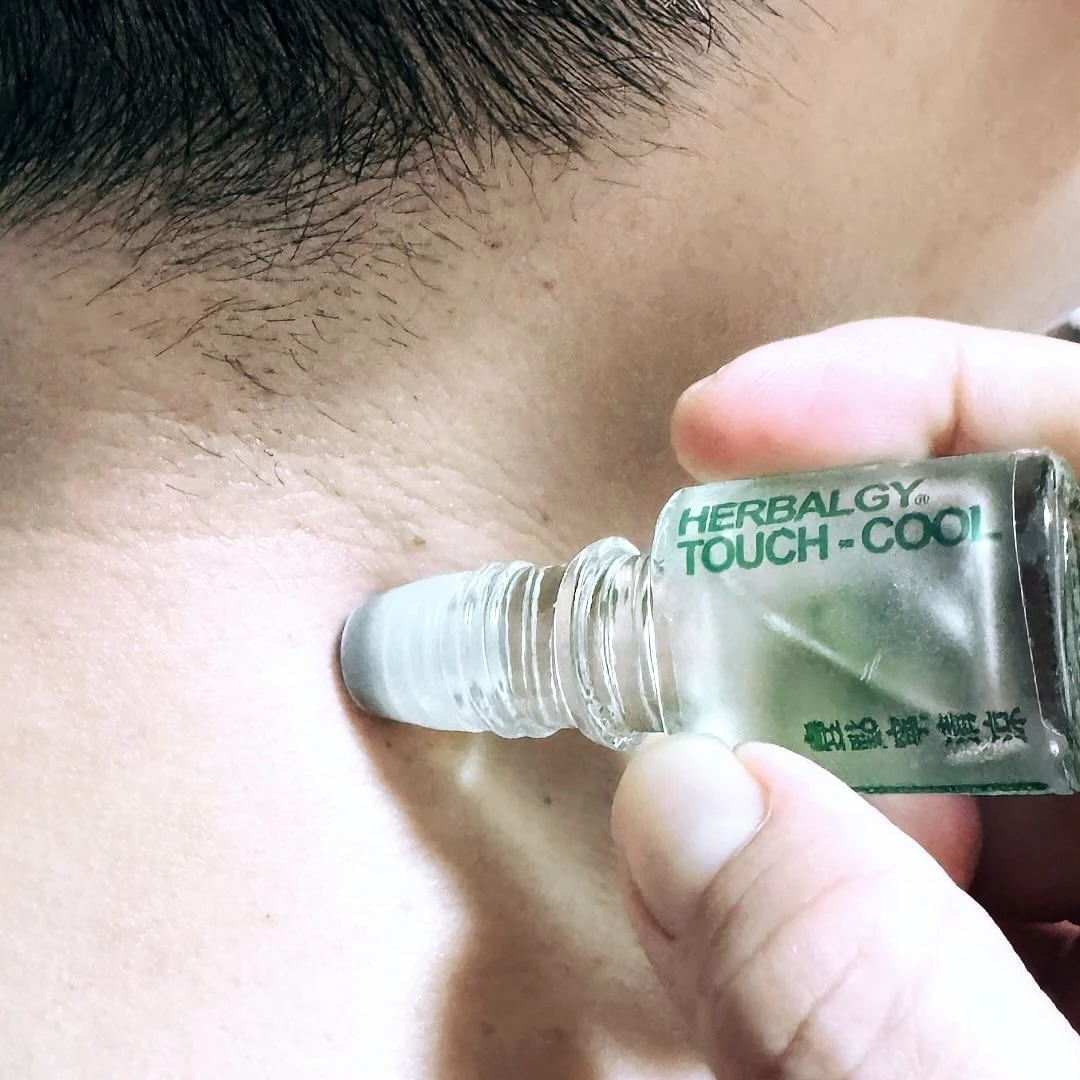
    Chinese medicine practitioner Professor Wong Tin Chee founded Herbalgy in 1999. He built the business on formulas created by his father, medicated oil producer Wong To Yick. Wong set up a Good Manufacturing Practice facility in Hong Kong to make registered proprietary Chinese medicines, later adding brands such as Touch Cool and Tibet Red.

    Digital sales and the Keung To gift promotion continue on Herbalgy’s official storefront through October 15, 2026.

  • The Galeries Launches Retailer Scent Project with Provider Store in Sydney

    The Galeries Launches Retailer Scent Project with Provider Store in Sydney

    Sydney shopping centre The Galeries is running a month-long retail collaboration with local artisan brand Provider Store from September 29 to October 25. The program aims to drive tenant foot traffic.

    Shoppers who spend 300 dollars across the centre in a single day during the campaign receive a complimentary limited-edition candle. The gift represents one of three flagship tenants.

    How the tenant scent program works

    Provider Store founder Tara Bennett designed three distinct fragrances based on the retail identities of Japanese bookstore chain Books Kinokuniya, fashion retailer Incu, and outdoor footwear brand Salomon. The activation operates from a Japanese-inspired market stall under the George Street complex’s ground floor atrium.

    Kinokuniya’s fragrance incorporates hinoki, amber, macadamia, lemon, and frankincense to mirror the bookstore chain’s Japanese heritage. Incu’s candle blends fir needle, oak moss, cedar, and sandalwood. Salomon uses pine, cedarwood, sage, and palo santo. Customers can take empty ceramic vessels to Provider Store’s standalone site in Surry Hills for paid refills from its permanent scent library.

    Tenant marketing across prime central business districts

    Landlords in major Asia-Pacific commercial hubs face sustained pressure to turn central business district foot traffic into register sales. Generic promotional vouchers often fail to lift basket sizes across multiple categories. Tying a physical gift to a 300 dollar single-day spend forces shoppers to cross-shop fashion, books, and sportswear inside the same asset.

    This approach gives specialty lifestyle operators exposure without the cost of building standalone pop-ups. For Japanese operators like Kinokuniya, brand activations inside high-density Asia-Pacific corridors reinforce cultural identity while supporting broader mall dwell times.

    Longer retail track record at the complex

    Centre management launched the campaign as the debut project for The Galeries Presents, an in-house promotional platform designed to bundle tenant marketing into shared on-site installations. The property previously relied on visual art installations and cultural exhibits to anchor ground-floor common areas.

    “Working with Provider Store has allowed us to explore The Galeries Presents in a new way, using scent to capture the distinct character of three of our retailers and bring their stories to life,” said Melanie Vale, centre manager at The Galeries.

    Management will run the ground-floor stall through October 25, then evaluate sales receipts and customer redemptions before scheduling the next tenant collaboration.

  • Global FMCG Brands Reshape Experiential Deals Across Asia-Pacific

    Global FMCG Brands Reshape Experiential Deals Across Asia-Pacific

    Global consumer goods manufacturers are restructuring major event partnerships across Asia-Pacific, shifting capital into high-traffic sports and cultural fixtures that drive direct product trial.

    Treasury Wine Estates flagship label Penfolds took an event supporter role at the Formula 1 Australian Grand Prix at Albert Park in March 2026. The four-day motorsport contract replaced its five-year tenure at the Melbourne Cup carnival, aligning the label with international broadcast reach during the 75th anniversary of its Grange vintage.

    On-Ground Services and Market Reach

    Consumer goods conglomerate Procter & Gamble expanded its multi-market Olympic platform to integrate retail campaigns directly with athlete usage. During the Milano Cortina 2026 Olympic Winter Games, the company ran its Champions Clubhouse across the Milano and Cortina villages, servicing more than 3,500 athletes with grooming, hair care and recovery facilities.

    The group distributed product kits across 25 corporate labels, including SK-II, Head & Shoulders, Oral-B and Gillette Venus. That athlete-facing footprint converts into localized supermarket campaigns across the region, including an ongoing partnership with eight-time Olympic gold medallist Lisa Carrington in New Zealand.

    Community Anchors and High Volume

    Pernod Ricard brand Absolut continues to direct festival marketing toward high-throughput consumption formats. The spirits maker pairs rapid-service cocktail menus with cultural events, including its long-running alignment with the Sydney Gay and Lesbian Mardi Gras in Australia and massive activations at Coachella in North America.

    Alcohol and personal care groups across Asia-Pacific are increasingly moving away from passive perimeter signage. Instead, brand owners want dedicated on-premise pours and physical service lounges that put physical inventory straight into shoppers’ hands.

    Brand teams now face the next test of this experiential spending when race organizers release spectator attendance and paddock hospitality figures for the upcoming grand prix calendar.

  • Brands Step up Fandom Marketing as Gaming and BookTok Spur Billions in Retail Sales

    Brands Step up Fandom Marketing as Gaming and BookTok Spur Billions in Retail Sales

    Non-endemic consumer brands now account for 60 per cent of esports partnerships worldwide as corporate marketers redirect budgets toward gaming and social media subcultures across Asia and the West. Research conducted by Amazon Ads and Twitch Ads across 12 countries, including Japan and South Korea, found that 70 per cent of fans view these communities as part of daily life.

    The shift comes as consumer spending linked to online interest groups expands beyond traditional merchandise. In the gaming sector, a 2025 global study of more than 24,000 active players across 21 markets, including China, India, Japan and South Korea, established that the average player is 41 years old. The demographic splits evenly at 51 per cent male and 48 per cent female, dismantling long-held media assumptions about youth-only audiences.

    Brands outside the technology sector are buying into this scale. McDonald’s integrated Pokemon Trading Card Game products into Happy Meals, Lacoste launched a physical and digital line with Minecraft, and Elf Cosmetics constructed an interactive world inside Roblox. McKinsey research confirms that non-gaming companies now drive six in ten competitive gaming sponsorships.

    Publishing and Travel Ride Social Momentum

    A parallel surge is lifting physical book sales and related hospitality services. Analysis from NielsenIQ BookData and Media Control recorded more than 50 million book purchases across European retail markets in 2025 linked to TikTok’s #BookTok community, generating 800 million euros in revenue. In the United States, research group Circana tracked a 20 per cent annual rise in BookTok-driven book sales during 2024 to approximately 60 million units.

    The literary trend has bled directly into tourism and apparel. Travel platform Skyscanner reported that global hotel bookings using its library filter rose 70 per cent year-on-year in 2026. In late 2025, American leathergoods label Coach partnered with Reese Witherspoon’s Sunnie Reads club to operate reading pop-ups and sell book charms co-developed with Penguin Random House.

    Authenticity Determines Campaign Returns

    For retailers across the Asia-Pacific region, commercial tie-ins to niche communities offer far higher conversion rates than general broadcast advertising. While mainstream digital ad placements suffer from rising ad-fatigue, Amazon’s data shows 61 per cent of dedicated fans actively welcome brand-sponsored content. Another 64 per cent rely on digital platforms to source and purchase interest-specific products.

    Execution remains delicate. The Amazon study revealed that 54 per cent of respondents immediately detect insincere corporate messaging within their spaces. Marketers now track whether beauty and apparel brands can scale influencer partnerships among Asian creators before community engagement metrics normalize across major video platforms later this year.

  • The Warehouse Starts Turnaround Push Across 84 New Zealand Stores

    The Warehouse Starts Turnaround Push Across 84 New Zealand Stores

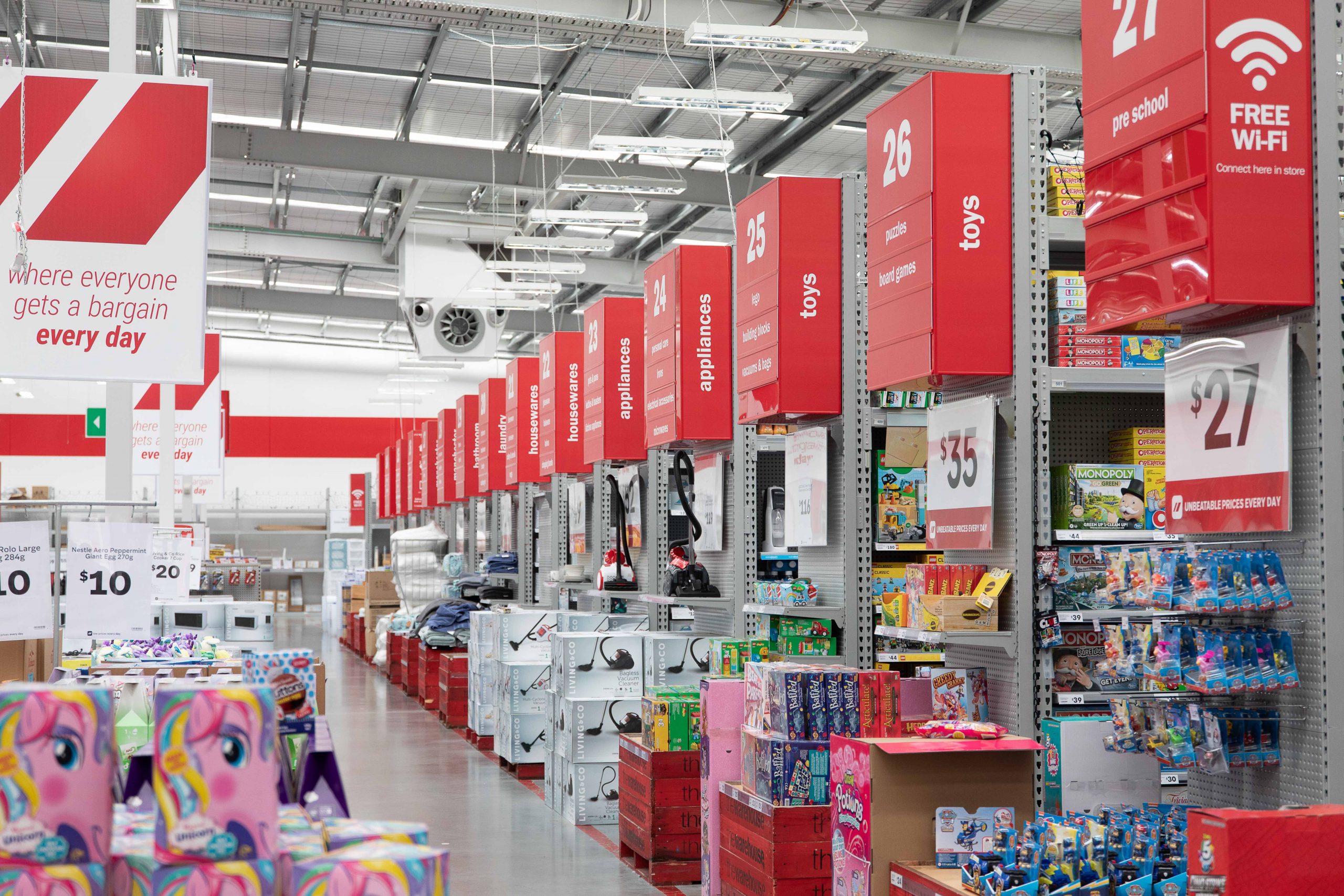
    The Warehouse rolled out a nationwide brand campaign across 84 stores in New Zealand on August 23, targeting market leadership through an operational turnaround.

    Created with advertising agency TBWA New Zealand, the campaign runs under the banner This Is Warehouse Country across television, digital channels, social media, outdoor billboards, and in-store displays.

    Rebuilding Market Position

    The push anchors a broader transformation program at the discount department store group. Content in the campaign draws on four decades of customer milestones and household memories to rebuild foot traffic and loyalty across the store network.

    Trading conditions across Australasia have forced discount operators to defend value credentials as supermarket chains and global online platforms squeeze general merchandise margins. The Warehouse previously relied on category expansion and price promotions to protect market share, but the latest shift centers on core brand equity.

    Execution Across Network

    All 84 branches are participating in the rollout, aligning physical merchandising with national broadcast assets. The group continues to recalibrate its wider store fleet and merchandising mix under the ongoing restructuring plan.

  • Brandpay Logs 65 Million Impressions Turning Retail Shoppers into Ad Channels

    Brandpay Logs 65 Million Impressions Turning Retail Shoppers into Ad Channels

    Australian retail technology platform Brandpay has logged 65 million organic impressions across 250 brands by turning regular shoppers into measurable advertising channels. The platform generated an average 4.2 times return on reward spend across 12,894 pieces of customer content.

    Instead of hiring professional creators, the system pays shoppers in store credit when they post authentic social media content about products they bought. That credit circulates back through existing checkout systems, encouraging repeat transactions.

    Micro audiences and store credits

    Brandpay co-founder and chief executive Dr Mike Haywood said the model distributes reach across regular buyers rather than concentrating budgets on a handful of high-profile influencers. More than 80 per cent of rewarded participants have between 100 and 5,000 followers.

    The mechanics produce measurable cost advantages over standard digital ad inventory. Brandpay reported an average cost per mille of $2.48 and a cost per click of $2.62 across its network.

    A brand’s own content describes itself. A customer’s content is evidence.

    RetailNews Asia has tracked a sharp regional pivot away from high-fee influencer contracts across Asia-Pacific e-commerce operators, as rising customer acquisition costs on major ad platforms force merchants to monetize their existing customer bases.

    Measuring return on reward spend

    Shoppers rewarded under the program return to buy twice as frequently as non-rewarded customers. The resulting data allows merchants to test specific reward tiers against basket size increases.

    Brandpay is now testing automated reward calibrations to determine how different credit amounts influence basket size and repurchase frequency across retail categories.