Tag: retail operations

  • Singapore Retrenchments Hit 4,800 in Third Quarter of 2026

    Singapore Retrenchments Hit 4,800 in Third Quarter of 2026

    Retrenchments in Singapore rose to 4,800 in the third quarter of 2026, reaching their highest level since late 2020 as business reorganizations spread across outward-oriented sectors.

    Data released by the ministry in its labor market report on Friday showed layoffs climbed from 4,620 in the second quarter. The tally between July and September 2026 represents the largest volume of job cuts since 5,640 redundancies were recorded in the fourth quarter of 2020 during the COVID pandemic.

    Total employment nevertheless grew by 27,700 during the quarter, accelerating from 11,400 additions in the second quarter and 25,100 a year earlier.

    Corporate Restructuring Drives Redundancies

    Official labor market data released on Friday shows that the rise in job cuts stemmed primarily from ongoing business reorganizations. Redundancies stayed elevated across outward-oriented segments, where firms face softer international demand and elevated operational overheads.

    Total employment still expanded by 27,700 workers between July and September. That expansion exceeded the 11,400 positions added in the second quarter and outpaced the 25,100 roles created in the third quarter of 2025, revealing a split between aggressive workforce additions in select services and sharp downsizing elsewhere.

    Unemployment Ticks Higher for Residents

    The city’s headline unemployment rate held at 2.0 per cent in September. Beneath that headline stability, local job conditions softened slightly.

    Resident unemployment climbed to 3.0 per cent from 2.9 per cent in August, while the citizen unemployment rate reached 3.1 per cent compared with 3.0 per cent in the prior month. After 2020, tighter labor supplies and foreign worker departures had constrained headcount across commercial sectors, but corporate cost controls are now eroding that buffer.

    Pressure on Retail and Discretionary Demand

    Rising layoffs in regional headquarters and outward-facing operations pose direct risks for consumer-facing businesses across the island. Retailers, food and beverage groups, and mall operators rely heavily on resident purchasing power and corporate entertainment budgets to sustain prime mall rents.

    When corporate restructuring removes higher-income corporate roles, mid-tier hospitality and discretionary retail feel the pinch first. Store networks navigating steep utility bills and high store leases will face tighter margins if local foot traffic reins in non-essential outlays.

    Hiring Intentions and Outlook

    The ministry warned that corporate caution is bleeding into early planning for the final stretch of the year. Company projections indicate that retrenchment activity will not ease immediately.

    “While the labor market continued to expand, retrenchments remained elevated and, together with higher intentions to retrench, point to emerging weaknesses in parts of the labor market that warrant close monitoring,” the ministry said.

    The share of employers expecting to lay off staff over the coming three months rose to 3.1 per cent from 2.8 per cent in the prior survey, setting an unsettled tone for fourth-quarter commerce.


  • Malaysia Keeps 2% Pension Contribution for 1.75M Foreign Staff

    Malaysia Keeps 2% Pension Contribution for 1.75M Foreign Staff

    Malaysia will keep the 2 per cent Employees Provident Fund contribution rate paid by employers for non-Malaysian workers, the Finance Ministry confirmed in a written parliamentary reply published on Parliament’s website yesterday.

    Responding to a query from Jimmy Puah Wee Tse (PH-Tebrau) on easing operating burdens for small and medium enterprises, the ministry stated that the current rate remains relatively low while balancing social protection objectives against business costs.

    Since mandatory contributions took effect under the Employees Provident Fund Act 1991 in October 2025, 78,129 employers have contributed for 1,754,460 non-Malaysian staff, with SMEs accounting for 67,194 of those businesses.

    Breakdown Across Business Sizes

    The requirement sits under the Employees Provident Fund Act 1991, which legislators broadened to include all foreign workers in late 2025. The Finance Ministry framed the 2 per cent employer share as a deliberate compromise designed to expand social safety nets without crushing operating budgets.

    Tebrau member of parliament Jimmy Puah Wee Tse had pressed the ministry on relief measures for small businesses, asking if foreign staff could absorb the entire statutory deduction instead. The ministry answered that the existing two per cent charge remains relatively low while meeting international baseline standards for equitable migrant protection.

    Official definitions classify manufacturing firms with up to 200 staff and services companies with up to 75 employees as small and medium enterprises. These operations employ the bulk of migrant payrolls in Malaysian factories, logistics hubs, and restaurants.

    Margins Tighten on Frontline Operators

    For store operators, wholesale distributors, and food chains, statutory payroll additions compound broader cost increases across physical supply chains. Adding mandatory provident payments directly raises monthly cash outflows for service desks and backroom staff.

    RetailNews Asia sees the policy cementing a permanent cost floor under Malaysian service networks. Similar statutory pension schemes in regional hubs like Singapore have historically pushed thin-margin operators to accelerate self-checkout counters, automated order processing, and tighter shift scheduling to cap payroll overheads. Passing statutory burdens onto low-wage migrant staff would risk choking off cross-border talent pipelines that retail backrooms depend on.

    Shifting Away from Labour Subsidies

    The October 2025 expansion dismantled decades of policy that excluded transient labour from domestic retirement plans. Regulators introduced the revision alongside wider welfare initiatives aimed at bringing domestic employment standards closer to global trade benchmarks.

    The government said it will continue monitoring business conditions and consult trade associations to gauge how small operators absorb the extra charge. The Finance Ministry left the door open to targeted operational assistance for struggling sectors while keeping the statutory contribution structure intact.

  • Foreign Staff Exceed 110,000 Across Japan Top Three Convenience Chains

    Foreign Staff Exceed 110,000 Across Japan Top Three Convenience Chains

    Japan’s three largest convenience store chains employed more than 110,000 foreign workers in 2025, leaning on overseas labor to staff cash registers and stock shelves.

    The cohort represents nearly 14 percent of the 800,000 part-time workers operating networks run by Seven & i Holdings’ 7-Eleven, Lawson, and FamilyMart across the country.

    Hiring managers report that recruits from abroad show strong Japanese language capability and high operational competency, helping operators keep stores open around the clock. The influx has become a structural necessity for a network spanning more than 56,000 convenience stores nationwide, where round-the-clock operating models depend on steady frontline staffing.

    Pressure on the 24-hour retail model

    Convenience operators across East Asia face diverging labor realities, but Japan’s demographic contraction presents the sharpest operational test. While regional peers in South Korea and Taiwan have experimented with automated night shifts and unstaffed outlets to trim payroll costs, Japanese chains continue to anchor their customer proposition on high-touch service, bill payments, parcel handoffs, and freshly prepared hot food.

    That service density requires labor that the domestic population cannot supply. FamilyMart alone faced roughly 10,500 vacancies across its 16,400 stores, forcing corporate headquarters and independent franchise owners to widen recruitment pipelines or risk trimming operating hours.

    Sourcing labor across Asia

    Recruits arrive predominantly from Vietnam, Nepal, China, and Myanmar, drawn initially on student and training visas before taking up part-time retail shifts. In Tokyo hubs such as Shinagawa Ward, overseas employees now anchor entire shift rotations, handling everything from inventory deliveries to food service counters.

    Store managers confirm that language training and structured onboarding have kept register errors low despite complex point-of-sale systems that handle utility billing and administrative tasks. The operational reliance on foreign workers shifts supply risk directly onto immigration policy and cross-border recruitment pipelines, leaving franchisees vulnerable if visa quotas tighten or regional currency shifts erode Japanese wage competitiveness.

    Friction at the checkout counter

    Frontline pressure has surfaced in customer interactions across the retail sector. Service surveys show roughly 80 percent of staff report instances of customer harassment, prompting store managers to rethink standard operating procedures.

    Some franchised locations have adjusted staff name badges, substituting generic tags reading STAFF or using alternate names to protect clerks from customer disputes. The friction reflects broader social adjustments as local neighborhoods adapt to a rapidly diversifying frontline service workforce.

    Automation versus headcounts

    The staffing shift follows years of rapid demographic change across Japan. The country’s registered foreign resident population expanded from 2.76 million in 2021 to 3.77 million in 2024, providing the retail and food sectors with vital replacement labor during a period of record-low domestic unemployment.

    Franchise groups must now balance further investments in automated self-checkout kiosks against the ongoing cost of recruiting and training overseas staff. The next operational test comes as major chains review their overnight roster requirements ahead of the 2027 fiscal planning cycle, where store-level wage inflation will determine whether 24-hour operating mandates remain viable across suburban and rural locations.

  • Australian Counterfeit Banknotes Surge to Eight-Year High of 20 Notes per Million

    Australian Counterfeit Banknotes Surge to Eight-Year High of 20 Notes per Million

    Australian authorities detected 40,613 counterfeit banknotes in the 12 months to March 31. That pushed fake cash rates to their highest level since June 2018.

    The detection rate reached 20 notes per million in the March quarter. That is up 277 per cent in 15 months from a low of 5.3 notes per million in December 2024. Reserve Bank of Australia data shows fifty and one hundred dollar denominations accounted for 95 per cent of all seized counterfeits.

    Criminal syndicates are targeting high-turnover consumer businesses to convert fraudulent high-denomination notes into genuine legal tender and merchandise. Retailers receive zero reimbursement for accepted fake bills. Store operators absorb the full direct loss at the point of sale.

    Inflow through air cargo and mail

    Border authorities identified international logistics networks as the primary conduit for the influx. The Australian Border Force reported that counterfeit currency worth millions entered the country through air cargo consignments and international postal streams starting in early 2025.

    Importers are using more sophisticated physical concealment inside regular freight to bypass automated border screening. Law enforcement agencies warned that manufacturing standards have climbed. The higher quality makes fraudulent bills harder for retail cashiers to identify during fast transactions.

    Officials noted there has been a concerning improvement in the quality of counterfeit notes entering distribution channels.

    Retailers bear the frontline losses

    Regional retail stores, independent service stations, and hospitality venues face the sharpest exposure. In August, South Australian police charged a 32-year-old man for allegedly circulating bogus $50 bills across licensed venues, a petrol station, and shops in Mount Gambier.

    Queensland police made a separate arrest in Roma after an individual allegedly passed counterfeit $50 notes across two discount variety stores before trying to use another at a local hotel. Peer-to-peer sellers on online marketplaces have logged similar losses after handing over consumer goods for counterfeit cash.

    Large quick-service restaurant chains hold an operational advantage over smaller operators in managing this risk. Selected McDonald’s outlets and drive-through operators across Australia have run specialized counterfeit detection devices at their registers for more than ten years.

    Upgraded polymer security features

    The circulation spike comes despite Australia’s multi-year investment in polymer banknote security. The Reserve Bank of Australia rolled out its next generation banknote series between 2007 and 2020, upgrading earlier polymer designs first engineered with the CSIRO in the 1990s.

    Those newer notes feature a clear top-to-bottom window, reversing numerals, microprint, and UV-fluorescent patterns. They also carry a dynamic holographic flying bird that changes colour when tilted. Both the original 1990s polymer releases and the upgraded generation remain concurrent legal tender.

    Dual circulation creates an operational loophole. Fraudsters often replicate older polymer formats to bypass the advanced optical elements found on the newer series.

    Manual checks at checkout counters

    Central bank guidance advises retail staff to apply a three-step verification method: feel the plastic texture, hold the note to the light to confirm the clear window elements, and tilt the bill to inspect dynamic colour patches. First-generation polymer bills display a printed star and coat of arms within the window.

    Merchant protocols direct employees to refuse suspicious cash if safe to do so, record transaction details, and hand disputed notes directly to state or territory police. Operators can also file formal counterfeit detection forms through the Australian Federal Police.

    Retail loss-prevention teams are now watching upcoming quarterly Reserve Bank release data to track whether border interdictions successfully curb the circulation rate back toward its 2024 baseline.

  • Pakistan Lowers Petrol and Diesel Pump Prices for September 29

    Pakistan Lowers Petrol and Diesel Pump Prices for September 29

    Pakistan cut petrol prices by Rs2.27 per litre and high-speed diesel by Rs3.56 per litre on September 28, adjusting retail fuel rates for nationwide transport and retail supply chains.

    The revision sets the ex-depot price of petrol at Rs389.03 per litre and high-speed diesel at Rs404.97 per litre, with the updated rates taking effect on September 29.

    Tax burdens and daily pricing

    Official levies remain unchanged despite the downward revision. The federal government maintains Rs114 per litre in duties and taxes on petrol and Rs100 per litre on high-speed diesel, according to the Petroleum Division notification.

    Daily price adjustments now govern the pump rate under an arrangement handed to the Oil and Gas Regulatory Authority in July. Petroleum Minister Ali Pervaiz Malik introduced daily revisions to track swings in imported cargo costs directly, replacing the previous weekly adjustment framework established in March.

    Operating hours and transport pressure

    For commercial store operators and logistics fleets, fuel costs remain a heavy overhead. Petrol and high-speed diesel drive nationwide freight and personal transit, with monthly consumption running between 700,000 and 800,000 tonnes each, compared with roughly 10,000 tonnes for kerosene.

    Physical retailers face operational curbs alongside pump price volatility. The government has enforced early market shutdowns at 9pm to conserve energy, while cutting fuel quotas for official vehicles by 50 per cent over a three-month window.

    Trajectory from April peaks

    Pump rates remain below the record highs set earlier in the year. High-speed diesel traded at a peak of Rs520.35 per litre on April 3, climbing from Rs281 per litre before international market disruptions escalated in late February.

    Petrol followed an identical track, starting from Rs266 in early March to reach a record Rs458.41 per litre in April. Targeted subsidies introduced by Prime Minister Shehbaz Sharif on September 13 attempt to shield two-wheelers, auto rickshaws and passenger vehicles up to 800cc from high base rates.

    Supply monitor

    Commercial transport operators continue to watch the daily regulatory adjustments from the Oil and Gas Regulatory Authority. Further price notifications depend on international crude benchmarks and the duration of the current retail operating curbs.

  • Luckin Coffee Opens 100Th Singapore Store in Bugis Expansion

    Luckin Coffee Opens 100Th Singapore Store in Bugis Expansion

    Luckin Coffee opened its 100th store in Singapore on September 29, 2026, setting up in the commercial and transit hub of Bugis. The milestone establishes the Chinese chain as the city-state’s second-largest coffee operator by store count three years after its local launch.

    Customer volumes drove the physical expansion. More than 1.9 million cumulative transacting customers have bought drinks through the brand’s app-led ordering system in Singapore since the first outlet began trading in 2023.

    Footprint Strategy in Transit Nodes

    The Bugis site follows Luckin’s standard format across Southeast Asia: compact footprints near high-density commuter pathways and retail developments. Placing locations directly inside transport interchanges and office basements reduces seating overhead while maintaining order throughput during morning and lunch rush hours.

    Digital pickups handle the bulk of transactions. By requiring customers to order and pay via mobile application before collecting at the counter, the chain keeps queue times low and processes hundreds of drinks per hour with small front-of-house teams.

    Shifting Market Dynamics for Local Operators

    Reaching 100 outlets in three years puts immediate pressure on established mid-market chains and legacy regional brands. Fast store rollouts backed by aggressive digital discounting force competing operators to protect market share by upgrading their own mobile ordering apps and matching promotional drink pricing.

    Commercial landlords benefit from the format’s flexibility. Luckin takes micro-units and irregular floor plans that sit outside traditional full-service cafe requirements, generating steady rental income from transit corridors that previously housed service kiosks or sat vacant.

    International Growth Beyond the Domestic Base

    Singapore served as Luckin’s first international testing ground when the company entered the market in early 2023. Building a profitable operating model outside mainland China required adapting supply chains and menu profiles for Southeast Asian consumer tastes while retaining its core low-cost automated store design.

    Sustained transaction growth in Singapore validates the exportability of the grab-and-go model across high-rent Asian cities. The rapid climb to 100 units demonstrates that digital-first coffee retail can secure substantial market penetration even in mature, highly competitive metropolitan markets.

    Next Steps for Southeast Asian Expansion

    Attention now turns to whether Luckin can sustain repeat purchase frequency without deep promotional couponing. As the network reaches saturation in central commercial districts, subsequent sites must extract volume from suburban housing estates and secondary retail malls.

    Market watchers will track upcoming company filings for unit-level margins and regional store target updates across neighbouring Southeast Asian markets.

  • Pakistan Power Regulator Reviews Rs1.73 Electricity Tariff Hike for August

    Pakistan Power Regulator Reviews Rs1.73 Electricity Tariff Hike for August

    Pakistan’s power regulator is considering an electricity tariff increase of Rs1.73 per unit. The hike covers higher generation expenses incurred in August.

    The Central Power Purchasing Agency submitted the adjustment petition to the National Electric Power Regulatory Authority. It seeks to recover fuel expenses across state distribution companies and Karachi-based utility K-Electric.

    A public hearing is scheduled for September 29 to review the submission. If approved, the surcharge will apply to all standard consumer categories nationwide on upcoming billing cycles.

    Generation mix and fuel cost breakdown

    Data filed with the authority shows power producers supplied 14.464 billion units of electricity to distribution companies during August. Generation costs averaged Rs8.82 per unit across all energy sources.

    Hydropower remained the primary source, generating 37.84 per cent of total electricity. Coal also carried a heavy load. Imported coal accounted for 15.59 per cent of total output, while domestic coal delivered 10.88 per cent.

    Costly thermal generation pushed up the overall fuel basket despite low volumes. Imported liquefied natural gas supplied 8.48 per cent of power at Rs45.92 per unit. Furnace oil accounted for 2.15 per cent of supply at Rs45.25 per unit. Domestic natural gas provided 7.04 per cent of output.

    Operating margin pressures on commercial operators

    Continuous fuel cost adjustments push up utility overheads for store operators, cold-chain logistics providers, and shopping centre managers. Power is one of the largest non-payroll operating costs for commercial occupiers in urban retail hubs.

    Commercial tenants cannot absorb recurring adjustments without passing increases along supply chains or cutting floor energy use. Higher baseline tariffs squeeze margins. The pressure falls hardest on grocers running continuous refrigeration networks and department stores maintaining heavy air conditioning loads.

    Consumer purchasing power faces fresh headwinds

    Household budgets contract as higher utility bills reduce discretionary retail spending across major metropolitan centres. Rising power bills immediately drain middle-income disposable wages.

    Shoppers respond by delaying purchases of discretionary goods, apparel, and major home appliances. For mass-market brands in Pakistan, this pull-back reduces foot traffic and shrinks basket sizes during off-peak periods.

    Previous regulatory adjustments

    This petition follows a separate adjustment approved last month, which added Rs0.7503 per unit to August consumer bills for power consumed in June. That adjustment carried an aggregate financial impact of Rs9.8 billion nationwide.

    Regulators applied the June charges to K-Electric consumers and all distribution companies under the former Water and Power Development Authority framework. Lifeline customers, electric vehicle charging stations, and pre-paid meter accounts were excluded.

    Final surcharge rates for upcoming commercial and residential bills will be decided at the September 29 determination hearing.

  • TPG Telecom Ordered to Pay A$1 Million After Sydney Store Attack

    TPG Telecom Ordered to Pay A$1 Million After Sydney Store Attack

    New South Wales District Court ordered TPG Telecom to pay A$1,006,996.29 in damages after an assailant attacked a store worker with a makeshift blowtorch in Sydney.

    The ruling establishes direct corporate liability for failing to deploy physical security guards at a shop recording five times the national network average for customer aggression.

    The Incident at Macarthur Square

    Proceedings stem from a November 22, 2019 assault on Vodafone store employee Damir Lepan at Campbelltown Macarthur Square. Lepan dealt with an aggressive customer who left the shop. The man returned several hours later carrying an aerosol deodorant can and a cigarette lighter.

    The assailant ignited the spray into Lepan’s face, burning his head and arm. Debilitating psychiatric trauma prevented him from returning to work. Lepan sued TPG Telecom under the Workers Compensation Act 1997 for past and future economic losses, arguing the company breached its duty of care through inadequate physical security.

    Flaws in Remote Monitoring Systems

    TPG Telecom relied on an under-counter duress alarm connected to a remote monitoring centre. Offsite operators reviewed CCTV feeds before contacting emergency services or dispatching guards.

    District Court Judge Paul Fitzsimmons rejected remote monitoring for high-risk retail sites. Evidence showed a 2017 incident at the store, where a customer threatened to slit an employee’s throat, took offsite security up to 15 minutes to respond. TPG Telecom national security manager Michael Jackson conceded during testimony that a uniformed guard deters attackers better than offsite cameras.

    Legal Fallout for Store Operators

    Court findings showed the Macarthur Square outlet was a clear statistical outlier across Vodafone’s national network, making violent encounters foreseeable. Fitzsimmons ruled that store workers were ill-equipped to manage hostile shoppers without dedicated onsite personnel.

    Retail chains relying on remote electronic monitoring to cut costs face direct legal exposure. Landlords and retail operators across Australia risk liability if they fail to staff known problem locations with physical guards, regardless of existing alarm systems.

    TPG Telecom introduced part-time guard coverage for four days across a two-week period following the 2019 attack. The A$1,006,996.29 award covers Lepan’s lost earnings, superannuation entitlements, and compensation tax liabilities.

  • Australian Retailers Overhaul Content Models to Curb Omnichannel Delays

    Australian Retailers Overhaul Content Models to Curb Omnichannel Delays

    Australian retailers have spent years adding digital touchpoints, but many are now getting slower at producing the experiences those platforms require as teams contend with cautious consumers and margin pressure. The operational challenge has mounted as websites, apps, marketplaces, loyalty programs, social commerce, and digital signage expand alongside physical stores.

    In many retail businesses, marketing teams and developers repeat work by building one version of a product launch for the website, another for the app, and separate material for email, social channels, and in-store displays. This fragmented production process leaves campaigns reaching one channel days after another while increasing the likelihood of inconsistent pricing and outdated product details.

    Ending Repetitive Channel Production

    When turning a single campaign into live assets requires weeks of handovers and developer queues, retail teams lose the capacity to personalize experiences or adapt to local trading conditions. To eliminate duplicated effort and lower costs, businesses are shifting toward composable models where product benefits, imagery, and promotional messages are created once and governed centrally.

    The alternative infrastructure treats product details, pricing banners, promotional terms, and media files as reusable modular components. Central governance teams control core brand messaging and product claims, while regional managers assemble approved components into distinct channel formats without writing custom code or rebuilding entire digital pages.

    Regional Adaptation and Guardrails

    For retail networks spanning diverse state territories and multiple brand banners, modular architectures protect brand standards while allowing localized commercial flexibility. Store managers can adapt pre-approved digital assets to reflect local inventory levels, regional weather events, and suburban community promotions without violating national brand guidelines.

    Across the wider Asia-Pacific retail sector, similar pressures have forced department store operators and convenience chains in Singapore, Tokyo, and Hong Kong to adopt composable technology architectures. Retailers that maintain monolithic content management systems risk falling behind agile pure-play operators who test, deploy, and retire promotional campaigns in hours rather than weeks. The primary operational risk sits in execution, as marketing teams often resist structural changes to publishing workflows without clear internal compliance mandates.

    The Operational Drag of Artificial Intelligence

    The operational shift follows several years of capital expenditure directed toward customer-facing channels, including social commerce integrations, automated locker networks, and mobile loyalty applications. While these investments widened customer reach, they divided digital production resources across disconnected content management software platforms.

    Recent deployments of generative artificial intelligence have highlighted these structural limitations. Retail operations that feed unstructured, fragmented catalogue data into automated generative tools produce inconsistent pricing and conflicting marketing claims at high speed, reinforcing the requirement for structured component databases.

    Merchandising and technology teams are now tracking campaign turnaround metrics and content reuse rates as key performance indicators ahead of the high-volume holiday trading period.

  • Ampol Convenience Earnings Rise 12% to $299 Million in First Half

    Ampol Convenience Earnings Rise 12% to $299 Million in First Half

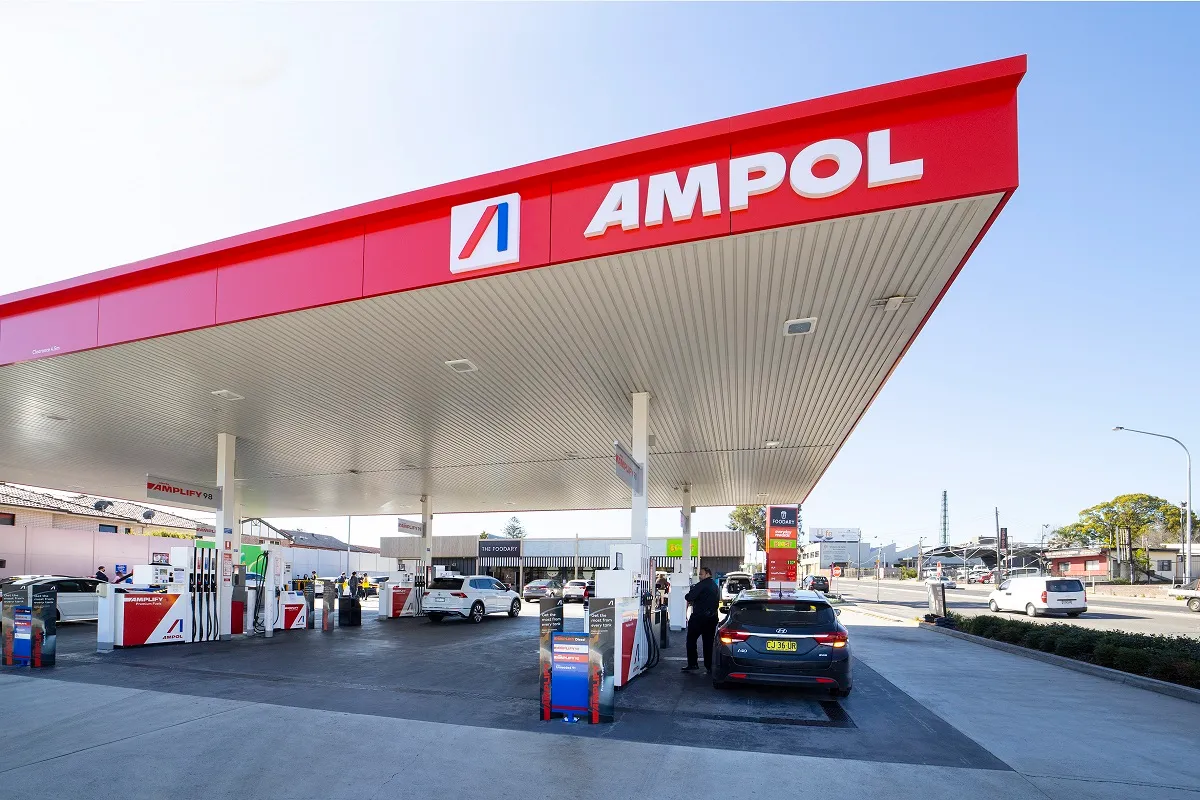
    Ampol Limited lifted its convenience division earnings 12 per cent in the first half of 2026, riding out global oil market volatility linked to Middle East tensions. Adjusted earnings before interest, tax, depreciation and amortisation for the retail network reached $299 million on a replacement-cost basis.

    Earnings before interest and tax in convenience climbed to $204.5 million for the six months ended June 30. Across the wider group, underlying net profit after tax on a replacement-cost basis reached $857.2 million.

    Volume Gains on the Forecourt

    Convenience fuel sales volumes rose 2.4 per cent during the half. Growth centered on base-grade petrol and standard diesel, helped by steady product availability across company-controlled forecourts while wholesale supply chains faced regional shipping constraints.

    Higher pump throughput carried additional foot traffic into store aisles. The shift toward value-oriented base fuels reflects tighter household budgets across Australian metro and regional markets, where motorists continue to trade down from premium fuel grades.

    Shifting Margins Across the Network

    Forecourt operators across Australia and Southeast Asia face a tricky balancing act between volatile wholesale procurement costs and sticky retail shop margins. Competitors such as Viva Energy and standard supermarket-aligned fuel sites have stepped up food and drink promotions to offset lower margins on refined fuel imports.

    Ampol relies on its domestic refining and supply infrastructure to keep supply steady when geopolitical shocks disrupt trade routes. The focus turns to whether retail shop baskets can hold their value into the second half as motorists watch day-to-day spending at the register.