Indonesian commercial lenders issued and activated 32,457 domestic credit cards in the first four weeks following the system’s retail debut. The figures, confirmed by Bank Indonesia Governor Destry Damayanti in Jakarta on September 24, 2026, track adoption since the retail tier went live on August 17.
Total spending across the new network reached Rp18.7 billion over 38,800 transactions. Average ticket size stood at Rp482,000, pointing to everyday retail purchases rather than high-value consumer financing.
Transaction Volume and Merchant Spend
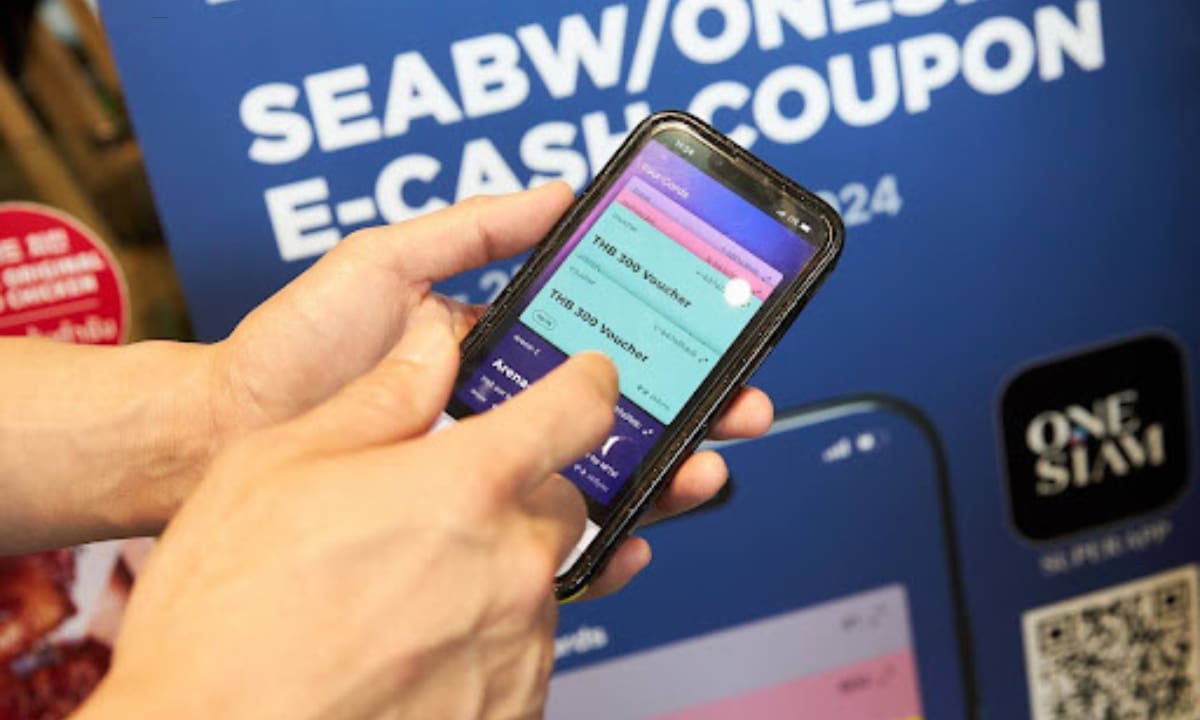
The card, known locally as Kartu Kredit Indonesia (KKI), operates in its first phase as a virtual credit line linked directly to the national QRIS standard. Shoppers scan standard merchant QR codes at checkouts, drawing down an unsecured credit balance through their standard mobile banking application rather than a deposit account.
Bank Indonesia Deputy Governor Filianingsih Hendarta reported that nearly 8,000 individual cardholders have executed live purchases across the initial network. The difference between issued cards and active spenders highlights the early onboarding curve as retail customers set up digital limits inside existing mobile banking apps.
Bank Distribution and Market Share
Private lender PT Bank Central Asia accounts for the bulk of early issuance, logging roughly 28,000 cardholders during the opening month. State-owned PT Bank Rakyat Indonesia and private lender PT Bank Permata follow at a distance, each recording around 1,500 active users.
Five other payment service providers make up the initial implementation cohort: Bank Mandiri, Bank Negara Indonesia, CIMB Niaga, Bank Mega, and Bank Syariah Indonesia. For retail merchants across tier-one cities, the domestic scheme reduces dependence on foreign card networks while plugging directly into existing QR checkout hardware and printed counter placards.
Sharia Options and Technical Integration
Participating lenders are structuring distinct product variants to capture specific consumer segments. Bank Syariah Indonesia is developing Sharia-compliant financing structures to offer non-interest credit lines over the central switch.
Local retailers benefit from standardized merchant discount rates tied to the domestic clearing infrastructure. By channelling unsecured revolving credit through QRIS rails, physical merchants avoid procuring separate point-of-sale terminals to accept credit payments from everyday shoppers.
E-Commerce and Physical Card Rollout
The central bank launched the KKI framework initially for government procurement before expanding the architecture to retail consumers on August 17, 2026. The shift forms part of a broader push to retain domestic transaction fees inside the national clearing ecosystem while expanding consumer credit access outside traditional cardholder demographics.
Bank Indonesia is executing the consumer rollout across three distinct phases. The current phase covers QRIS-linked digital cards inside banking applications. Phase two will expand the network to online e-commerce checkout gateways, while the third phase will introduce physical cards for merchants without digital scanning terminals.