Tag: retail pricing

  • Australian Food Inflation Hits 3.2 per Cent as Grocery Categories Diverge

    Australian Food Inflation Hits 3.2 per Cent as Grocery Categories Diverge

    Australian food and non-alcoholic beverage prices climbed 3.2 per cent in the year to September, accelerating from 3 per cent in August as grocery price movements split sharply across individual categories.

    Official figures from the Australian Bureau of Statistics show that while overall grocery inflation has eased from its peak of 9.2 per cent in late 2022, category-level volatility is dictating basket costs for supermarket operators and hospitality venues.

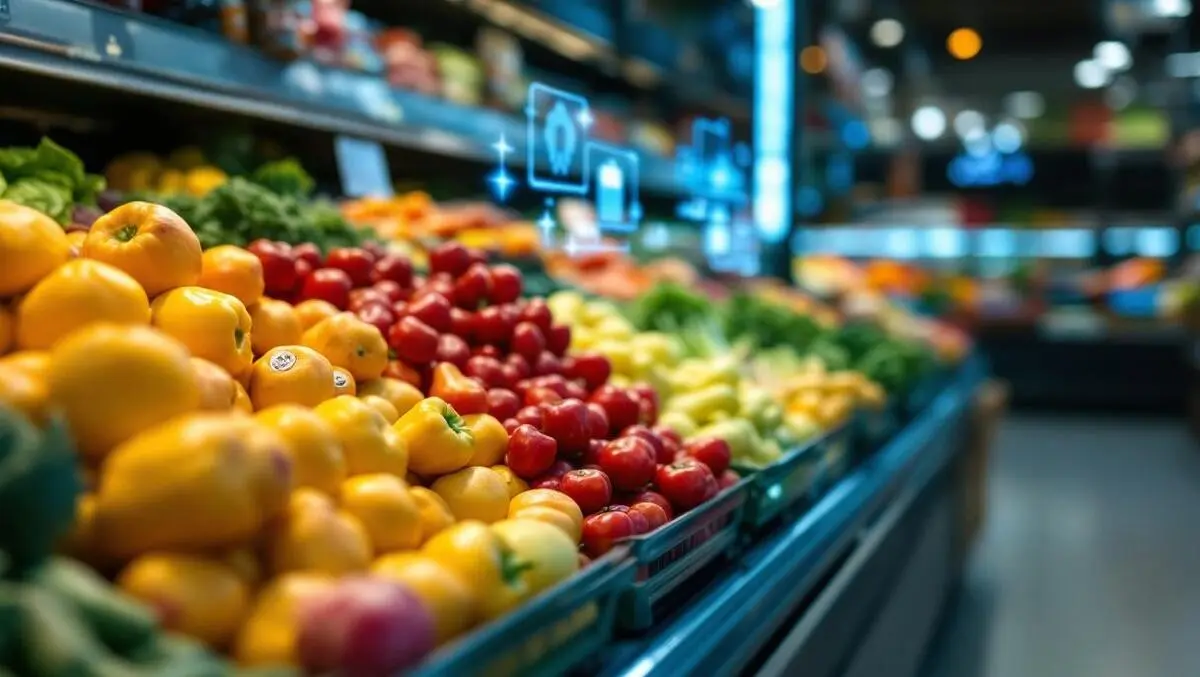
    Fresh Produce Leads Supermarket Price Divides

    The headline pace hides wide gaps on the shelves. Fruit prices jumped 10.2 per cent over the 12 months to September, and beef and veal rose 5.8 per cent. Milk prices climbed 5.4 per cent over the same period, while dining out and takeaway food recorded a 3.9 per cent increase. By contrast, pork prices declined, giving retail buyers brief relief in an otherwise climbing protein basket.

    RaboResearch senior food analyst Michael Harvey pointed out that price shifts are no longer running evenly through the aisles. “Rather than broadbased inflation across the supermarket basket, we’re now seeing much greater divergence between categories,” Harvey said.

    Distributors Warn of Seven Per Cent Wholesale Jump

    Cost pressures upstream threaten to erase recent stability for commercial kitchens and supermarket suppliers. Countrywide Foodservice Distributors, an industry group representing almost 100 distributors that serve 80,000 businesses and institutions across Australia, warned that domestic operators can no longer absorb rising operational overheads.

    The group projects an average increase of 7 per cent across food and beverage lines. Mounting freight outlays, higher fuel expenses and a global squeeze on synthetic nitrogen fertiliser linked to conflict in the Middle East are lifting farmgate input costs. Because natural gas and Gulf shipping routes dictate global fertiliser pricing, Australian growers are paying more to establish upcoming crops, which distributors expect to pass straight through to wholesale pricing schedules.

    Margin Squeeze Shifts to Private Label and Sourcing

    For supermarket chains and foodservice groups across the region, widening price gaps between categories destroy predictable margin structures. When basic produce like fruit spikes at double-digit rates, consumers trade down to discount private-label alternatives, purchase processed shelf-stable substitutes or trim basket sizes altogether.

    Retailers operating in Australia cannot lean on uniform across-the-board supplier price increases without alienating shoppers whose overall household budgets remain pinched. Margin defense now rests on selective category renegotiations: buying desks must swallow higher fruit and dairy inputs while exploiting cheaper pork supplies and flat packaging lines to keep basket totals manageable.

    Long Tail of Earlier Price Increases

    The current divergence follows five years of compounding retail food price escalation. An inquiry by the Australian Competition and Consumer Commission documented a 23 per cent surge in food and non-alcoholic beverage prices between March 2019 and June 2024. Although the annual rate of increase has downshifted from the 9.2 per cent recorded in the December quarter of 2022, the price baseline remains permanently elevated.

    The immediate indicator to track is the upcoming Australian Bureau of Statistics consumer price index release for the December quarter, which will confirm whether distributor-projected 7 per cent wholesale increases have begun flowing into supermarket checkouts.

  • Karnataka Raises Nandini Milk Prices by ₹8 per Litre

    Karnataka Raises Nandini Milk Prices by ₹8 per Litre

    Karnataka raised retail prices for its Nandini milk brand by ₹8 per litre on Thursday, with the revised rates taking effect from November 1.

    The price revision transfers ₹7 per litre directly to dairy farmers, while milk cooperative unions take the remaining ₹1 per litre to absorb operating costs.

    Chief Minister DK Shivakumar defended the decision by the state cabinet, which approved the adjustment after requests from dairy farmers and the Karnataka Milk Federation (KMF).

    Breakdown Across Product Variants

    The standard Nandini Shubham pack containing 4.5% fat rises to ₹60 per litre from ₹52. Even at the adjusted level, government pricing data places Shubham below the ₹62.80 average recorded across 10 other states included in the comparison.

    Toned milk now costs ₹54 per litre, up from ₹46. Homogenised toned milk increases from ₹47 to ₹55, while homogenised cow’s milk shifts from ₹50 to ₹58. Nandini Samruddhi, meanwhile, moves to ₹63 per litre from its earlier price of ₹55.

    The price revision applies to all Nandini milk varieties, including toned, homogenised and premium options across the state.

    How Karnataka Compares Nationally

    Even after the increase, Karnataka’s Nandini Shubham milk will remain cheaper than comparable 4.5% fat milk varieties in most states covered by the comparison. Telangana and Andhra Pradesh sell equivalent dairy grades at ₹68 per litre, leaving Karnataka ₹8 cheaper per litre after the adjustment.

    Punjab, Odisha, and Chhattisgarh retail similar packs at ₹66 per litre, while Gujarat and Rajasthan charge ₹64. At ₹60 per litre, Nandini Shubham matches the prices charged by Bihar’s Sudha milk and Goa Cooperative milk. Tamil Nadu’s state-backed Aavin 4.5% milk lists lower at ₹46 per litre, though prices in that state vary by variant and cooperative union.

    Supply Chain Cost Pressures

    Shivakumar noted that milk prices in Karnataka remained lower than in several neighbouring states, adding that the price gap had contributed to milk being diverted to other states. Raising local prices helps prevent dairy farmers from incurring losses amid rising production and transportation costs.

    “The price has been increased to prevent losses to farmers. The government is helping farmers, and farmers are important to us,” Shivakumar told reporters, as per PTI.

    “If there are farmers, we can drink milk. Otherwise, is it possible to drink milk,” he said.

    The chief minister cited higher input costs for plastic packaging, diesel, and petrol, which have pushed up transportation expenses.

    Procurement Demands and Transport Fares

    Dairy farmers and unions had initially sought an increase of ₹12 to ₹15 per litre, but the government settled on ₹8 following stakeholder consultations. Shivakumar said the demand for a price revision had been pending for the past couple of years.

    State authorities also indicated that state transport bus fares could be revised in the coming days, as the government continues to assess operational costs.

  • Diet Coke Cans Reach Record 70 Rupees in India as Aluminium Squeeze Bites

    Diet Coke Cans Reach Record 70 Rupees in India as Aluminium Squeeze Bites

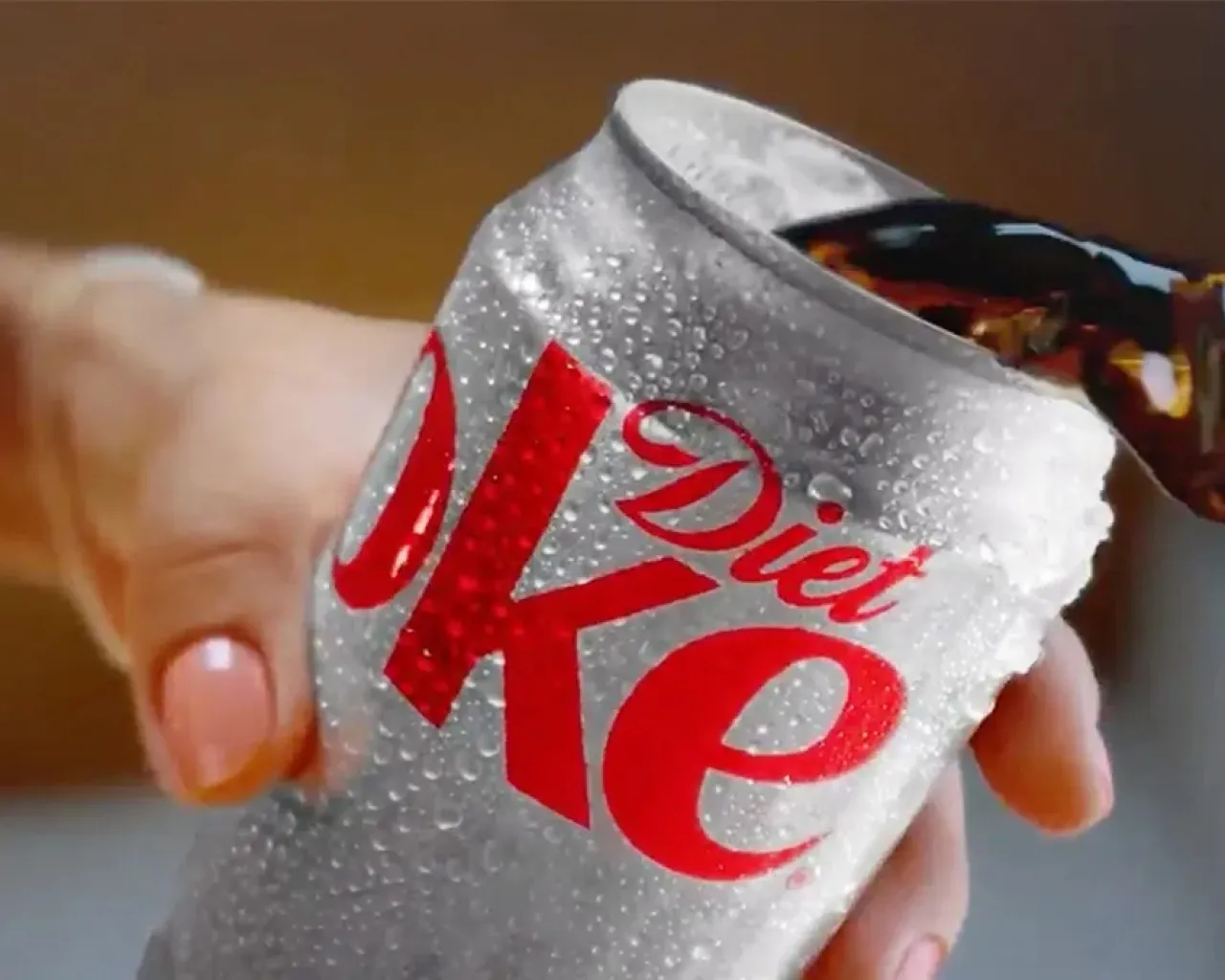
    Coca-Cola bottlers and retailers across India have raised Diet Coke prices to 70 rupees for a 330 ml can, up from 50 rupees, as metal packaging costs climb.

    The 40 per cent jump hits major urban territories, including Delhi-NCR, Mumbai, Bengaluru and Goa. Local stores there charge the new rate even on inventory printed with the earlier 50-rupee maximum retail price.

    Metal costs squeeze bottler margins

    Can-grade aluminium prices surged 30 per cent year-on-year after conflict in West Asia disrupted supplies earlier this year. That inflation forced independent packaging partners to pass costs down the distribution chain.

    Bottlers say packaging economics collapsed under higher procurement tabs for beverage cans. One independent Coca-Cola bottler stated:

    “Yes, we are selling 330 ml cans of Diet Coke at ₹70 now. The increase in prices of aluminium cans is unsustainable,”

    Divergence between store shelves and apps

    Offline retailers and neighborhood grocers applied the 70-rupee price tag across metro markets, triggering consumer pushback on social media. Quick-commerce apps like Blinkit and Zepto still fulfill customer orders at the official 50-rupee price printed on the 330 ml packs.

    This pricing split creates friction across urban retail channels. General trade grocers and supermarkets face customer disputes at billing counters. App-based delivery platforms hold to official price tags to defend basket sizes.

    Coca-Cola stated that company guidance remains tied to package labeling. A company spokesperson said:

    “In line with Indian regulations, our recommendation to all trade partners is to charge the MRP printed on the pack.”

    Surging demand outstrips can availability

    Consumer demand for zero-sugar soft drinks doubled over the past 12 months, draining bottling lines of inventory. High demand and tight can supply allowed distributors to hike rates without hurting sales volumes.

    Independent bottlers operate with separate cost bases from company-owned plants. That makes localized price hikes hard for the brand owner to rein in. A senior beverage industry executive noted:

    “Pricing being taken by independent bottlers and retailers is beyond the company’s control. The decision to hike prices is a direct consequence of demand for the zero-calorie drink having doubled over the last year,”

    The shift from smaller pack sizes

    The latest jump follows a packaging transition that began in July. Coca-Cola phased in 330 ml cans at 50 rupees to replace older 300 ml cans priced at 40 rupees, standardizing can sizes while adjusting price realization per unit.

    Attention now turns to whether quick-commerce platforms raise listing prices to match general trade as new inventory reaches warehouses. Aluminium raw-material prices heading into the next bottling cycle will decide if the 70-rupee level sticks.

  • Hyundai Opens UK Orders for Ioniq 3 Compact EV at £18,495

    Hyundai Opens UK Orders for Ioniq 3 Compact EV at £18,495

    Hyundai Motor opened UK order books on Monday for its Ioniq 3 electric hatchback. Entry pricing starts at £18,495 on the road after government subsidies.

    The sub-£20,000 opening price applies to the base Advance 42 kWh trim. That reflects the £3,750 UK Electric Car Grant deducted from its £22,245 list price.

    Buyers choosing the larger 61 kWh pack pay £21,995 after the grant, down from £25,745. The top-tier N Line Evo tops the range at £28,195. Existing reservation holders who switch to binding orders get the full £3,750 state subsidy rather than the £1,500 promotional factory discount Hyundai initially planned. Showroom deliveries in the UK begin this month.

    Powertrain splits and charging specifications

    Engineering teams in Rüsselsheim, Germany, developed the 4.15-metre hatchback on a 400-volt variation of the group’s E-GMP electric architecture. Production for European and British markets goes to the carmaker’s plant in Izmit, Turkey. Dimensions run 4,155 mm long, 1,800 mm wide, and 1,505 mm high on a 2,680 mm wheelbase. The car pairs a 0.263 drag coefficient with 441 litres of rear cargo capacity.

    Two lithium-ion battery capacities determine performance across five model configurations. The entry 42.2 kWh pack pairs with a 108 kW front motor producing 145 horsepower. That delivers up to 344 kilometres, or 213 miles, of WLTP driving range. For 61 kWh long-range models, a 99.5 kW motor produces 133 horsepower and delivers up to 496 kilometres, or 308 miles, per charge.

    Both packs support direct-current fast charging at peak rates between 110 kW and 119 kW. A 10 to 80 per cent charge takes 29 minutes for the base battery and 30 minutes for the larger pack. Buyers can also specify an optional 22 kW onboard alternating-current charger for faster depot and home charging. Standard equipment includes the Android Automotive OS-based Pleos Connect interface with screens up to 14.6 inches, bidirectional Vehicle-to-Load capability, and the SmartSense driver-assistance suite.

    Pricing structure and retail financing

    Cash pricing and monthly personal contract purchase rates target high-volume retail buyers seeking long range on tighter budgets. Stepping up from the 42 kWh Advance to the 61 kWh version adds £3,500, taking post-grant pricing to £21,995. Mid-tier Premium trims with the 61 kWh pack cost £23,695. The top Ultimate trim costs £26,195 and adds matrix LED lighting alongside highway driving assistance systems.

    Hyundai Finance paired the launch with an entry personal contract purchase plan for the 61 kWh Advance model. The 48-month contract requires a £355 customer deposit and £355 monthly payments at an 8.9 per cent representative APR. In continental Europe, order books opened simultaneously. Base German retail pricing starts at €28,950 before regional incentives, backed by a €209 monthly leasing offer.

    Securing the full £3,750 Electric Car Grant across every version means we can now turn that interest into orders at a price that puts a genuinely spacious, long-range electric car within reach of far more drivers.

    Asian export strategy and segment competition

    Pricing the 308-mile long-range version at £21,995 places direct pressure on European incumbents and Chinese battery-electric imports in Britain. The Ioniq 3 arrives below the Renault 5 E-Tech, which retails from £21,495 with shorter range. It also undercuts the £23,990 entry price of BYD’s Dolphin G DM-i plug-in variant. Against sister brand Kia’s EV2, which shares the E-GMP 400V platform but caps range at 448 kilometres, the car holds a clear aerodynamic range advantage.

    South Korean automakers are adjusting European production footprints to protect margins against shifting tariffs and shipping costs from East Asian plants. Assembling the Ioniq 3 in Turkey while keeping software and battery design at group technical centres lets Hyundai avoid punitive import duties faced by Chinese pure-play EV makers. It also protects retail price parity. For Asian automotive suppliers, the high-volume rollout creates steady demand for 400-volt motor units, wiring harnesses, and battery management modules.

    Focusing on Europe reflects a deliberate geographic split in Seoul’s electric vehicle catalog. Larger 800-volt models like the Ioniq 5 and Ioniq 6 anchor brand volume in North America and Asia-Pacific markets. In the United States, where buyers favor larger crossovers, Hyundai confirmed it has no plans to introduce the smaller Ioniq 3.

    Earlier platform milestones and factory ramp

    The UK order launch follows an August preview where Hyundai tested customer appetite with a temporary £1,500 reservation incentive before securing category certification under the British grant scheme. Over the prior twelve months, the group converted capacity at its Izmit plant to build the E-GMP architecture alongside internal combustion superminis. German engineering trials had locked in the 0.263 drag profile earlier.

    British dealership demonstrator fleets will complete registration by the end of October. Factory delivery times for custom orders and wholesale shipments from Turkey through the first quarter of 2027 will show whether Hyundai converts early UK reservations into sustained European market share.

  • Australian Grocery Baskets Rise 8.5% as Shoppers Trade Down

    Australian Grocery Baskets Rise 8.5% as Shoppers Trade Down

    Australian households face an 8.5 per cent jump in standard grocery costs, pushing four-person families to spend an average of $245 weekly at supermarket checkouts. That identical basket of goods climbed to $232 in July 2026 from $214 in March 2025, according to tracking data from consumer research firm Canstar.

    Overall household grocery spending rose two per cent year on year from an average of $240 per week, held down only because shoppers are actively ditching premium items and buying cheaper alternatives. Research from ANZ Institutional shows consumers are managing higher food costs by swapping beef for chicken, picking private-label staples like pasta and canned tomatoes, and structuring purchases around promotional cycles.

    Trading down to private labels

    Price scrutiny has altered basket composition across major supermarket chains. Canstar survey data indicates 40 per cent of shoppers cut back on discretionary treats and snacks, while 38 per cent spend extra time evaluating unit pricing on shelves. Another 30 per cent target marked-down stock, and 25 per cent now buy supermarket home brands instead of proprietary labels.

    The shift demonstrates how consumer adaptation blunts headline shelf inflation. Families who alter their purchasing baskets shield their weekly budgets, while those maintaining rigid preferences for items like fresh beef, dairy and convenience foods absorb the full weight of cumulative price gains.

    “Food inflation doesn’t just change prices; it changes habits,” said Matthew Mann, director of research and analysis at ANZ Institutional.

    Margin squeeze for national brands

    For packaged goods manufacturers and tier-one food brands, this behavioral pivot threatens market share in key dry-grocery and dairy categories. Major supermarket operators in Australia continue to expand their private-label ranges, securing margin while offering entry-level price points that squeeze branded suppliers off shelf space.

    Suppliers unable to fund trade promotions or justify premium pricing risk permanent volume losses as private-label loyalty solidifies. The margin pressure sits heavily on domestic food processors, who must navigate higher logistical and ingredient costs without full pricing power at the retail negotiating table.

    Tracking the checkout shift

    Cost pressures built steadily through 2025 before escalating into mid-2026, compounded by wider supply chain friction and energy costs. University of Sydney retail researcher Lisa Asher noted that real wage growth has failed to keep pace with cumulative food cost increases over that window.

    The key metric for Australian retail suppliers through the final quarter of 2026 is volume recovery in branded meat and snack categories as promotional discounting deepens.